

Tested Applications
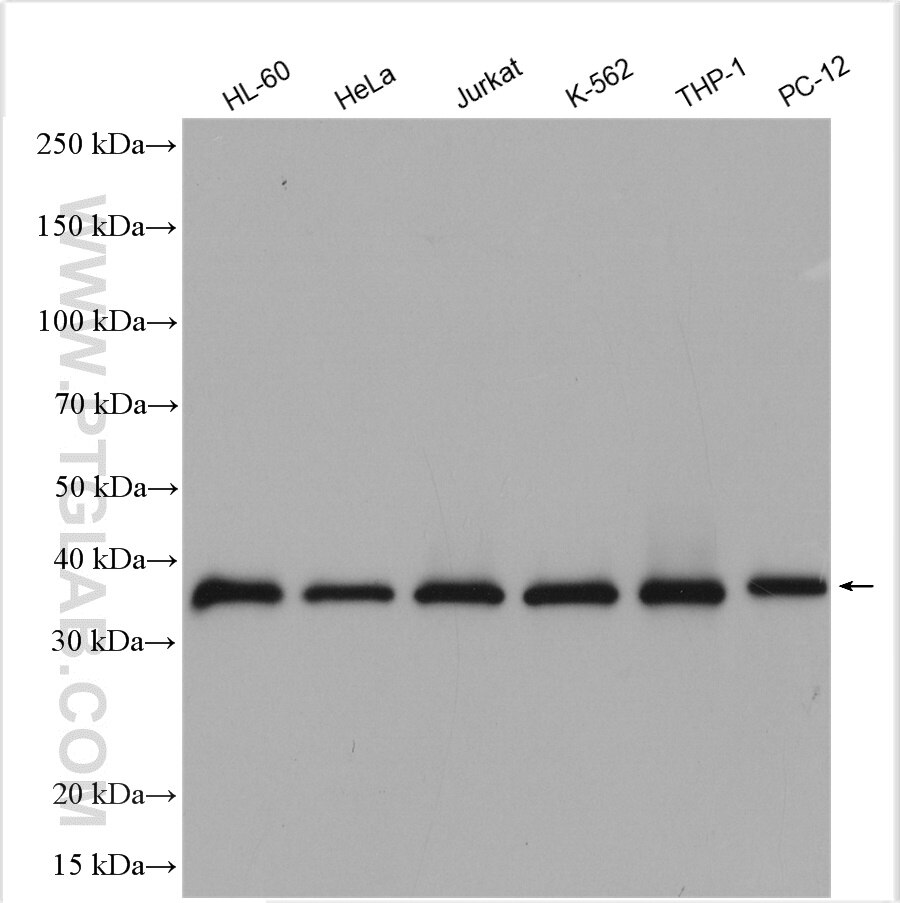
| Positive WB detected in | HL-60 cells, HeLa cells, Jurkat cells, K-562 cells, THP-1 cells, PC-12 cells |
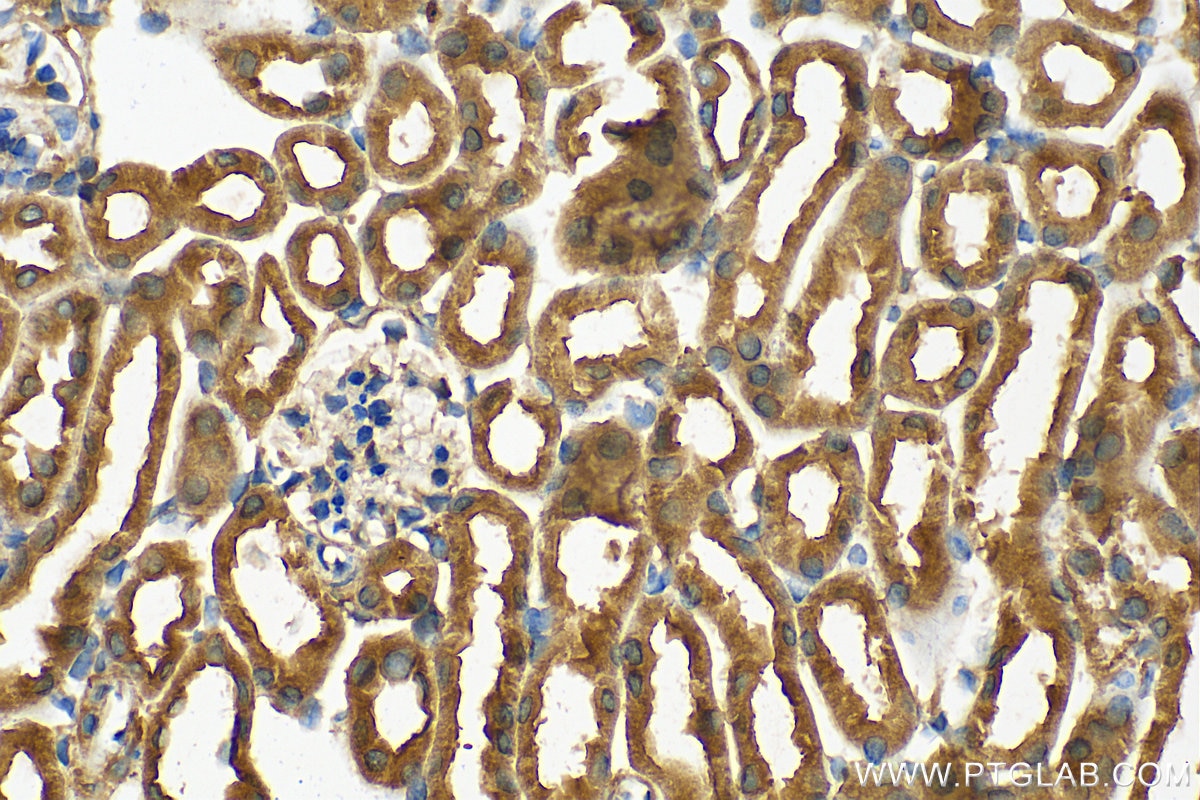
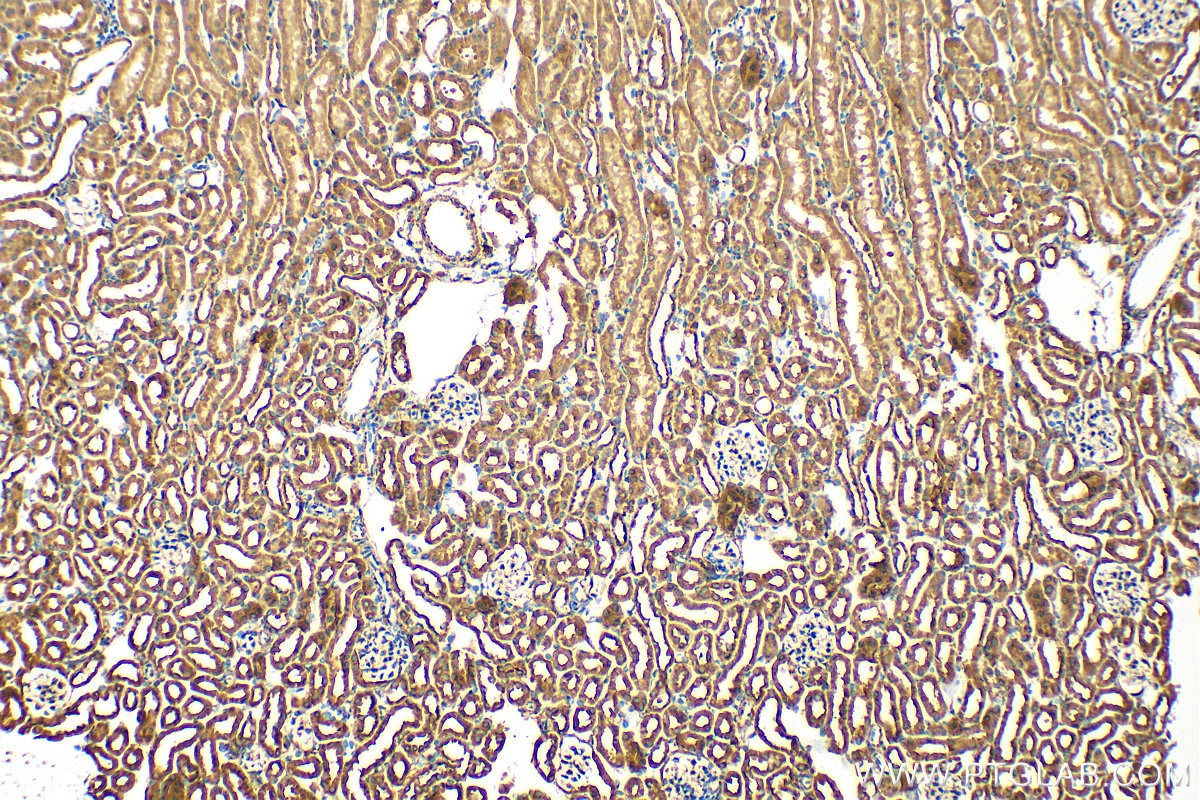
| Positive IHC detected in | mouse kidney tissue Note: suggested antigen retrieval with TE buffer pH 9.0; (*) Alternatively, antigen retrieval may be performed with citrate buffer pH 6.0 |
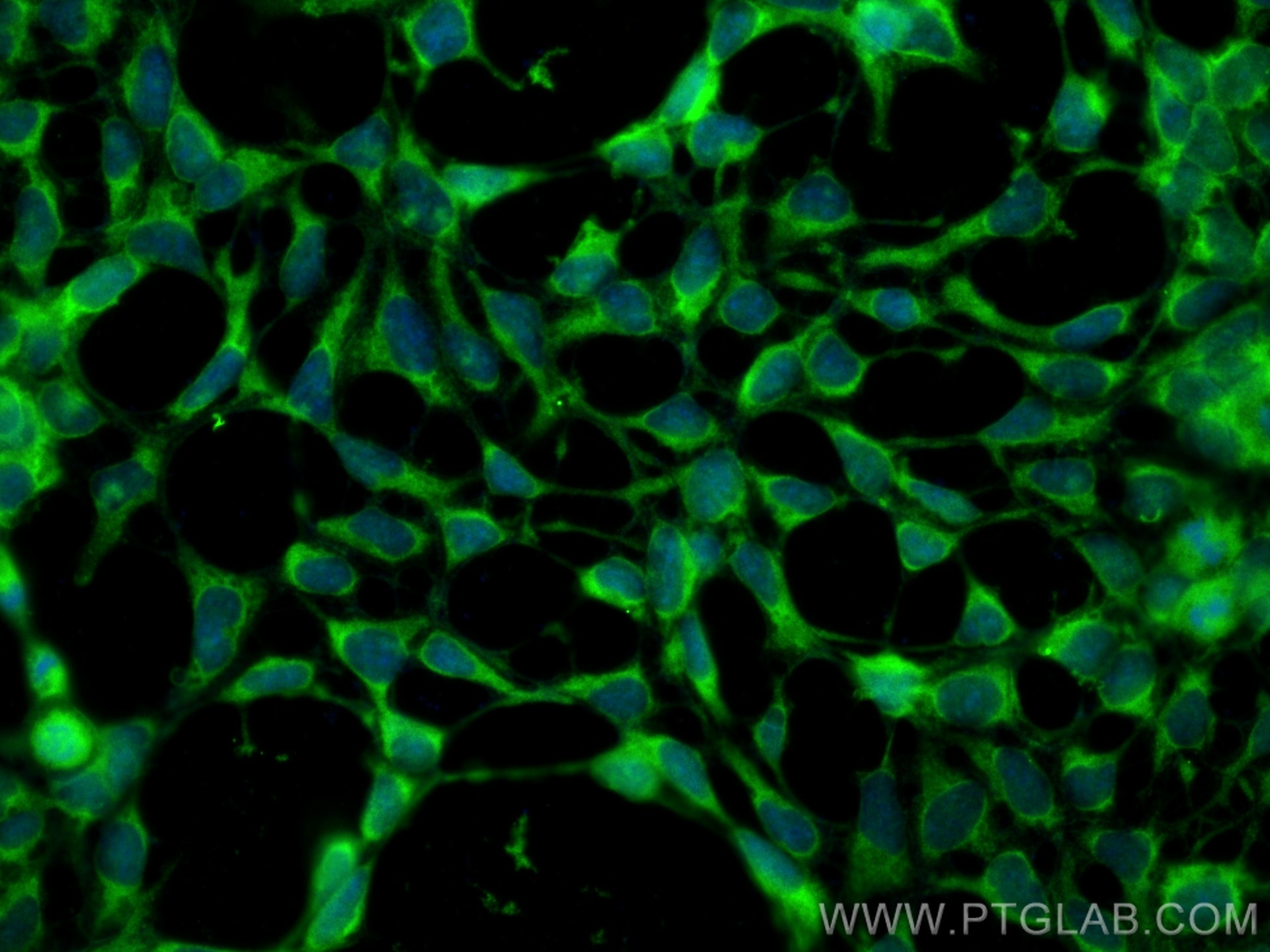
| Positive IF/ICC detected in | HEK-293 cells |
Recommended dilution
| Application | Dilution |
|---|---|
| Western Blot (WB) | WB : 1:2000-1:12000 |
| Immunohistochemistry (IHC) | IHC : 1:500-1:2000 |
| Immunofluorescence (IF)/ICC | IF/ICC : 1:200-1:800 |
| It is recommended that this reagent should be titrated in each testing system to obtain optimal results. | |
| Sample-dependent, Check data in validation data gallery. | |
Product Information
11262-2-AP targets ATG3 in WB, IHC, IF/ICC, ELISA applications and shows reactivity with human, mouse, rat samples.
| Tested Reactivity | human, mouse, rat |
| Cited Reactivity | human, mouse, rat, pig |
| Host / Isotype | Rabbit / IgG |
| Class | Polyclonal |
| Type | Antibody |
| Immunogen |
CatNo: Ag1785 Product name: Recombinant human ATG3 protein Source: e coli.-derived, PGEX-4T Tag: GST Domain: 1-314 aa of BC024221 Sequence: MQNVINTVKGKALEVAEYLTPVLKESKFKETGVITPEEFVAAGDHLVHHCPTWQWATGEELKVKAYLPTGKQFLVTKNVPCYKRCKQMEYSDELEAIIEEDDGDGGWVDTYHNTGITGITEAVKEITLENKDNIRLQDCSALCEEEEDEDEGEAADMEEYEESGLLETDEATLDTRKIVEACKAKTDAGGEDAILQTRTYDLYITYDKYYQTPRLWLFGYDEQRQPLTVEHMYEDISQDHVKKTVTIENHPHLPPPPMCSVHPCRHAEVMKKIIETVAEGGGELGVHMYLLIFLKFVQAVIPTIEYDYTRHFTM Predict reactive species |
| Full Name | ATG3 autophagy related 3 homolog (S. cerevisiae) |
| Calculated Molecular Weight | 36 kDa |
| Observed Molecular Weight | 36-40 kDa |
| GenBank Accession Number | BC024221 |
| Gene Symbol | ATG3 |
| Gene ID (NCBI) | 64422 |
| RRID | AB_2059234 |
| Conjugate | Unconjugated |
| Form | Liquid |
| Purification Method | Antigen affinity purification |
| UNIPROT ID | Q9NT62 |
| Storage Buffer | PBS with 0.02% sodium azide and 50% glycerol, pH 7.3. |
| Storage Conditions | Store at -20°C. Stable for one year after shipment. Aliquoting is unnecessary for -20oC storage. 20ul sizes contain 0.1% BSA. |
Background Information
Autophagy is a lysosome-dependent conserved catabolic process in response to various stresses, such as oxidative stress and ischemia, for the degradation and recycling of aged or dysfunctional intracellular components and damaged organelles. A large group of autophagy-related genes (ATGs) have been identifed as essential drivers in diferent stages of autophagy. Autophagy-related 3 (ATG3), one of the autophagyrelated gene family members, serves as an E2-like enzyme contributing to the conjugation of microtubule-associated protein light chain 3 (LC3) to lipid phosphotidylethanolamine (PE). ATG3 plays a signifcant role in the regulation of autophagy, viability, and death.
Protocols
| Product Specific Protocols | |
|---|---|
| IF protocol for ATG3 antibody 11262-2-AP | Download protocol |
| IHC protocol for ATG3 antibody 11262-2-AP | Download protocol |
| WB protocol for ATG3 antibody 11262-2-AP | Download protocol |
| Standard Protocols | |
|---|---|
| Click here to view our Standard Protocols |
Publications
What published studies show
The ATG3 Polyclonal antibody (Cat# 11262-2-AP) has 43 citations across journals including Autophagy, Nature Communications, Cell Death & Differentiation, Pharmacological Research, Cell Death & Disease, Journal of Neuroinflammation, Acta Neuropathologica, and others. Research fields span autophagy regulation, cancer biology, neuroinflammation, liver fibrosis, immunology, toxicology, and metabolic disorders, with applications primarily in Western blot, IHC, and IF.
| Species | Application | Title |
|---|---|---|
Autophagy LC3B conjugation machinery promotes autophagy-independent HIV-1 entry in CD4+ T lymphocytes
| ||
Autophagy Phosphorylation of the selective autophagy receptor TAX1BP1 by TBK1 and IKBKE/IKKi promotes Atg8-family protein-dependent clearance of MAVS aggregates
| ||
Autophagy Dual roles of CXCR4 (C-X-C motif chemokine receptor 4) in promoting entry of ebolavirus and targeting excessive glycoprotein for reticulophagic degradation to facilitate viral fitness | ||
Autophagy WNT2B impairs endosomal trafficking via WASHC5 to inhibit autophagy: a novel non-secretory WNT pathway. | ||
Autophagy Iterative design leads to a smart probe capable of quantifying autophagic flux with switchable fluorescence via engaging MAP1LC3/LC3.
| ||





