

Tested Applications
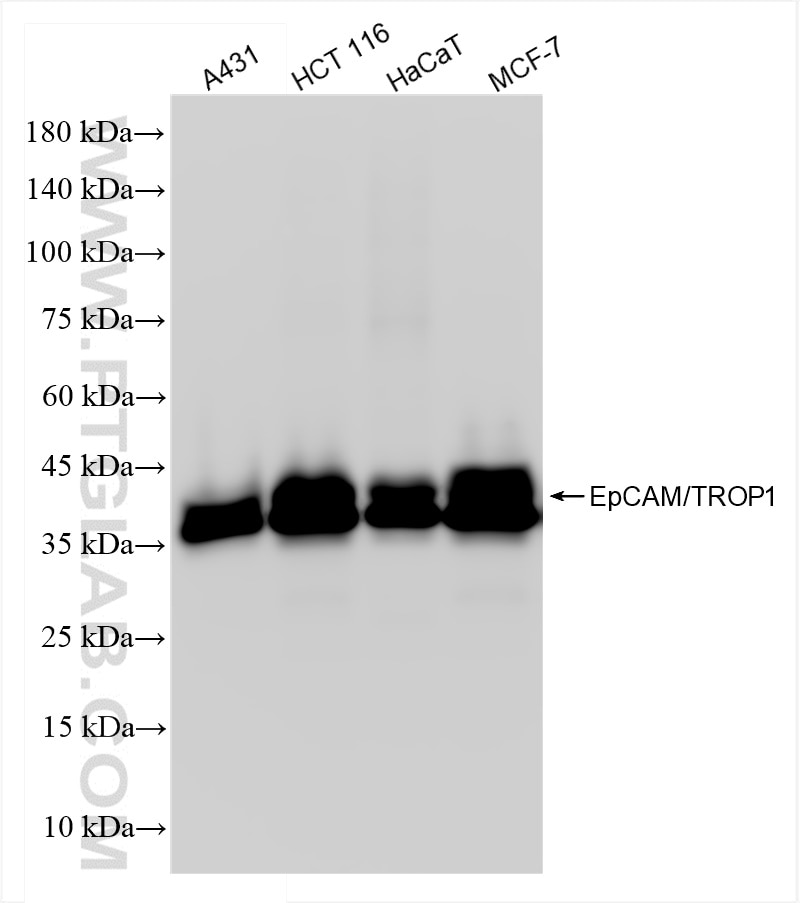
| Positive WB detected in | A431 cells, HCT 116 cells, HaCaT cells, MCF-7 cells |
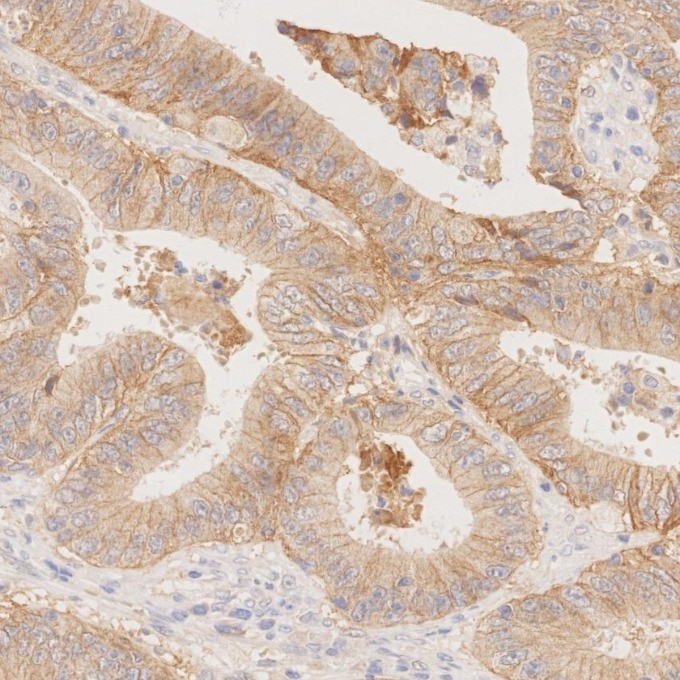
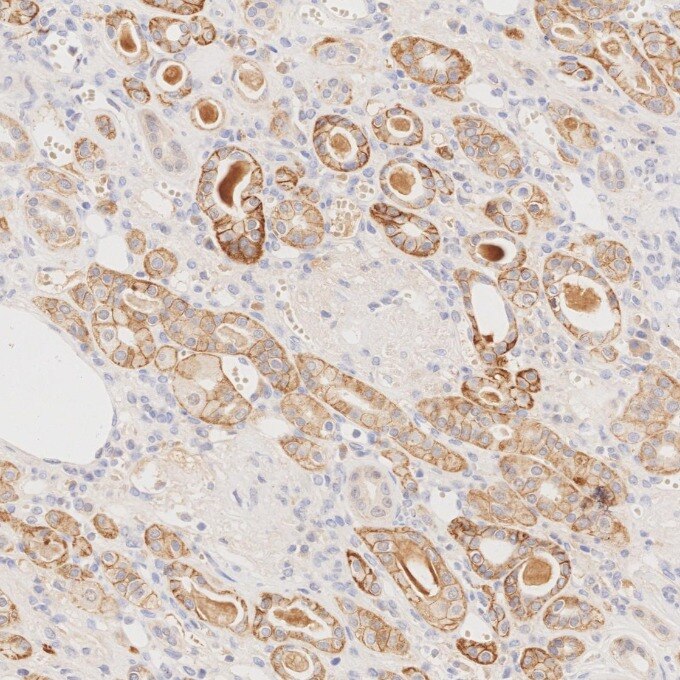
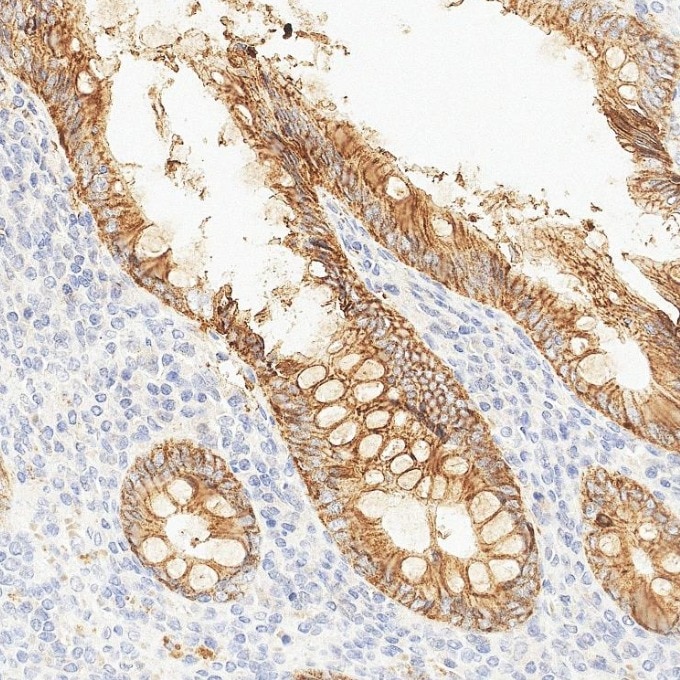
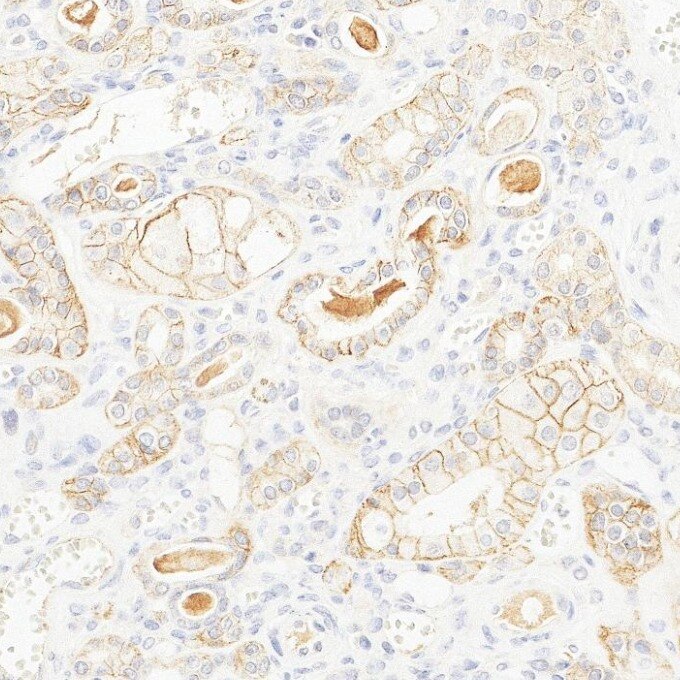
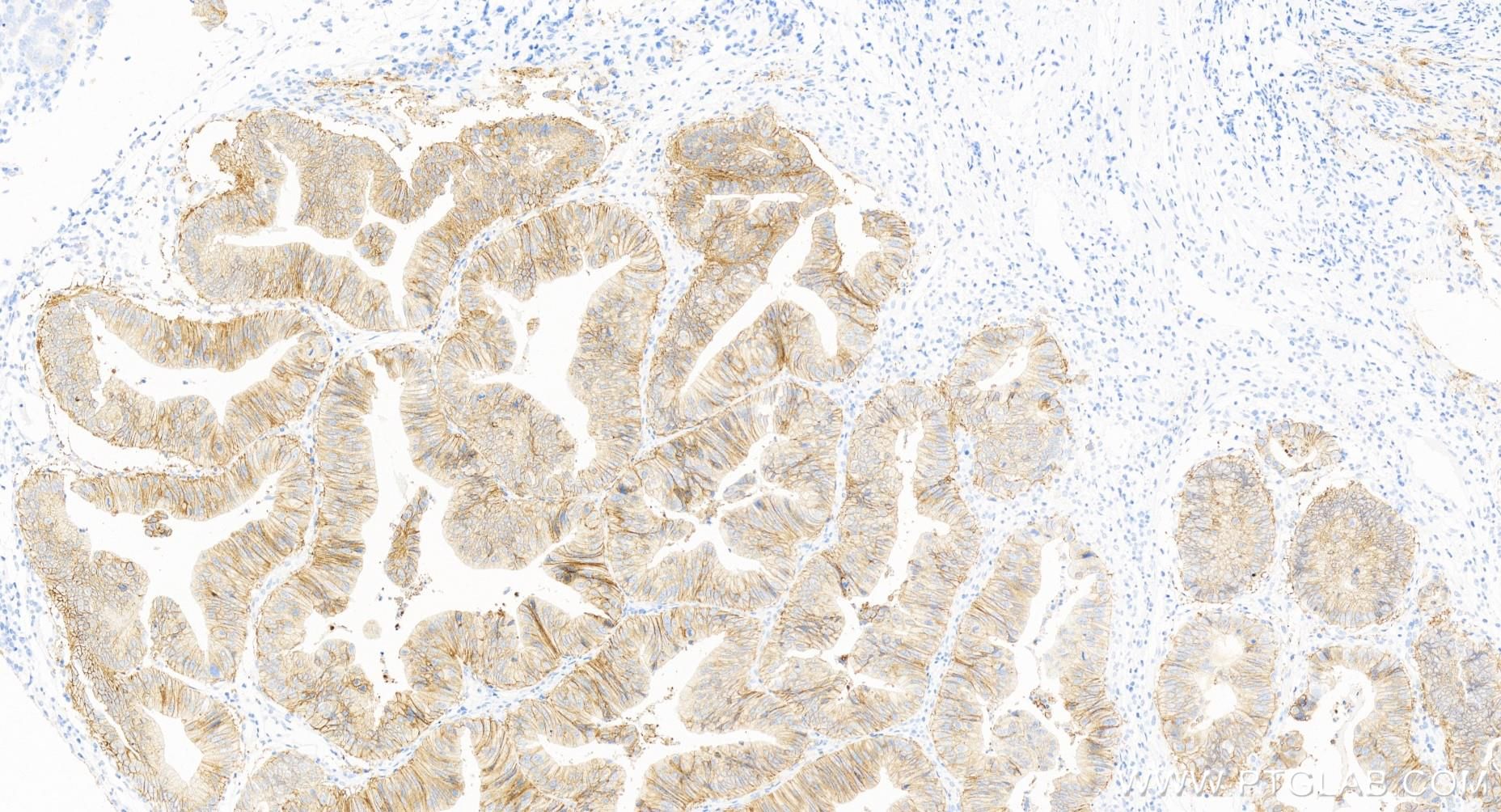
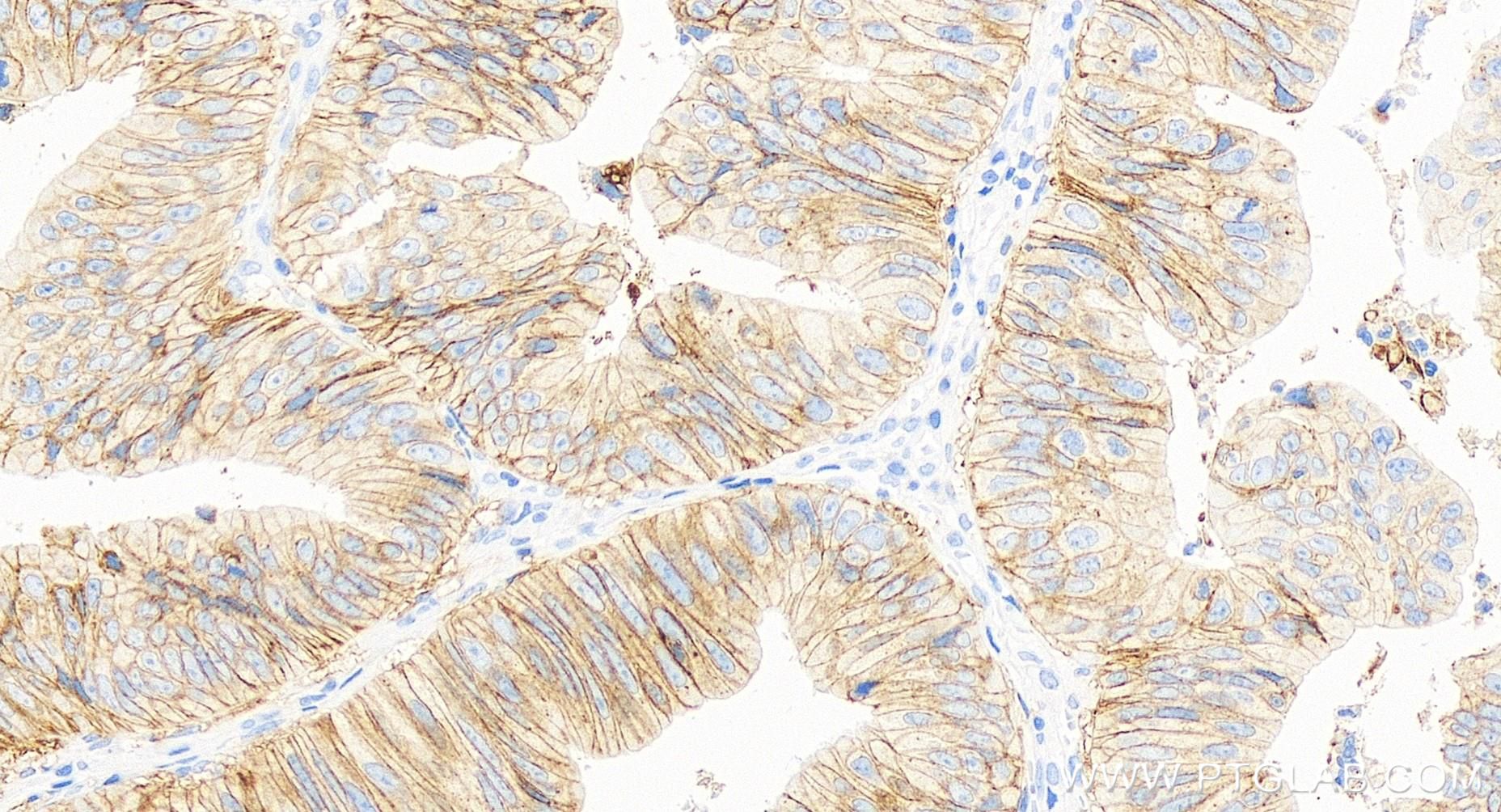
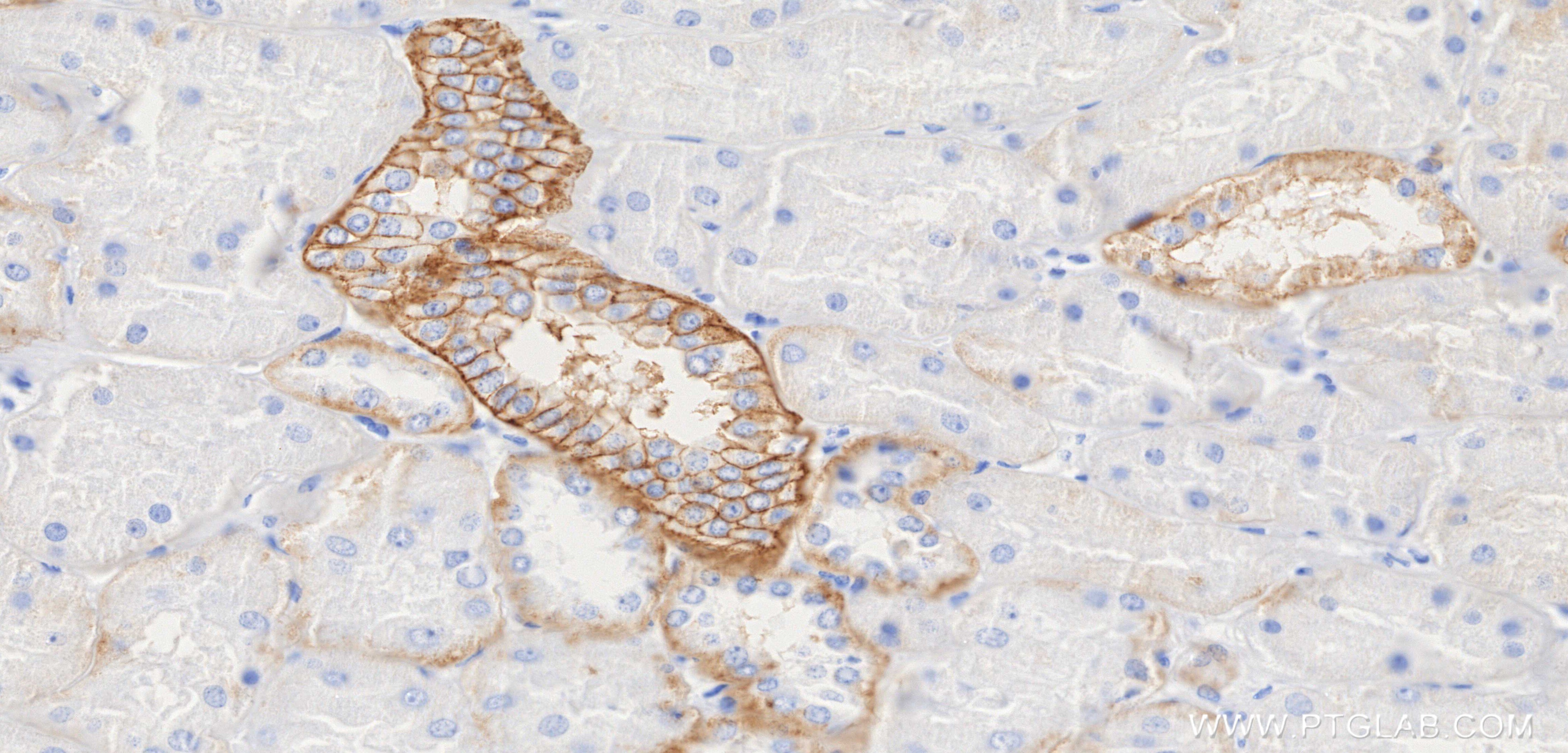
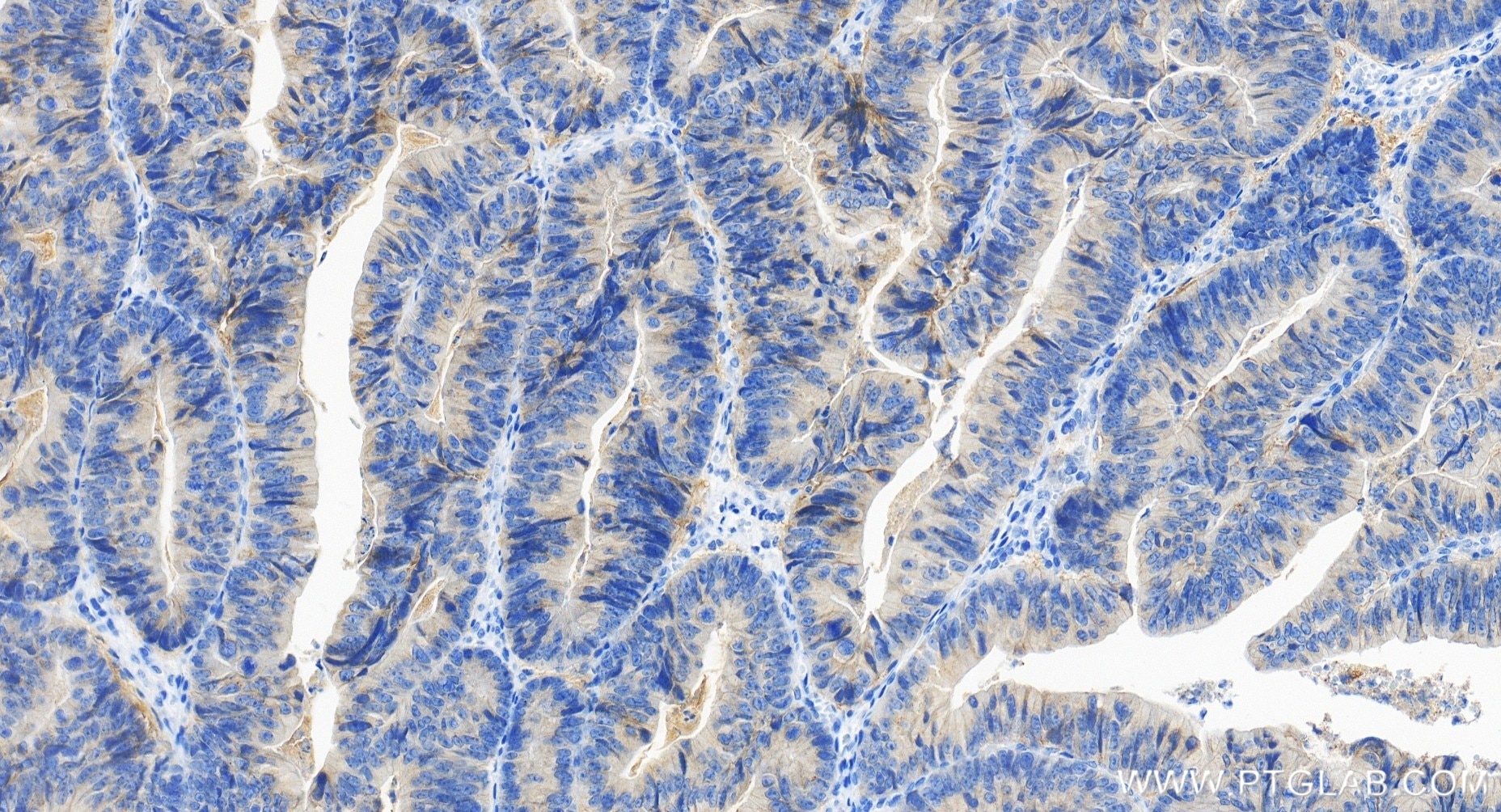
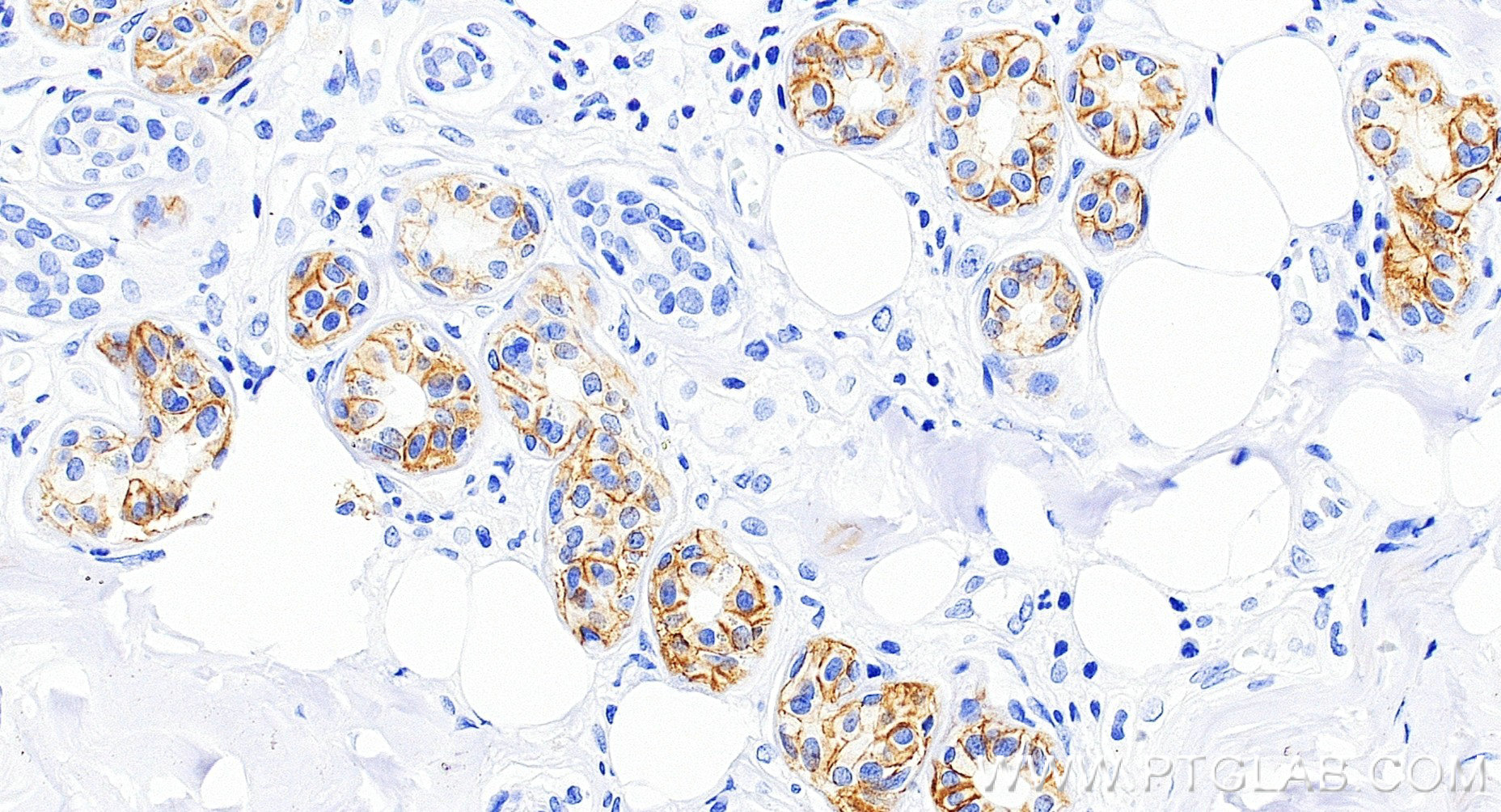
| Positive IHC detected in | human ovary cancer tissue, human skin tissue, human kidney tissue, human colon cancer tissue Note: suggested antigen retrieval with TE buffer pH 9.0; (*) Alternatively, antigen retrieval may be performed with citrate buffer pH 6.0 |
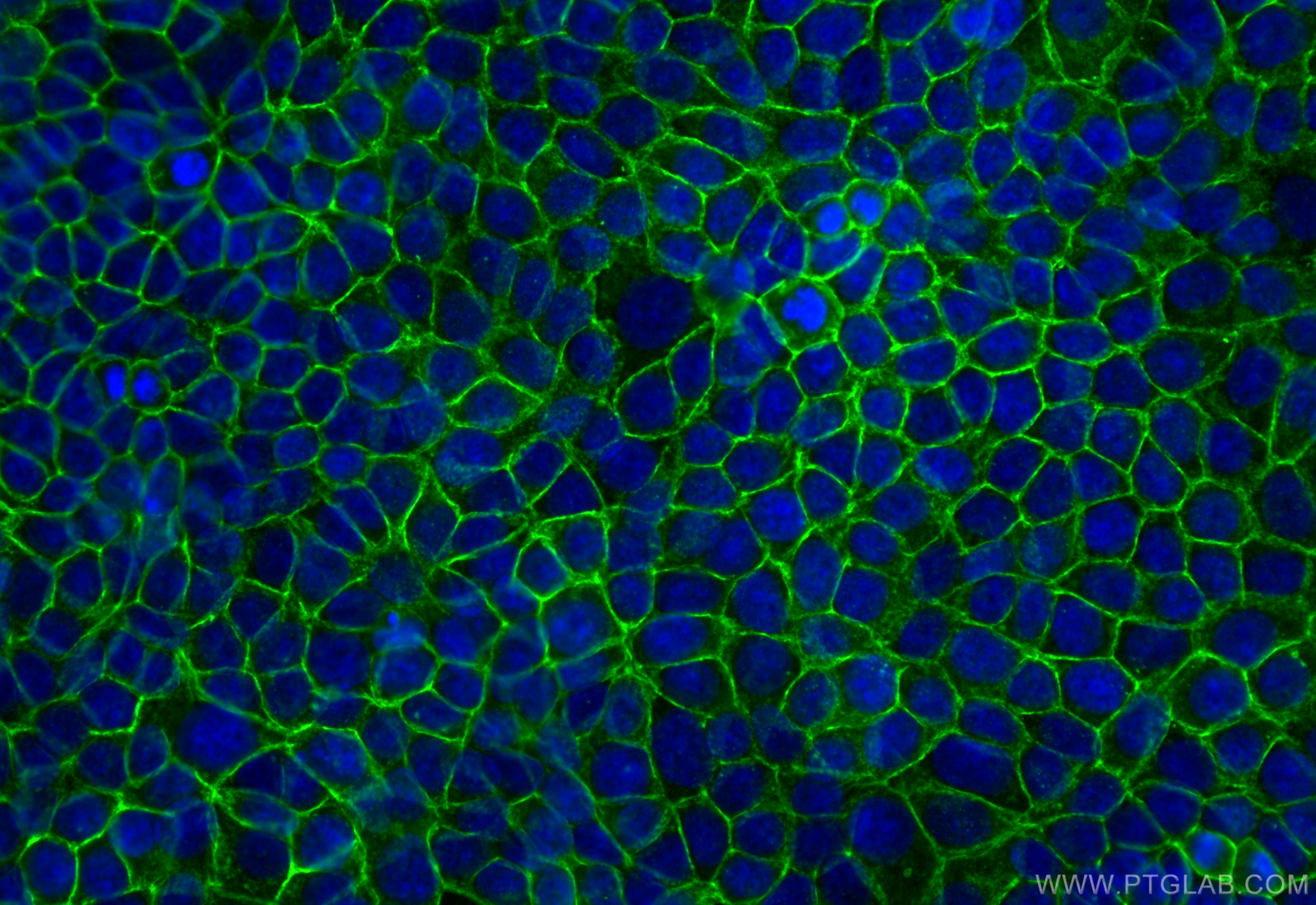
| Positive IF/ICC detected in | MCF-7 cells |
Recommended dilution
| Application | Dilution |
|---|---|
| Western Blot (WB) | WB : 1:5000-1:50000 |
| Immunohistochemistry (IHC) | IHC : 1:500-1:2000 |
| Immunofluorescence (IF)/ICC | IF/ICC : 1:200-1:800 |
| It is recommended that this reagent should be titrated in each testing system to obtain optimal results. | |
| Sample-dependent, Check data in validation data gallery. | |
Product Information
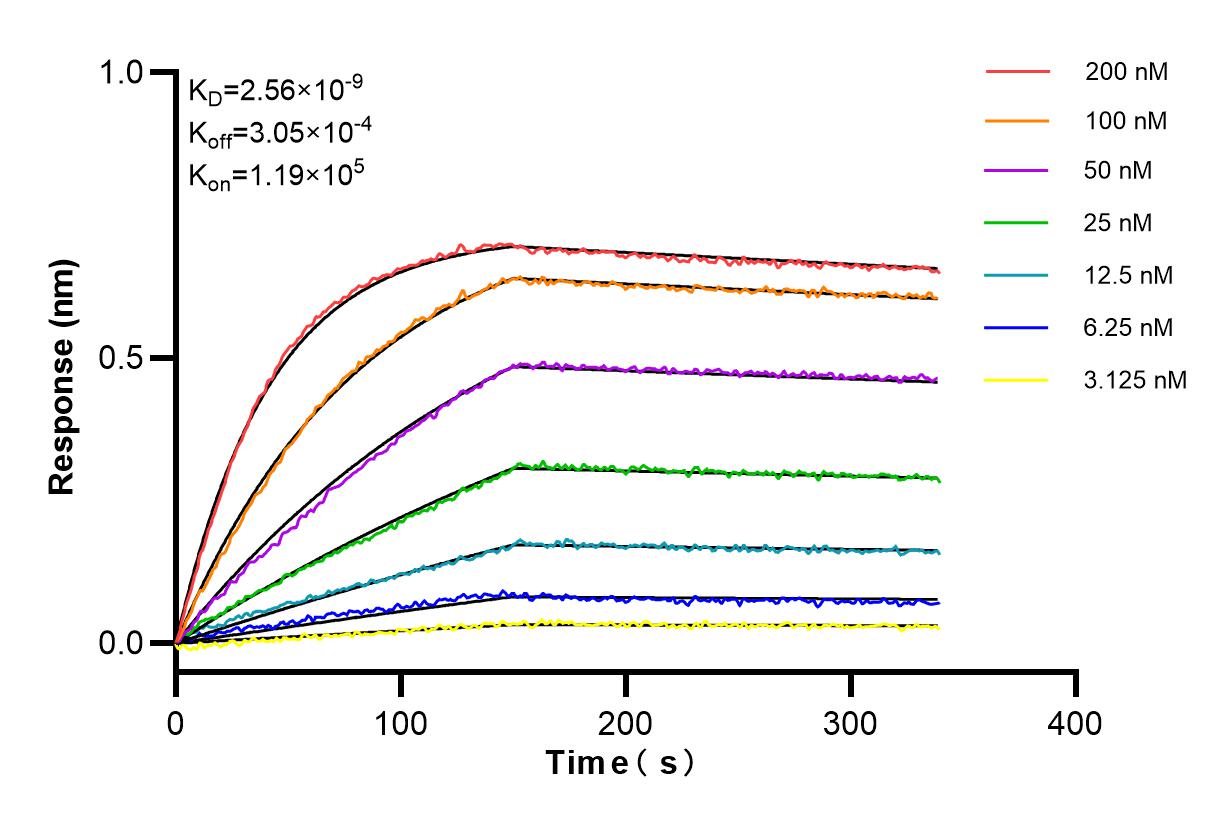
84073-6-RR targets EPCAM/CD326 in WB, IHC, IF/ICC, ELISA applications and shows reactivity with human samples.
| Tested Reactivity | human |
| Cited Reactivity | human |
| Host / Isotype | Rabbit / IgG |
| Class | Recombinant |
| Type | Antibody |
| Immunogen |
CatNo: Eg1370 Product name: Recombinant Human EpCAM/CD326 protein (His Tag) Source: mammalian cells-derived, pHZ-KIsec-C-6*HIS Tag: C-6*HIS Domain: 24-265 aa of NM_002354.3 Sequence: QEECVCENYKLAVNCFVNNNRQCQCTSVGAQNTVICSKLAAKCLVMKAEMNGSKLGRRAKPEGALQNNDGLYDPDCDESGLFKAKQCNGTSMCWCVNTAGVRRTDKDTEITCSERVRTYWIIIELKHKAREKPYDSKSLRTALQKEITTRYQLDPKFITSILYENNVITIDLVQNSSQKTQNDVDIADVAYYFEKDVKGESLFHSKKMDLTVNGEQLDLDPGQTLIYYVDEKAPEFSMQGLK Predict reactive species |
| Full Name | epithelial cell adhesion molecule |
| Calculated Molecular Weight | 35 kDa |
| Observed Molecular Weight | 35-40 kDa |
| GenBank Accession Number | NM_002354.3 |
| Gene Symbol | EPCAM |
| Gene ID (NCBI) | 4072 |
| RRID | AB_3671643 |
| Conjugate | Unconjugated |
| Form | Liquid |
| Purification Method | Protein A purification |
| UNIPROT ID | P16422 |
| Storage Buffer | PBS with 0.02% sodium azide and 50% glycerol, pH 7.3. |
| Storage Conditions | Store at -20°C. Stable for one year after shipment. Aliquoting is unnecessary for -20oC storage. 20ul sizes contain 0.1% BSA. |
Background Information
Epithelial cell adhesion molecule (EpCAM, CD326) is a type I transmembrane glycoprotein that functions as a homophilic, epithelial-specific intercellular cell-adhesion molecule. In addition to cell adhesion, EpCAM is also involved in cellular signaling, cell migration, proliferation, and differentiation. EpCAM is highly expressed on most carcinomas and therefore of potential use as a diagnostic and prognostic marker for a variety of carcinomas, and has become a therapeutic target. EpCAM may occur in distinct forms due to glycosylation. (PMID: 20837599; 19249674; 21576002; 22647938; 12691820)
Protocols
| Product Specific Protocols | |
|---|---|
| IF protocol for EPCAM/CD326 antibody 84073-6-RR | Download protocol |
| IHC protocol for EPCAM/CD326 antibody 84073-6-RR | Download protocol |
| WB protocol for EPCAM/CD326 antibody 84073-6-RR | Download protocol |
| Standard Protocols | |
|---|---|
| Click here to view our Standard Protocols |
Publications
What published studies show
The EPCAM/CD326 Recombinant monoclonal antibody (catalog number 84073-6-RR) has a total of 2 citations. These appear in Cancer Letters and Journal of Translational Medicine. The associated research fields involve gastric cancer diagnosis and treatment (glycosylation pattern analysis of plasma extracellular vesicles) and tumor microenvironment remodeling in rectal cancer following neoadjuvant chemoradiotherapy, studied via single-cell RNA sequencing. Applications cited include Western blot and immunofluorescence in human samples.
| Species | Application | Title |
|---|---|---|
Cancer Lett Lectin-affinity glycosylation pattern analysis of plasma extracellular vesicles: An all-in-one clinical assessment for gastric cancer diagnosis and treatment. | ||
J Transl Med Tumor microenvironment remodeling after neoadjuvant chemoradiotherapy in local advanced rectal cancer revealed by single-cell RNA sequencing |













