










Tested Applications
| Positive WB detected in | PC-12 cells, pig brain tissue, mouse brain tissue, rat brain tissue, pig cerebellum tissue, rat cerebellum tissue, mouse cerebellum tissue, rabbit brain tissue, rabbit cerebellum tissue |
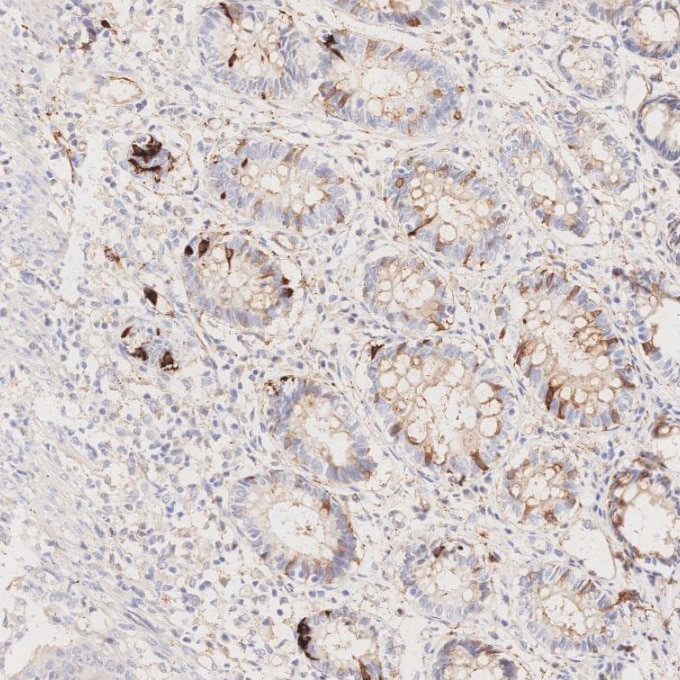
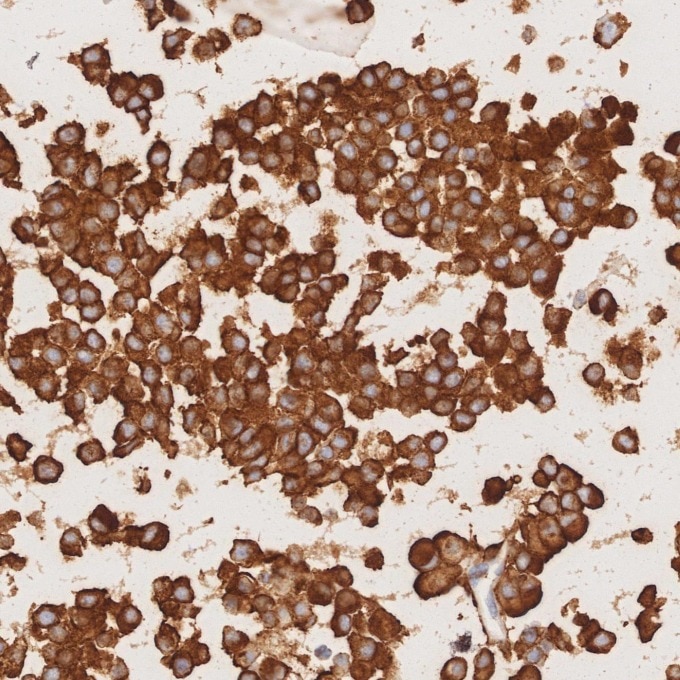
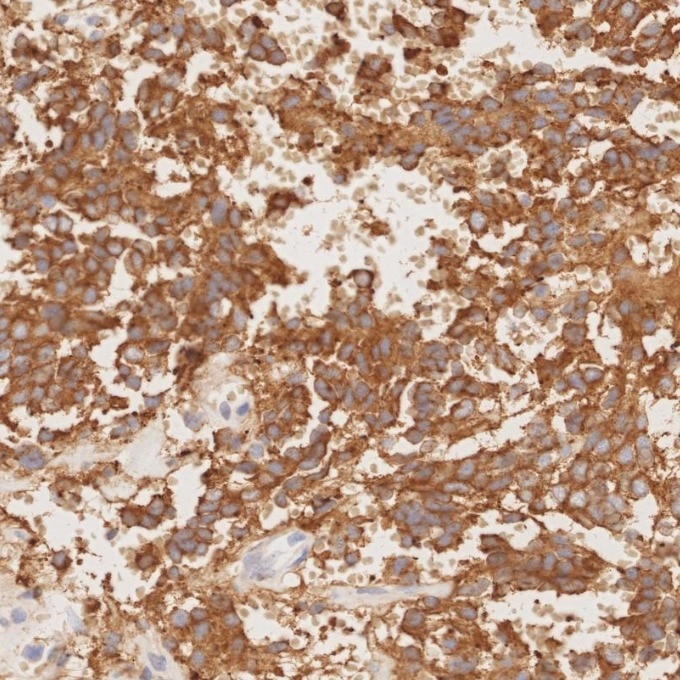
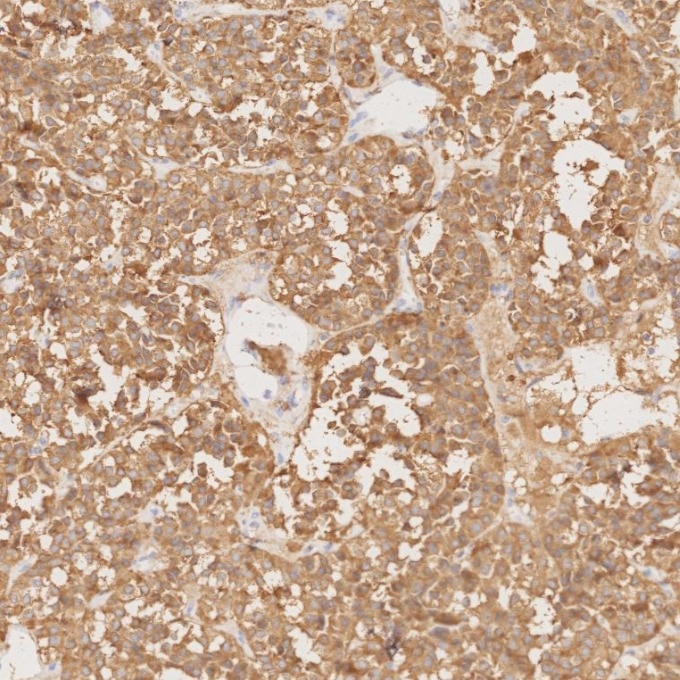
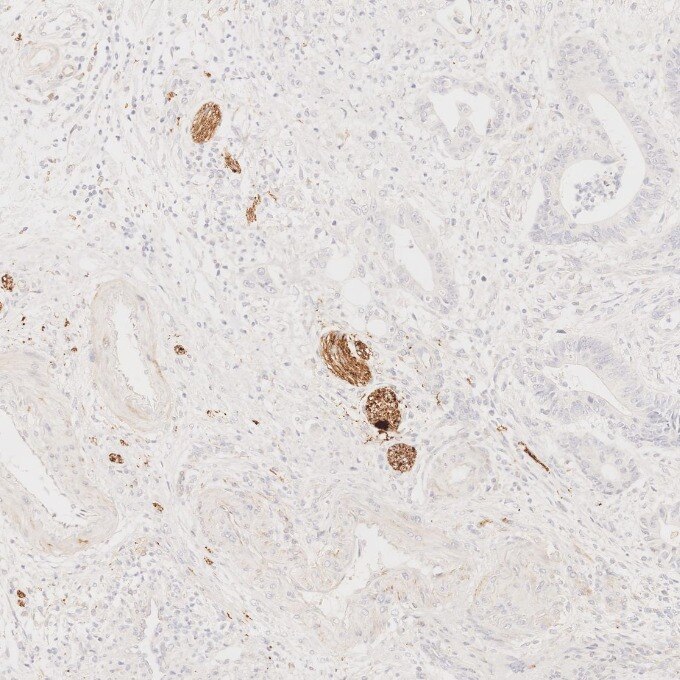
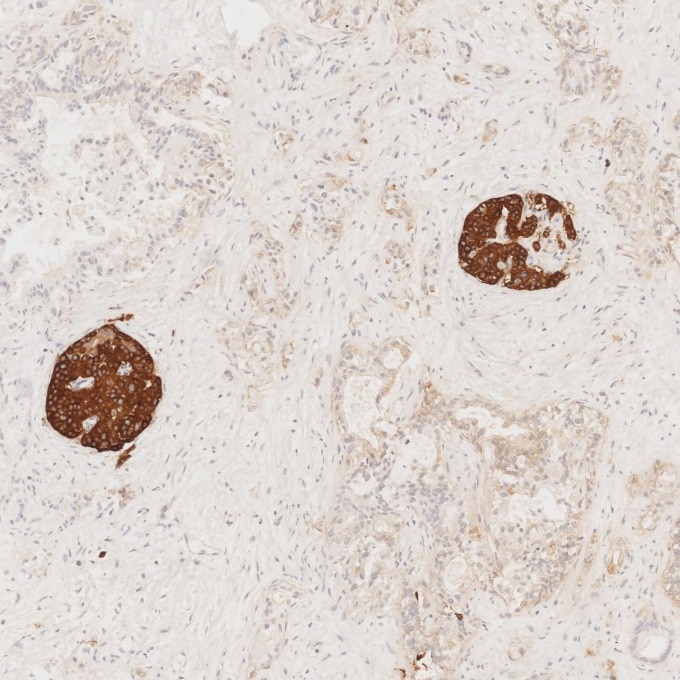
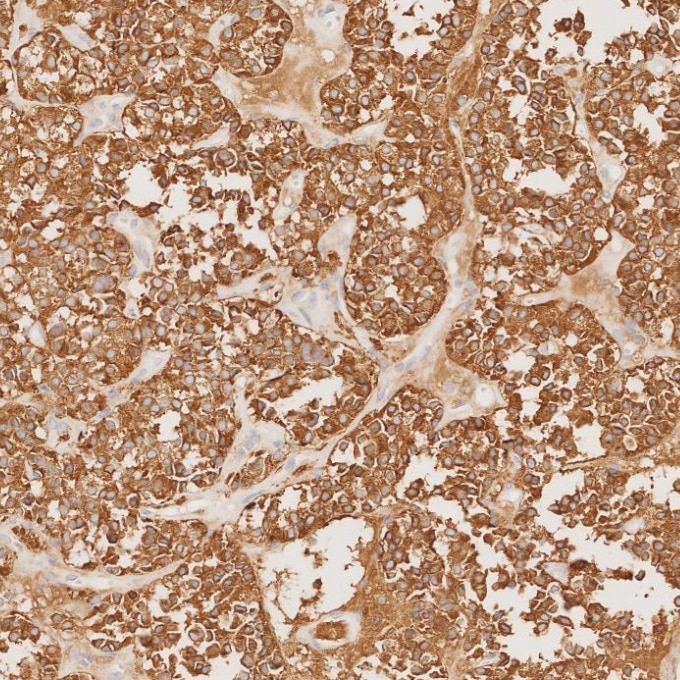
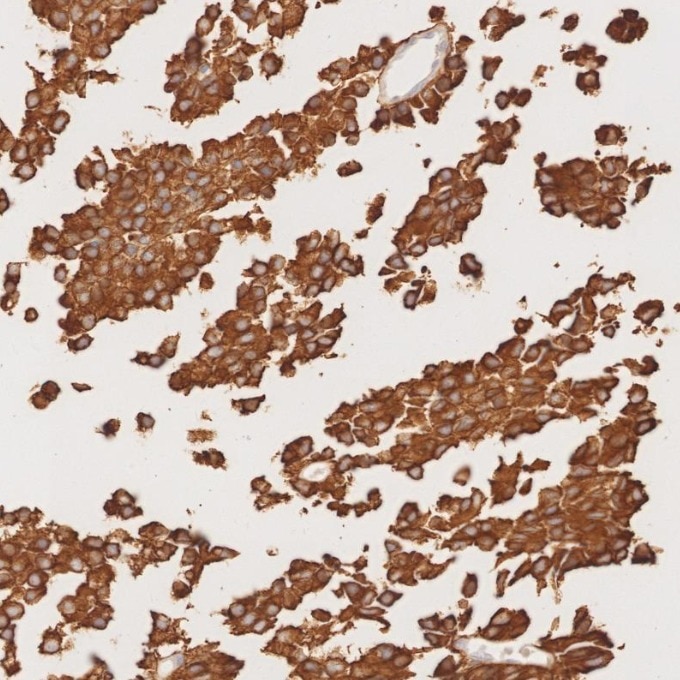
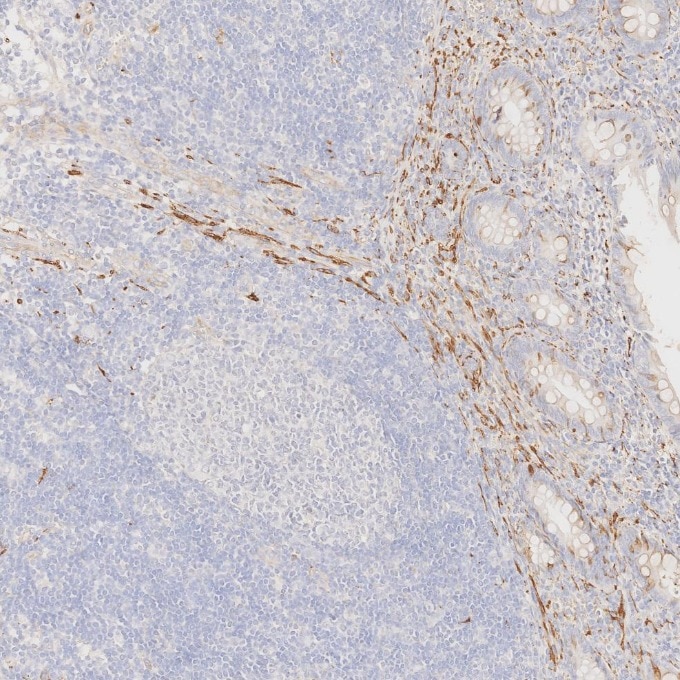
| Positive IHC-Autostainer detected in | human pituitary adenoma tissue, human colorectal cancer tissue, human appendicitis tissue |
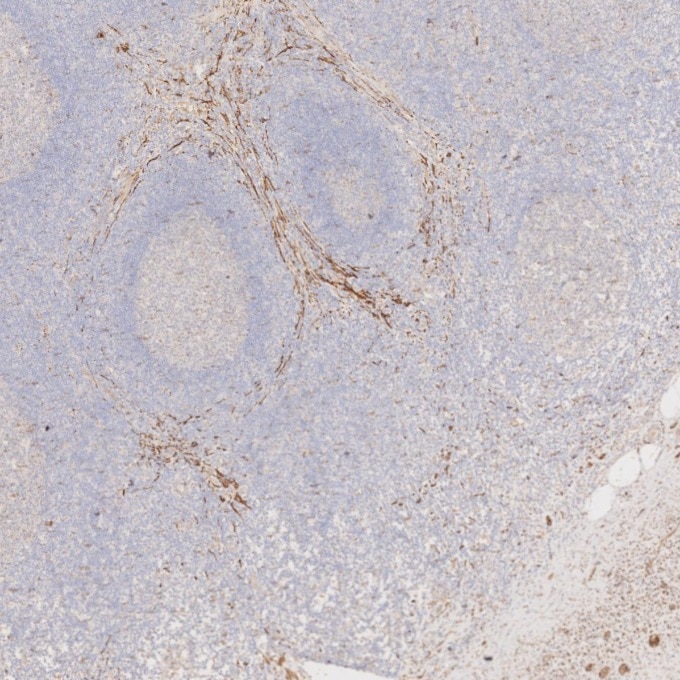
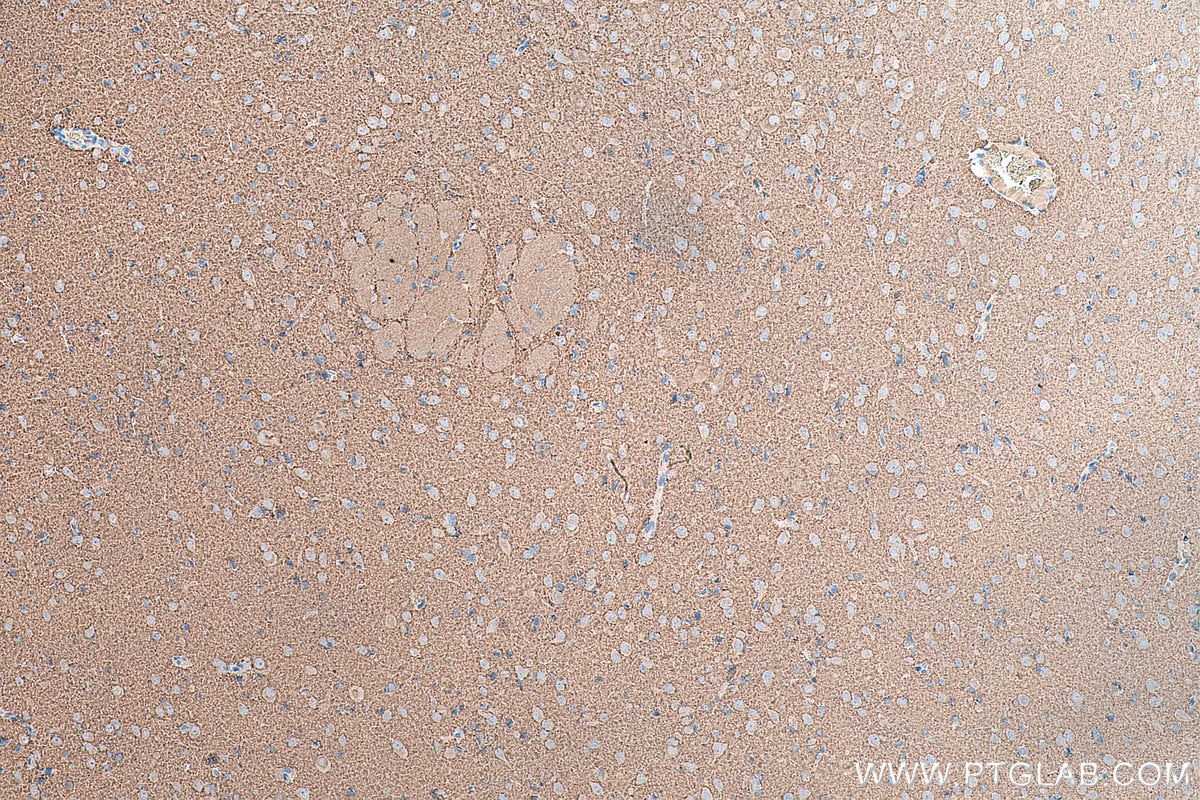
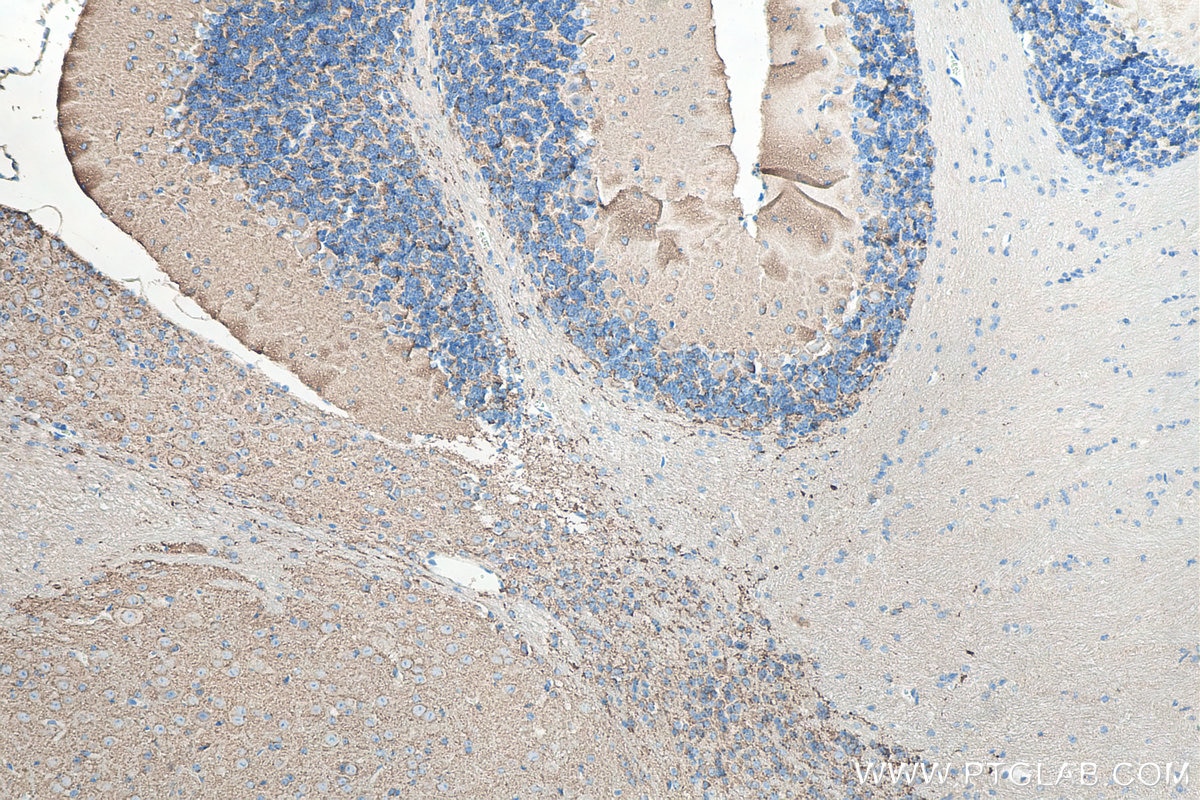
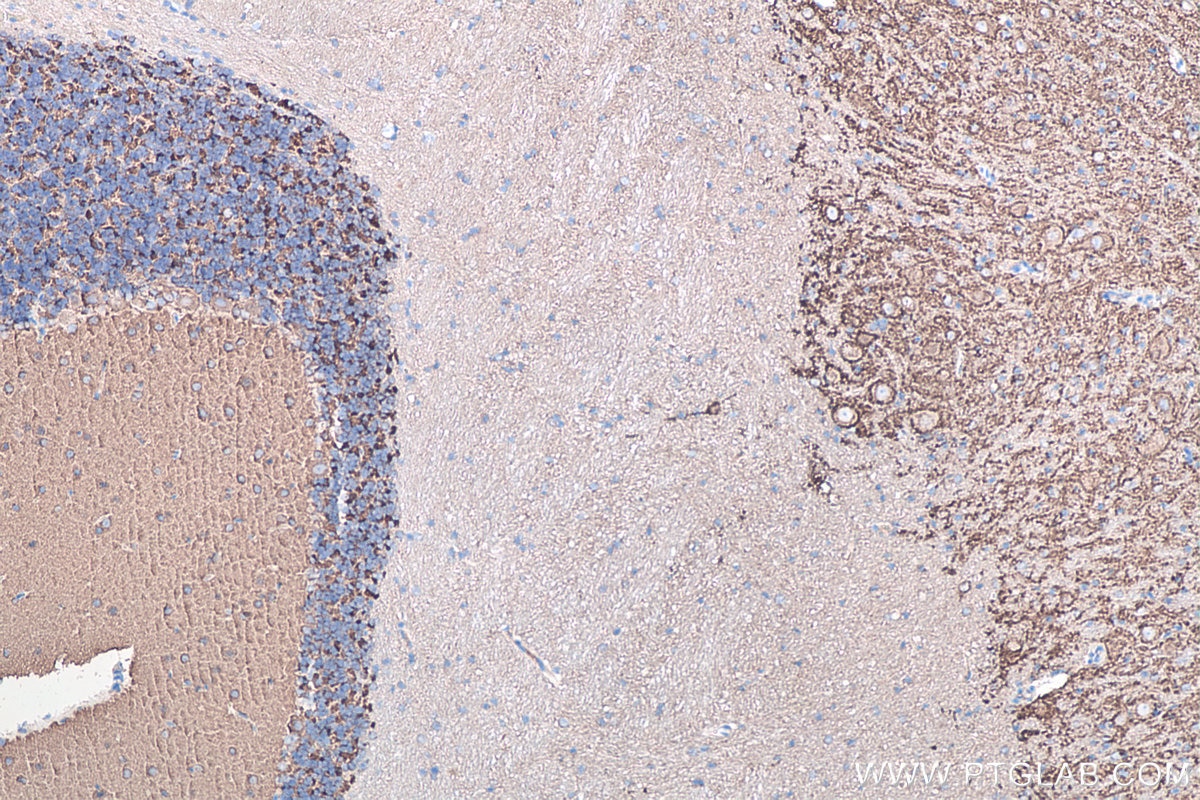
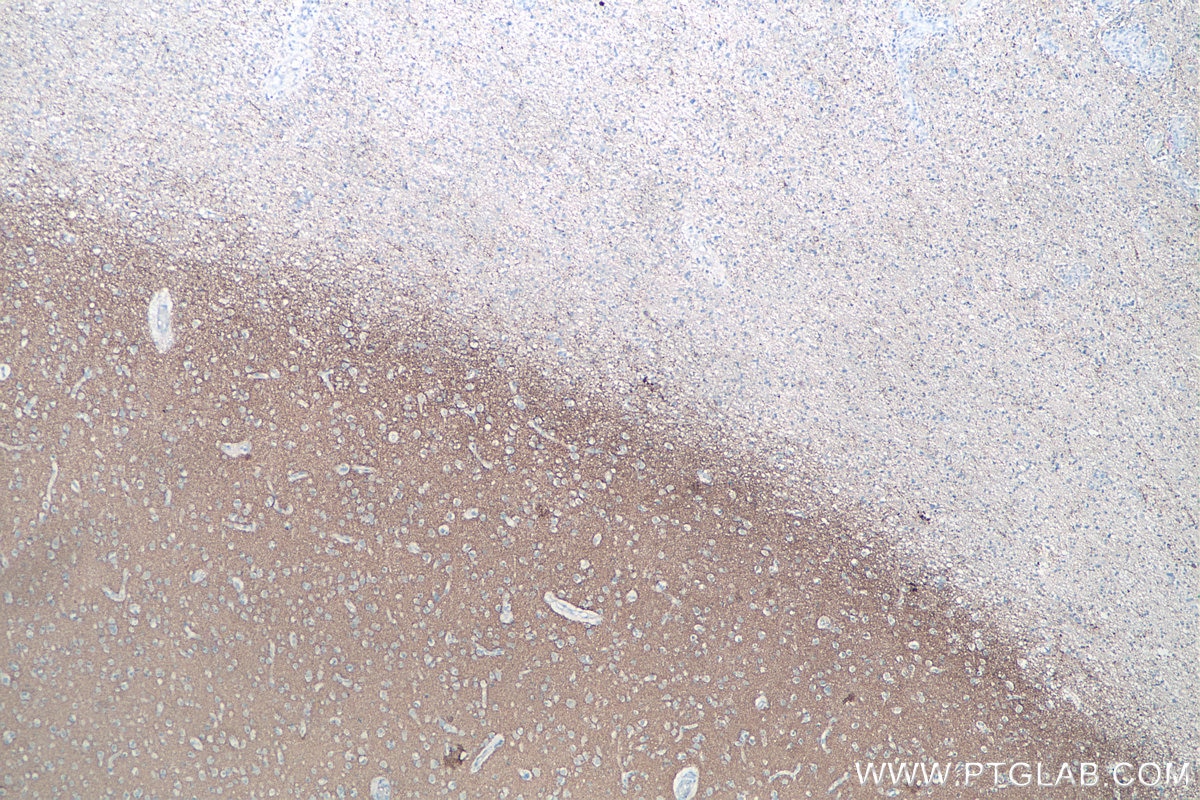
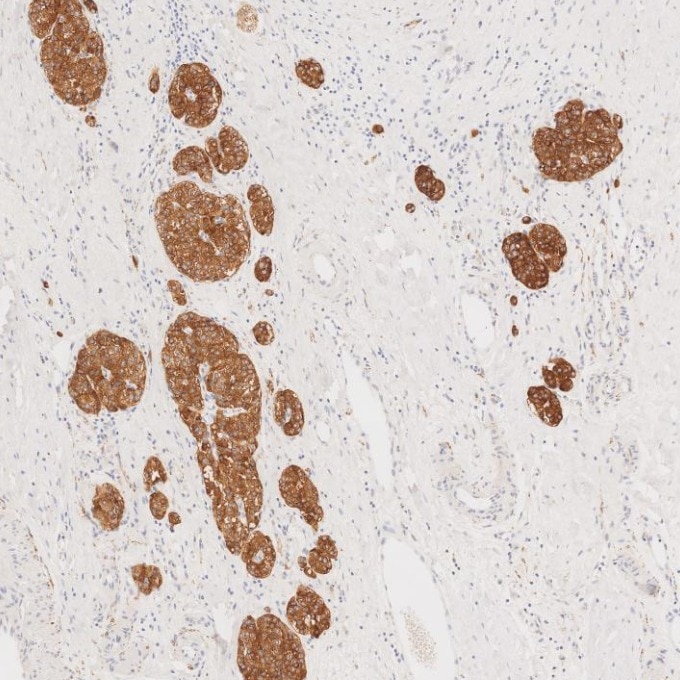
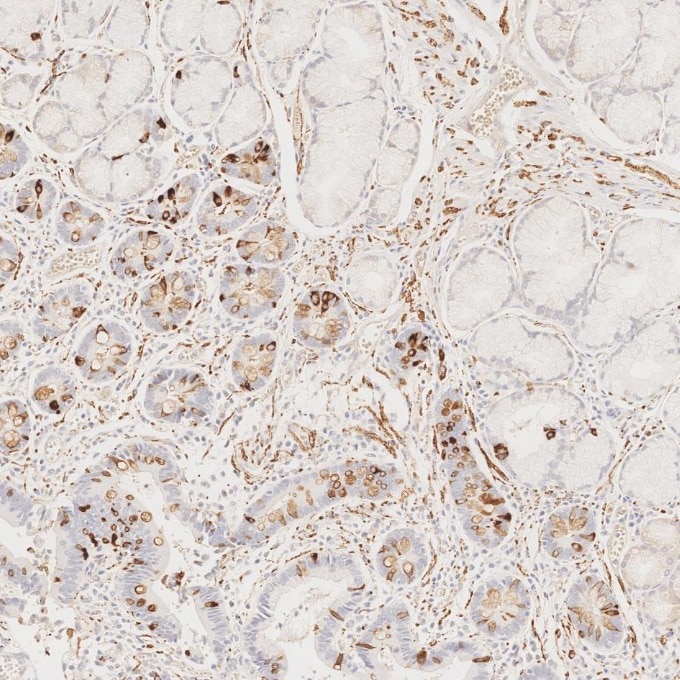
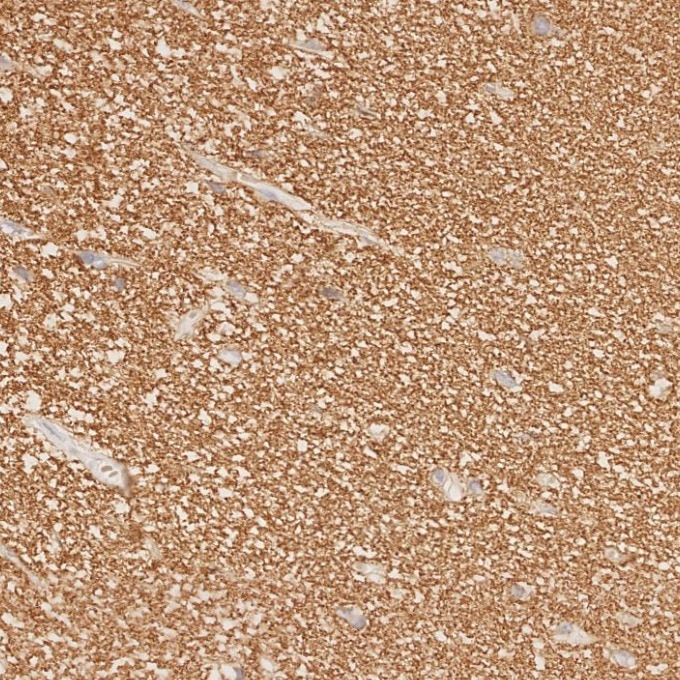
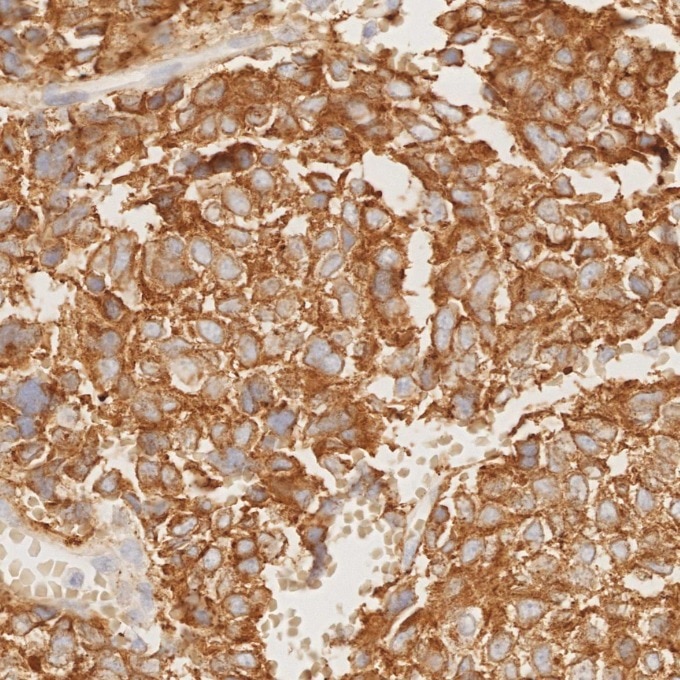
| Positive IHC detected in | mouse brain tissue, human appendicitis tissue, human stomach cancer tissue, mouse cerebellum tissue, human pancreas tissue, human pituitary adenoma tissue, human rectal cancer tissue, rat cerebellum tissue, rat pancreas tissue, rat brain tissue, human colorectal cancer tissue, human gliomas tissue, human pancreas cancer tissue, human brain tissue Note: suggested antigen retrieval with TE buffer pH 9.0; (*) Alternatively, antigen retrieval may be performed with citrate buffer pH 6.0 |
| Positive IF-P detected in | mouse pancreas tissue, mouse brain tissue |
| Positive IF-Fro detected in | rat brain tissue |
| Positive IF/ICC detected in | SH-SY5Y cells, PC-12 cells |
Recommended dilution
| Application | Dilution |
|---|---|
| Western Blot (WB) | WB : 1:20000-1:100000 |
| Immunohistochemistry (IHC)-AUTOSTAINER | IHC-AUTOSTAINER : 1:2500-1:10000 |
| Immunohistochemistry (IHC) | IHC : 1:500-1:2000 |
| Immunofluorescence (IF)-P | IF-P : 1:200-1:800 |
| Immunofluorescence (IF)-FRO | IF-FRO : 1:200-1:800 |
| Immunofluorescence (IF)/ICC | IF/ICC : 1:250-1:1000 |
| It is recommended that this reagent should be titrated in each testing system to obtain optimal results. | |
| Sample-dependent, Check data in validation data gallery. | |
Product Information
67864-1-Ig targets Synaptophysin in WB, IHC, IHC-Autostainer, IF/ICC, IF-P, IF-Fro, ELISA applications and shows reactivity with human, mouse, rat, pig, rabbit samples.
| Tested Reactivity | human, mouse, rat, pig, rabbit |
| Cited Reactivity | human, mouse, rat, pig |
| Host / Isotype | Mouse / IgG1 |
| Class | Monoclonal |
| Type | Antibody |
| Immunogen |
CatNo: Ag11803 Product name: Recombinant human Synaptophysin; SYP protein Source: e coli.-derived, PET28a Tag: 6*His Domain: 50-313 aa of BC064550 Sequence: ELQLSVDCANKTESDLSIEVEFEYPFRLHQVYFDAPTCRGGTTKVFLVGDYSSSAEFFVTVAVFAFLYSMGALATYIFLQNKYRENNKGPMLDFLATAVFAFMWLVSSSAWAKGLSDVKMATDPENIIKEMPVCRQTGNTCKELRDLVTSGLNTSVVFGFLNLVLWVGNLWFVFKETGWAAPFLRAPPGAPEKQPAPGDAYGDAGYGQGPGGYGPQDSYGPQGGYQPDYGQPAGSGGSGYGPQGDYGQQGYGPQGAPTSFSNQM Predict reactive species |
| Full Name | synaptophysin |
| Calculated Molecular Weight | 313 aa, 34 kDa |
| Observed Molecular Weight | 38 kDa |
| GenBank Accession Number | BC064550 |
| Gene Symbol | Synaptophysin |
| Gene ID (NCBI) | 6855 |
| RRID | AB_2918622 |
| Conjugate | Unconjugated |
| Form | Liquid |
| Purification Method | Protein G purification |
| UNIPROT ID | P08247 |
| Storage Buffer | PBS with 0.02% sodium azide and 50% glycerol, pH 7.3. |
| Storage Conditions | Store at -20°C. Stable for one year after shipment. Aliquoting is unnecessary for -20oC storage. 20ul sizes contain 0.1% BSA. |
Background Information
Synaptophysin (SYP, also known as major synaptic vesicle protein p38) is a 38-kDa integral membrane glycoprotein that regulates synaptic vesicle endocytosis. It is the most abundant synaptic vesicle protein by mass. Synaptophysin is present in neuroendocrine cells and neurons that participate in synaptic transmission. Synaptophysin is a useful marker for identification of neuroendocrine cells and neoplasms. (PMID: 3010302; 21658579)
Protocols
| Product Specific Protocols | |
|---|---|
| IF protocol for Synaptophysin antibody 67864-1-Ig | Download protocol |
| IHC protocol for Synaptophysin antibody 67864-1-Ig | Download protocol |
| WB protocol for Synaptophysin antibody 67864-1-Ig | Download protocol |
| Standard Protocols | |
|---|---|
| Click here to view our Standard Protocols |
Publications
What published studies show
The Synaptophysin Monoclonal antibody (Cat# 67864-1-Ig) has 54 citations spanning journals including Nature Protocols, Neuron, Advanced Materials, Advanced Science, Alzheimer's & Dementia, Journal of Neuroinflammation, Brain, Behavior, and Immunity, and Cancer Letters. Research fields predominantly cover neuroscience, Alzheimer's disease, depression, neuroinflammation, cognitive impairment, synaptic plasticity, neurodevelopment, stroke, Parkinson's disease, autism, HIV neuropathogenesis, and cancer. Applications include WB, IF, and IHC across mouse, rat, human, and pig models.
| Species | Application | Title |
|---|---|---|
Adv Mater Noninvasive Optogenetics Realized by iPSC-Derived Tentacled Carrier in Alzheimer's Disease Treatment | ||
J Extracell Vesicles Nose-to-Brain Delivery of Chlorella vulgaris Extracellular Vesicles for Antidepressant Effects. | ||
Nat Protoc Highly stable planar asymmetric suspended membranes for investigating protein dynamics and membrane fusion | ||
Adv Sci (Weinh) Hypocretin-1/Hypocretin Receptor 1 Regulates Neuroplasticity and Cognitive Function through Hippocampal Lactate Homeostasis in Depressed Model | ||
Adv Sci (Weinh) Inhibiting Liver-Derived C3 Protein Rescues Anesthesia/Surgery-Induced Cognitive Impairment, Synaptic Disorders, and Microglial Phagocytosis. |
Reviews
What customers say
The single review for this product reports a 5-star rating from a Western Blot application. The user tested it on mouse brain lysate at a 1:5000 dilution and noted good performance, producing a strong and clear band at approximately 35 Kd. Overall, the feedback is positive, highlighting reliable and specific results in WB.
The reviews below have been submitted by verified Proteintech customers who received an incentive for providing their feedback.
B (Verified Customer) (01-05-2022) | Good performance in WB with a strong and clear band at 35 Kd around.
 |

























