
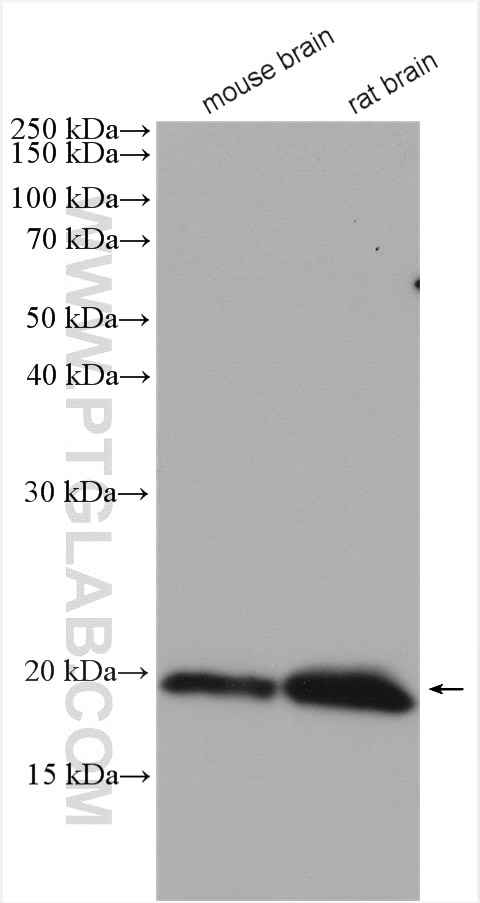
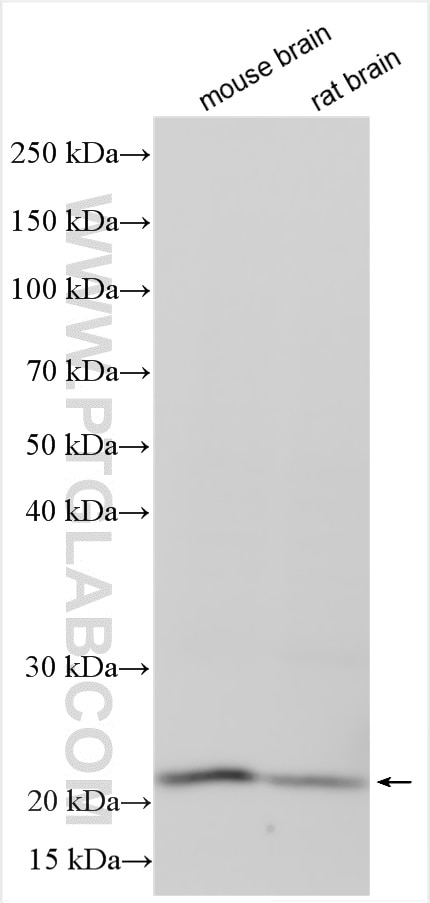
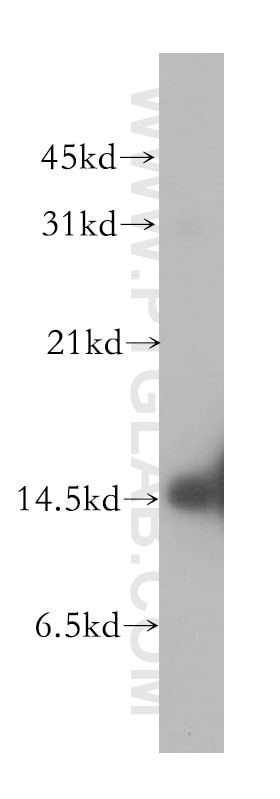
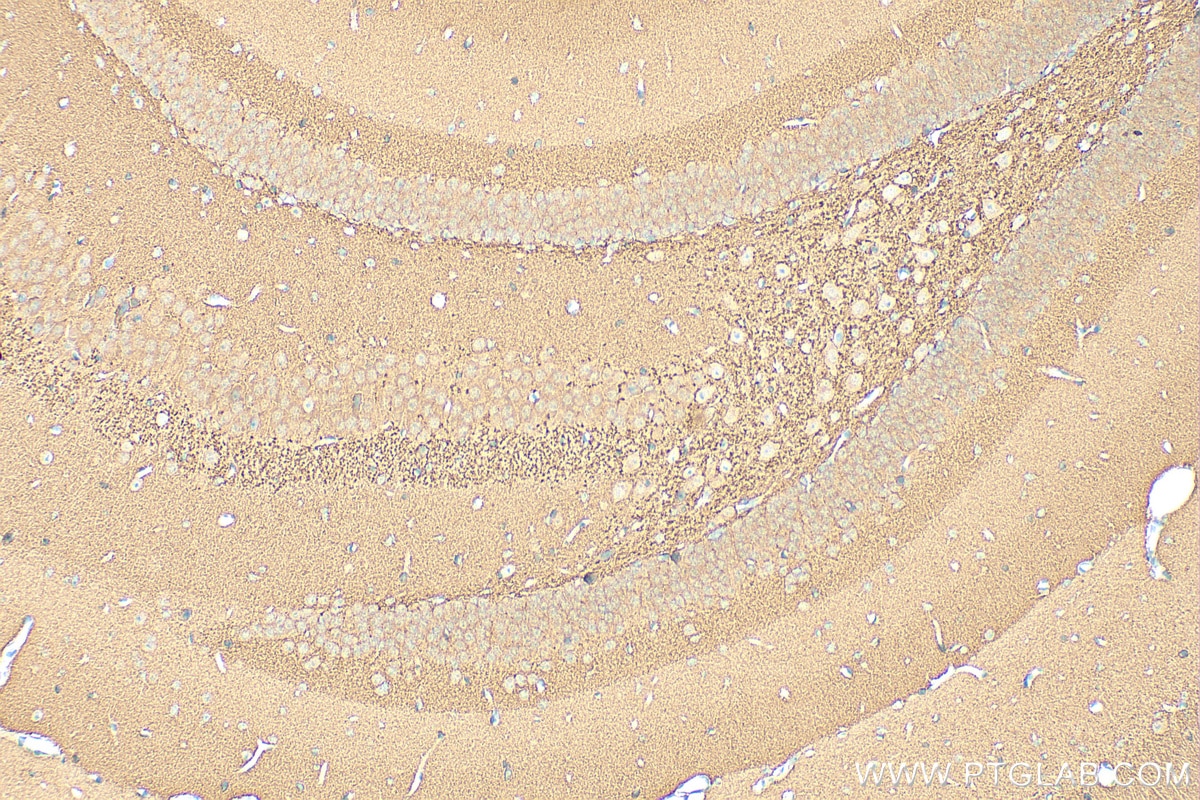
Tested Applications
| Positive WB detected in | mouse brain tissue, human brain tissue, rat brain tissue |
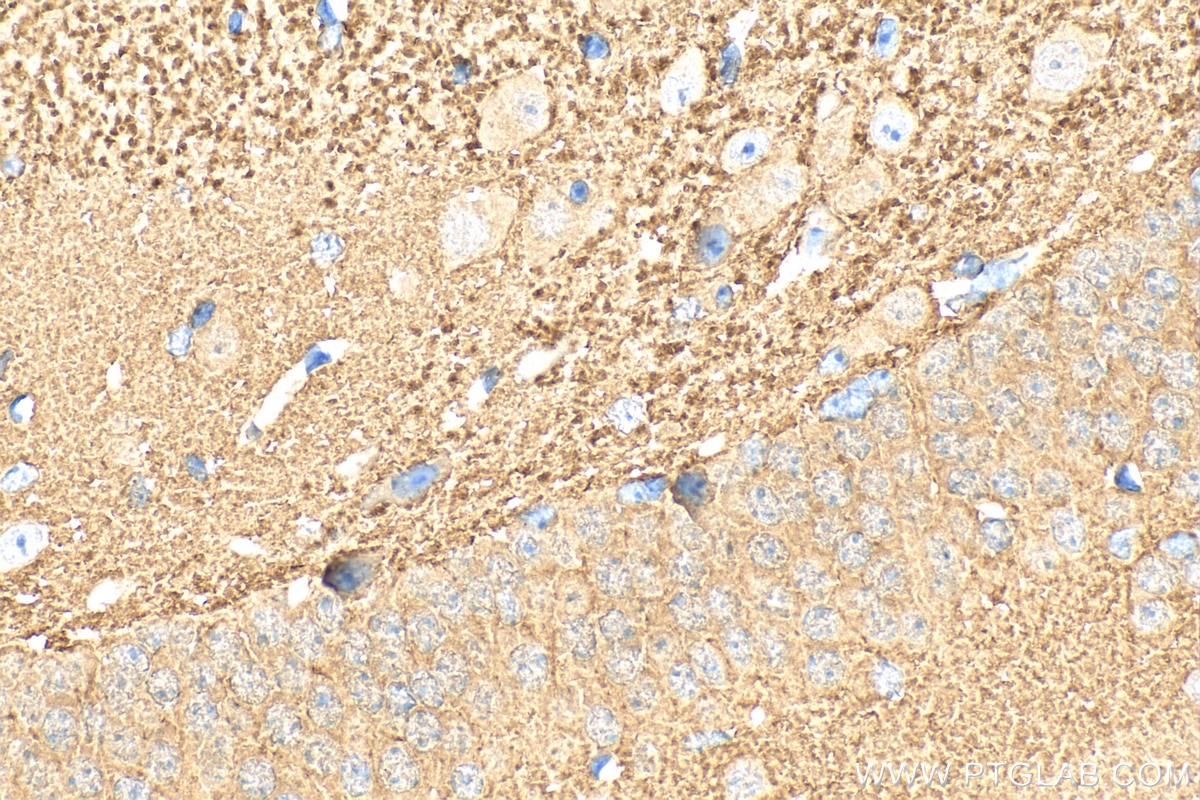
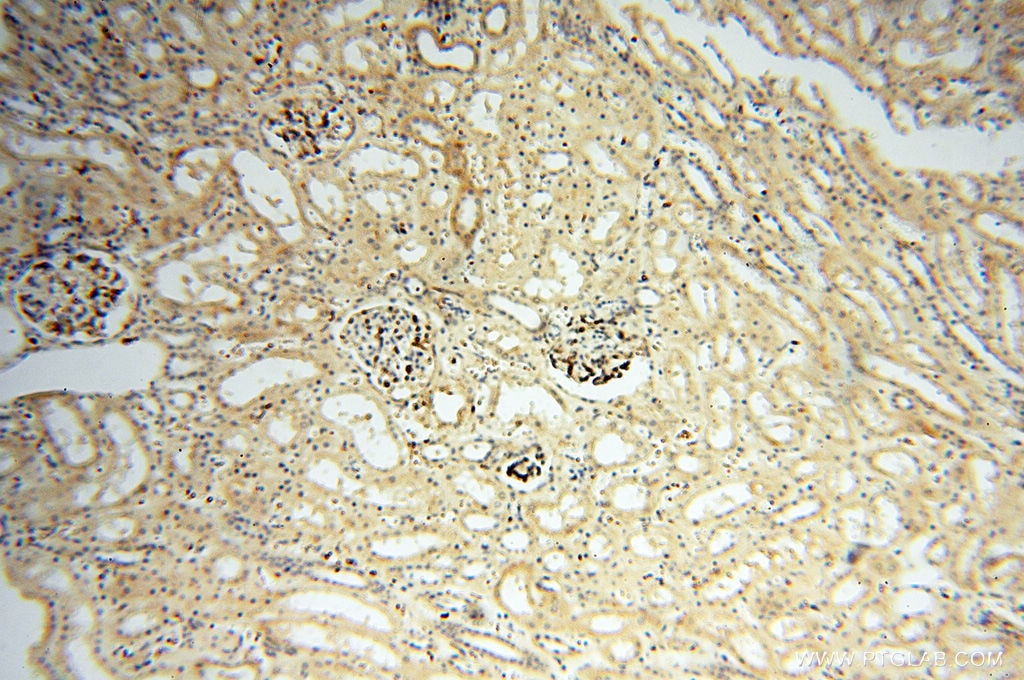
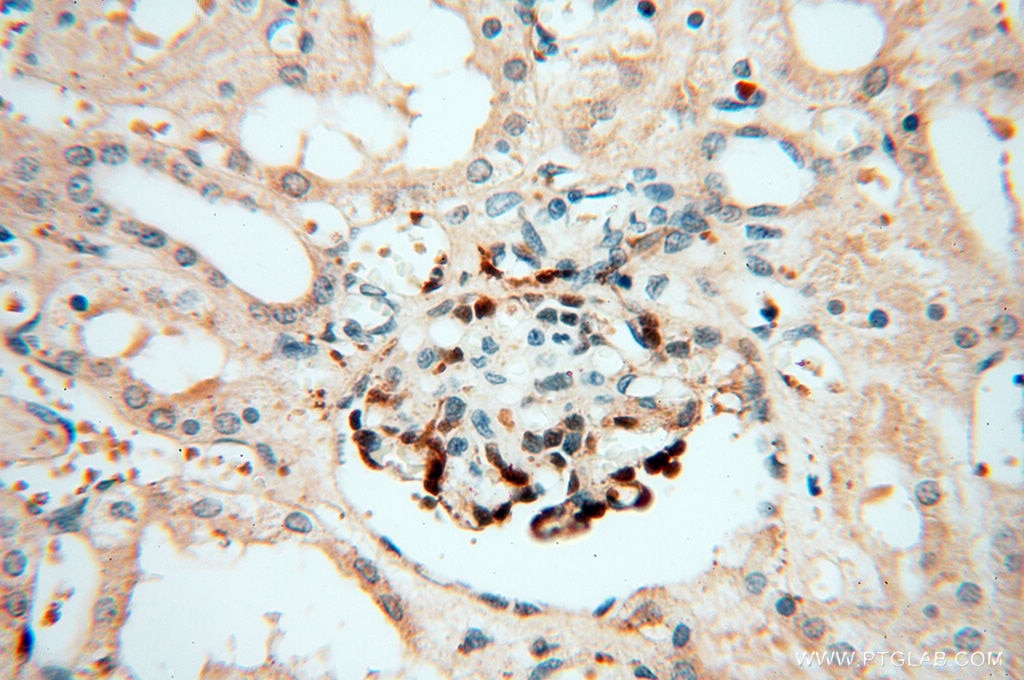
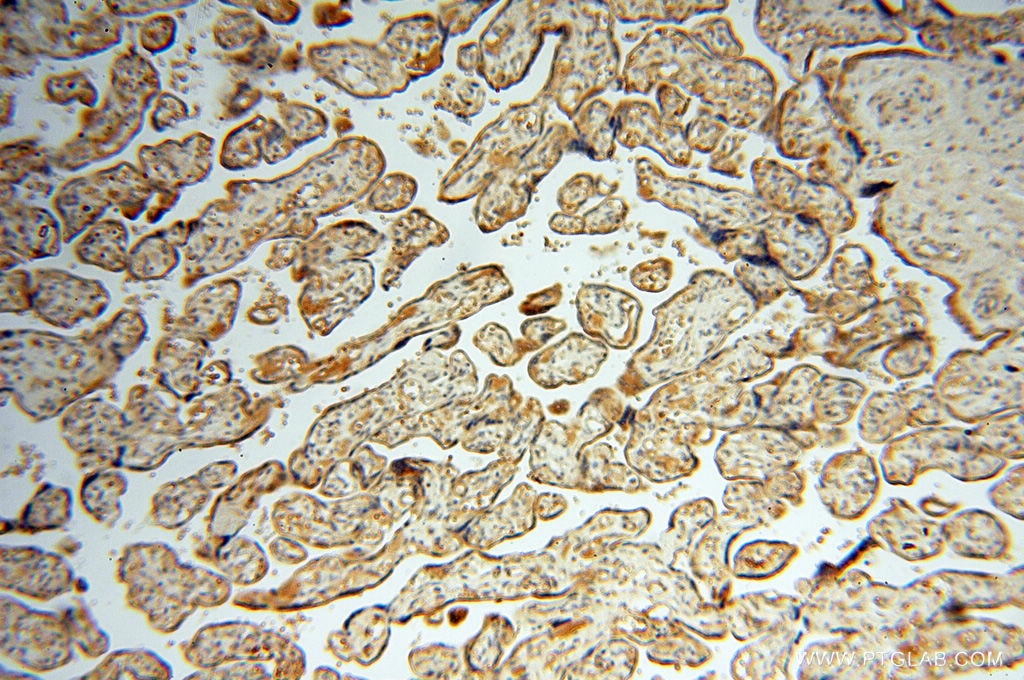
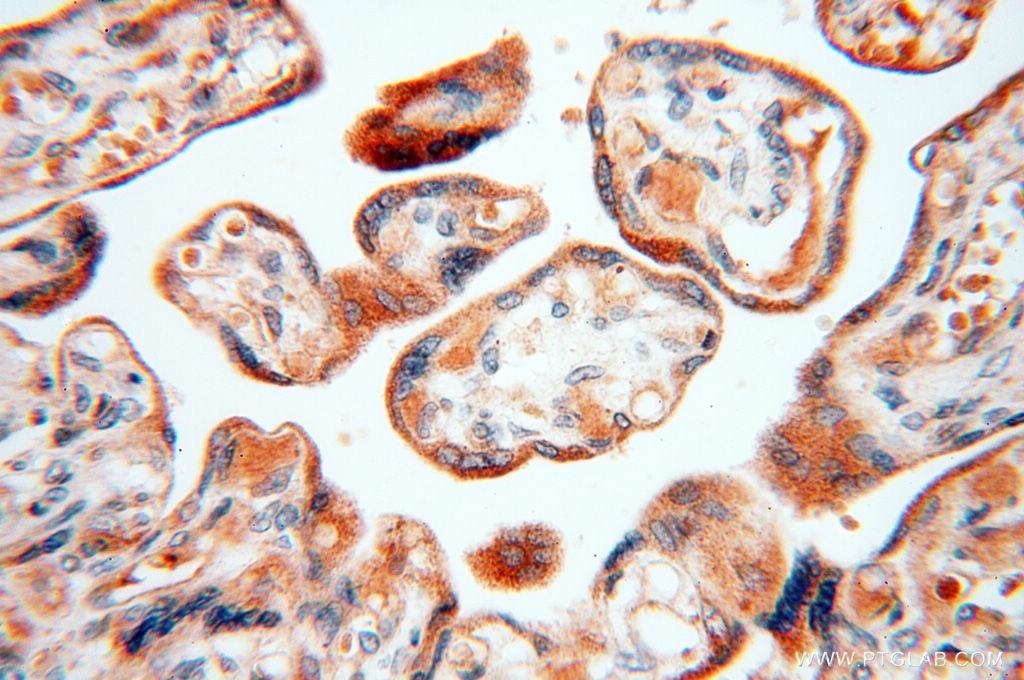
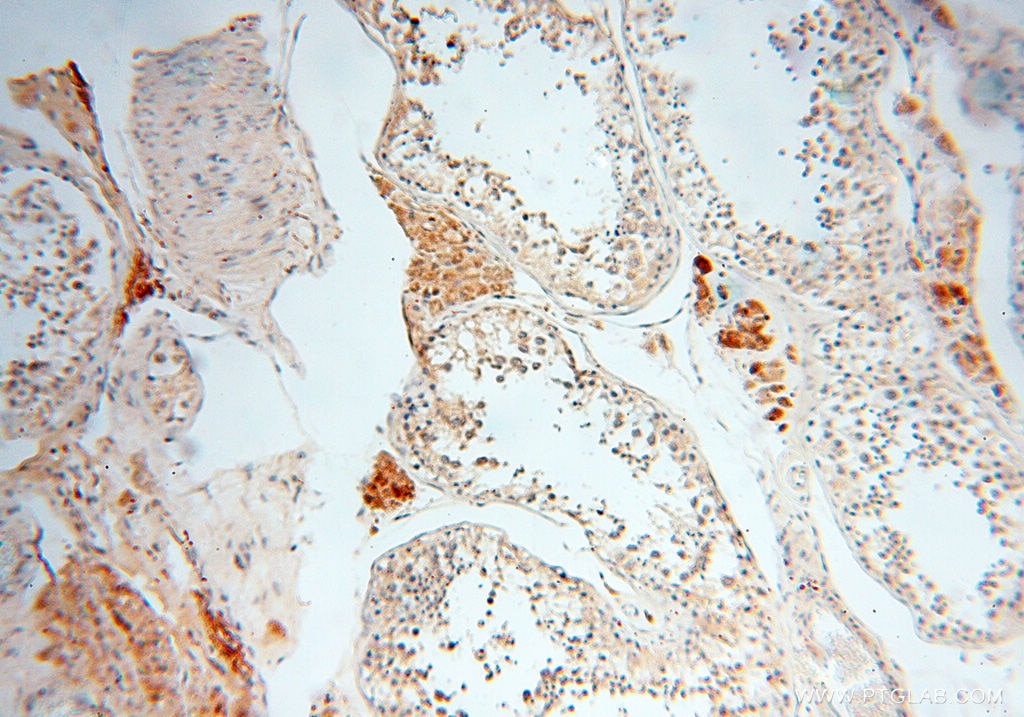
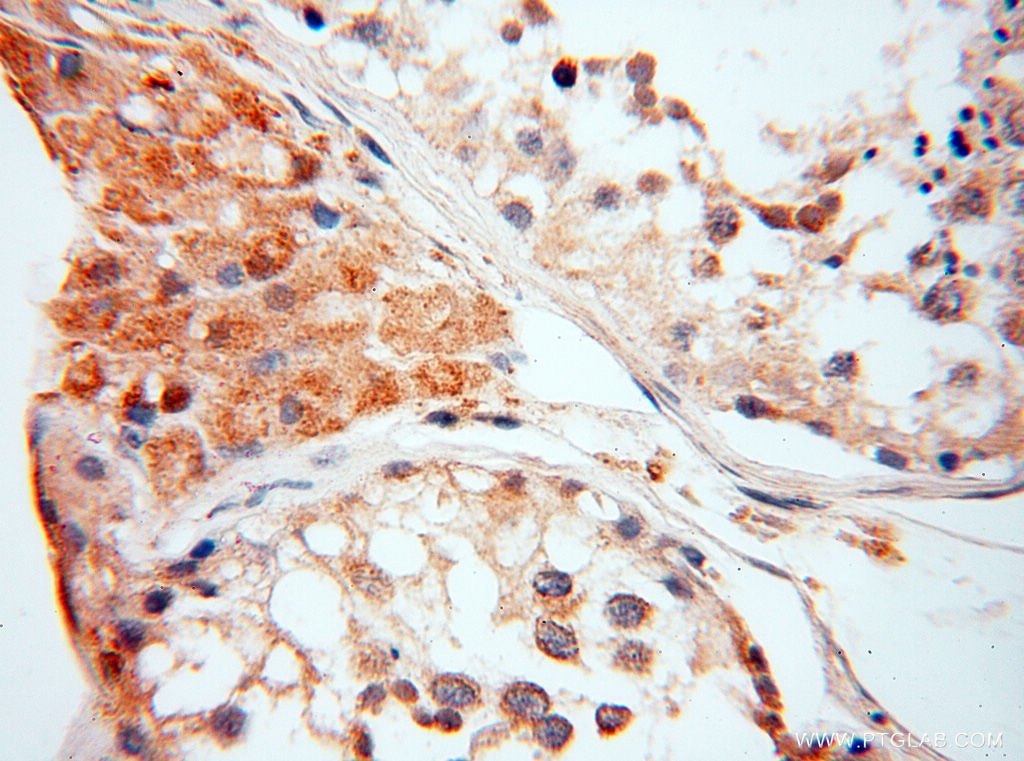
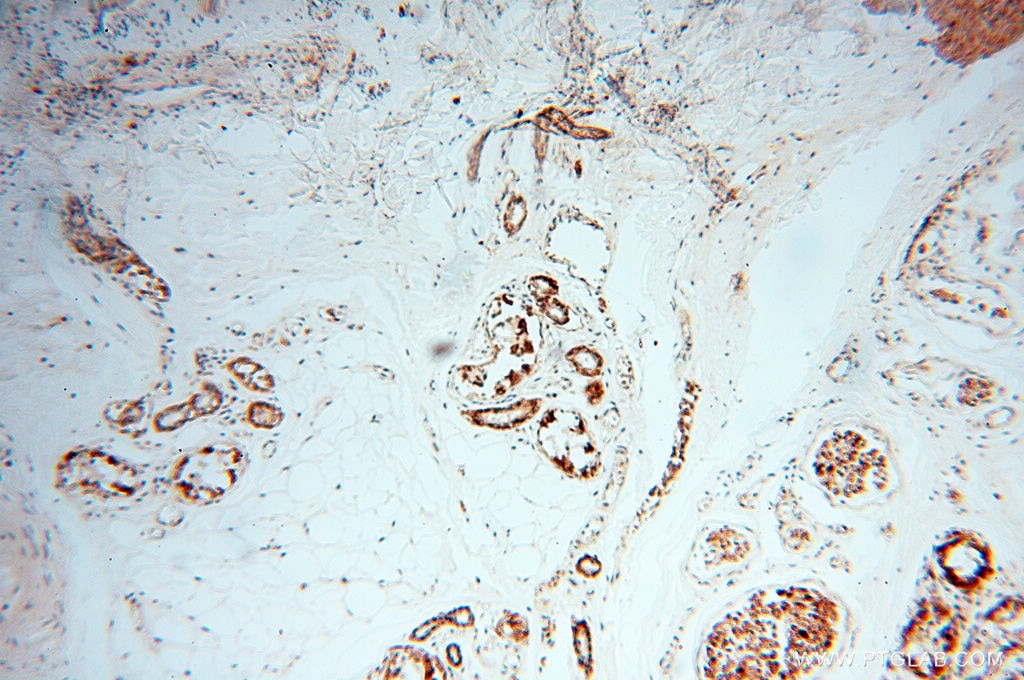
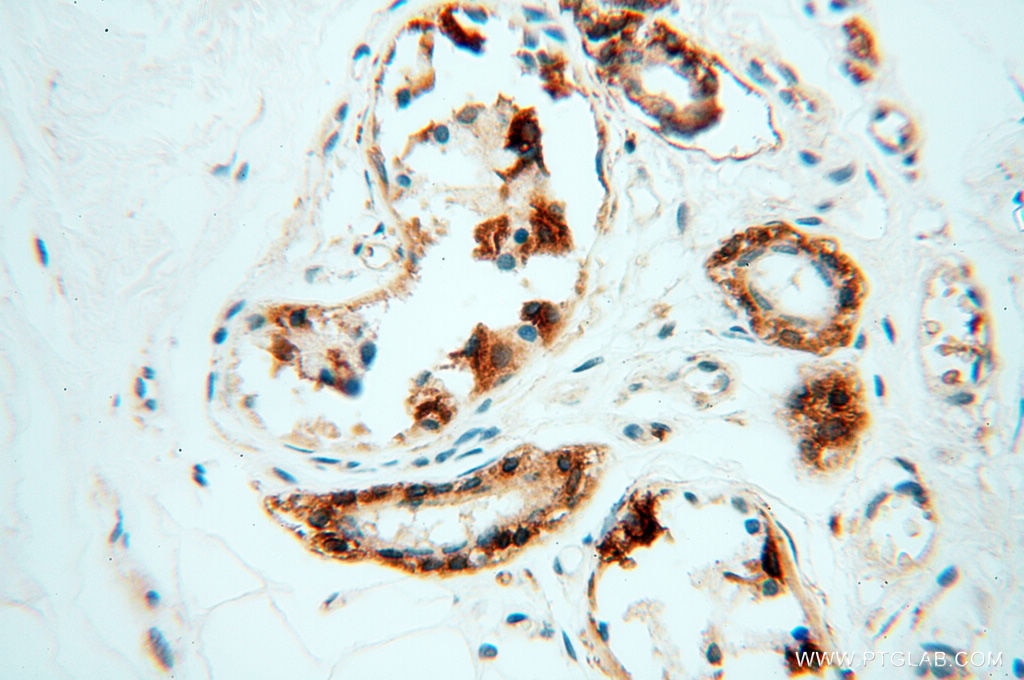
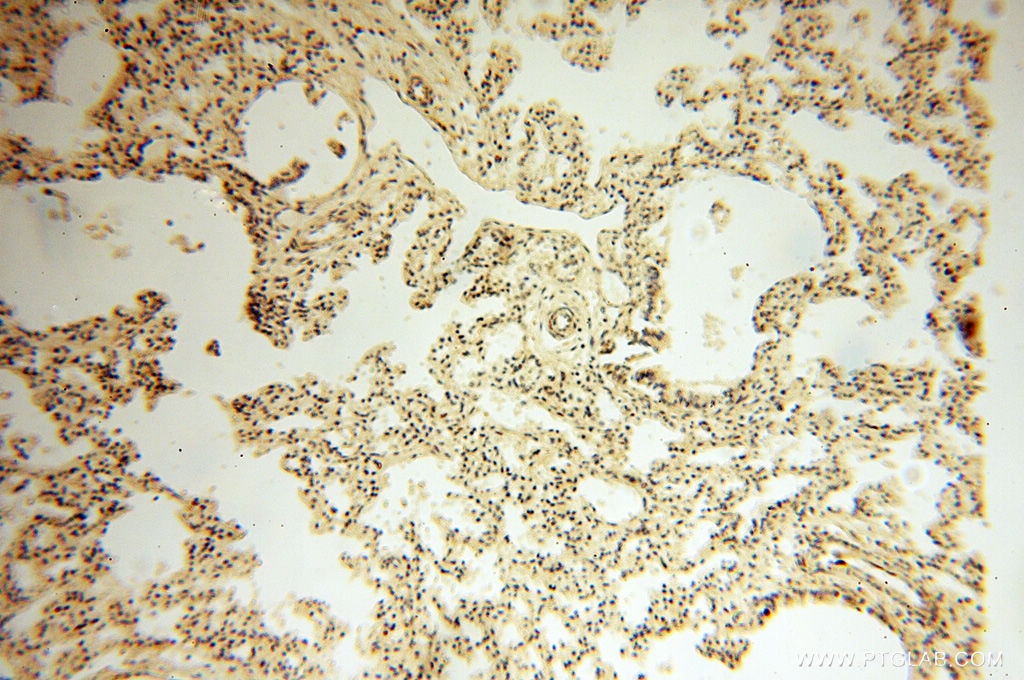
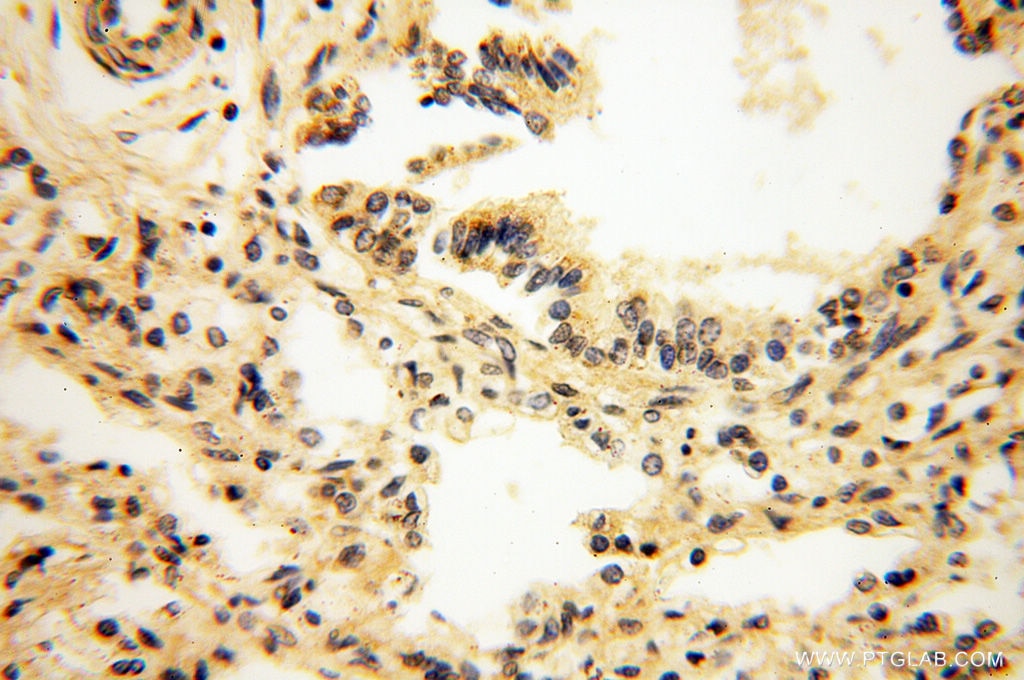
| Positive IHC detected in | mouse brain tissue, human kidney tissue, human placenta tissue, human testis tissue, human skin tissue, human lung tissue Note: suggested antigen retrieval with TE buffer pH 9.0; (*) Alternatively, antigen retrieval may be performed with citrate buffer pH 6.0 |
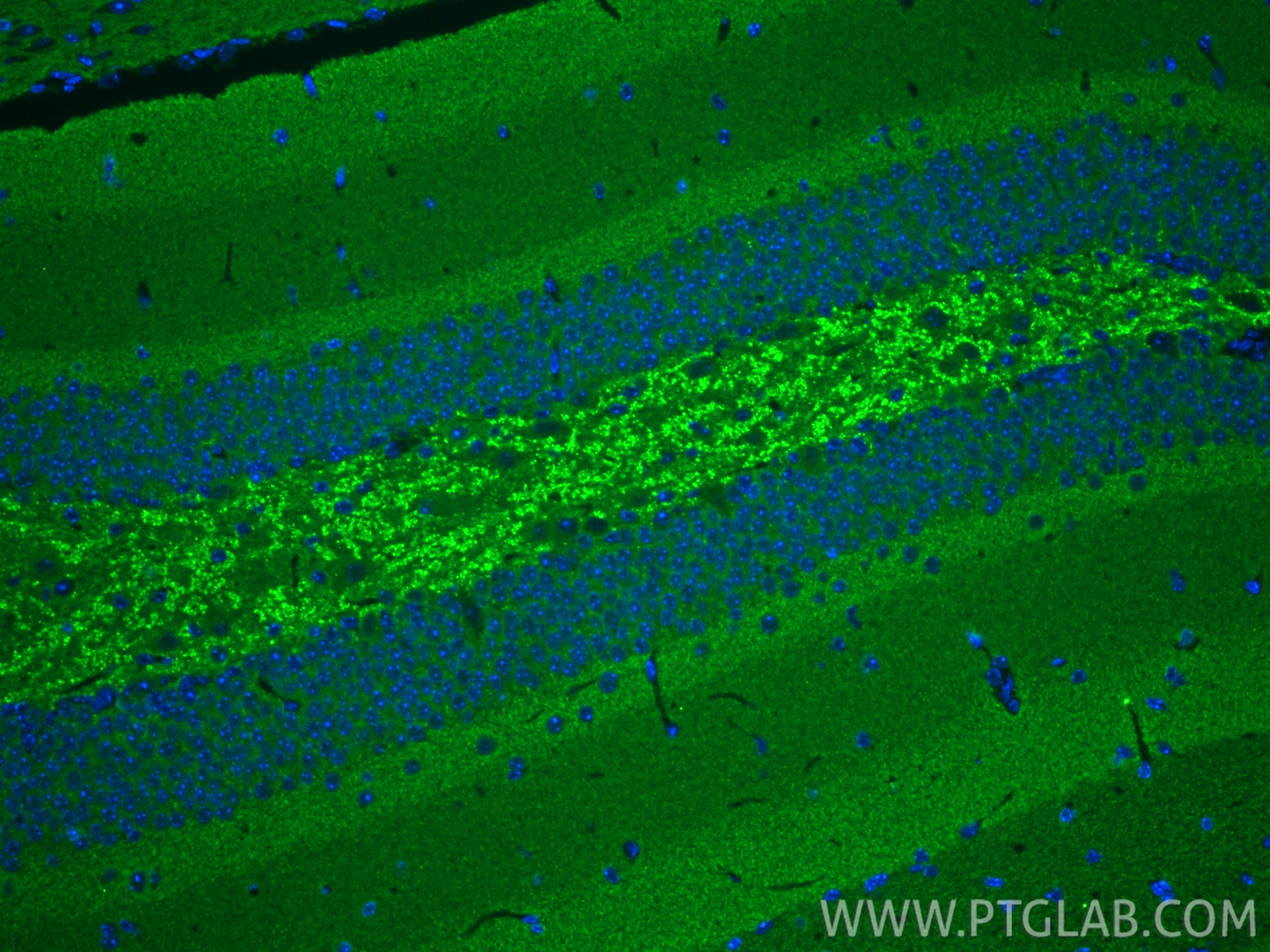
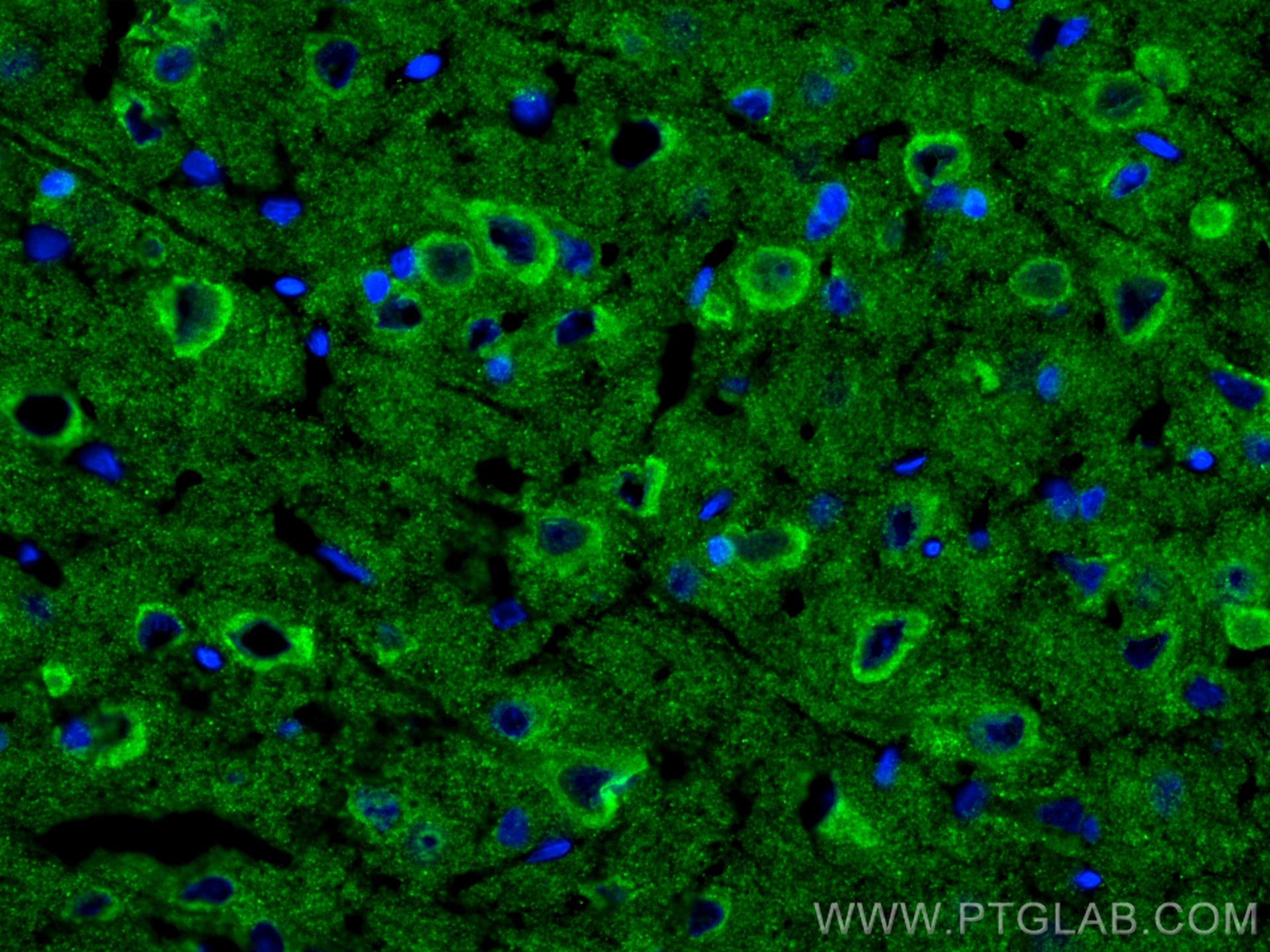
| Positive IF-P detected in | mouse brain tissue |
| Positive IF-Fro detected in | rat brain tissue |
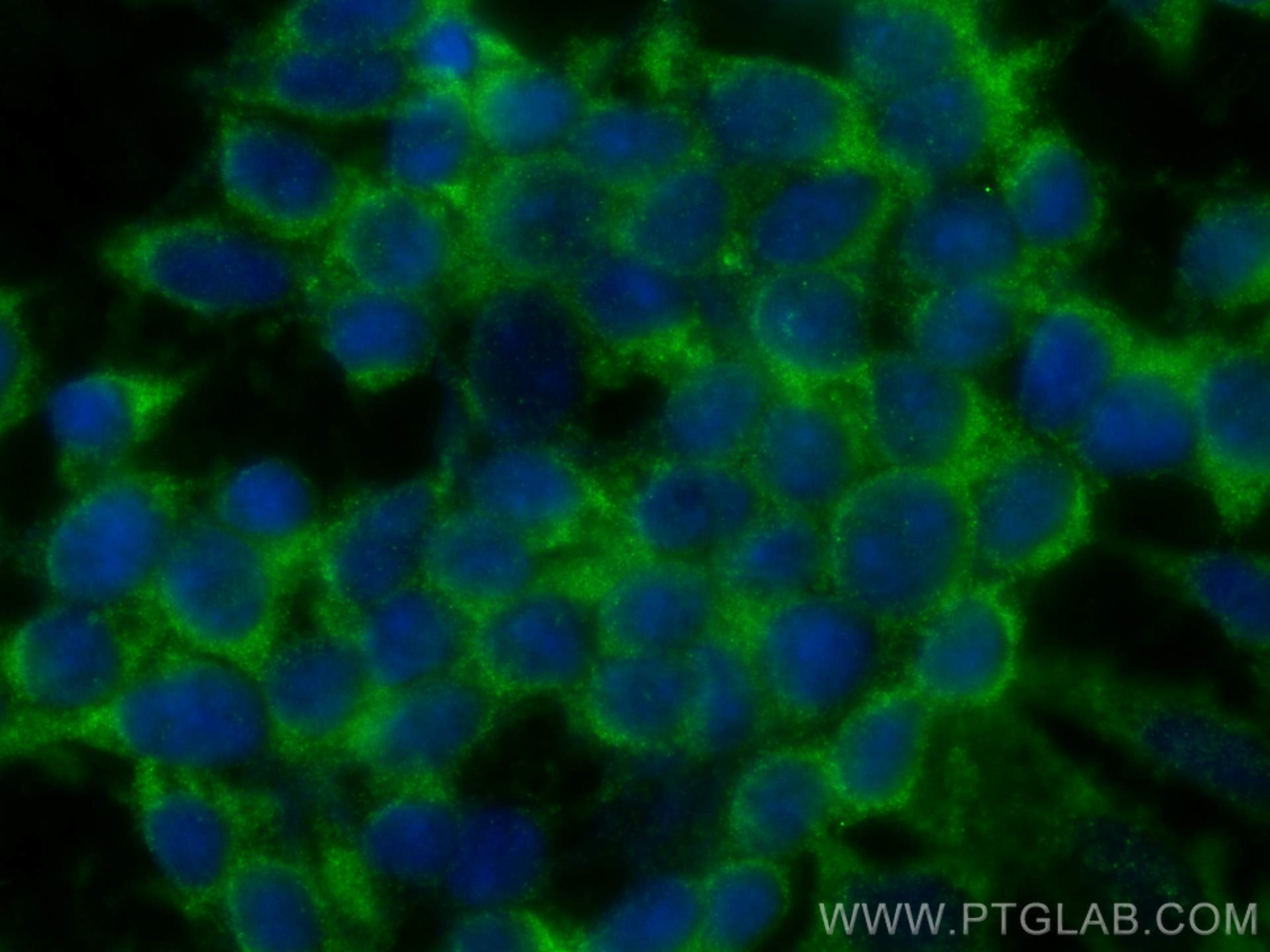
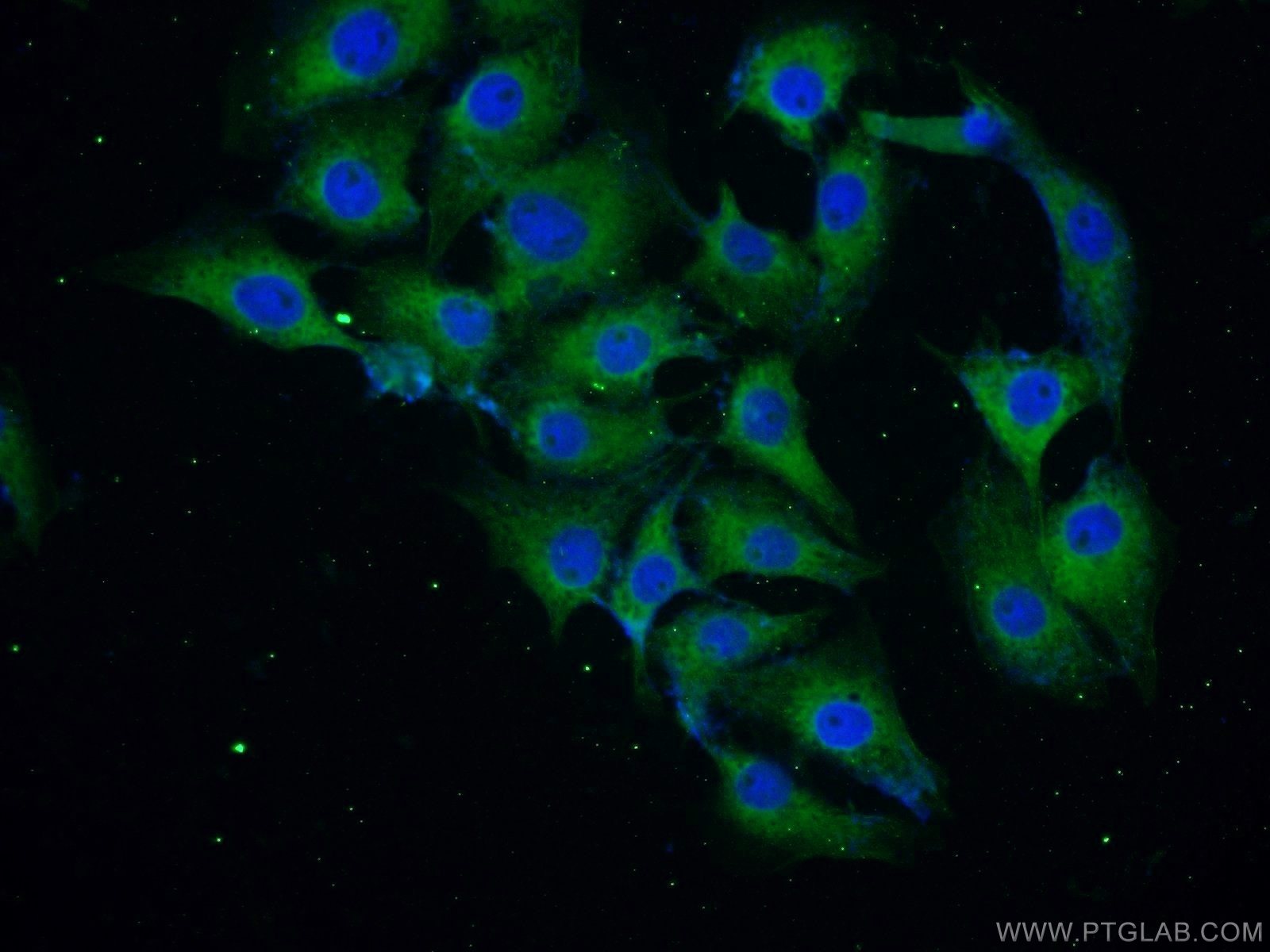
| Positive IF/ICC detected in | SH-SY5Y cells |
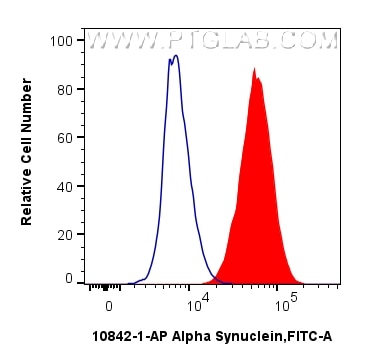
| Positive FC (Intra) detected in | SH-SY5Y cells |
Recommended dilution
| Application | Dilution |
|---|---|
| Western Blot (WB) | WB : 1:1000-1:6000 |
| Immunohistochemistry (IHC) | IHC : 1:50-1:500 |
| Immunofluorescence (IF)-P | IF-P : 1:50-1:500 |
| Immunofluorescence (IF)-FRO | IF-FRO : 1:50-1:500 |
| Immunofluorescence (IF)/ICC | IF/ICC : 1:200-1:800 |
| Flow Cytometry (FC) (INTRA) | FC (INTRA) : 0.25 ug per 10^6 cells in a 100 µl suspension |
| It is recommended that this reagent should be titrated in each testing system to obtain optimal results. | |
| Sample-dependent, Check data in validation data gallery. | |
Product Information
10842-1-AP targets Alpha Synuclein in WB, IHC, IF/ICC, IF-P, IF-Fro, IP, CoIP, ELISA applications and shows reactivity with human, mouse, rat samples.
| Tested Reactivity | human, mouse, rat |
| Cited Reactivity | human, mouse, rat, monkey, yeast, zebra finch |
| Host / Isotype | Rabbit / IgG |
| Class | Polyclonal |
| Type | Antibody |
| Immunogen |
CatNo: Ag1285 Product name: Recombinant human a-Synuclein protein Source: e coli.-derived, PKG Tag: GST Domain: 1-140 aa of BC013293 Sequence: MDVFMKGLSKAKEGVVAAAEKTKQGVAEAAGKTKEGVLYVGSKTKEGVVHGVATVAEKTKEQVTNVGGAVVTGVTAVAQKTVEGAGSIAAATGFVKKDQLGKNEEGAPQEGILEDMPVDPDNEAYEMPSEEGYQDYEPEA Predict reactive species |
| Full Name | synuclein, alpha (non A4 component of amyloid precursor) |
| Calculated Molecular Weight | 14 kDa |
| Observed Molecular Weight | 15-19 kDa |
| GenBank Accession Number | BC013293 |
| Gene Symbol | Alpha Synuclein |
| Gene ID (NCBI) | 6622 |
| RRID | AB_2192672 |
| Conjugate | Unconjugated |
| Form | Liquid |
| Purification Method | Antigen affinity purification |
| UNIPROT ID | P37840 |
| Storage Buffer | PBS with 0.02% sodium azide and 50% glycerol, pH 7.3. |
| Storage Conditions | Store at -20°C. Stable for one year after shipment. Aliquoting is unnecessary for -20oC storage. 20ul sizes contain 0.1% BSA. |
Background Information
Alpha Synuclein (α-syn) is a 14-19 kDa phosphoprotein that is primarily localize to the presynaptic terminals of mature neurons, where it is involved in synaptic function and plasticity. Α-syn has drawn intense interest ever since the late 1990s, when the first α-synuclein missense mutation was identified as a cause of familial Parkinson's disease (PD). Aggregated and hyper-phosphorylated forms of α-syn protein are the pathological hallmark of Lewy body disease, which includes Parkinson's disease (PD), diffuse Lewy body disease (DLBD), and Lewy body variant of Alzheimer's disease (LBV). This antibody can recognize all the isoforms of α-syn.
Protocols
| Product Specific Protocols | |
|---|---|
| FC protocol for Alpha Synuclein antibody 10842-1-AP | Download protocol |
| IF protocol for Alpha Synuclein antibody 10842-1-AP | Download protocol |
| IHC protocol for Alpha Synuclein antibody 10842-1-AP | Download protocol |
| WB protocol for Alpha Synuclein antibody 10842-1-AP | Download protocol |
| Standard Protocols | |
|---|---|
| Click here to view our Standard Protocols |
Publications
What published studies show
| Species | Application | Title |
|---|---|---|
Mol Neurodegener Posttranslational modification and mutation of histidine 50 trigger alpha synuclein aggregation and toxicity. | ||
Mol Neurodegener Recombinant cathepsins B and L promote α-synuclein clearance and restore lysosomal function in human and murine models with α-synuclein pathology | ||
Transl Neurodegener Reciprocal effects of alpha-synuclein aggregation and lysosomal homeostasis in synucleinopathy models | ||
Autophagy R406 and its structural analogs reduce SNCA/α-synuclein levels via autophagic degradation | ||
J Nanobiotechnology Umbilical cord blood-derived exosomes attenuate dopaminergic neuron damage of Parkinson's disease mouse model | ||
Theranostics Chronic intermittent hypoxia increases Parkinson's disease susceptibility via PPARα-mediated lipid droplet-mitochondrial dysfunction. |
Reviews
What customers say
The reviews below have been submitted by verified Proteintech customers who received an incentive for providing their feedback.
Boyan (Verified Customer) (01-13-2026) | good for WB
|
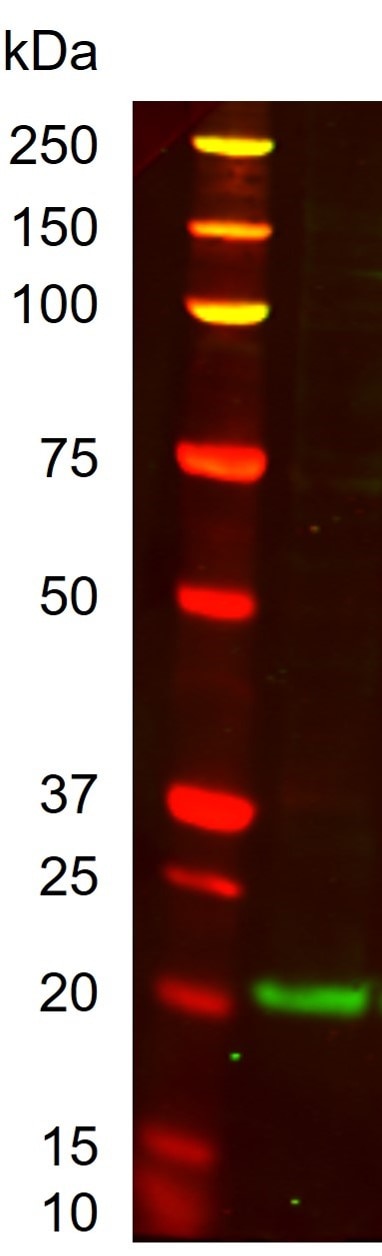
Angie (Verified Customer) (01-20-2025) | The antibody detected a band around 20 kD at dilution of 1:1000 incubated overnight at 4 °C followed by 1h incubation of the secondary antibody donkey-anti-rabbit (Alexa Fluor 800, used at 1:20000 dilution) at room temperature.
 |
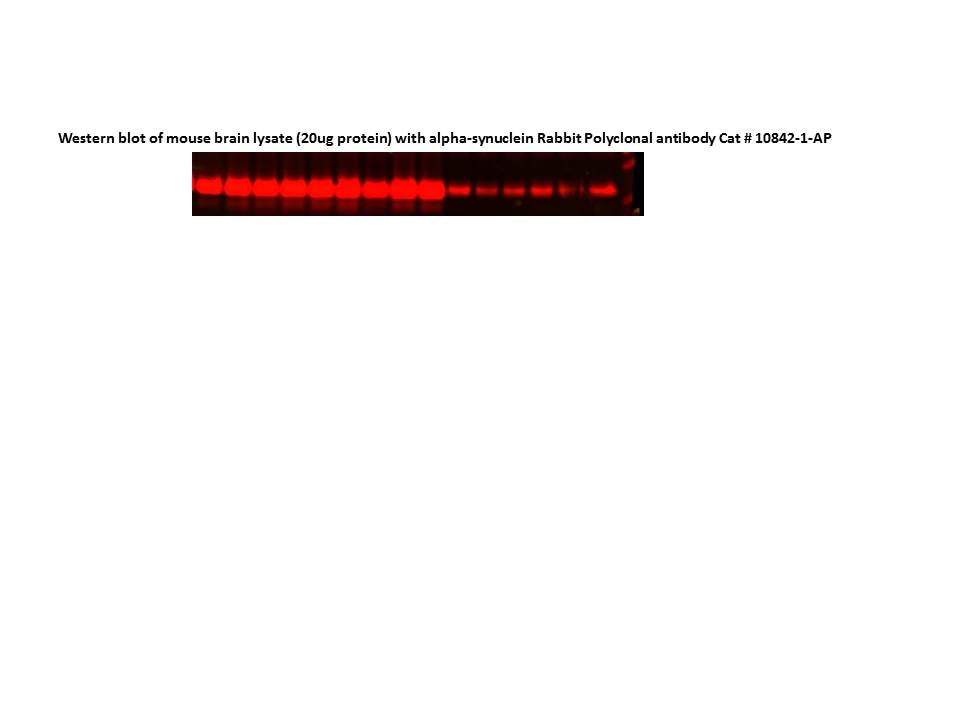
Sheela (Verified Customer) (07-16-2019) | This antibody works as expected!
 |





















