

Tested Applications
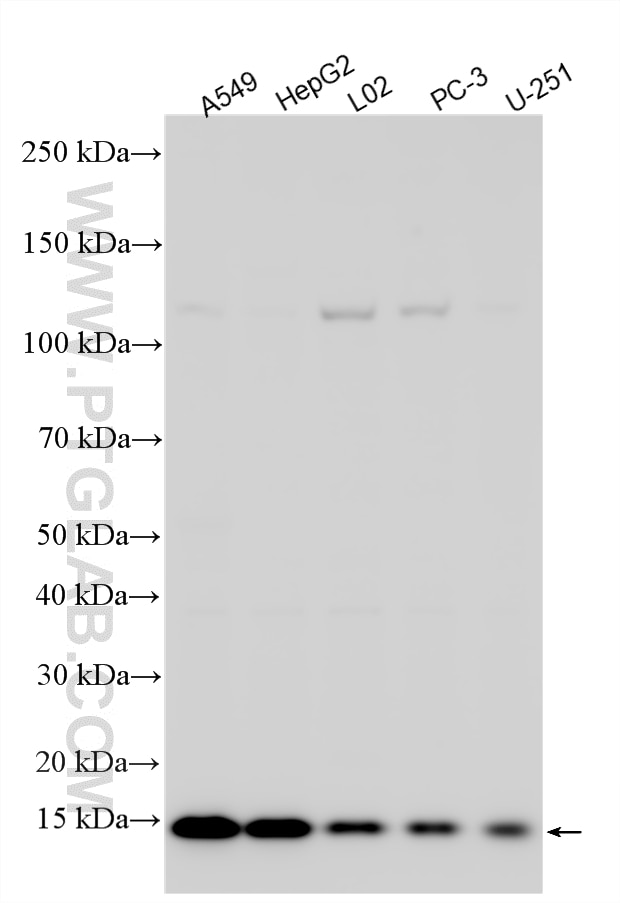
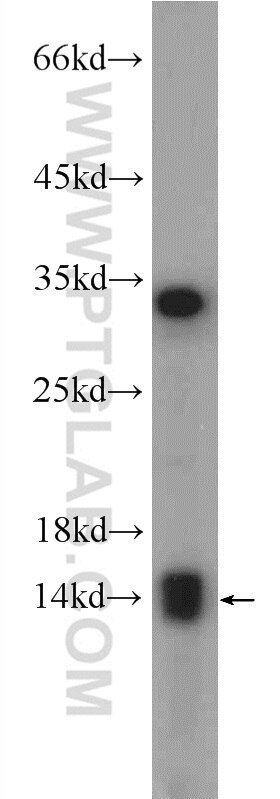
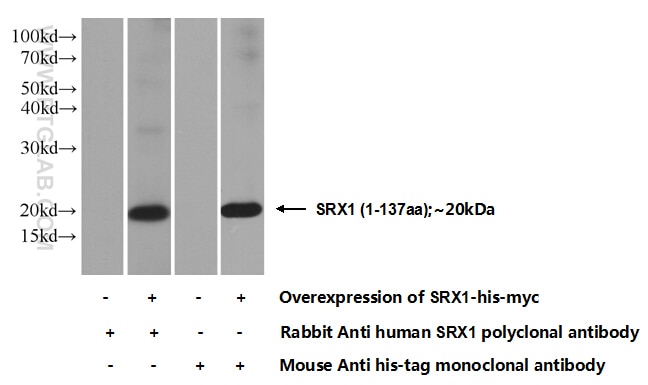
| Positive WB detected in | A549 cells, mouse liver tissue, Transfected HEK-293 cells, HepG2 cells, L02 cells, PC-3 cells, U-251 cells |
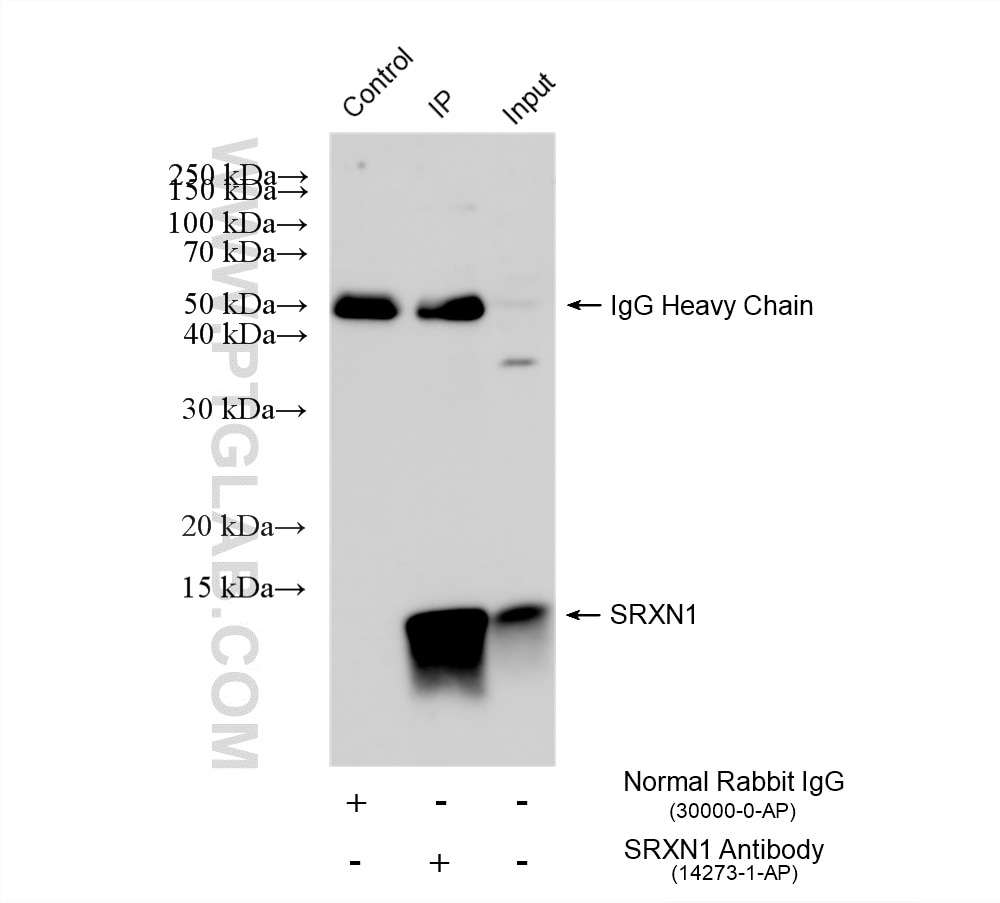
| Positive IP detected in | A549 cells |
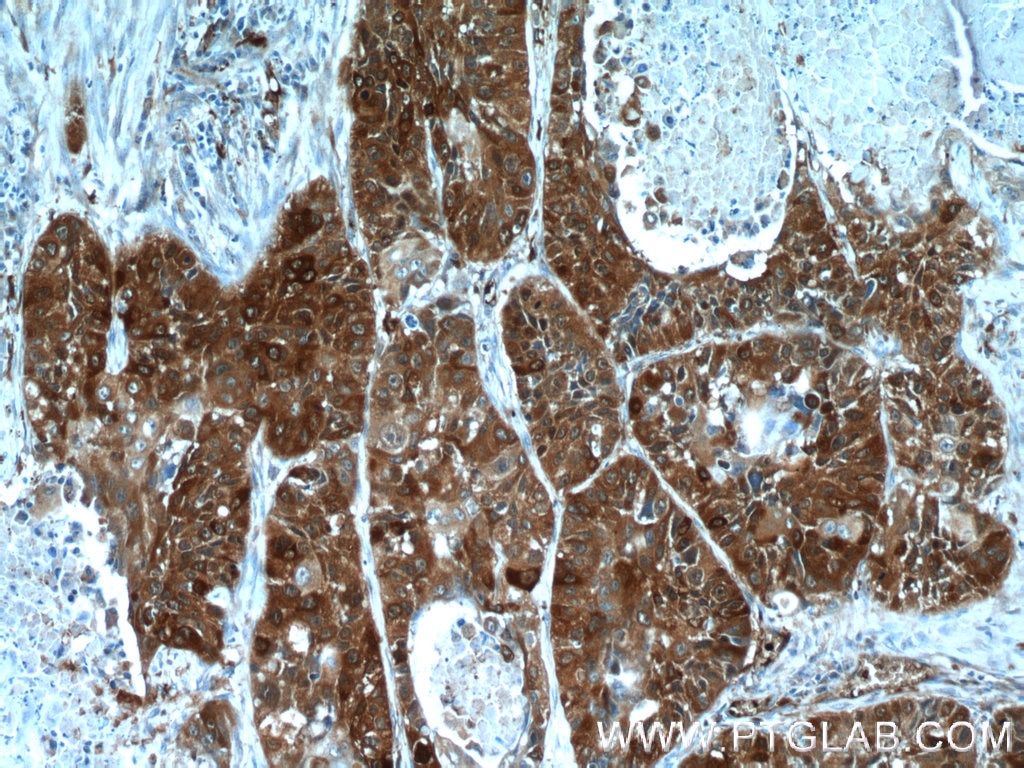
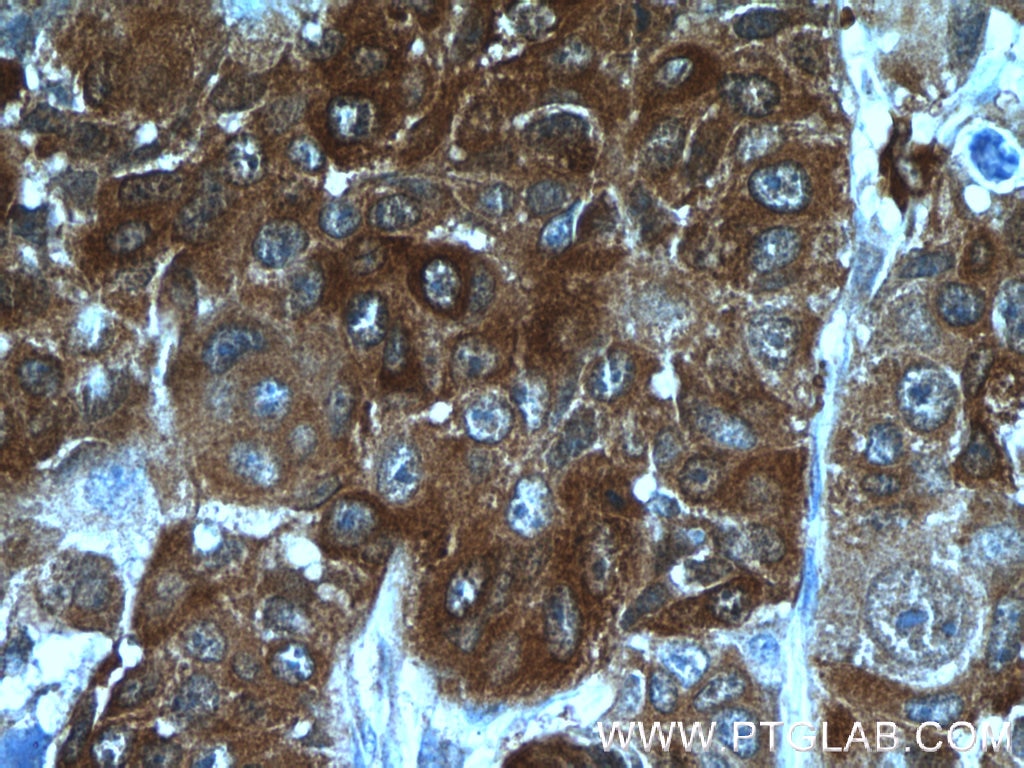
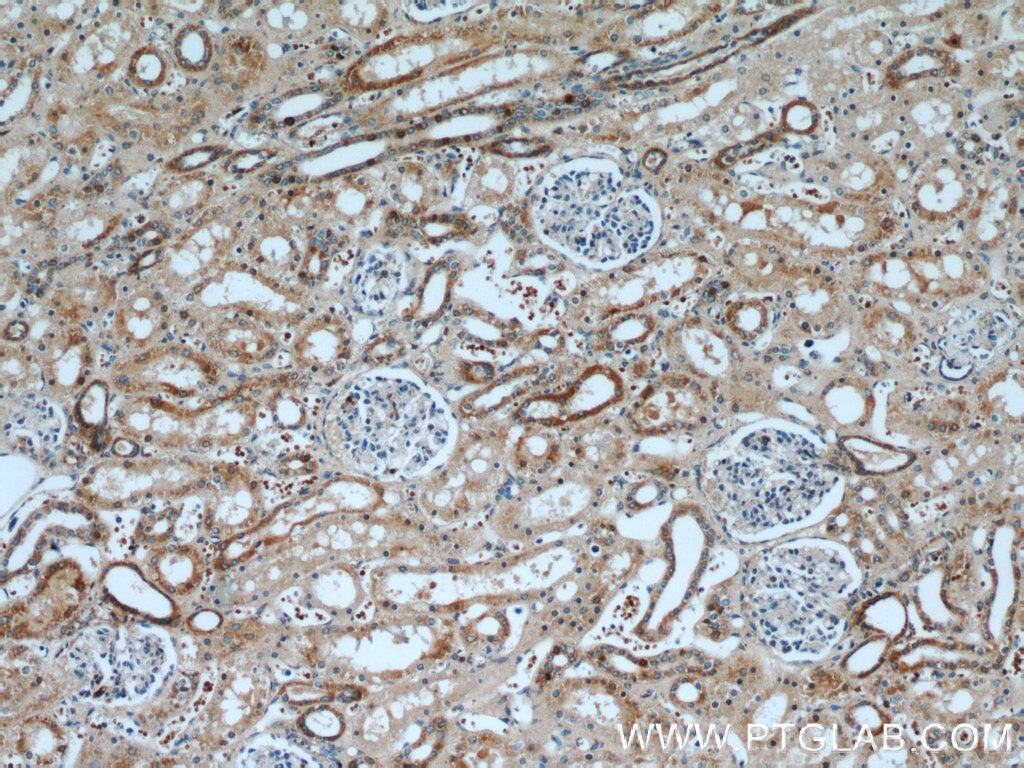
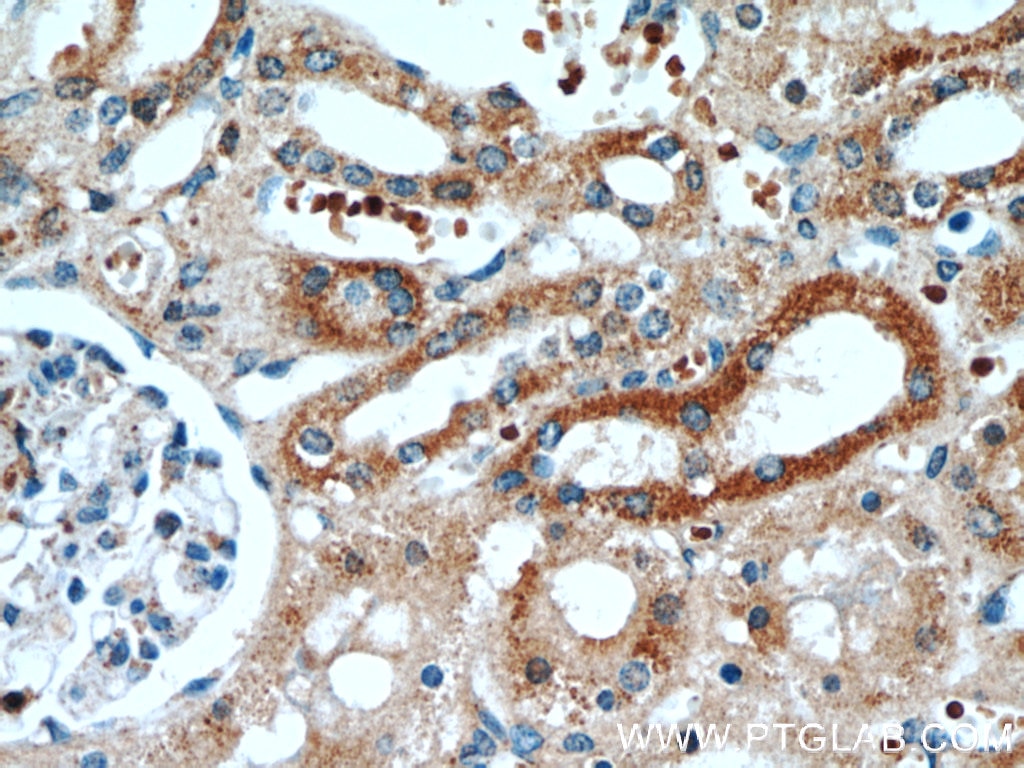
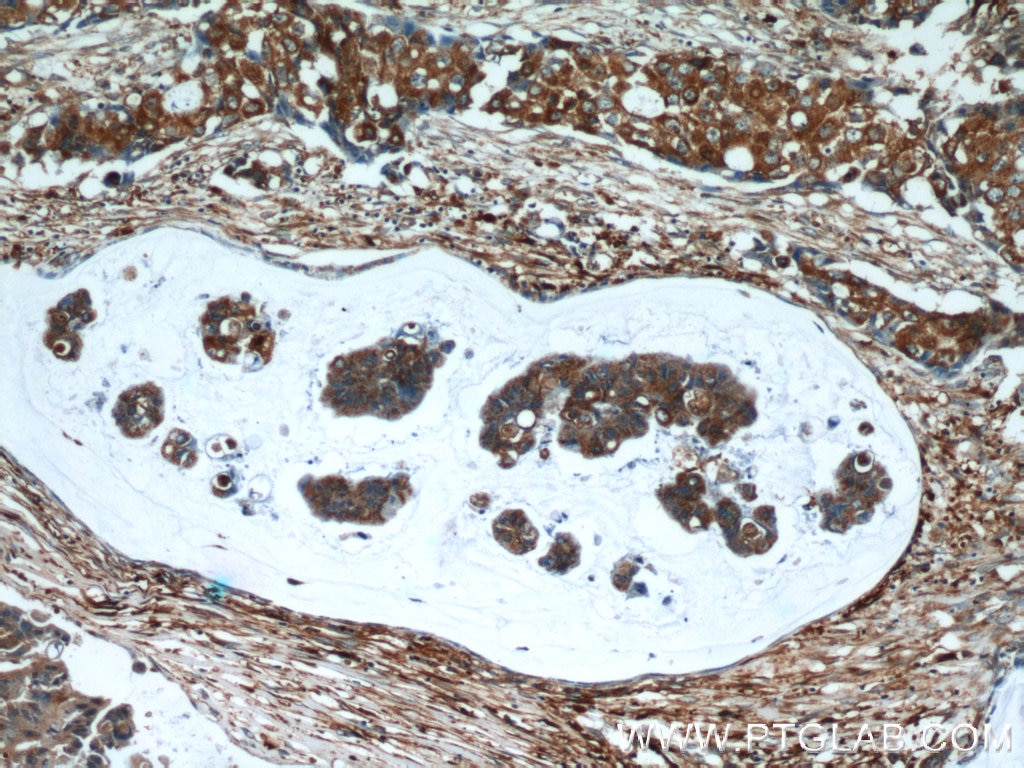
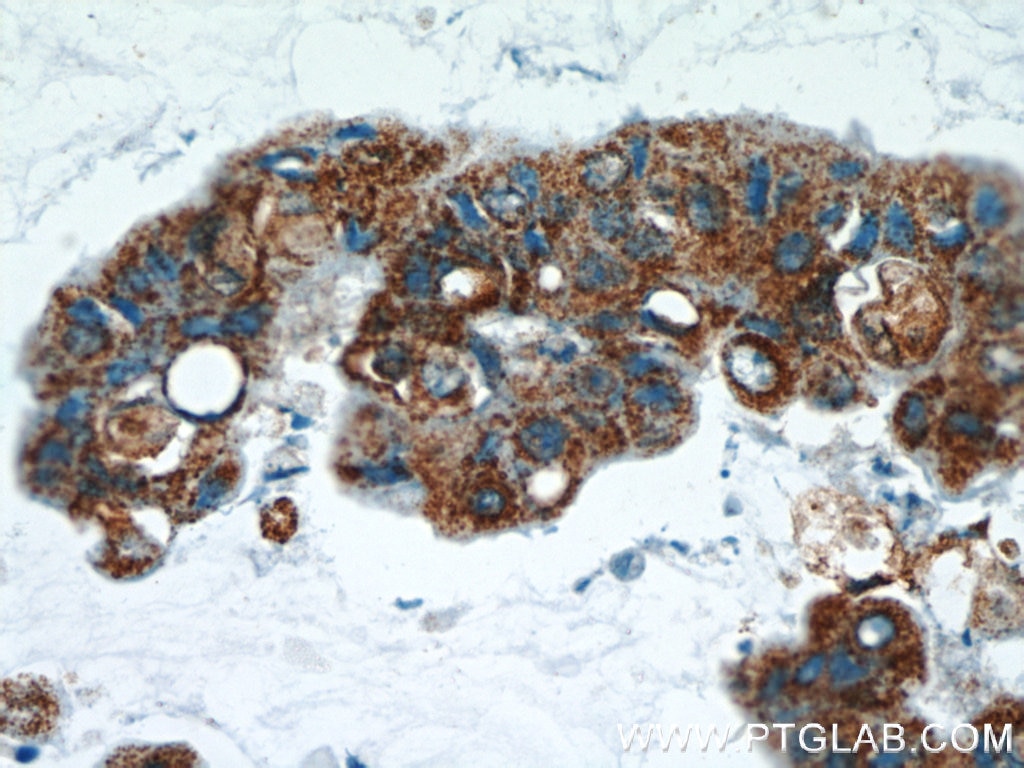
| Positive IHC detected in | human lung cancer tissue, human breast cancer tissue, human kidney tissue Note: suggested antigen retrieval with TE buffer pH 9.0; (*) Alternatively, antigen retrieval may be performed with citrate buffer pH 6.0 |
Recommended dilution
| Application | Dilution |
|---|---|
| Western Blot (WB) | WB : 1:1000-1:6000 |
| Immunoprecipitation (IP) | IP : 0.5-4.0 ug for 1.0-3.0 mg of total protein lysate |
| Immunohistochemistry (IHC) | IHC : 1:20-1:200 |
| It is recommended that this reagent should be titrated in each testing system to obtain optimal results. | |
| Sample-dependent, Check data in validation data gallery. | |
Product Information
14273-1-AP targets SRXN1 in WB, IHC, IF, IP, ELISA applications and shows reactivity with human, mouse samples.
| Tested Reactivity | human, mouse |
| Cited Reactivity | human, mouse, rat |
| Host / Isotype | Rabbit / IgG |
| Class | Polyclonal |
| Type | Antibody |
| Immunogen |
CatNo: Ag5613 Product name: Recombinant human SRX1 protein Source: e coli.-derived, PGEX-4T Tag: GST Domain: 1-137 aa of BC047707 Sequence: MGLRAGGTLGRAGAGRGAPEGPGPSGGAQGGSIHSGRIAAVHNVPLSVLIRPLPSVLDPAKVQSLVDTIREDPDSVPPIDVLWIKGAQGGDYFYSFGGCHRYAAYQQLQRETIPAKLVQSTLSDLRVYLGASTPDLQ Predict reactive species |
| Full Name | sulfiredoxin 1 homolog (S. cerevisiae) |
| Calculated Molecular Weight | 14 kDa |
| Observed Molecular Weight | 14 kDa |
| GenBank Accession Number | BC047707 |
| Gene Symbol | SRXN1 |
| Gene ID (NCBI) | 140809 |
| RRID | AB_2195030 |
| Conjugate | Unconjugated |
| Form | Liquid |
| Purification Method | Antigen affinity purification |
| UNIPROT ID | Q9BYN0 |
| Storage Buffer | PBS with 0.02% sodium azide and 50% glycerol, pH 7.3. |
| Storage Conditions | Store at -20°C. Stable for one year after shipment. Aliquoting is unnecessary for -20oC storage. 20ul sizes contain 0.1% BSA. |
Protocols
| Product Specific Protocols | |
|---|---|
| IHC protocol for SRXN1 antibody 14273-1-AP | Download protocol |
| IP protocol for SRXN1 antibody 14273-1-AP | Download protocol |
| WB protocol for SRXN1 antibody 14273-1-AP | Download protocol |
| Standard Protocols | |
|---|---|
| Click here to view our Standard Protocols |
Publications
What published studies show
The SRXN1 Polyclonal antibody (catalog 14273-1-AP) has 36 citations. Journals include Cancer Research, Nature Communications, Blood Cancer Journal, Cancer Letters, PNAS, Oncogene, Antioxidants, Oxidative Medicine and Cellular Longevity, Life Sciences, Molecular Cancer Research, European Journal of Pharmacology, International Immunopharmacology, International Journal of Molecular Science, Neurochemistry International, Oncotarget, Mediators of Inflammation, Journal of Cellular and Molecular Medicine, Journal of Pharmacology and Experimental Therapeutics, FASEB Journal, Journal of Biological Chemistry, Carcinogenesis, Histopathology, Pathology Research and Practice, Cancer Medicine, Frontiers in Oncology, Toxicology Research, Human Pathology, Tumour Biology, Molecular and Cellular Biology, PLoS One, Toxicology in Vitro, Annals of Hematology, and APMIS. Research fields span cancer (lung, breast, liver, cervical, colorectal, pancreatic, melanoma), oxidative stress, redox biology, inflammation, and neurology.
| Species | Application | Title |
|---|---|---|
Cancer Res Genetic polymorphisms and protein expression of NRF2 and Sulfiredoxin predict survival outcomes in breast cancer. | ||
Nat Commun Loss of peroxiredoxin-2 exacerbates eccentric contraction-induced force loss in dystrophin-deficient muscle. | ||
Cancer Lett Nrf2-activated expression of sulfiredoxin contributes to urethane-induced lung tumorigenesis.
| ||
Proc Natl Acad Sci U S A Sulfiredoxin-Peroxiredoxin IV axis promotes human lung cancer progression through modulation of specific phosphokinase signaling. | ||
Osteoarthritis Cartilage Age and oxidative stress regulate Nrf2 homeostasis in human articular chondrocytes |
Reviews
What customers say
Across three Western Blot reviews, users report the antibody performs well at 1:500–1:1000 dilution for detecting low-molecular-weight targets (~15–17 kDa) in breast cancer cells, primary cortical neurons, and HEK293FT cells. One user noted it outperformed alternatives from other companies for small proteins. However, recurring concerns include non-specific bands (observed at 28, 35, and 120 kDa), binding to the PageRuler prestained ladder, and difficulty replicating results over time, suggesting possible stability or degradation issues. Overall ratings average around 3.3/5.
The reviews below have been submitted by verified Proteintech customers who received an incentive for providing their feedback.
Lucy (Verified Customer) (01-30-2026) | Worked well initially at a 1:1000 concentration, but struggled to replicate the western - there are potentially some issues with degrading over time. Non specific bands visible at 120 kDa.
|
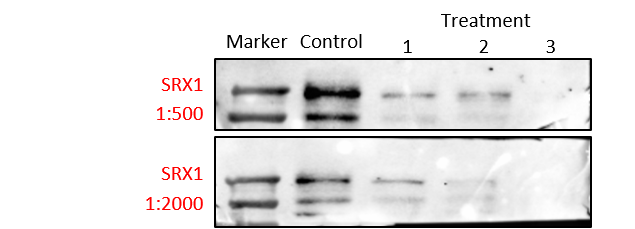
Shinford (Verified Customer) (09-23-2023) | Detecting lower molecular weight molecules in gels is relatively difficult, we tried several antibodies from different companies and this worked well at a concentration of 1:500.
 |
Christopher (Verified Customer) (12-03-2018) | Primary neurons were lysed in RIPA and 20ug samples (containing 1x Laemmli) were run on Bis-Tris gels in 1xMOPS buffer. This antibody recognised SRXN-1 in HEK293FT cells transfected with Human SRXN1 at 17kDa. In HEK cells, non specific bands were visible at around 28 and 35kDa as well.In primary neurons, the antibody recognised a band at roughly 15kDa however it binds non sepcifically to the Pageruler Prestained protein ladder which is an issue.
|











