

Tested Applications
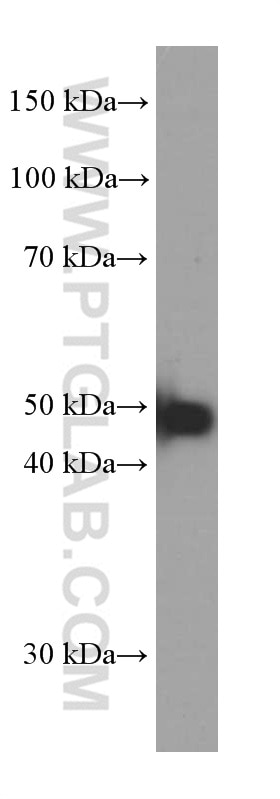
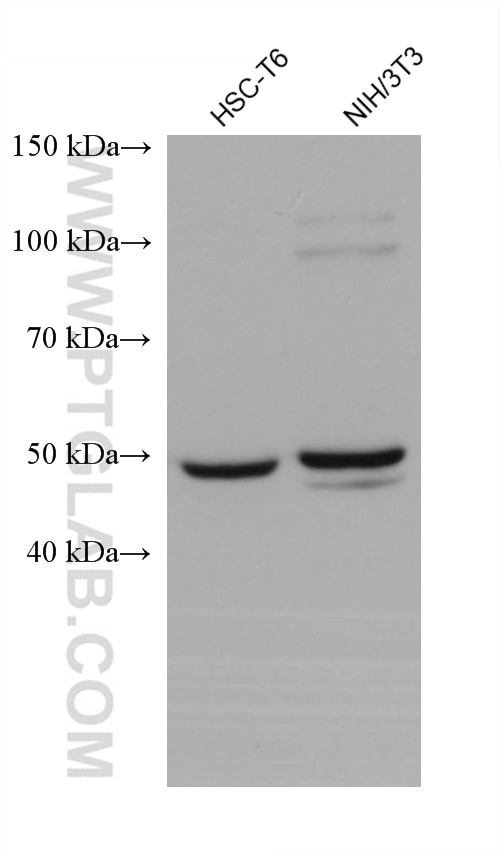
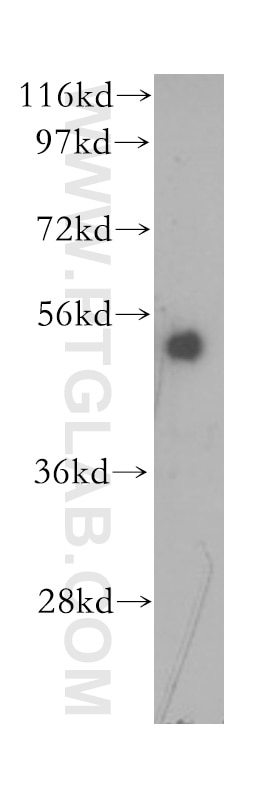
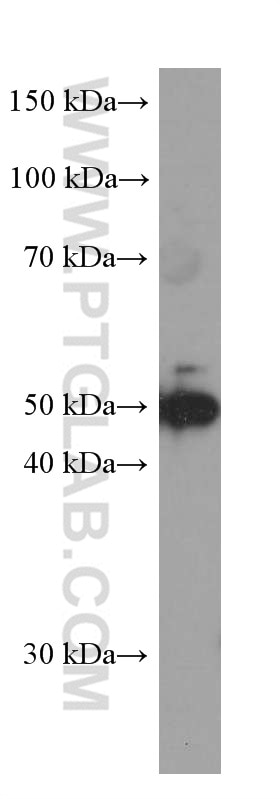
| Positive WB detected in | HepG2 cells, human placenta tissue, HEK-293 cells, HSC-T6 cells, NIH/3T3 cells |
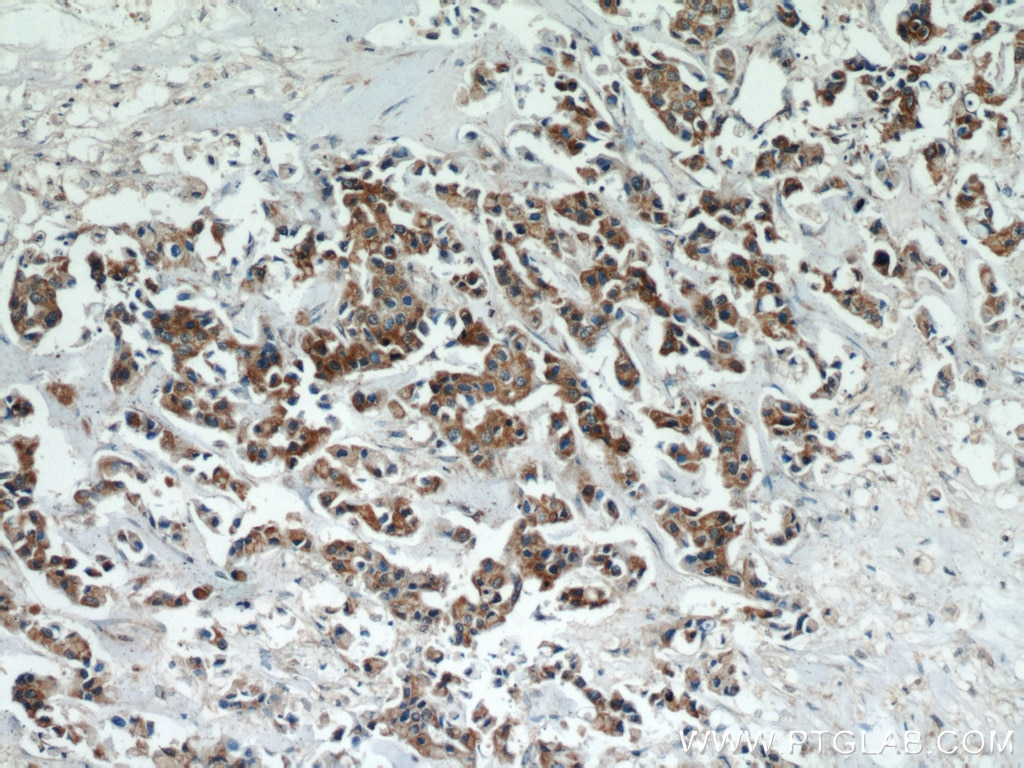
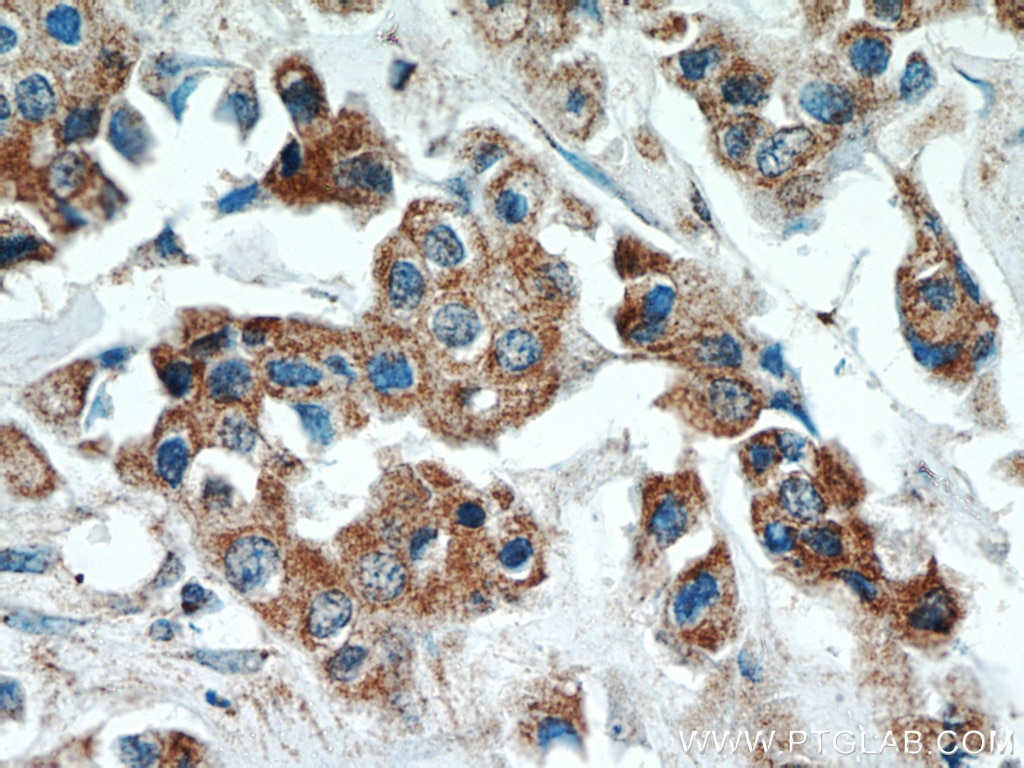
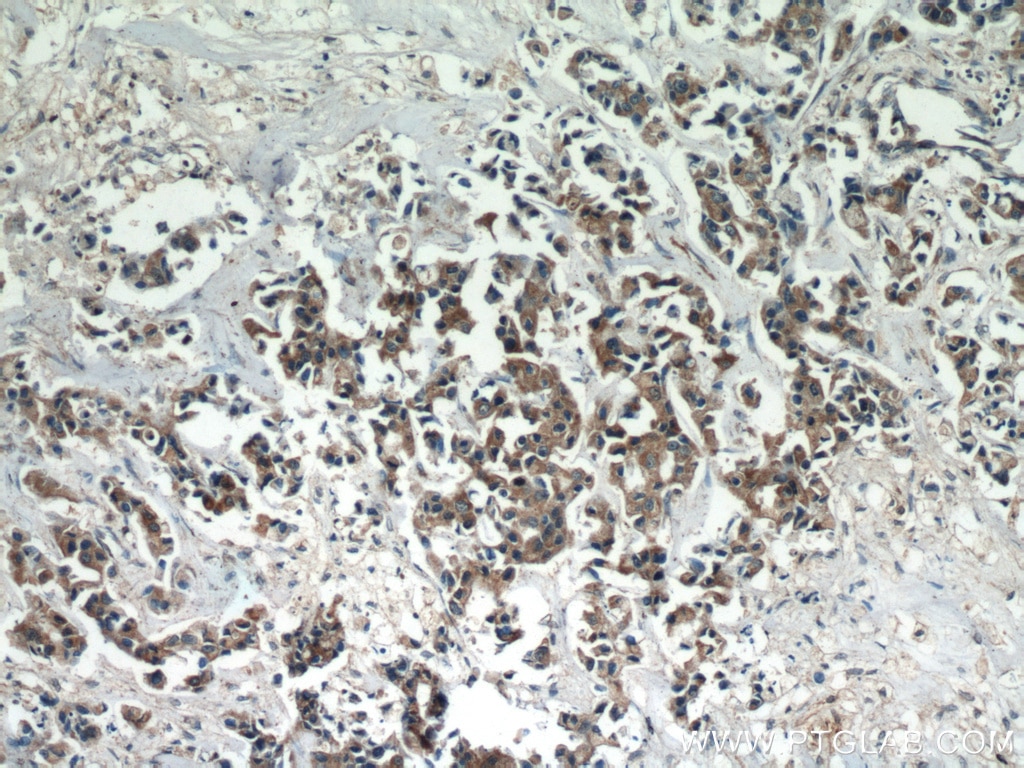
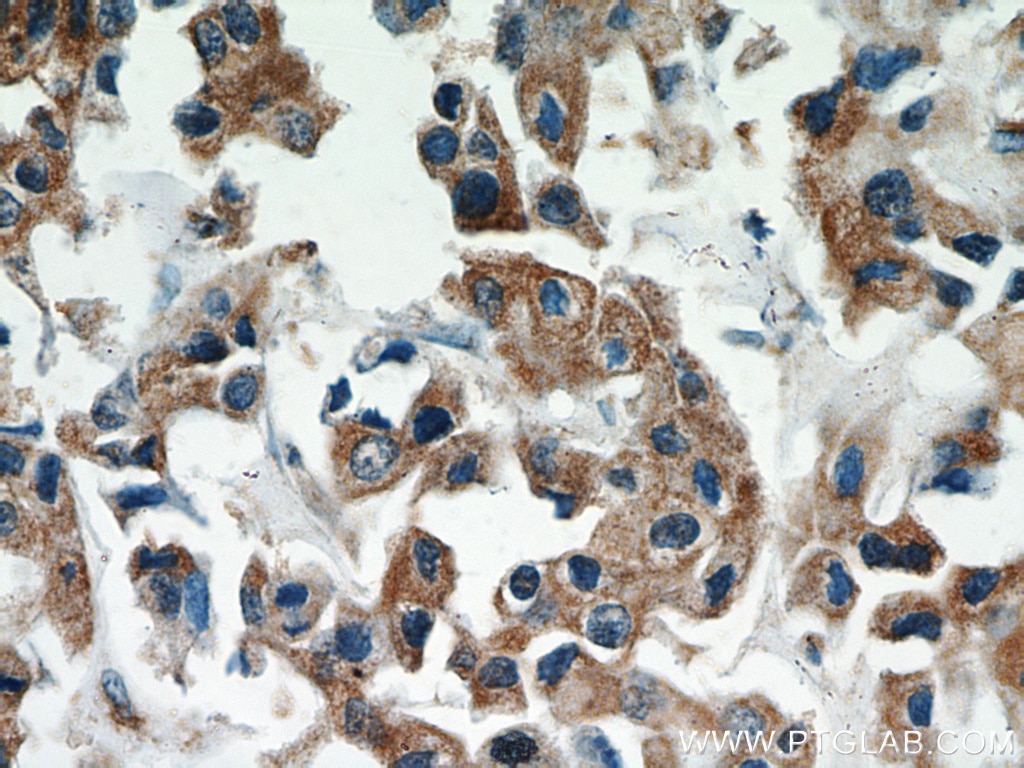
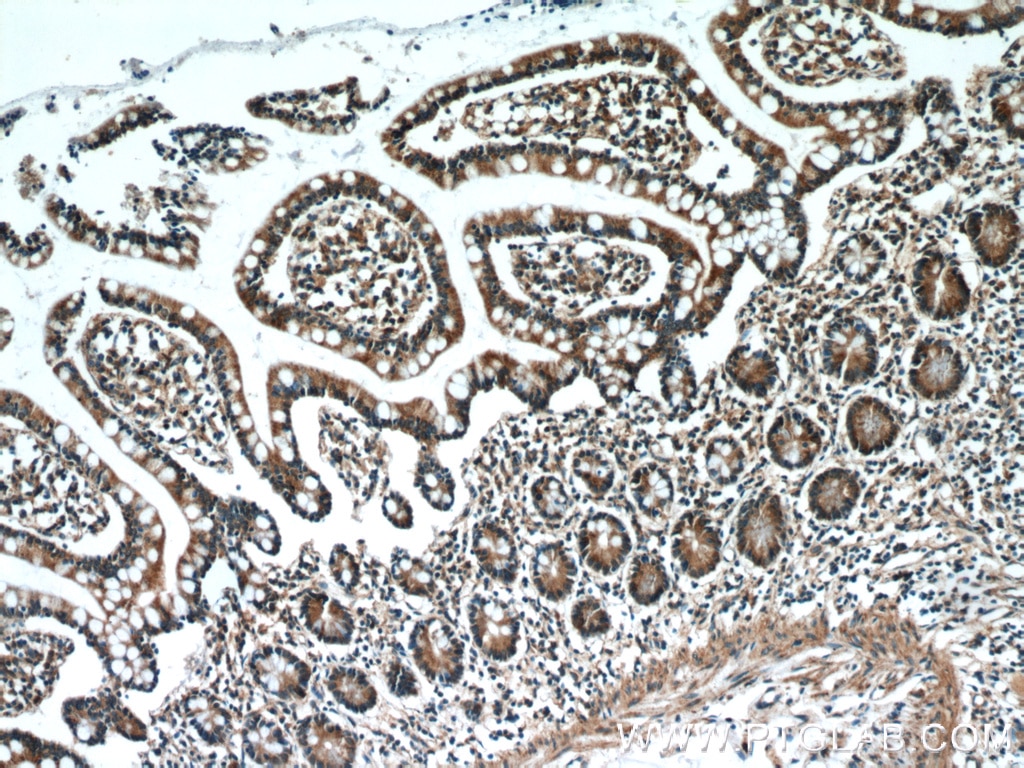
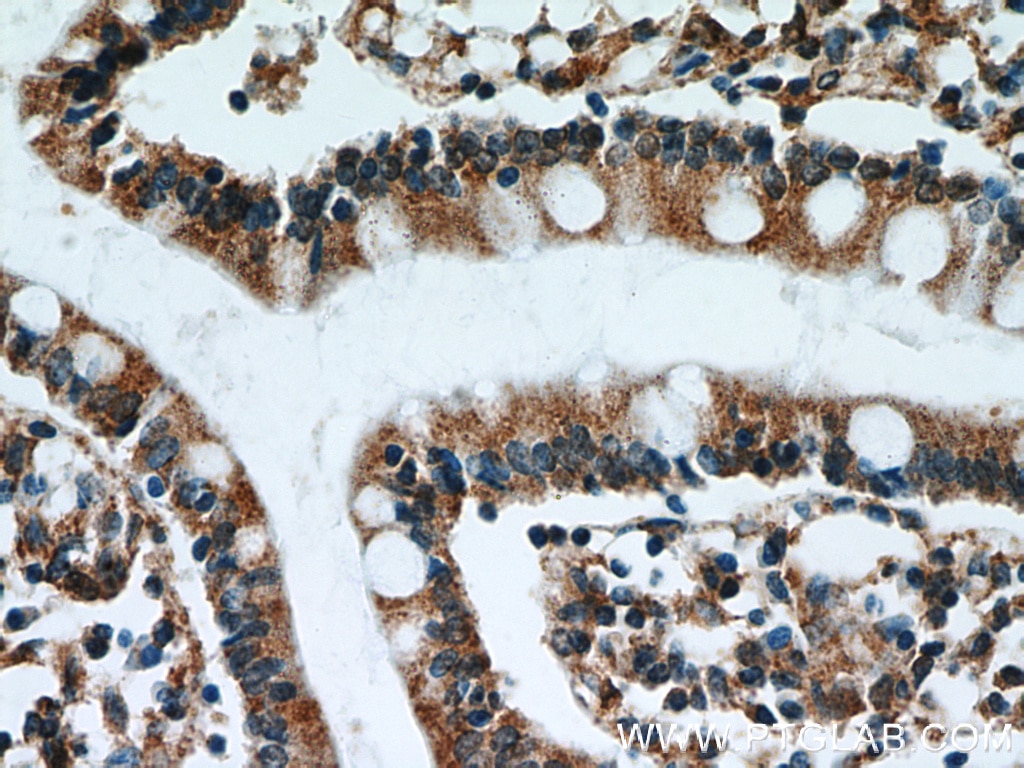
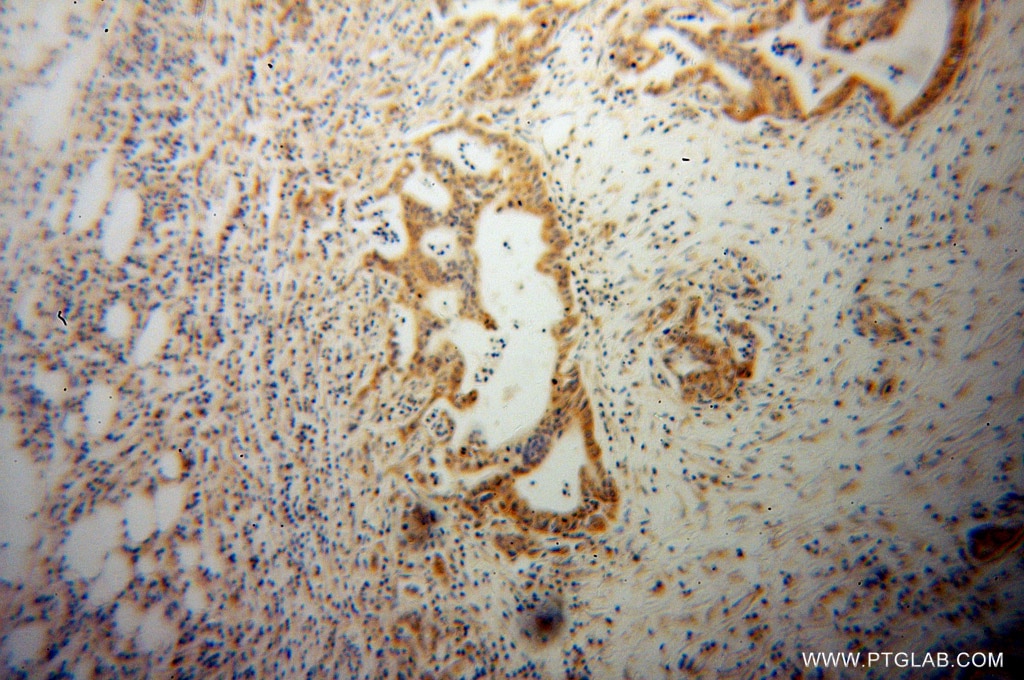
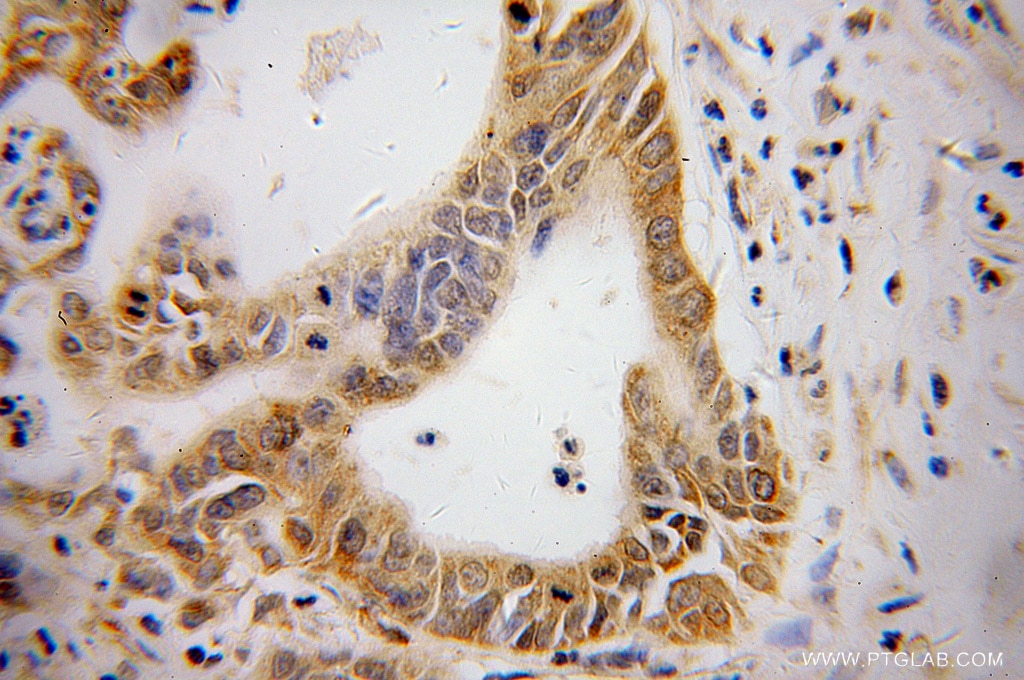
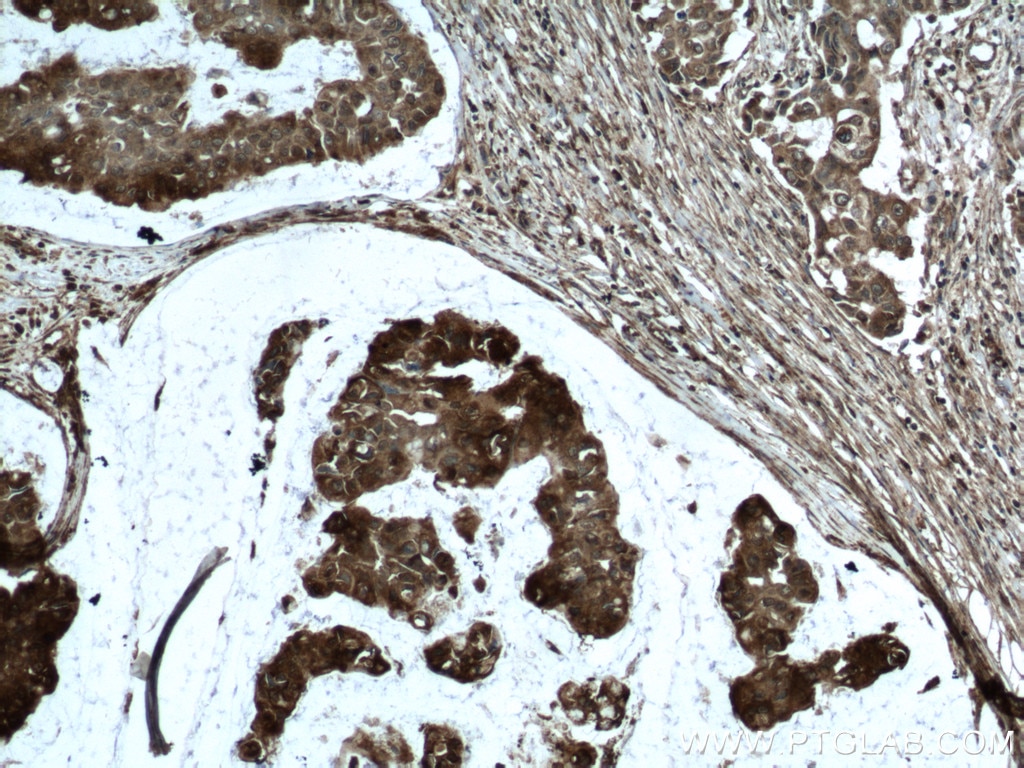
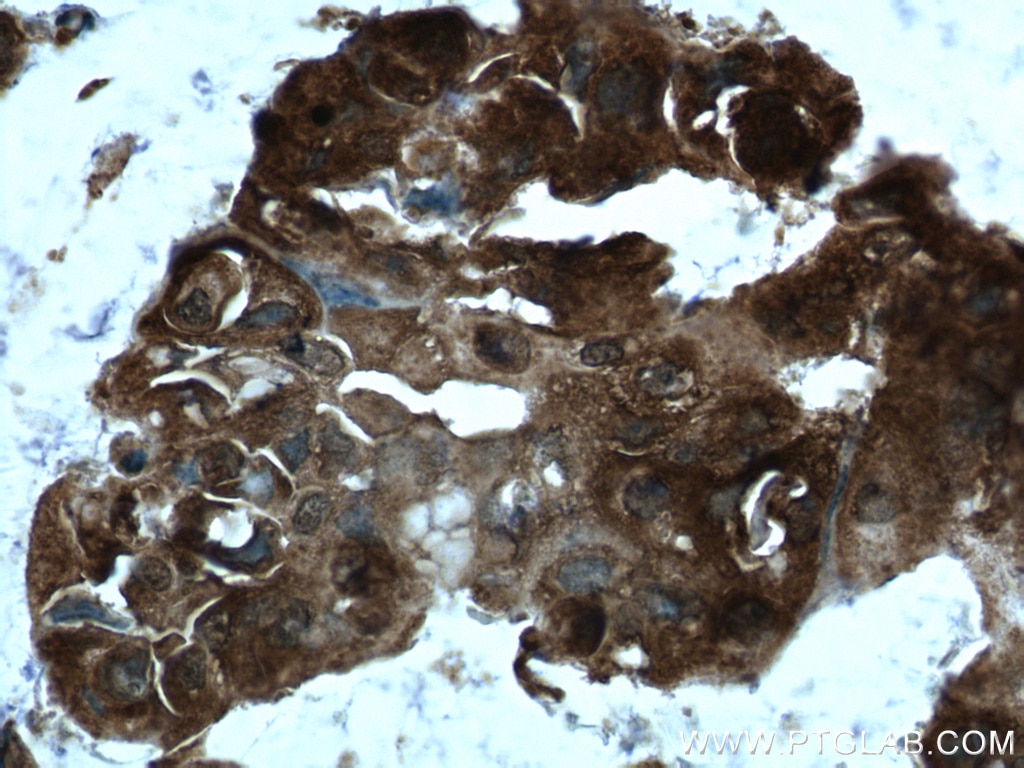
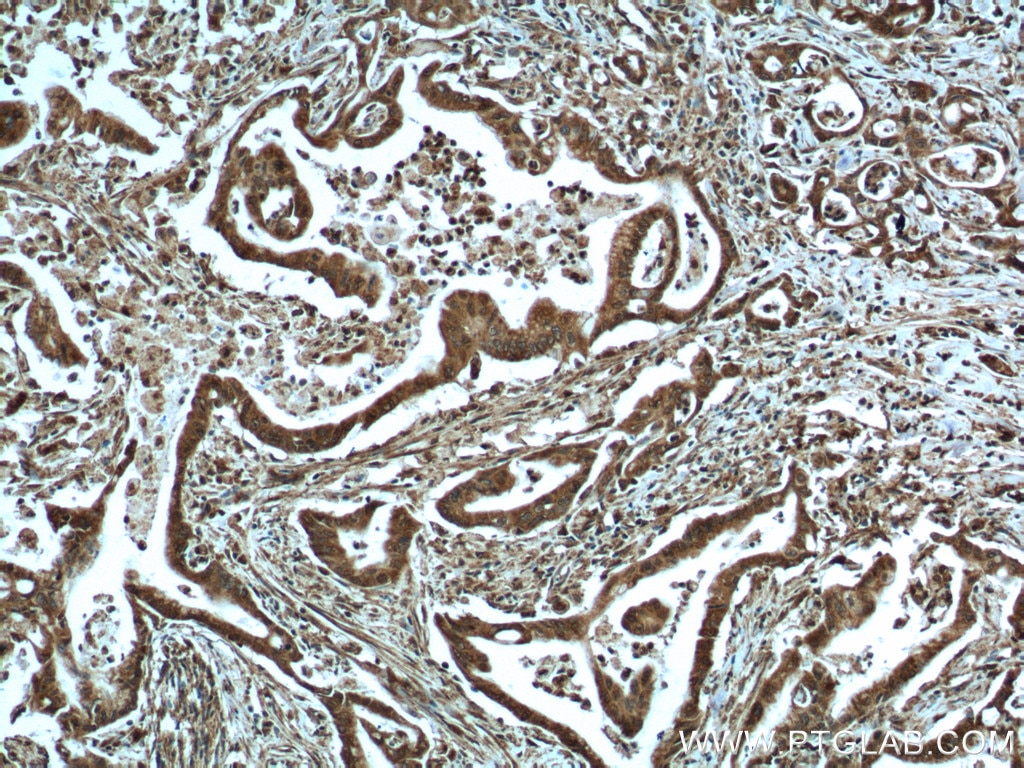
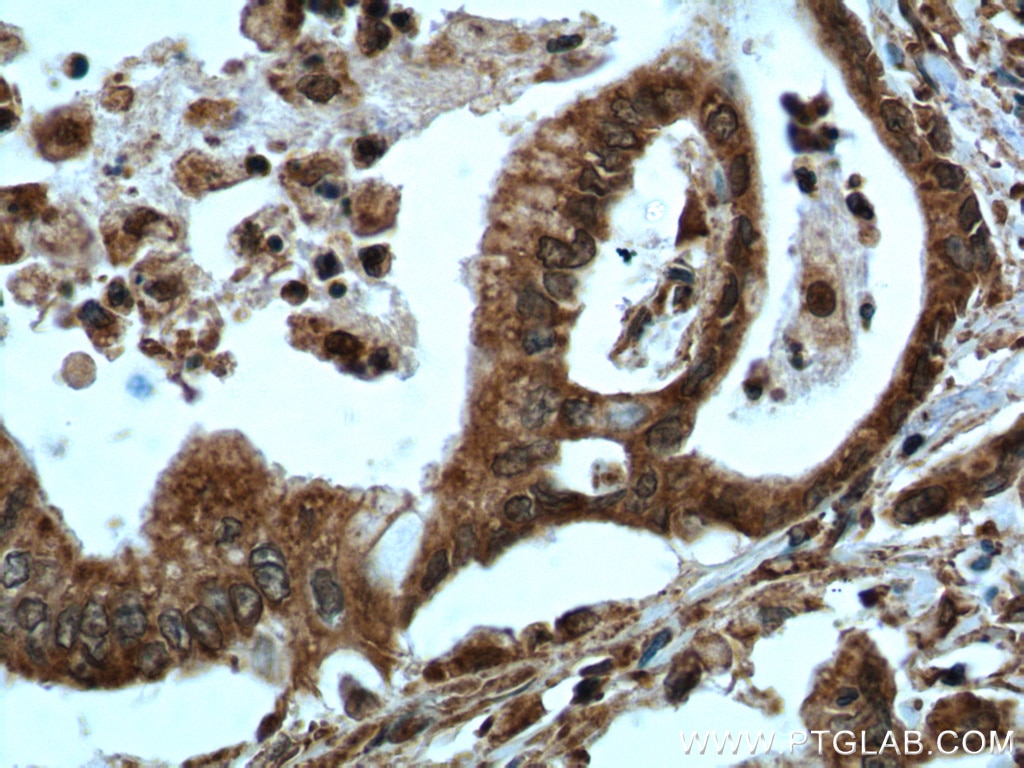
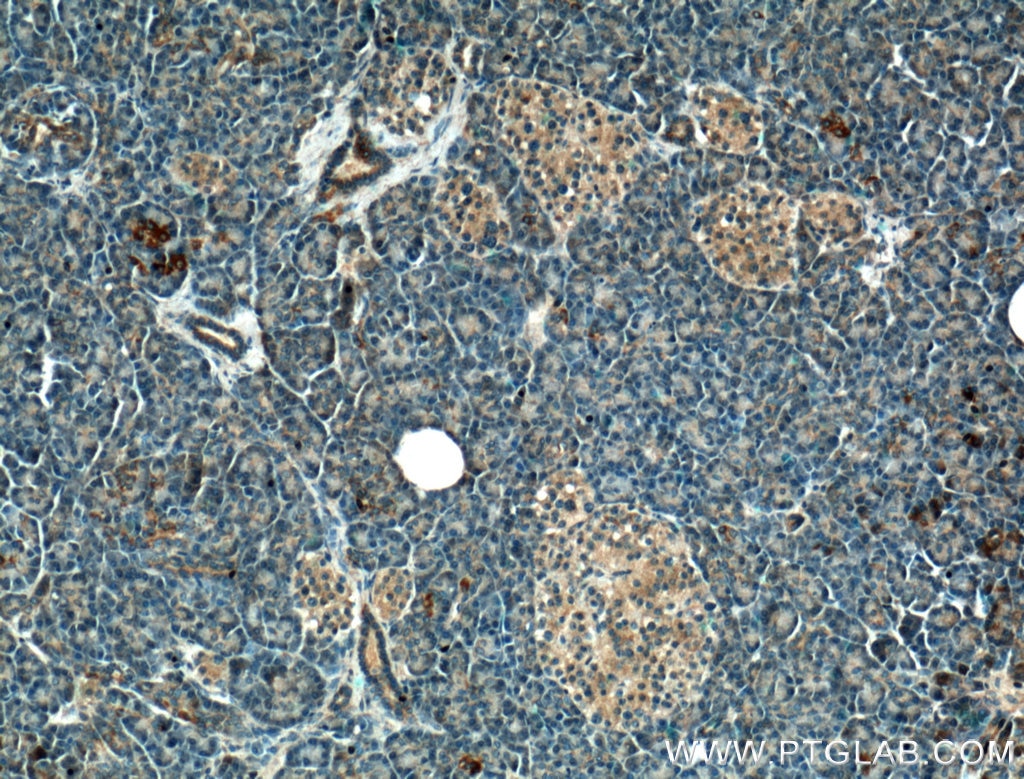
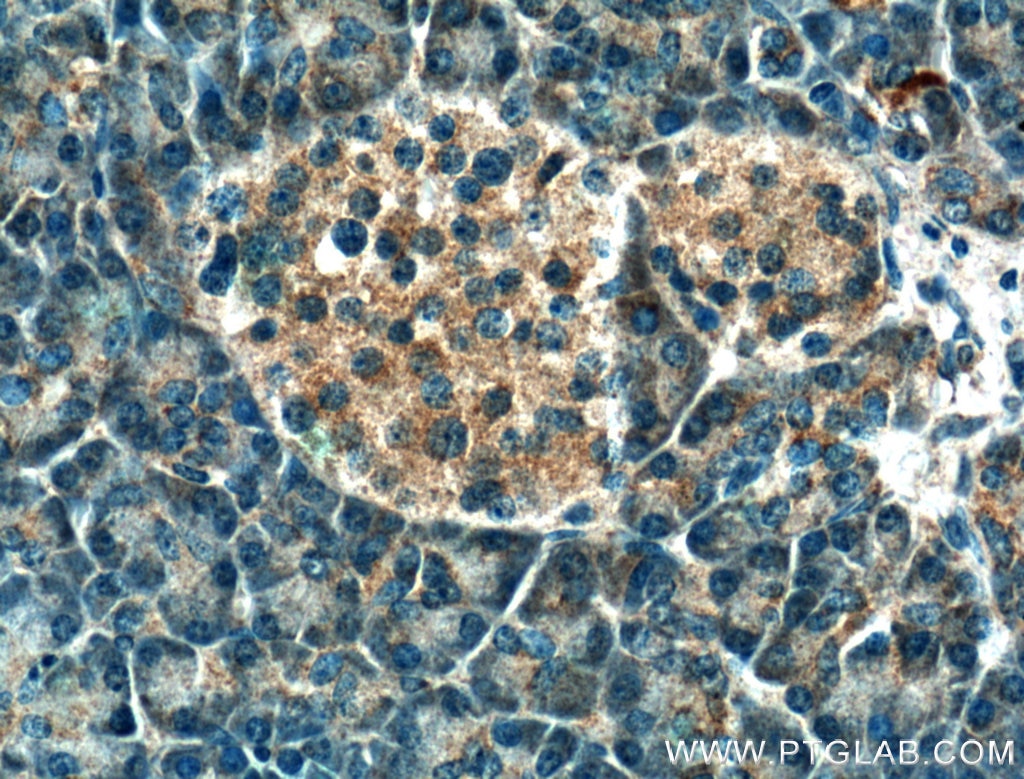
| Positive IHC detected in | human pancreas cancer tissue, human breast cancer tissue, human small intestine tissue, human pancreas tissue Note: suggested antigen retrieval with TE buffer pH 9.0; (*) Alternatively, antigen retrieval may be performed with citrate buffer pH 6.0 |
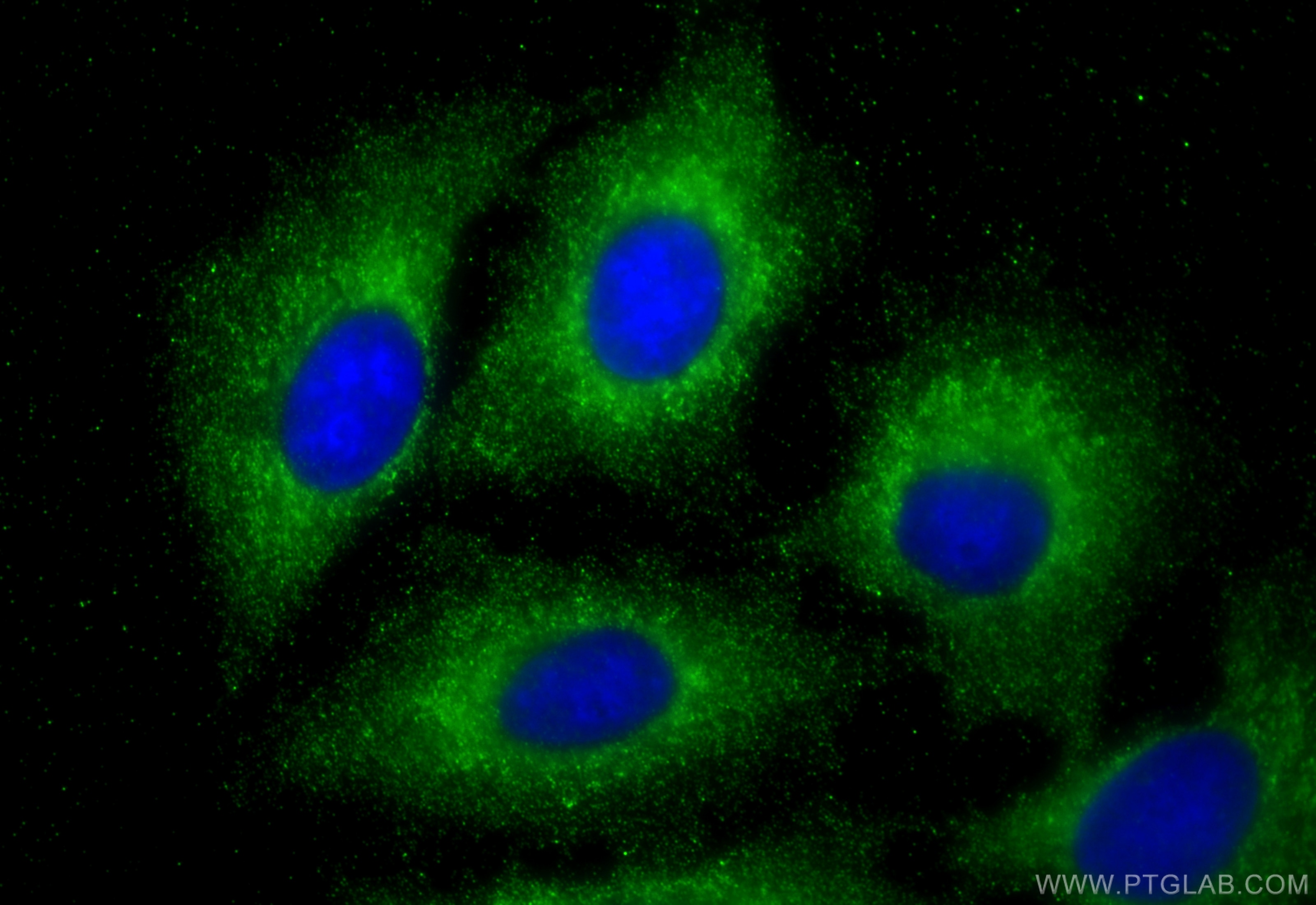
| Positive IF/ICC detected in | A549 cells |
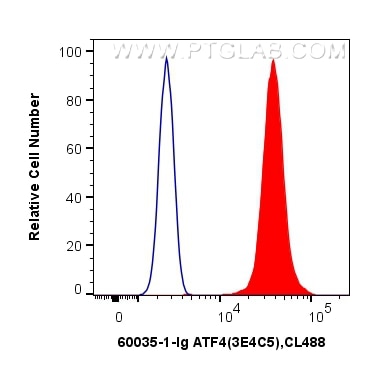
| Positive FC (Intra) detected in | HeLa cells |
Recommended dilution
| Application | Dilution |
|---|---|
| Western Blot (WB) | WB : 1:1000-1:4000 |
| Immunohistochemistry (IHC) | IHC : 1:50-1:500 |
| Immunofluorescence (IF)/ICC | IF/ICC : 1:200-1:800 |
| Flow Cytometry (FC) (INTRA) | FC (INTRA) : 0.40 ug per 10^6 cells in a 100 µl suspension |
| It is recommended that this reagent should be titrated in each testing system to obtain optimal results. | |
| Sample-dependent, Check data in validation data gallery. | |
Product Information
60035-1-Ig targets ATF4 in WB, IHC, IF/ICC, FC (Intra), ChIP, ELISA applications and shows reactivity with human, mouse, rat samples.
| Tested Reactivity | human, mouse, rat |
| Cited Reactivity | human, mouse, rat, pig |
| Host / Isotype | Mouse / IgG1 |
| Class | Monoclonal |
| Type | Antibody |
| Immunogen |
CatNo: Ag1279 Product name: Recombinant human ATF4 protein Source: e coli.-derived, PGEX-4T Tag: GST Domain: 1-351 aa of BC022088 Sequence: MTEMSFLSSEVLVGDLMSPFDQSGLGAEESLGLLDDYLEVAKHFKPHGFSSDKAKAGSSEWLAVDGLVSPSNNSKEDAFSGTDWMLEKMDLKEFDLDALLGIDDLETMPDDLLTTLDDTCDLFAPLVQETNKQPPQTVNPIGHLPESLTKPDQVAPFTFLQPLPLSPGVLSSTPDHSFSLELGSEVDITEGDRKPDYTAYVAMIPQCIKEEDTPSDNDSGICMSPESYLGSPQHSPSTRGSPNRSLPSPGVLCGSARPKPYDPPGEKMVAAKVKGEKLDKKLKKMEQNKTAATRYRQKKRAEQEALTGECKELEKKNEALKERADSLAKEIQYLKDLIEEVRKARGKKRVP Predict reactive species |
| Full Name | activating transcription factor 4 (tax-responsive enhancer element B67) |
| Calculated Molecular Weight | 39 kDa |
| Observed Molecular Weight | 45-50 kDa |
| GenBank Accession Number | BC022088 |
| Gene Symbol | ATF4 |
| Gene ID (NCBI) | 468 |
| RRID | AB_2058598 |
| Conjugate | Unconjugated |
| Form | Liquid |
| Purification Method | Protein A purification |
| UNIPROT ID | P18848 |
| Storage Buffer | PBS with 0.02% sodium azide and 50% glycerol, pH 7.3. |
| Storage Conditions | Store at -20°C. Stable for one year after shipment. Aliquoting is unnecessary for -20oC storage. 20ul sizes contain 0.1% BSA. |
Background Information
What is the molecular weight of ATF4?
The molecular weight of ATF is 38.6 kD.
What is ATF4?
Activating transcription factor 4 (ATF4), also known as cAMP-response element-binding protein 2 (CREB2), is a substrate of RSK2 and a basic leucine-zipper transcription factor (PMIDs: 16000305, 17485283).
What the function of ATF4?
ATF4 its a transcription factor that controls the transcriptional activity of mature osteoblasts. ATF4 is particularly critical for their timely onset and terminal differentiation, as well as expression of Bsp and osteocalcin. Knockout animals displayed reduction or delay in bone mineralization and have severely reduced bone volume. ATF4 is also part of the PERK-eIF2α-ATF4-CHOP apoptosis pathway, which is activated by ER stress, and it likely plays a role related to tumor cell survival (PMIDs: 18083928, 16000305, 30134550).
What is the effect of ATF4 interaction with RSK2?
ATF4 and RSK2 posttranscriptionally regulate type I collagen synthesis. Lack of RSK2 phosphorylation of AFT4 may contribute to skeletal phenotypes associated with Coffin-Lowry Syndrome (PMID: 17485283).
Where is ATF4 expressed?
ATF4 protein is predominantly expressed in osteoblasts, although its corresponding Atf4 mRNA is ubiquitously expressed (PMID: 16000305).
What regulates ATF4 expression?
ATF4 is regulated by a ubiquitin/proteasomal pathway, which is less active in osteoblasts by inhibition with MG115 (PMID: 16000305).
How does ATF4 expression affect Ocn mRNA?
Inhibition of the degradation pathway leads to ATF4 accumulation and induces Ocn mRNA expression in non-osteoblastic cells (PMID: 16000305).
Does ATF4 have the ability to induce osteoblast-specific gene expression even in non-osteoblastic cells?
Yes, ATF4, as well as other osteoblast differentiation factors, has this ability. AFT4 interactions with Runx2 can stimulate osteoblast-specific osteocalcin gene expression. (PMIDs: 16000305, 17485283)
Protocols
| Product Specific Protocols | |
|---|---|
| FC protocol for ATF4 antibody 60035-1-Ig | Download protocol |
| IF protocol for ATF4 antibody 60035-1-Ig | Download protocol |
| IHC protocol for ATF4 antibody 60035-1-Ig | Download protocol |
| WB protocol for ATF4 antibody 60035-1-Ig | Download protocol |
| Standard Protocols | |
|---|---|
| Click here to view our Standard Protocols |
Publications
What published studies show
Anti-ATF4 polyclonal antibody (Cat# 60035-1-Ig) has 96 total citations published in journals including Nature Communications, Cell Metabolism, Cancer Research, Journal of Clinical Investigation, Science Advances, EMBO Journal, Cell Reports, and FASEB Journal. Key research fields include ER stress and unfolded protein response, ferroptosis, cancer biology, neurodegeneration, metabolic and cardiovascular diseases, inflammation, sepsis, and mitochondrial dysfunction. Primary applications are Western blot, immunofluorescence, IHC, and ChIP.
| Species | Application | Title |
|---|---|---|
Cell Metab Disrupted methionine cycle triggers muscle atrophy in cancer cachexia through epigenetic regulation of REDD1 | ||
Cancer Res Mutant U2AF1-induced mis-splicing of mRNA translation genes confers resistance to chemotherapy in acute myeloid leukemia | ||
Nat Commun Sensory quiescence induces a cell-non-autonomous integrated stress response curbed by condensate formation of the ATF4 and XRP1 effectors | ||
Nat Commun Moderate-intensity interval exercise exacerbates cardiac lipotoxicity in high-fat, high-calories diet-fed mice | ||
Nat Commun Integration of Hippo signalling and the unfolded protein response to restrain liver overgrowth and tumorigenesis. | ||
Nat Commun Differential ER stress responses during lactation and postpartum outcomes in mice depending on their mitochondrial genotype |
Reviews
What customers say
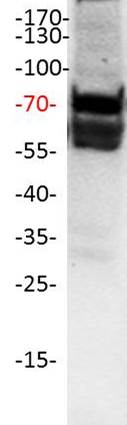
Users report mixed results with this ATF4 antibody. For IHC, it performs well at 1:500 on human tumor tissues with minimal background. In Western blot applications, it works at 1:1000 but reviewers note that detected bands migrate higher than the expected ~50 kDa size, with one user observing multiple bands. Overall, the antibody is considered functional but the molecular weight discrepancy is a recurring concern across WB users.
The reviews below have been submitted by verified Proteintech customers who received an incentive for providing their feedback.
Morgane (Verified Customer) (10-15-2025) | Works well on Total extract, two bands can be detected. Migration is a little higher than expected
 |
ARUNASALAM (Verified Customer) (10-02-2025) | This ATF4 antibody works well in IHC staining at 1:500 dilution with minimal background on tumor tissues.
|
Daniel (Verified Customer) (12-02-2019) | Multiple bands appeared which were higher than the expected ~50kDa.
 |





















