
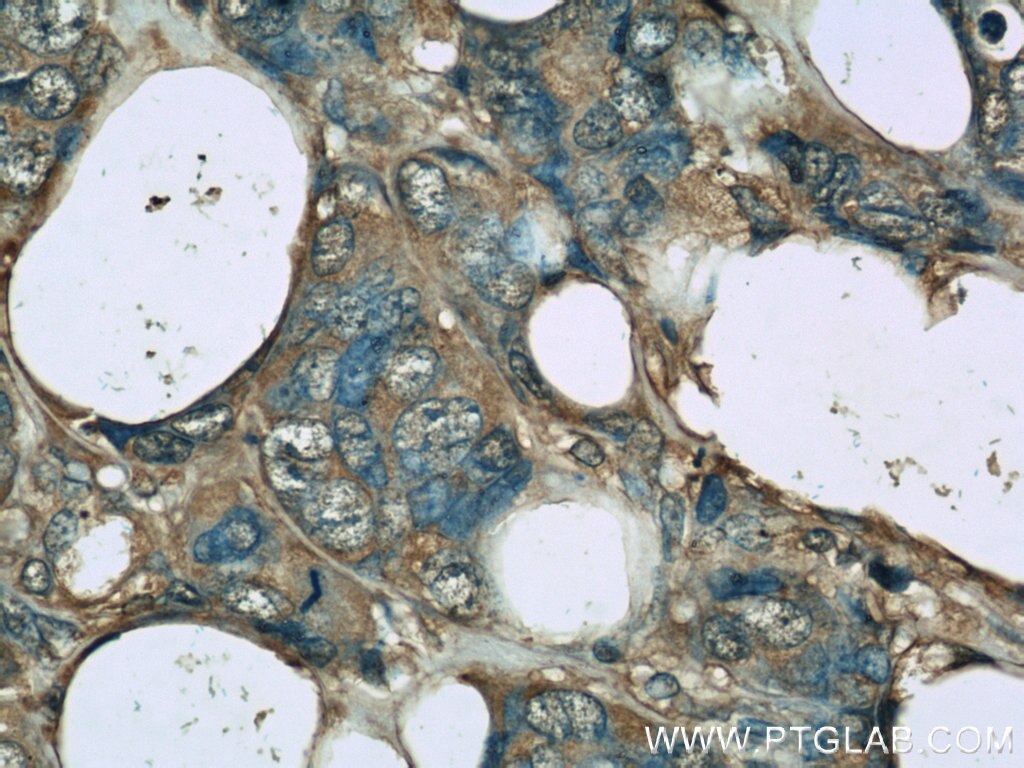
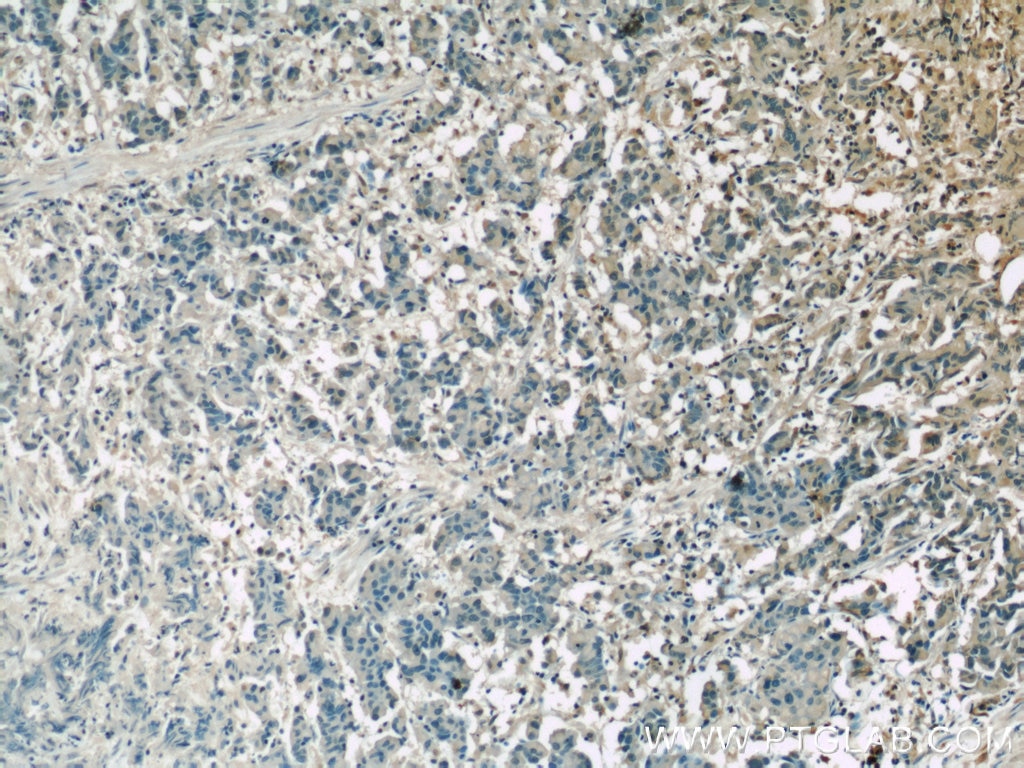
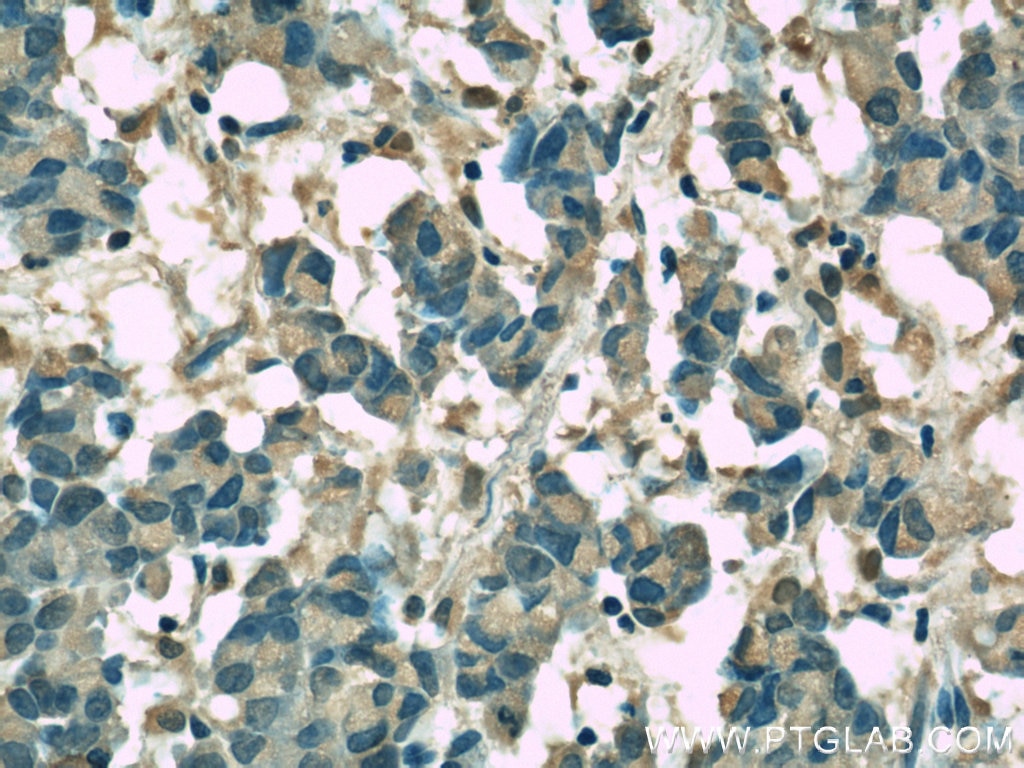

Tested Applications
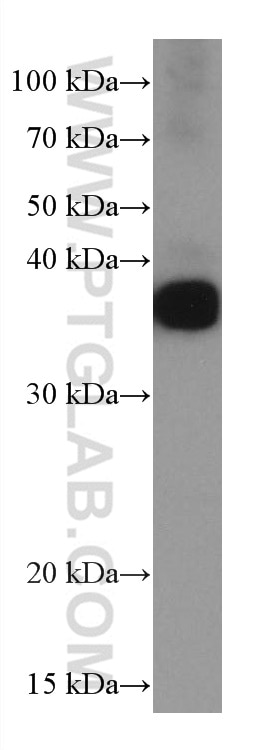
| Positive WB detected in | human plasma |
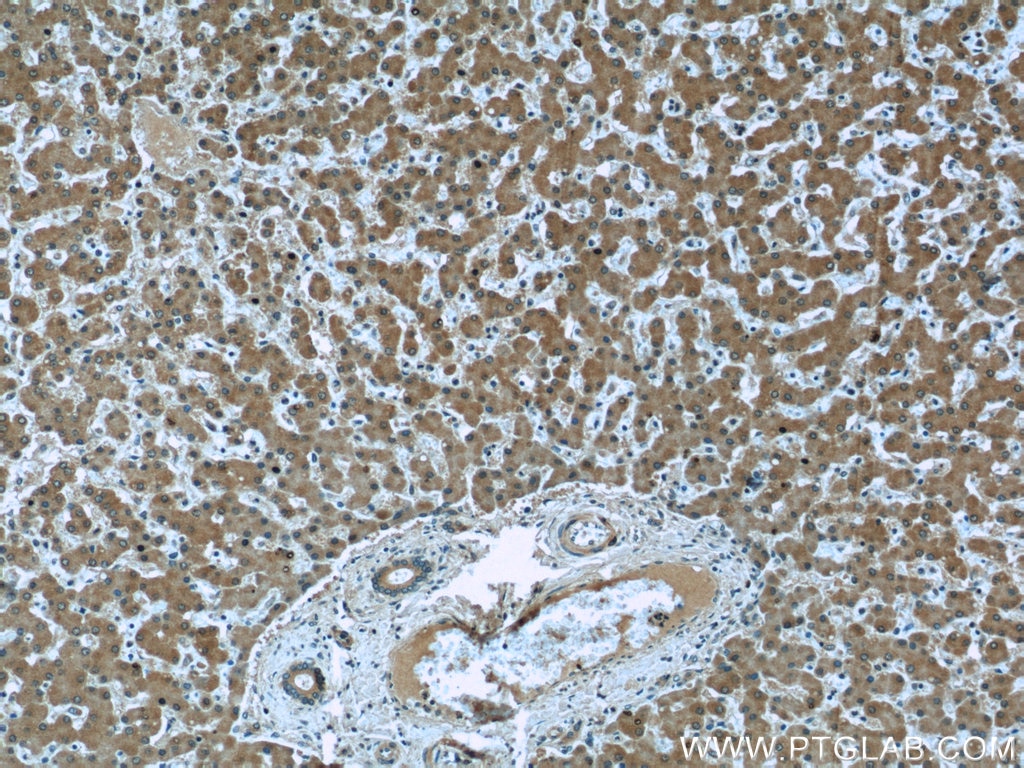
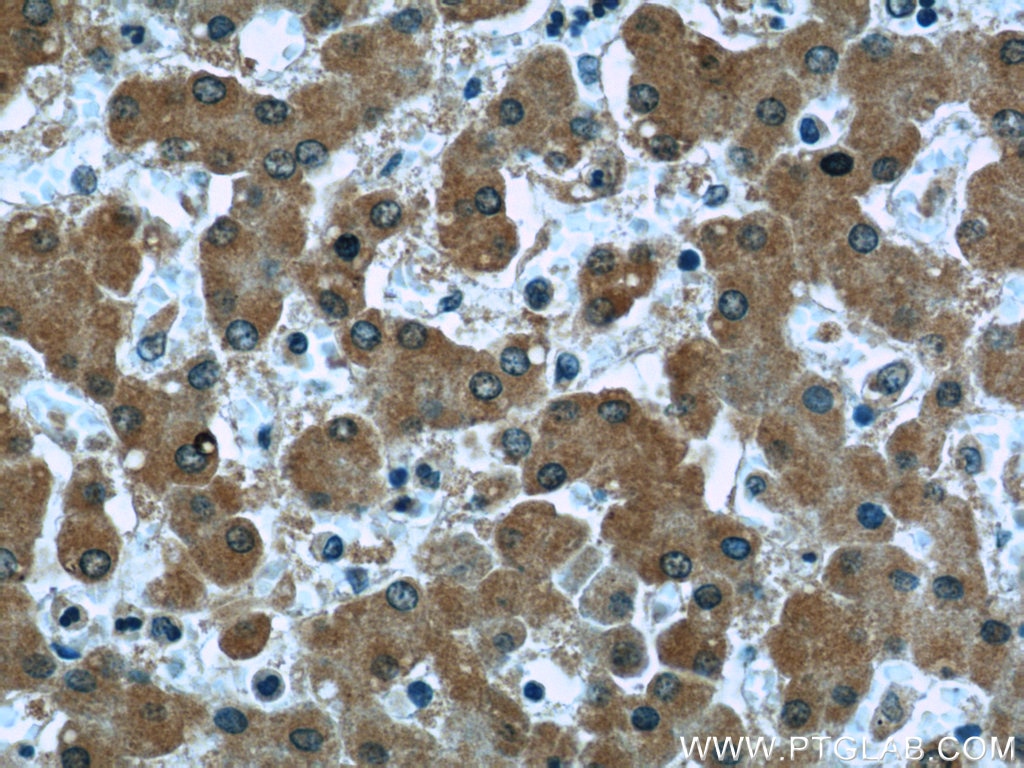
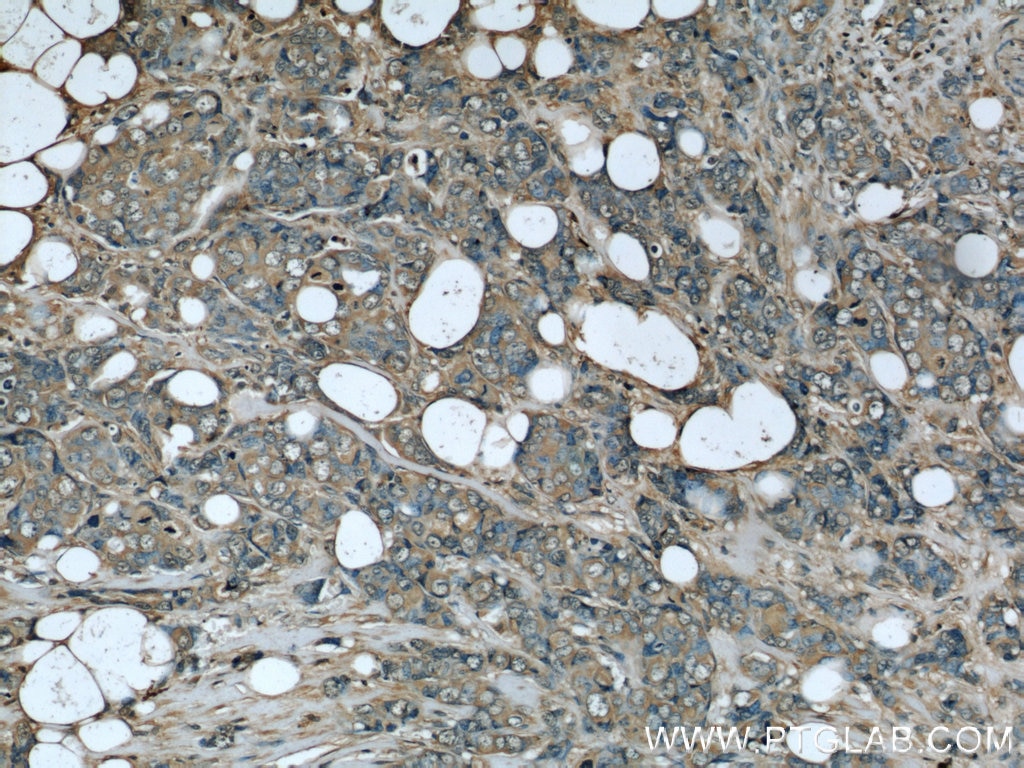
| Positive IHC detected in | human liver tissue, human breast cancer tissue, human prostate cancer tissue Note: suggested antigen retrieval with TE buffer pH 9.0; (*) Alternatively, antigen retrieval may be performed with citrate buffer pH 6.0 |
Recommended dilution
| Application | Dilution |
|---|---|
| Western Blot (WB) | WB : 1:5000-1:50000 |
| Immunohistochemistry (IHC) | IHC : 1:20-1:200 |
| It is recommended that this reagent should be titrated in each testing system to obtain optimal results. | |
| Sample-dependent, Check data in validation data gallery. | |
Product Information
66109-1-Ig targets Clusterin in WB, IHC, IF, ELISA applications and shows reactivity with human samples.
| Tested Reactivity | human |
| Cited Reactivity | mouse |
| Host / Isotype | Mouse / IgG1 |
| Class | Monoclonal |
| Type | Antibody |
| Immunogen |
CatNo: Ag19236 Product name: Recombinant human CLU protein Source: e coli.-derived, PET28a Tag: 6*His Domain: 101-449 aa of BC010514 Sequence: VCNETMMALWEECKPCLKQTCMKFYARVCRSGSGLVGRQLEEFLNQSSPFYFWMNGDRIDSLLENDRQQTHMLDVMQDHFSRASSIIDELFQDRFFTREPQDTYHYLPFSLPHRRPHFFFPKSRIVRSLMPFSPYEPLNFHAMFQPFLEMIHEAQQAMDIHFHSPAFQHPPTEFIREGDDDRTVCREIRHNSTGCLRMKDQCDKCREILSVDCSTNNPSQAKLRRELDESLQVAERLTRKYNELLKSYQWKMLNTSSLLEQLNEQFNWVSRLANLTQGEDQYYLRVTTVASHTSDSDVPSGVTEVVVKLFDSDPITVTVPVEVSRKNPKFMETVAEKALQEYRKKHREE Predict reactive species |
| Full Name | clusterin |
| Calculated Molecular Weight | 449 aa, 53 kDa |
| Observed Molecular Weight | 36 kDa |
| GenBank Accession Number | BC010514 |
| Gene Symbol | CLU |
| Gene ID (NCBI) | 1191 |
| RRID | AB_2881508 |
| Conjugate | Unconjugated |
| Form | Liquid |
| Purification Method | Protein G purification |
| UNIPROT ID | P10909 |
| Storage Buffer | PBS with 0.02% sodium azide and 50% glycerol, pH 7.3. |
| Storage Conditions | Store at -20°C. Stable for one year after shipment. Aliquoting is unnecessary for -20oC storage. 20ul sizes contain 0.1% BSA. |
Background Information
Clusterin (Apolipoprotein J) is a 75-80 kDa heterodimeric glycoprotein produced by a wide array of tissues and found in most biologic fluids (PMID: 7648419; 11906815). It is encoded by one single gene and cleaved posttranslationally into α (34-36 kDa) and β (36-39 kDa) subunits prior to secretion from the cell. Many functions have been described for clusterin, including regulating apoptosis, transporting lipids, controlling cell interactions, regulating complement (PMID: 10694874).
Protocols
| Product Specific Protocols | |
|---|---|
| IHC protocol for Clusterin antibody 66109-1-Ig | Download protocol |
| WB protocol for Clusterin antibody 66109-1-Ig | Download protocol |
| Standard Protocols | |
|---|---|
| Click here to view our Standard Protocols |
Publications
What published studies show
The Clusterin Monoclonal antibody (2F12G10), catalog number 66109-1-Ig, has a total of 1 citation. It appears in the Journal of Clinical Investigation (J Clin Invest), in a study on α-ketoglutarate protecting against cartilage damage via epigenetically driven metabolic reprogramming in osteoarthritis models. The associated research field is osteoarthritis/cartilage biology, with the antibody applied in immunofluorescence (IF) using mouse samples.
| Species | Application | Title |
|---|---|---|
J Clin Invest α-Ketoglutarate protects against cartilage damage via epigenetically driven metabolic reprogramming in osteoarthritis models. |
Reviews
What customers say
The single review rates the antibody 3 out of 5 stars for Western Blot at a 1:2,000 dilution. The reviewer reported detecting two bands in total cell lysates of HEK293T cells between 25 and 35 kDa, but observed no signal in the supernatant despite expecting a secreted form. Due to this mixed result, the reviewer expressed uncertainty about whether the antibody performs as intended for their application.
The reviews below have been submitted by verified Proteintech customers who received an incentive for providing their feedback.
Christine (Verified Customer) (08-05-2025) | Detects 2 bands in total cell lysates of HEK293T (between 25 and 35 kDa) but nothing in the supernatant (I was expecting its secretion), so I am not sure whether it works or not
|








