
"TBP Antibodies" Comparison
View side-by-side comparison of TBP antibodies from other vendors to find the one that best suits your research needs.

Tested Applications
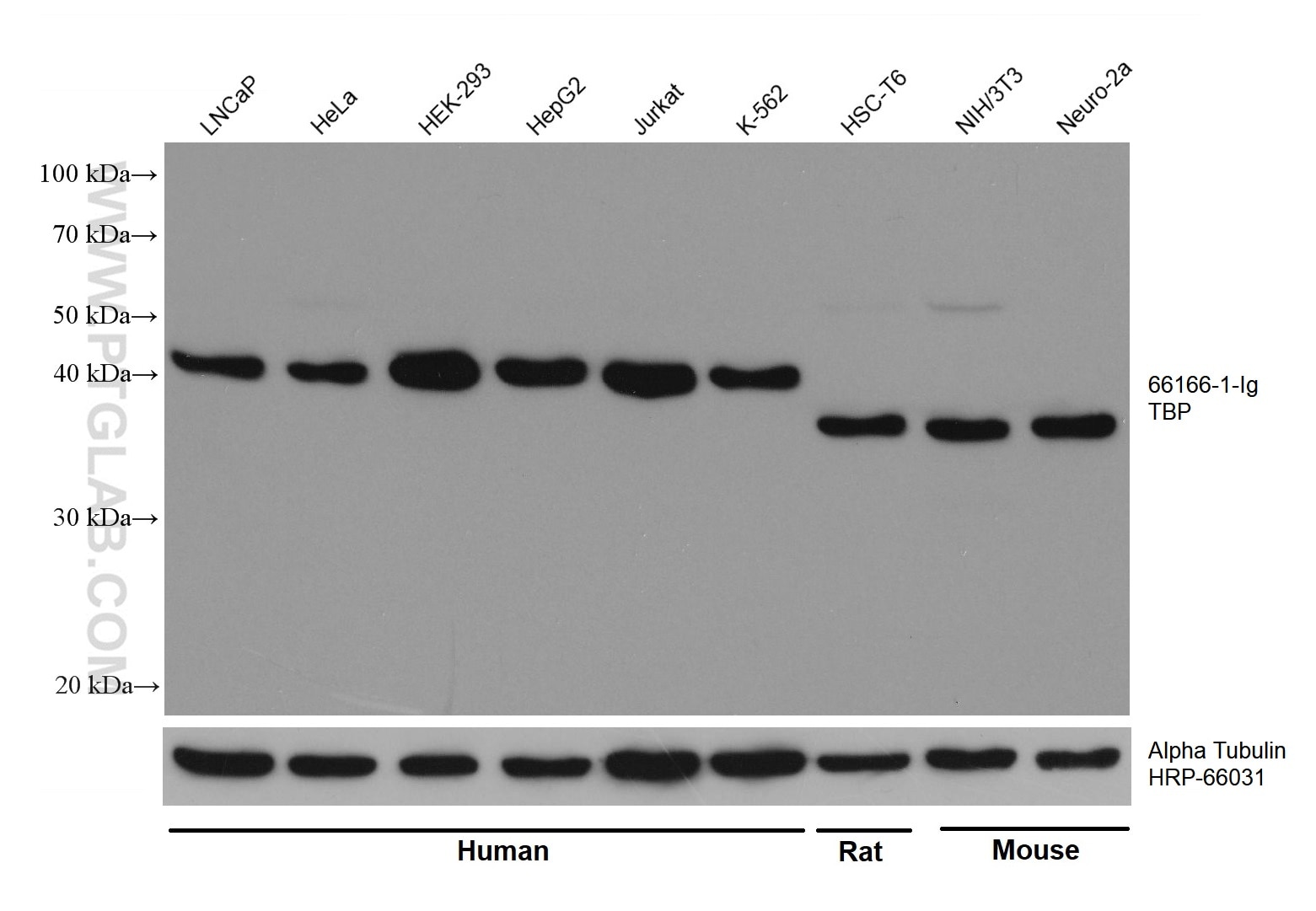
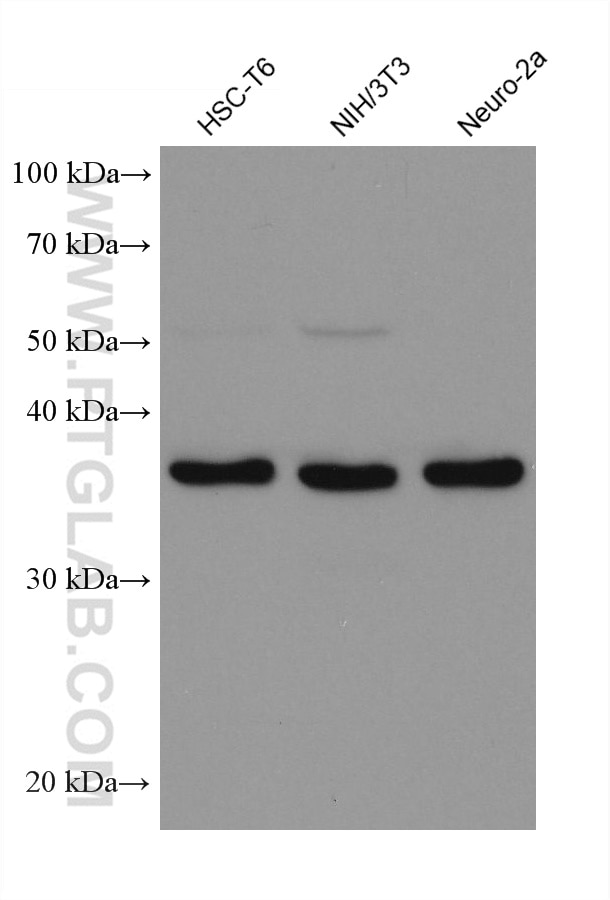
| Positive WB detected in | LNCaP cells, HSC-T6 cells, HEK-293 cells, pig liver tissue, HeLa cells, HepG2 cells, Jurkat cells, K-562 cells, NIH/3T3 cells, Neuro-2a cells |
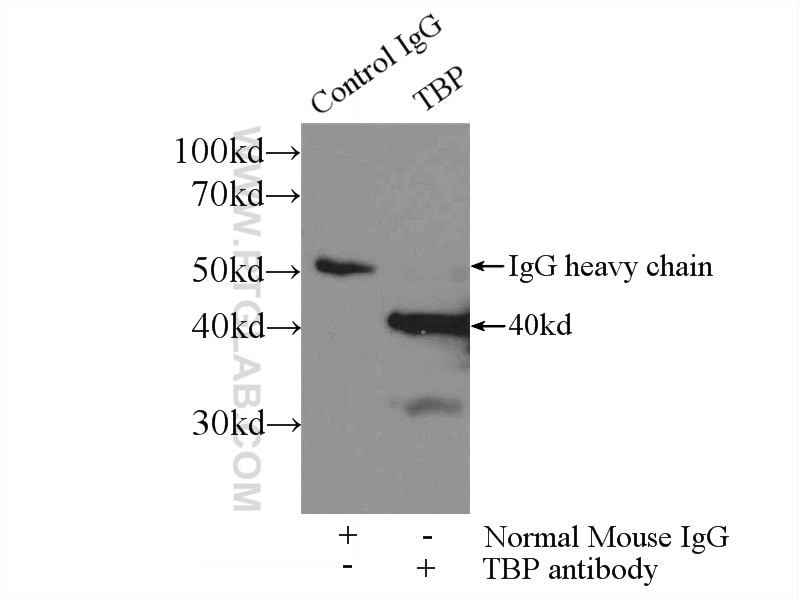
| Positive IP detected in | HEK-293 cells |
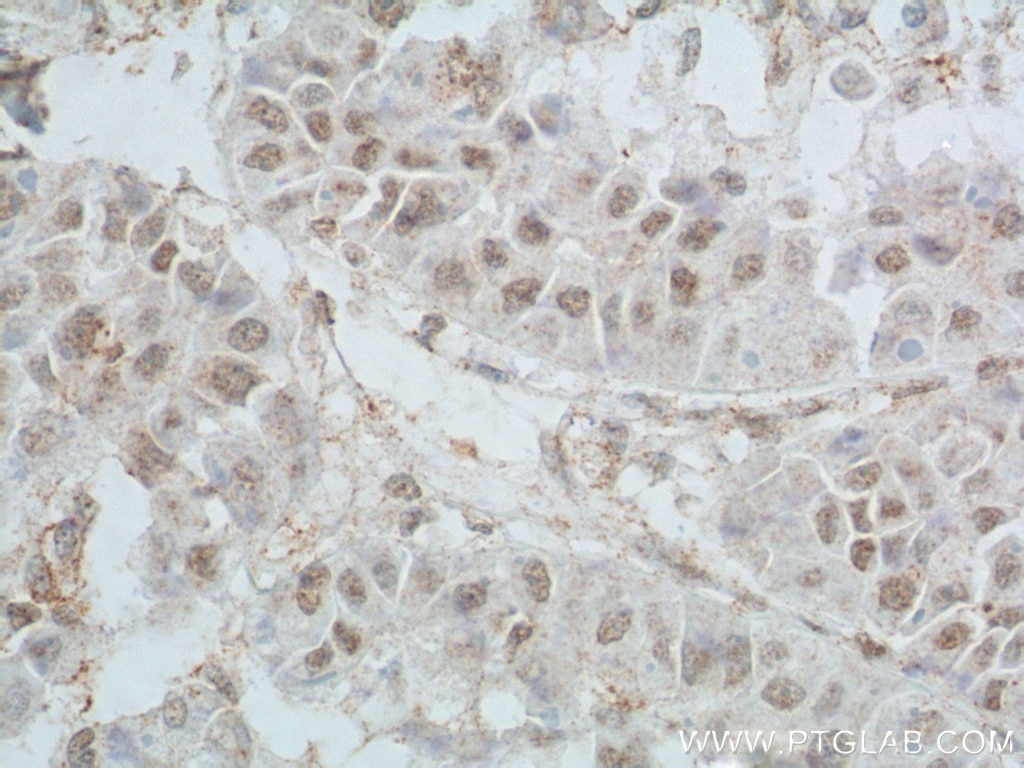
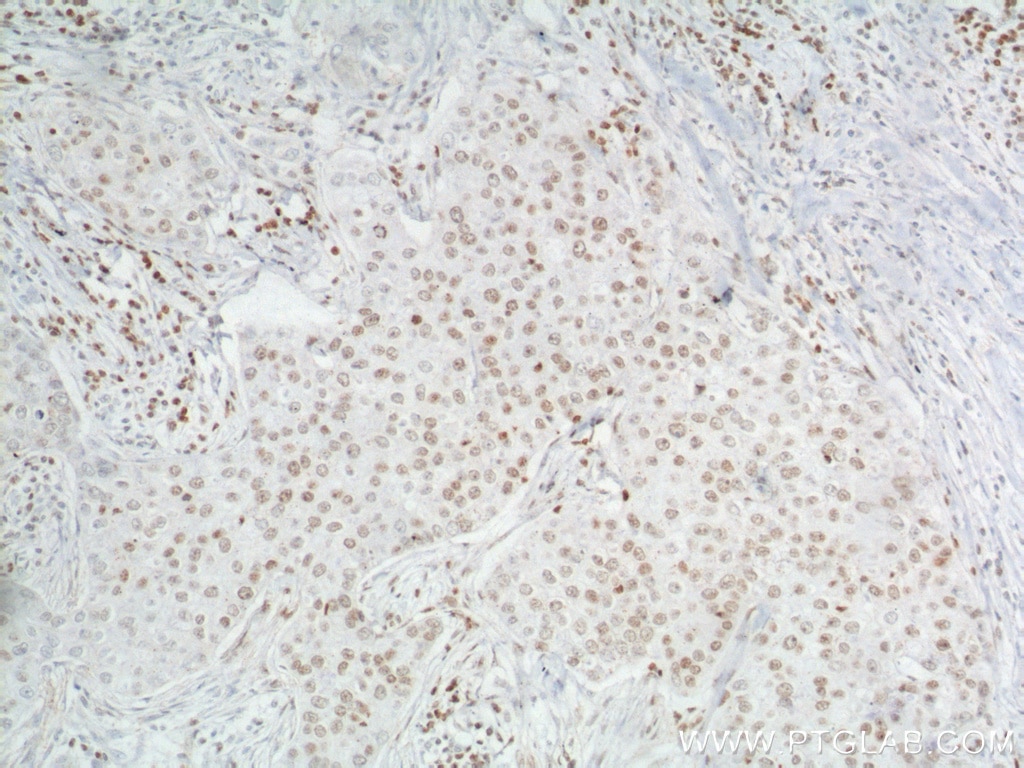
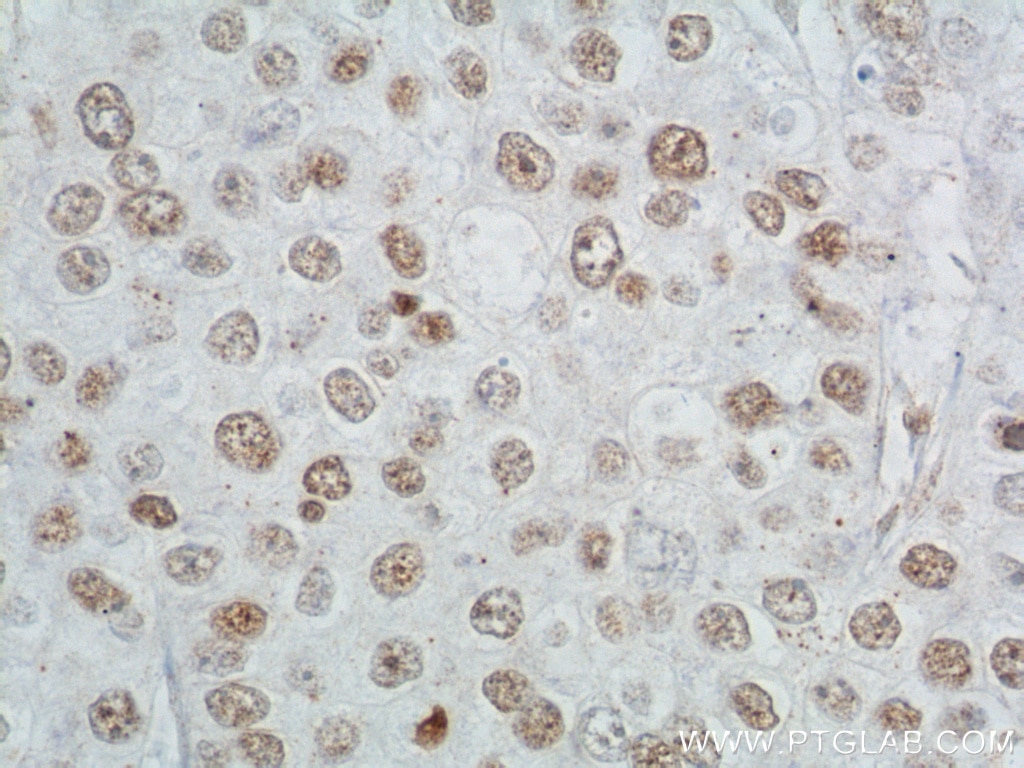
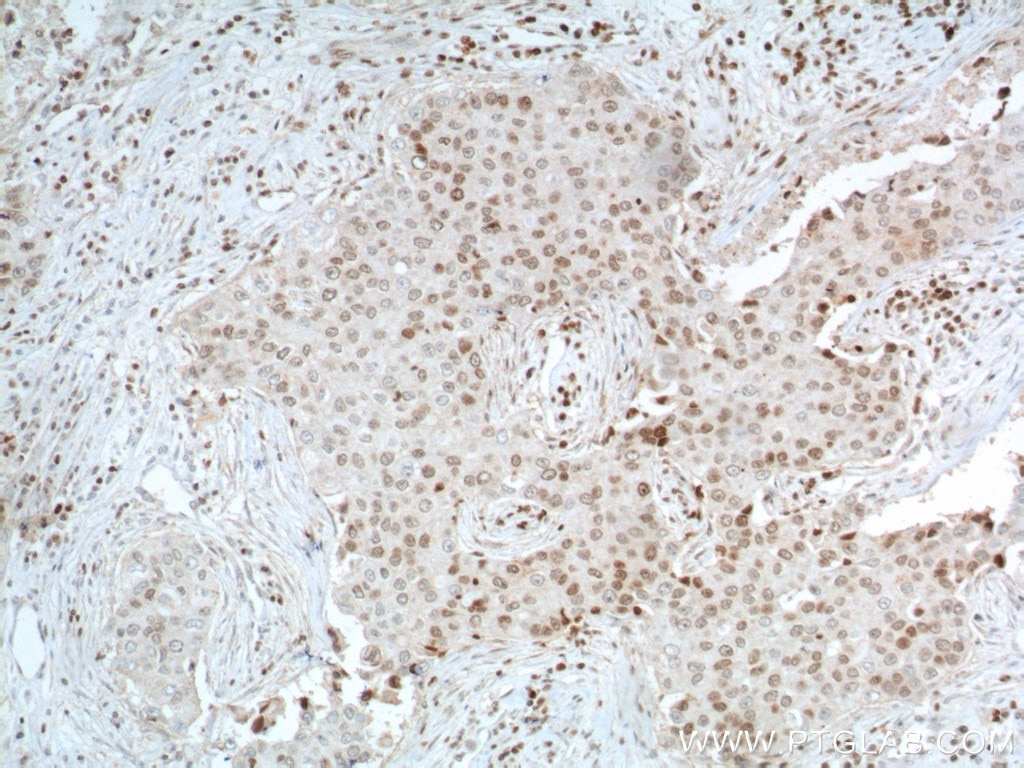
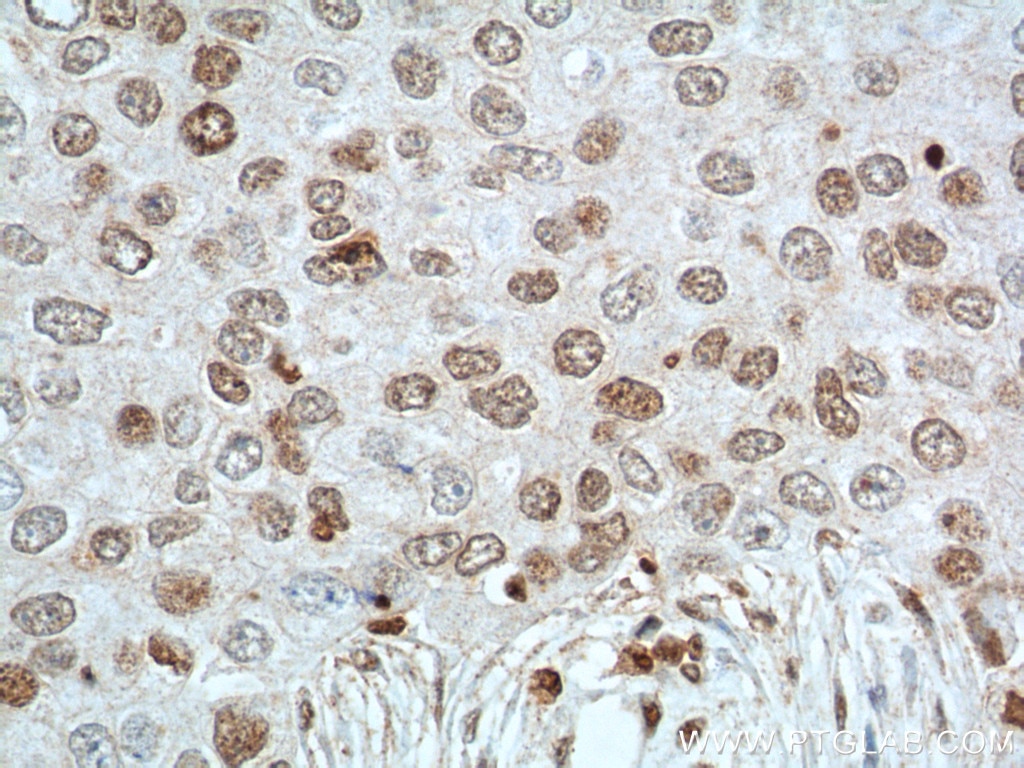
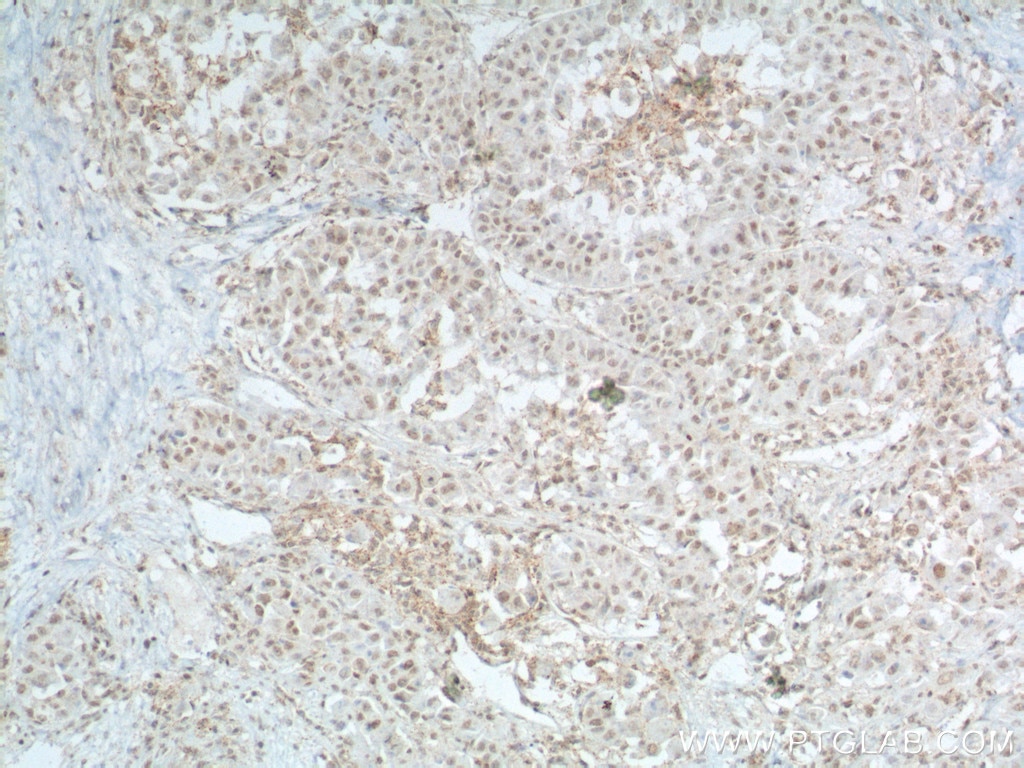
| Positive IHC detected in | human liver cancer tissue, human breast cancer tissue Note: suggested antigen retrieval with TE buffer pH 9.0; (*) Alternatively, antigen retrieval may be performed with citrate buffer pH 6.0 |
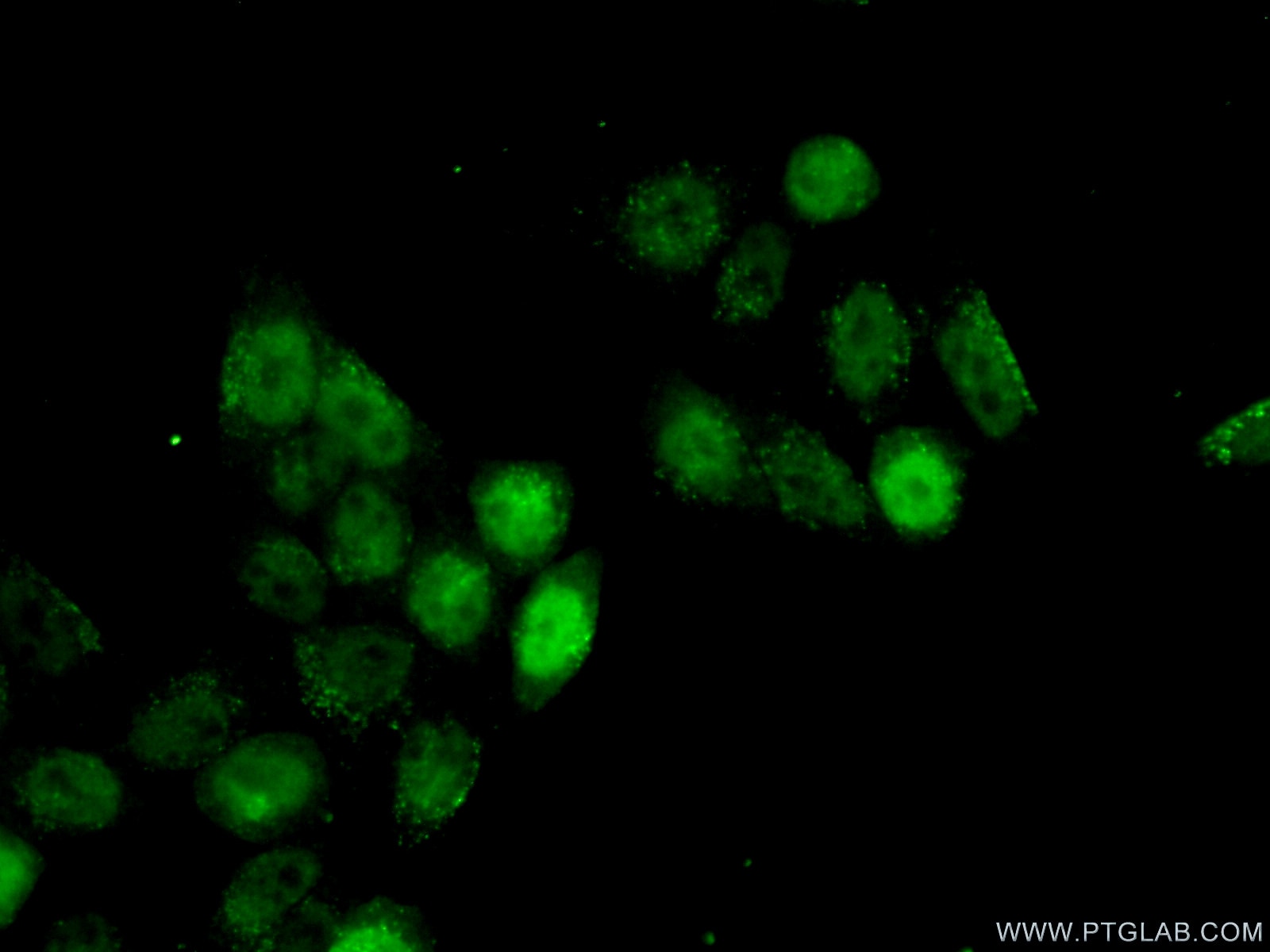
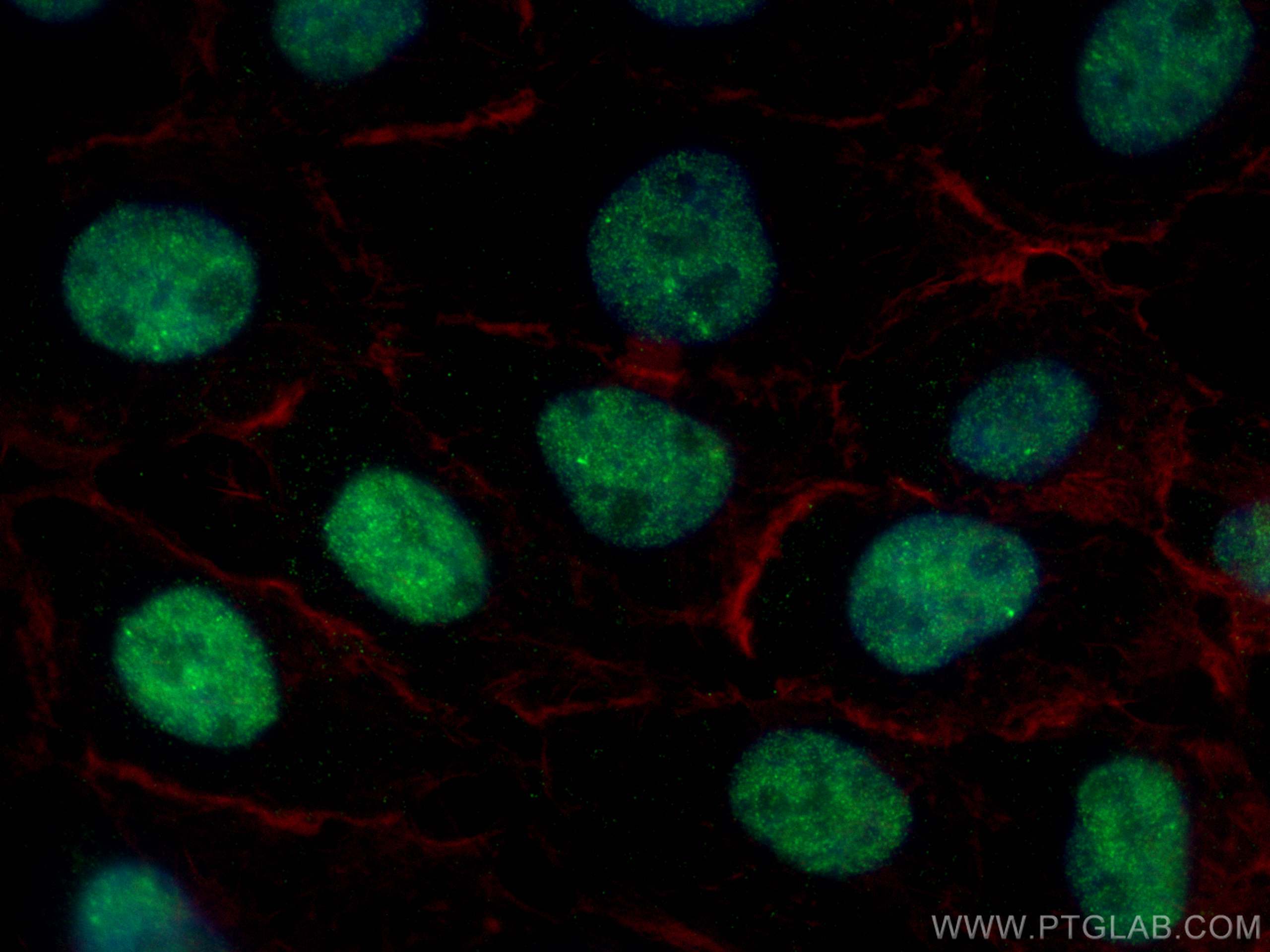
| Positive IF/ICC detected in | A431 cells, HeLa cells |
Recommended dilution
| Application | Dilution |
|---|---|
| Western Blot (WB) | WB : 1:20000-1:100000 |
| Immunoprecipitation (IP) | IP : 0.5-4.0 ug for 1.0-3.0 mg of total protein lysate |
| Immunohistochemistry (IHC) | IHC : 1:325-1:1300 |
| Immunofluorescence (IF)/ICC | IF/ICC : 1:1000-1:4000 |
| It is recommended that this reagent should be titrated in each testing system to obtain optimal results. | |
| Sample-dependent, Check data in validation data gallery. | |
Product Information
66166-1-Ig targets TBP in WB, IHC, IF/ICC, IP, ELISA applications and shows reactivity with human, mouse, rat, pig samples.
| Tested Reactivity | human, mouse, rat, pig |
| Cited Reactivity | human, mouse, rat, pig |
| Host / Isotype | Mouse / IgG2a |
| Class | Monoclonal |
| Type | Antibody |
| Immunogen |
CatNo: Ag12383 Product name: Recombinant human TBP protein Source: e coli.-derived, PET28a Tag: 6*His Domain: 1-338 aa of BC110341 Sequence: MDQNNSLPPYAQGLASPQGAMTPGIPIFSPMMPYGTGLTPQPIQNTNSLSILEEQQRQQQQQQQQQQQQQQQQQQQQQQQQQQQQQQQQQQQQQAVAAAAVQQSTSQQATQGTSGQAPQLFHSQTLTTAPLPGTTPLYPSPMTPMTPITPATPASESSGIVPQLQNIVSTVNLGCKLDLKTIALRARNAEYNPKRFAAVIMRIREPRTTALIFSSGKMVCTGAKSEEQSRLAARKYARVVQKLGFPAKFLDFKIQNMVGSCDVKFPIRLEGLVLTHQQFSSYEPELFPGLIYRMIKPRIVLLIFVSGKVVLTGAKVRAEIYEAFENIYPILKGFRKTT Predict reactive species |
| Full Name | TATA box binding protein |
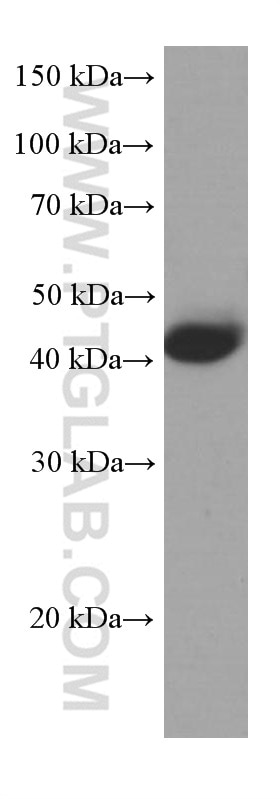
| Calculated Molecular Weight | 338 aa, 38 kDa |
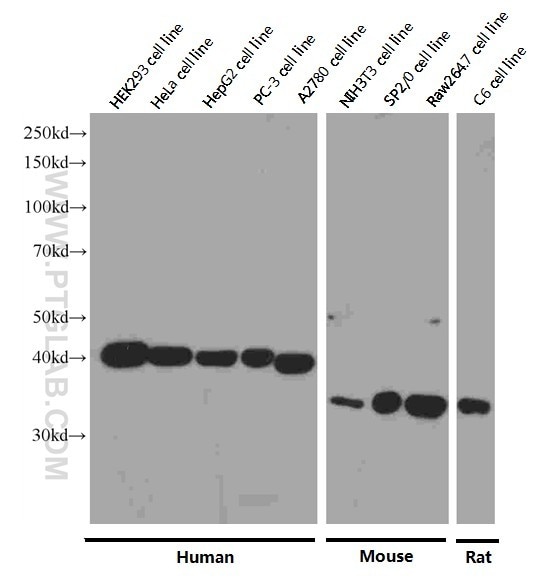
| Observed Molecular Weight | mouse/rat 33-36 kDa and human 37-43kDa |
| GenBank Accession Number | BC110341 |
| Gene Symbol | TBP |
| Gene ID (NCBI) | 6908 |
| RRID | AB_2881562 |
| Conjugate | Unconjugated |
| Form | Liquid |
| Purification Method | Protein A purification |
| UNIPROT ID | P20226 |
| Storage Buffer | PBS with 0.02% sodium azide and 50% glycerol, pH 7.3. |
| Storage Conditions | Store at -20°C. Stable for one year after shipment. Aliquoting is unnecessary for -20oC storage. 20ul sizes contain 0.1% BSA. |
Background Information
The TATA binding protein (TBP) is a transcription factor that binds specifically to a DNA sequence TATA box. This DNA sequence is found about 25-30 base pairs upstream of the transcription start site in some eukaryotic gene promoters. TBP, along with a variety of TBP-associated factors, make up the TFIID, a general transcription factor that in turn makes up part of the RNA polymerase II preinitiation complex. As one of the few proteins in the preinitation complex that binds DNA in a sequence-specific manner, it helps position RNA polymerase II over the transcription start site of the gene. However, it is estimated that only 10-20% of human promoters have TATA boxes. Therefore, TBP is probably not the only protein involved in positioning RNA polymerase II. This antibody detects human TBP (~40 kDa) and mouse/rat Tbp (~35 kDa).
Protocols
| Product Specific Protocols | |
|---|---|
| IF protocol for TBP antibody 66166-1-Ig | Download protocol |
| IHC protocol for TBP antibody 66166-1-Ig | Download protocol |
| IP protocol for TBP antibody 66166-1-Ig | Download protocol |
| WB protocol for TBP antibody 66166-1-Ig | Download protocol |
| Standard Protocols | |
|---|---|
| Click here to view our Standard Protocols |
Publications
What published studies show
The TBP Monoclonal antibody (Cat# 66166-1-Ig) has 34 citations. They appear in high-impact journals including Cell Metabolism, Nature Cell Biology, Nature Communications, Cell Reports, Genome Biology, Genome Research, PLoS Biology, Free Radical Biology and Medicine, International Journal of Surgery, Virulence, Cancer Cell International, Frontiers in Oncology, and others. Research fields span transcription and chromatin biology, cancer (prostate, colorectal, pancreatic, glioblastoma), inflammation, ferroptosis, lipid metabolism, drug metabolism, and veterinary/viral studies.
| Species | Application | Title |
|---|---|---|
Cell Metab Nicotinic acid riboside maintains NAD+ homeostasis and ameliorates aging-associated NAD+ decline | ||
Nat Cell Biol Nuclear N-glycosylation maintains H3K9me3 heterochromatin and genomic stability. | ||
Nat Commun Reprogramming gut microenvironment for the treatment of acute severe ulcerative colitis via a synergistic therapy of necroptosis blockade and organoid transplantation. | ||
J Nanobiotechnology 3D-printed hydrogel particles containing PRP laden with TDSCs promote tendon repair in a rat model of tendinopathy | ||
Burns Trauma Histone lactylation exacerbates acute lung injury in septic mice by promoting ferroptosis in pulmonary microvascular endothelial cells. | ||
Biomater Res Tryptophan-Enriched Lactobacillus rhamnosus GG-derived Nanovesicles Promote Alveolar Bone Regeneration through Macrophage Fatty Acid Oxidation. |
Reviews
What customers say
The product received a 5-star rating from a user who performed a Western Blot. The reviewer described the antibody as excellent and noted that it works as advertised, indicating reliable performance for their application. Overall, the feedback is positive, reflecting satisfaction with the product's quality and functionality.
The reviews below have been submitted by verified Proteintech customers who received an incentive for providing their feedback.
Aditya (Verified Customer) (07-15-2025) | Excellent, works as advertised
|














