

Tested Applications
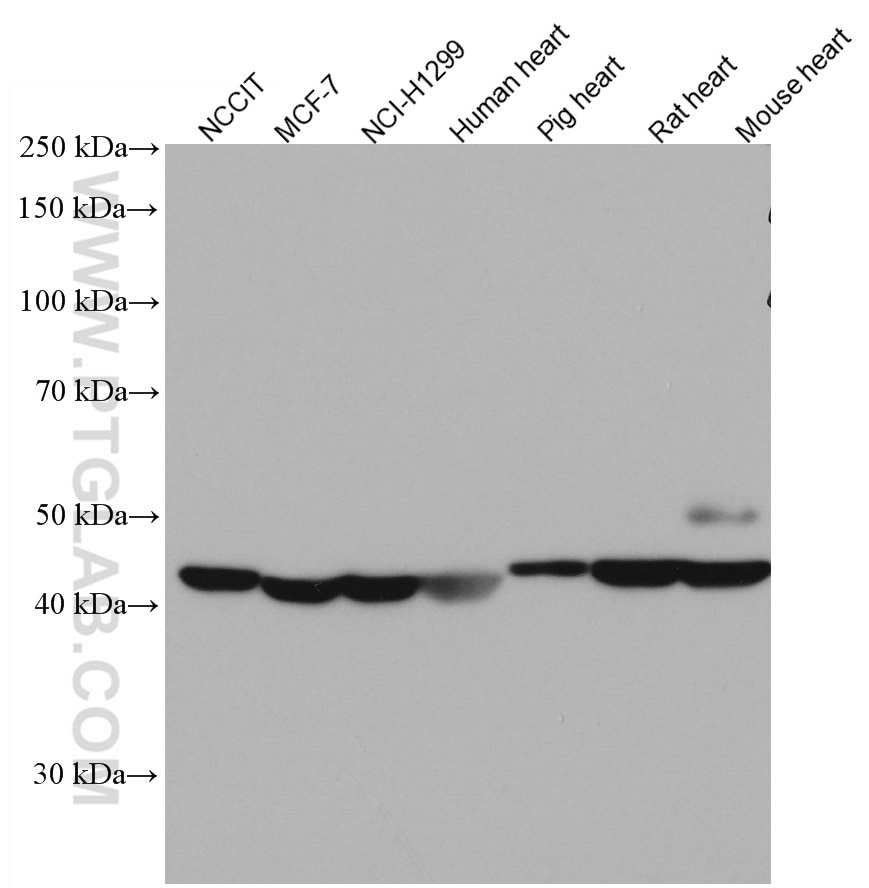
| Positive WB detected in | NCCIT cells, MCF-7 cells, NCI-H1299 cells, human heart tissue, pig heart tissue, rat heart tissue, mouse heart tissue |
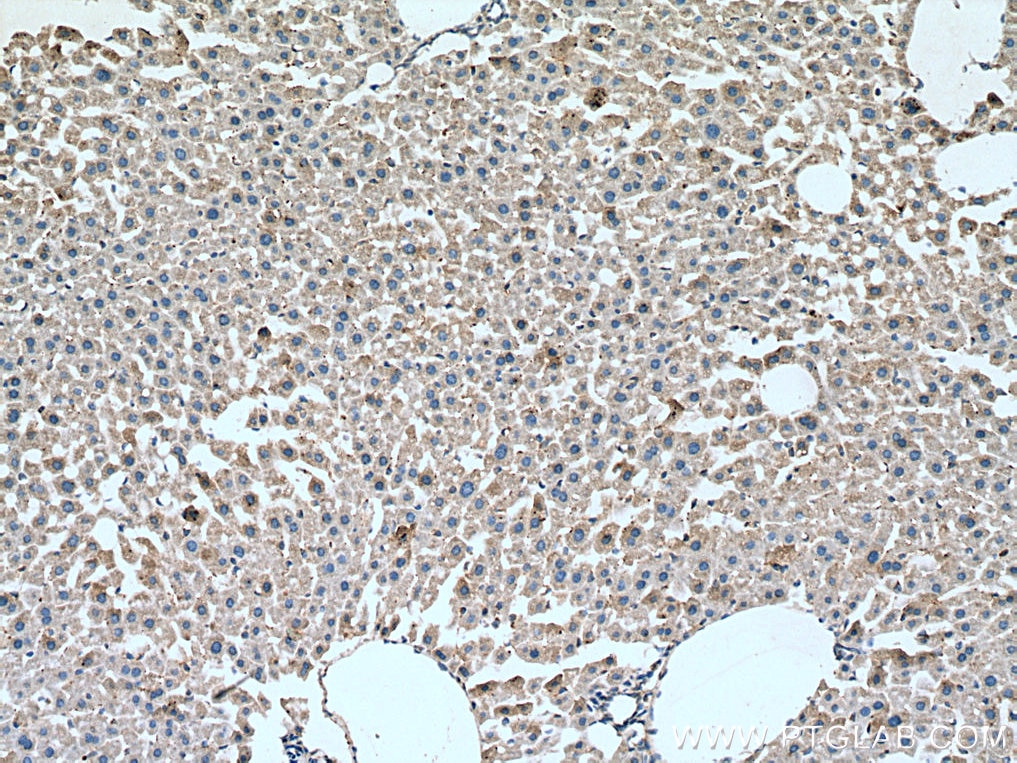
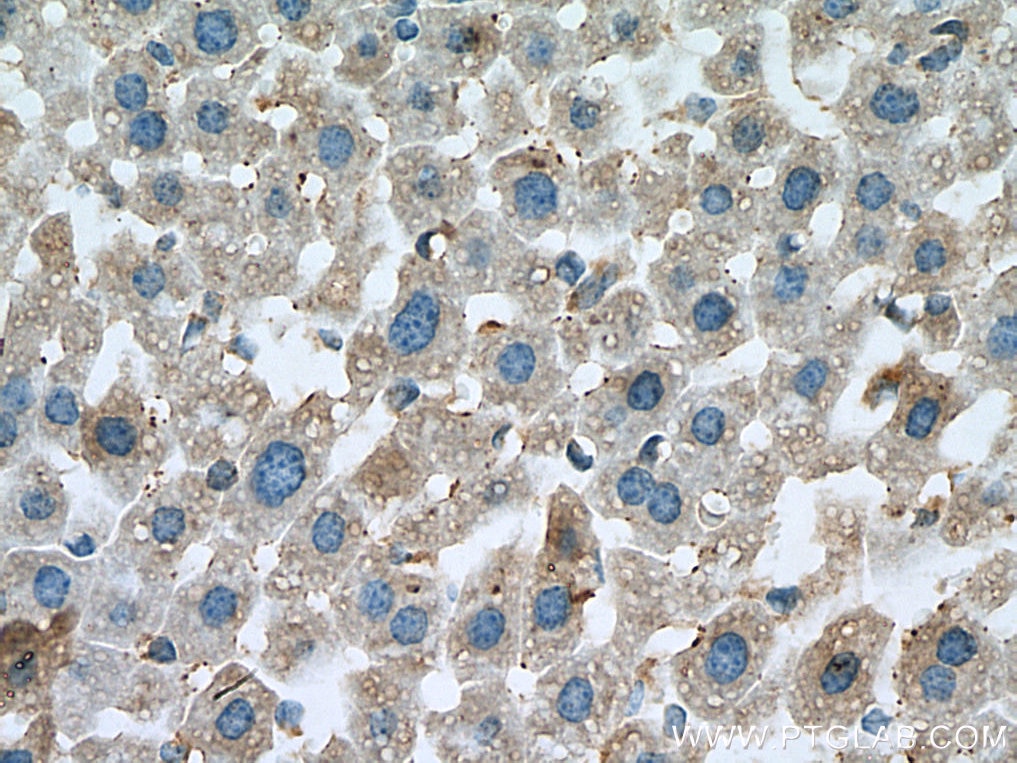
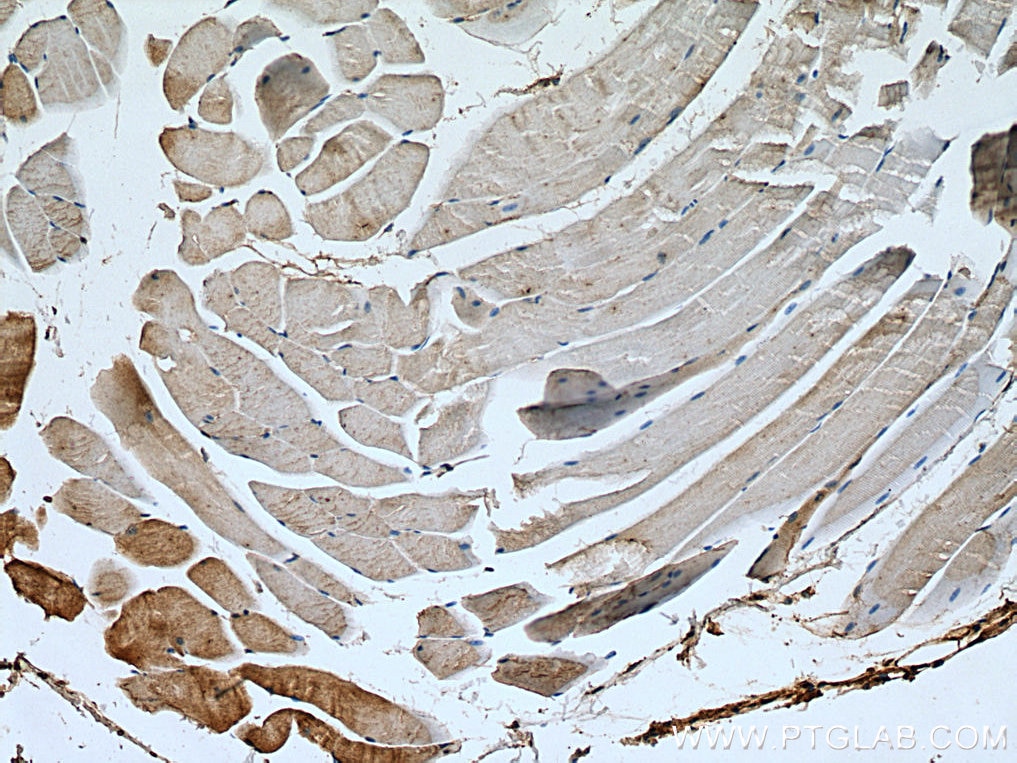
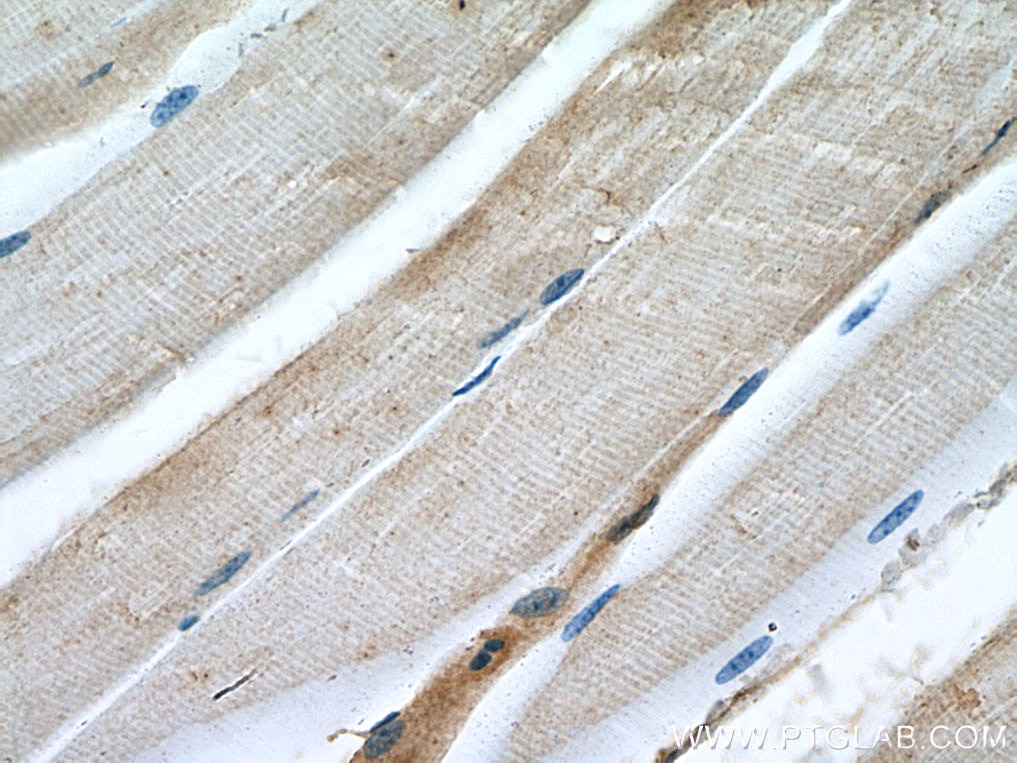
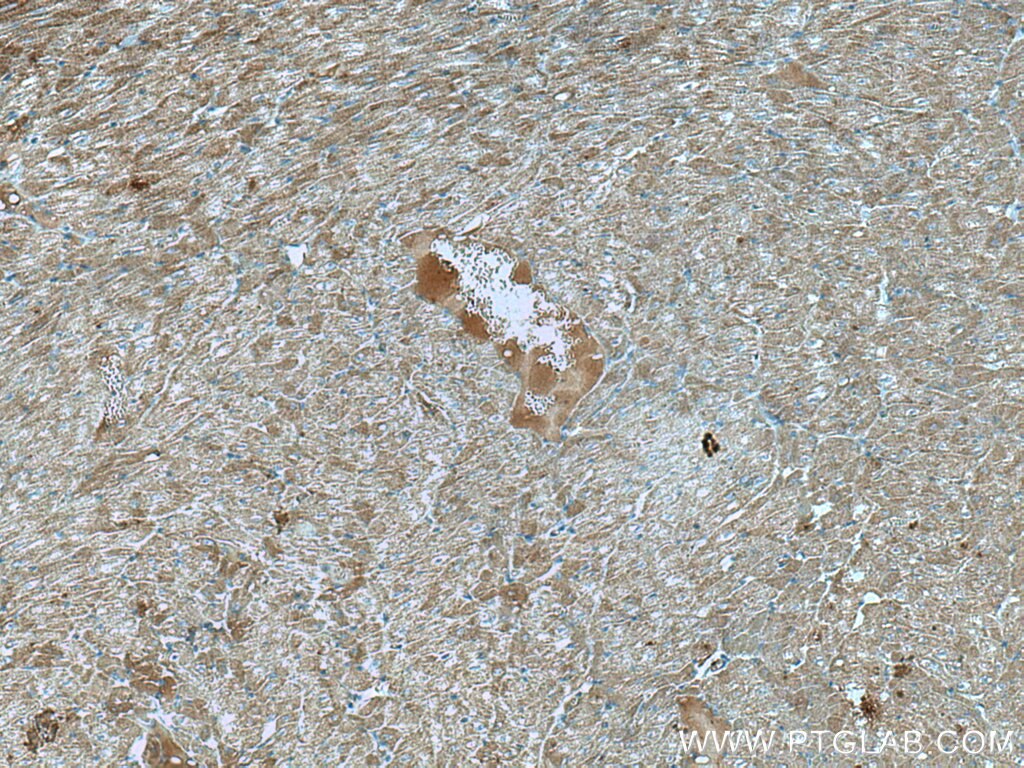
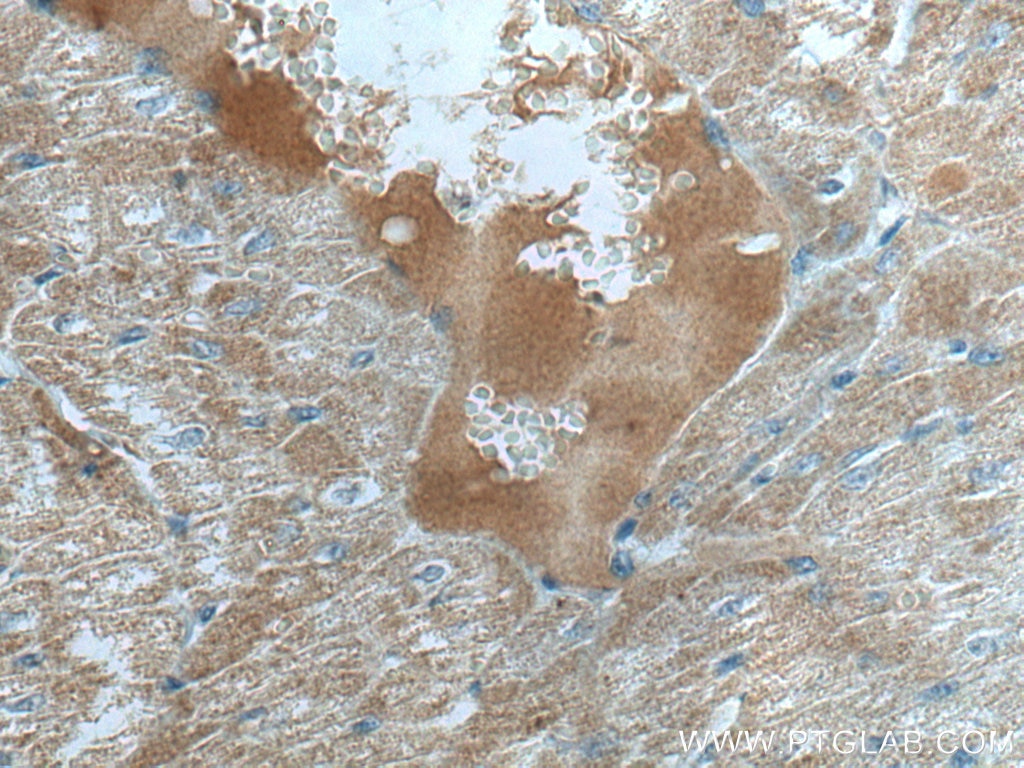
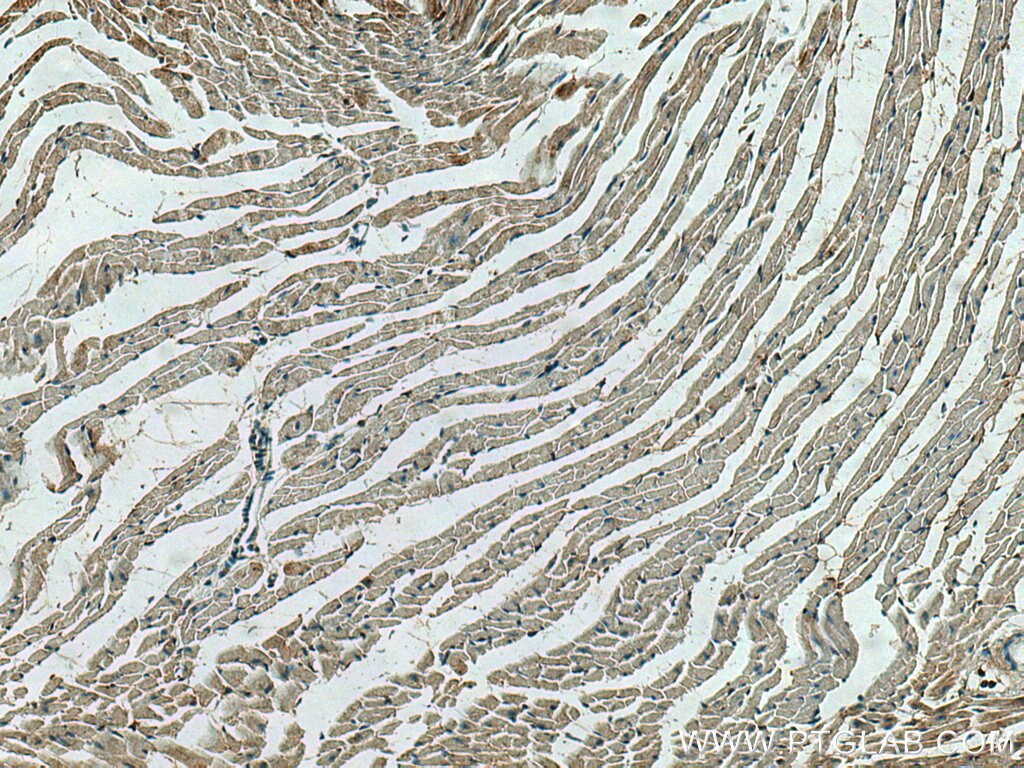
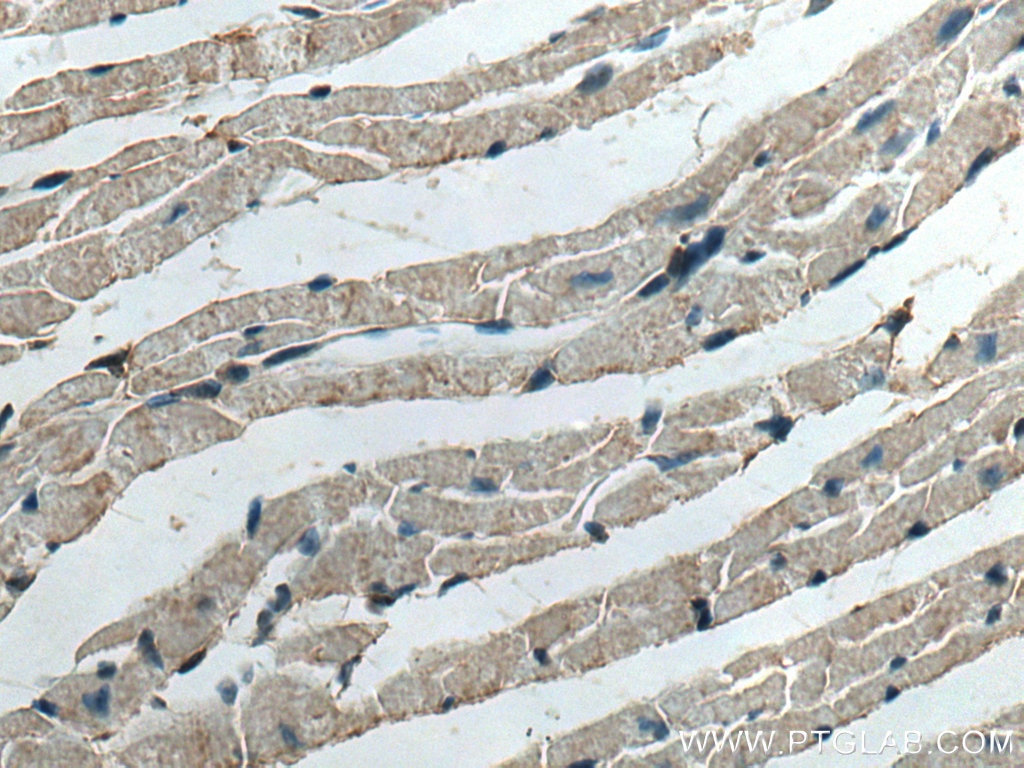
| Positive IHC detected in | mouse liver tissue, mouse skeletal muscle tissue, human heart tissue, mouse heart tissue Note: suggested antigen retrieval with TE buffer pH 9.0; (*) Alternatively, antigen retrieval may be performed with citrate buffer pH 6.0 |
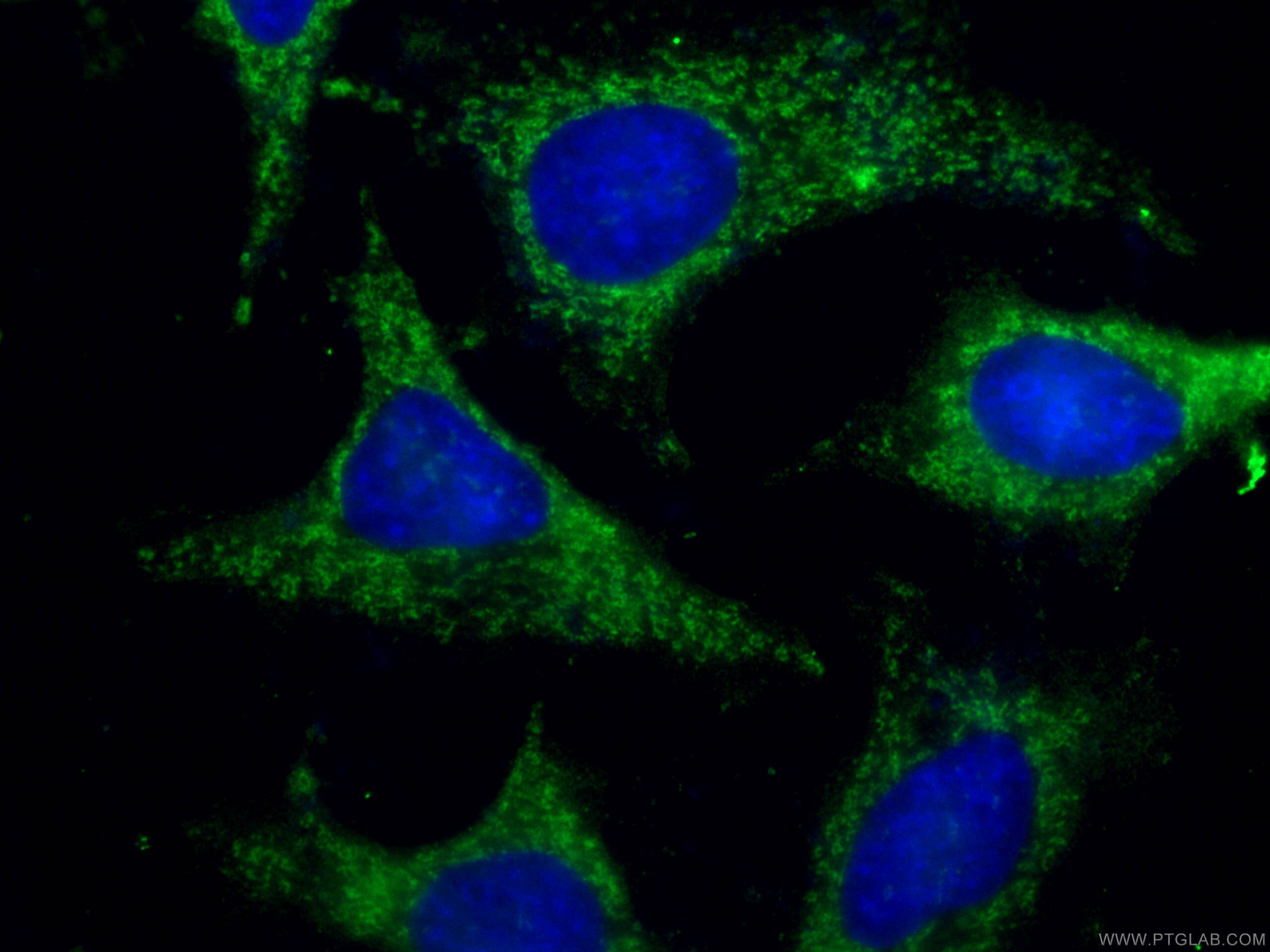
| Positive IF/ICC detected in | HeLa cells |
Recommended dilution
| Application | Dilution |
|---|---|
| Western Blot (WB) | WB : 1:5000-1:50000 |
| Immunohistochemistry (IHC) | IHC : 1:500-1:2000 |
| Immunofluorescence (IF)/ICC | IF/ICC : 1:150-1:600 |
| It is recommended that this reagent should be titrated in each testing system to obtain optimal results. | |
| Sample-dependent, Check data in validation data gallery. | |
Product Information
67210-1-Ig targets WNT10B in WB, IHC, IF/ICC, ELISA applications and shows reactivity with human, mouse samples.
| Tested Reactivity | human, mouse |
| Cited Reactivity | human, mouse, rabbit |
| Host / Isotype | Mouse / IgG1 |
| Class | Monoclonal |
| Type | Antibody |
| Immunogen |
CatNo: Ag17114 Product name: Recombinant human WNT10B protein Source: e coli.-derived, PET28a Tag: 6*His Domain: 19-204 aa of BC096353 Sequence: FLALCSRALSNEILGLKLPGEPPLTANTVCLTLSGLSKRQLGLCLRNPDVTASALQGLHIAVHECQHQLRDQRWNCSALEGGGRLPHHSAILKRGFRESAFSFSMLAAGVMHAVATACSLGKLVSCGCGWKGSGEQDRLRAKLLQLQALSRGKSFPHSLPSPGPGSSPSPGPQDTWEWGGCNHDMD Predict reactive species |
| Full Name | wingless-type MMTV integration site family, member 10B |
| Calculated Molecular Weight | 389 aa, 43 kDa |
| Observed Molecular Weight | 43 kDa |
| GenBank Accession Number | BC096353 |
| Gene Symbol | WNT10B |
| Gene ID (NCBI) | 7480 |
| RRID | AB_2882503 |
| Conjugate | Unconjugated |
| Form | Liquid |
| Purification Method | Protein G purification |
| UNIPROT ID | O00744 |
| Storage Buffer | PBS with 0.02% sodium azide and 50% glycerol, pH 7.3. |
| Storage Conditions | Store at -20°C. Stable for one year after shipment. Aliquoting is unnecessary for -20oC storage. 20ul sizes contain 0.1% BSA. |
Background Information
Wnt10b is a member of the Wnt ligand gene family that encodes for secreted proteins, which activate the ancient and highly conserved Wnt signalling cascade. This antibody can be detected a band of 43 kDa.
Protocols
| Product Specific Protocols | |
|---|---|
| IF protocol for WNT10B antibody 67210-1-Ig | Download protocol |
| IHC protocol for WNT10B antibody 67210-1-Ig | Download protocol |
| WB protocol for WNT10B antibody 67210-1-Ig | Download protocol |
| Standard Protocols | |
|---|---|
| Click here to view our Standard Protocols |
Publications
What published studies show
The WNT10B Monoclonal antibody (Cat# 67210-1-Ig) has 10 citations. These appear in journals including Autophagy, Nature Communications, Pharmacological Research, Phytomedicine, Advanced Healthcare Materials, International Journal of Biological Macromolecules, Journal of Cancer, Animal Bioscience, Recent Patents on Anticancer Drug Discovery, and Heliyon. Research fields span Wnt/β-catenin signaling, autophagy, cancer (breast, ovarian, cervical, lung), heart regeneration, alopecia, and intestinal barrier function, with applications mainly in WB, IF, and IHC.
| Species | Application | Title |
|---|---|---|
Autophagy WNT2B impairs endosomal trafficking via WASHC5 to inhibit autophagy: a novel non-secretory WNT pathway. | ||
Nat Commun FoxO3 controls cardiomyocyte proliferation and heart regeneration by regulating Sfrp2 expression in postnatal mice | ||
Pharmacol Res Sinomenine hydrochloride suppresses the stemness of breast cancer stem cells by inhibiting Wnt signaling pathway through down-regulation of WNT10B.
| ||
Phytomedicine Therapeutic effects of modified Changfa Zirong Powder on androgenetic alopecia through the Wnt/β-catenin signaling pathway. | ||
Adv Healthc Mater Tumor Cell Membrane-Coated Oxygen-Evolving Carbon Nitride Nanozymes Combined with Curcumenol Delivery for Lung Cancer Therapy via 'Open-Source Throttling' Strategy | ||
Int J Biol Macromol Xylooligosaccharides alleviate the carbohydrate-enriched diet-induced intestinal barrier dysfunction in carp Megalobrama amblycephala by promoting intestinal development, immunity and gut microbiota |











