
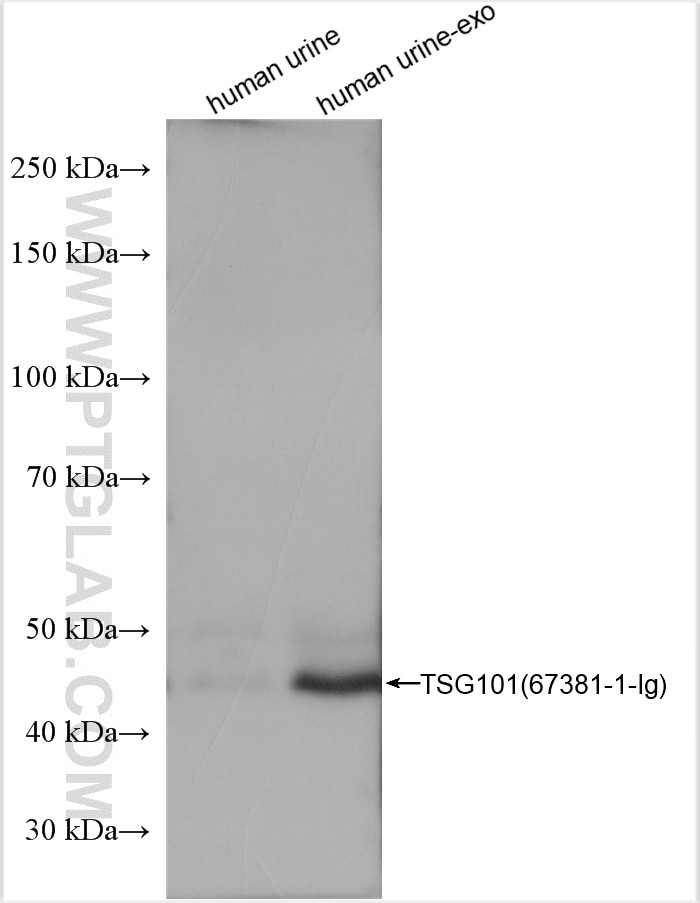
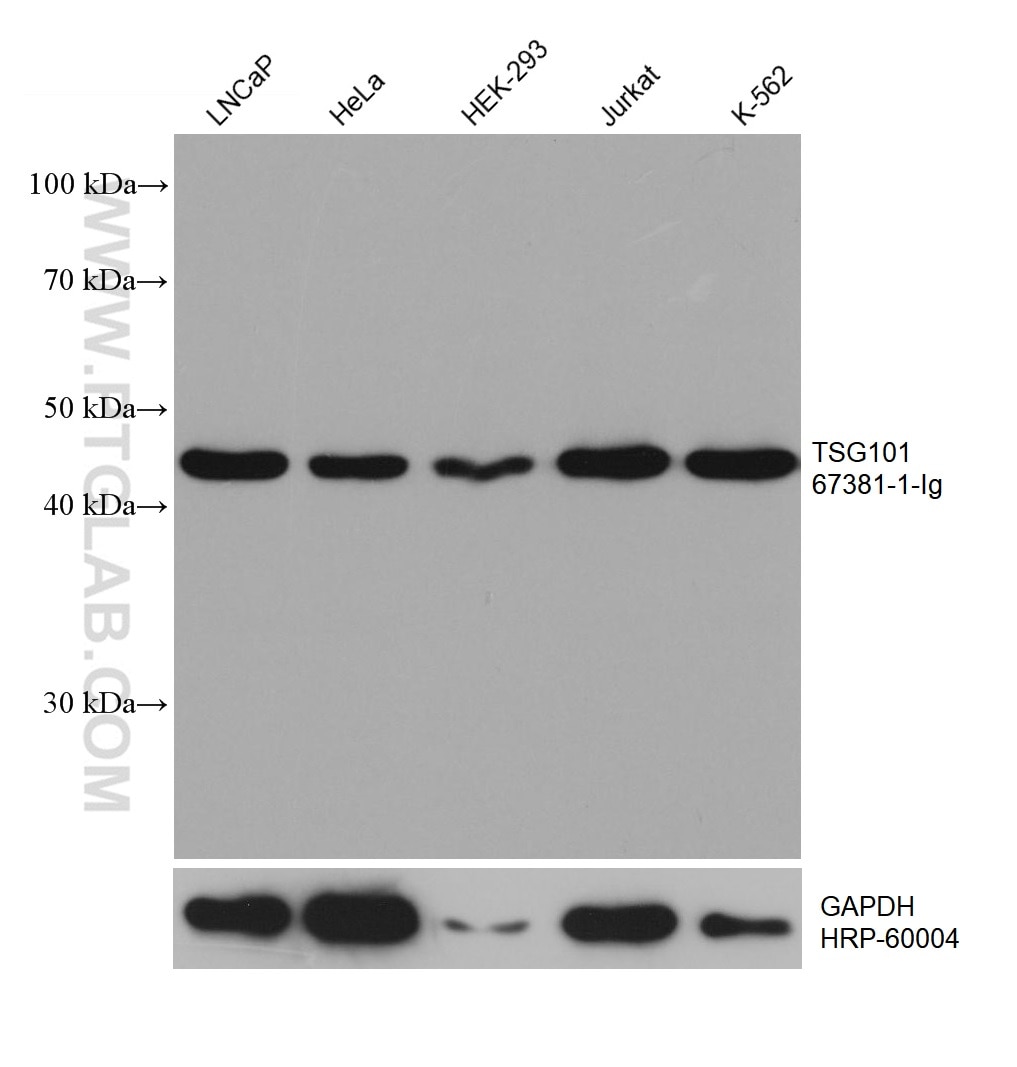
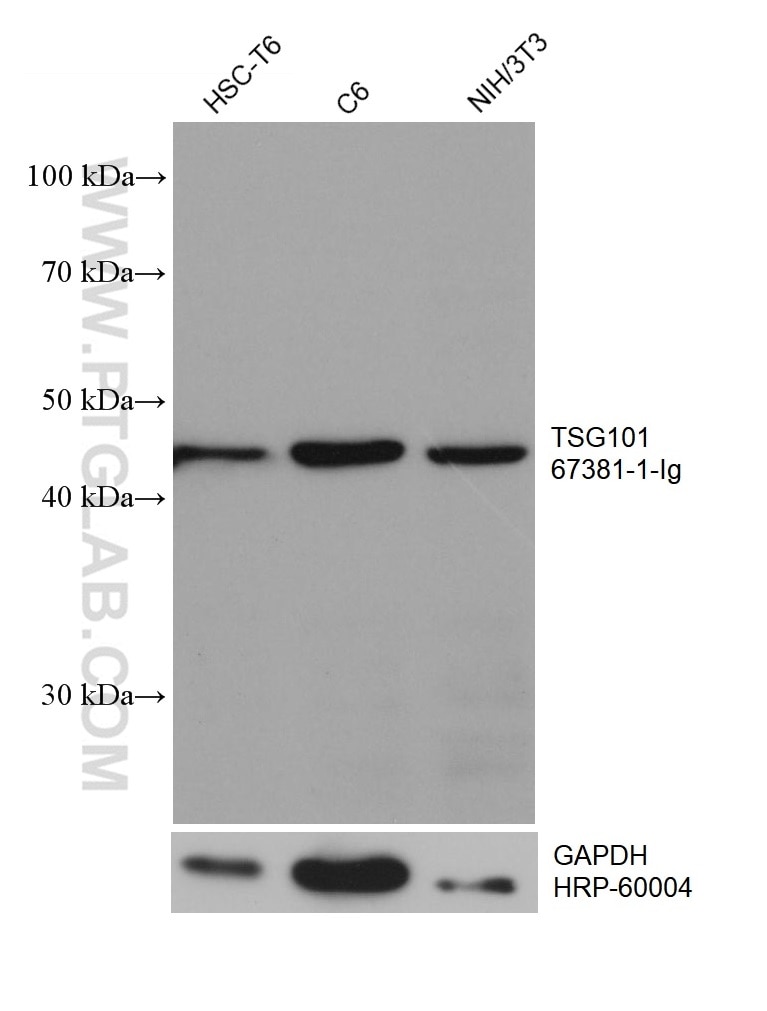
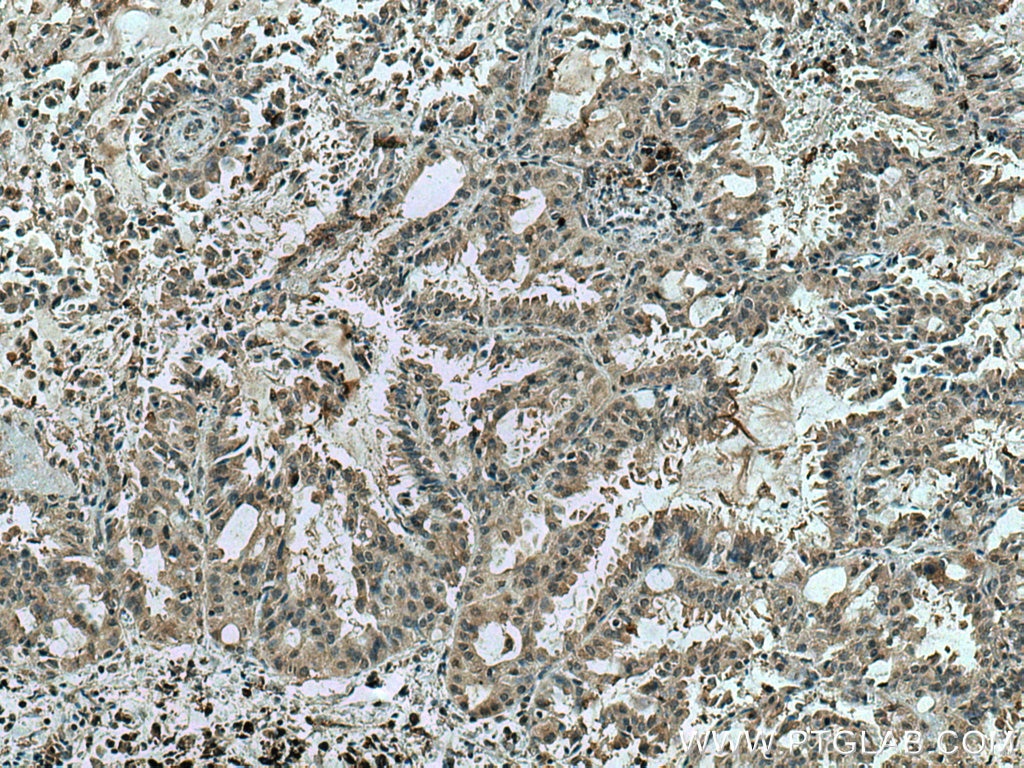
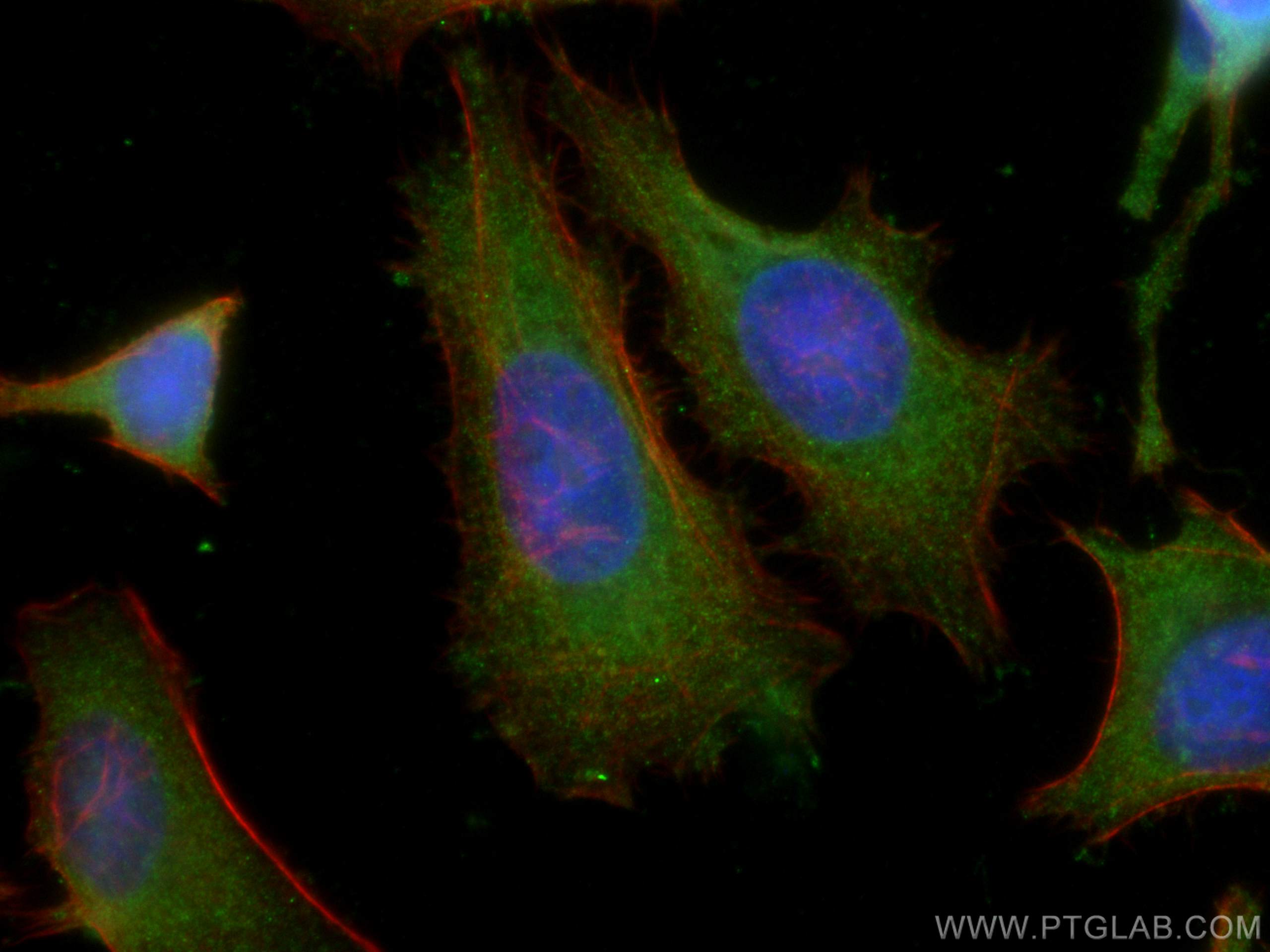
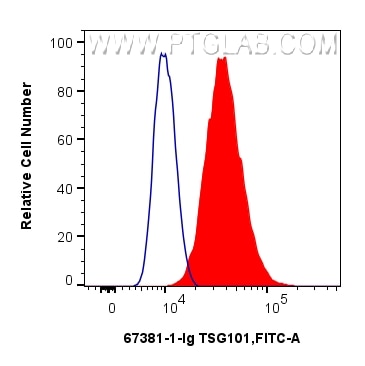

Tested Applications
| Positive WB detected in | LNCaP cells, HSC-T6 cells, human urine exosomes tissue, HeLa cells, HEK-293 cells, Jurkat cells, K-562 cells, C6 cells, NIH/3T3 cells |
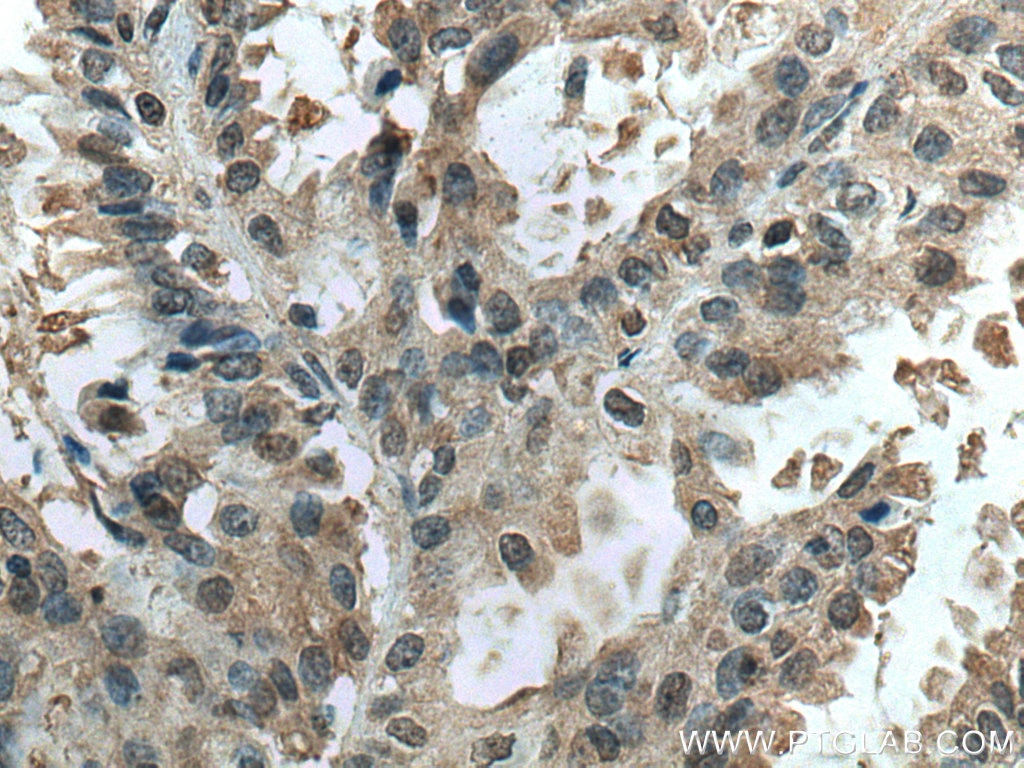
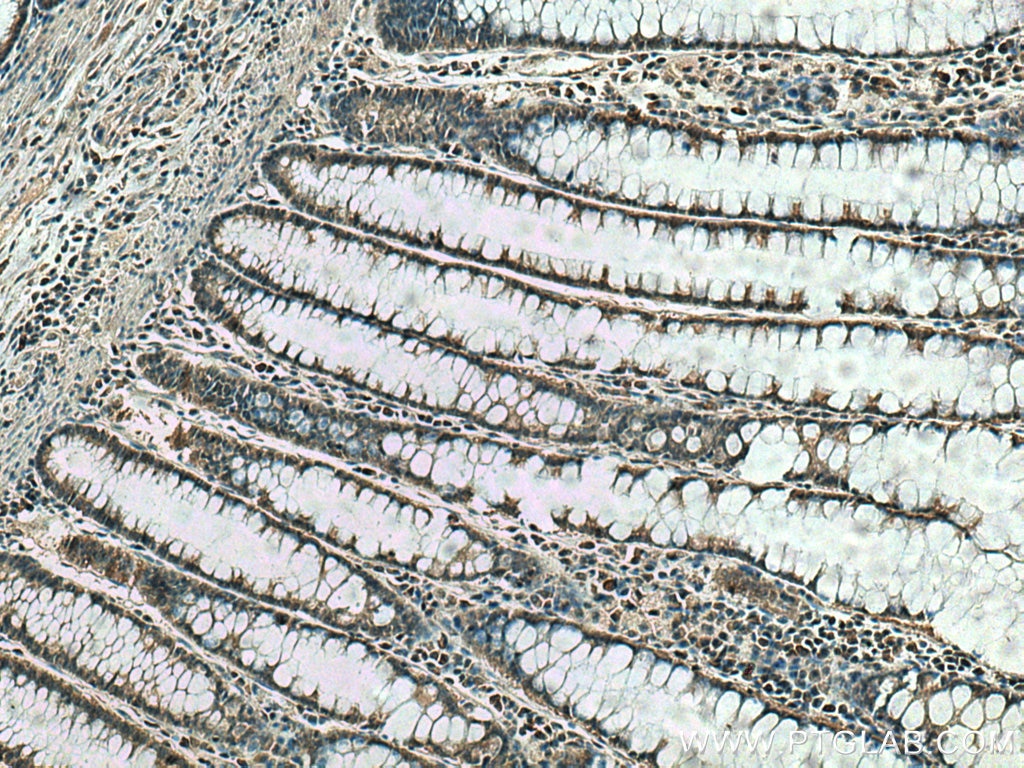
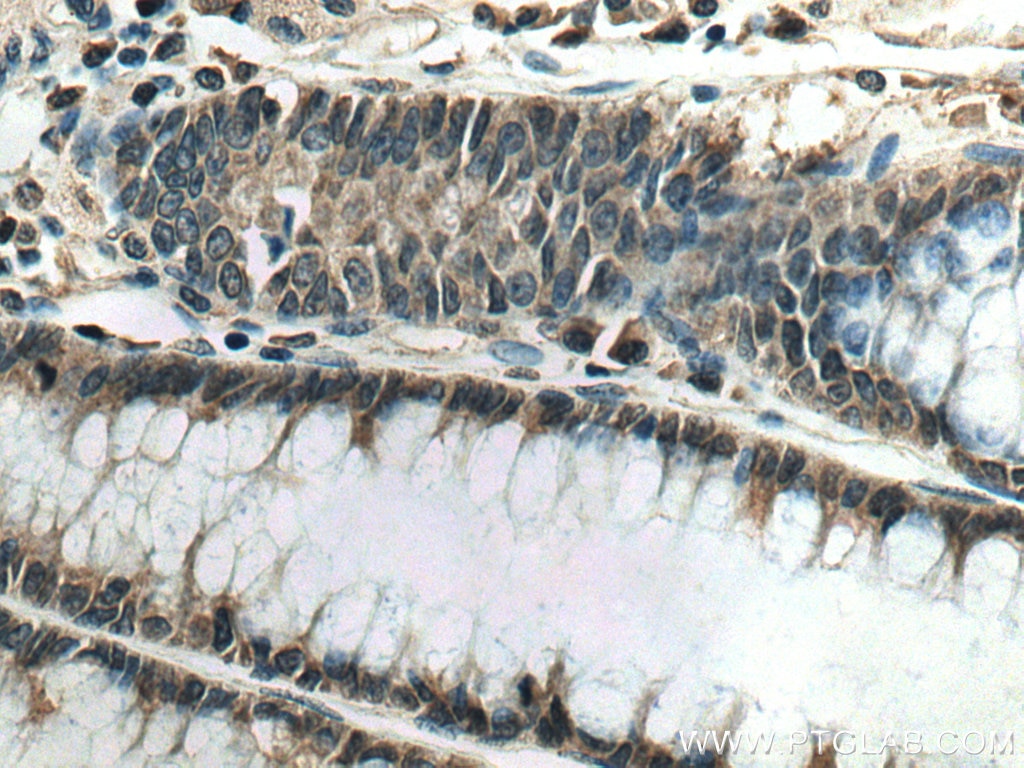
| Positive IHC detected in | human lung cancer tissue, human colon cancer tissue Note: suggested antigen retrieval with TE buffer pH 9.0; (*) Alternatively, antigen retrieval may be performed with citrate buffer pH 6.0 |
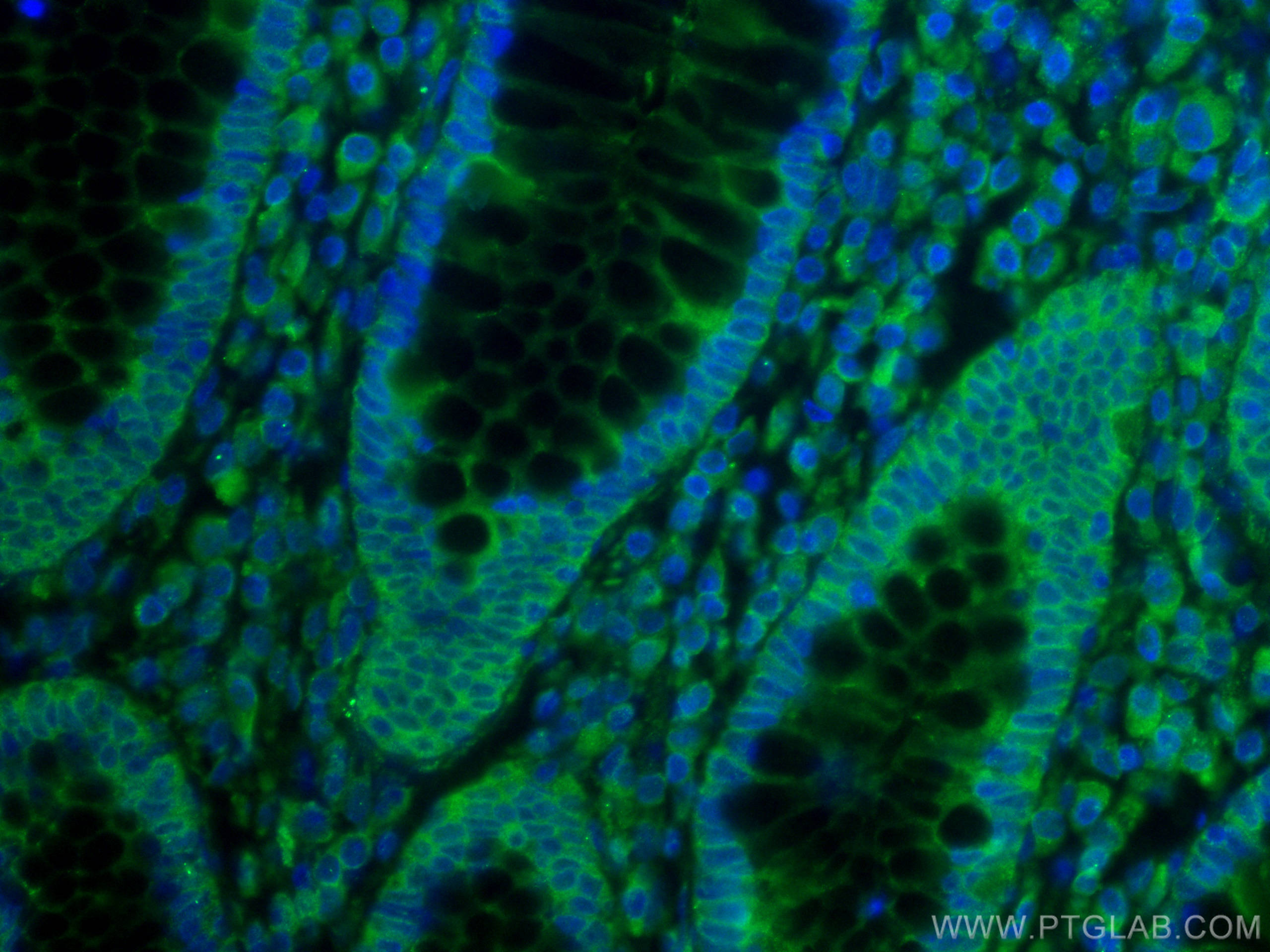
| Positive IF-P detected in | human colon cancer tissue |
| Positive IF/ICC detected in | HeLa cells, human colon cancer tissue |
| Positive FC (Intra) detected in | HeLa cells |
Recommended dilution
| Application | Dilution |
|---|---|
| Western Blot (WB) | WB : 1:5000-1:50000 |
| Immunohistochemistry (IHC) | IHC : 1:1000-1:4000 |
| Immunofluorescence (IF)-P | IF-P : 1:200-1:800 |
| Immunofluorescence (IF)/ICC | IF/ICC : 1:1000-1:4000 |
| Flow Cytometry (FC) (INTRA) | FC (INTRA) : 0.25 ug per 10^6 cells in a 100 µl suspension |
| It is recommended that this reagent should be titrated in each testing system to obtain optimal results. | |
| Sample-dependent, Check data in validation data gallery. | |
Product Information
67381-1-Ig targets TSG101 in WB, IHC, IF/ICC, IF-P, FC (Intra), IP, CoIP, ELISA applications and shows reactivity with human, mouse, rat samples.
| Tested Reactivity | human, mouse, rat |
| Cited Reactivity | human, mouse, rat, rabbit, monkey, oryctolagus cuniculus (rabbit) |
| Host / Isotype | Mouse / IgG1 |
| Class | Monoclonal |
| Type | Antibody |
| Immunogen |
CatNo: Ag28569 Product name: Recombinant human TSG101 protein Source: e coli.-derived, PET28a Tag: 6*His Domain: 214-390 aa of BC002487 Sequence: GPSRDGTISEDTIRASLISAVSDKLRWRMKEEMDRAQAELNALKRTEEDLKKGHQKLEEMVTRLDQEVAEVDKNIELLKKKDEELSSALEKMENQSENNDIDEVIIPTAPLYKQILNLYAEENAIEDTILYLGEALRRGVIDLDVFLKHVRLLSRKQFQLRALMQKARKTAGLSDLY Predict reactive species |
| Full Name | tumor susceptibility gene 101 |
| Calculated Molecular Weight | 44 kDa |
| Observed Molecular Weight | 43-46 kDa |
| GenBank Accession Number | BC002487 |
| Gene Symbol | TSG101 |
| Gene ID (NCBI) | 7251 |
| RRID | AB_2882628 |
| Conjugate | Unconjugated |
| Form | Liquid |
| Purification Method | Protein G purification |
| UNIPROT ID | Q99816 |
| Storage Buffer | PBS with 0.02% sodium azide and 50% glycerol, pH 7.3. |
| Storage Conditions | Store at -20°C. Stable for one year after shipment. Aliquoting is unnecessary for -20oC storage. 20ul sizes contain 0.1% BSA. |
Background Information
TSG101(Tumor susceptibility gene 101 protein) is essential for endosomal sorting, membrane receptor degradation and the final stages of cytokinesis. It plays a crucial role for cell proliferation and cell survival. TSG101 has been identified as a candidate tumor suppressor gene and belongs to the ubiquitin-conjugating enzyme family. TSG101 is a marker for exosome. This protein has 2 isoforms produced by alternative splicing with the molecular mass of 44 and 32 kDa.
Protocols
| Product Specific Protocols | |
|---|---|
| FC protocol for TSG101 antibody 67381-1-Ig | Download protocol |
| IF protocol for TSG101 antibody 67381-1-Ig | Download protocol |
| IHC protocol for TSG101 antibody 67381-1-Ig | Download protocol |
| WB protocol for TSG101 antibody 67381-1-Ig | Download protocol |
| Standard Protocols | |
|---|---|
| Click here to view our Standard Protocols |
Publications
What published studies show
The TSG101 Monoclonal antibody (2B7G8), catalog number 67381-1-Ig, has accumulated 107 citations. These appear in journals including Nature, Nature Cell Biology, Molecular Cancer, Advanced Materials, Bioactive Materials, Journal of Extracellular Vesicles, ACS Nano, Science Advances, and Advanced Science. Research fields span exosome/extracellular vesicle biology, oncology, tissue repair and regeneration, inflammation, neuroscience, cardiology, and infectious disease. The antibody is predominantly used for Western blot validation of exosomal preparations across human, mouse, and rat species.
| Species | Application | Title |
|---|---|---|
Mol Cancer Exosomal circ_0006896 promotes AML progression via interaction with HDAC1 and restriction of antitumor immunity | ||
Mol Cancer LAMTOR1 decreased exosomal PD-L1 to enhance immunotherapy efficacy in non-small cell lung cancer | ||
Exploration (Beijing) Engineered brain-targeting exosome for reprogramming immunosuppressive microenvironment of glioblastoma | ||
Adv Mater Ultrasound-Activated Sonophage Synergizes Sonodynamic Therapy and Saltoptosis for Solid Tumor Eradication. | ||
Bioact Mater AntagomiR-192-5p-engineered exosomes encapsulated in MXene-modified GelMA hydrogel facilitated epithelization of burn wounds by targeting OLFM4. |











