
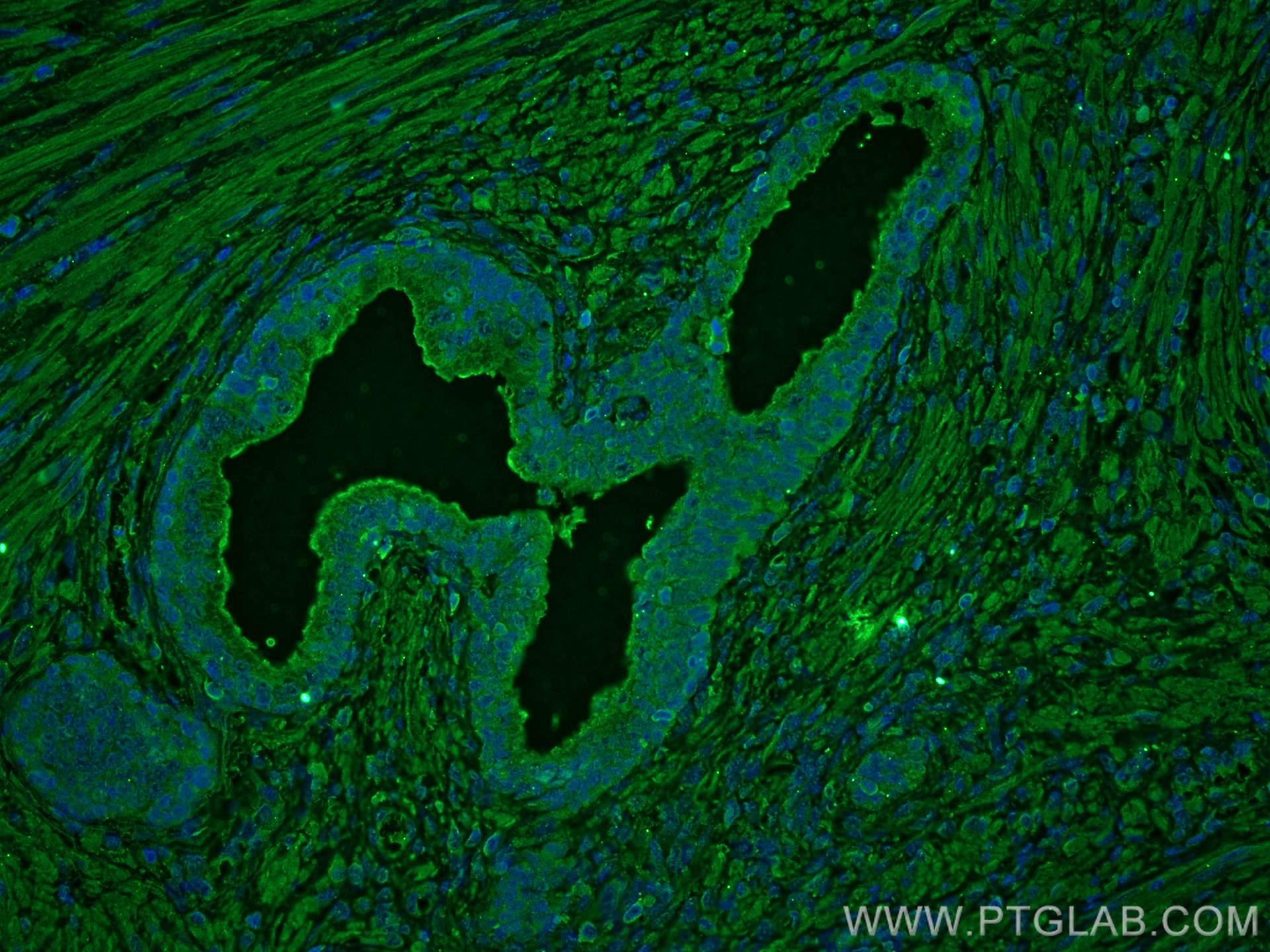
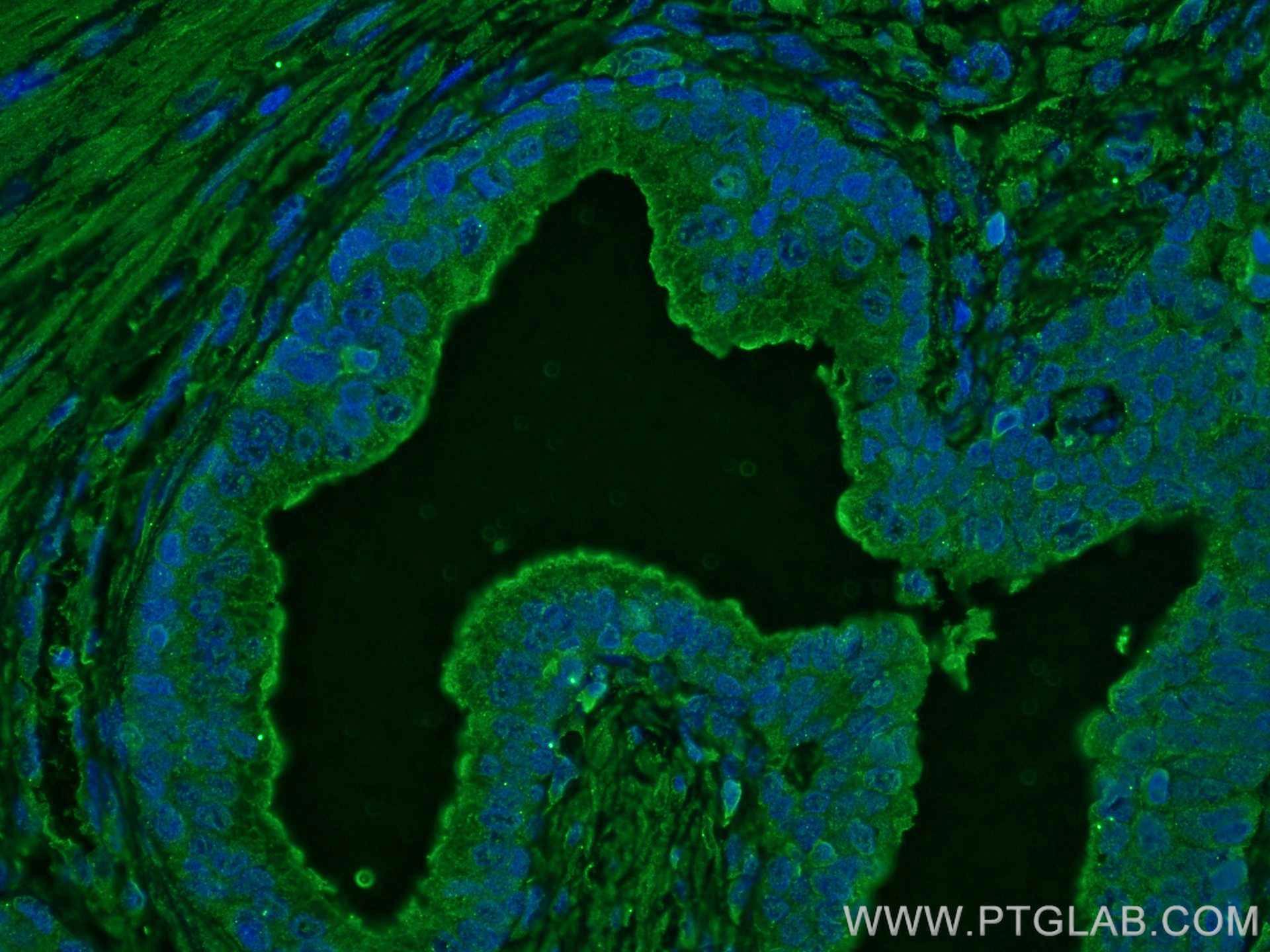
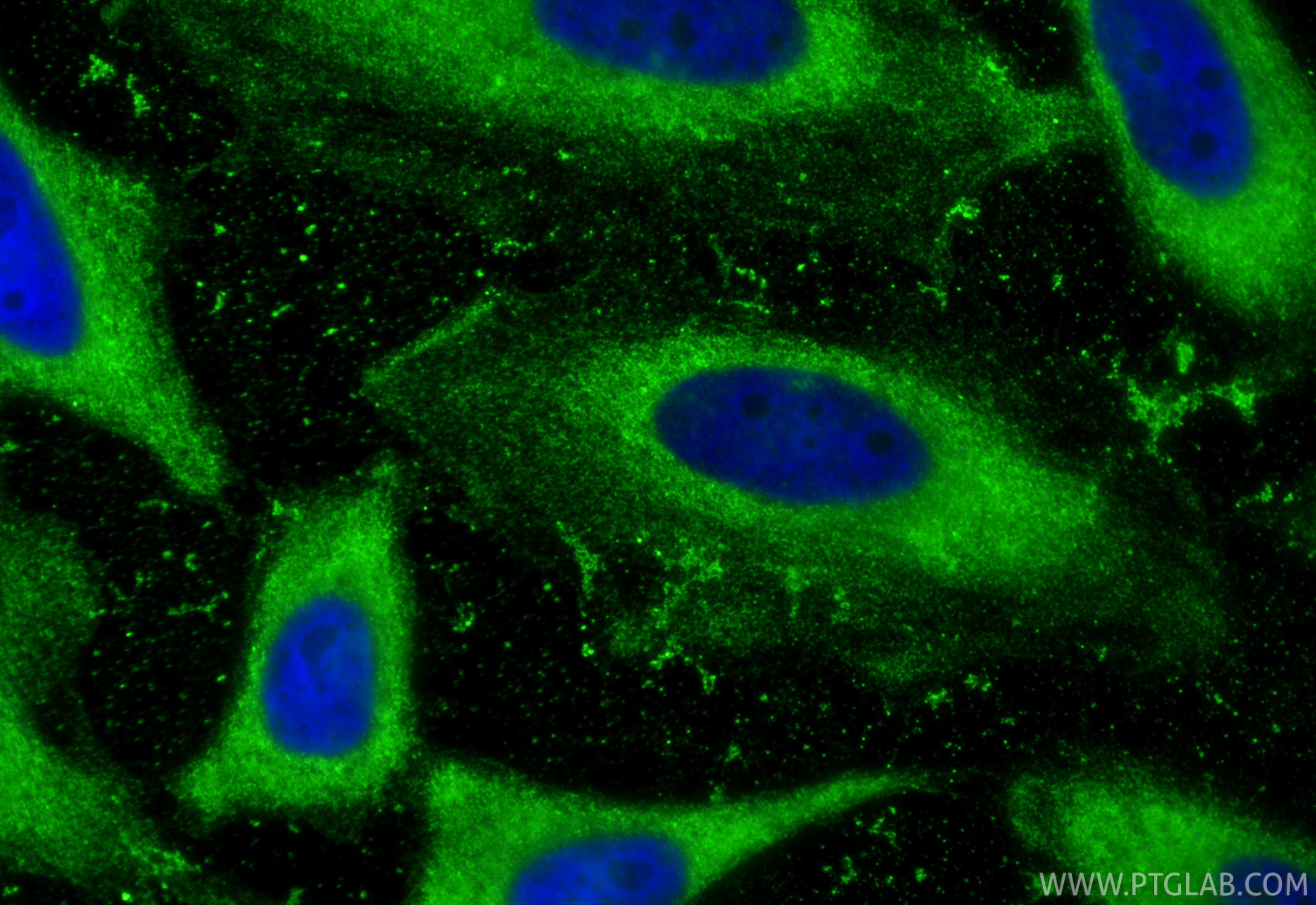

Tested Applications
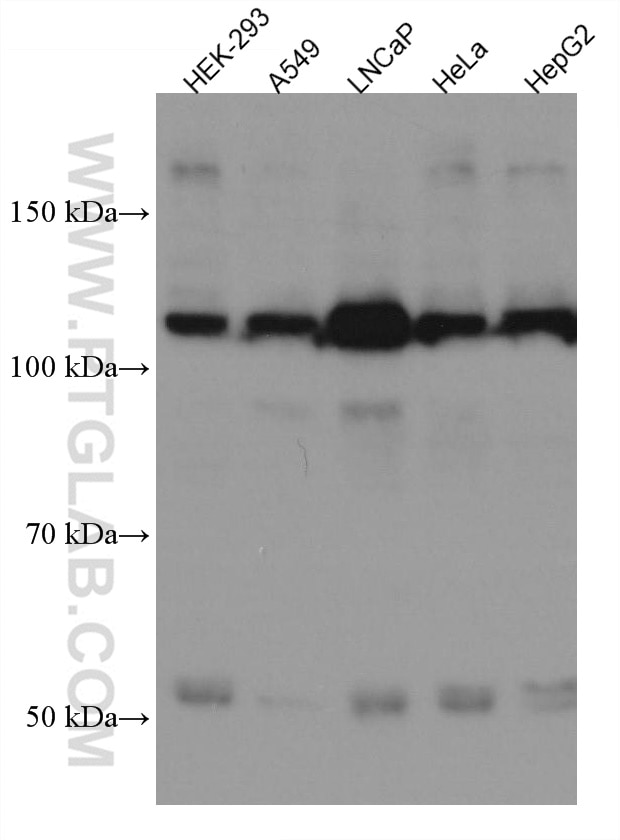
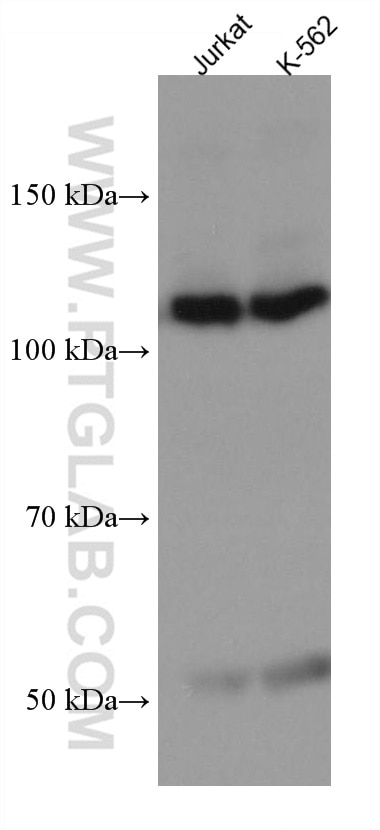
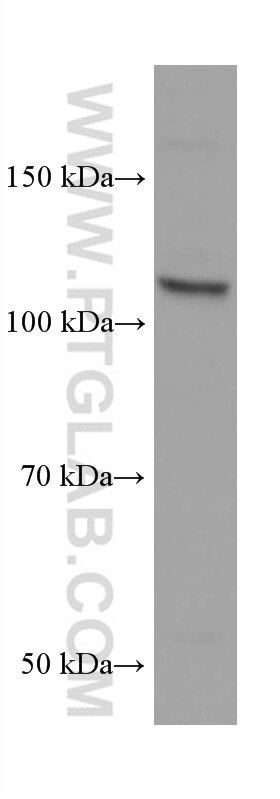
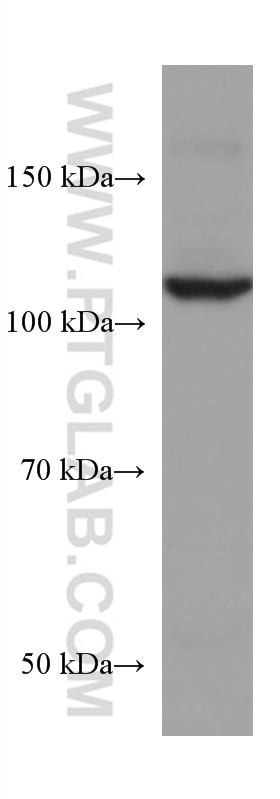
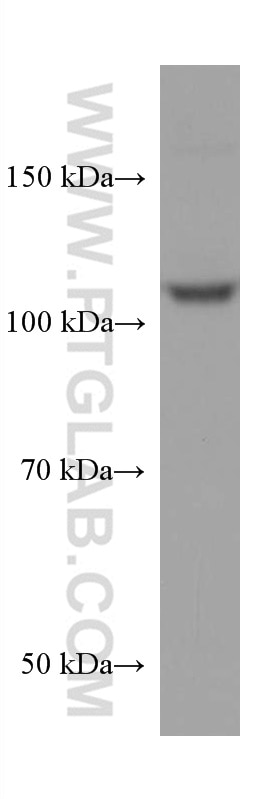
| Positive WB detected in | HEK-293 cells, HeLa cells, HepG2 cells, Jurkat cells, A549 cells, LNCaP cells, K-562 cells |
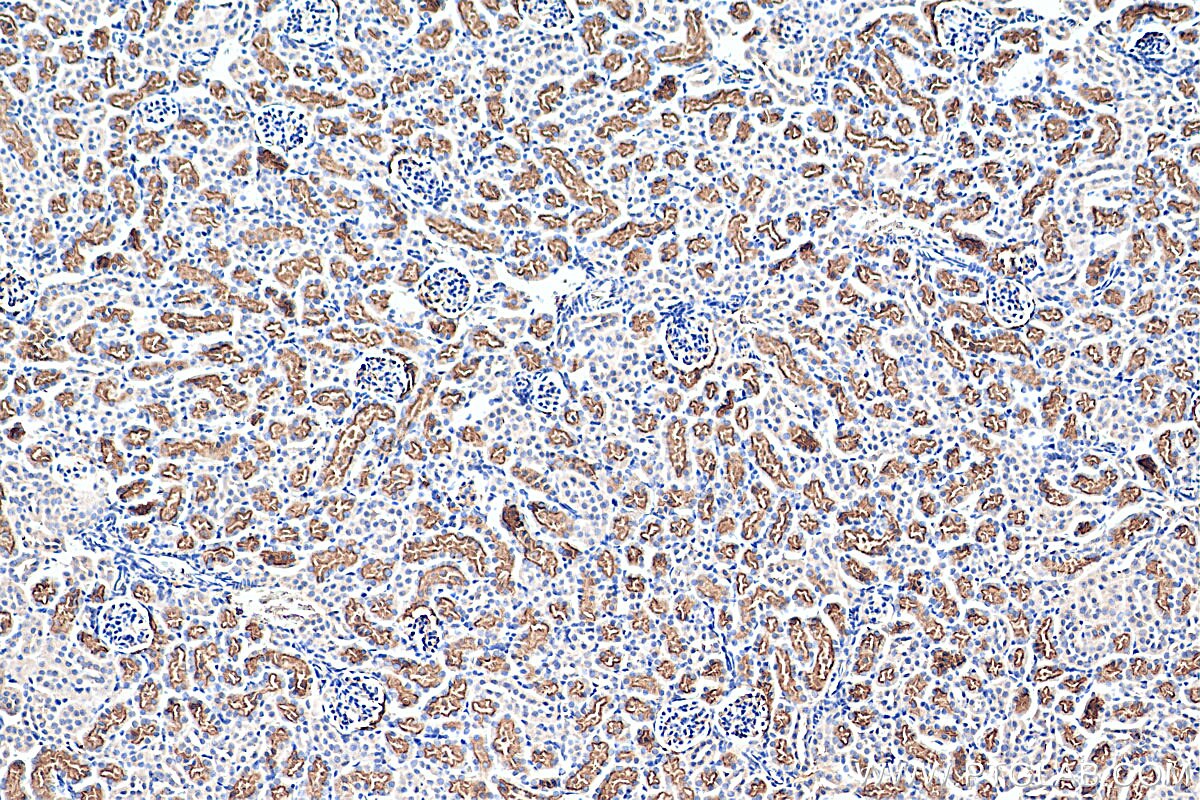
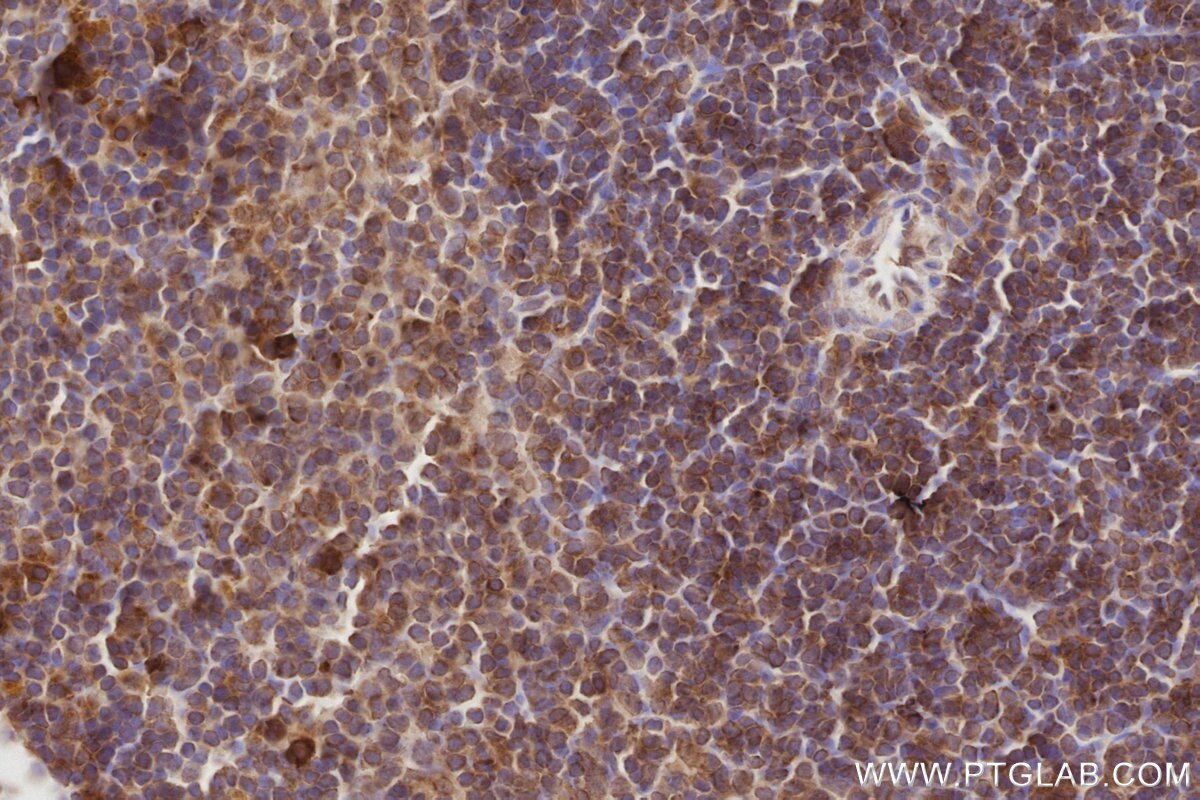
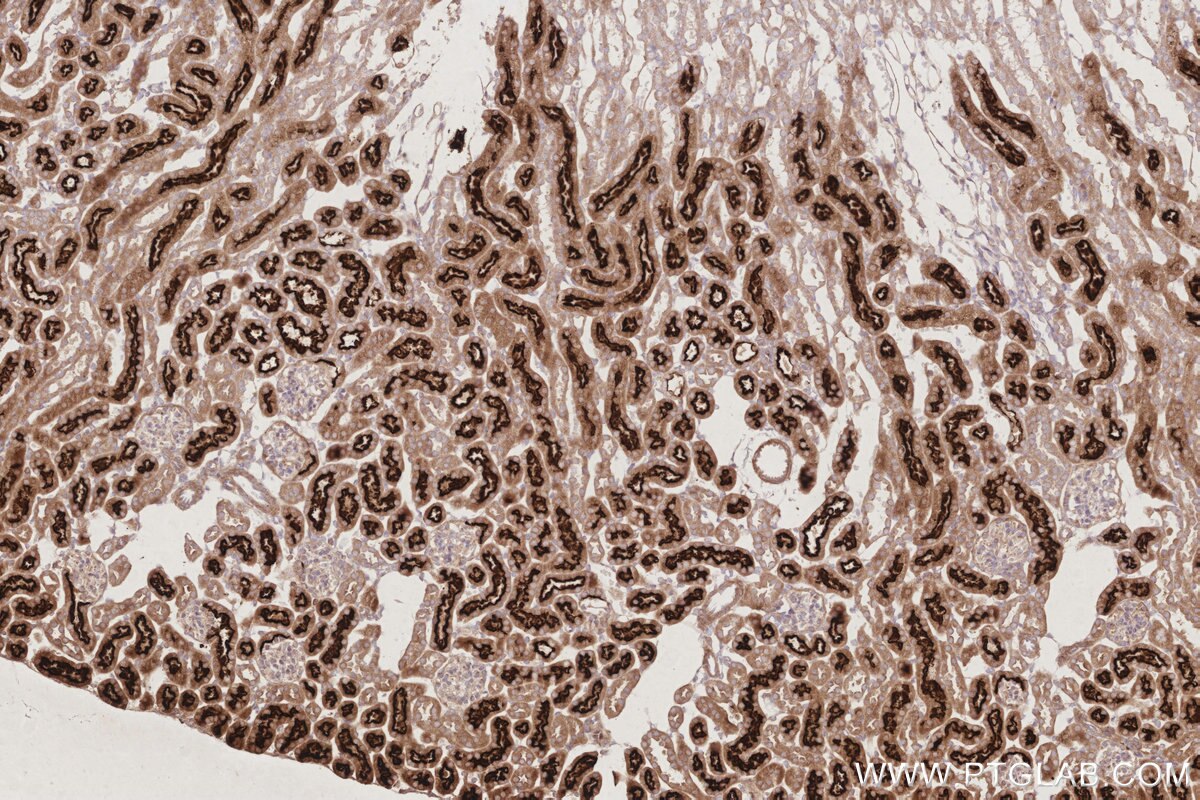
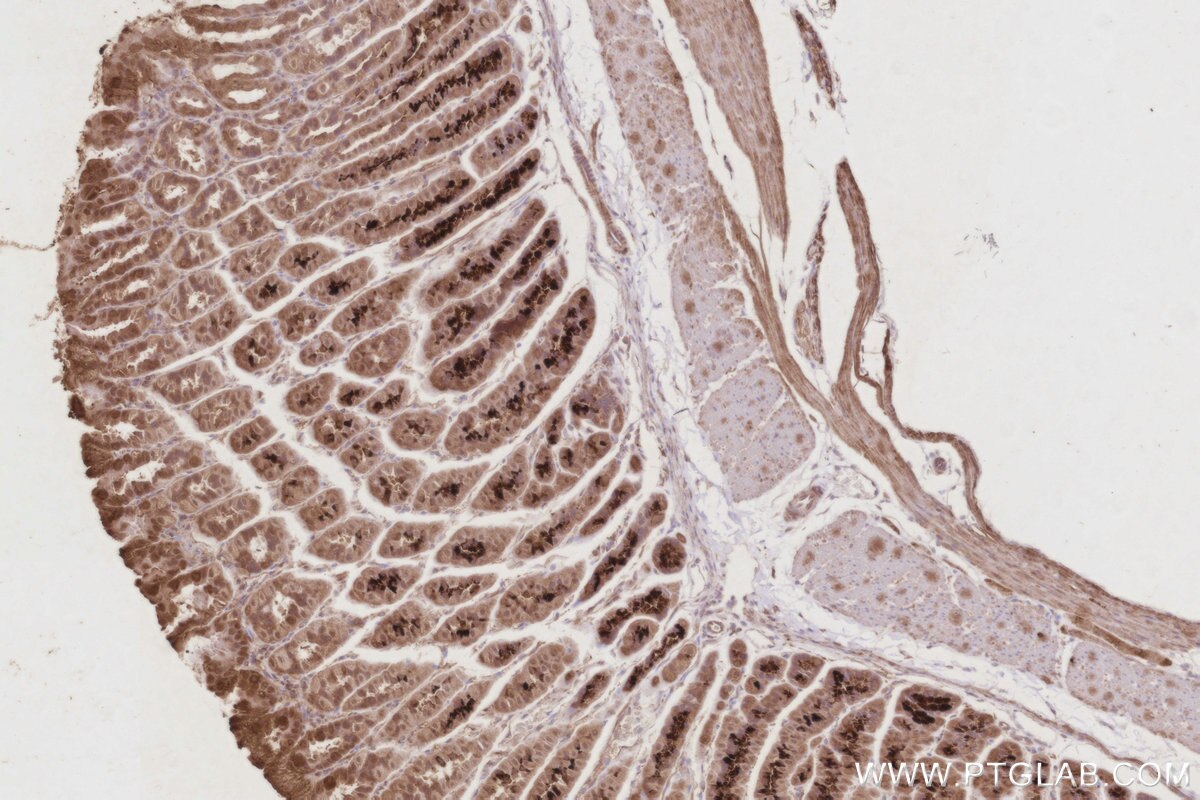
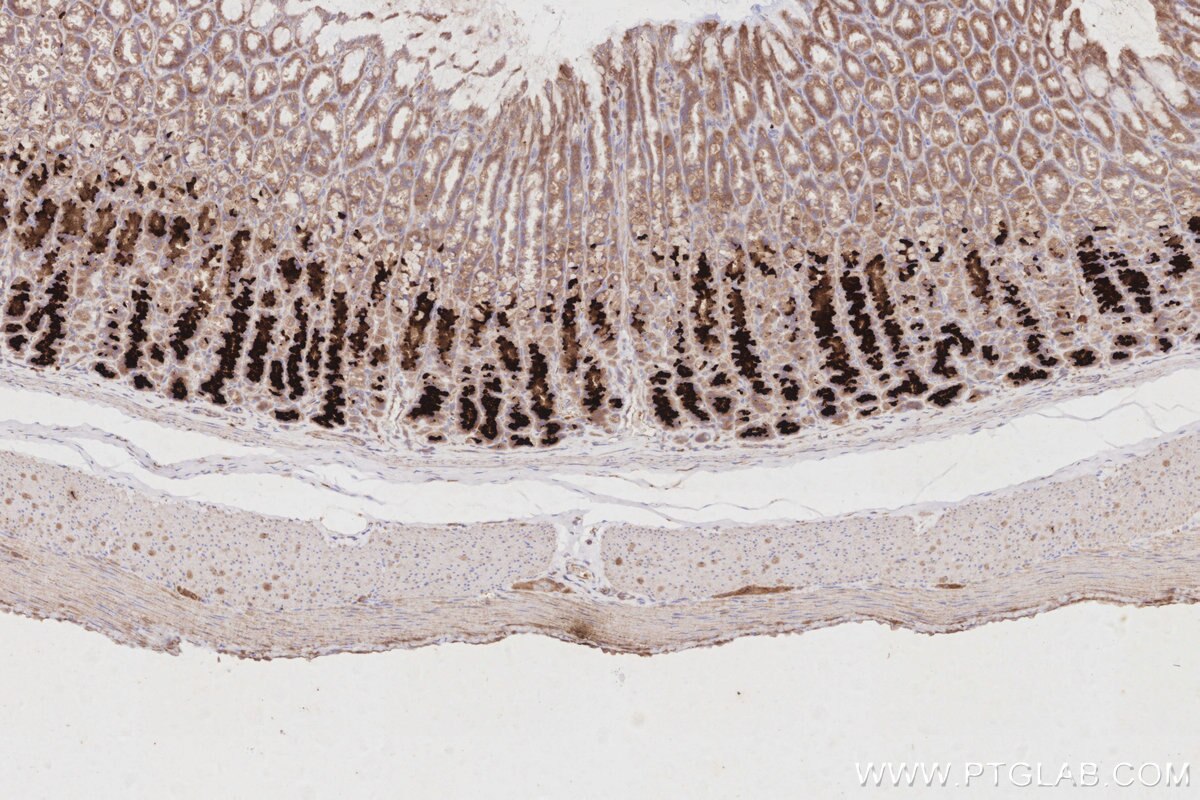
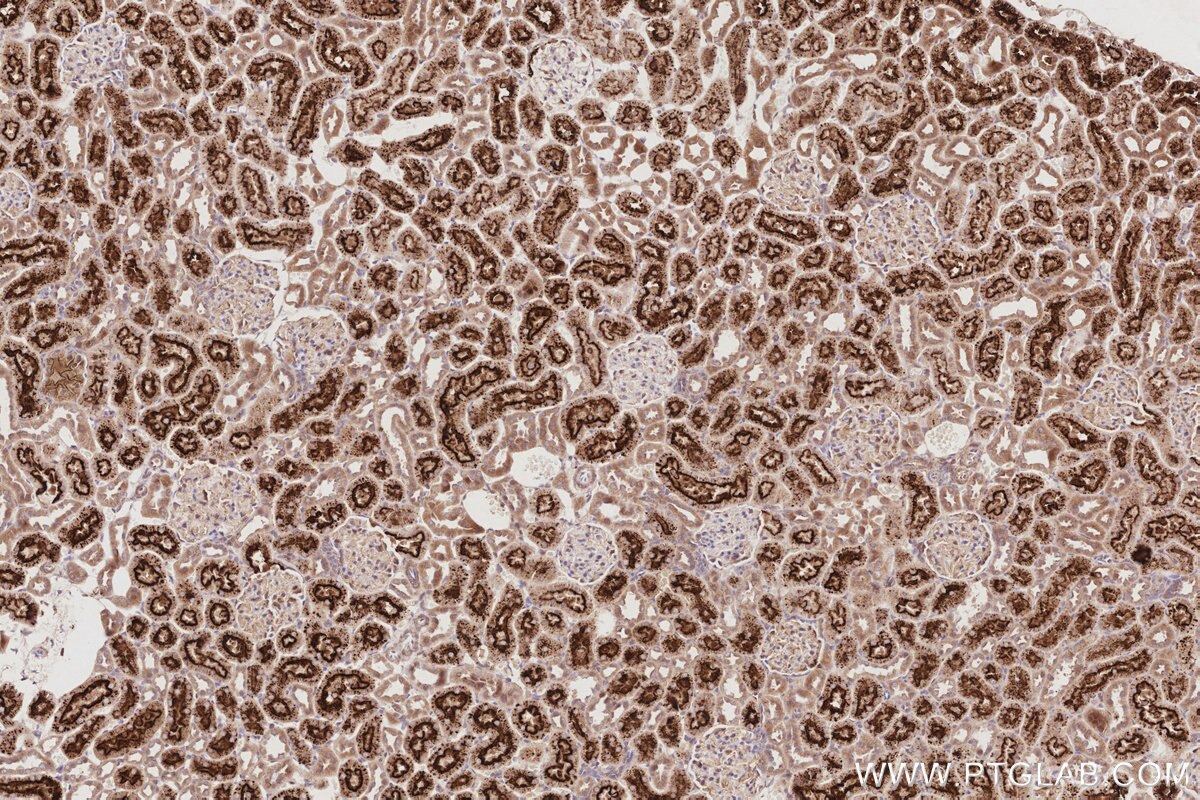
| Positive IHC detected in | human stomach cancer tissue, rat stomach tissue, mouse spleen tissue, mouse kidney tissue, rat kidney tissue, mouse stomach tissue Note: suggested antigen retrieval with TE buffer pH 9.0; (*) Alternatively, antigen retrieval may be performed with citrate buffer pH 6.0 |
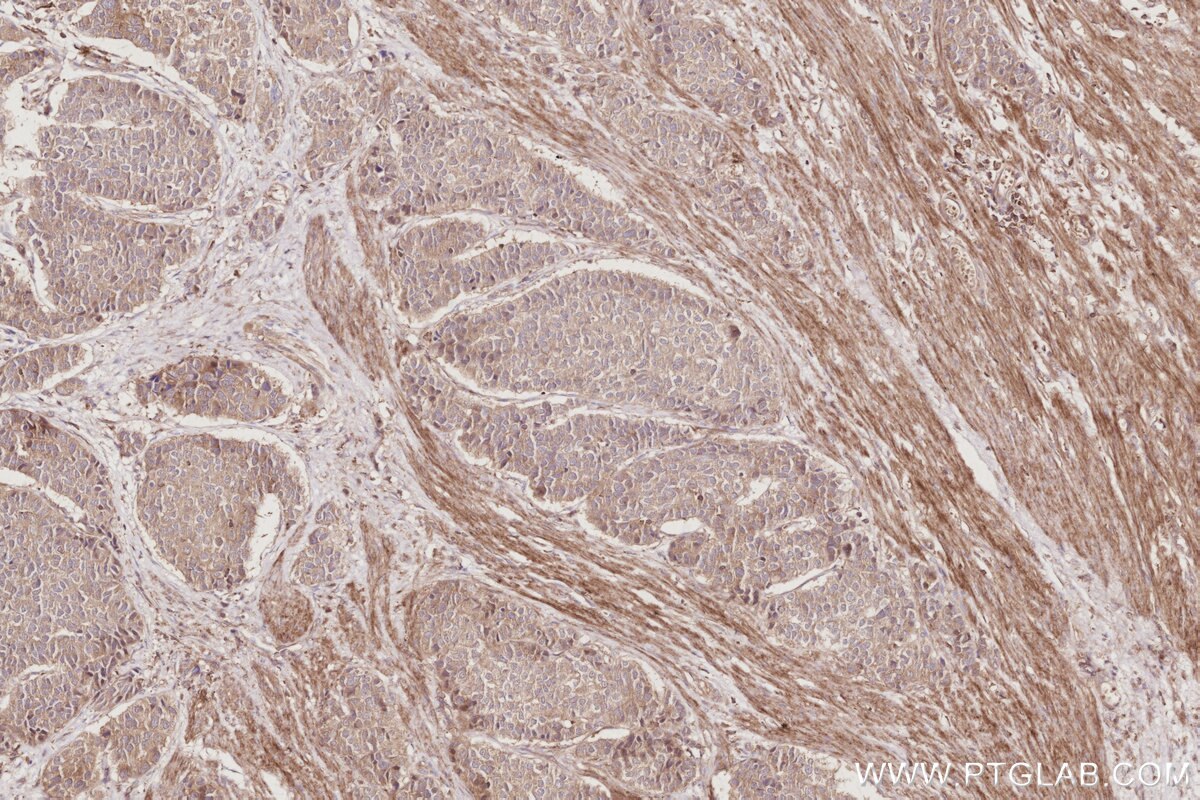
| Positive IF-P detected in | human prostate cancer tissue |
| Positive IF/ICC detected in | HeLa cells |
Recommended dilution
| Application | Dilution |
|---|---|
| Western Blot (WB) | WB : 1:5000-1:50000 |
| Immunohistochemistry (IHC) | IHC : 1:500-1:2000 |
| Immunofluorescence (IF)-P | IF-P : 1:200-1:800 |
| Immunofluorescence (IF)/ICC | IF/ICC : 1:200-1:800 |
| It is recommended that this reagent should be titrated in each testing system to obtain optimal results. | |
| Sample-dependent, Check data in validation data gallery. | |
Product Information
67451-1-Ig targets TAOK3 in WB, IHC, IF/ICC, IF-P, CoIP, ELISA applications and shows reactivity with human, mouse, rat samples.
| Tested Reactivity | human, mouse, rat |
| Cited Reactivity | human, mouse |
| Host / Isotype | Mouse / IgG1 |
| Class | Monoclonal |
| Type | Antibody |
| Immunogen |
CatNo: Ag29146 Product name: Recombinant human TAOK3 protein Source: e coli.-derived, PET28a Tag: 6*His Domain: 366-430 aa of BC002756 Sequence: SMQEVMDESSSELVMMHDDESTINSSSSVVHKKDHVFIRDEAGHGDPRPEPRPTQSVQSQALHYR Predict reactive species |
| Full Name | TAO kinase 3 |
| Calculated Molecular Weight | 105 kDa |
| Observed Molecular Weight | 100-105 kDa |
| GenBank Accession Number | BC002756 |
| Gene Symbol | TAOK3 |
| Gene ID (NCBI) | 51347 |
| RRID | AB_2882685 |
| Conjugate | Unconjugated |
| Form | Liquid |
| Purification Method | Protein A purification |
| UNIPROT ID | Q9H2K8 |
| Storage Buffer | PBS with 0.02% sodium azide and 50% glycerol, pH 7.3. |
| Storage Conditions | Store at -20°C. Stable for one year after shipment. Aliquoting is unnecessary for -20oC storage. 20ul sizes contain 0.1% BSA. |
Background Information
TAOK3(Serine/threonine-protein kinase TAO3) is also named as DPK, JIK, KDS, MAP3K18 and belongs to the STE Ser/Thr protein kinase family. It acts as an activator of the p38/MAPK14 stress-activated MAPK cascade. In response to DNA damage, it is involved in the G2/M transition DNA damage checkpoint by activating the p38/MAPK14 stress-activated MAPK cascade, probably by mediating phosphorylation of upstream MAP2K3 and MAP2K6 kinases. And this protein can be autophosphorylated(PMID:20949042).
Protocols
| Product Specific Protocols | |
|---|---|
| IF protocol for TAOK3 antibody 67451-1-Ig | Download protocol |
| IHC protocol for TAOK3 antibody 67451-1-Ig | Download protocol |
| WB protocol for TAOK3 antibody 67451-1-Ig | Download protocol |
| Standard Protocols | |
|---|---|
| Click here to view our Standard Protocols |
Publications
What published studies show
The anti-TAOK3 antibody (Cat# 67451-1-Ig) has 4 total citations. These appear in Advanced Science, Arthritis & Rheumatology, Biochimica et Biophysica Acta – Molecular Basis of Disease, and Toxicology and Applied Pharmacology. The research fields span esophageal squamous cell carcinoma and autophagy, rheumatoid arthritis biomarker identification, clear cell renal cell carcinoma progression, and pancreatic cancer-associated cachexia. Applications include WB, IHC, and CoIP in human and mouse samples.
| Species | Application | Title |
|---|---|---|
Adv Sci (Weinh) TAOK3 Facilitates Esophageal Squamous Cell Carcinoma Progression and Cisplatin Resistance Through Augmenting Autophagy Mediated by IRGM
| ||
Arthritis Rheumatol Plasma Proteomics Identifies Thousand-and-One-Amino Acid Kinase 3 as a Potential Biomarker of Rheumatoid Arthritis Activity and a Novel Therapeutic Target.
| ||
Biochim Biophys Acta Mol Basis Dis TAOK3 promotes ccRCC progression by phosphorylating ASAP2.
| ||
Toxicol Appl Pharmacol Corylifol A ameliorates pancreatic cancer-associated cachexia by targeting TAOK3 in pancreatic cancer cells and targeting TAOK1 in skeletal muscle cells.
|
















