


Tested Applications
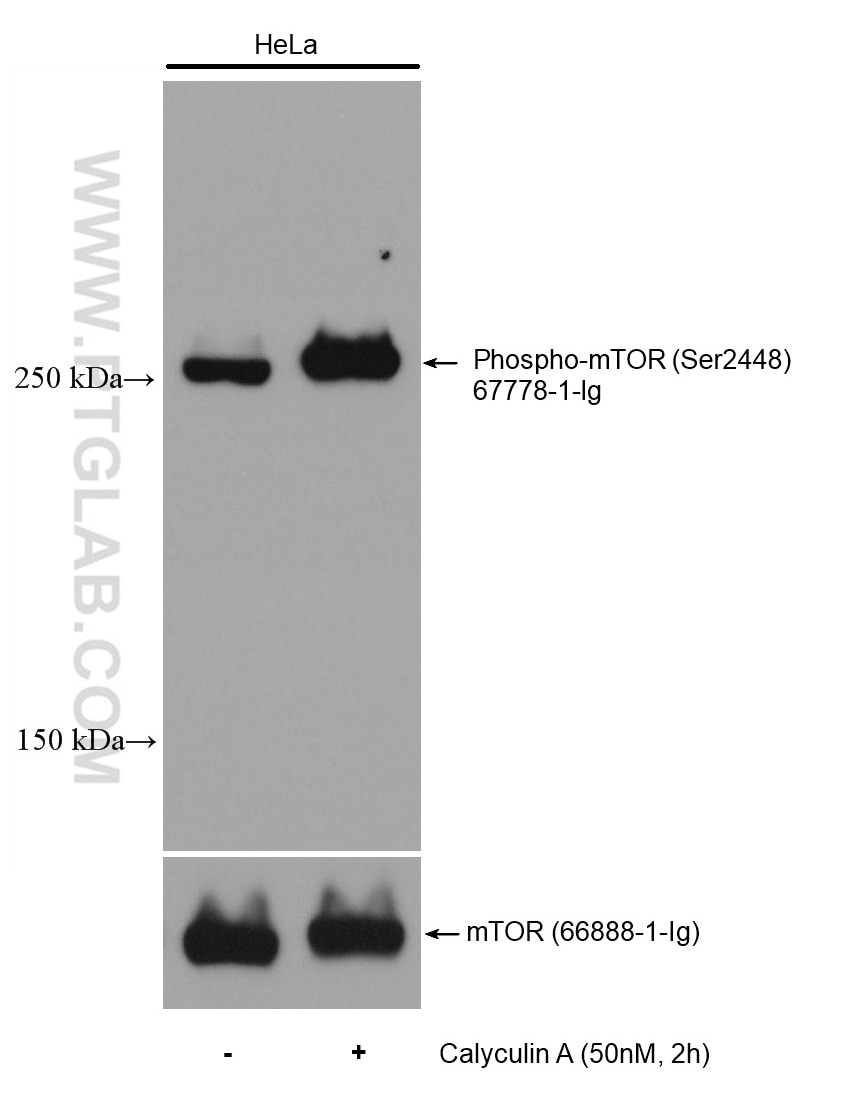
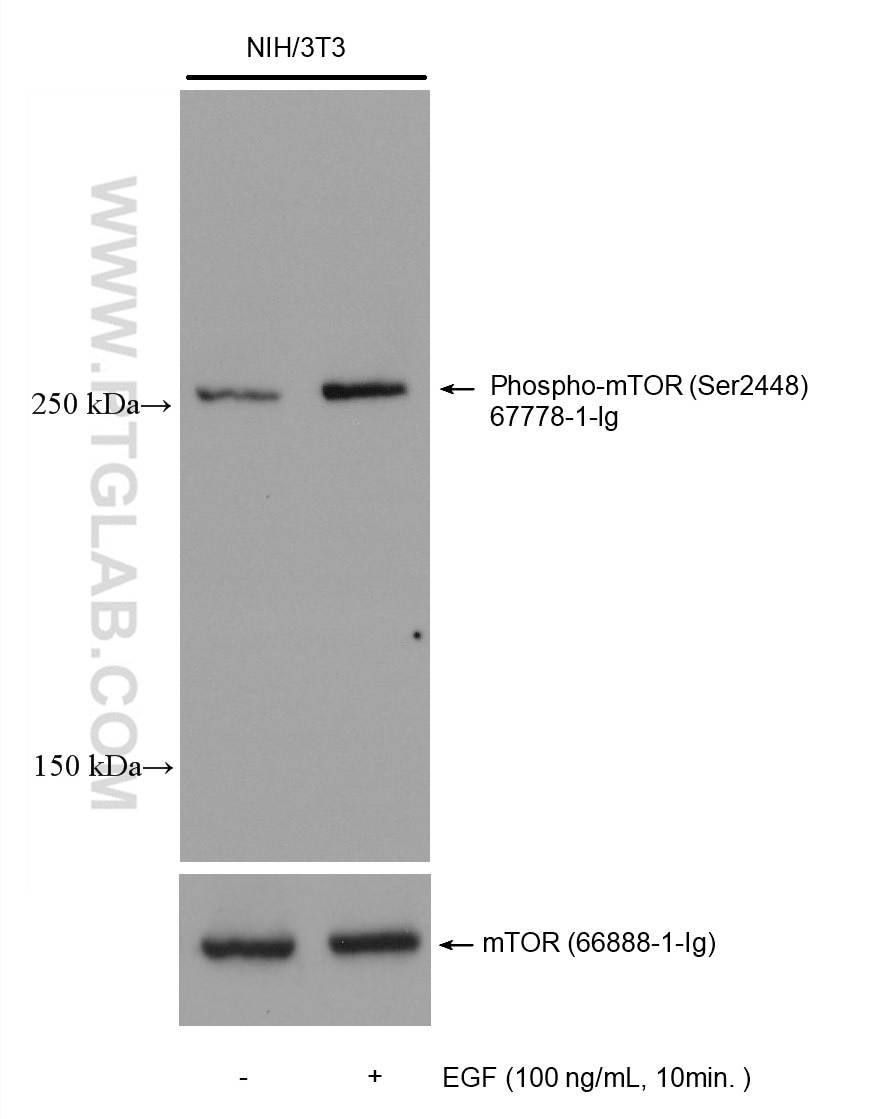
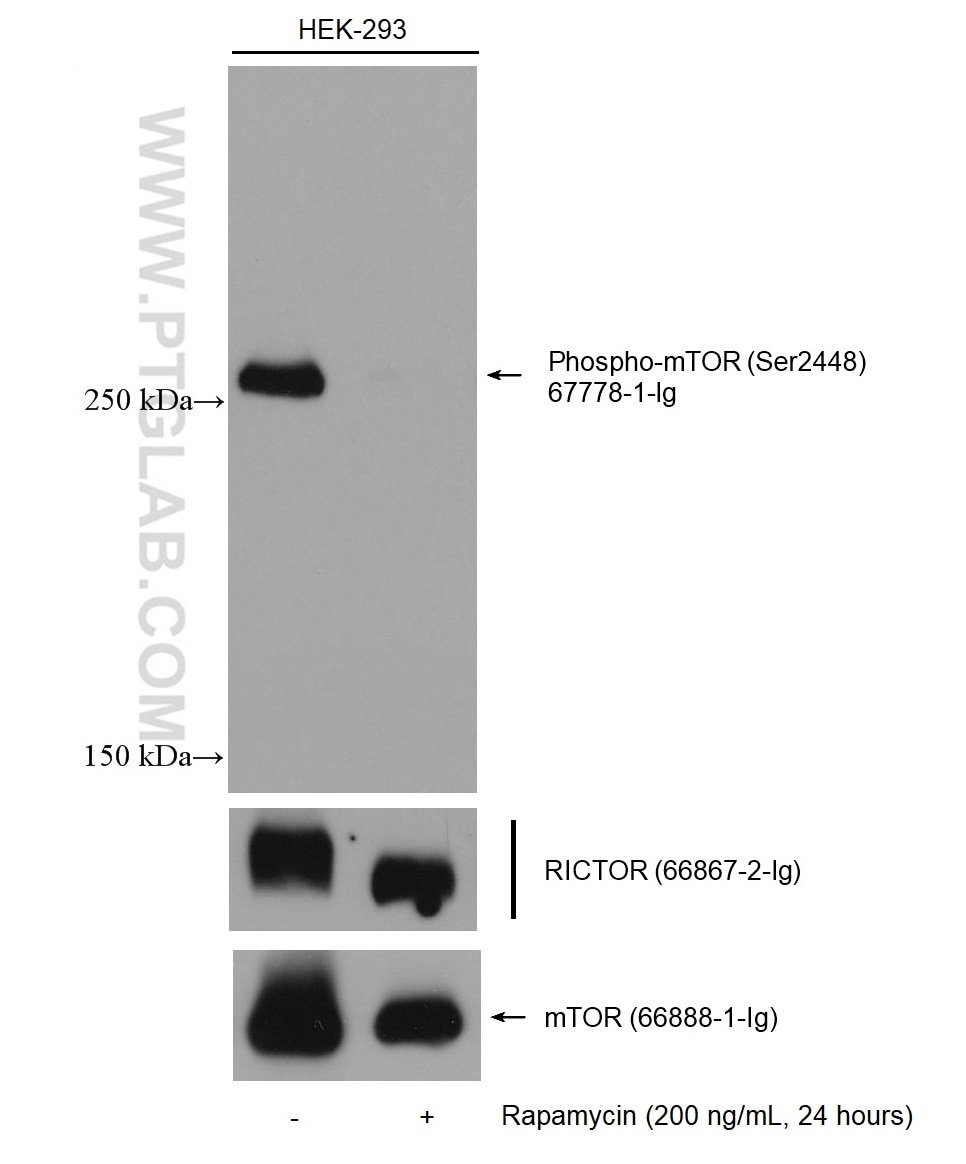
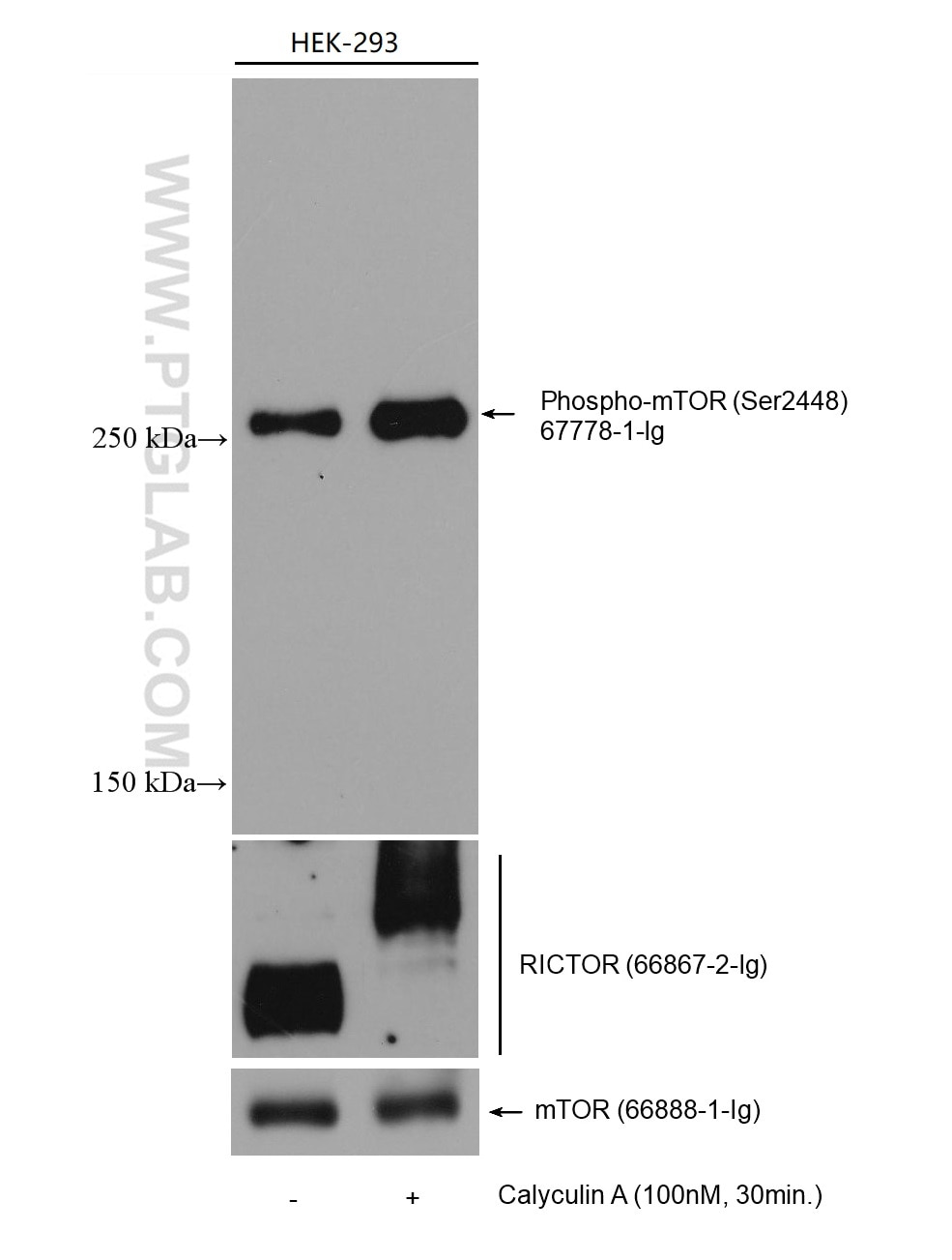
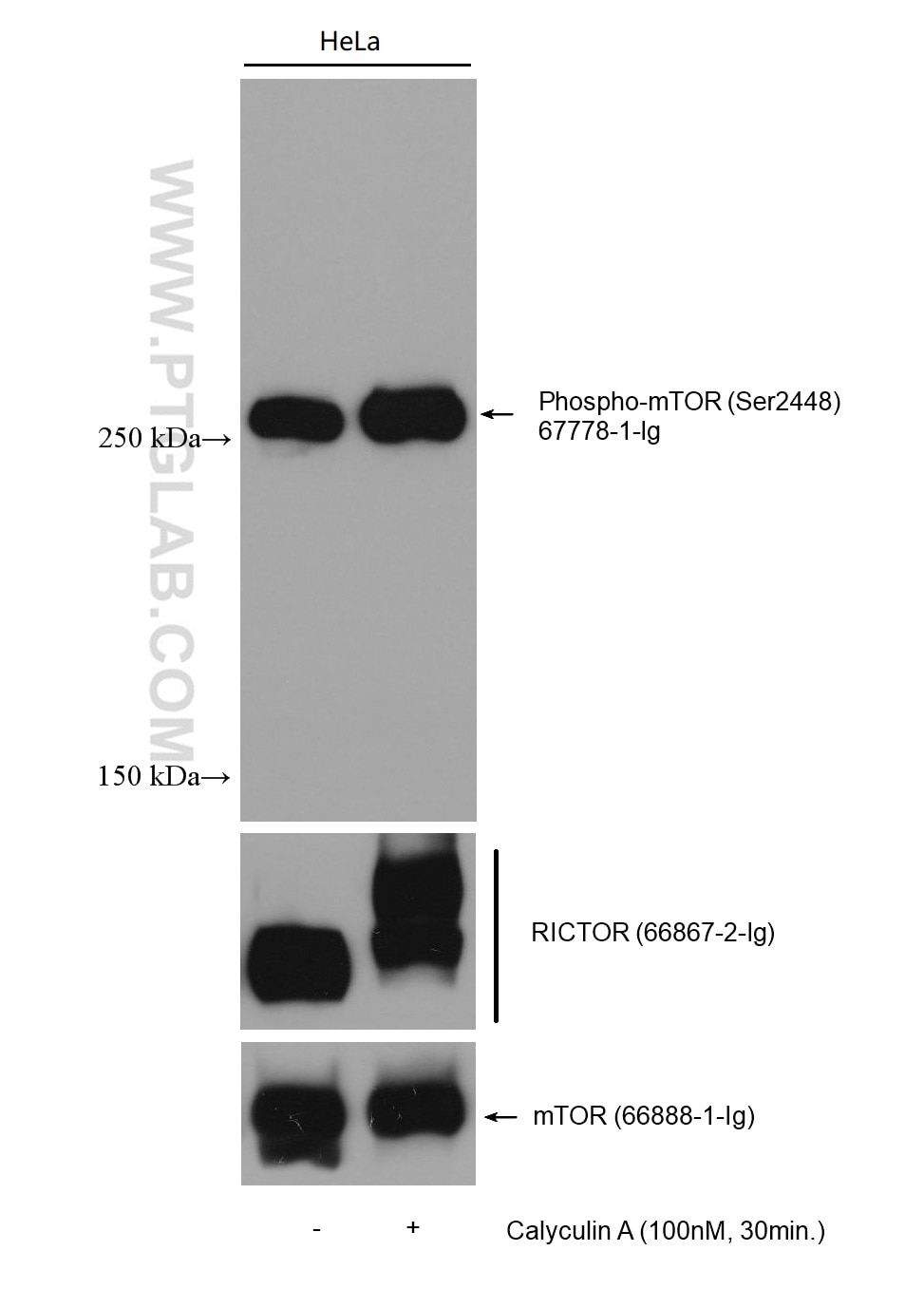
| Positive WB detected in | HeLa cells, NIH/3T3 cells, HEK-293T cells, HEK-293 cells, HSC-T6 cells, Calyculin A treated HeLa cells, EGF treated NIH/3T3 cells, Rapamycin treated HEK-293 cells, Calyculin A treated HEK-293 cells |
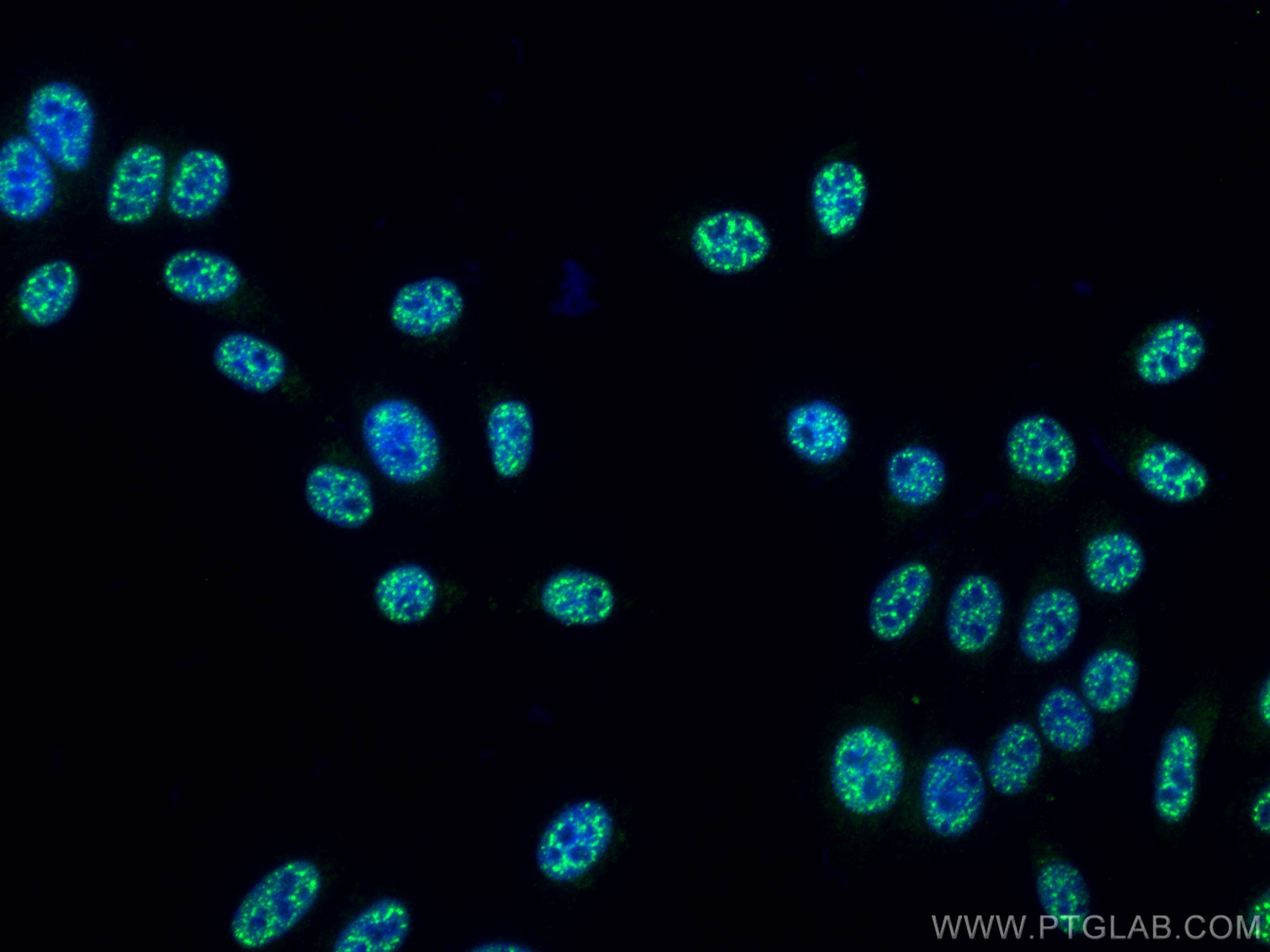
| Positive IF/ICC detected in | HepG2 cells |
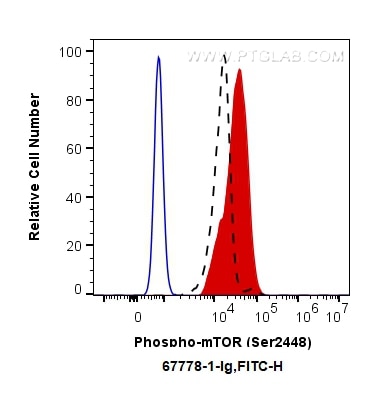
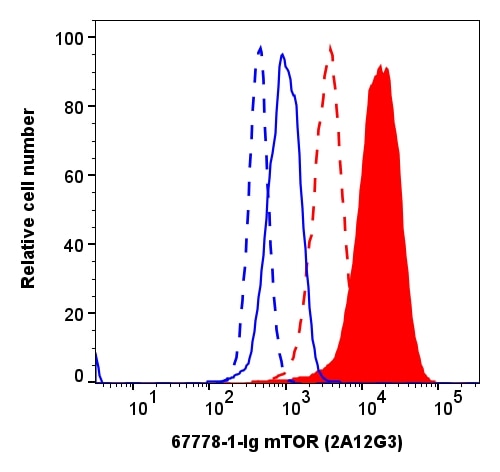
| Positive FC (Intra) detected in | Calyculin A treated HeLa cells, 100 nM Calyculin A (30 minutes) treated HeLa cells |
Recommended dilution
| Application | Dilution |
|---|---|
| Western Blot (WB) | WB : 1:2000-1:10000 |
| Immunofluorescence (IF)/ICC | IF/ICC : 1:50-1:500 |
| Flow Cytometry (FC) (INTRA) | FC (INTRA) : 0.50 ug per 10^6 cells in a 100 µl suspension |
| It is recommended that this reagent should be titrated in each testing system to obtain optimal results. | |
| Sample-dependent, Check data in validation data gallery. | |
Product Information
67778-1-Ig targets Phospho-mTOR (Ser2448) in WB, IF/ICC, FC (Intra), ELISA applications and shows reactivity with human, mouse, rat samples.
| Tested Reactivity | human, mouse, rat |
| Cited Reactivity | human, mouse, rat, pig, chicken, bovine, hamster |
| Host / Isotype | Mouse / IgG2b |
| Class | Monoclonal |
| Type | Antibody |
| Immunogen |
Peptide Predict reactive species |
| Full Name | FK506 binding protein 12-rapamycin associated protein 1 |
| Calculated Molecular Weight | 289 kDa |
| Observed Molecular Weight | 289 kDa |
| GenBank Accession Number | BC117166 |
| Gene Symbol | mTOR |
| Gene ID (NCBI) | 2475 |
| RRID | AB_2889842 |
| Conjugate | Unconjugated |
| Form | Liquid |
| Purification Method | Protein A purification |
| UNIPROT ID | P42345 |
| Storage Buffer | PBS with 0.02% sodium azide and 50% glycerol, pH 7.3. |
| Storage Conditions | Store at -20°C. Stable for one year after shipment. Aliquoting is unnecessary for -20oC storage. 20ul sizes contain 0.1% BSA. |
Background Information
MTOR, also named as FRAP1, FRAP, FRAP2 and RAPT1, belongs to the PI3/PI4-kinase family. MTOR is a Ser/Thr protein kinase that functions as an ATP and amino acid sensor to balance nutrient availability and cell growth. MTOR is kinase subunit of both mTORC1 and mTORC2, which regulate cell growth and survival in response to nutrient and hormonal signals. mTORC1 is activated in response to growth factors or amino-acids. mTORC2 is also activated by growth factors, but seems to be nutrient-insensitive. mTORC2 seems to function upstream of Rho GTPases to regulate the actin cytoskeleton, probably by activating one or more Rho-type guanine nucleotide exchange factors. mTORC2 promotes the serum-induced formation of stress-fibers or F-actin. mTOR is phosphorylated at Ser2448 via the PI3 kinase/Akt signaling pathway and autophosphorylated at Ser2481. mTOR plays a key role in cell growth and homeostasis and may be abnormally regulated in tumors.
Protocols
| Product Specific Protocols | |
|---|---|
| IF protocol for Phospho-mTOR (Ser2448) antibody 67778-1-Ig | Download protocol |
| WB protocol for Phospho-mTOR (Ser2448) antibody 67778-1-Ig | Download protocol |
| Standard Protocols | |
|---|---|
| Click here to view our Standard Protocols |
Publications
What published studies show
Anti-mTOR antibody (Cat# 67778-1-Ig) has accumulated 658 citations across high-impact journals including Autophagy, Nature Communications, Science Advances, Cell Death & Differentiation, Advanced Science, J Exp Clin Cancer Res, Phytomedicine, and Free Radical Biology and Medicine. Research fields span autophagy, mTOR/PI3K-AKT signaling, ferroptosis, cancer metabolism, neuroinflammation, liver fibrosis, bone/joint disorders, wound healing, and immune regulation, with applications primarily in Western blot and immunofluorescence across human, mouse, rat, and other species.
| Species | Application | Title |
|---|---|---|
Signal Transduct Target Ther A two-strata energy flux system driven by a stress hormone prioritizes cardiac energetics | ||
Cancer Commun (Lond) PTPRO represses colorectal cancer tumorigenesis and progression by reprogramming fatty acid metabolism. | ||
Bioact Mater A multimodal ROS logic-gated therapeutic platform disrupts the vicious cycle of senescence to promote aged bone defect repair. | ||
Autophagy Periplocin suppresses the growth of colorectal cancer cells by triggering LGALS3 (galectin 3)-mediated lysophagy | ||
Autophagy PRRSV NSP2 hijacks host lipophagy via a LIPE-PNPLA2-AMPK-MTOR axis to promote viral replication.
| ||
Autophagy The ubiquitination of CD274 at MERCs enhances the anti-tumor immunity of cervical cancer. |
Reviews
What customers say
The single review for this product is a 5-star rating from a Western Blot application on glioblastoma cell lines. The reviewer used the antibody at a 1:1000 dilution in 5% BSA with an overnight incubation at 4°C and reported detecting a sharp band above the 245 kDa marker, indicating clear and specific performance under these conditions.
The reviews below have been submitted by verified Proteintech customers who received an incentive for providing their feedback.
Lilas (Verified Customer) (06-29-2021) | Used antibody at a 1:1000 dilution in 5% BSA, and overnight incubation at 4 degrees. A sharp band detected above the 245 kDA marker using western blot.
|










