

Tested Applications
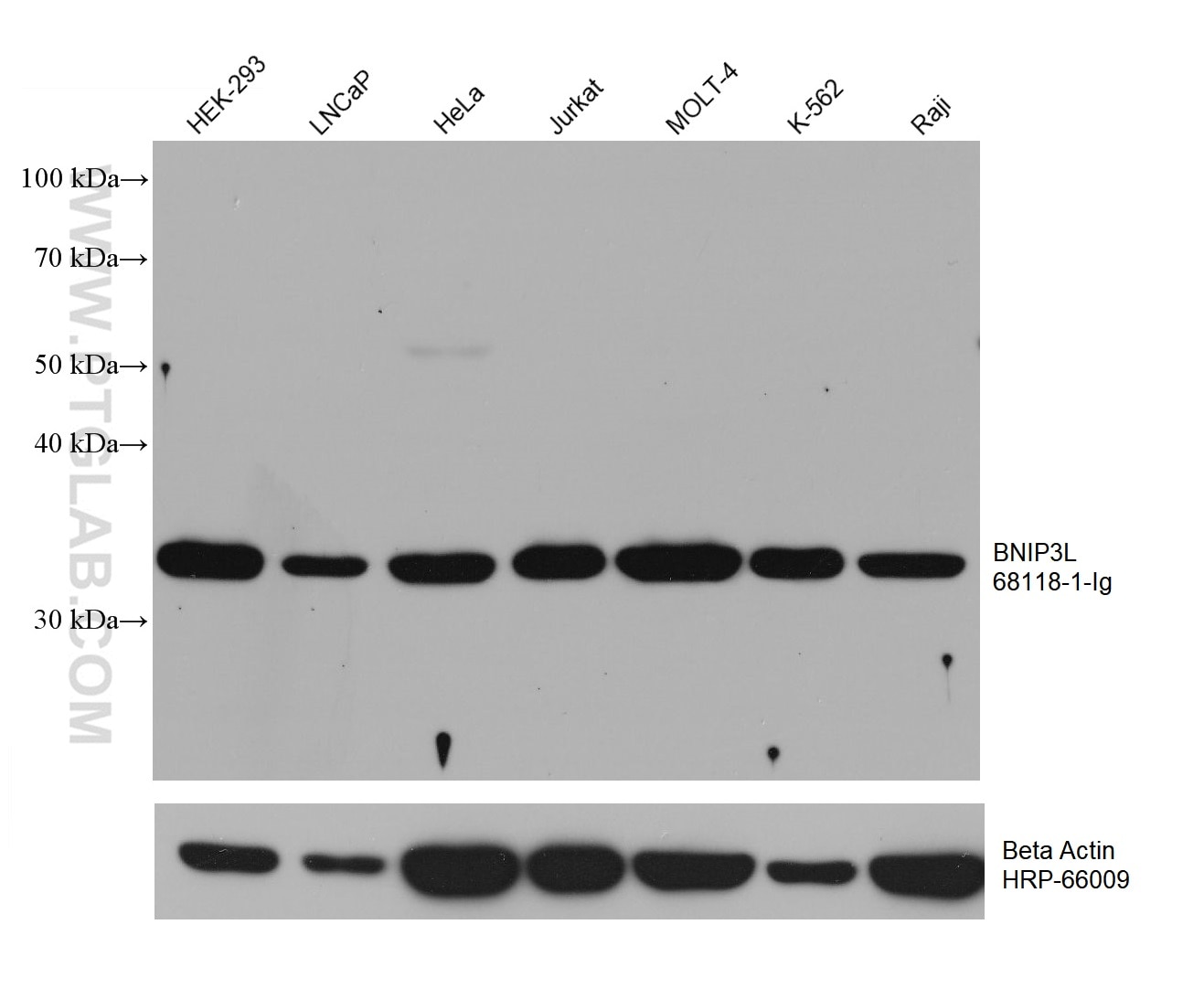
| Positive WB detected in | HEK-293 cells, LNCaP cells, HeLa cells, Jurkat cells, MOLT-4 cells, K-562 cells, Raji cells |
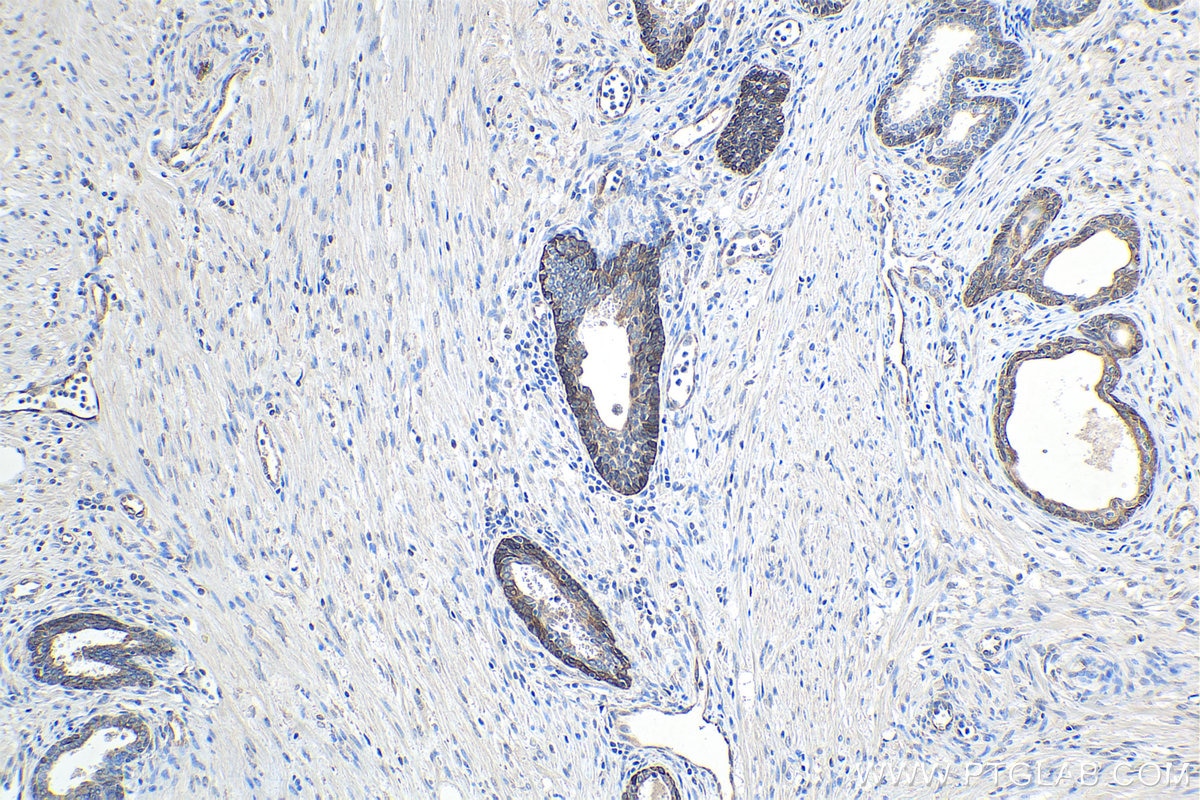
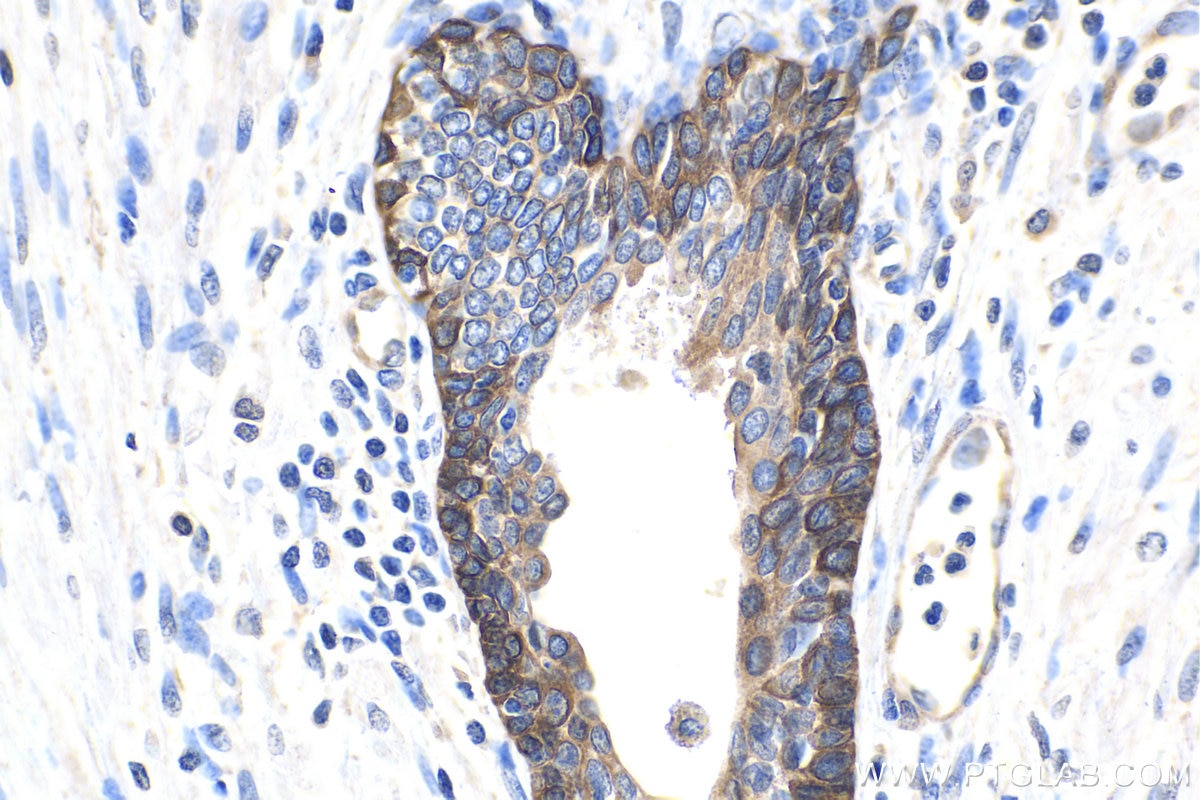
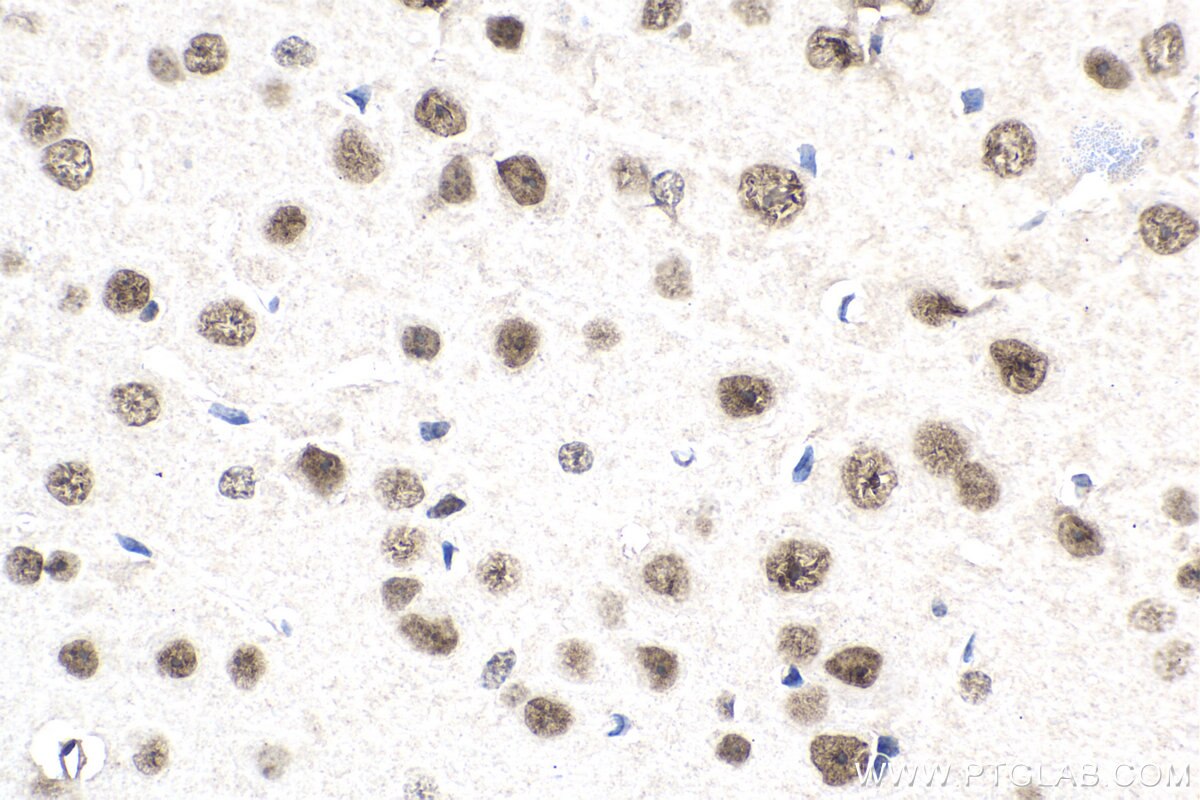
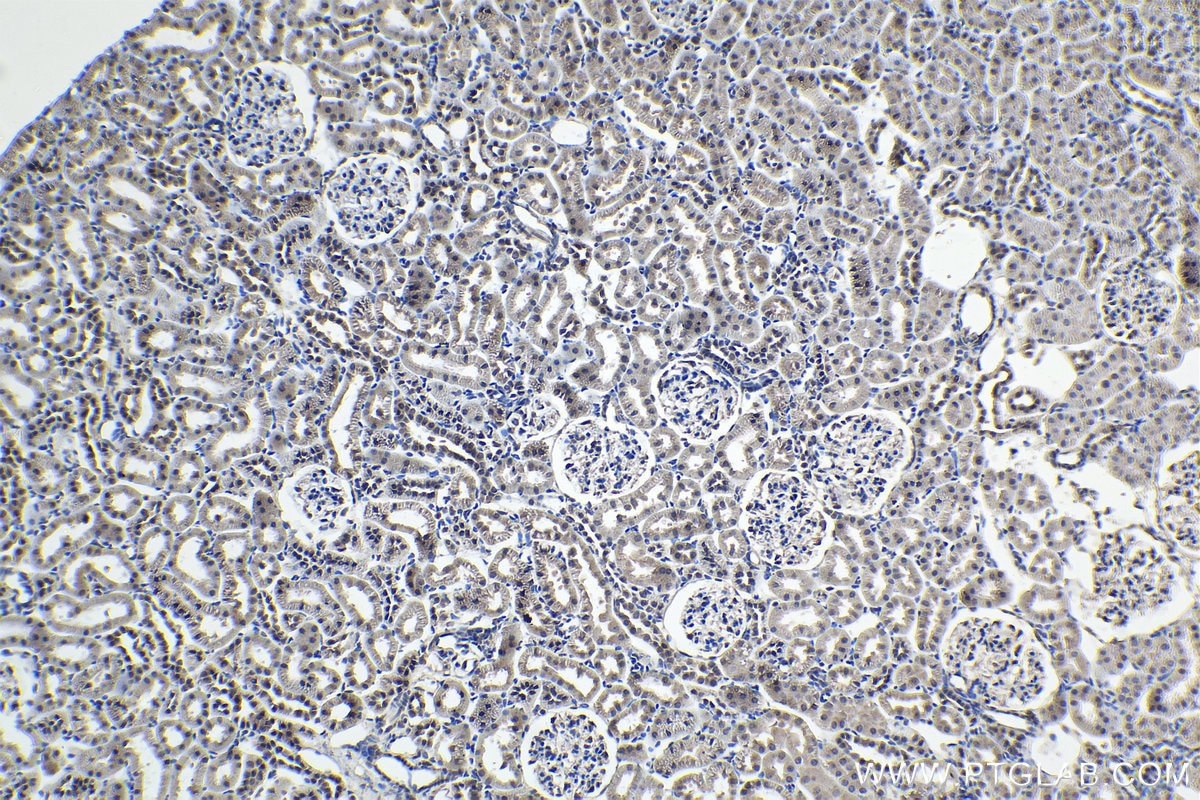
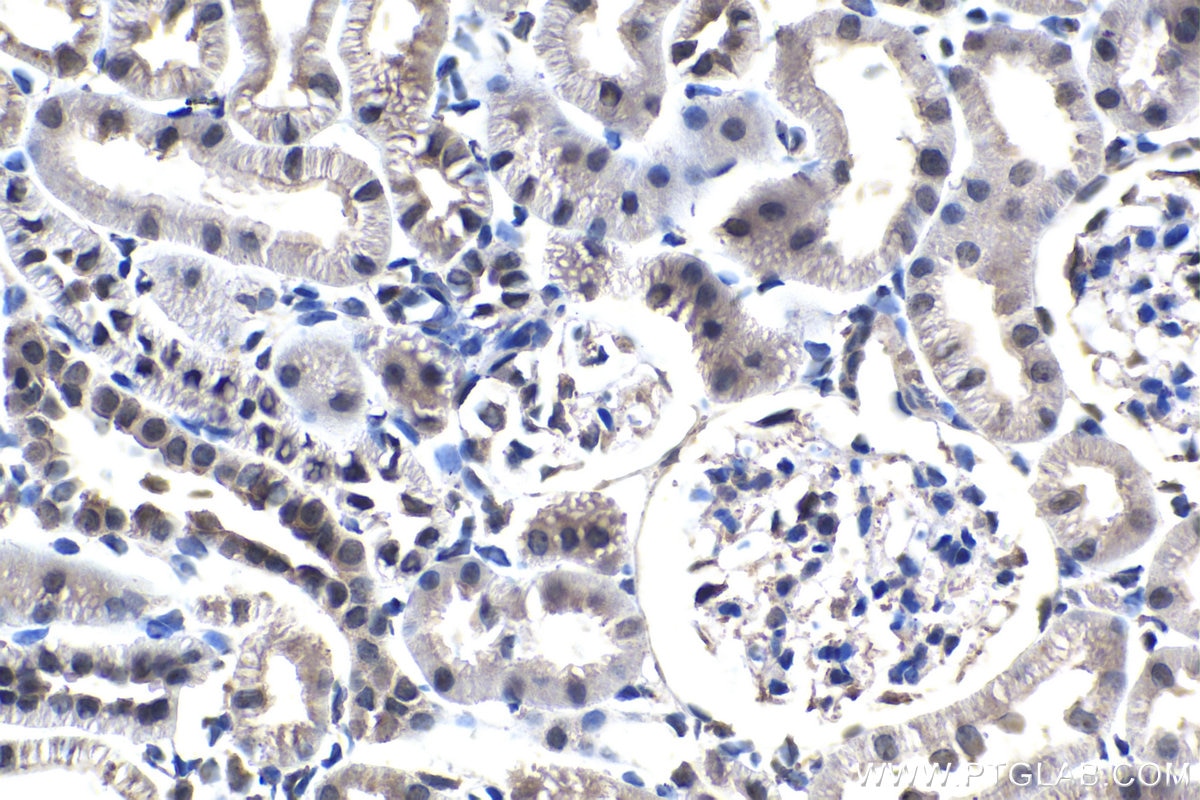
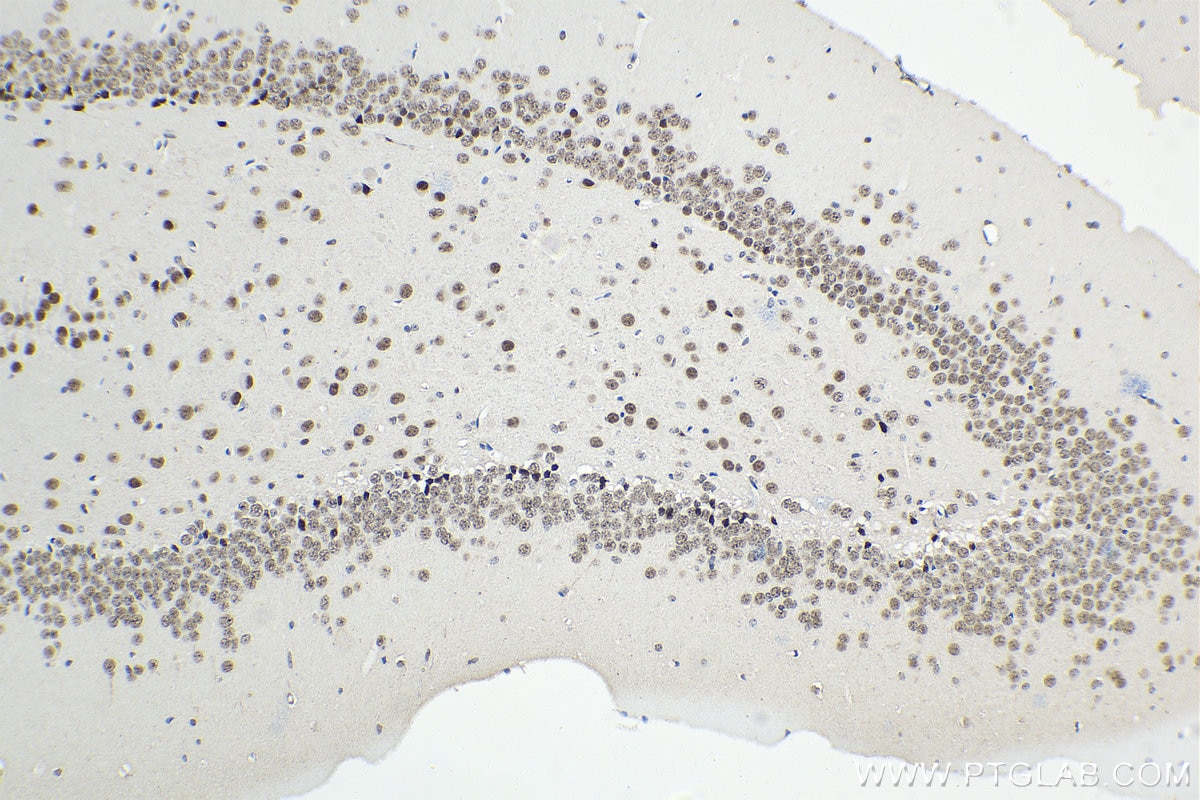
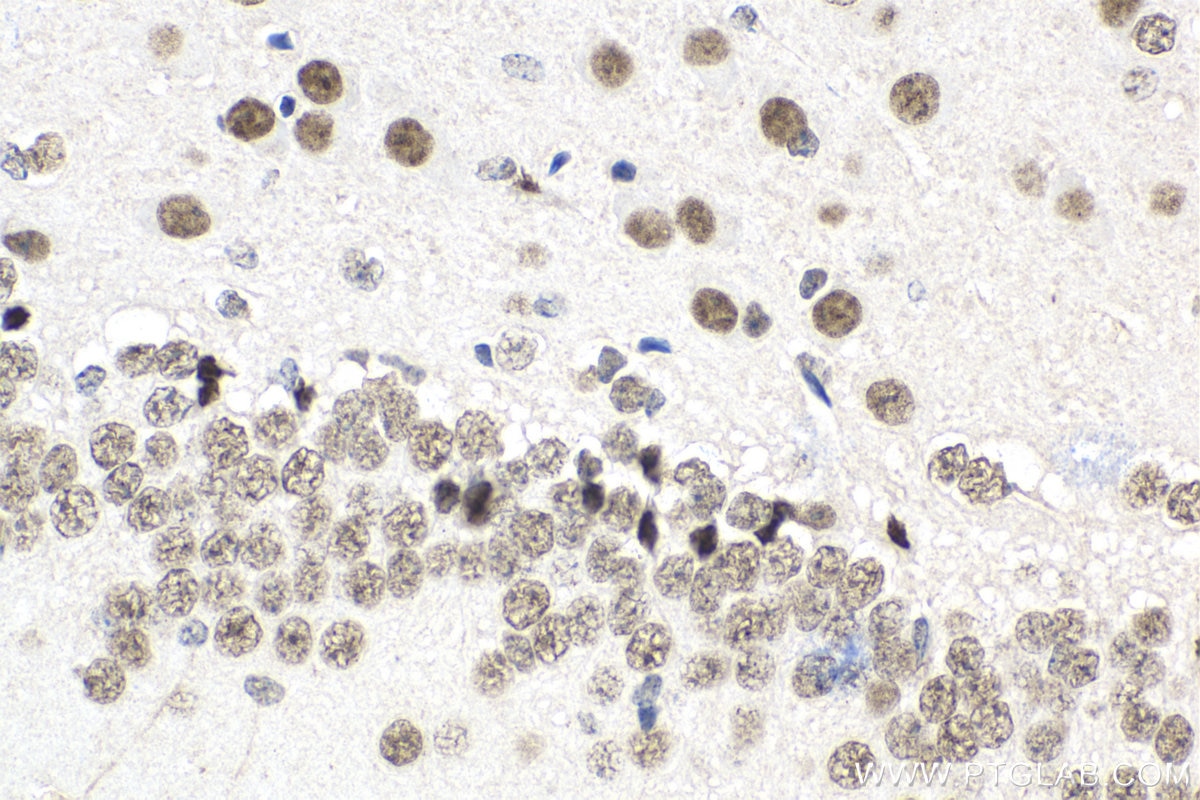
| Positive IHC detected in | rat kidney tissue, human prostate cancer tissue, mouse brain tissue Note: suggested antigen retrieval with TE buffer pH 9.0; (*) Alternatively, antigen retrieval may be performed with citrate buffer pH 6.0 |
Recommended dilution
| Application | Dilution |
|---|---|
| Western Blot (WB) | WB : 1:5000-1:50000 |
| Immunohistochemistry (IHC) | IHC : 1:500-1:2000 |
| It is recommended that this reagent should be titrated in each testing system to obtain optimal results. | |
| Sample-dependent, Check data in validation data gallery. | |
Product Information
68118-1-Ig targets BNIP3L in WB, IHC, IF, IP, ELISA applications and shows reactivity with human, mouse, rat samples.
| Tested Reactivity | human, mouse, rat |
| Cited Reactivity | human, mouse, rat, monkey |
| Host / Isotype | Mouse / IgG1 |
| Class | Monoclonal |
| Type | Antibody |
| Immunogen |
CatNo: Ag31547 Product name: Recombinant human BNIP3L protein Source: e coli.-derived, PET28a Tag: 6*His Domain: 77-146 aa of BC001559 Sequence: DAQHESGQSSSRGSSHCDSPSPQEDGQIMFDVEMHTSRDHSSQSEEEVVEGEKEVEALKKSADWVSDWSS Predict reactive species |
| Full Name | BCL2/adenovirus E1B 19kDa interacting protein 3-like |
| Calculated Molecular Weight | 24 kDa |
| Observed Molecular Weight | 35 kD |
| GenBank Accession Number | BC001559 |
| Gene Symbol | BNIP3L |
| Gene ID (NCBI) | 665 |
| RRID | AB_2923647 |
| Conjugate | Unconjugated |
| Form | Liquid |
| Purification Method | Protein G purification |
| UNIPROT ID | O60238 |
| Storage Buffer | PBS with 0.02% sodium azide and 50% glycerol, pH 7.3. |
| Storage Conditions | Store at -20°C. Stable for one year after shipment. Aliquoting is unnecessary for -20oC storage. 20ul sizes contain 0.1% BSA. |
Background Information
BNIP3L/Nix is a mitochondrial protein from the outer membrane that belongs to the BH3-only protein from the BCL2 family. BNIP3L was initially recognized as a proapoptotic protein with milder efficacy in inducing apoptosis compared to other proteins in this family. These phenotypes raised concerns about the molecular function of BNIP3L besides inducing apoptosis. Moreover, studies have shown that BNIP3L is a 24-kDa protein, which is predominantly expressed as a 48-kDa dimer. When analyzed by SDS-PAGE, BNIP3 migrates predominantly as a about 60 kDa dimer in addition to the 30 kDa monomer. (PMID: 34930907, PMID: 32286918)
Protocols
| Product Specific Protocols | |
|---|---|
| IHC protocol for BNIP3L antibody 68118-1-Ig | Download protocol |
| WB protocol for BNIP3L antibody 68118-1-Ig | Download protocol |
| Standard Protocols | |
|---|---|
| Click here to view our Standard Protocols |
Publications
What published studies show
I'll search for citations for catalog 68118-1-Ig.The BNIP3L Monoclonal antibody (cat# 68118-1-Ig) has 19 total citations. Appearing in journals such as Autophagy, Cell Death & Disease, Journal of Translational Medicine, Antioxidants, PLoS Pathogens, Cell Death & Differentiation, FASEB J, Biomarker Research, Int Immunopharmacol, Biology Direct, Chem Biol Interact, and others. The cited studies focus on mitophagy, mitochondrial dynamics/homeostasis, innate immunity (viral evasion), hypoxia/HIF pathways, ferroptosis, apoptosis, and cancer- and disease-related research (bladder cancer, gastric cancer, fibrosis, COPD, cognitive deficits).
| Species | Application | Title |
|---|---|---|
Autophagy Tegument protein UL16 of herpes simplex virus 1 suppresses the innate immune response by downregulating MAVS abundance via mitophagy. | ||
Autophagy Bunyavirus SFTSV nucleoprotein exploits tufm-mediated mitophagy to impair antiviral innate immunity | ||
Cell Death Dis HPC restores mitochondrial homeostasis and ameliorates hypoxic stress through the GSK-3β/β-catenin signaling pathway. | ||
J Transl Med SRSF1-mediated alternative splicing regulates bladder cancer progression and cisplatin sensitivity through HIF1A/BNIP3/mitophagy axis | ||
J Transl Med Procyanidin C1 ameliorates acidic pH stress induced nucleus pulposus degeneration through SIRT3/FOXO3-mediated mitochondrial dynamics | ||
Antioxidants (Basel) Camelliasaponin B1, a Saponin from Camellia oleifera Seed, Protects Against Oxidative Stress and Is Associated with Reduced BNIP3/NIX-LC3B Expression in PC12 Cells. |









