
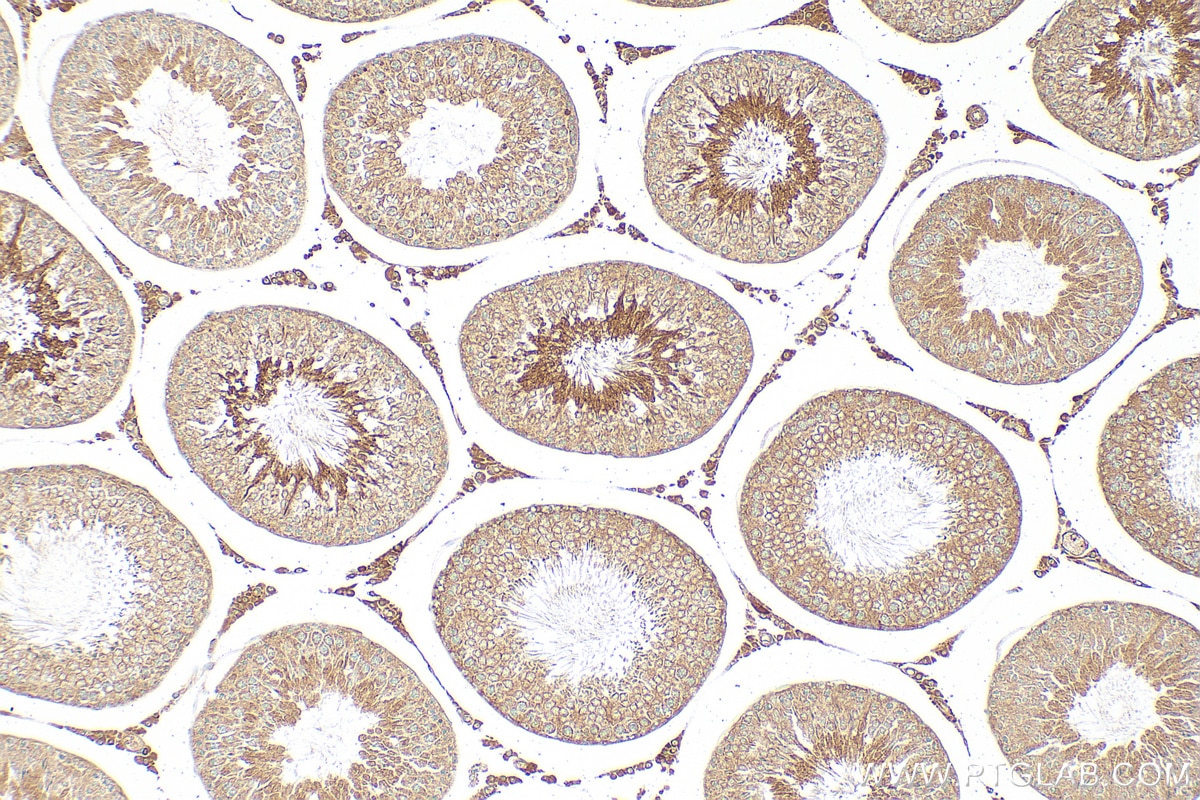
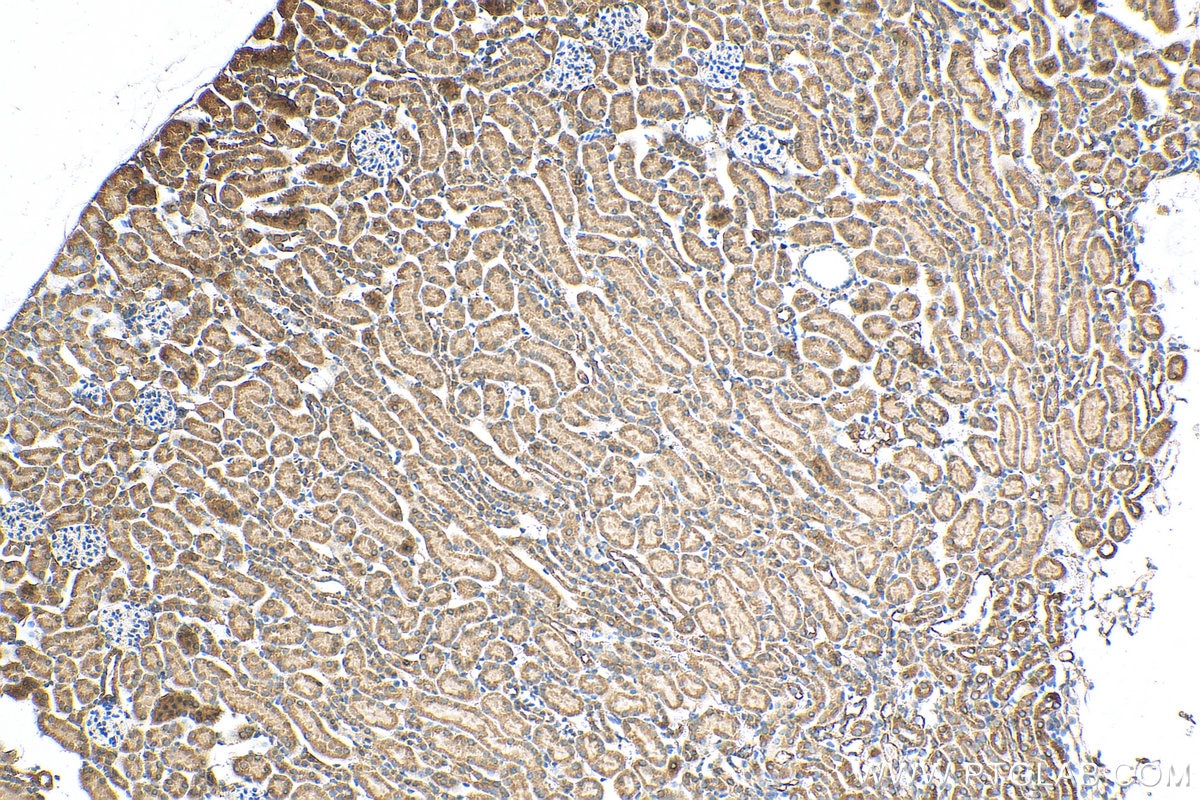
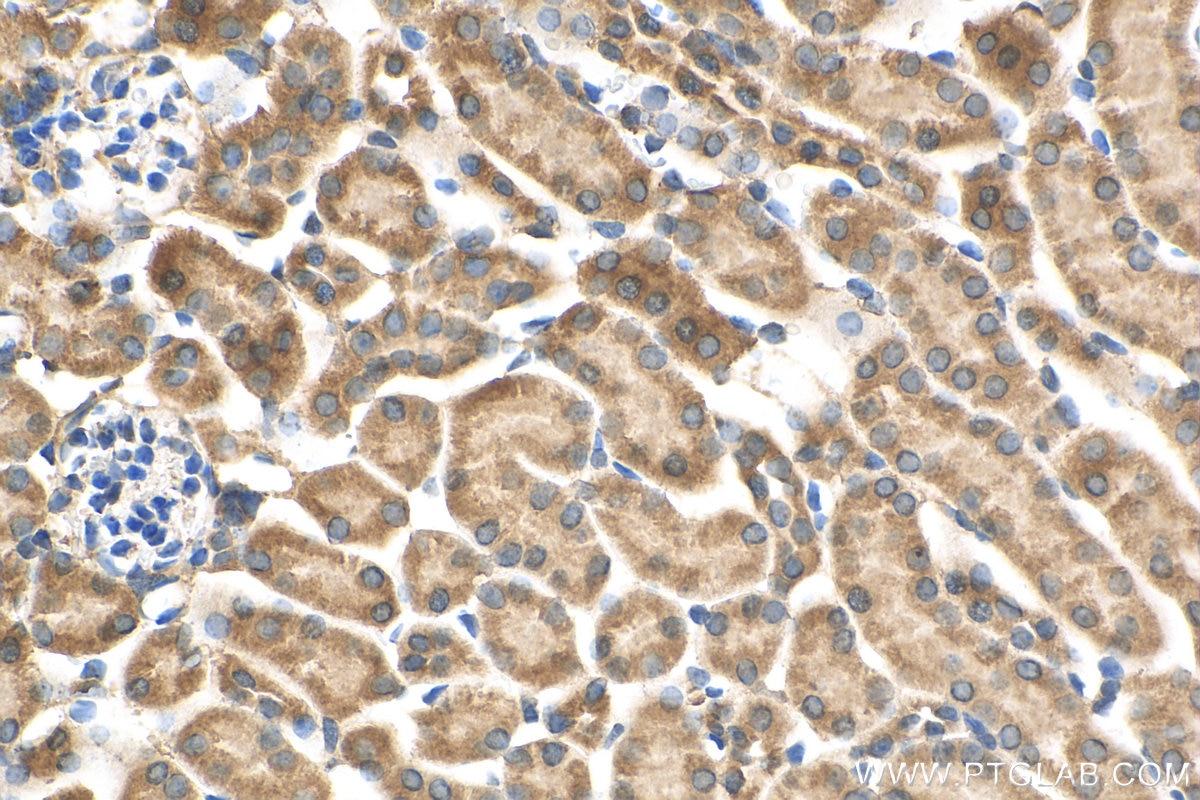
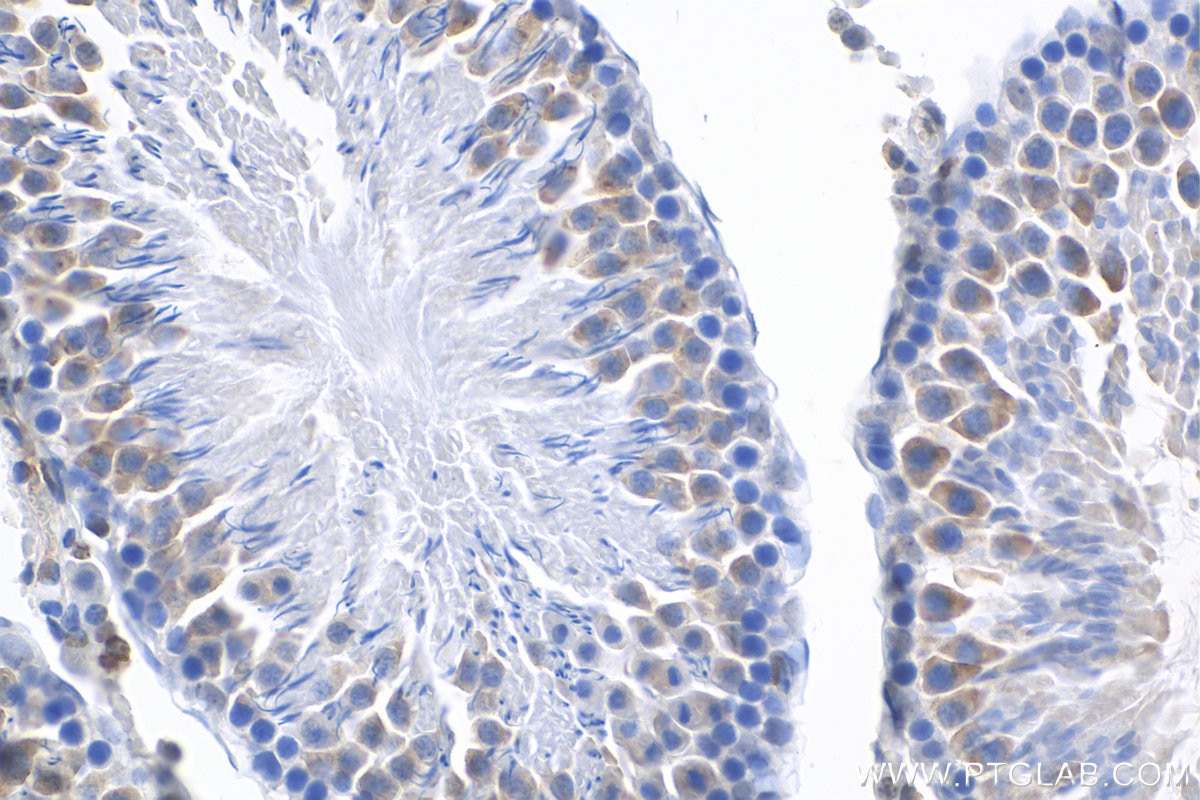

Tested Applications
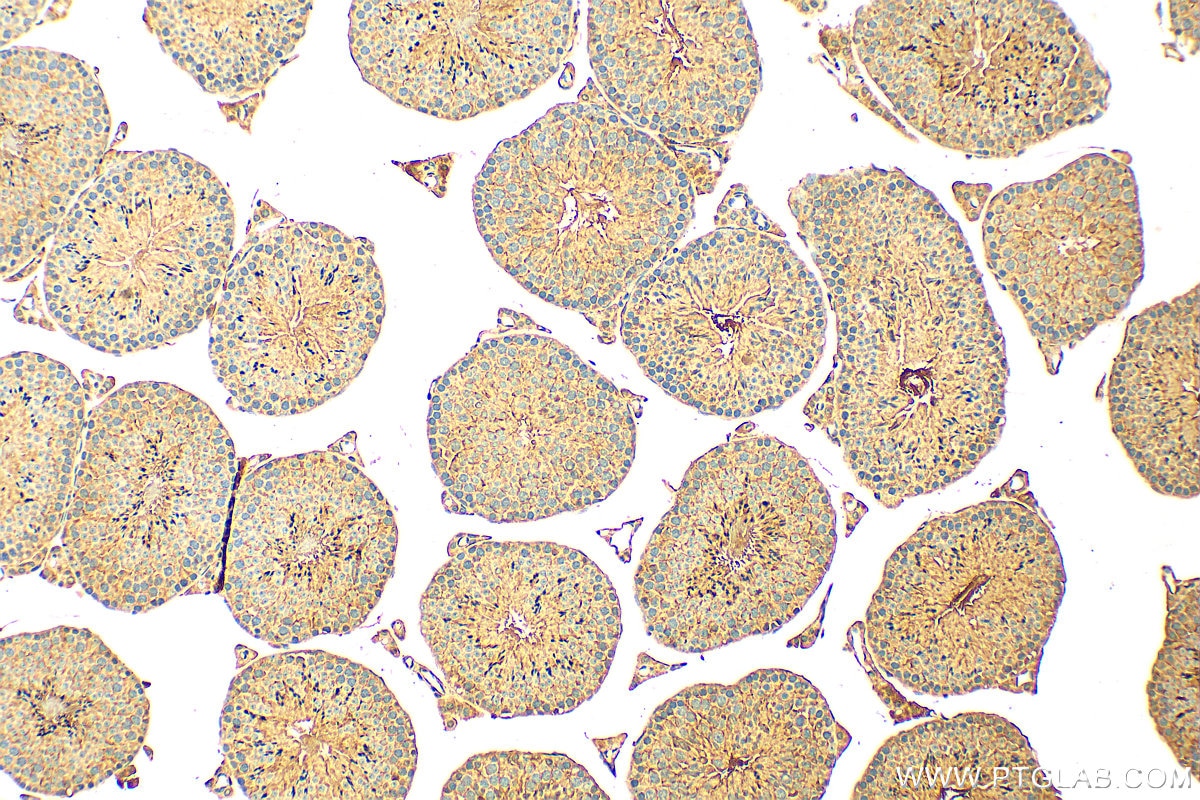
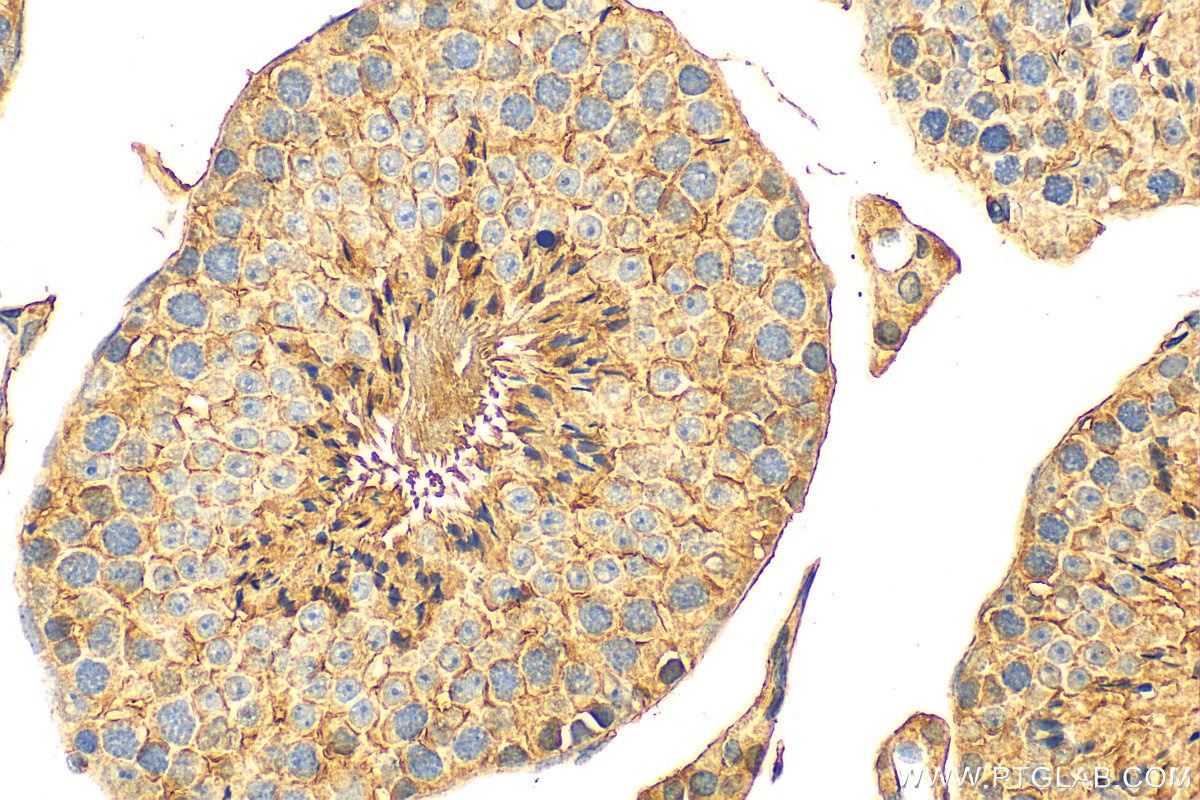
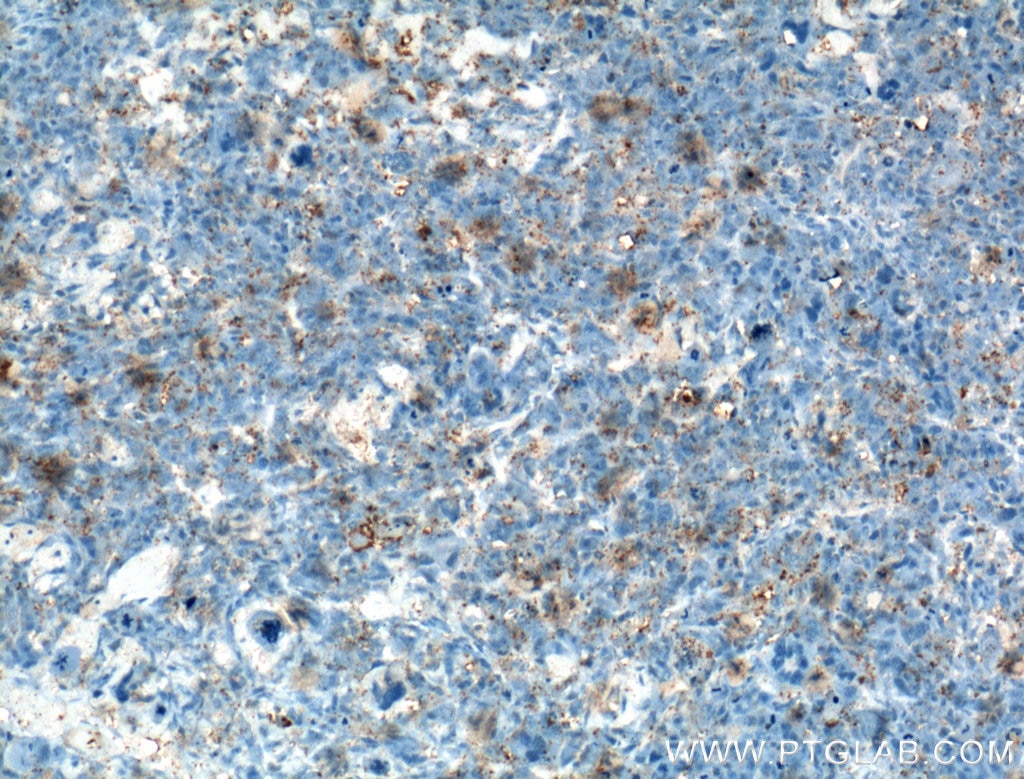
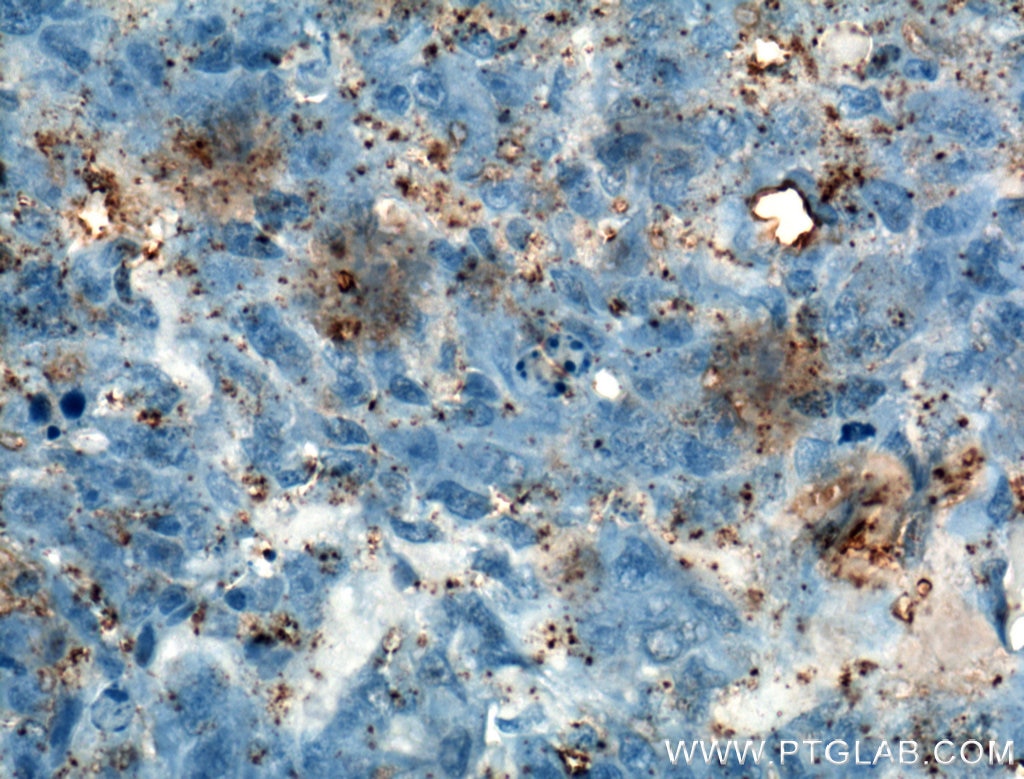
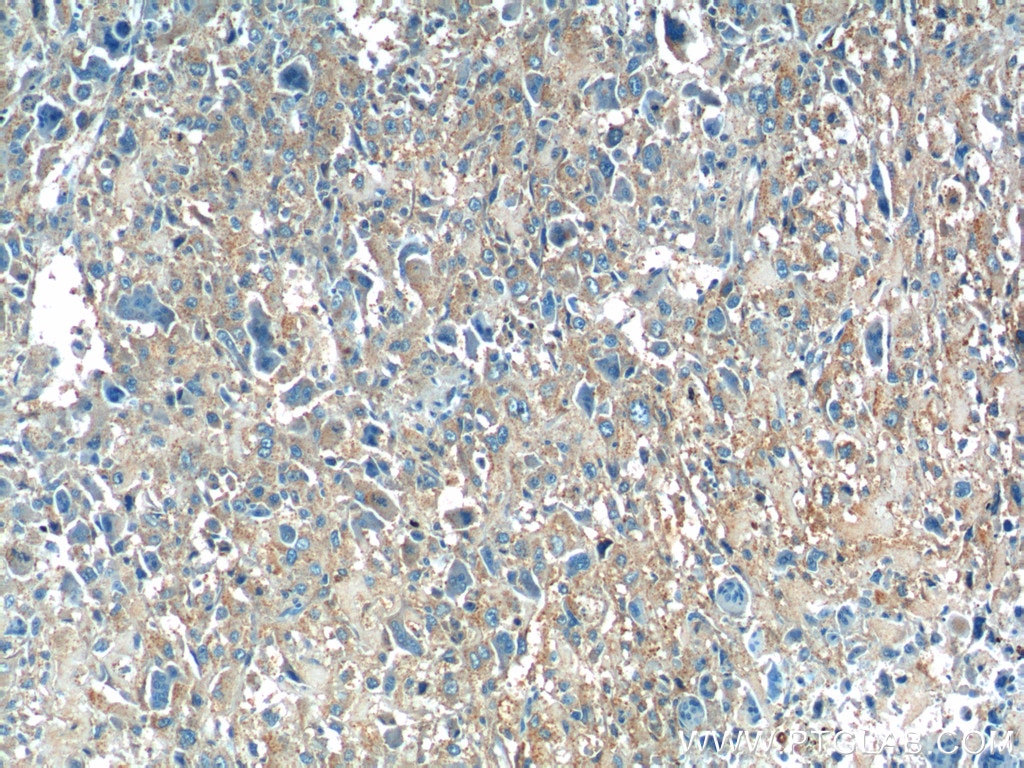
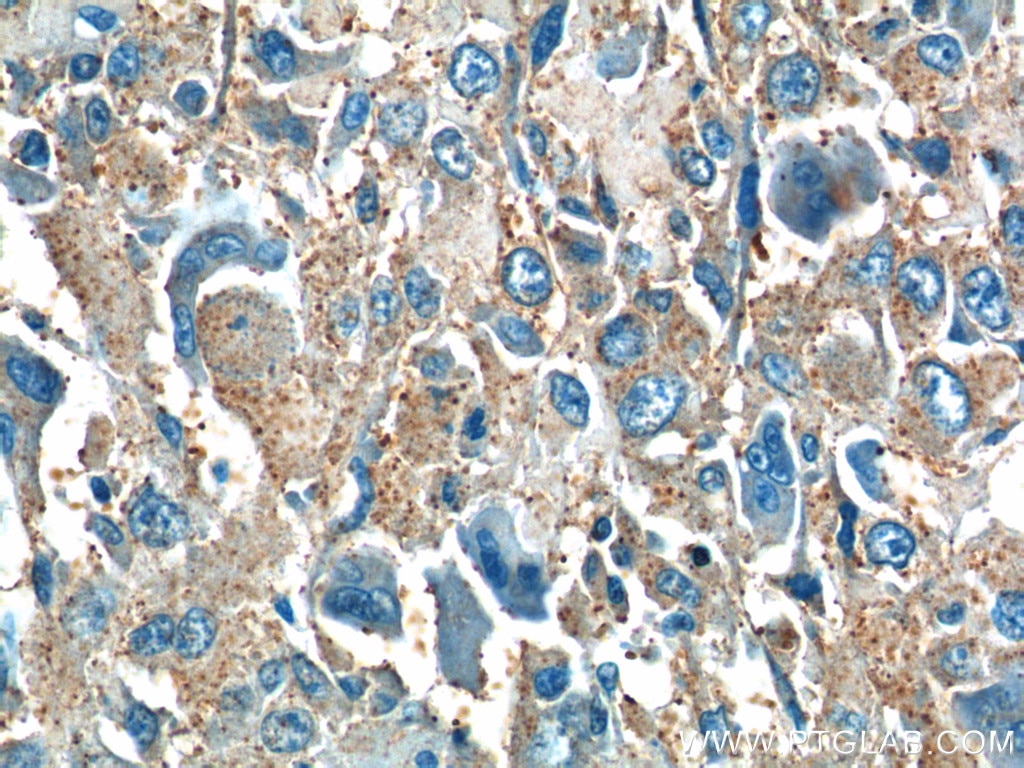
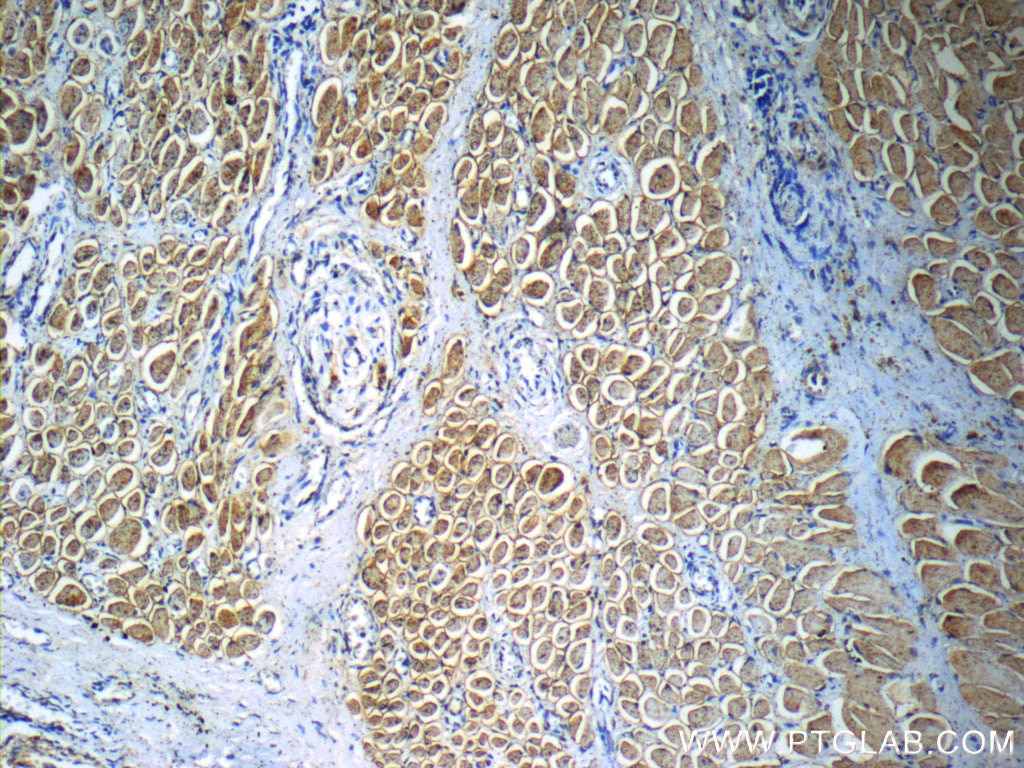
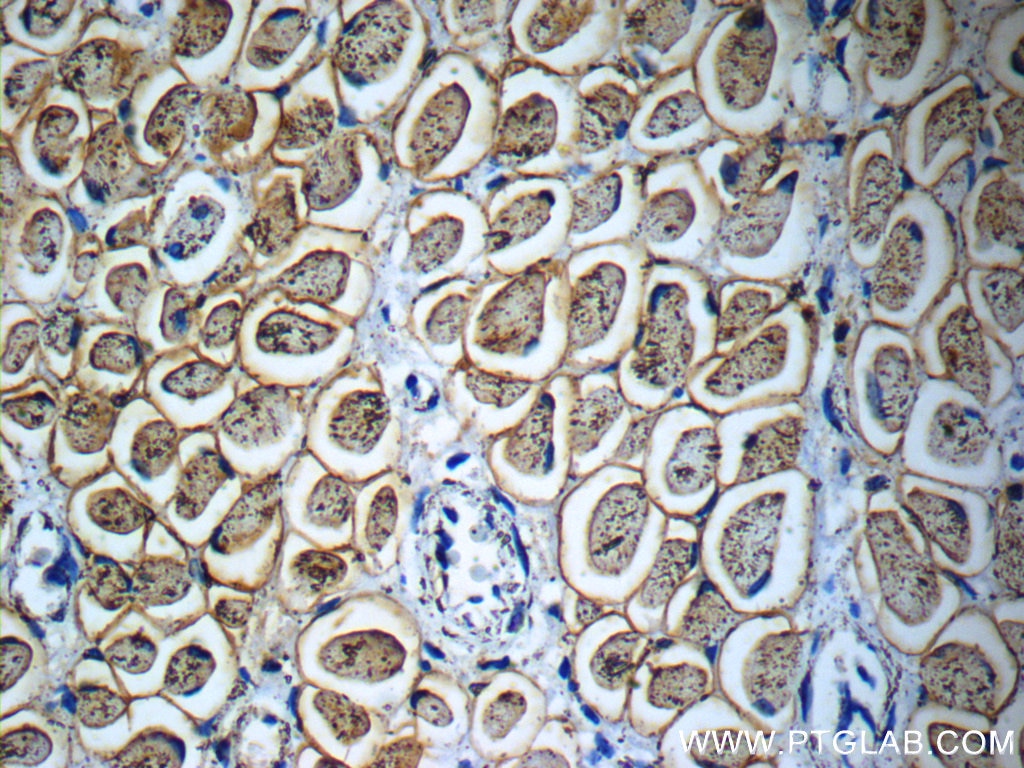
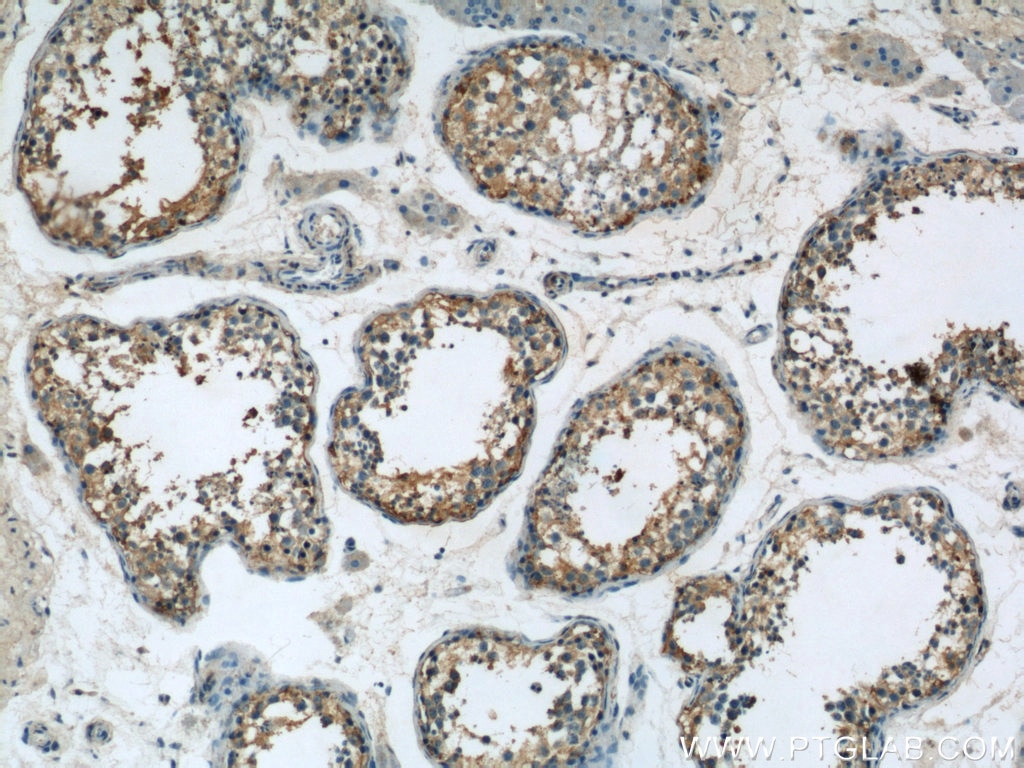
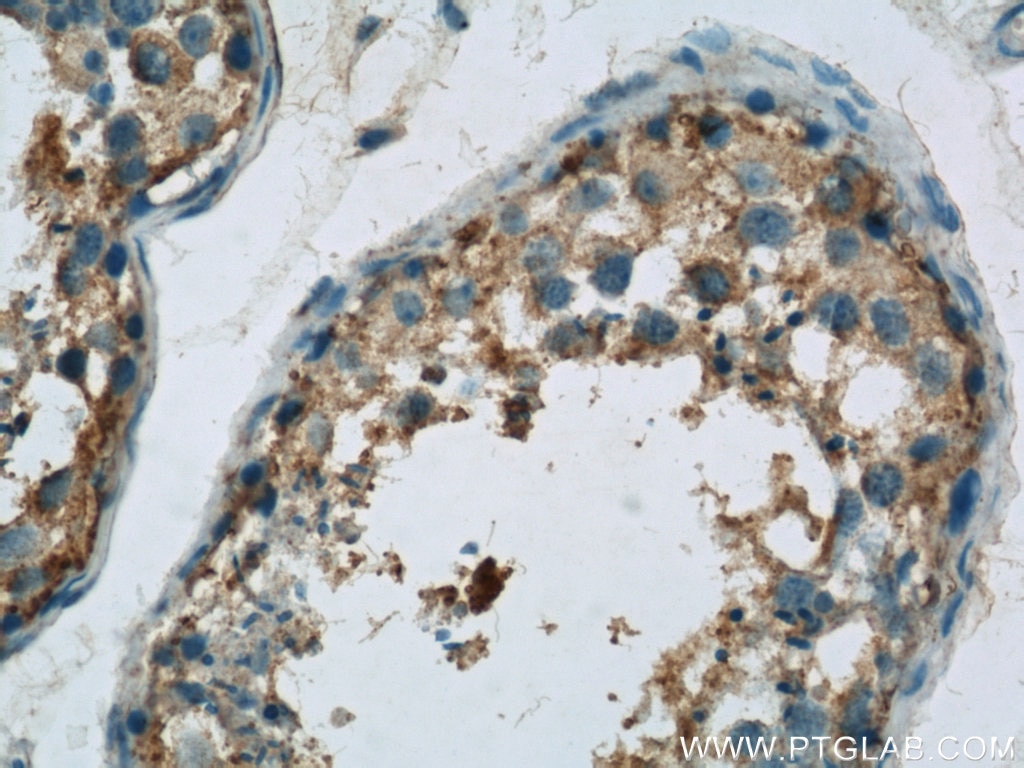
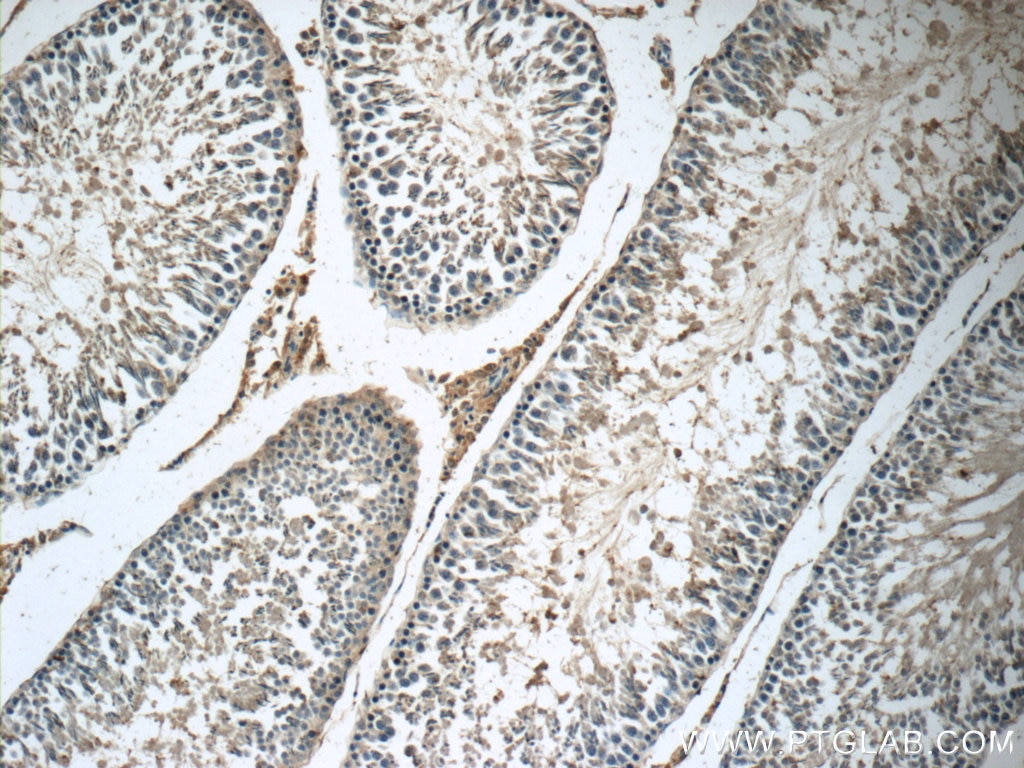
| Positive IHC detected in | mouse testis tissue, human osteosarcoma tissue, human testis tissue, rat testis tissue, mouse kidney tissue Note: suggested antigen retrieval with TE buffer pH 9.0; (*) Alternatively, antigen retrieval may be performed with citrate buffer pH 6.0 |
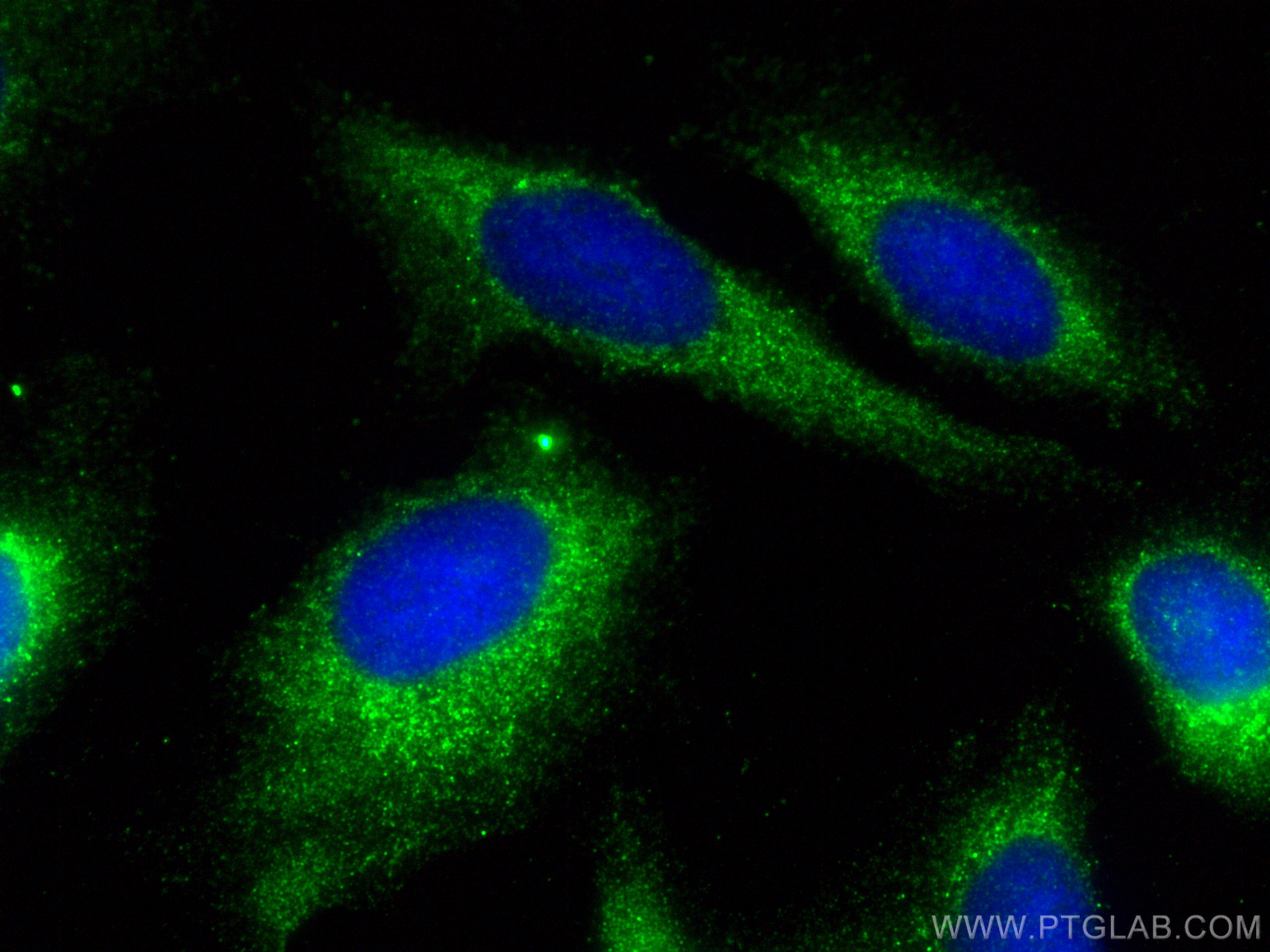
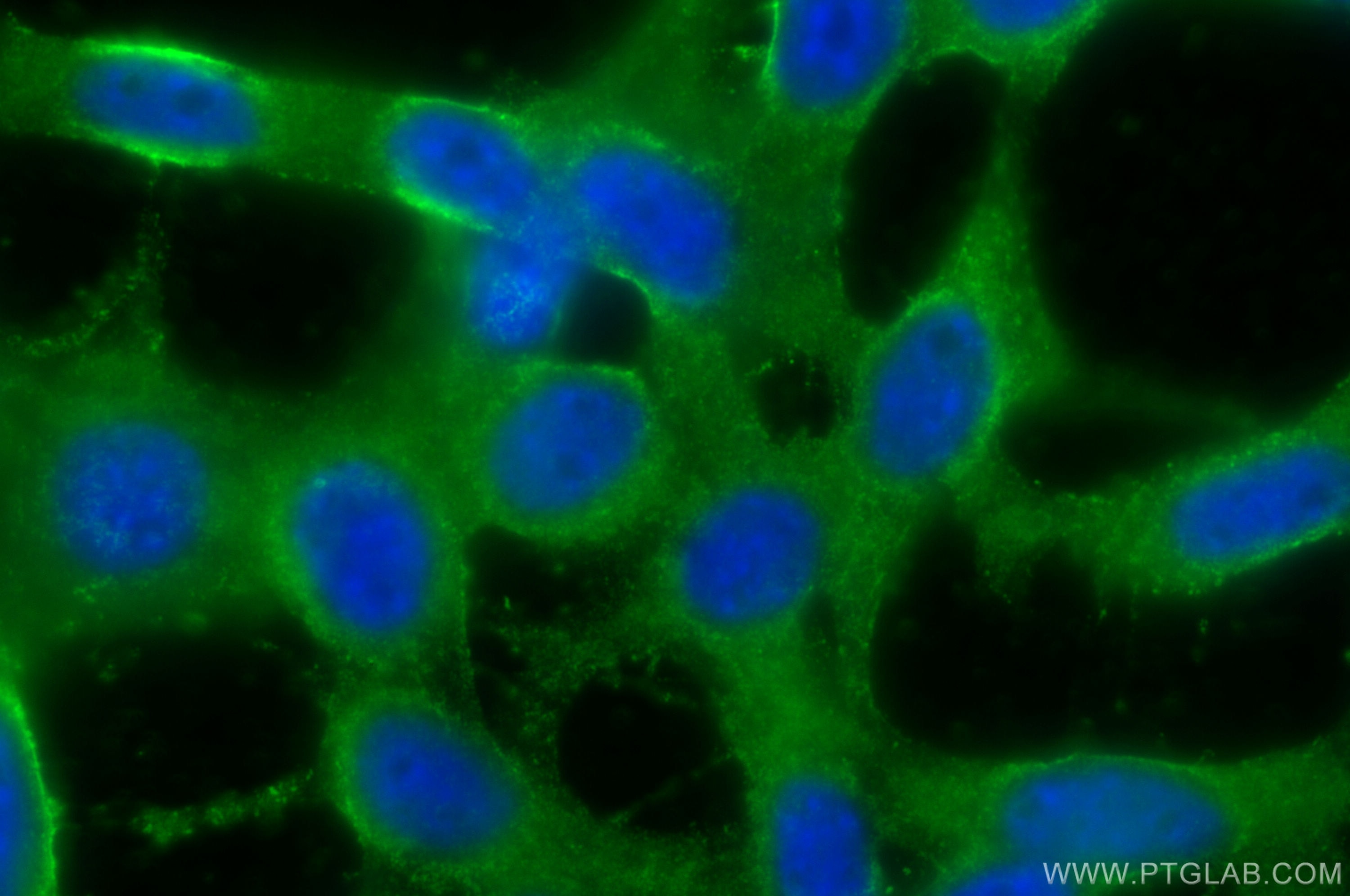
| Positive IF/ICC detected in | U2OS cells, NIH/3T3 cells |
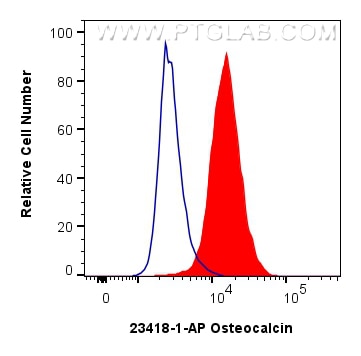
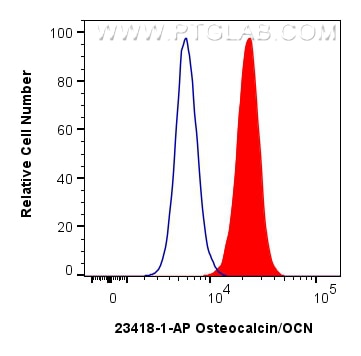
| Positive FC (Intra) detected in | NIH/3T3 cells, U2OS cells |
Recommended dilution
| Application | Dilution |
|---|---|
| Immunohistochemistry (IHC) | IHC : 1:50-1:500 |
| Immunofluorescence (IF)/ICC | IF/ICC : 1:200-1:800 |
| Flow Cytometry (FC) (INTRA) | FC (INTRA) : 0.40 ug per 10^6 cells in a 100 µl suspension |
| It is recommended that this reagent should be titrated in each testing system to obtain optimal results. | |
| Sample-dependent, Check data in validation data gallery. | |
Product Information
23418-1-AP targets Osteocalcin/OCN in IHC, IF/ICC, FC (Intra), ELISA applications and shows reactivity with human, mouse, rat samples.
| Tested Reactivity | human, mouse, rat |
| Cited Reactivity | human, mouse, rat, pig, rabbit, canine, goat |
| Host / Isotype | Rabbit / IgG |
| Class | Polyclonal |
| Type | Antibody |
| Immunogen |
CatNo: Ag20065 Product name: Recombinant human Osteocalcin protein Source: e coli.-derived, PGEX-4T Tag: GST Domain: 24-100 aa of BC113432 Sequence: KPSGAESSKGAAFVSKQEGSEVVKRPRRYLYQWLGAPVPYPDPLEPRREVCELNPDCDELADHIGFQEAYRRFYGPV Predict reactive species |
| Full Name | bone gamma-carboxyglutamate (gla) protein |
| Calculated Molecular Weight | 100 aa, 11 kDa |
| GenBank Accession Number | BC113432 |
| Gene Symbol | Osteocalcin |
| Gene ID (NCBI) | 632 |
| RRID | AB_2879275 |
| Conjugate | Unconjugated |
| Form | Liquid |
| Purification Method | Antigen affinity purification |
| UNIPROT ID | P02818 |
| Storage Buffer | PBS with 0.02% sodium azide and 50% glycerol, pH 7.3. |
| Storage Conditions | Store at -20°C. Stable for one year after shipment. Aliquoting is unnecessary for -20oC storage. 20ul sizes contain 0.1% BSA. |
Background Information
Osteocalcin is a small, highly conserved molecule associated with mineralization of bone matrix. Osteocalcin is specifically expressed in osteoblasts and is the most abundant non-collagenous protein in bone. It regulates the dynamics of new bone formation and bone resorption by interaction with vitamin D, and by influencing the differentiation of osteoblasts. Osteocalcin is also involved in the posttranslational targeting of vitamin K-dependent gamma-carboxylation, which controls blood coagulation.
Protocols
| Product Specific Protocols | |
|---|---|
| FC protocol for Osteocalcin/OCN antibody 23418-1-AP | Download protocol |
| IF protocol for Osteocalcin/OCN antibody 23418-1-AP | Download protocol |
| IHC protocol for Osteocalcin/OCN antibody 23418-1-AP | Download protocol |
| Standard Protocols | |
|---|---|
| Click here to view our Standard Protocols |
Publications
What published studies show
The Osteocalcin/OCN Polyclonal antibody (Cat# 23418-1-AP) has accumulated 374 citations published in high-impact journals including Science, Advanced Materials, Nature Communications, Nature Biomedical Engineering, Biomaterials, Acta Biomaterialia, Theranostics, Journal of Clinical Investigation, and Bone Research. Research fields covered include bone regeneration and tissue engineering, osteoporosis, osteogenesis, biomaterial scaffold design, bone defect repair, periodontitis, heterotopic ossification, and immune regulation in skeletal biology.
| Species | Application | Title |
|---|---|---|
Science Regional encoding of enteric nervous system responses to microbiota and type 2 inflammation. | ||
Adv Mater Engineered Surfaces that Promote Capture of Latent Proteins to Facilitate Integrin-Mediated Mechanical Activation of Growth Factors | ||
Adv Mater Supramolecular Hydrogel with Ultra-Rapid Cell-Mediated Network Adaptation for Enhancing Cellular Metabolic Energetics and Tissue Regeneration | ||
Adv Mater Magnetoelectric Coupling Stimulation Modulates Macrophage Reprogramming for Superior Infected Periodontal Tissue Regeneration. | ||
Adv Mater Biodegradable Self-Enhancing Piezoelectric Scaffold for Synchronized Tendon-to-Bone Regeneration. |
Reviews
What customers say
Most reviewers report good performance for Western Blot and Immunofluorescence in mouse heart tissue, with one user highlighting strong specificity and recommending the antibody at 1:1000 (WB) and 1:1:100 (IF). However, experiences vary: one user noted weak bands at the expected size, and another reported poor results in mouse kidney by WB. Overall, the antibody is well-received for cardiac applications but may show inconsistent performance across different tissues or experimental setups.
The reviews below have been submitted by verified Proteintech customers who received an incentive for providing their feedback.
CHAO (Verified Customer) (03-31-2022) | Weak bands around the correct size
|
LUNFENG (Verified Customer) (01-27-2020) | GOOD
|
Jie (Verified Customer) (01-23-2020) | Not working very well in my western blot
|
Canzhao (Verified Customer) (01-17-2020) | This antibody worked very well on western blot and immunofluorescence, very specific. I recommend this antibody!
|




















