
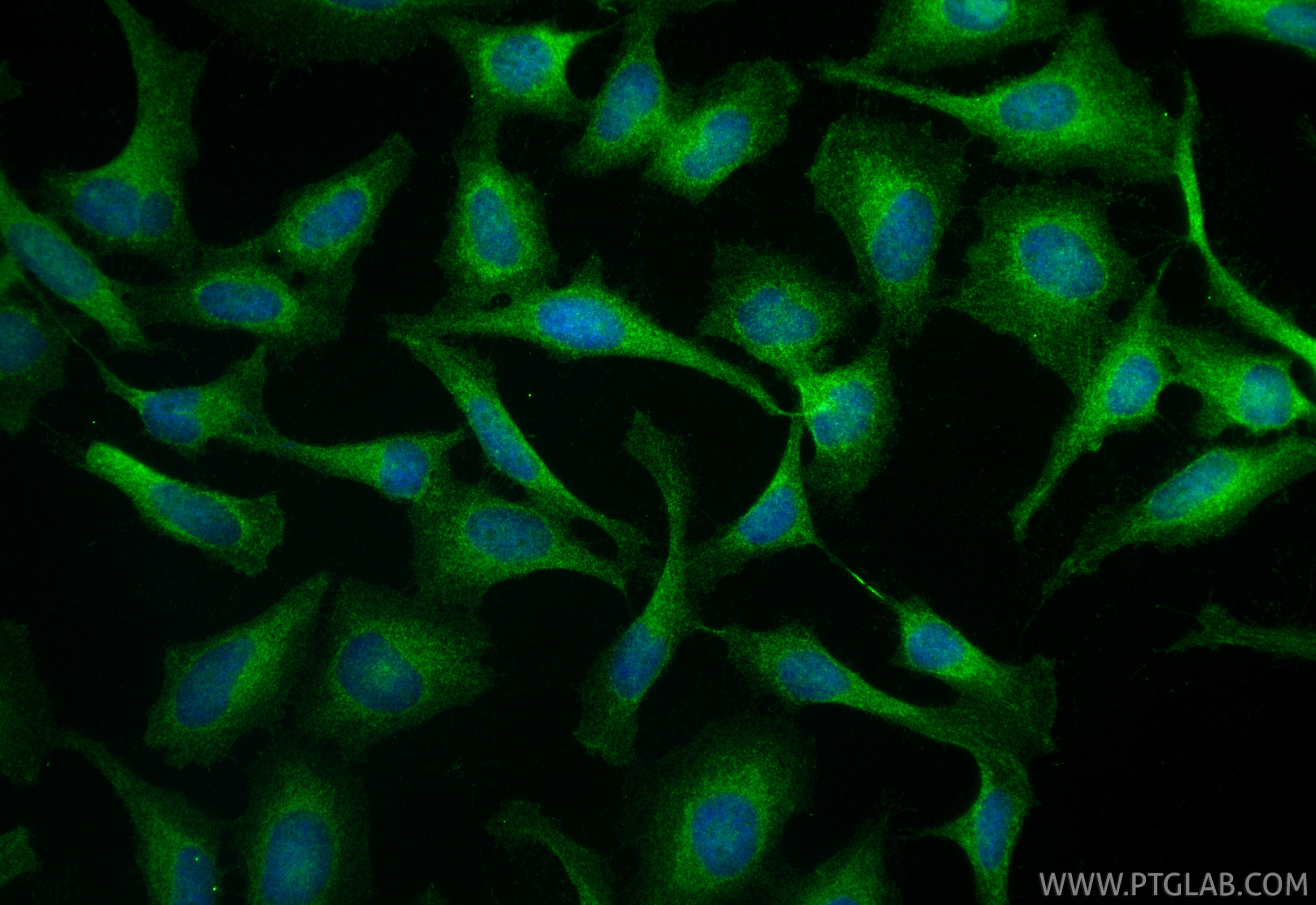
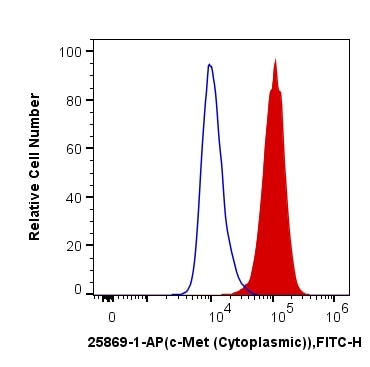

Tested Applications
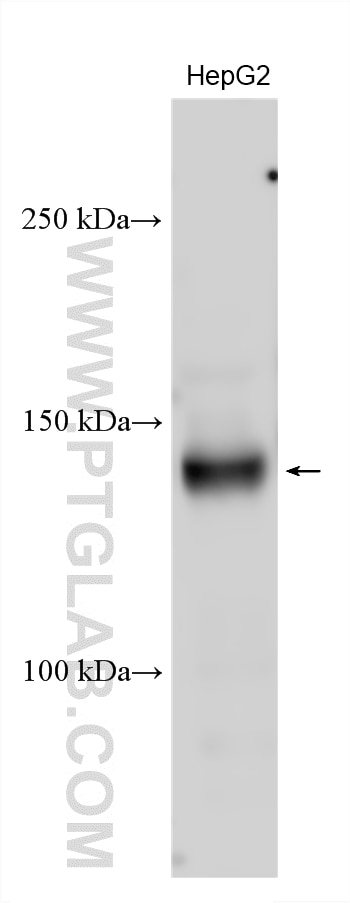
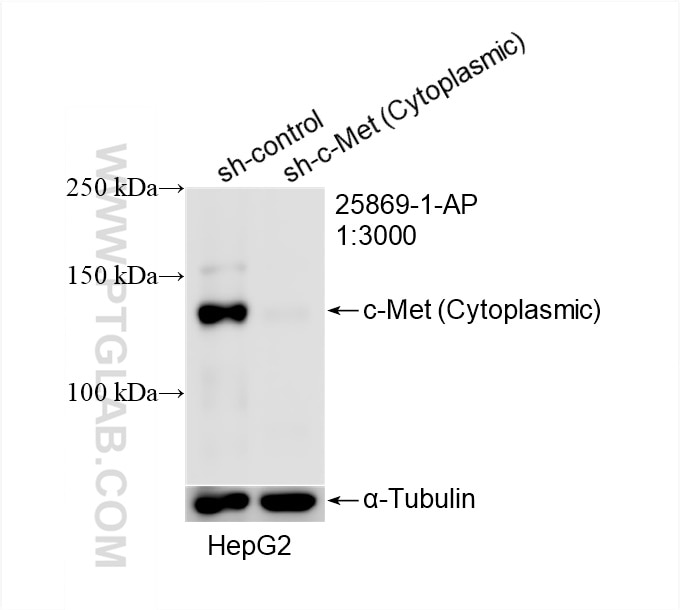
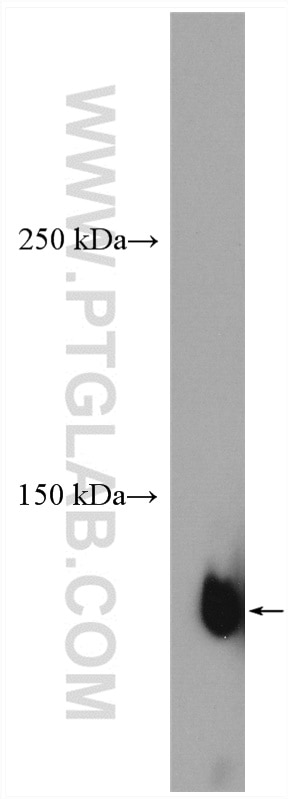
| Positive WB detected in | HepG2 cells, MDCK cells |
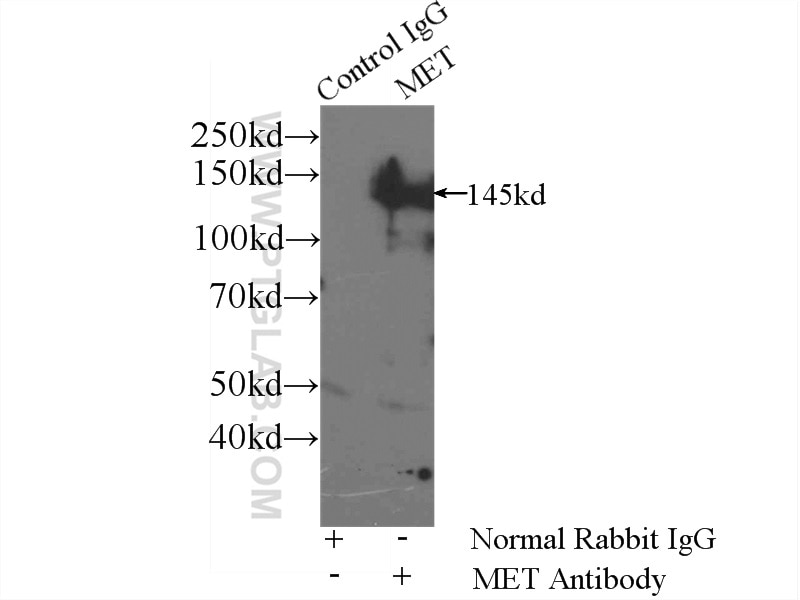
| Positive IP detected in | HeLa cells |
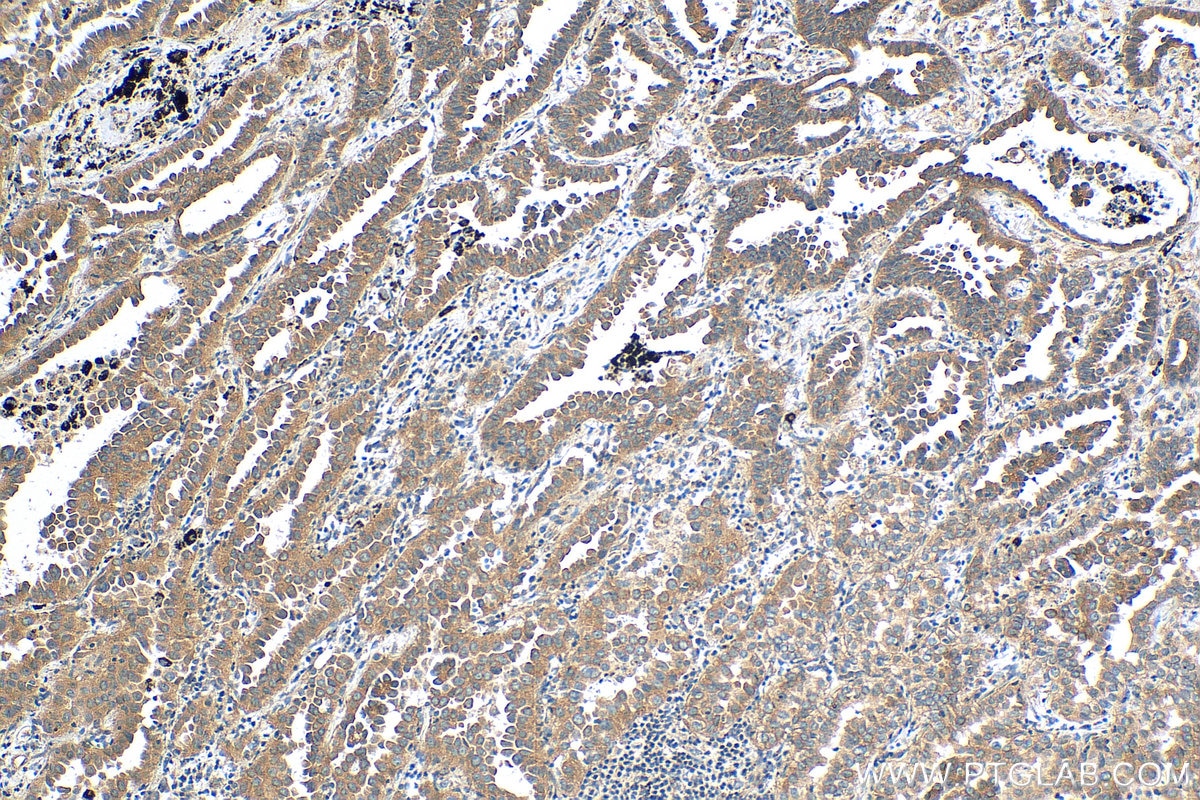
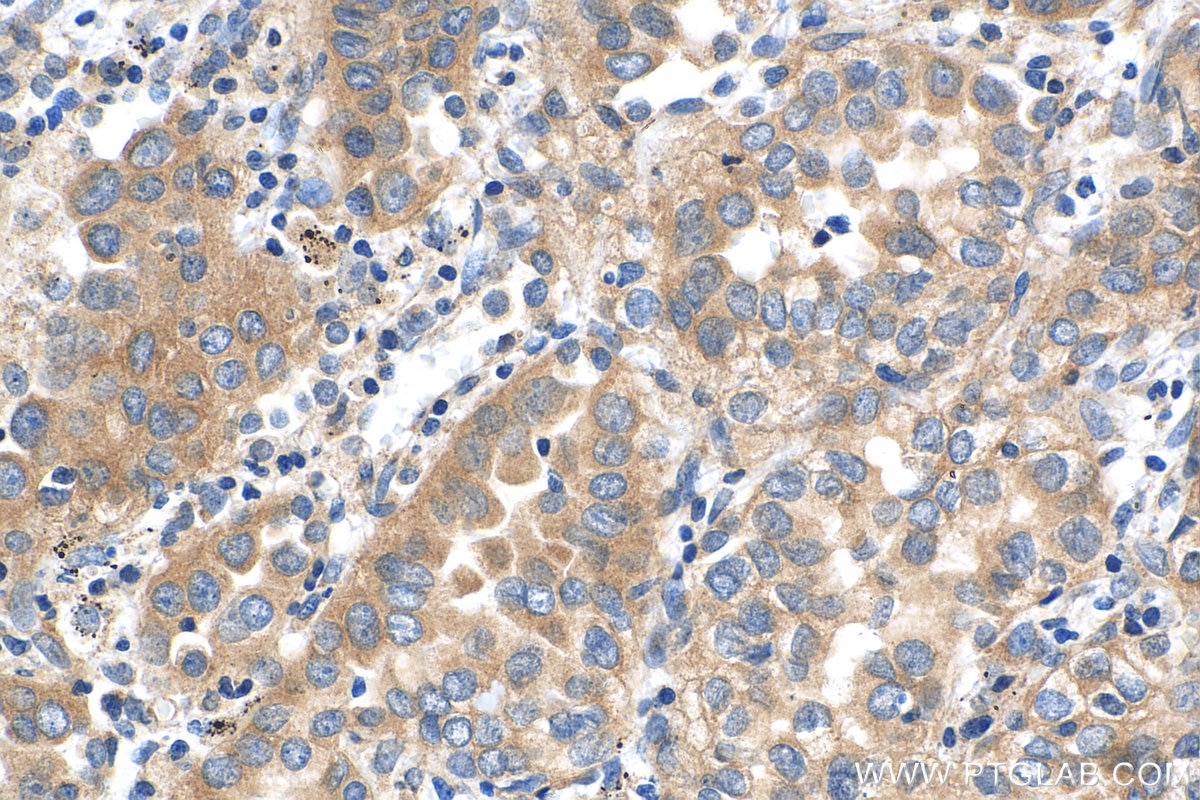
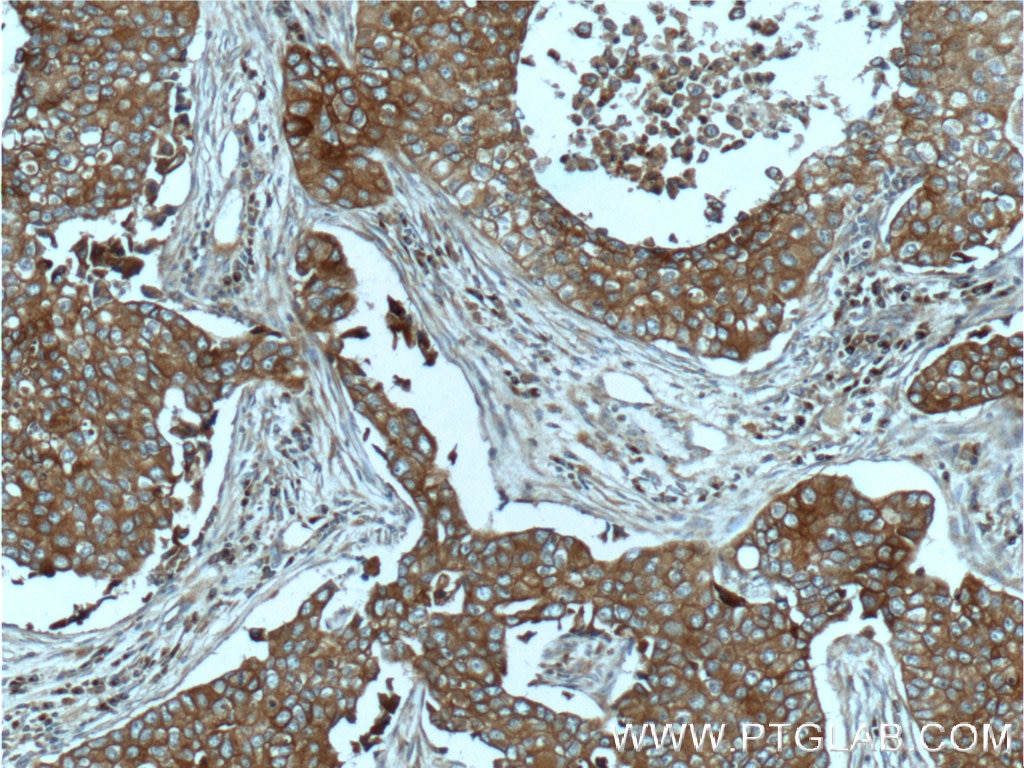
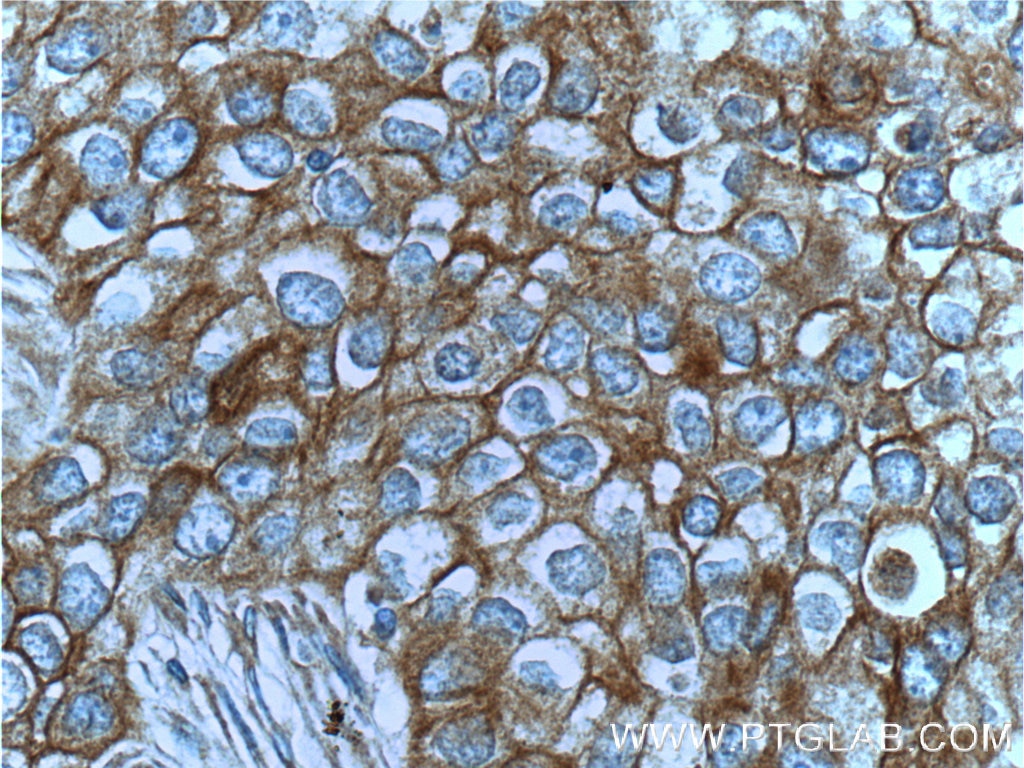
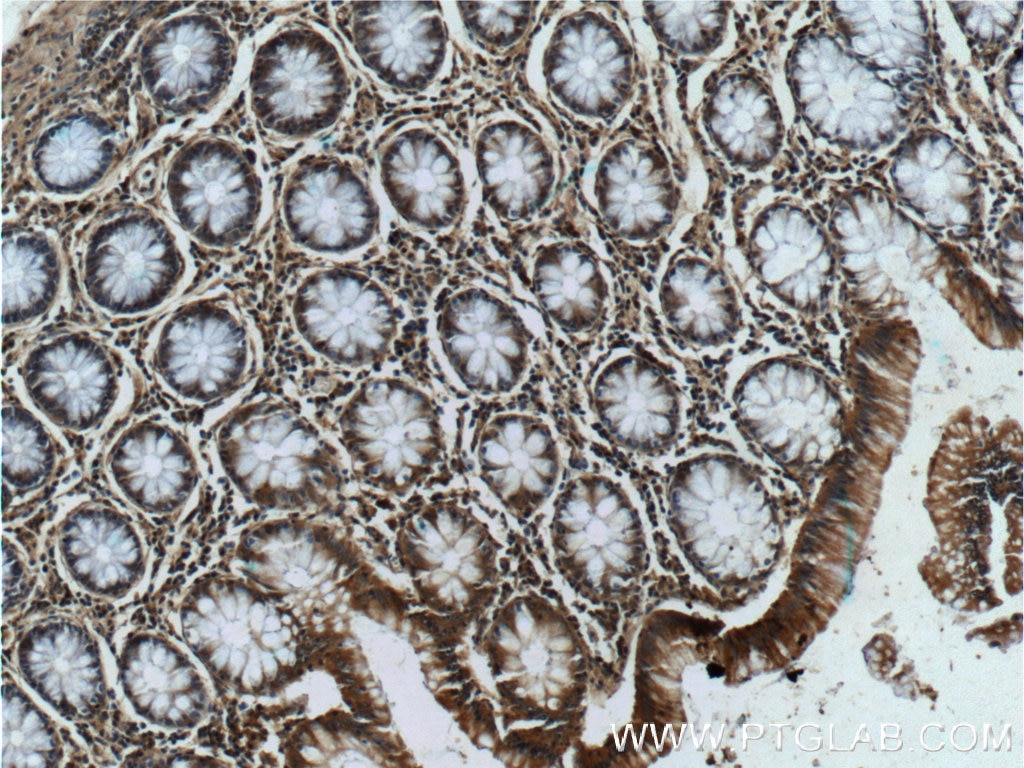
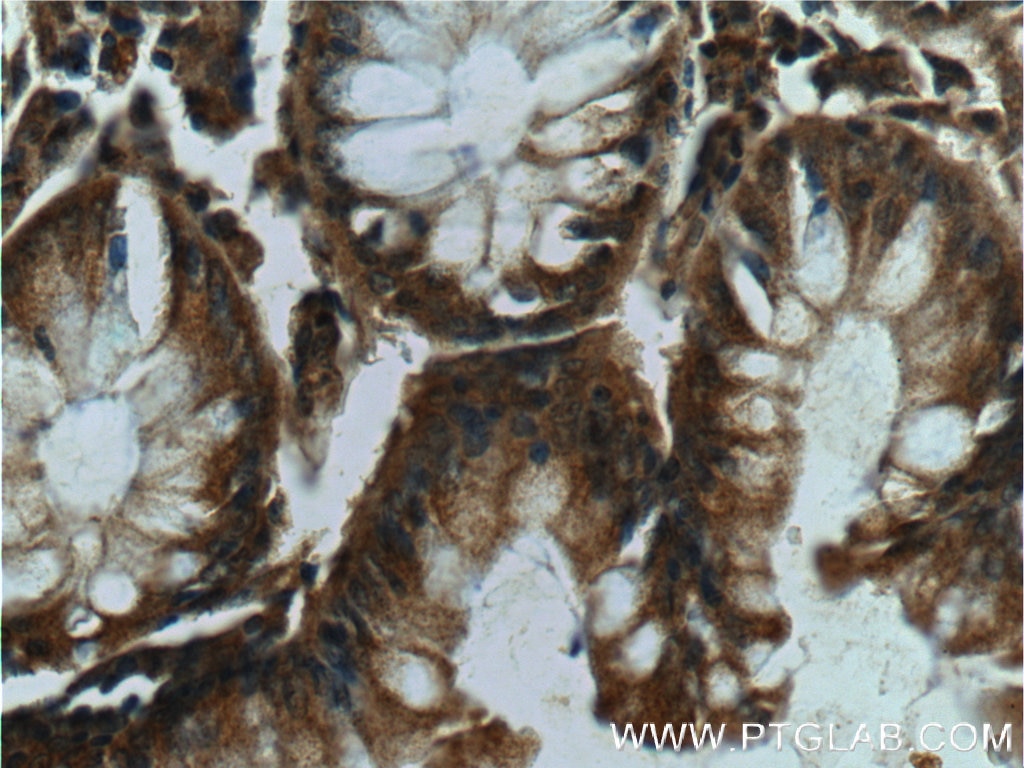
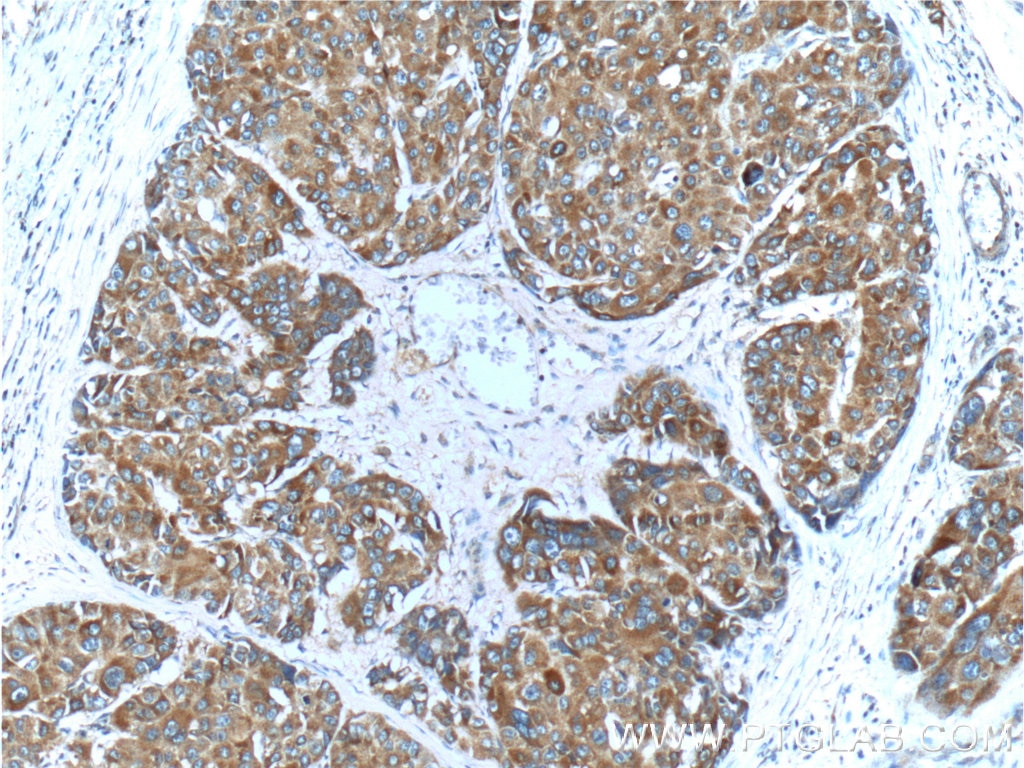
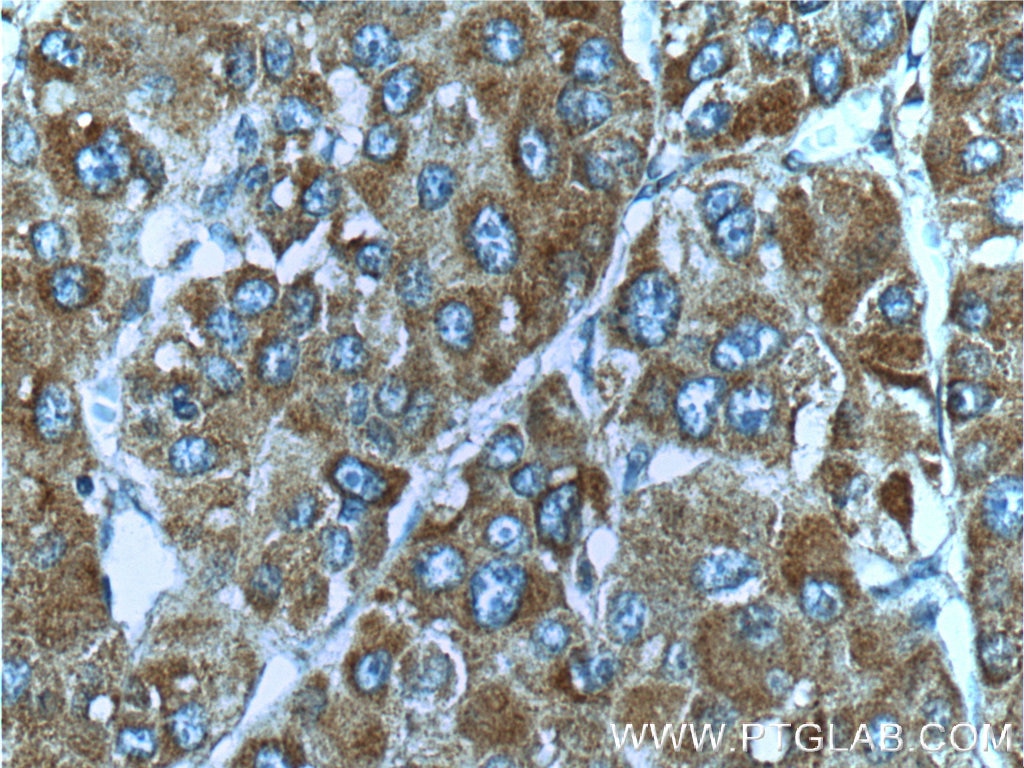
| Positive IHC detected in | human lung cancer tissue, human breast cancer tissue, human colon tissue, human liver cancer tissue Note: suggested antigen retrieval with TE buffer pH 9.0; (*) Alternatively, antigen retrieval may be performed with citrate buffer pH 6.0 |
| Positive IF/ICC detected in | HeLa cells |
| Positive FC (Intra) detected in | HeLa cells |
Recommended dilution
| Application | Dilution |
|---|---|
| Western Blot (WB) | WB : 1:2000-1:12000 |
| Immunoprecipitation (IP) | IP : 0.5-4.0 ug for 1.0-3.0 mg of total protein lysate |
| Immunohistochemistry (IHC) | IHC : 1:500-1:2000 |
| Immunofluorescence (IF)/ICC | IF/ICC : 1:50-1:500 |
| Flow Cytometry (FC) (INTRA) | FC (INTRA) : 0.40 ug per 10^6 cells in a 100 µl suspension |
| It is recommended that this reagent should be titrated in each testing system to obtain optimal results. | |
| Sample-dependent, Check data in validation data gallery. | |
Product Information
25869-1-AP targets c-Met (Cytoplasmic) in WB, IHC, FC (Intra), IP, CoIP, RIP, ELISA applications and shows reactivity with human, mouse, rat, canine samples.
| Tested Reactivity | human, mouse, rat, canine |
| Cited Reactivity | human, mouse, rat |
| Host / Isotype | Rabbit / IgG |
| Class | Polyclonal |
| Type | Antibody |
| Immunogen |
CatNo: Ag23140 Product name: Recombinant human MET protein Source: e coli.-derived, PGEX-4T Tag: GST Domain: 965-1085 aa of BC130420 Sequence: GSELVRYDARVHTPHLDRLVSARSVSPTTEMVSNESVDYRATFPEDQFPNSSQNGSCRQVQYPLTDMSPILTSGDSDISSPLLQNTVHIDLSALNPELVQAVQHVVIGPSSLIVHFNEVIG Predict reactive species |
| Full Name | met proto-oncogene (hepatocyte growth factor receptor) |
| Calculated Molecular Weight | 1390 aa, 155 kDa |
| Observed Molecular Weight | 145 kDa |
| GenBank Accession Number | BC130420 |
| Gene Symbol | MET |
| Gene ID (NCBI) | 4233 |
| RRID | AB_2880276 |
| Conjugate | Unconjugated |
| Form | Liquid |
| Purification Method | Antigen affinity purification |
| UNIPROT ID | P08581 |
| Storage Buffer | PBS with 0.02% sodium azide and 50% glycerol, pH 7.3. |
| Storage Conditions | Store at -20°C. Stable for one year after shipment. Aliquoting is unnecessary for -20oC storage. 20ul sizes contain 0.1% BSA. |
Background Information
c-Met (also named MET or HGFR) is a receptor tyrosine kinase that transduces signals from the extracellular matrix into the cytoplasm by binding to the HGF ligand. c-Met regulates many physiological processes including proliferation, scattering, morphogenesis, and survival. The primary single-chain precursor protein is post-translationally cleaved to produce the alpha and beta subunits, which are disulfide-linked to form the mature receptor. Overexpression and/or mutation of c-Met has been reported in various human malignancies, including lung cancer, breast cancer, head and neck cancer, gastric cancer, colorectal cancer, bladder cancer, uterine cervix carcinoma, esophageal carcinoma, c-Met could serve as an important therapeutic target (PMID: 26036285). The c-met receptor is a 190-kD glycoprotein consisting of a 145-kD membrane-spanning beta chain and a 50-kD alpha chain (PMID: 7806559).
Protocols
| Product Specific Protocols | |
|---|---|
| FC protocol for c-Met (Cytoplasmic) antibody 25869-1-AP | Download protocol |
| IF protocol for c-Met (Cytoplasmic) antibody 25869-1-AP | Download protocol |
| IHC protocol for c-Met (Cytoplasmic) antibody 25869-1-AP | Download protocol |
| IP protocol for c-Met (Cytoplasmic) antibody 25869-1-AP | Download protocol |
| WB protocol for c-Met (Cytoplasmic) antibody 25869-1-AP | Download protocol |
| Standard Protocols | |
|---|---|
| Click here to view our Standard Protocols |
Publications
What published studies show
Anti-MET (Cat# 25869-1-AP) has 85 citations across journals including Nature Metabolism, Molecular Cancer, Journal of Experimental & Clinical Cancer Research, Advanced Science, Cell Death & Disease, British Journal of Cancer, FASEB Journal, and Autophagy. Research fields span oncology (pancreatic, hepatic, lung, colorectal, gastric cancers), liver regeneration and fibrosis, immunotherapy (CAR-T/CAR-M), drug resistance mechanisms, stem cell biology, and renal disease.
| Species | Application | Title |
|---|---|---|
Mol Cancer Chimeric antigen receptor macrophages targeting c-MET(CAR-M-c-MET) inhibit pancreatic cancer progression and improve cytotoxic chemotherapeutic efficacy | ||
Nat Metab LIFR regulates cholesterol-driven bidirectional hepatocyte-neutrophil cross-talk to promote liver regeneration | ||
Clin Mol Hepatol MET promotes hepatocellular carcinoma development through the promotion of TRIB3-mediated FOXO1 degradation | ||
Autophagy The HGF-MET axis coordinates liver cancer metabolism and autophagy for chemotherapeutic resistance.
| ||
J Exp Clin Cancer Res Mesothelin promotes brain metastasis of non-small cell lung cancer by activating MET | ||
J Exp Clin Cancer Res Combinational blockade of MET and PD-L1 improves pancreatic cancer immunotherapeutic efficacy.
|
Reviews
What customers say
The single review for this product is highly positive (5/5). The user performed Western Blot on CMT93 cells at a 1:1000 dilution and reported a clear signal at 145 kDa, along with a second band around 100 kDa consistent with the datasheet. Overall, the reviewer confirms reliable performance matching expected molecular weights.
The reviews below have been submitted by verified Proteintech customers who received an incentive for providing their feedback.
Marius (Verified Customer) (09-30-2025) | Clear signal at 145 kDa. As depicted in datasheet second signal at around 100 kDa.
|















