
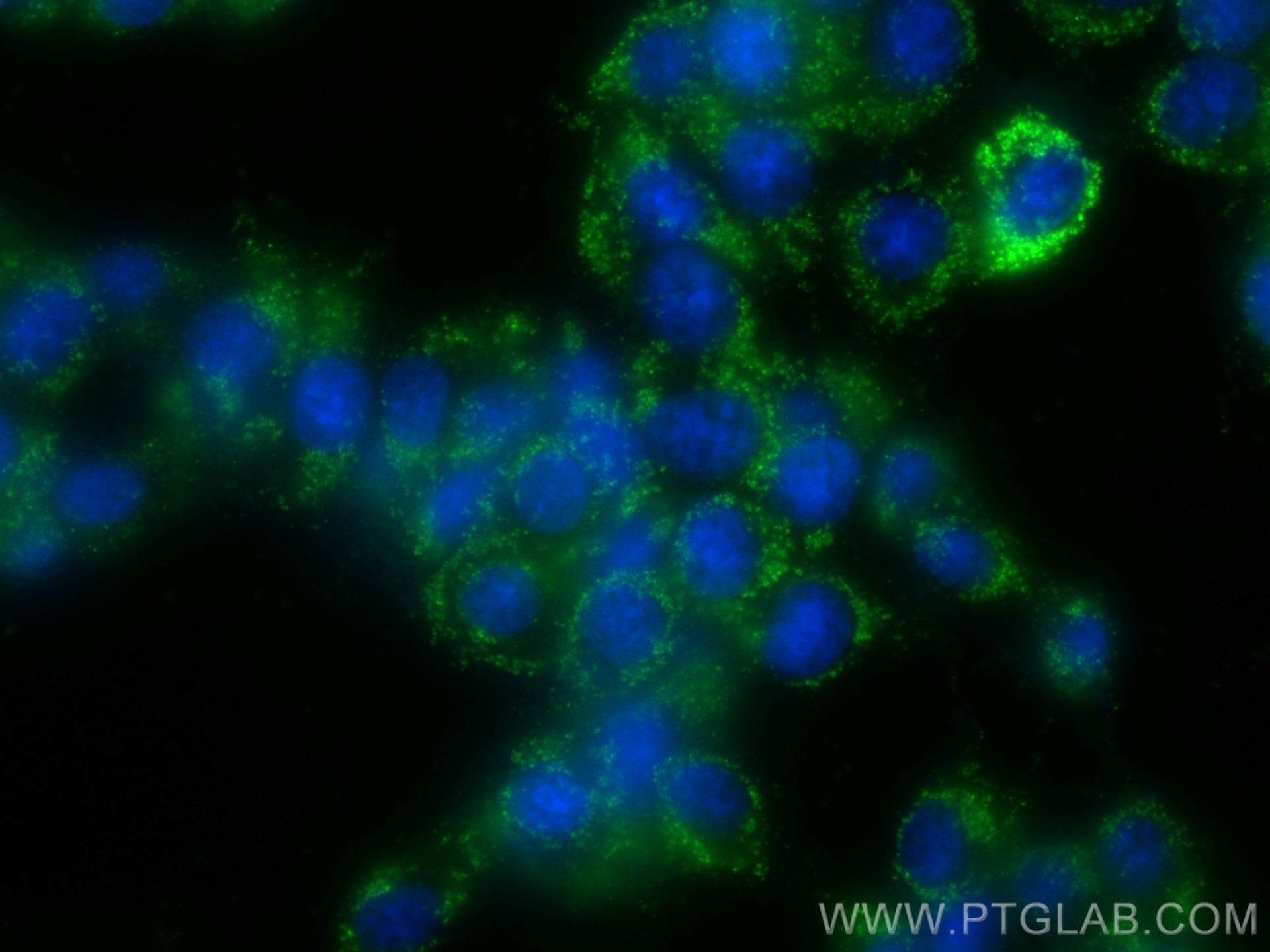

Tested Applications
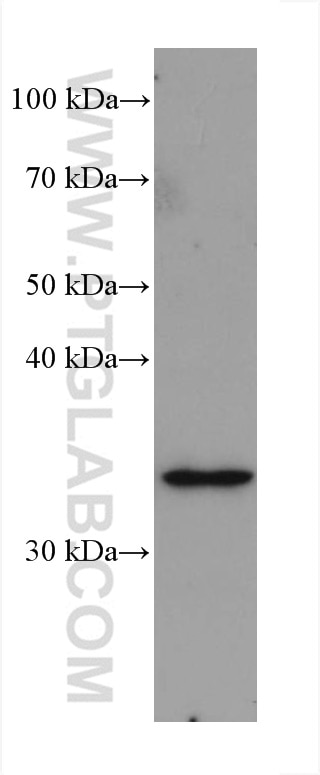
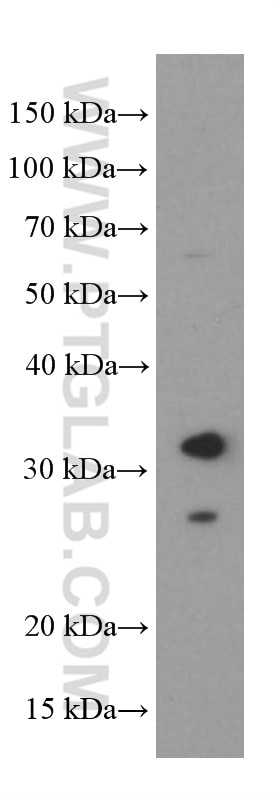
| Positive WB detected in | U-251 cells, fetal human brain tissue |
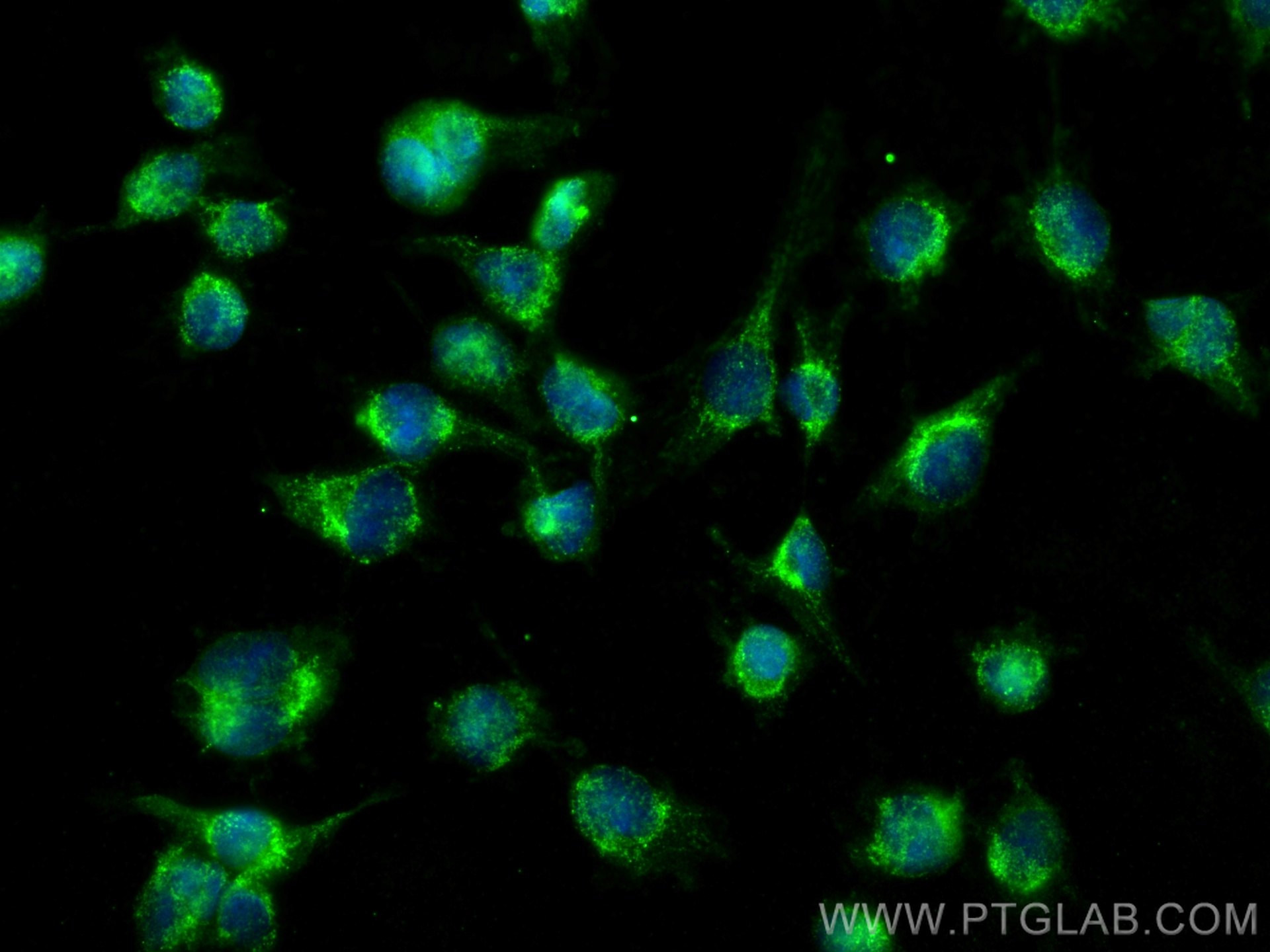
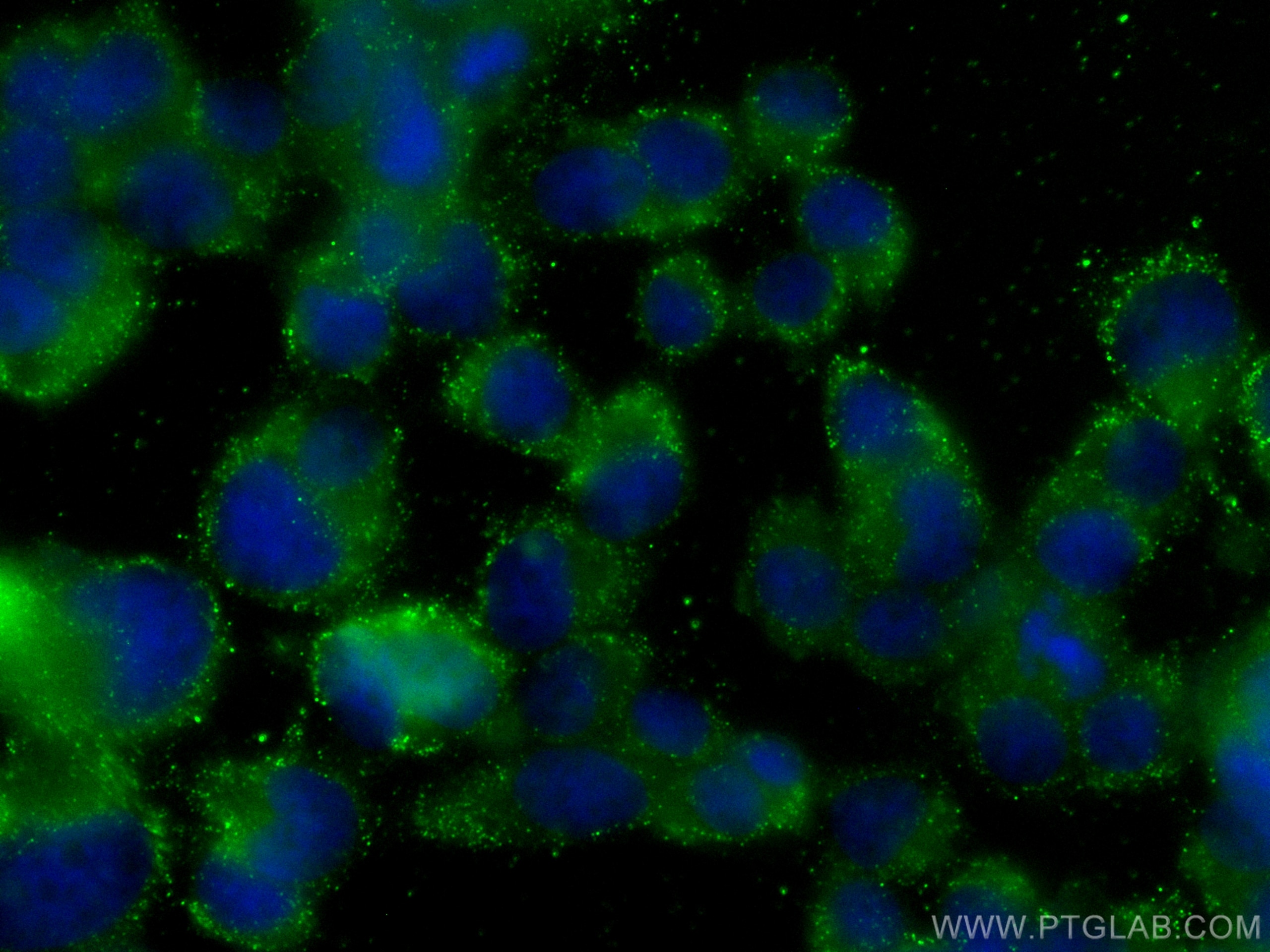
| Positive IF/ICC detected in | U-251 cells, PC-12 cells |
Recommended dilution
| Application | Dilution |
|---|---|
| Western Blot (WB) | WB : 1:1000-1:4000 |
| Immunofluorescence (IF)/ICC | IF/ICC : 1:400-1:1600 |
| It is recommended that this reagent should be titrated in each testing system to obtain optimal results. | |
| Sample-dependent, Check data in validation data gallery. | |
Product Information
66292-1-Ig targets BDNF in WB, IHC, IF/ICC, ELISA applications and shows reactivity with human samples.
| Tested Reactivity | human |
| Cited Reactivity | human, pig, zebrafish |
| Host / Isotype | Mouse / IgG2a |
| Class | Monoclonal |
| Type | Antibody |
| Immunogen |
CatNo: Ag11329 Product name: Recombinant human BDNF protein Source: e coli.-derived, PET28a Tag: 6*His Domain: 21-247 aa of BC029795 Sequence: MKEANIRGQGGLAYPGVRTHGTLESVNGPKAGSRGLTSLADTFEHMIEELLDEDQKVRPNEENNKDADLYTSRVMLSSQVPLEPPLLFLLEEYKNYLDAANMSMRVRRHSDPARRGELSVCDSISEWVTAADKKTAVDMSGGTVTVLEKVPVSKGQLKQYFYETKCNPMGYTKEGCRGIDKRHWNSQCRTTQSYVRALTMDSKKRIGWRFIRIDTSCVCTLTIKRGR Predict reactive species |
| Full Name | brain-derived neurotrophic factor |
| Calculated Molecular Weight | 247 aa, 28 kDa |
| Observed Molecular Weight | 32 kDa |
| GenBank Accession Number | BC029795 |
| Gene Symbol | BDNF |
| Gene ID (NCBI) | 627 |
| RRID | AB_2881675 |
| Conjugate | Unconjugated |
| Form | Liquid |
| Purification Method | Protein A purification |
| UNIPROT ID | P23560 |
| Storage Buffer | PBS with 0.02% sodium azide and 50% glycerol, pH 7.3. |
| Storage Conditions | Store at -20°C. Stable for one year after shipment. Aliquoting is unnecessary for -20oC storage. 20ul sizes contain 0.1% BSA. |
Background Information
1) What is BDNF?
BDNF (brain-derived neurotrophic factor) is a small secreted growth factor that is important for the development and plasticity of the central nervous system and vital for long-term memory. Selected polymorphisms of BDNF have been shown to increase susceptibility to memory impairment and selected eating and mental disorders.
2) FAQs for BDNF
A) I can detect more than one band in my samples
BDNF is a neurotrophin that is a subject of maturation by proteolytic cleavage. The precursor protein (pre-proBDNF) is first cleaved to proBDNF (~34 kDa) by removing a signal peptide, and then to a mature form of BDNF (14 kDa). Additionally, (pre-)proBDNF can form dimers that run between 50 and 60 kDa, and a minor truncated form of proBDNF running at 28 kDa has also been reported (PMID: 11152678).
Protocols
| Product Specific Protocols | |
|---|---|
| IF protocol for BDNF antibody 66292-1-Ig | Download protocol |
| WB protocol for BDNF antibody 66292-1-Ig | Download protocol |
| Standard Protocols | |
|---|---|
| Click here to view our Standard Protocols |
Publications
What published studies show
The anti-BDNF antibody (Cat# 66292-1-Ig) has 59 total citations. Citations appear in journals including Cell, Cancer Letters, Phytomedicine, NPJ Parkinson's Disease, Journal of Neuroinflammation, International Immunopharmacology, Frontiers in Pharmacology, Scientific Reports, Brain Research, Neurochemistry Research, and Journal of Chemical Neuroanatomy, among others. Research fields span neuroscience, neuroinflammation, neurodegeneration (Parkinson's/Alzheimer's), depression, cognitive impairment, pain, stroke recovery, and gut-brain axis regulation.
| Species | Application | Title |
|---|---|---|
Cell Light modulates glucose metabolism by a retina-hypothalamus-brown adipose tissue axis | ||
Cancer Lett Rab8A promotes breast cancer progression by increasing surface expression of Tropomyosin-related kinase B. | ||
J Neuroinflammation Promoted CD4+ T cell-derived IFN-γ/IL-10 by photobiomodulation therapy modulates neurogenesis to ameliorate cognitive deficits in APP/PS1 and 3xTg-AD mice | ||
Phytomedicine Arbutin ameliorated depression by inhibiting neuroinflammation and modulating intestinal flora | ||
Phytomedicine Ginsenoside Rg3 alleviates brain damage caused by chlorpyrifos exposure by targeting and regulating the microbial-gut-brain axis | ||
Sci Total Environ Maternal transfer of F-53B inhibited neurobehavior in zebrafish offspring larvae and potential mechanisms: Dopaminergic dysfunction, eye development defects and disrupted calcium homeostasis |






