

Tested Applications
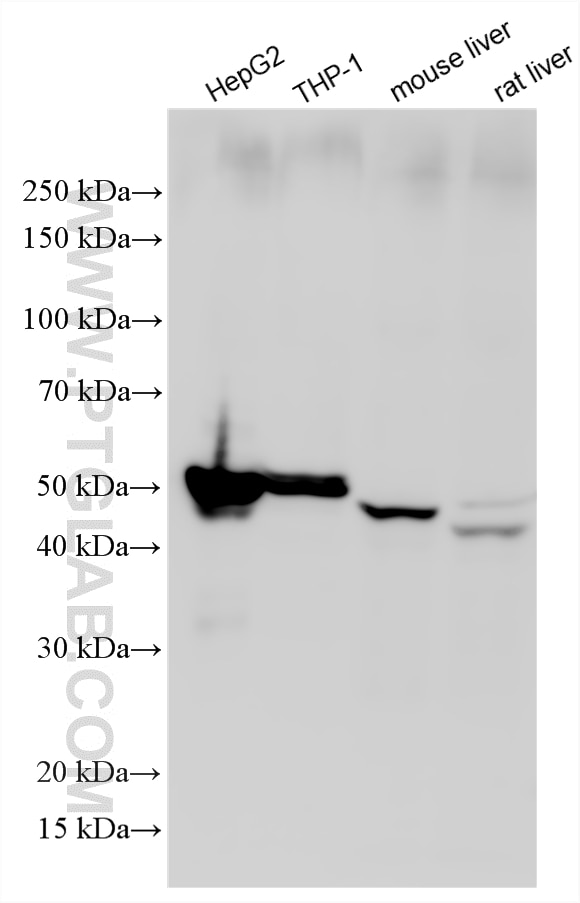
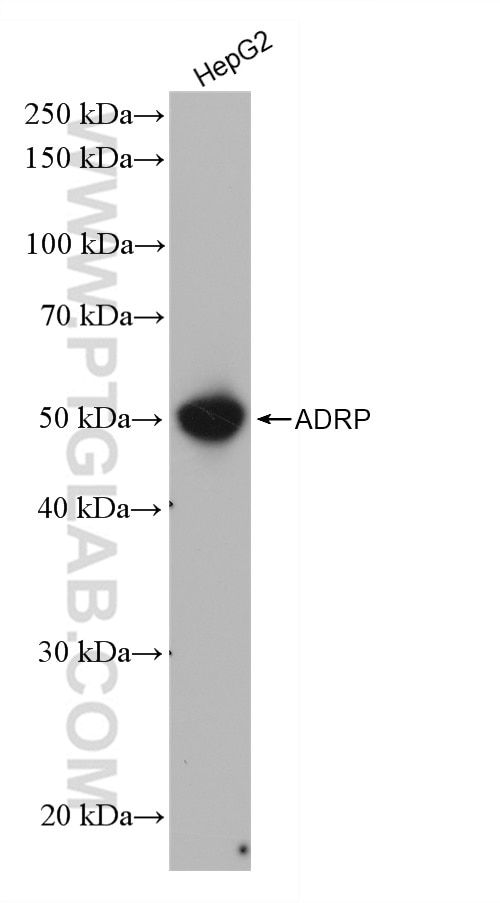
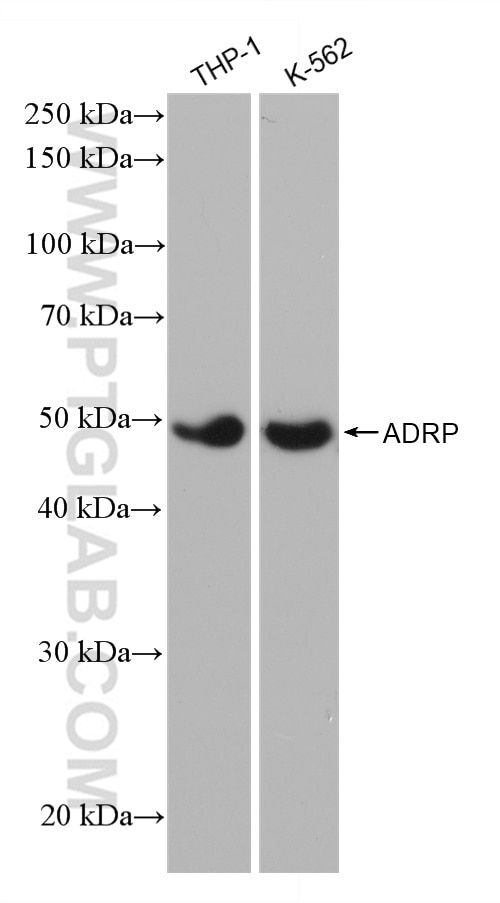
| Positive WB detected in | HepG2 cells, THP-1 cells, mouse liver tissue, rat liver tissue, K-562 cells |
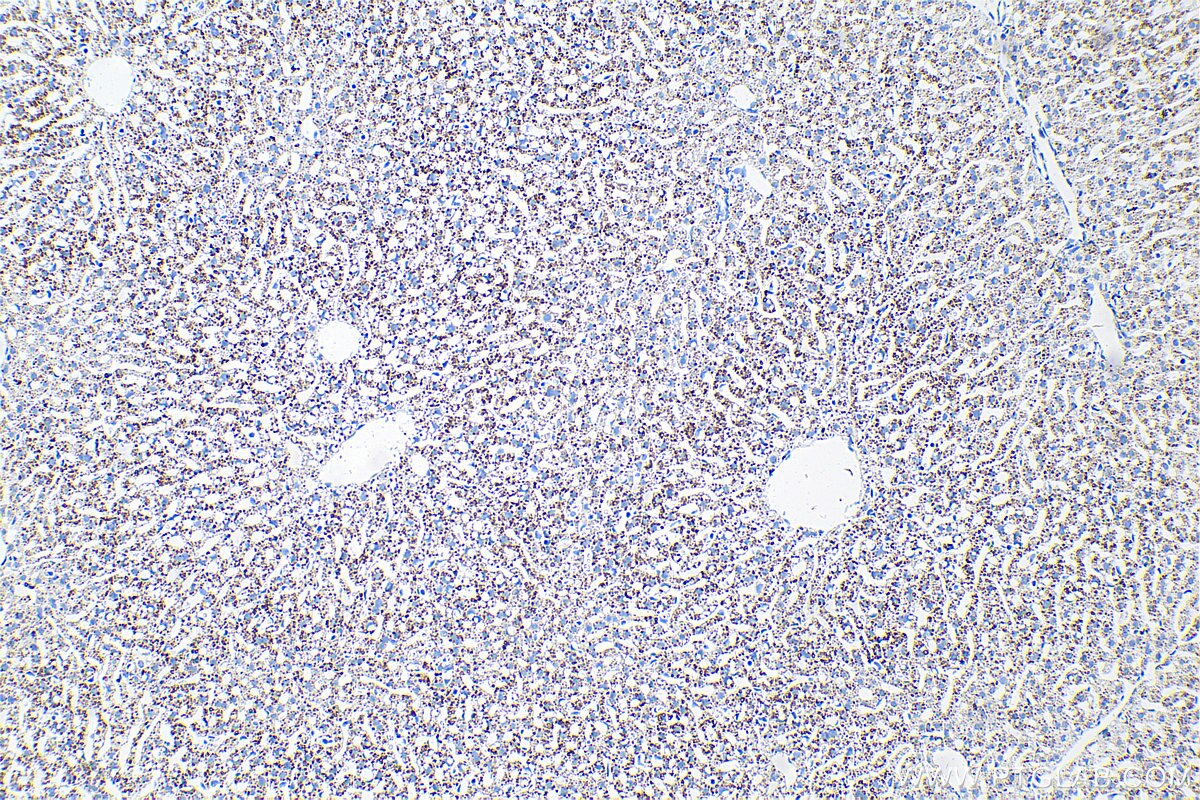
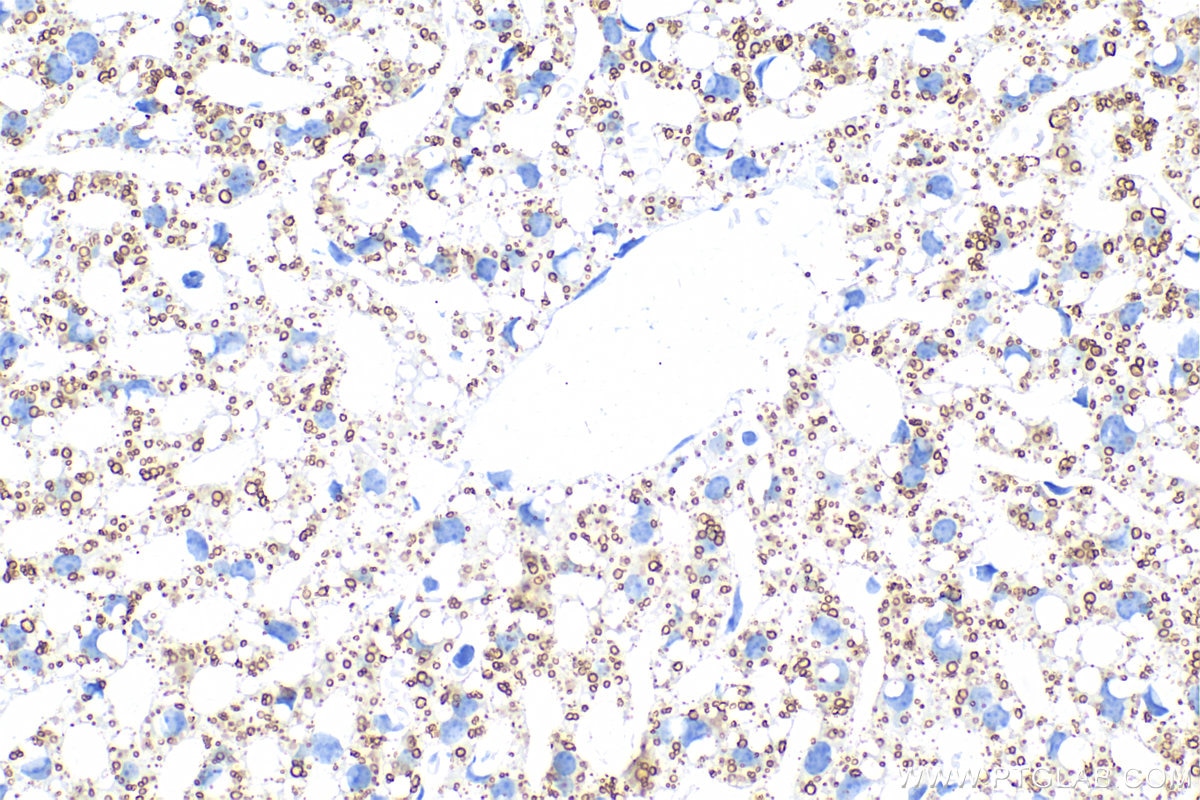
| Positive IHC detected in | mouse liver tissue Note: suggested antigen retrieval with TE buffer pH 9.0; (*) Alternatively, antigen retrieval may be performed with citrate buffer pH 6.0 |
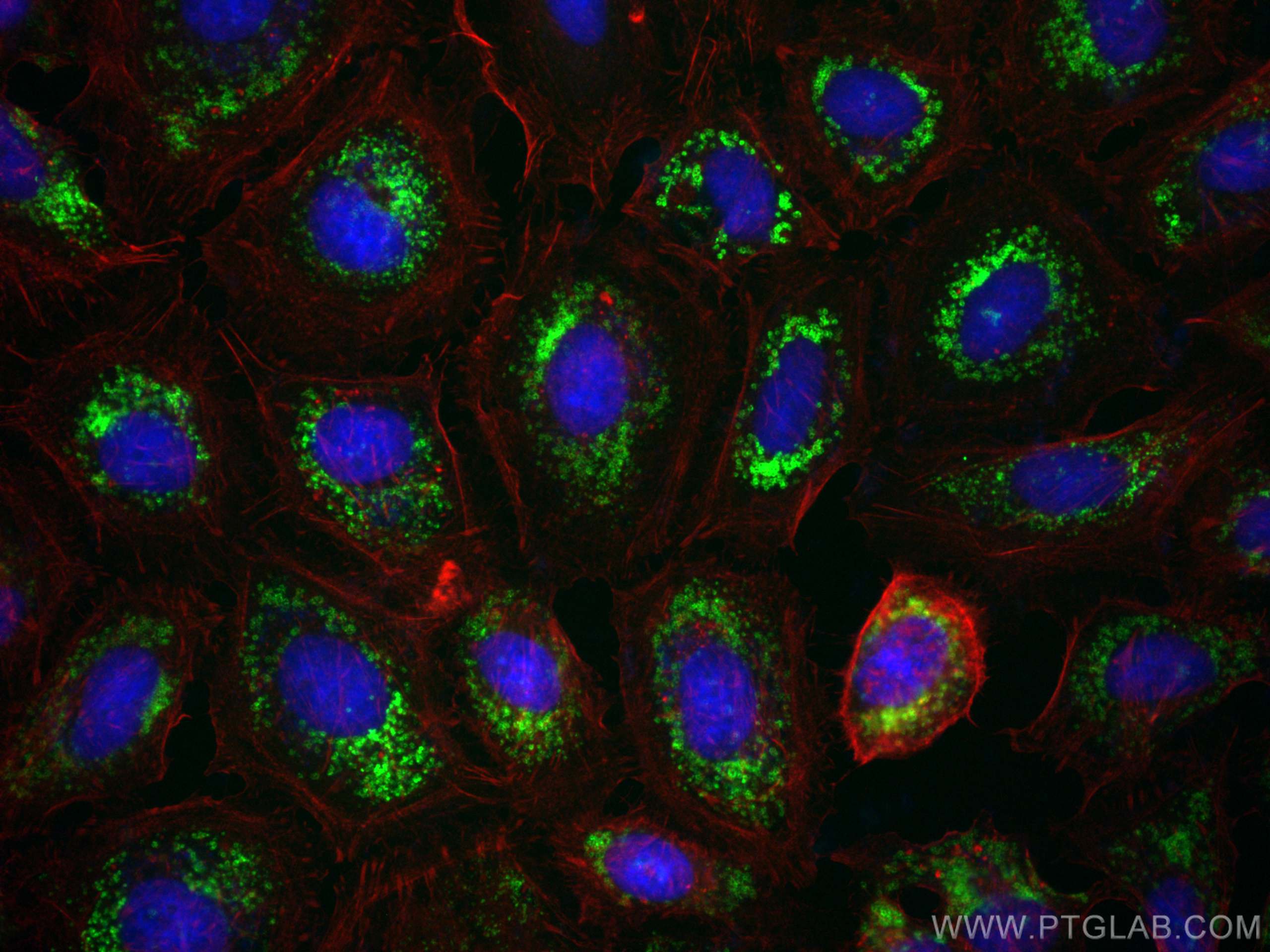
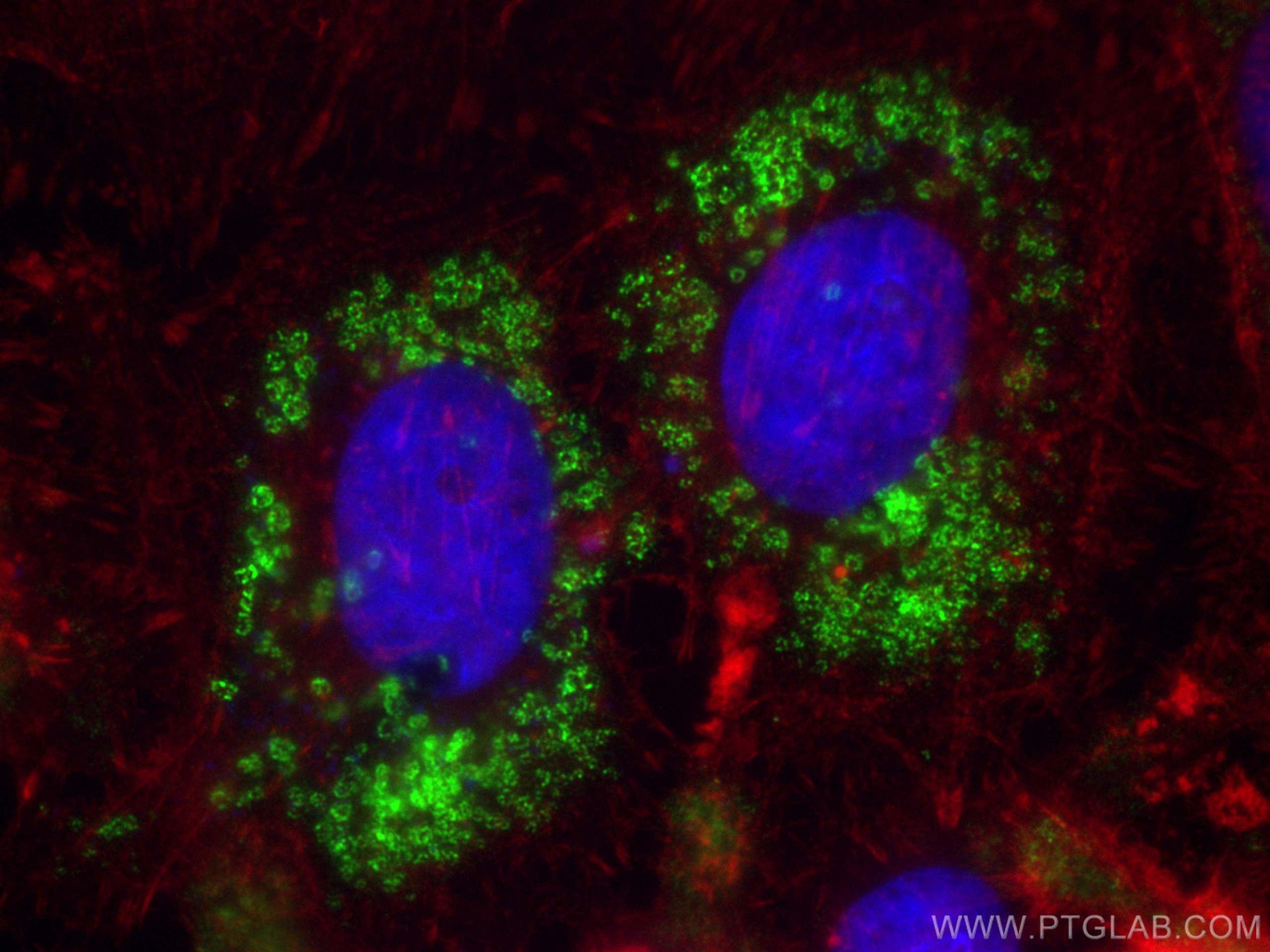
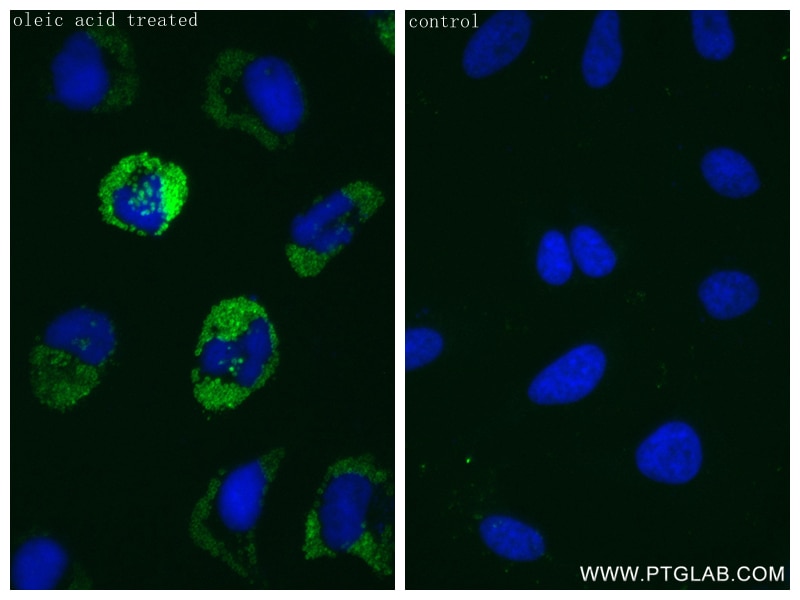
| Positive IF/ICC detected in | oleic acid treated HeLa cells |
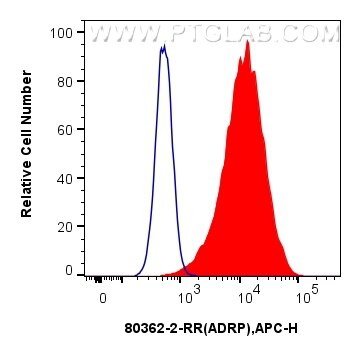
| Positive FC (Intra) detected in | HepG2 cells |
Recommended dilution
| Application | Dilution |
|---|---|
| Western Blot (WB) | WB : 1:500-1:3000 |
| Immunohistochemistry (IHC) | IHC : 1:50-1:500 |
| Immunofluorescence (IF)/ICC | IF/ICC : 1:125-1:500 |
| Flow Cytometry (FC) (INTRA) | FC (INTRA) : 0.25 ug per 10^6 cells in a 100 µl suspension |
| It is recommended that this reagent should be titrated in each testing system to obtain optimal results. | |
| Sample-dependent, Check data in validation data gallery. | |
Product Information
80362-2-RR targets Perilipin-2 in WB, IHC, IF/ICC, FC (Intra), ELISA applications and shows reactivity with human, mouse, rat samples.
| Tested Reactivity | human, mouse, rat |
| Cited Reactivity | human, mouse |
| Host / Isotype | Rabbit / IgG |
| Class | Recombinant |
| Type | Antibody |
| Immunogen |
CatNo: Ag7539 Product name: Recombinant human ADRP protein Source: e coli.-derived, PGEX-4T Tag: GST Domain: 88-437 aa of BC005127 Sequence: DRIEERLPILNQPSTQIVANAKGAVTGAKDAVTTTVTGAKDSVASTITGVMDKTKGAVTGSVEKTKSVVSGSINTVLGSRMMQLVSSGVENALTKSELLVEQYLPLTEEELEKEAKKVEGFDLVQKPSYYVRLGSLSTKLHSRAYQQALSRVKEAKQKSQQTISQLHSTVHLIEFARKNVYSANQKIQDAQDKLYLSWVEWKRSIGYDDTDESHCAEHIESRTLAIARNLTQQLQTTCHTLLSNIQGVPQNIQDQAKHMGVMAGDIYSVFRNAASFKEVSDSLLTSSKGQLQKMKESLDDVMDYLVNNTPLNWLVGPFYPQLTESQNAQDQGAEMDKSSQETQRSEHKTH Predict reactive species |
| Full Name | adipose differentiation-related protein |
| Calculated Molecular Weight | 48 kDa |
| Observed Molecular Weight | 48 kDa |
| GenBank Accession Number | BC005127 |
| Gene Symbol | Perilipin-2 |
| Gene ID (NCBI) | 123 |
| RRID | AB_3670475 |
| Conjugate | Unconjugated |
| Form | Liquid |
| Purification Method | Protein A purification |
| UNIPROT ID | Q99541 |
| Storage Buffer | PBS with 0.02% sodium azide and 50% glycerol, pH 7.3. |
| Storage Conditions | Store at -20°C. Stable for one year after shipment. Aliquoting is unnecessary for -20oC storage. 20ul sizes contain 0.1% BSA. |
Background Information
ADRP (adipocyte differentiation related protein) also known as ADFP, adipophilin, or perilipin-2, is a member of PAT family which is responsible for the transportation of lipids and the formation of lipid droplets. ADRP is localized on the surface of lipid droplets in a variety of tissues and cell lines. ADRP is not detected in undifferentiated cells but increases rapidly to high levels when adipocyte precursors differentiate into adipocytes. Anti-ADRP antibody is a reliable and sensitive marker for lipid droplet. Enhanced expression of ADRP is linked to diseases with abnormal lipid storage, including hepatic steatosis, atherosclerosis and diabetes. Immunohistochemistry of ADRP may facilitate histomorphological diagnosis of these diseases.
Protocols
| Product Specific Protocols | |
|---|---|
| FC protocol for Perilipin-2 antibody 80362-2-RR | Download protocol |
| IF protocol for Perilipin-2 antibody 80362-2-RR | Download protocol |
| IHC protocol for Perilipin-2 antibody 80362-2-RR | Download protocol |
| WB protocol for Perilipin-2 antibody 80362-2-RR | Download protocol |
| Standard Protocols | |
|---|---|
| Click here to view our Standard Protocols |
Publications
What published studies show
Perilipin-2 (ADRP) recombinant monoclonal antibody (Cat# 80362-2-RR) has 14 citations in journals including Signal Transduction and Targeted Therapy, Bioactive Materials, Genes & Diseases, Pharmacological Research, Journal of Neuroinflammation, Journal of Hazardous Materials, Food Chemistry X, International Immunopharmacology, American Journal of Physiology, American Journal of Pathology, Metabolites, iScience, and FASEB Journal. Research fields span lipid metabolism, fibrosis, hepatocellular carcinoma, kidney disease, neuroinflammation, MASH, autophagy, and vascular repair.
| Species | Application | Title |
|---|---|---|
Signal Transduct Target Ther BCL9 inhibition promotes fibroblast lipogenesis by regulating macrophage-fibroblast interactions to attenuate pulmonary fibrosis | ||
Bioact Mater Engineering biomimetic tarsal microtissue via structurally zoned hydrogel scaffold for integrated eyelid reconstruction. | ||
Genes Dis Lipid droplet-associated gene signatures classify metabolic subtypes and identify PLIN3 as a key driver in hepatocellular carcinoma. | ||
Pharmacol Res SLC25A1-targeted gene therapy attenuates liver fibrosis through NEDD4-mediated ubiquitination and degradation of PPARγ. | ||
J Neuroinflammation Microglial cholesterol reprogramming drives cognitive impairment under hypobaric hypoxia. | ||
J Hazard Mater Polystyrene and polyvinyl chloride microplastics exposure induces ocular surface inflammation by causing mitochondrial damage and lipid metabolic disruption. |











