

Tested Applications
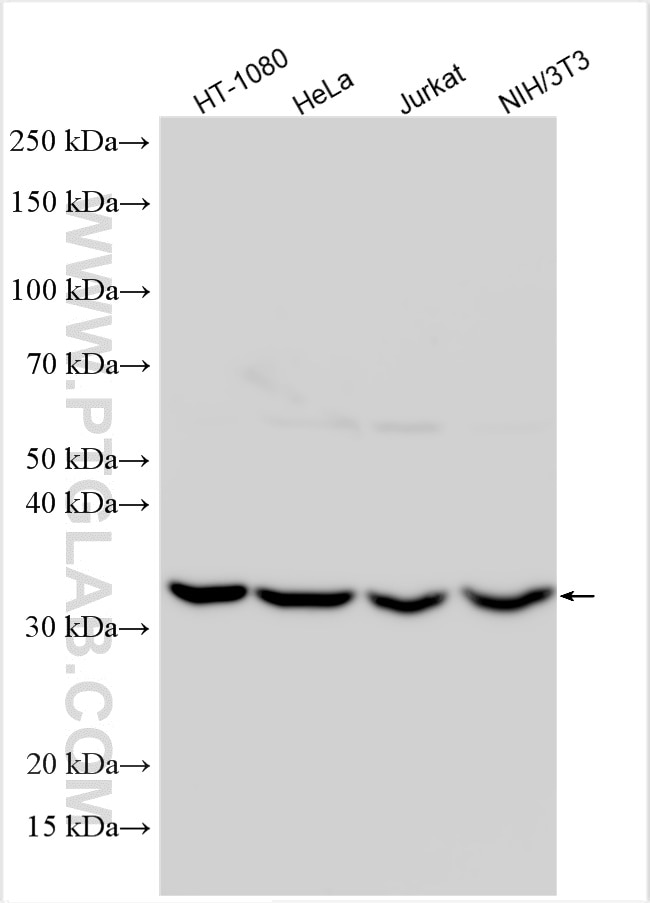
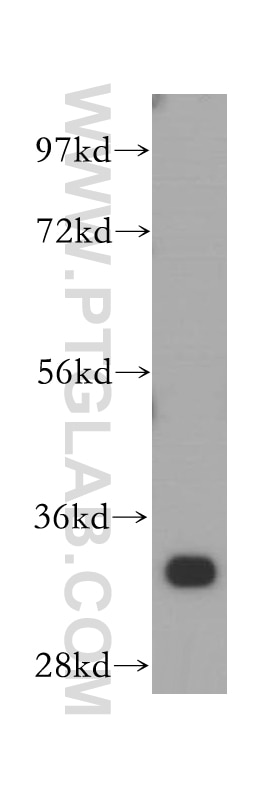
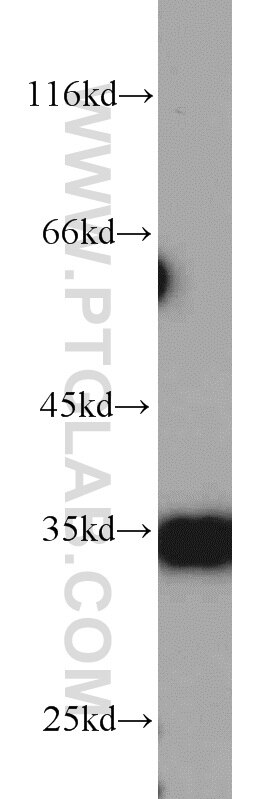
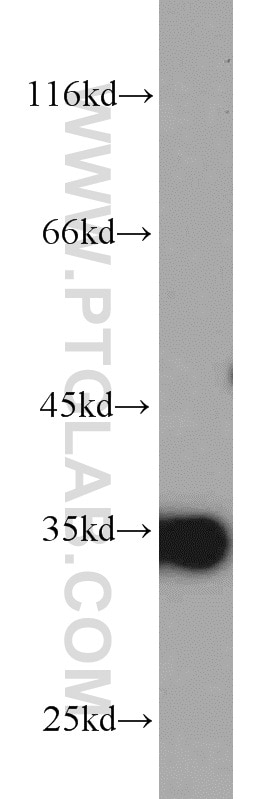
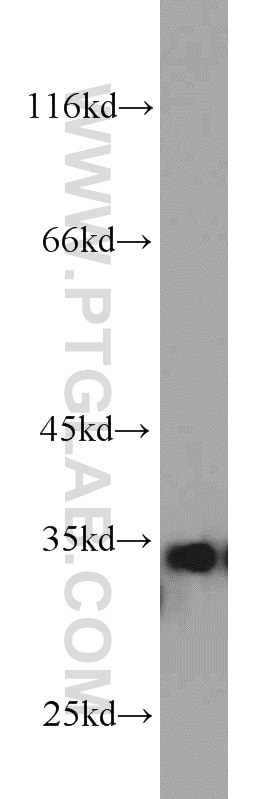
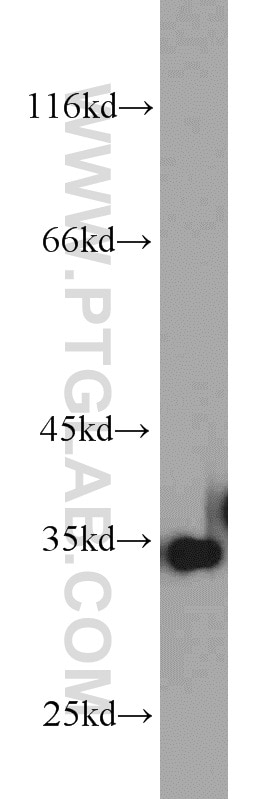
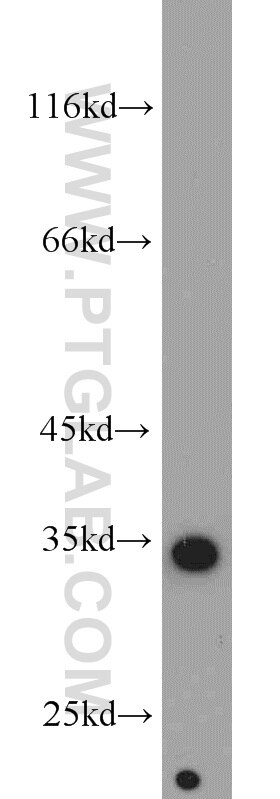
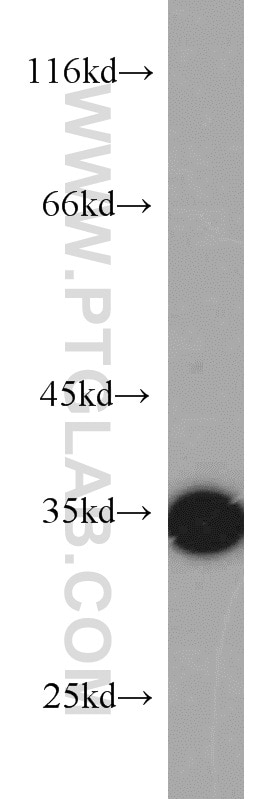
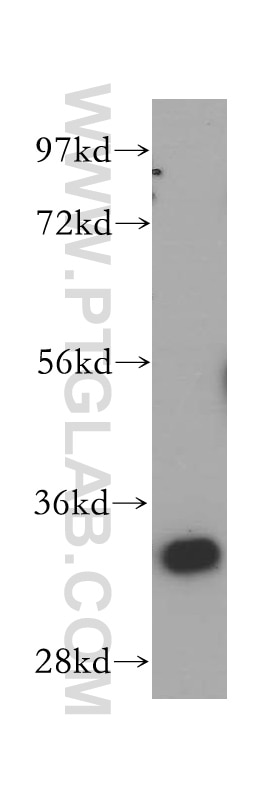
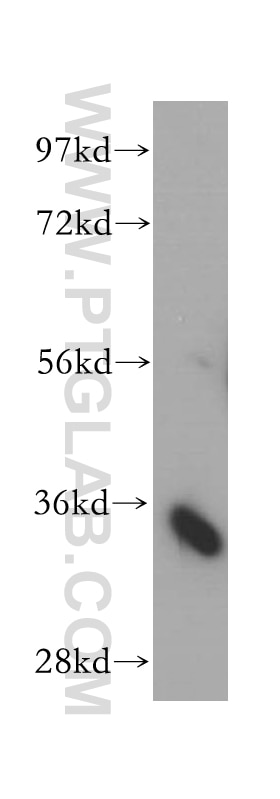
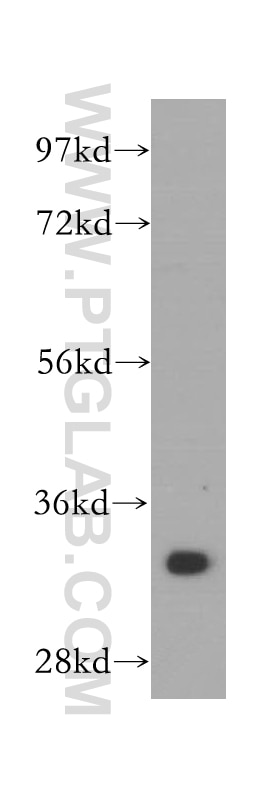
| Positive WB detected in | HT-1080 cells, HeLa cells, mouse skeletal muscle tissue, PC-3 cells, 3T3-L1 cells, NIH/3T3 cells, MCF-7 cells, Jurkat cells |
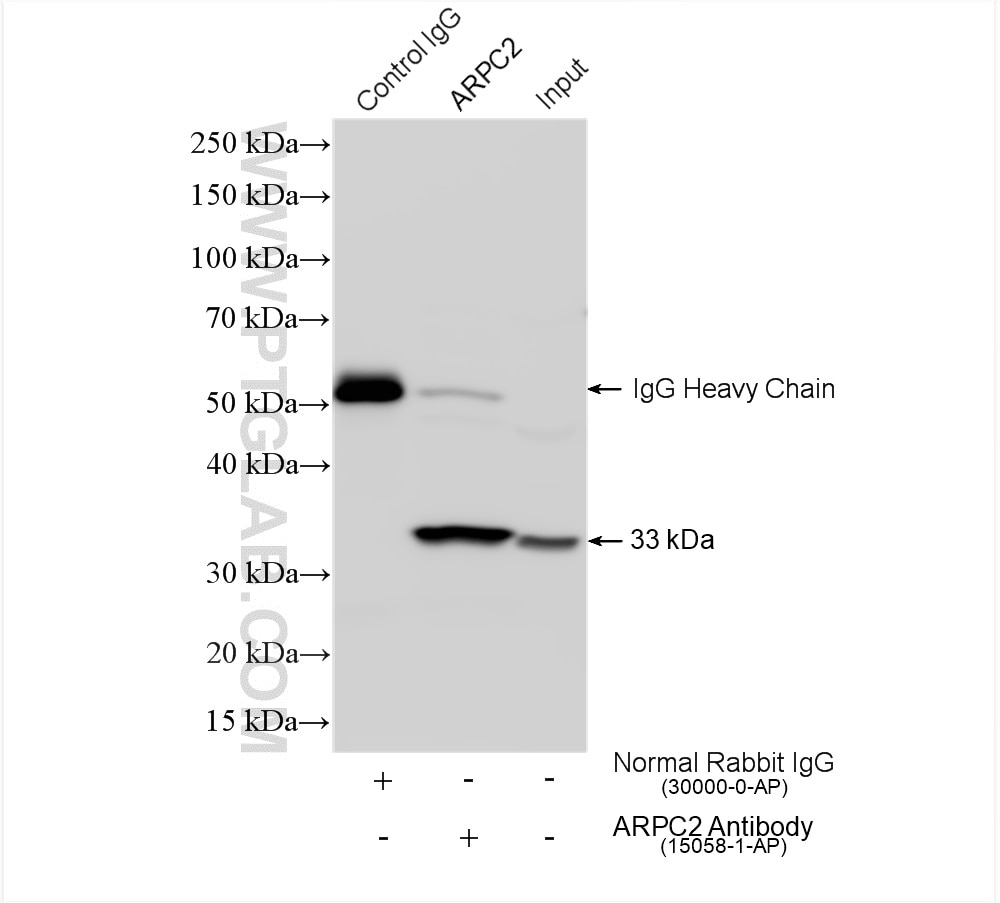
| Positive IP detected in | HeLa cells |
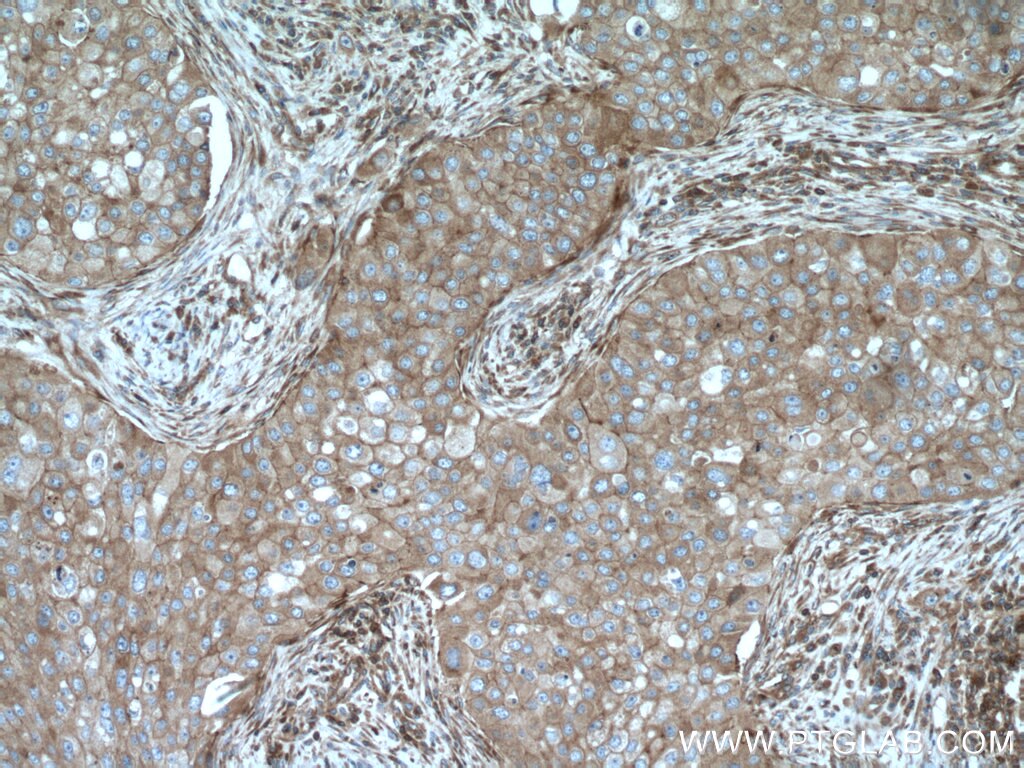
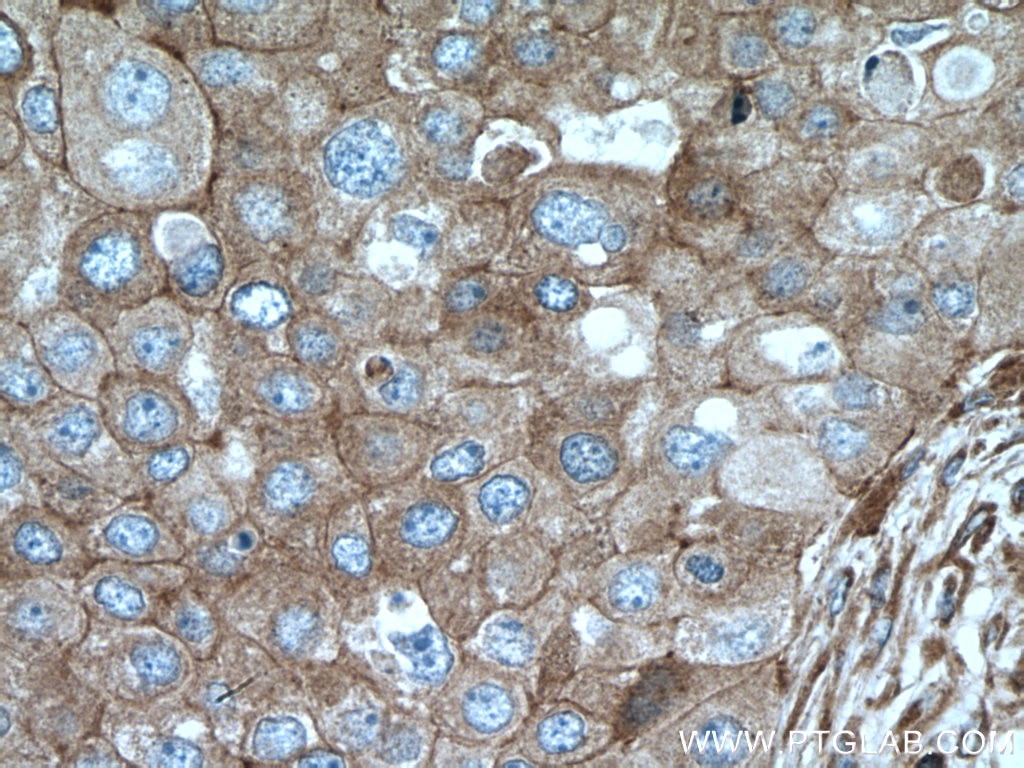
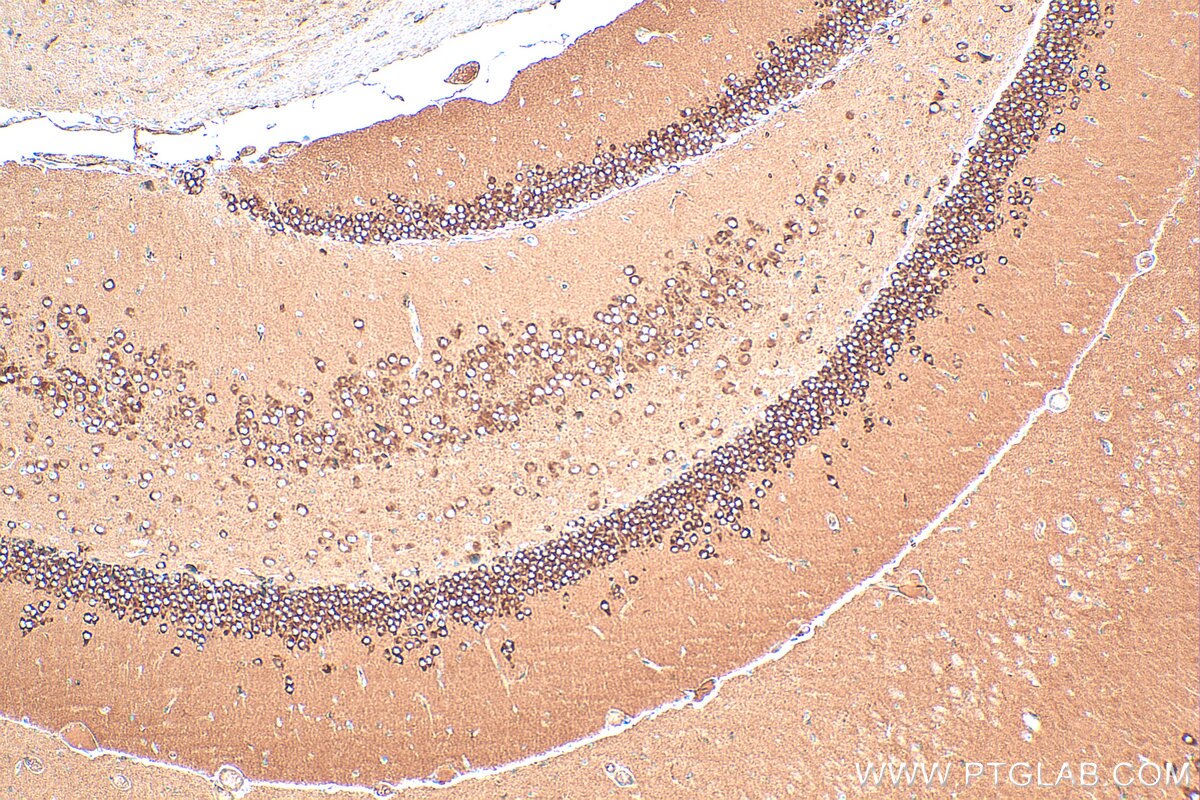
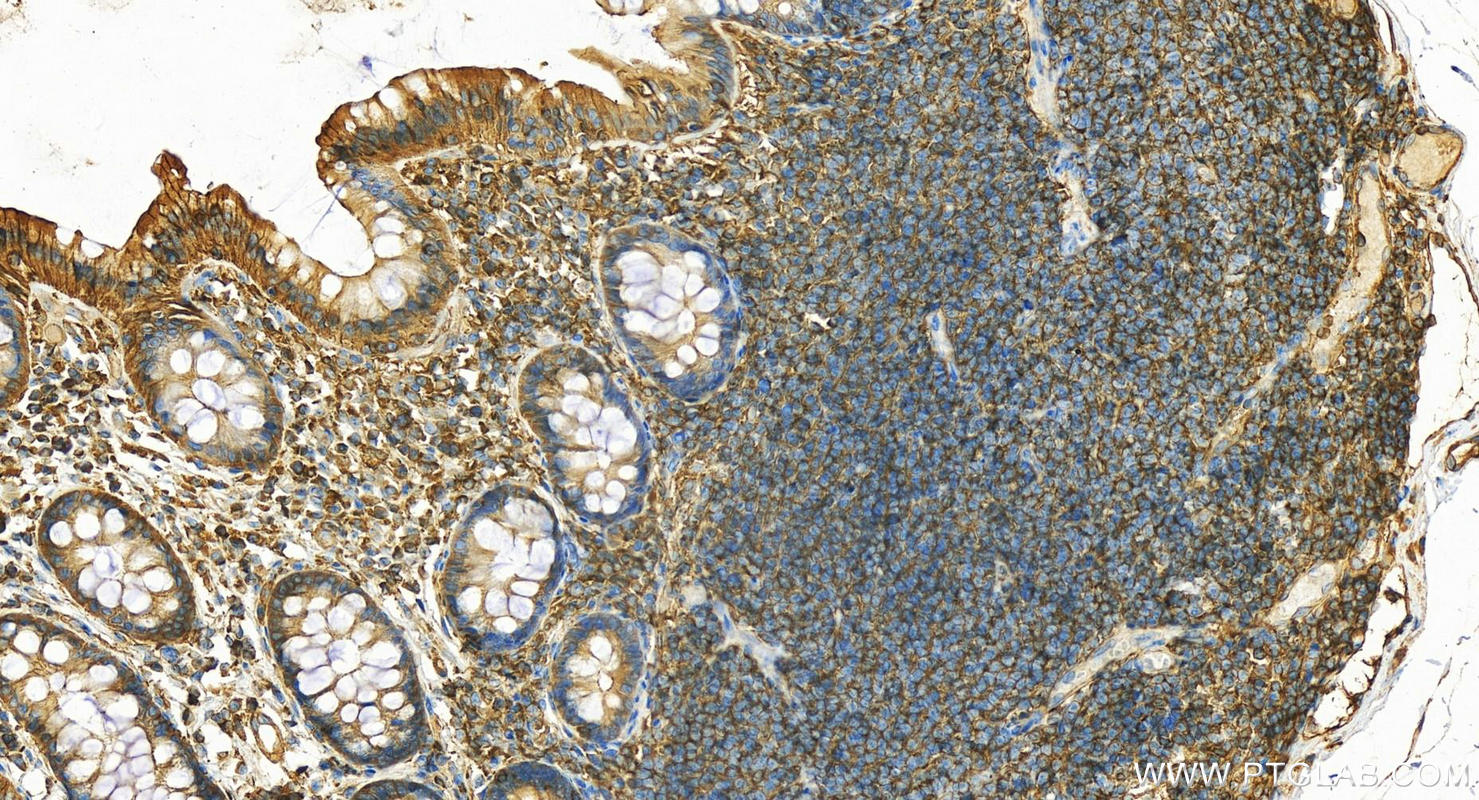
| Positive IHC detected in | human breast cancer tissue, human colon tissue, mouse brain tissue Note: suggested antigen retrieval with TE buffer pH 9.0; (*) Alternatively, antigen retrieval may be performed with citrate buffer pH 6.0 |
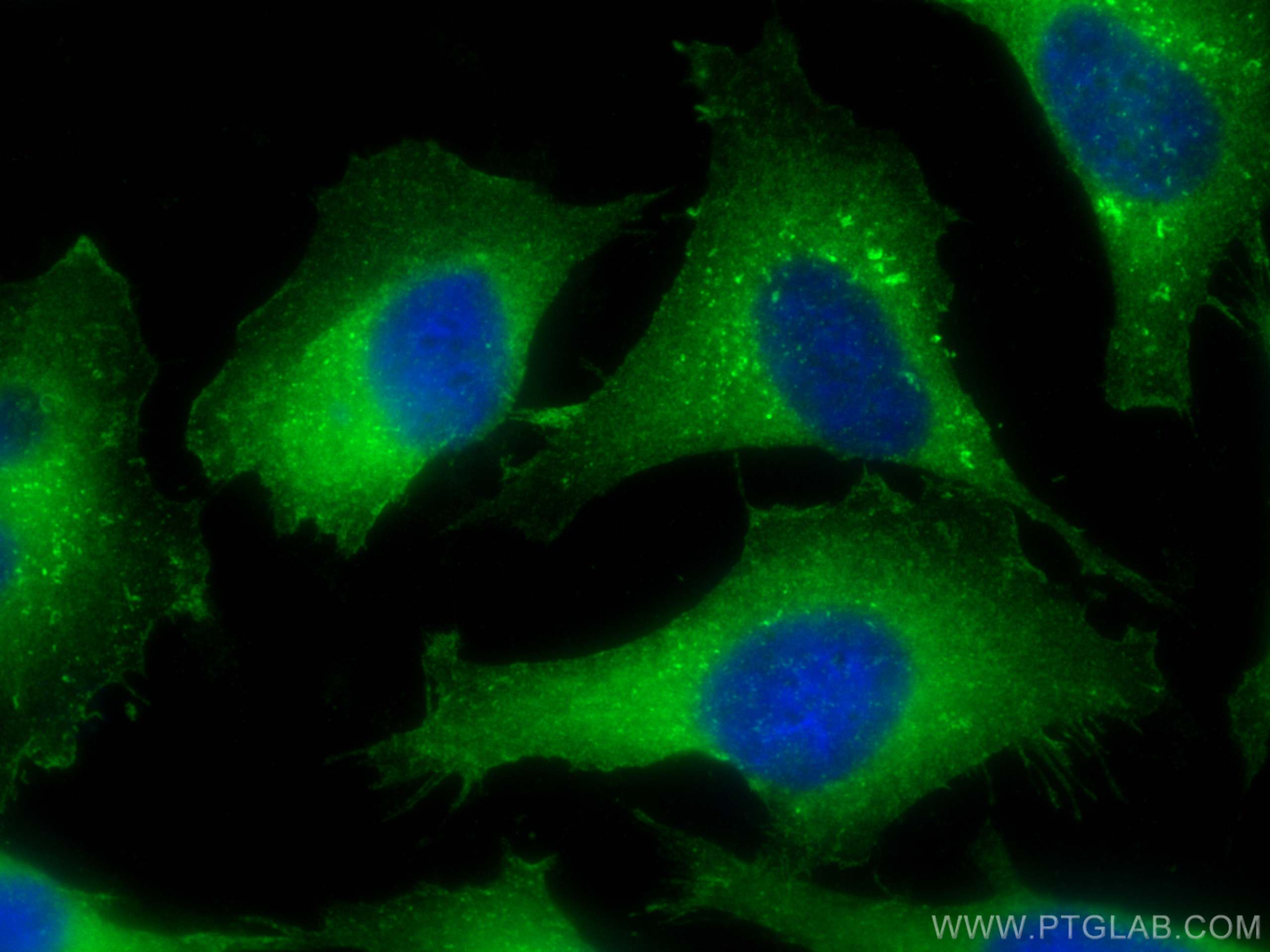
| Positive IF/ICC detected in | HeLa cells |
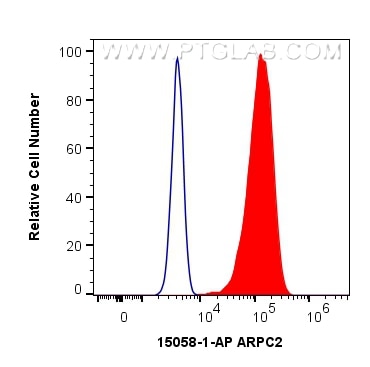
| Positive FC (Intra) detected in | HeLa cells |
Recommended dilution
| Application | Dilution |
|---|---|
| Western Blot (WB) | WB : 1:1000-1:8000 |
| Immunoprecipitation (IP) | IP : 0.5-4.0 ug for 1.0-3.0 mg of total protein lysate |
| Immunohistochemistry (IHC) | IHC : 1:50-1:500 |
| Immunofluorescence (IF)/ICC | IF/ICC : 1:200-1:800 |
| Flow Cytometry (FC) (INTRA) | FC (INTRA) : 0.40 ug per 10^6 cells in a 100 µl suspension |
| It is recommended that this reagent should be titrated in each testing system to obtain optimal results. | |
| Sample-dependent, Check data in validation data gallery. | |
Product Information
15058-1-AP targets ARPC2 in WB, IHC, IF/ICC, FC (Intra), IP, ELISA applications and shows reactivity with human, mouse, rat samples.
| Tested Reactivity | human, mouse, rat |
| Cited Reactivity | human, mouse |
| Host / Isotype | Rabbit / IgG |
| Class | Polyclonal |
| Type | Antibody |
| Immunogen |
CatNo: Ag7041 Product name: Recombinant human ARPC2 protein Source: e coli.-derived, PGEX-4T Tag: GST Domain: 1-300 aa of BC000590 Sequence: MILLEVNNRIIEETLALKFENAAAGNKPEAVEVTFADFDGVLYHISNPNGDKTKVMVSISLKFYKELQAHGADELLKRVYGSFLVNPESGYNVSLLYDLENLPASKDSIVHQAGMLKRNCFASVFEKYFQFQEEGKEGENRAVIHYRDDETMYVESKKDRVTVVFSTVFKDDDDVVIGKVFMQEFKEGRRASHTAPQVLFSHREPPLELKDTDAAVGDNIGYITFVLFPRHTNASARDNTINLIHTFRDYLHYHIKCSKAYIHTRMRAKTSDFLKVLNRARPDAEKKEMKTITGKTFSSR Predict reactive species |
| Full Name | actin related protein 2/3 complex, subunit 2, 34kDa |
| Calculated Molecular Weight | 34 kDa |
| Observed Molecular Weight | 34 kDa |
| GenBank Accession Number | BC000590 |
| Gene Symbol | ARPC2 |
| Gene ID (NCBI) | 10109 |
| RRID | AB_2059787 |
| Conjugate | Unconjugated |
| Form | Liquid |
| Purification Method | Antigen affinity purification |
| UNIPROT ID | O15144 |
| Storage Buffer | PBS with 0.02% sodium azide and 50% glycerol, pH 7.3. |
| Storage Conditions | Store at -20°C. Stable for one year after shipment. Aliquoting is unnecessary for -20oC storage. 20ul sizes contain 0.1% BSA. |
Protocols
| Product Specific Protocols | |
|---|---|
| FC protocol for ARPC2 antibody 15058-1-AP | Download protocol |
| IF protocol for ARPC2 antibody 15058-1-AP | Download protocol |
| IHC protocol for ARPC2 antibody 15058-1-AP | Download protocol |
| IP protocol for ARPC2 antibody 15058-1-AP | Download protocol |
| WB protocol for ARPC2 antibody 15058-1-AP | Download protocol |
| Standard Protocols | |
|---|---|
| Click here to view our Standard Protocols |
Publications
What published studies show
ARPC2 Polyclonal antibody (Cat# 15058-1-AP) has 12 citations published in journals including Autophagy, Redox Biology, Developmental Cell, Cell Reports, Genes & Development, EMBO Reports, Journal of Cell Biology, Journal of Neuroscience, International Journal of Oncology, Frontiers in Cell and Developmental Biology, and Journal for ImmunoTherapy of Cancer. Research fields span actin cytoskeleton dynamics, autophagy, cancer progression (breast, colorectal, gastric), cell migration, mechanotransduction, oocyte biology, and neurobiology.
| Species | Application | Title |
|---|---|---|
Autophagy CORO1C (coronin 1C) promotes autophagosome formation by coordinating branched actin network dynamics | ||
Redox Biol Coronin 1a-mediated F-actin disassembly controls effector function in murine neutrophils | ||
Dev Cell Vimentin intermediate filaments coordinate actin stress fibers and podosomes to determine the extracellular matrix degradation by macrophages | ||
Cell Rep Substrate rigidity dictates colorectal tumorigenic cell stemness and metastasis via CRAD-dependent mechanotransduction. | ||
Genes Dev Localization of Kif1c mRNA to cell protrusions dictates binding partner specificity of the encoded protein |



















