
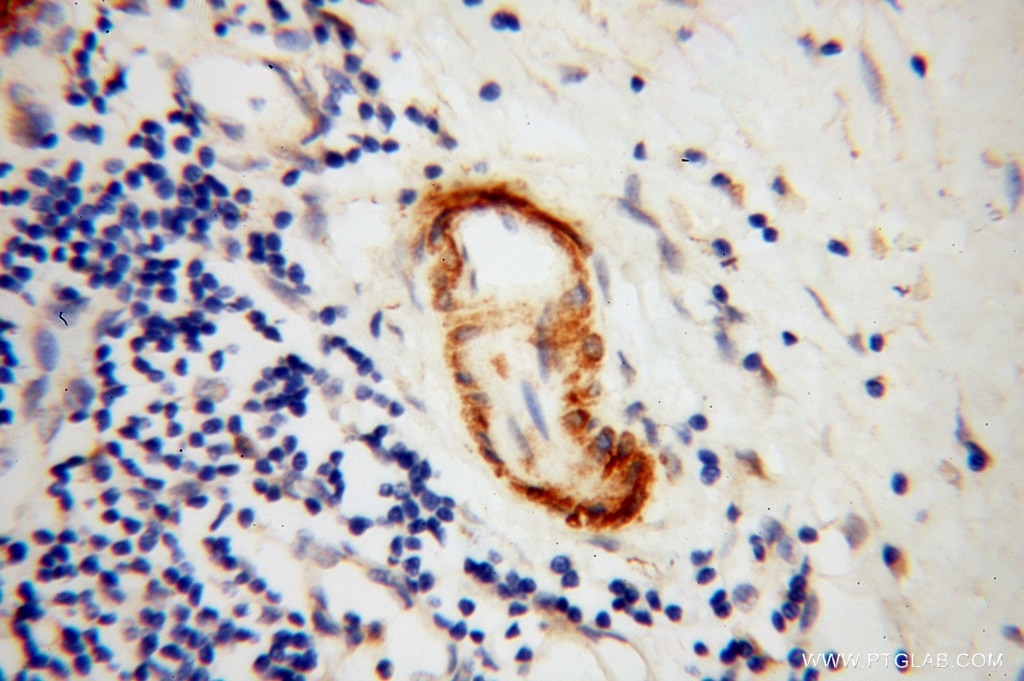
Product Information
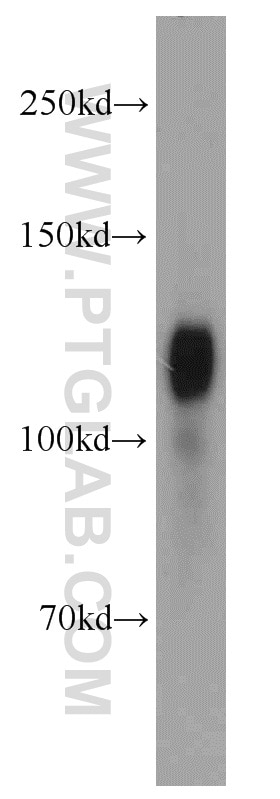
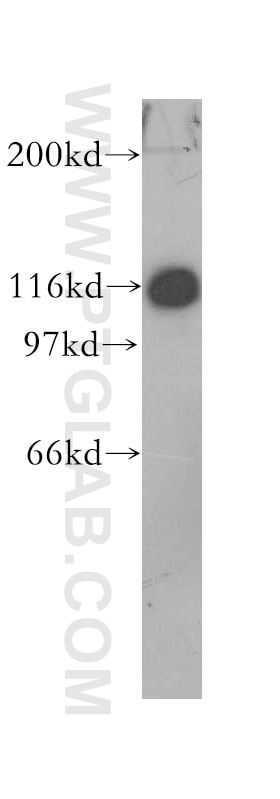
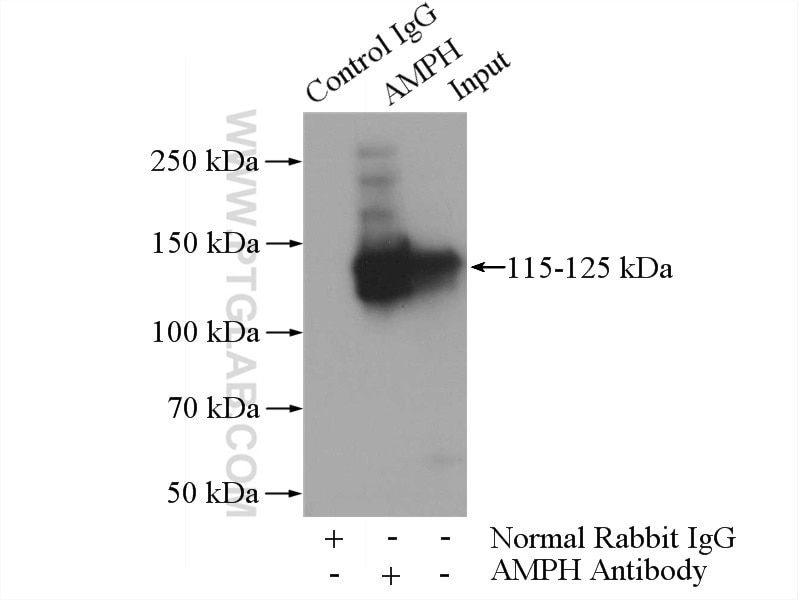
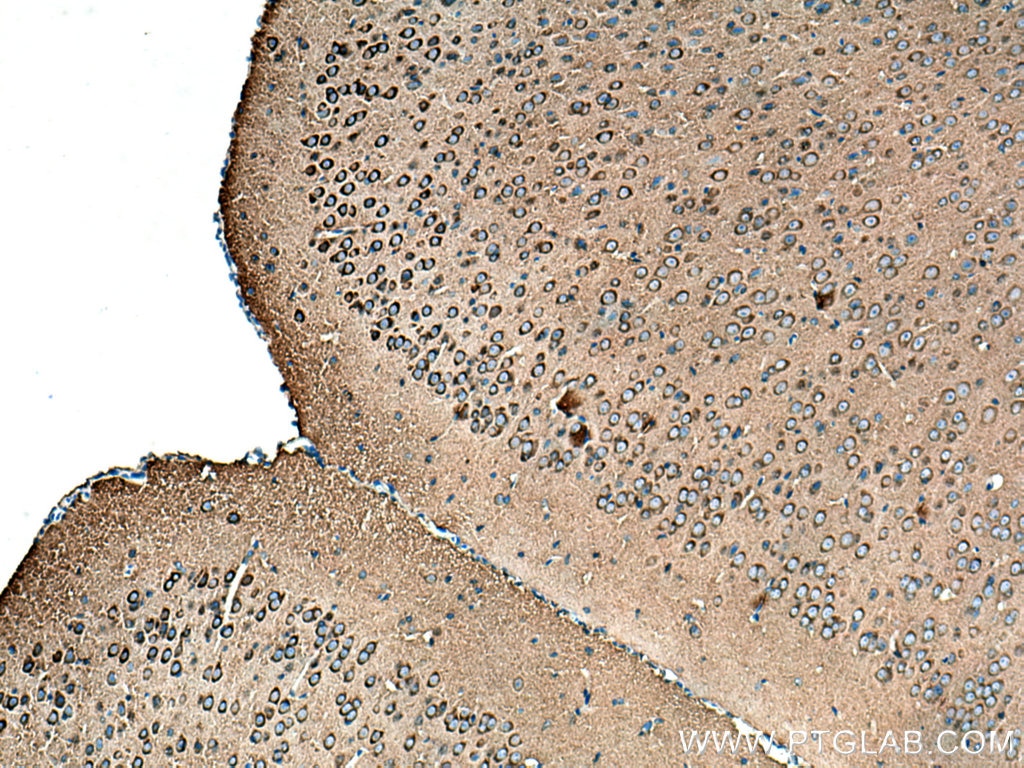
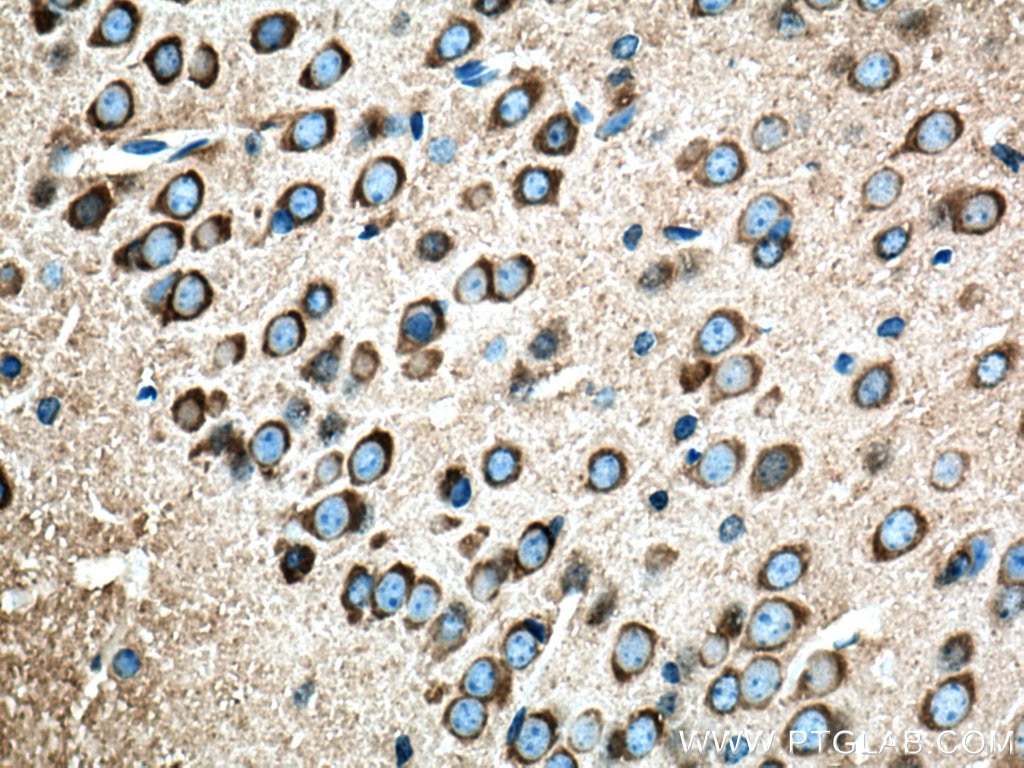
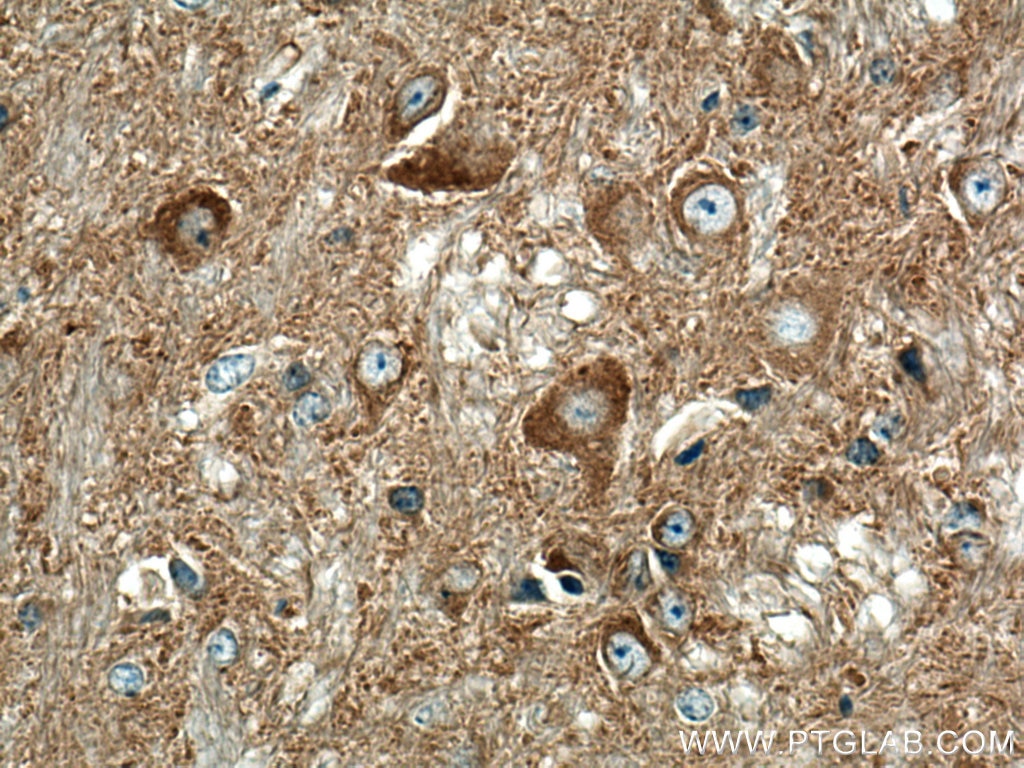
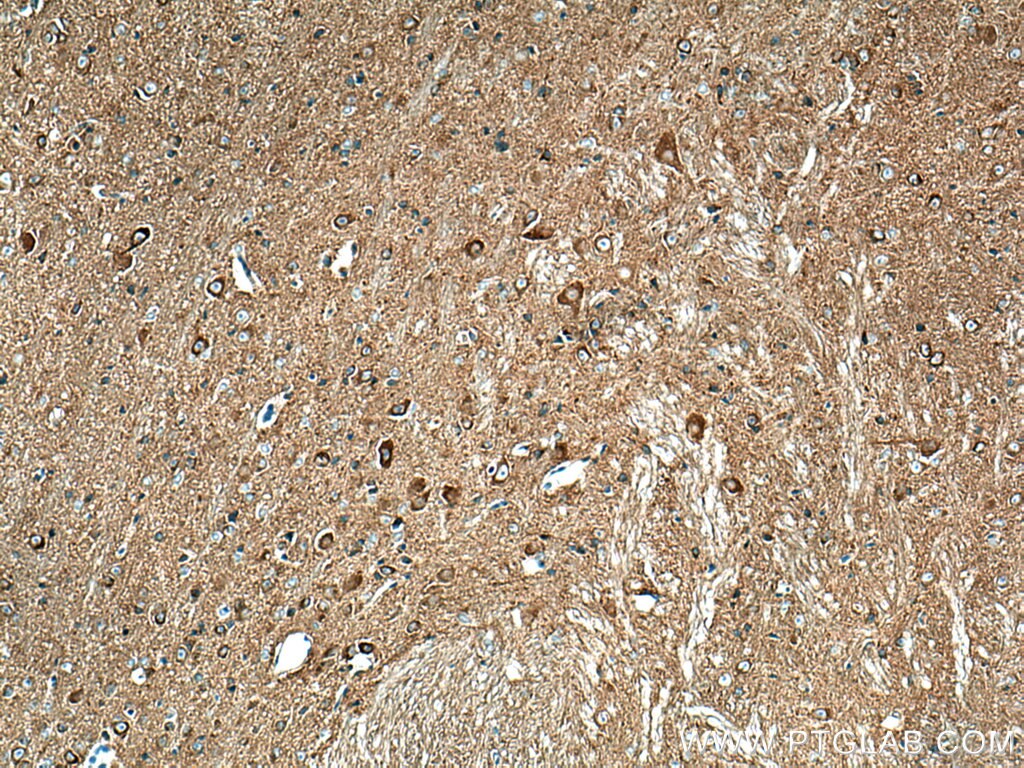
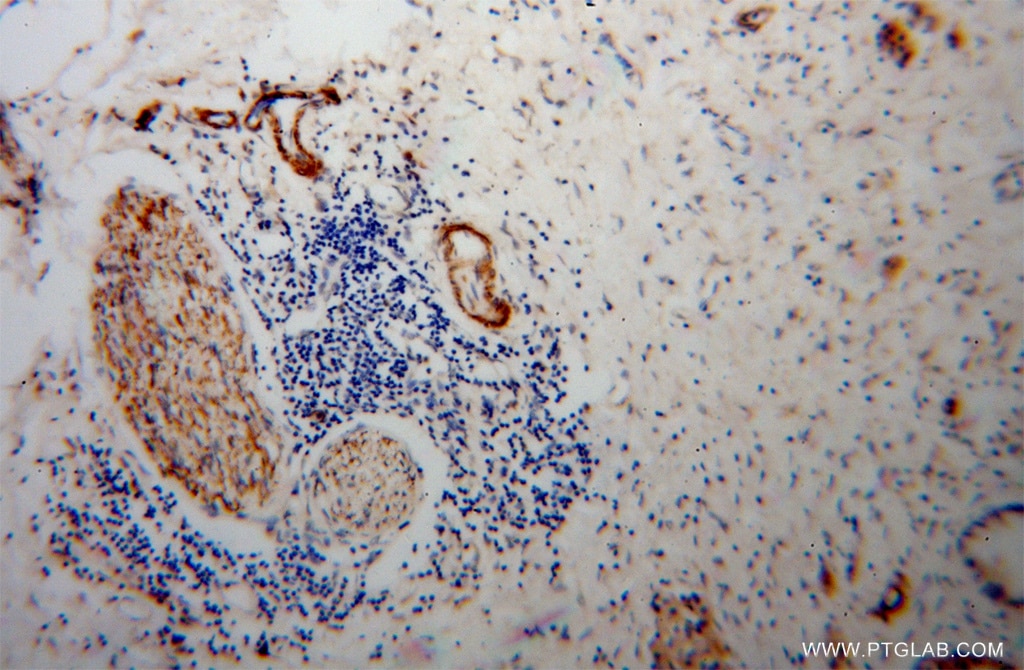
13379-1-PBS targets Amphiphysin in WB, IHC, IP, Indirect ELISA applications and shows reactivity with human, mouse, rat samples.
| Tested Reactivity | human, mouse, rat |
| Host / Isotype | Rabbit / IgG |
| Class | Polyclonal |
| Type | Antibody |
| Immunogen |
CatNo: Ag4204 Product name: Recombinant human AMPH protein Source: e coli.-derived, PGEX-4T Tag: GST Domain: 346-695 aa of BC034376 Sequence: KKEETLLDLDFDPFKPEVTPAGSAGVTHSPMSQTLPWDLWTTSTDLVQPASGGSFNGFTQPQDTSLFTMQTDQSMICNLAESEQAPPTEPKAEEPLAAVTPAVGLDLGMDTRAEEPVEEAVIIPGADADAAVGTLVSAAEGAPGEEAEAETATVPAGEGVSLEEAKIGTETTEGAESAQPEAEELEATVPQEKVIPSVVIEPASNHEEEGENEITIGAEPKETTEDAAPPGPTSETPELATEQKPIQDPQPTPSAPAMGAADQLASAREASQELPPGFLYKVETLHDFEAANSDELTLQRGDVVLVVPSDSEADQDAGWLVGVKESDWLQYRDLATYKGLFPENFTRRLD Predict reactive species |
| Full Name | amphiphysin |
| Calculated Molecular Weight | 695 aa, 76 kDa |
| Observed Molecular Weight | 115-125 kDa |
| GenBank Accession Number | BC034376 |
| Gene Symbol | AMPH |
| Gene ID (NCBI) | 273 |
| RRID | AB_2226789 |
| Conjugate | Unconjugated |
| Form | Liquid |
| Purification Method | Antigen affinity purification |
| UNIPROT ID | P49418 |
| Storage Buffer | PBS only, pH 7.3. |
| Storage Conditions | Store at -80°C. |
Background Information
Amphiphysin (AMPH), a synaptic vesicle-associated protein that is highly concentrated in nerve terminal, is an autoantigen of Stiff-Man syndrome with breast cancer. Amphiphysin contains a N-terminal BAR (Bin1/Amphiphysin/Rv167) domain followed by an endocytosis domain, and a C-terminal SH3 domain. Amphiphysin has been proposed to function as a linker between the clathrin coat and dynamin in the endocytosis of synaptic vesicles. It may also participate in mechanisms of regulated exocytosis in synapses and certain endocrine cell types. (PMID: 8552632; 8245793; 10559861)










