
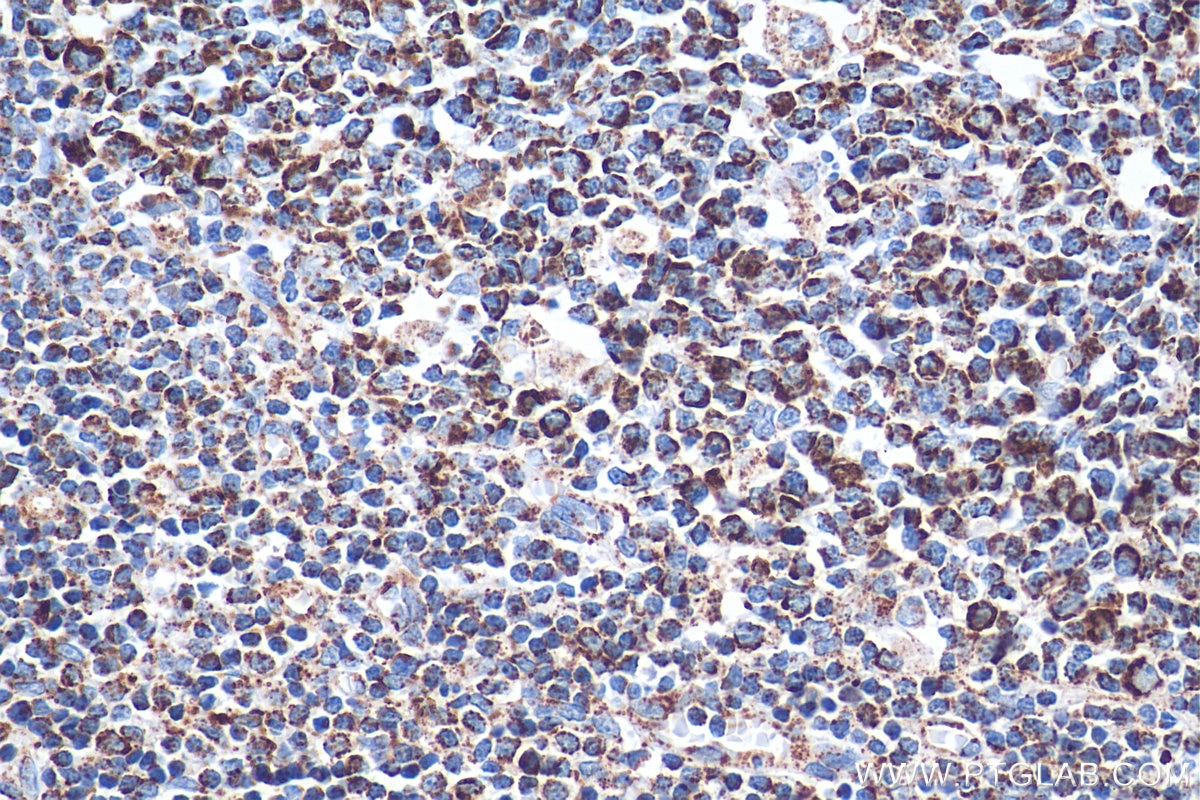
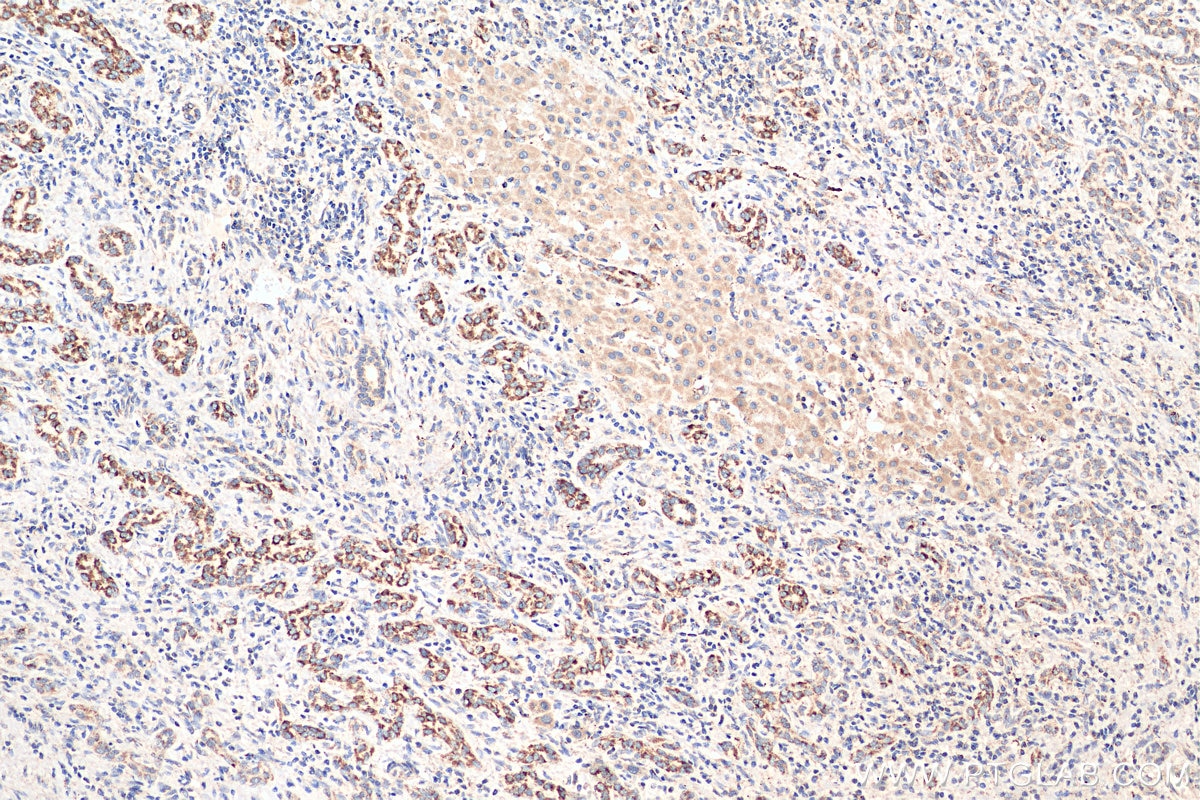
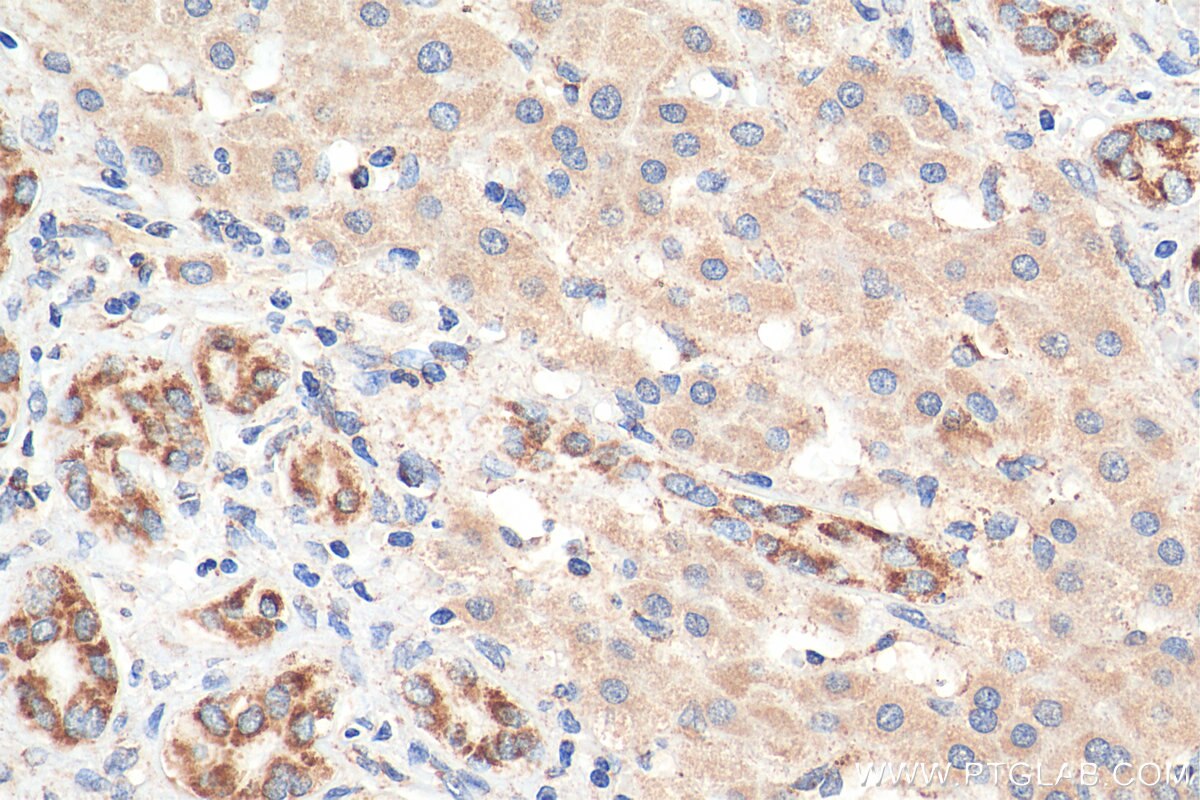
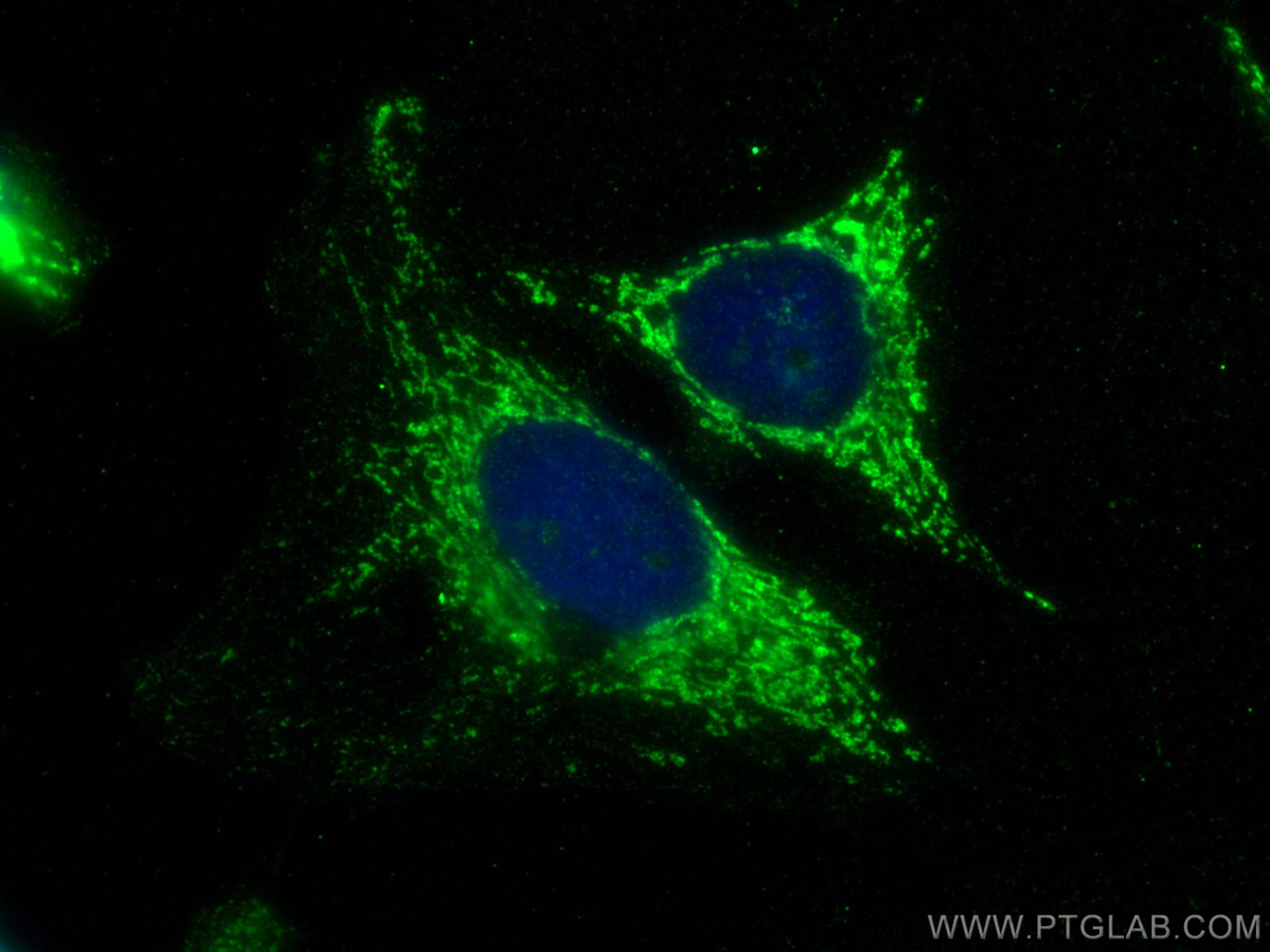
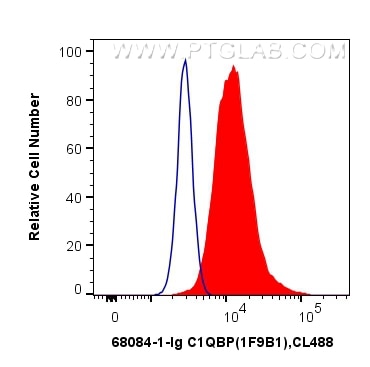

Tested Applications
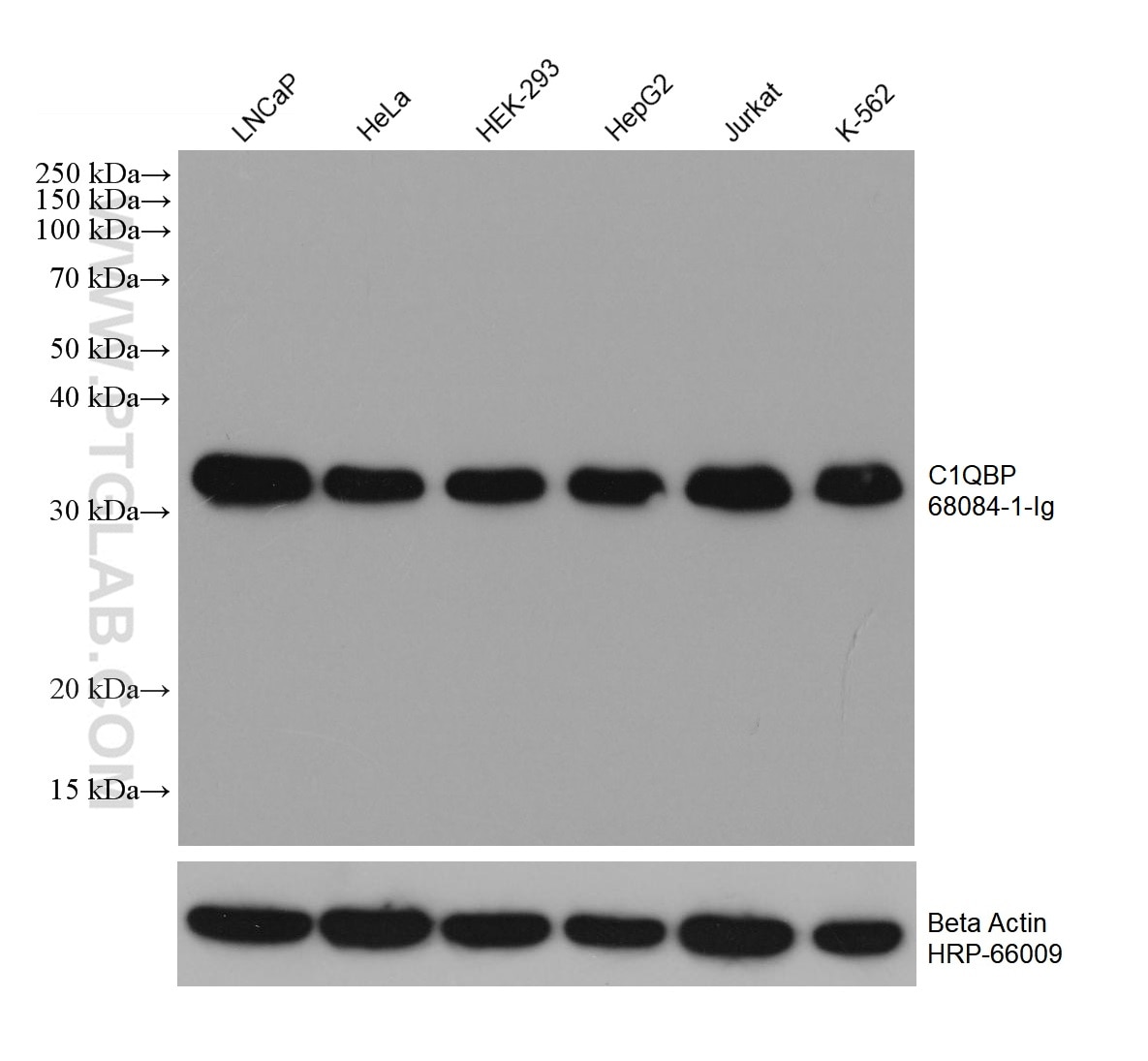
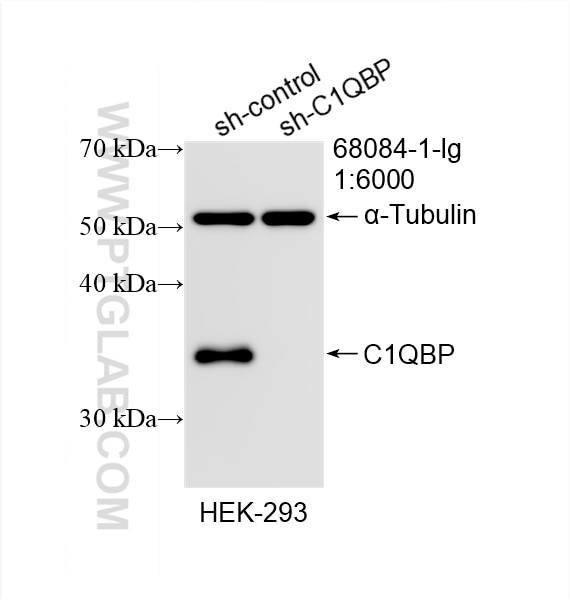
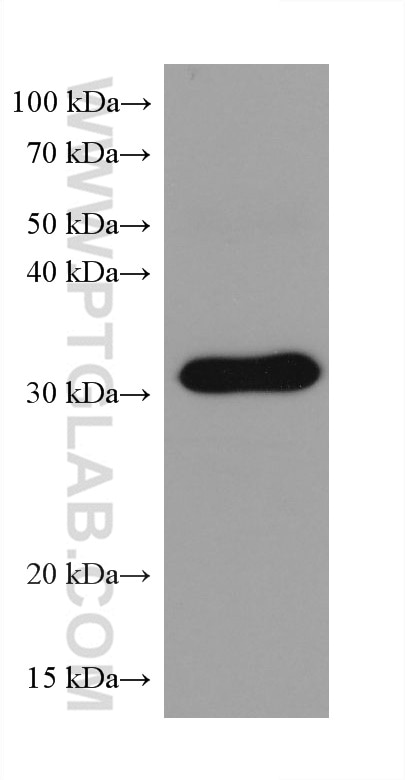
| Positive WB detected in | LNCaP cells, HEK-293 cells, mouse brain tissue, HeLa cells, HepG2 cells, Jurkat cells, K-562 cells |
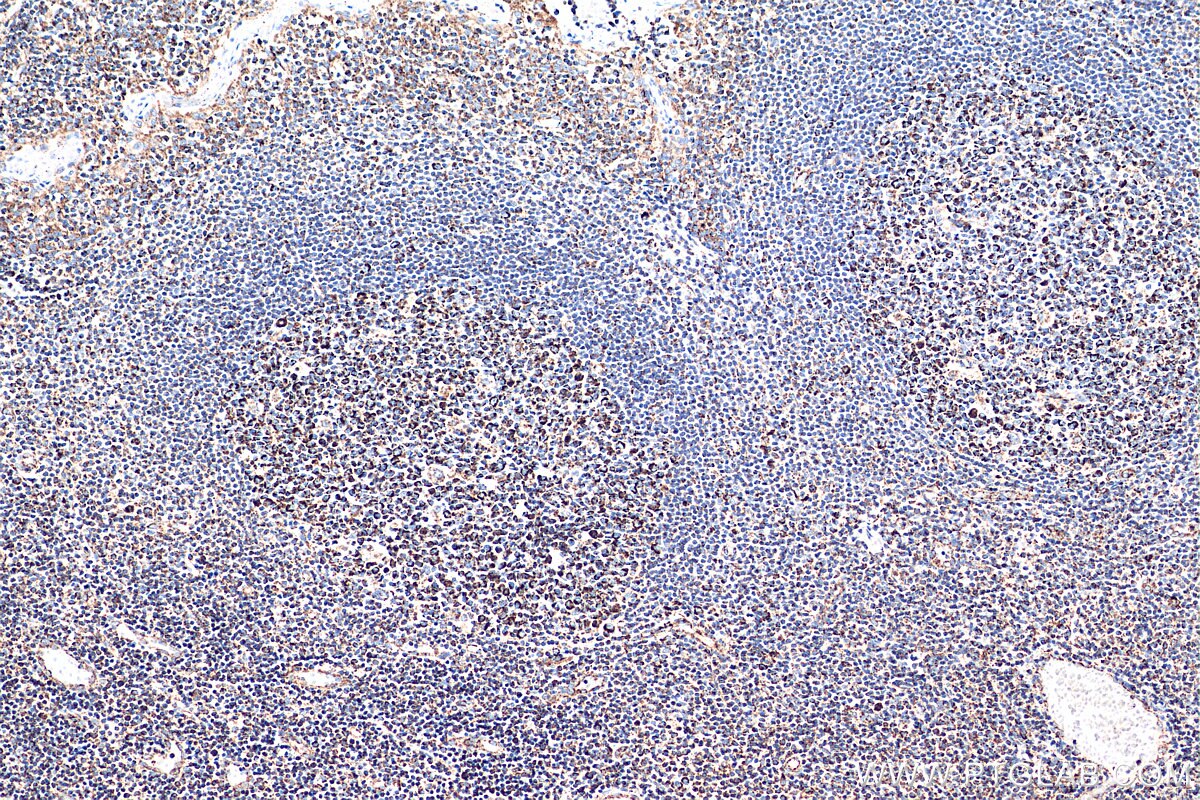
| Positive IHC detected in | human tonsillitis tissue, human liver cancer tissue Note: suggested antigen retrieval with TE buffer pH 9.0; (*) Alternatively, antigen retrieval may be performed with citrate buffer pH 6.0 |
| Positive IF/ICC detected in | HeLa cells |
| Positive FC (Intra) detected in | HeLa cells |
Recommended dilution
| Application | Dilution |
|---|---|
| Western Blot (WB) | WB : 1:5000-1:50000 |
| Immunohistochemistry (IHC) | IHC : 1:500-1:2000 |
| Immunofluorescence (IF)/ICC | IF/ICC : 1:400-1:1600 |
| Flow Cytometry (FC) (INTRA) | FC (INTRA) : 0.50 ug per 10^6 cells in a 100 ul suspension |
| It is recommended that this reagent should be titrated in each testing system to obtain optimal results. | |
| Sample-dependent, Check data in validation data gallery. | |
Product Information
68084-1-Ig targets C1QBP in WB, IHC, IF/ICC, FC (Intra), CoIP, ELISA applications and shows reactivity with human, mouse samples.
| Tested Reactivity | human, mouse |
| Cited Reactivity | human, mouse |
| Host / Isotype | Mouse / IgG2b |
| Class | Monoclonal |
| Type | Antibody |
| Immunogen |
CatNo: Ag19773 Product name: Recombinant human C1QBP protein Source: e coli.-derived, PGEX-4T Tag: GST Domain: 1-282 aa of BC013731 Sequence: MLPLLRCVPRVLGSSVAGLRAAAPASPFRQLLQPAPRLCTRPFGLLSVRAGSERRPGLLRPRGPCACGCGCGSLHTDGDKAFVDFLSDEIKEERKIQKHKTLPKMSGGWELELNGTEAKLVRKVAGEKITVTFNINNSIPPTFDGEEEPSQGQKVEEQEPELTSTPNFVVEVIKNDDGKKALVLDCHYPEDEVGQEDEAESDIFSIREVSFQSTGESEWKDTNYTLNTDSLDWALYDHLMDFLADRGVDNTFADELVELSTALEHQEYITFLEDLKSFVKSQ Predict reactive species |
| Full Name | complement component 1, q subcomponent binding protein |
| Calculated Molecular Weight | 282 aa, 31 kDa |
| Observed Molecular Weight | 32-35 kDa |
| GenBank Accession Number | BC013731 |
| Gene Symbol | C1QBP |
| Gene ID (NCBI) | 708 |
| RRID | AB_2918821 |
| Conjugate | Unconjugated |
| Form | Liquid |
| Purification Method | Protein A purification |
| UNIPROT ID | Q07021 |
| Storage Buffer | PBS with 0.02% sodium azide and 50% glycerol, pH 7.3. |
| Storage Conditions | Store at -20°C. Stable for one year after shipment. Aliquoting is unnecessary for -20oC storage. 20ul sizes contain 0.1% BSA. |
Background Information
C1QBP, also named as gC1q receptor (gC1qR), p32, p33, and hyaluronan-binding protein 1 (HABP1), is a protein initially copurified with splicing factor SF2 (PMID: 1830244). The protein is synthesized as a pro-protein of 282 amino acids (aa) that is post-translationally processed by removal of the initial 73 aa to a mature protein of 209 aa (PMID: 8262387). C1QBP is an evolutionary conserved and ubiquitously expressed multifunctional protein and has been reported to be a predominantly mitochondrial matrix protein involved in inflammation and infection processes, mitochondrial ribosome biogenesis, regulation of apoptosis and nuclear transcription, and pre-mRNA splicing (PMID: 28942965).
Protocols
| Product Specific Protocols | |
|---|---|
| FC protocol for C1QBP antibody 68084-1-Ig | Download protocol |
| IF protocol for C1QBP antibody 68084-1-Ig | Download protocol |
| IHC protocol for C1QBP antibody 68084-1-Ig | Download protocol |
| WB protocol for C1QBP antibody 68084-1-Ig | Download protocol |
| Standard Protocols | |
|---|---|
| Click here to view our Standard Protocols |
Publications
What published studies show
The C1QBP Monoclonal antibody (Cat# 68084-1-Ig) has 3 citations.
Journals include Military Medical Research (IF 29, diabetic foot regeneration study), Molecular Medicine (endothelial apoptosis in systemic sclerosis), and Biological Research (copper death in atherosclerosis).
Associated research fields: wound healing/diabetic complications, complement-mediated mitochondrial function and apoptosis in systemic sclerosis, and vascular smooth muscle cell function in atherosclerosis. Applications cited include WB, IF, and CoIP across human and mouse samples, with one RNAi-knockdown study.
| Species | Application | Title |
|---|---|---|
Mil Med Res Trace element-dictated exosome modules and self-adaptive dual-network hydrogel orchestrate diabetic foot regeneration through complement-mitochondria-autophagy circuitry.
| ||
Mol Med Complement protein C1q induces endothelial apoptosis through C1qBP regulation of mitochondrial function in lung endothelial cells in systemic sclerosis. | ||
Biol Res Vascular smooth muscle cell RNA-binding protein U2AF2 induces copper death by regulating C1qbp expression, delaying development of atherosclerosise. |










