

Tested Applications
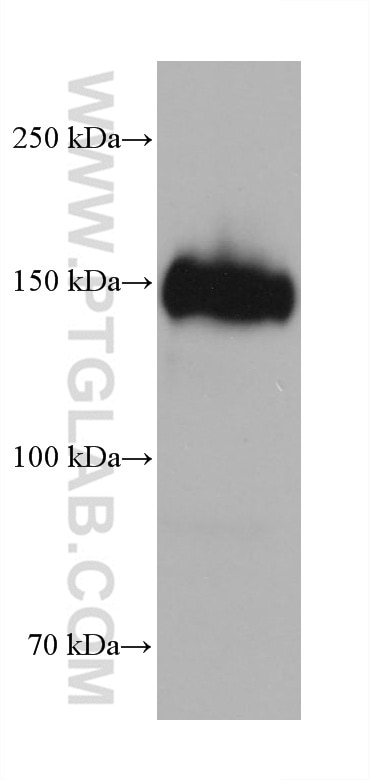
| Positive WB detected in | human placenta tissue |
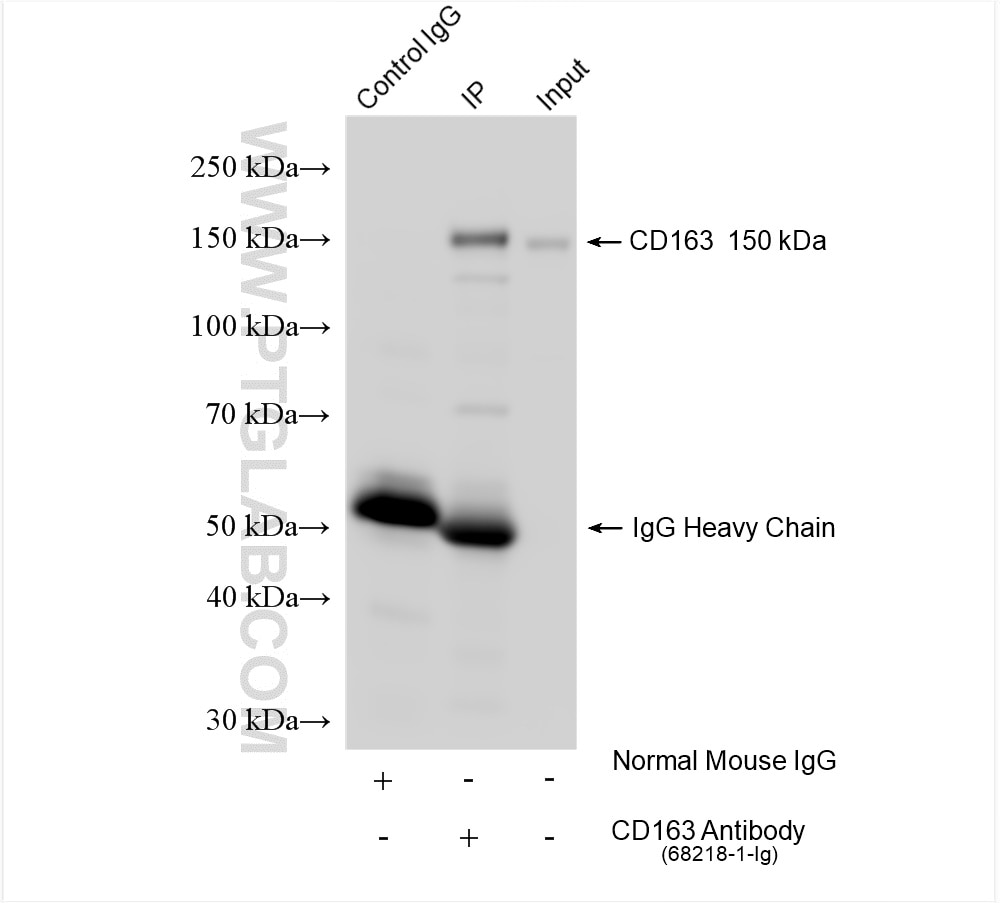
| Positive IP detected in | human placenta tissue |
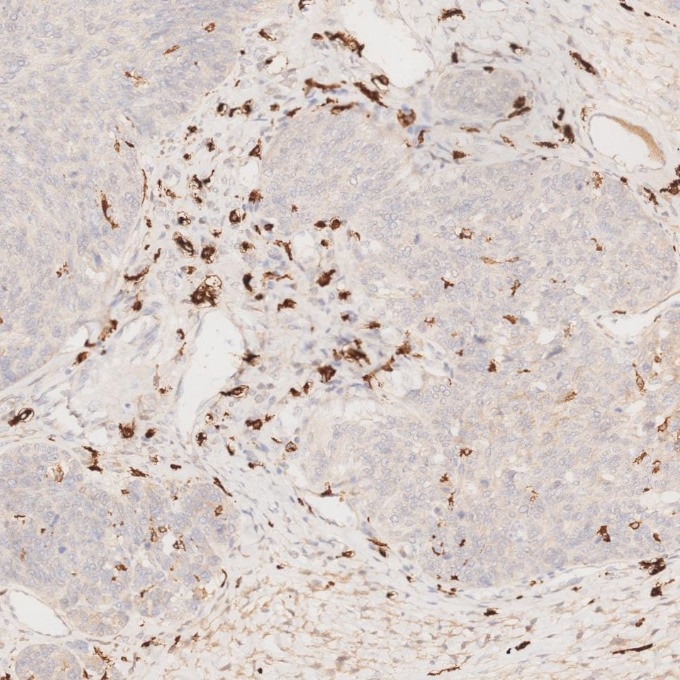
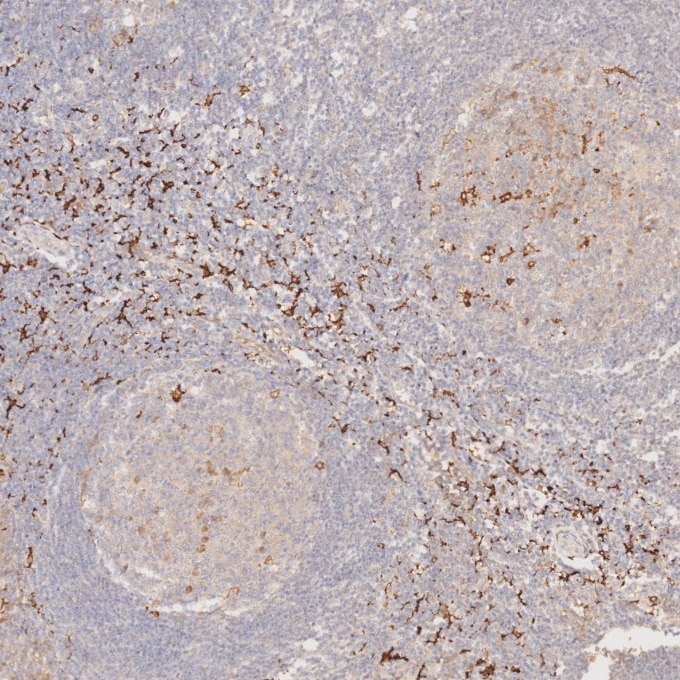
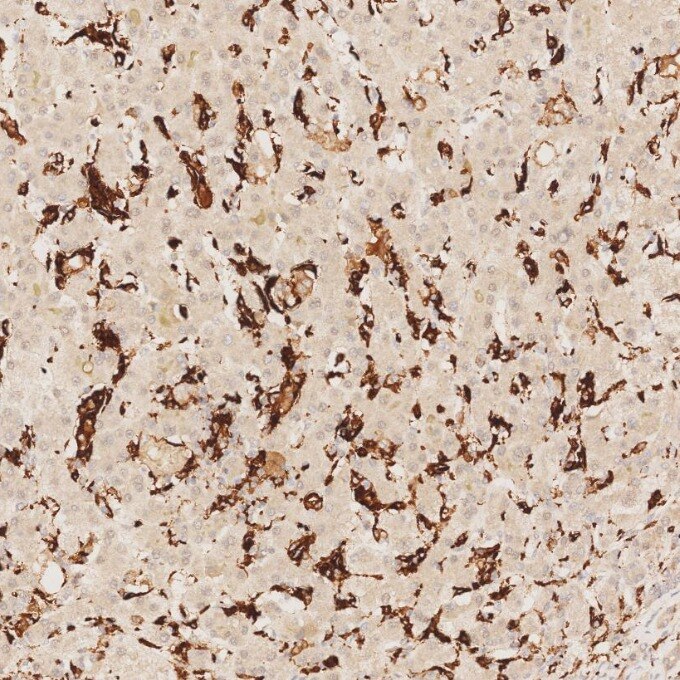
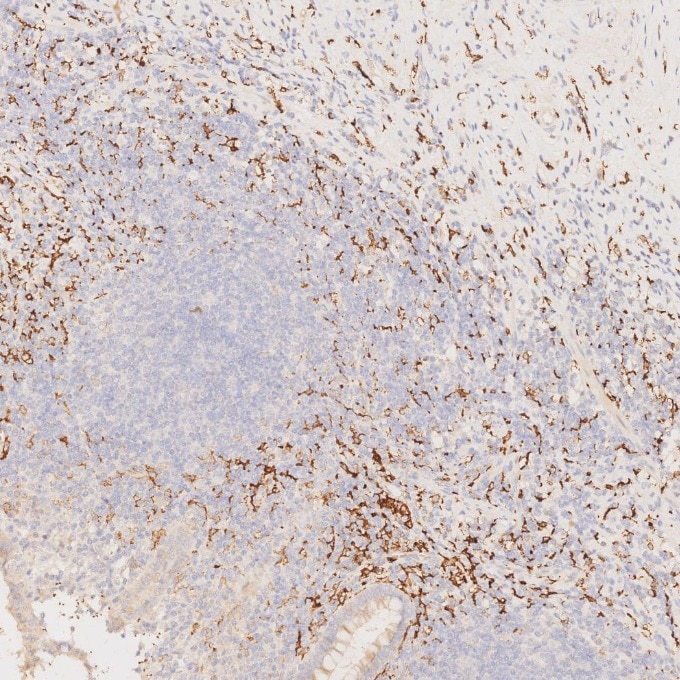
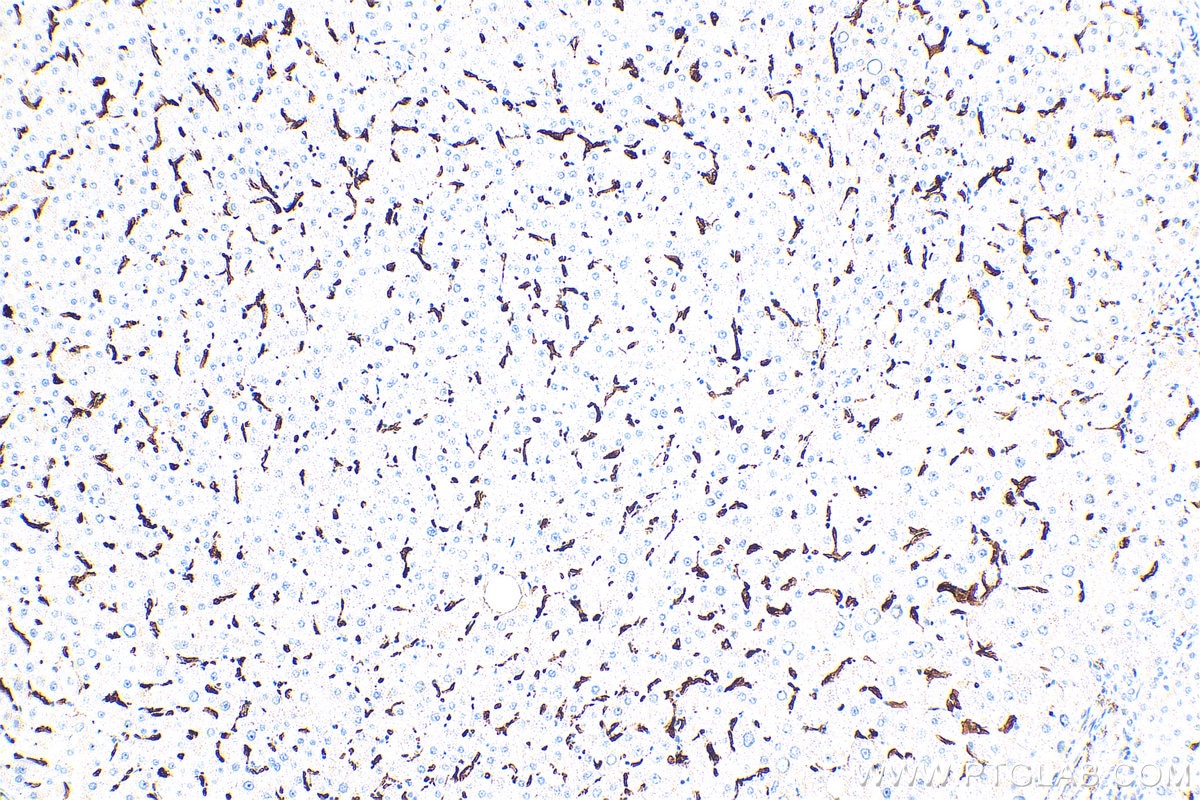
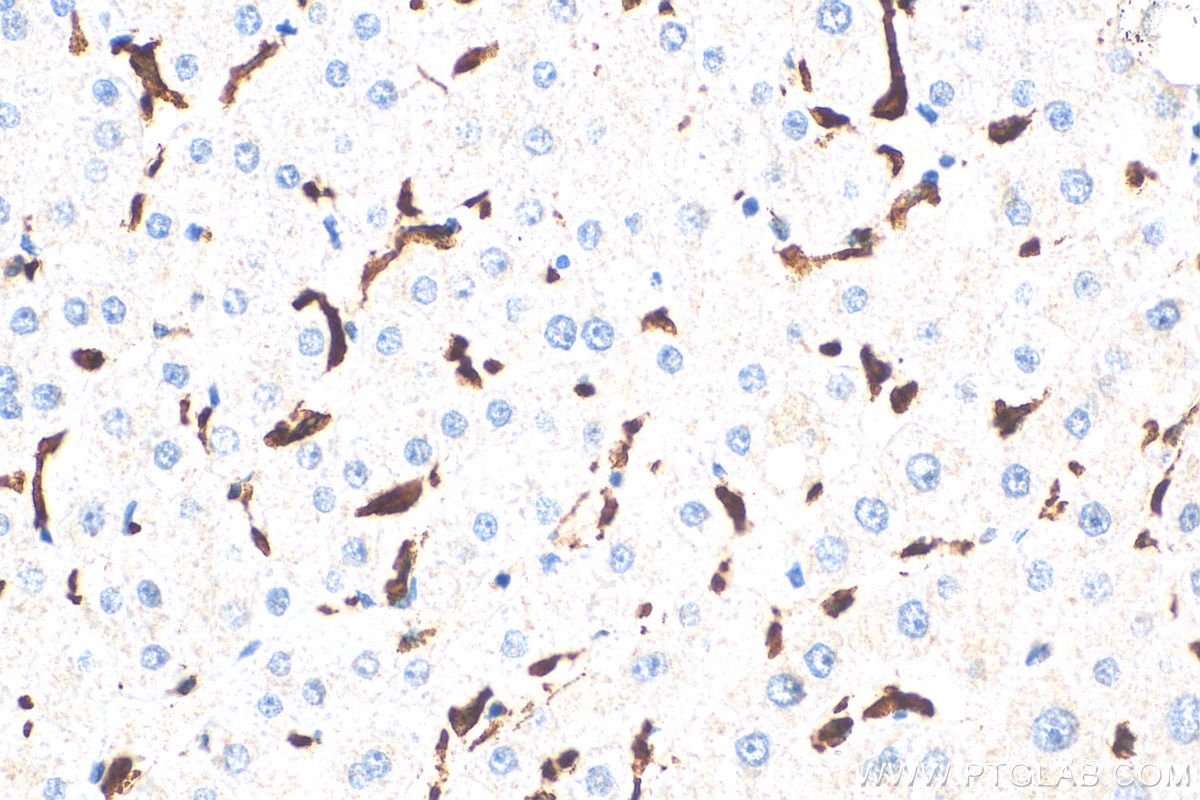
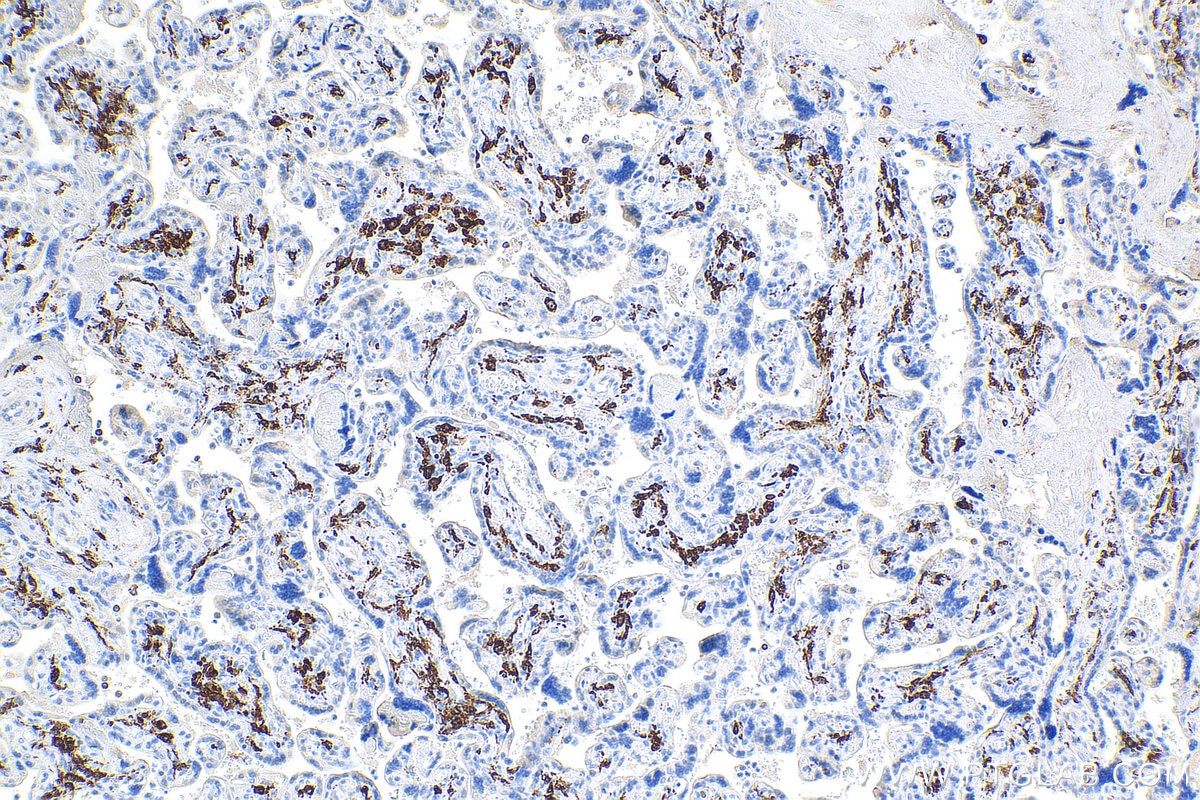
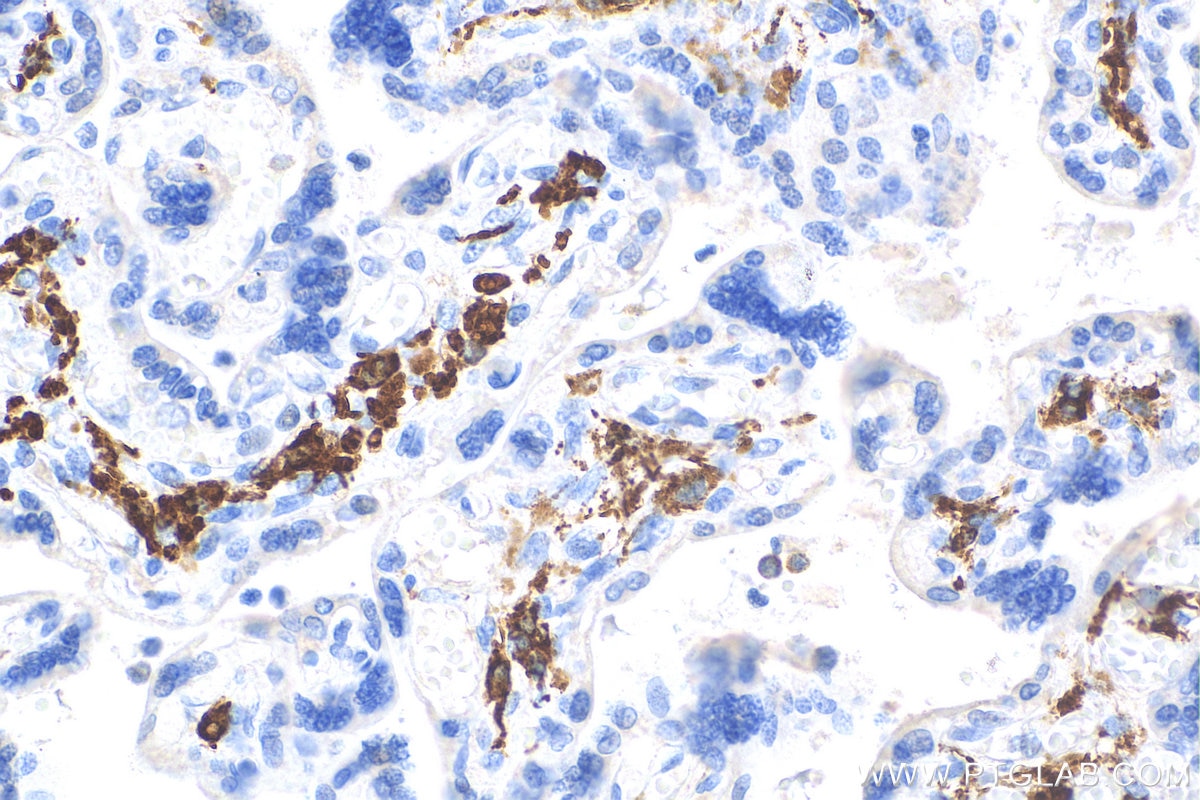
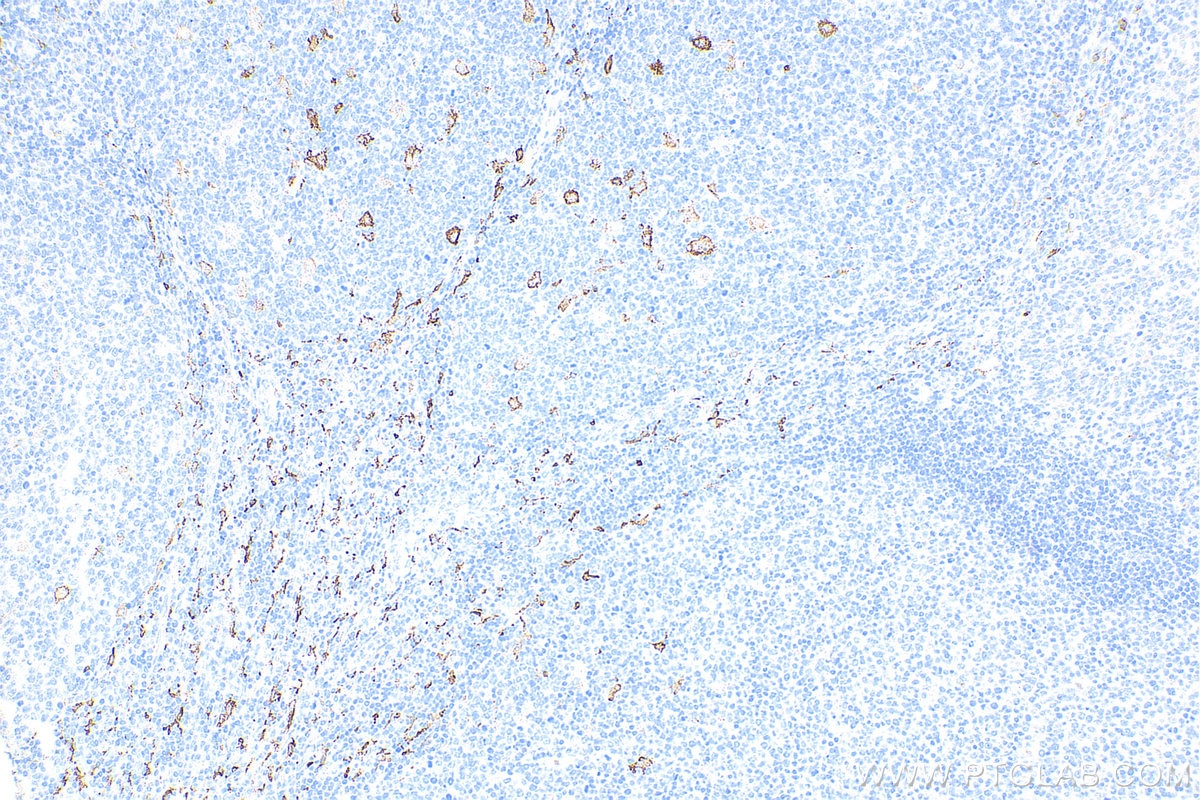
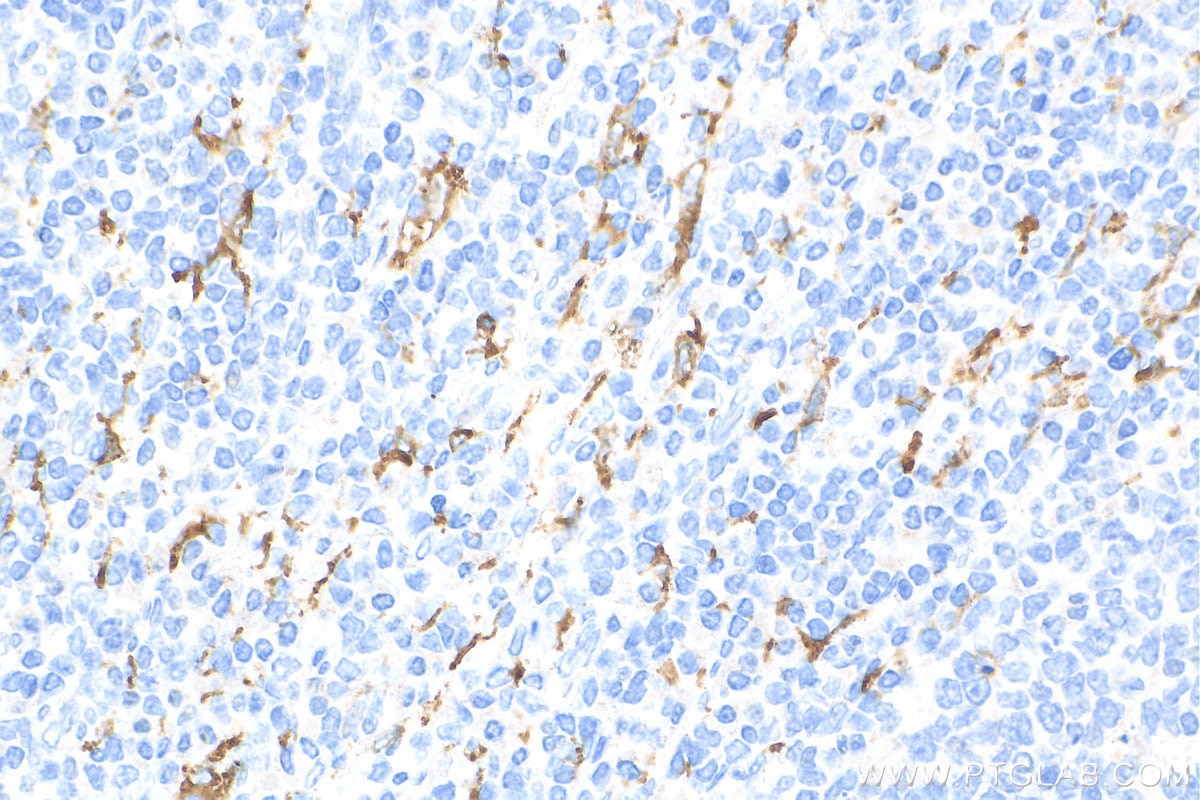
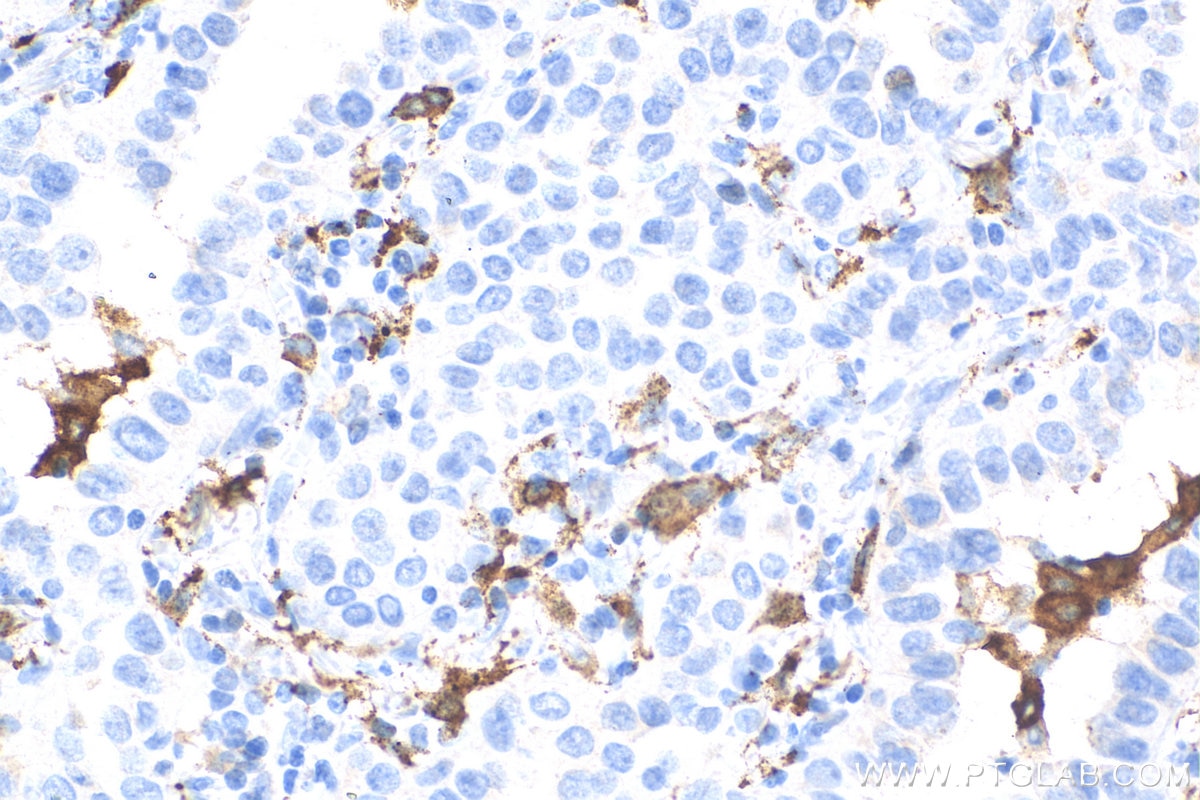
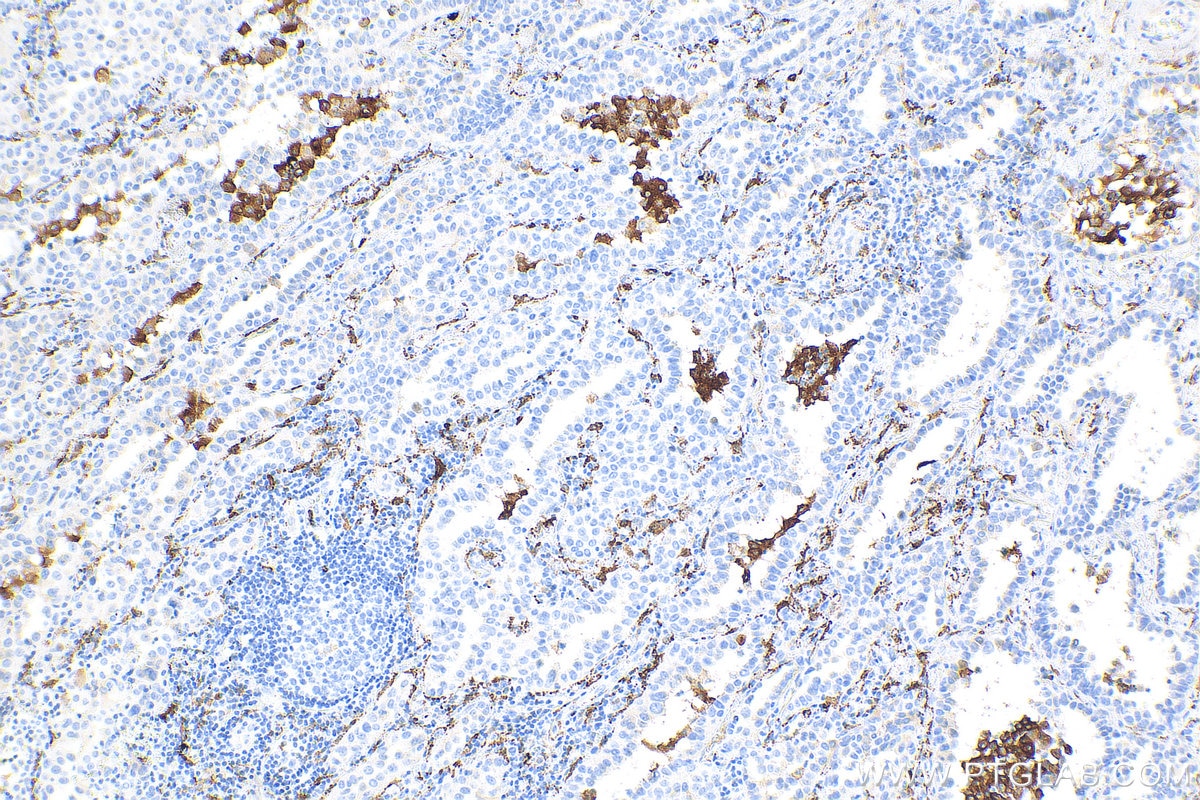
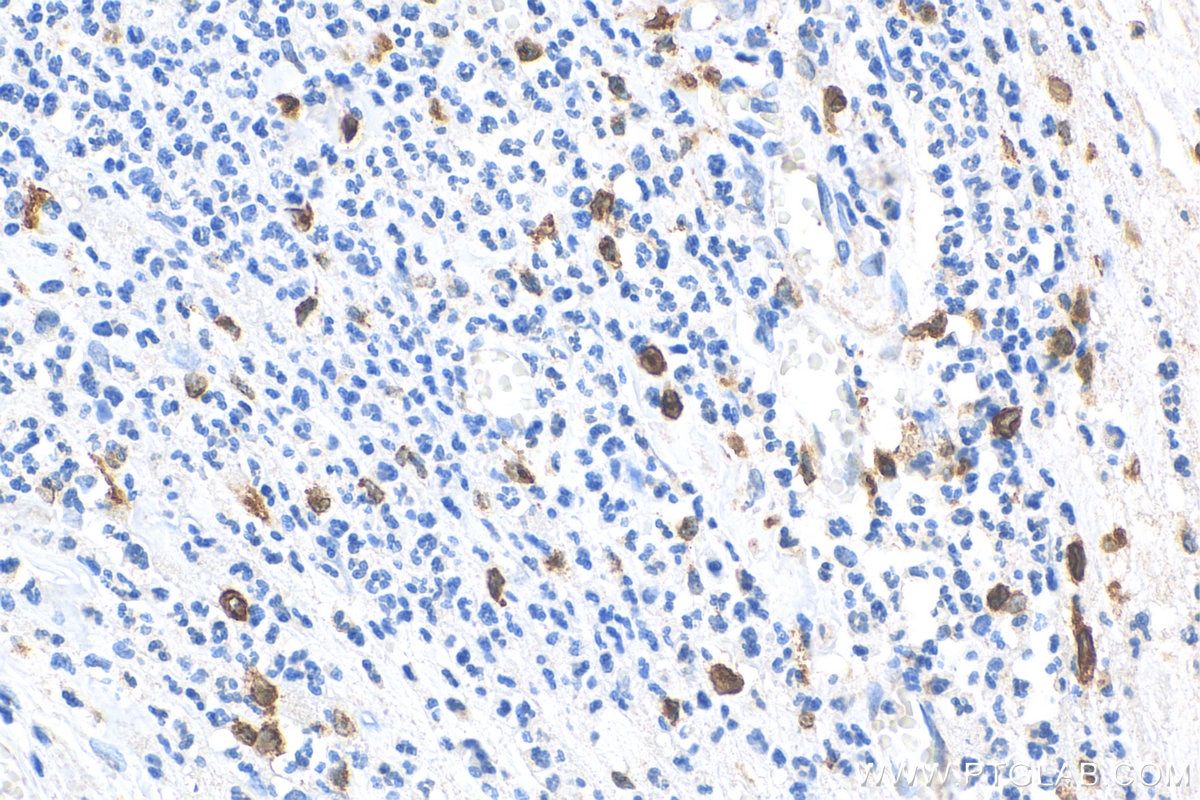
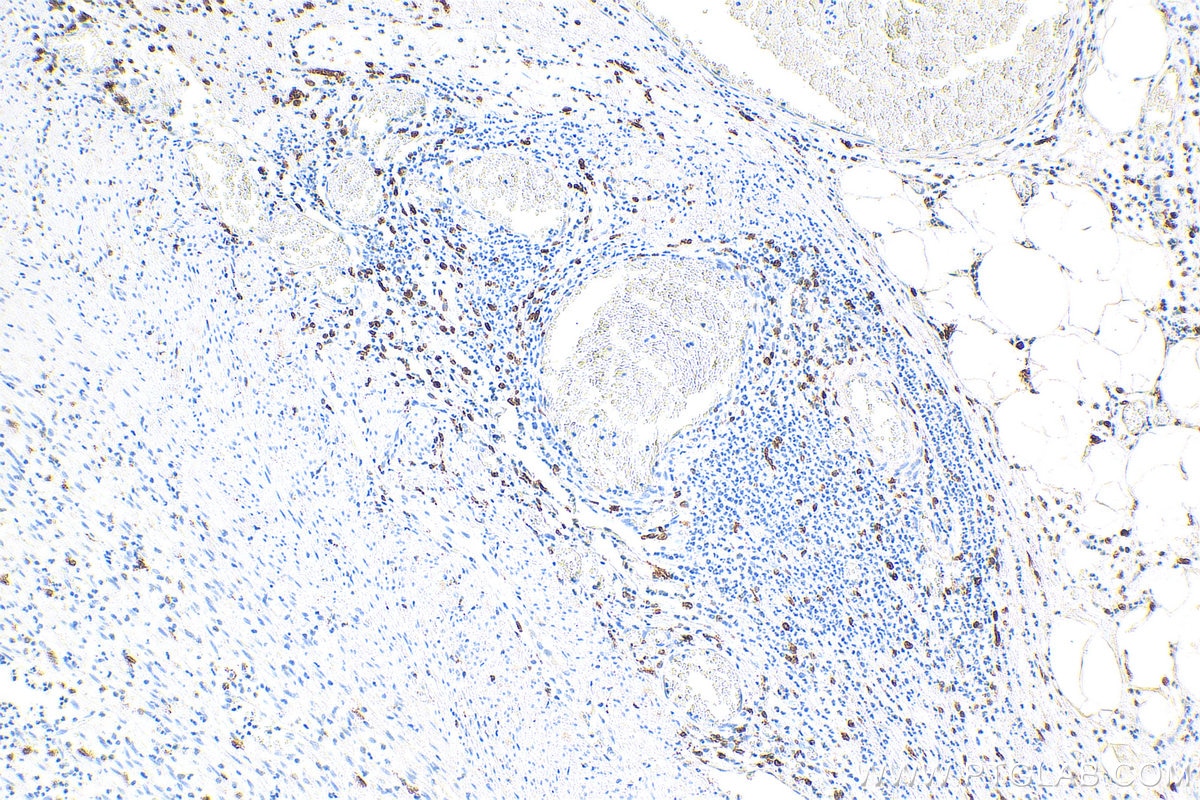
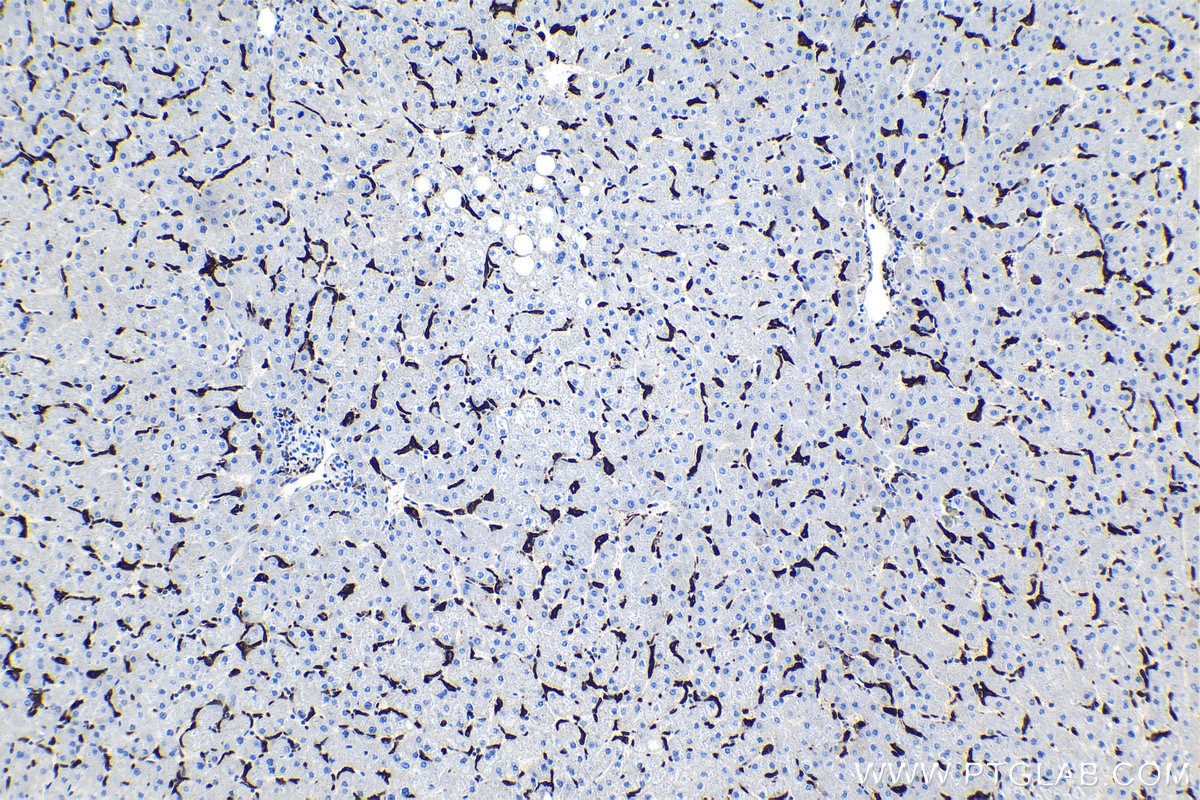
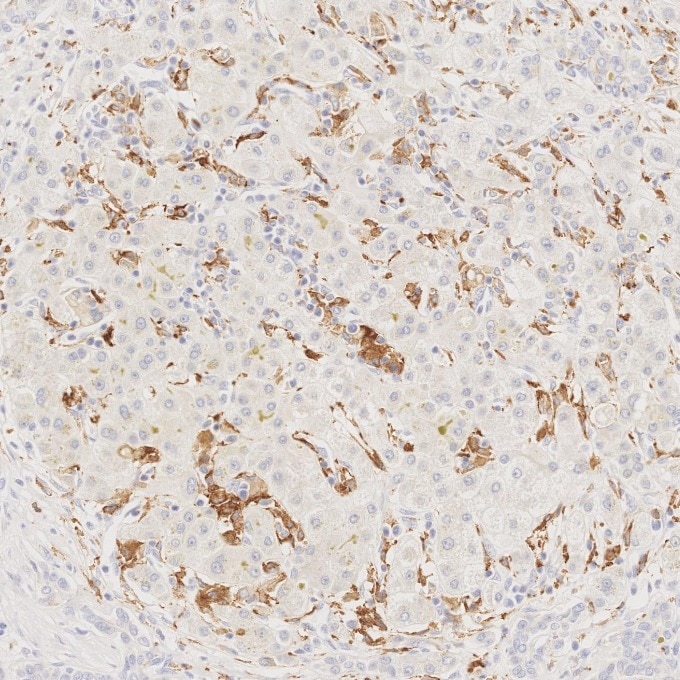
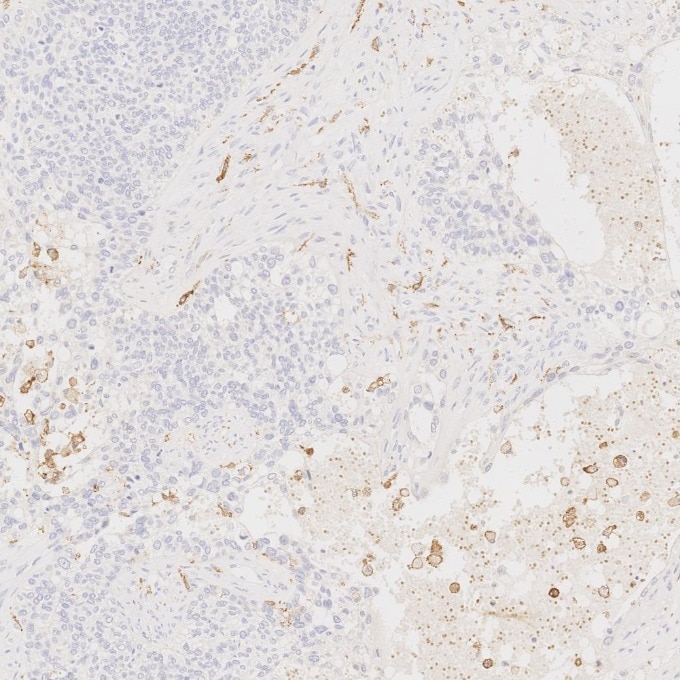
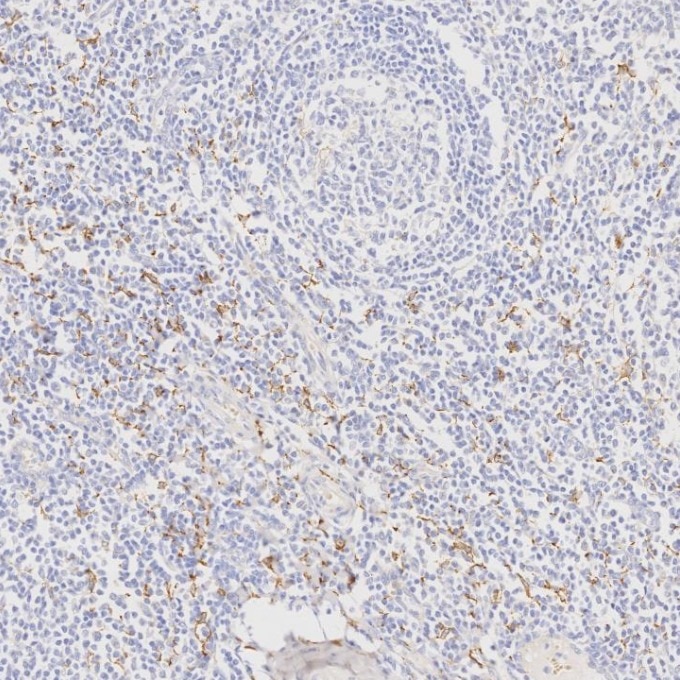
| Positive IHC-Autostainer detected in | human liver tissue, human appendicitis tissue, human ovary cancer tissue, human tonsillitis tissue |
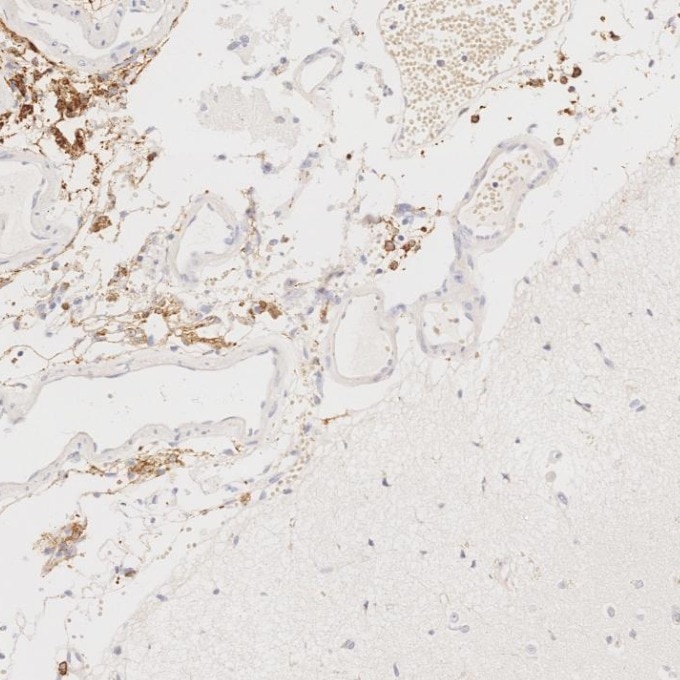
| Positive IHC detected in | human liver tissue, human tonsillitis tissue, human ovary cancer tissue, human brain tissue, human lung cancer tissue, human appendicitis tissue Note: suggested antigen retrieval with TE buffer pH 9.0; (*) Alternatively, antigen retrieval may be performed with citrate buffer pH 6.0 |
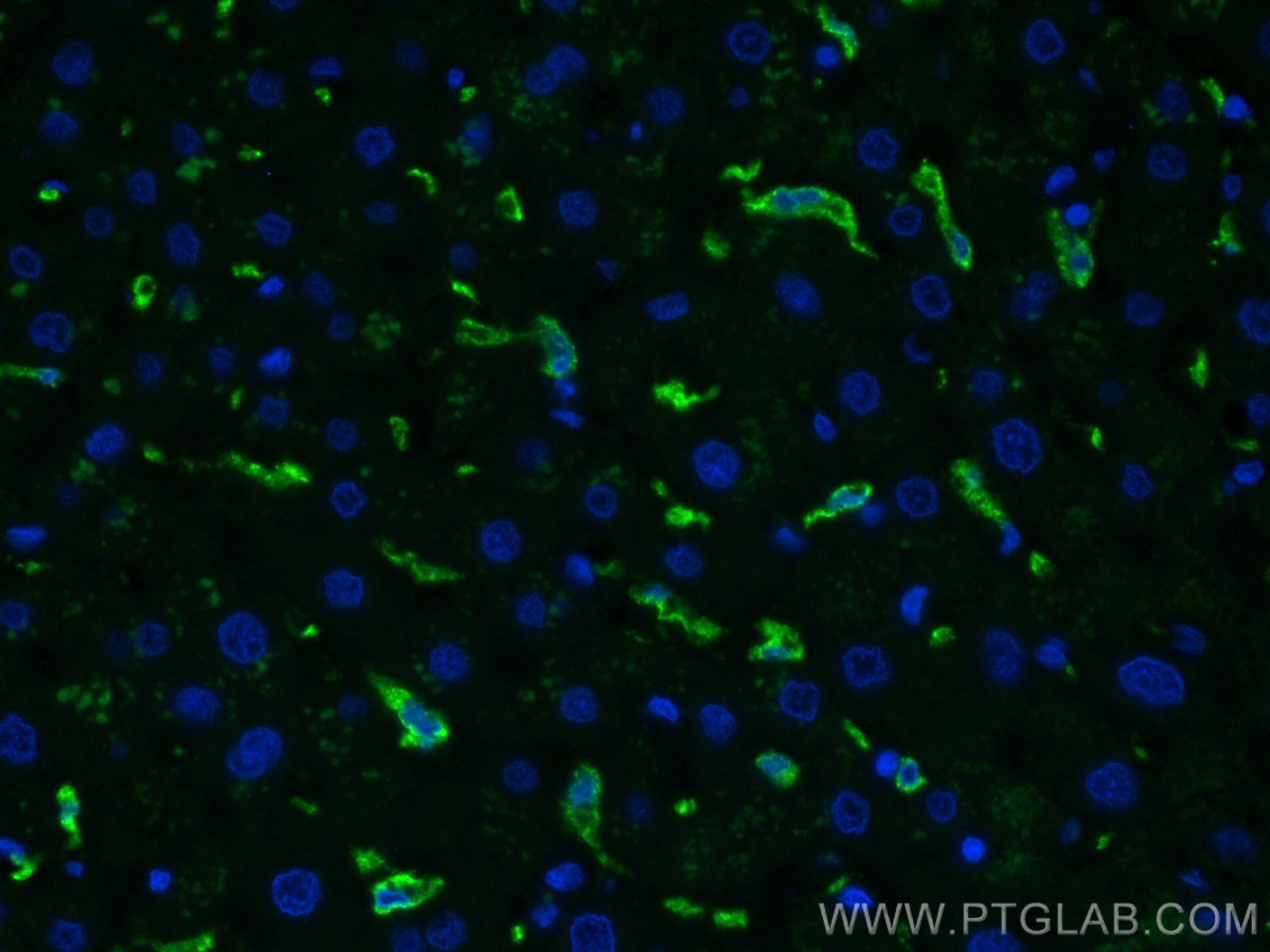
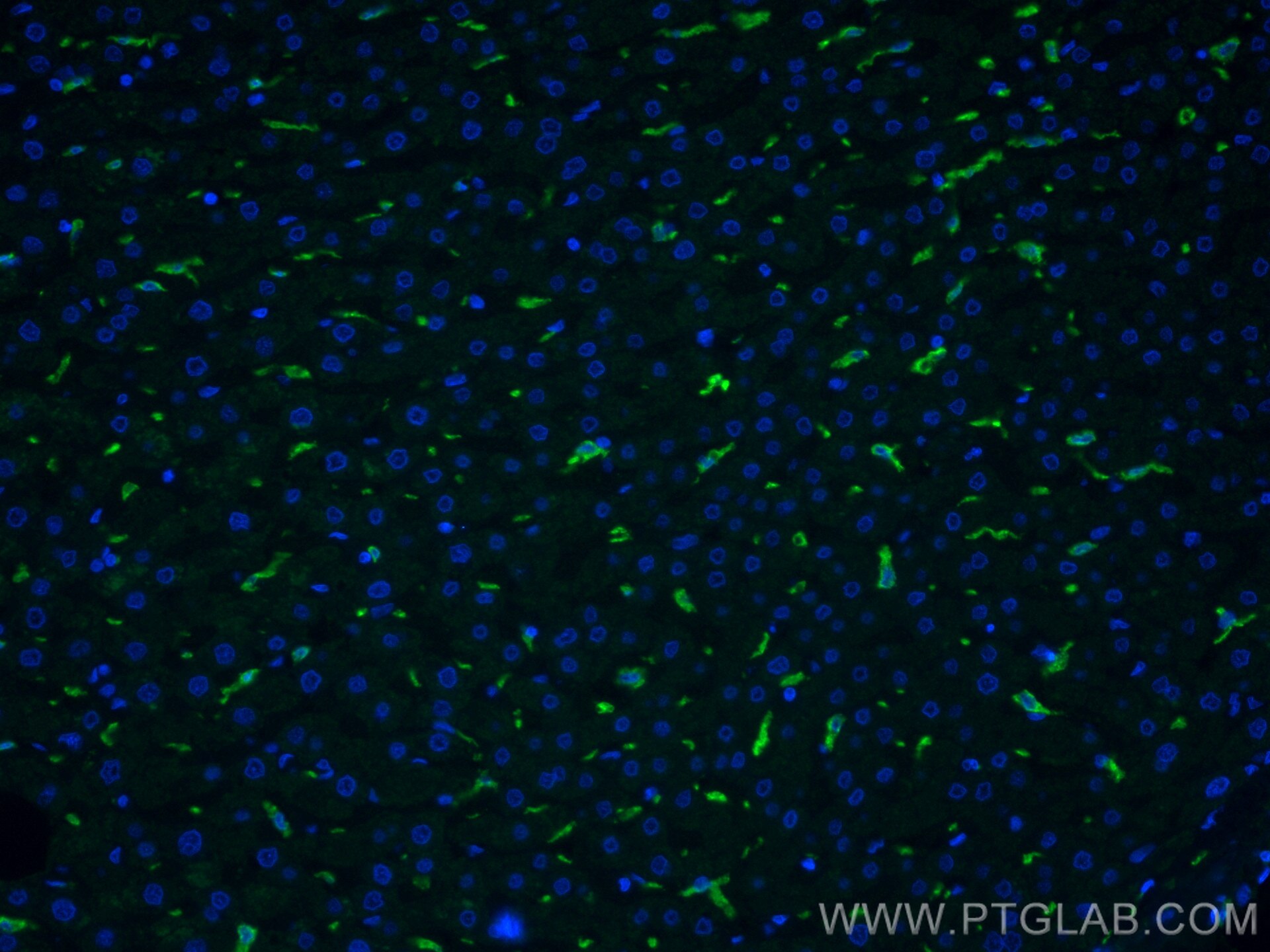
| Positive IF-P detected in | human liver tissue |
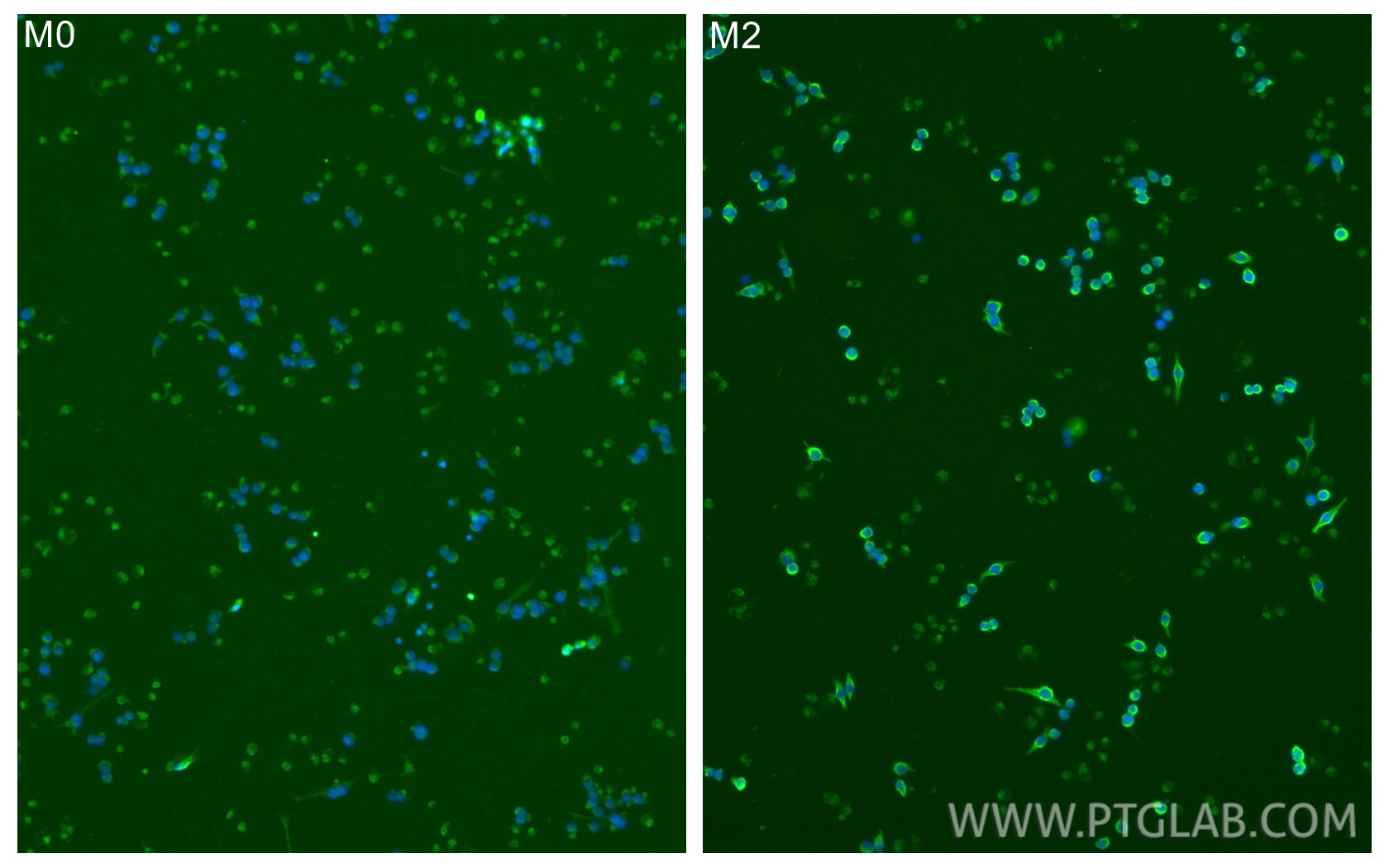
| Positive IF/ICC detected in | IL-4 treated RAW 264.7 cells |
Recommended dilution
| Application | Dilution |
|---|---|
| Western Blot (WB) | WB : 1:5000-1:50000 |
| Immunoprecipitation (IP) | IP : 0.5-4.0 ug for 1.0-3.0 mg of total protein lysate |
| Immunohistochemistry (IHC)-AUTOSTAINER | IHC-AUTOSTAINER : 1:2500-1:10000 |
| Immunohistochemistry (IHC) | IHC : 1:2500-1:10000 |
| Immunofluorescence (IF)-P | IF-P : 1:200-1:800 |
| Immunofluorescence (IF)/ICC | IF/ICC : 1:400-1:1600 |
| It is recommended that this reagent should be titrated in each testing system to obtain optimal results. | |
| Sample-dependent, Check data in validation data gallery. | |
Product Information
68218-1-Ig targets CD163 in WB, IHC, IHC-Autostainer, IF/ICC, IF-P, IP, ELISA applications and shows reactivity with human, mouse samples.
| Tested Reactivity | human, mouse |
| Cited Reactivity | human, mouse, rabbit |
| Host / Isotype | Mouse / IgG1 |
| Class | Monoclonal |
| Type | Antibody |
| Immunogen |
CatNo: Ag26721 Product name: Recombinant human CD163 protein Source: e coli.-derived, PET28a Tag: 6*His Domain: 46-401 aa of BC051281 Sequence: GTDKELRLVDGENKCSGRVEVKVQEEWGTVCNNGWSMEAVSVICNQLGCPTAIKAPGWANSSAGSGRIWMDHVSCRGNESALWDCKHDGWGKHSNCTHQQDAGVTCSDGSNLEMRLTRGGNMCSGRIEIKFQGRWGTVCDDNFNIDHASVICRQLECGSAVSFSGSSNFGEGSGPIWFDDLICNGNESALWNCKHQGWGKHNCDHAEDAGVICSKGADLSLRLVDGVTECSGRLEVRFQGEWGTICDDGWDSYDAAVACKQLGCPTAVTAIGRVNASKGFGHIWLDSVSCQGHEPAVWQCKHHEWGKHYCNHNEDAGVTCSDGSDLELRLRGGGSRCAGTVEVEIQRLLGKVCDRG Predict reactive species |
| Full Name | CD163 molecule |
| Calculated Molecular Weight | 1156 aa, 125 kDa |
| Observed Molecular Weight | 145-150 kDa |
| GenBank Accession Number | BC051281 |
| Gene Symbol | CD163 |
| Gene ID (NCBI) | 9332 |
| ENSEMBL Gene ID | ENSG00000177575 |
| RRID | AB_2935306 |
| Conjugate | Unconjugated |
| Form | Liquid |
| Purification Method | Protein G purification |
| UNIPROT ID | Q86VB7 |
| Storage Buffer | PBS with 0.02% sodium azide and 50% glycerol, pH 7.3. |
| Storage Conditions | Store at -20°C. Stable for one year after shipment. Aliquoting is unnecessary for -20oC storage. 20ul sizes contain 0.1% BSA. |
Background Information
CD163 is a transmembrane protein which belongs to the scavenger receptor cysteine-rich (SRCR) superfamily. This protein is a scavenger receptor for the hemoglobin-haptoglobin complex and is a marker for monocytes and macrophages. Soluble CD163 (sCD163), as a result of ectodomain shedding during inflammatory activation of macrophages, circulates in blood and has been suggested as a plasma/serum marker for macrophage activity.
Protocols
| Product Specific Protocols | |
|---|---|
| IF protocol for CD163 antibody 68218-1-Ig | Download protocol |
| IHC protocol for CD163 antibody 68218-1-Ig | Download protocol |
| IP protocol for CD163 antibody 68218-1-Ig | Download protocol |
| WB protocol for CD163 antibody 68218-1-Ig | Download protocol |
| Standard Protocols | |
|---|---|
| Click here to view our Standard Protocols |
Publications
What published studies show
The CD163 Monoclonal antibody (2G7A5), catalog number 68218-1-Ig, has 33 citations spanning journals such as Cell Metabolism, Developmental Cell, Advanced Science, Biomaterials, Journal of Experimental & Clinical Cancer Research, Journal of Translational Medicine, FASEB Journal, iScience, and Molecular and Cellular Biochemistry. Research fields include tumor-associated macrophage biology, M2 macrophage polarization, multiple cancer types (ovarian, colorectal, pancreatic, breast, glioblastoma), wound healing, bone regeneration, ferroptosis, inflammation, and infectious disease.
| Species | Application | Title |
|---|---|---|
Cell Metab Serotonin-licensed macrophages potentiate chemoresistance via inositol metabolic crosstalk in ovarian cancer. | ||
J Exp Clin Cancer Res COL10A1+ fibroblasts promote colorectal cancer metastasis and M2 macrophage polarization with pan-cancer relevance | ||
J Exp Clin Cancer Res MMP28 recruits M2-type tumor-associated macrophages through MAPK/JNK signaling pathway-dependent cytokine secretion to promote the malignant progression of pancreatic cancer | ||
Adv Sci (Weinh) Multi-Omics Profiling of High-Grade Serous Ovarian Cancer Reveals an Inflammation-Related Lipid Metabolism Subtype Associated With Platinum Resistance. | ||
Biomaterials Multilayered hydrogel scaffold construct with native tissue matched elastic modulus: A regenerative microenvironment for urethral scar-free healing | ||
Int J Biol Sci Tumor-associated macrophages drive heterogenetic CD10High cancer stem cells to implement tumor-associated neutrophils reprogramming in oral squamous cell carcinoma |
Reviews
What customers say
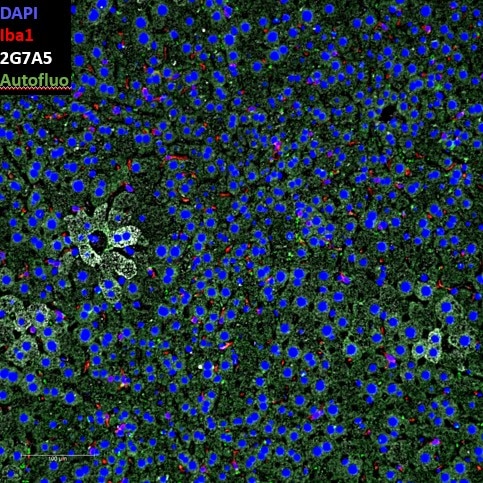
The single review for this CD163 antibody reports a negative result in immunofluorescence on paraffin-embedded (IF-P) mouse liver tissue. The user incubated the primary antibody at 1:200 overnight at 4°C following Dako antigen retrieval at pH 9, with a goat anti-rabbit secondary at 1:1000 for 1 hour at room temperature, but observed no signal. The reviewer rated the product 1 out of 5, indicating the antibody did not perform as expected under these conditions.
The reviews below have been submitted by verified Proteintech customers who received an incentive for providing their feedback.
Clotilde (Verified Customer) (07-13-2026) | This CD163 dos not work in IF-P. The IF was performed on FFPE mouse liver tissue slide with Dako antigen retrival pH9. Primary incubation was performed at 1:200 overnight (16h) at 4°C. Secondary incubation was performed with Goat anti-Rabbit at 1:1000 for 1h at RT. Image were taken with a Leica THUNDER at 10x and 20x magnification.
 |

























