

Tested Applications
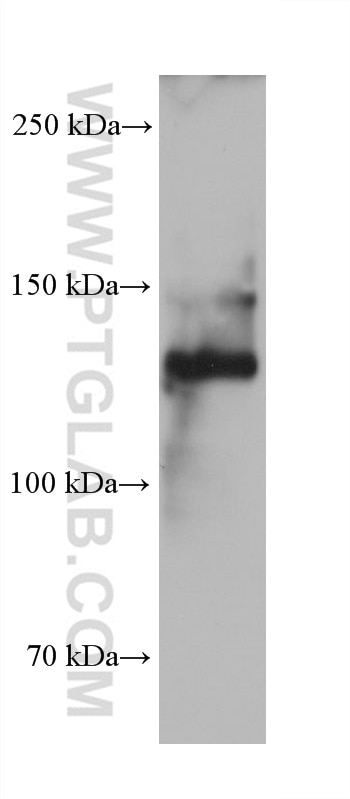
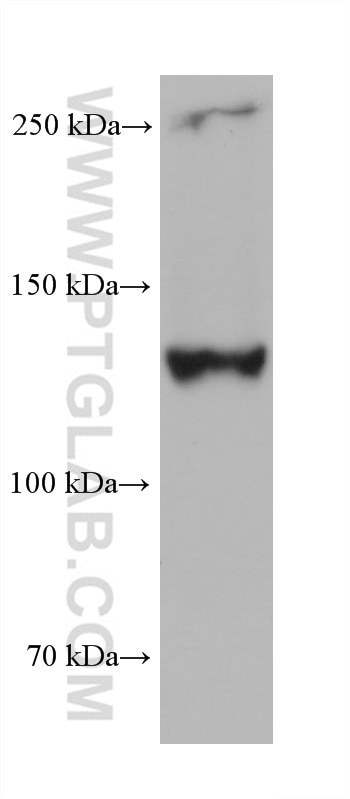
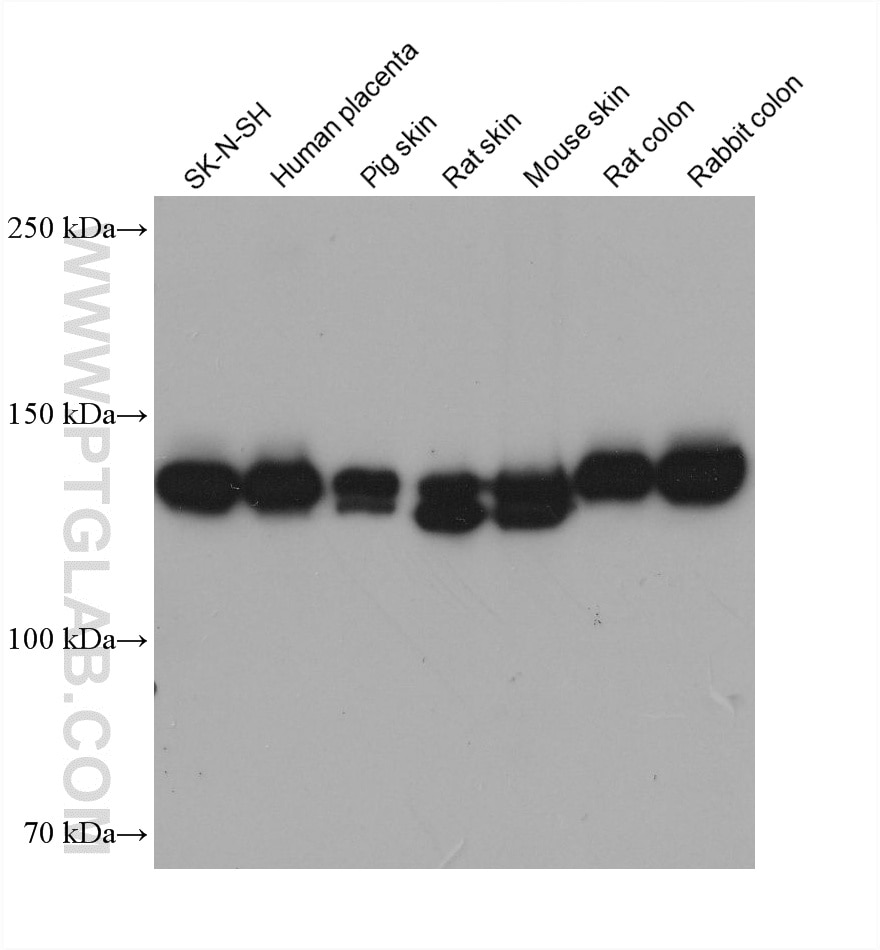
| Positive WB detected in | SK-N-SH cells, human rectum tissue, rabbit large intestine tissue, human placenta tissue, pig skin tissue, rat skin tissue, mouse skin tissue. rat colon tissue, rabbit colon tissue |
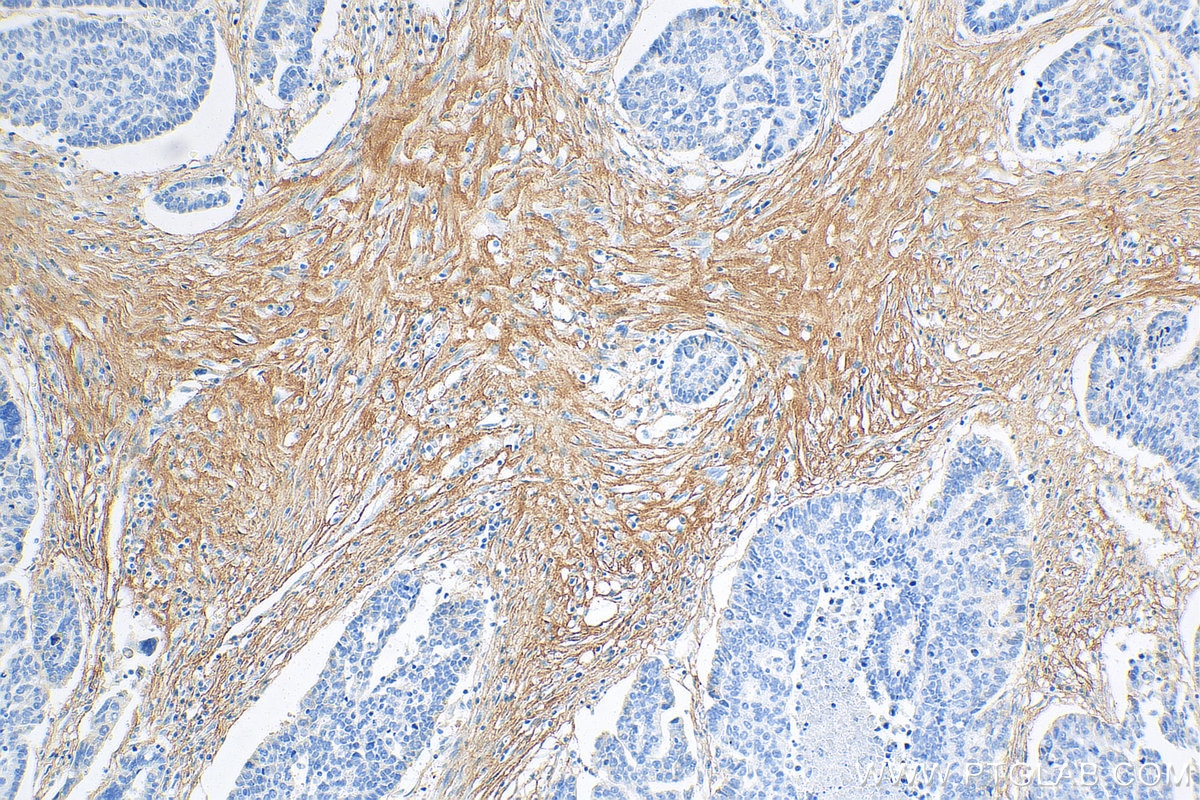
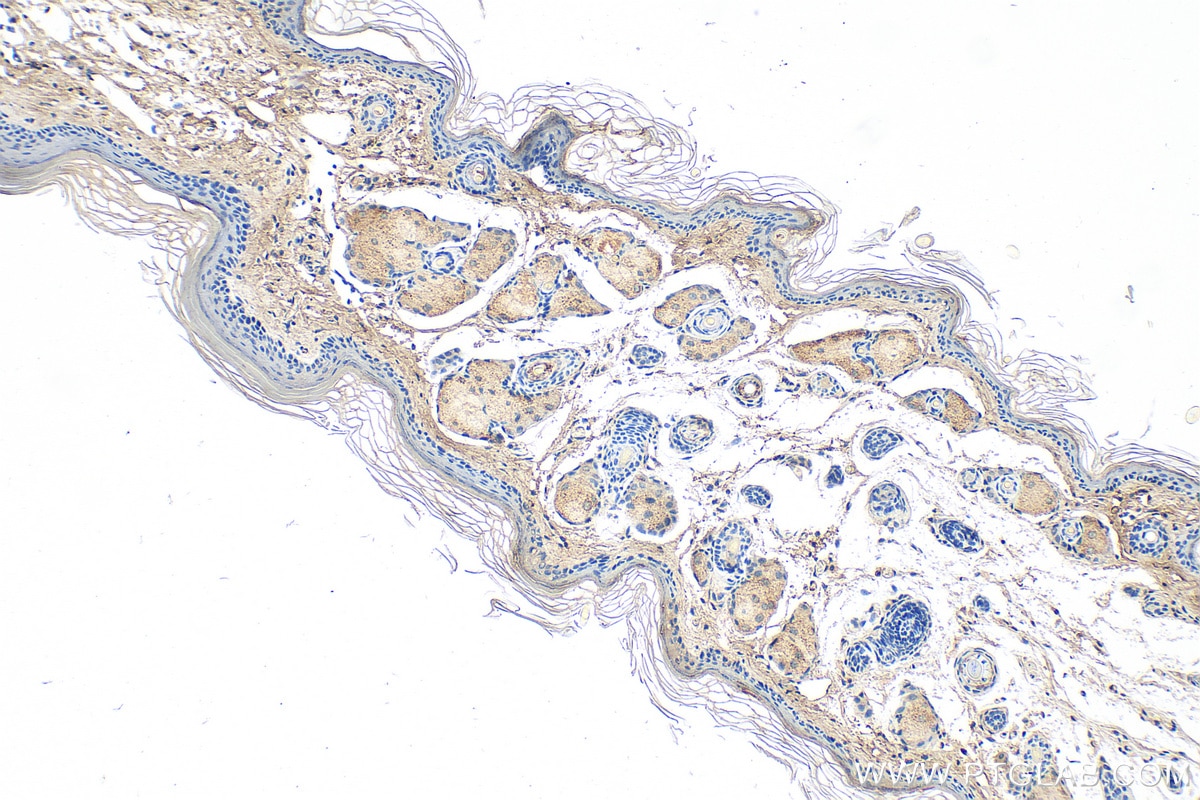
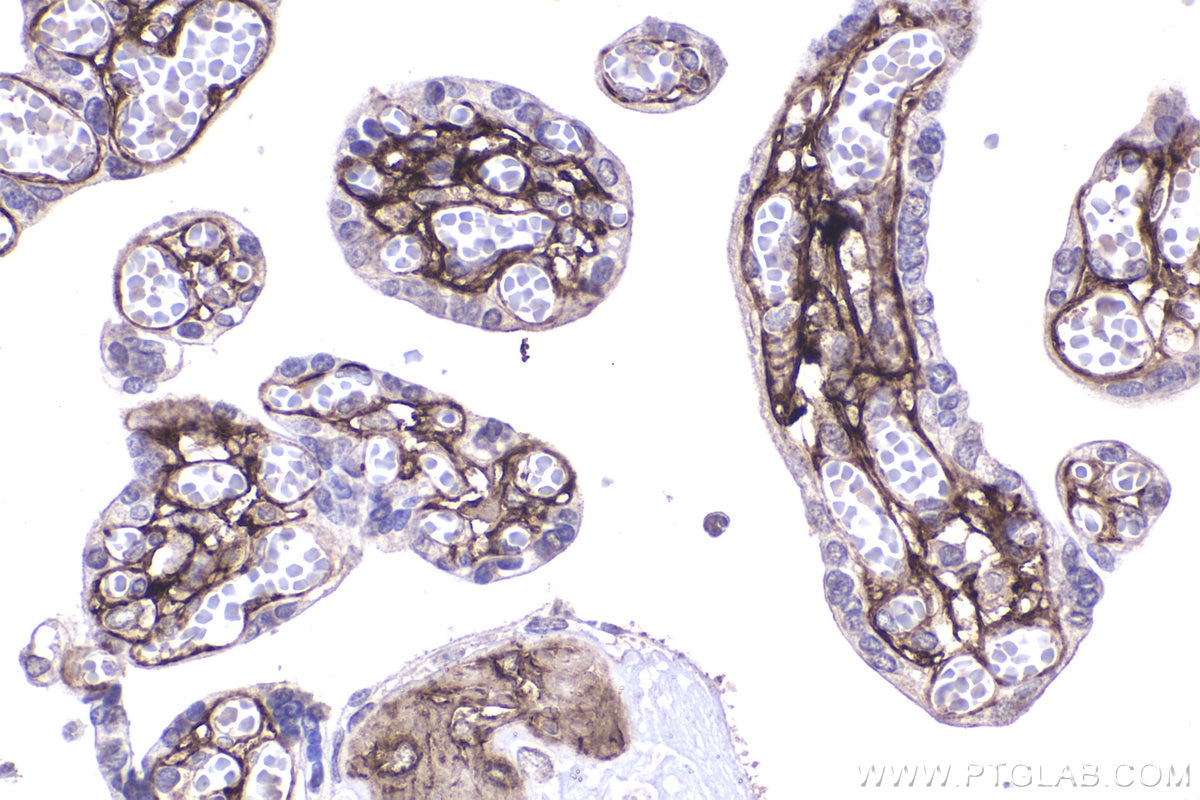
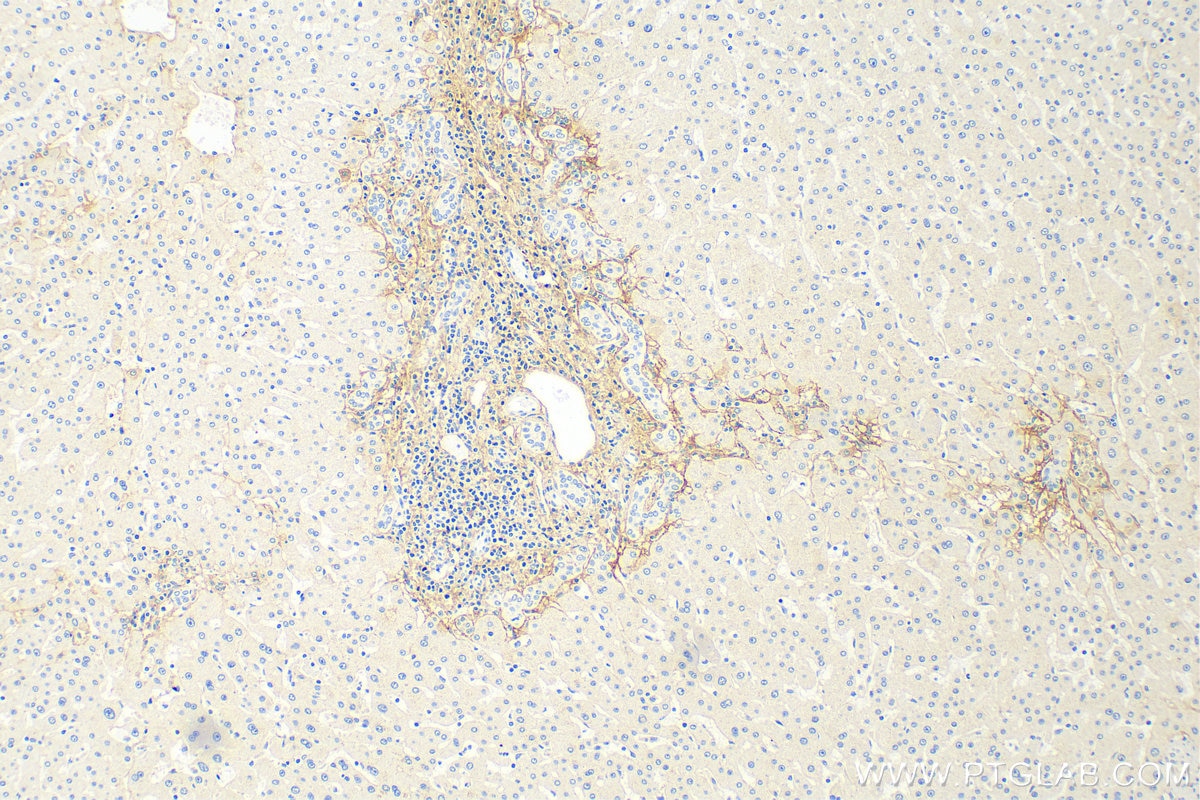
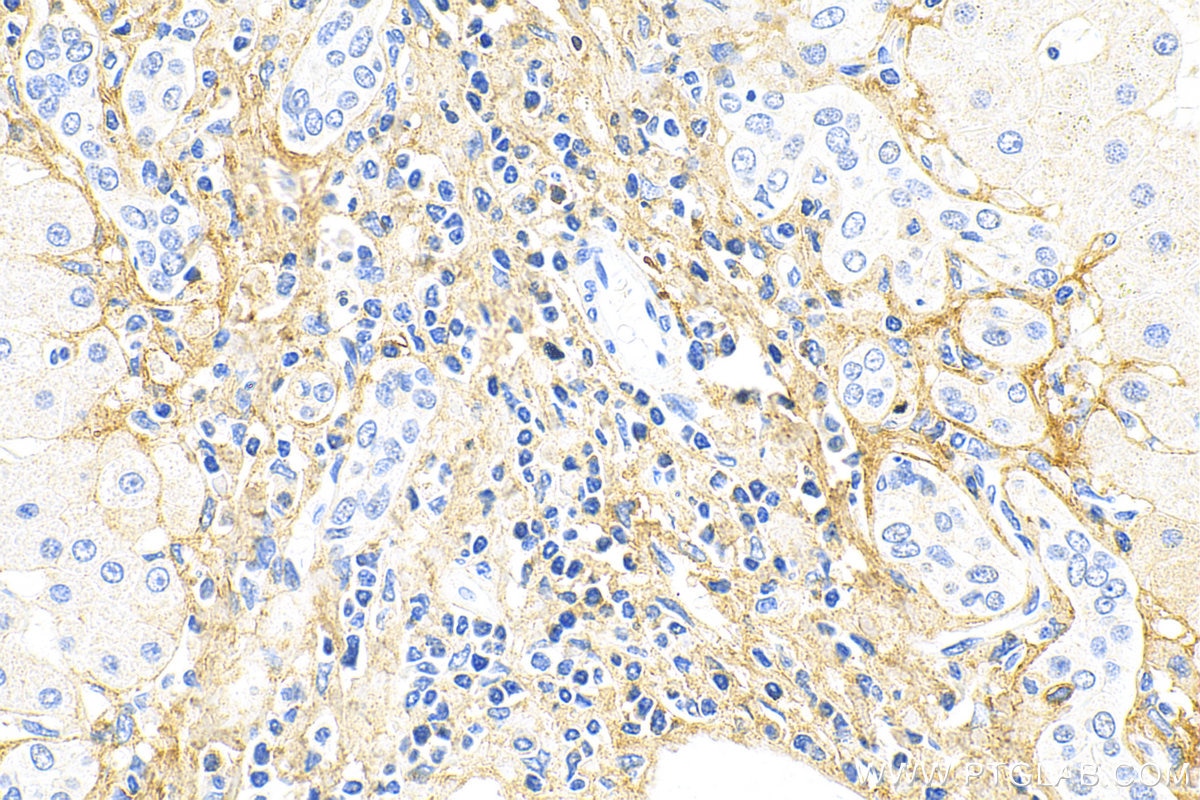
| Positive IHC detected in | human ovary tumor tissue, human hepatocirrhosis tissue, human placenta tissue, mouse skin tissue Note: suggested antigen retrieval with TE buffer pH 9.0; (*) Alternatively, antigen retrieval may be performed with citrate buffer pH 6.0 |
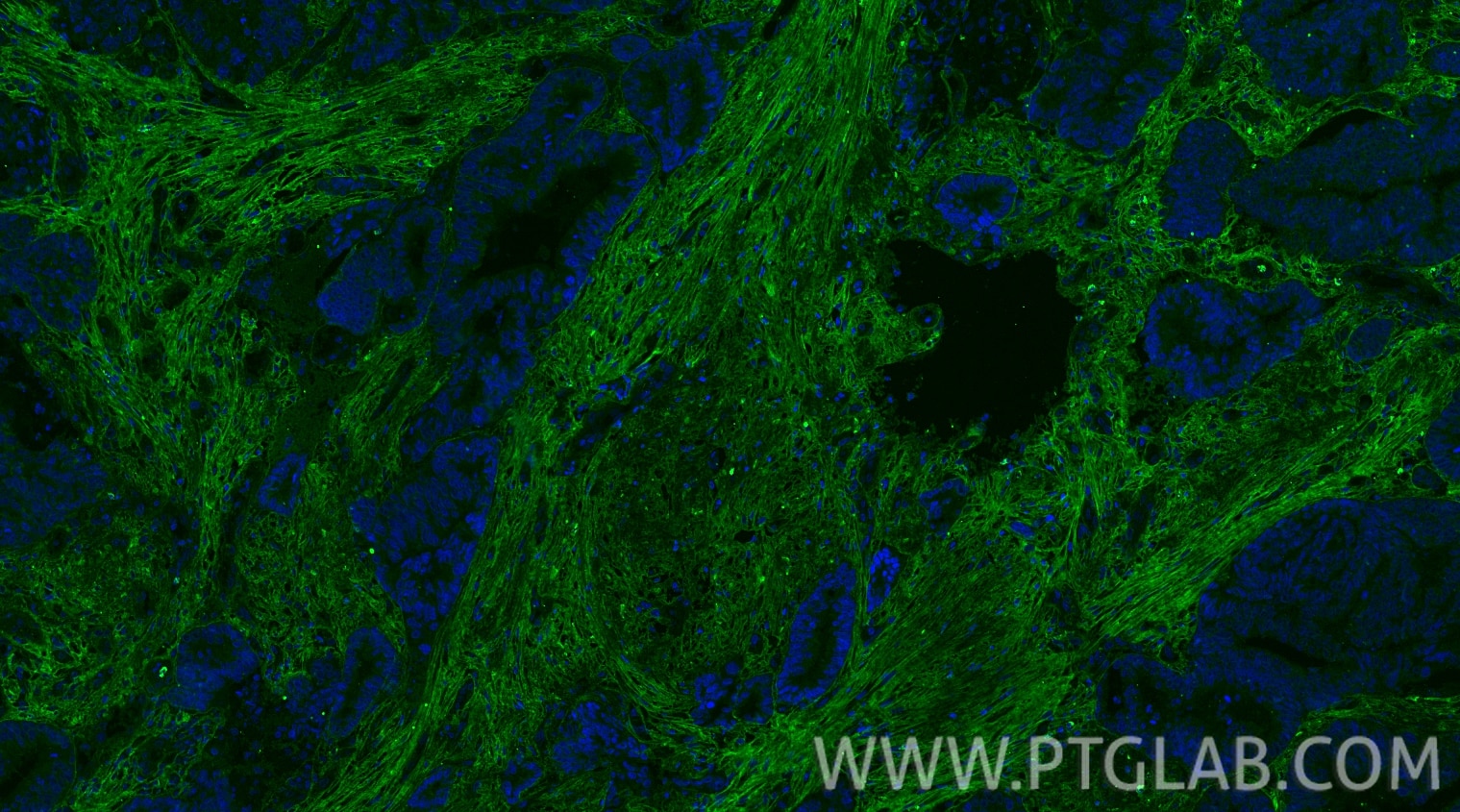
| Positive IF-P detected in | human colon cancer tissue |
Recommended dilution
| Application | Dilution |
|---|---|
| Western Blot (WB) | WB : 1:5000-1:50000 |
| Immunohistochemistry (IHC) | IHC : 1:1000-1:4000 |
| Immunofluorescence (IF)-P | IF-P : 1:200-1:800 |
| It is recommended that this reagent should be titrated in each testing system to obtain optimal results. | |
| Sample-dependent, Check data in validation data gallery. | |
Product Information
68320-1-Ig targets Collagen Type III in WB, IHC, IF-P, ELISA applications and shows reactivity with human, mouse, rat, pig, rabbit samples.
| Tested Reactivity | human, mouse, rat, pig, rabbit |
| Cited Reactivity | human, mouse, rat, pig, rabbit |
| Host / Isotype | Mouse / IgG1 |
| Class | Monoclonal |
| Type | Antibody |
| Immunogen |
CatNo: Ag4229 Product name: Recombinant human COL3A1 protein Source: e coli.-derived, PET28a Tag: 6*His Domain: 1150-1466 aa of BC028178 Sequence: DGTSGHPGPIGPPGPRGNRGERGSEGSPGHPGQPGPPGPPGAPGPCCGGVGAAAIAGIGGEKAGGFAPYYGDEPMDFKINTDEIMTSLKSVNGQIESLISPDGSRKNPARNCRDLKFCHPELKSGEYWVDPNQGCKLDAIKVFCNMETGETCISANPLNVPRKHWWTDSSAEKKHVWFGESMDGGFQFSYGNPELPEDVLDVQLAFLRLLSSRASQNITYHCKNSIAYMDQASGNVKKALKLMGSNEGEFKAEGNSKFTYTVLEDGCTKHTGEWSKTVFEYRTRKAVRLPIVDIAPYDIGGPDQEFGVDVGPVCFL Predict reactive species |
| Full Name | collagen, type III, alpha 1 |
| Calculated Molecular Weight | 1466 aa, 139 kDa |
| Observed Molecular Weight | 130 kDa |
| GenBank Accession Number | BC028178 |
| Gene Symbol | COL3A1 |
| Gene ID (NCBI) | 1281 |
| RRID | AB_2935393 |
| Conjugate | Unconjugated |
| Form | Liquid |
| Purification Method | Protein G purification |
| UNIPROT ID | P02461 |
| Storage Buffer | PBS with 0.02% sodium azide and 50% glycerol, pH 7.3. |
| Storage Conditions | Store at -20°C. Stable for one year after shipment. Aliquoting is unnecessary for -20oC storage. 20ul sizes contain 0.1% BSA. |
Background Information
Type III collagen is a fibrillar-forming collagen comprising three α1(III) chains and is expressed in early embryos and throughout embryogenesis (PMID: 9050868). In the adult, type III collagen is a major component of the extracellular matrix in a variety of internal organs and skin. It occurs in most soft connective tissues along with type I collagen (PMID: 2445760). COL3A1 gene encodes type III procollagen. Mutations in this gene are associated with Ehlers-Danlos syndrome type IV, and with aortic and arterial aneurysms (PMID: 10706896; 2243125; 18389341).
Protocols
| Product Specific Protocols | |
|---|---|
| IF protocol for Collagen Type III antibody 68320-1-Ig | Download protocol |
| IHC protocol for Collagen Type III antibody 68320-1-Ig | Download protocol |
| WB protocol for Collagen Type III antibody 68320-1-Ig | Download protocol |
| Standard Protocols | |
|---|---|
| Click here to view our Standard Protocols |
Publications
What published studies show
The Collagen Type III Monoclonal antibody (3B1F3), catalog number 68320-1-Ig, has accumulated 46 citations across journals including Bioactive Materials, Journal of Nanobiotechnology, Materials Today Bio, Acta Biomaterialia, Journal of Translational Medicine, International Journal of Molecular Sciences, FASEB Journal, and Scientific Reports. Associated research fields encompass cardiac and pulmonary fibrosis, wound healing, tissue engineering, cancer biology, rheumatoid arthritis, and connective tissue disorders.
| Species | Application | Title |
|---|---|---|
Bioact Mater Magnesium ions attenuate tendon graft fibrosis during its ligamentization after ACL reconstruction through modulation of fibroblast to myofibroblast trans-differentiation by promoting PGE2 secretion | ||
J Nanobiotechnology NIR-II light based combinatorial management of hypertrophic scar by inducing autophagy in fibroblasts | ||
J Nanobiotechnology Melt-electrowriting-enabled anisotropic scaffolds loaded with valve interstitial cells for heart valve tissue Engineering | ||
J Nanobiotechnology Dimensional control of DNA nanostructures enhances cellular uptake and guides tissue-regenerative responses | ||
Mater Today Bio Silk fibroin microgrooved zirconia surfaces improve connective tissue sealing through mediating glycolysis of fibroblasts | ||
Mater Today Bio 4'-hydroxychalcone nanofiber hydrogel dressing promotes diabetic chronic wound healing by regulating macrophage polarization via the TLR/IL-17/TNF signaling pathway. |










