

Tested Applications
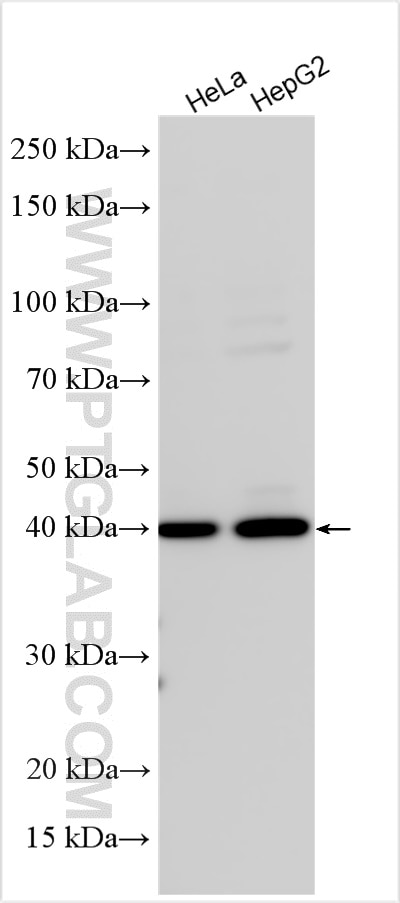
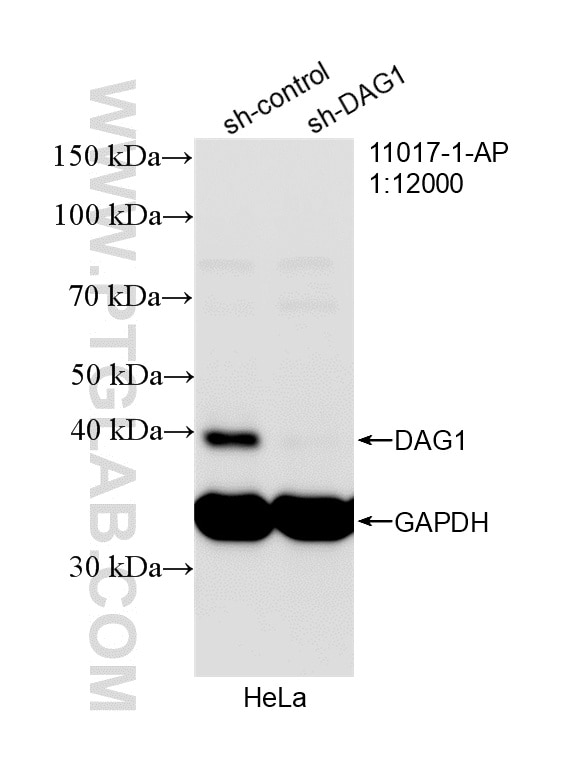
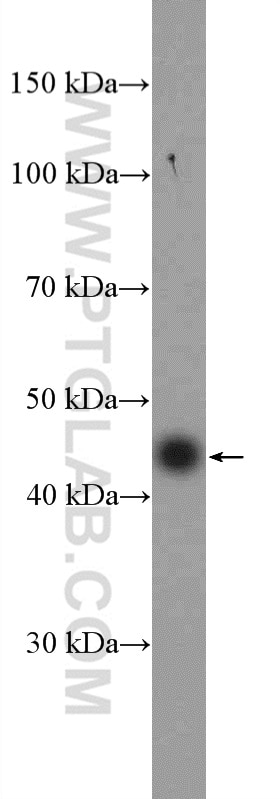
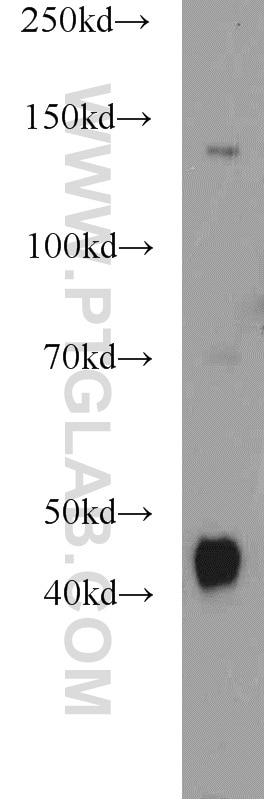
| Positive WB detected in | HepG2 cells, HeLa cells, mouse brain tissue, mouse skeletal muscle tissue |
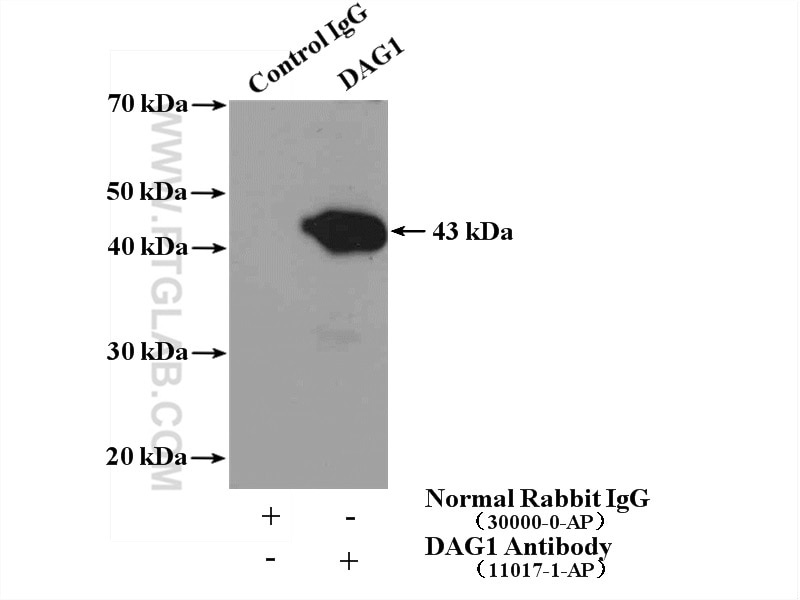
| Positive IP detected in | mouse brain tissue |
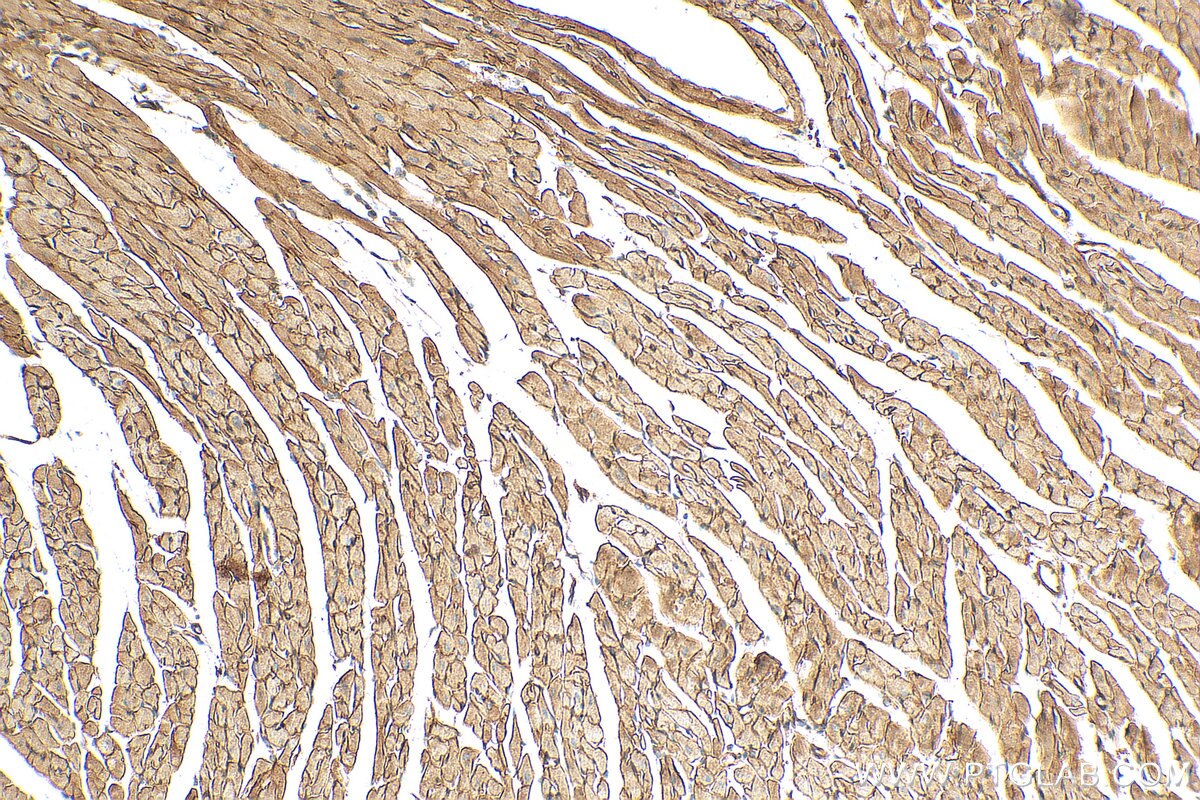
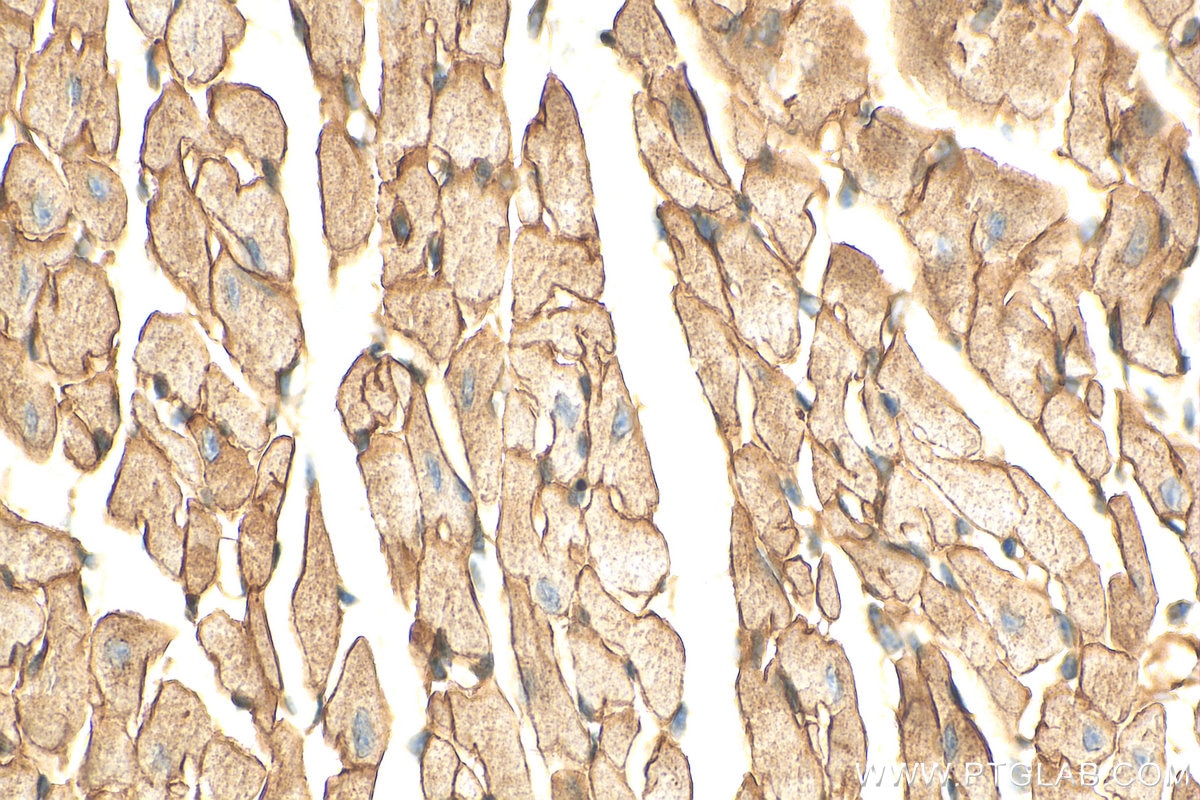
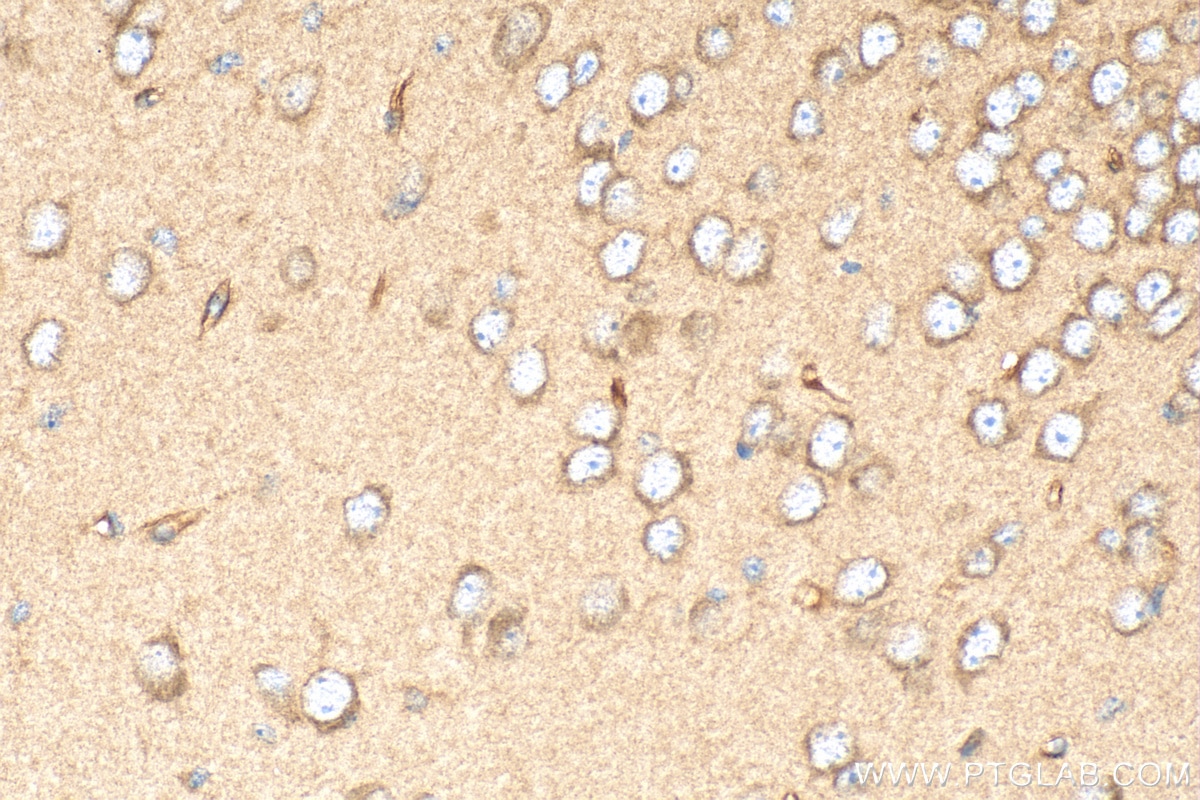
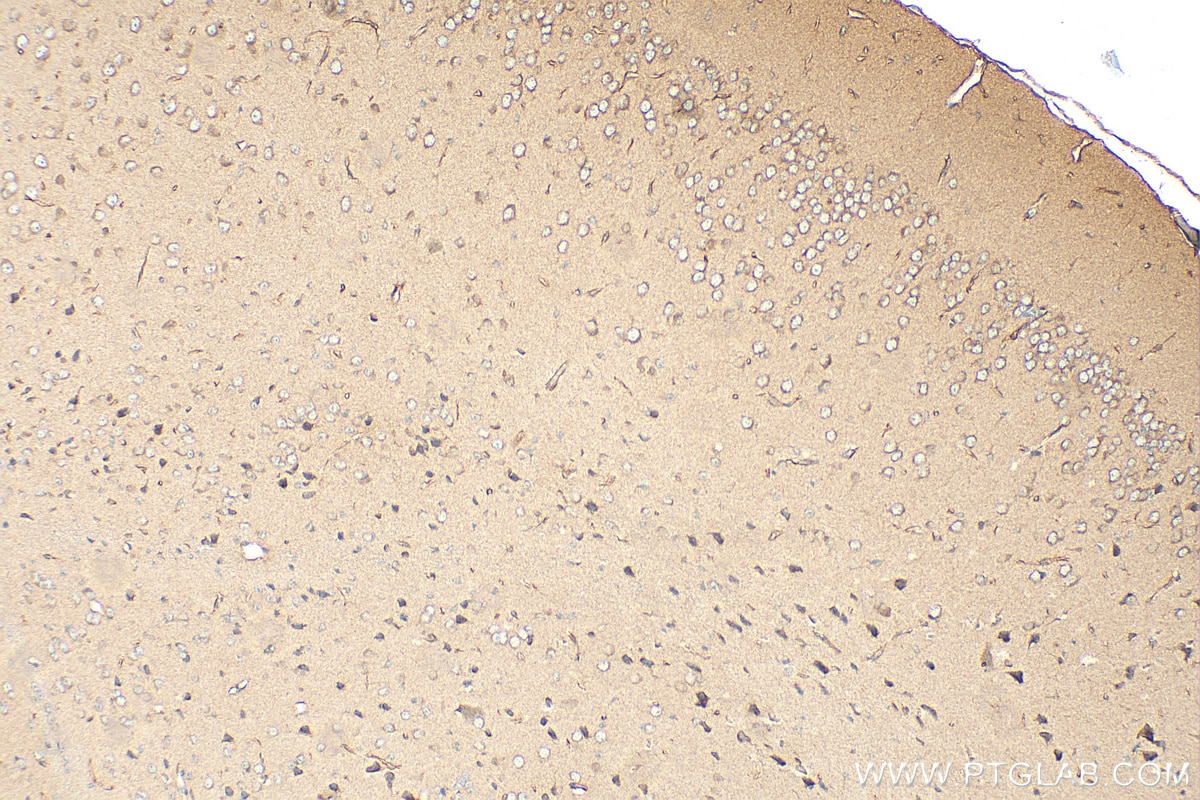
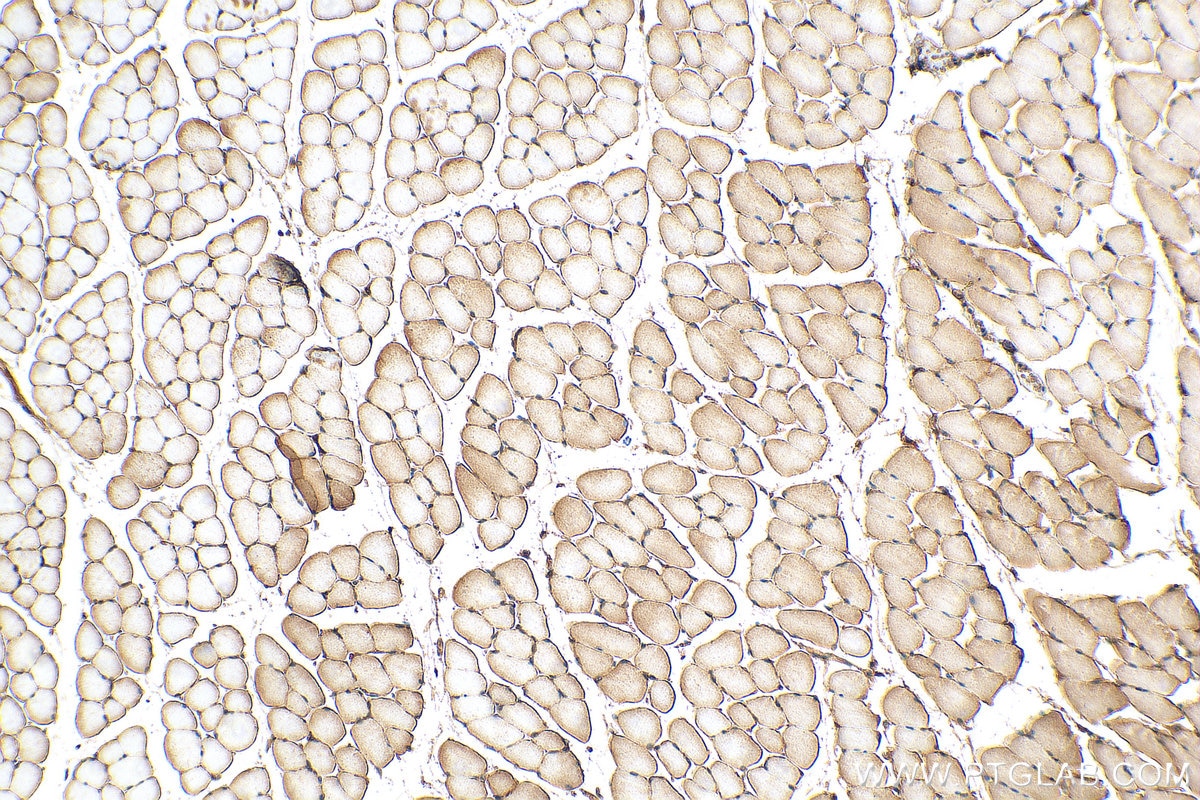
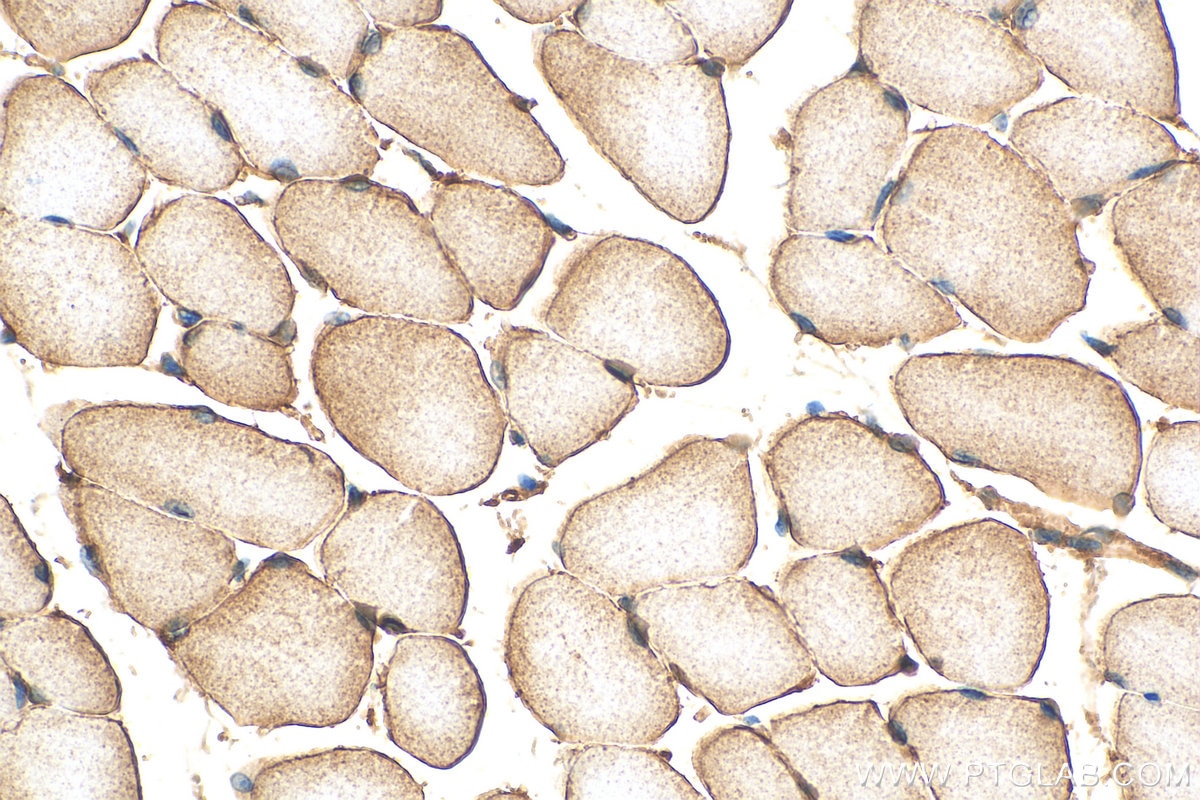
| Positive IHC detected in | mouse heart tissue, mouse skeletal muscle tissue, mouse brain tissue Note: suggested antigen retrieval with TE buffer pH 9.0; (*) Alternatively, antigen retrieval may be performed with citrate buffer pH 6.0 |
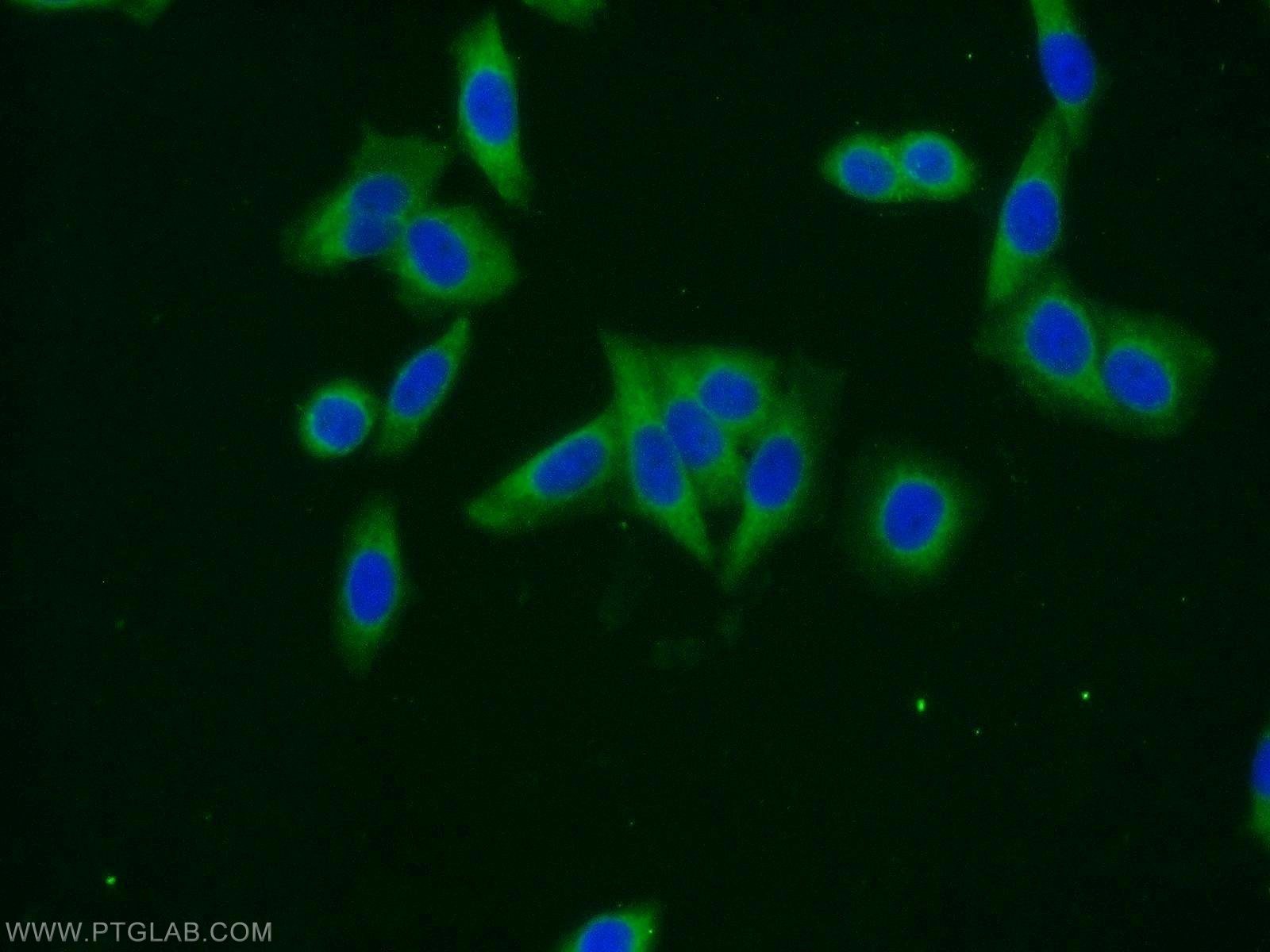
| Positive IF/ICC detected in | HeLa cells |
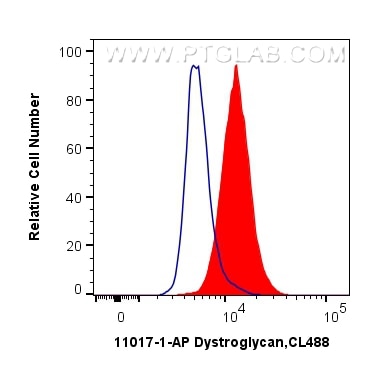
| Positive FC (Intra) detected in | HeLa cells |
Recommended dilution
| Application | Dilution |
|---|---|
| Western Blot (WB) | WB : 1:5000-1:50000 |
| Immunoprecipitation (IP) | IP : 0.5-4.0 ug for 1.0-3.0 mg of total protein lysate |
| Immunohistochemistry (IHC) | IHC : 1:50-1:500 |
| Immunofluorescence (IF)/ICC | IF/ICC : 1:10-1:100 |
| Flow Cytometry (FC) (INTRA) | FC (INTRA) : 0.40 ug per 10^6 cells in a 100 µl suspension |
| It is recommended that this reagent should be titrated in each testing system to obtain optimal results. | |
| Sample-dependent, Check data in validation data gallery. | |
Product Information
11017-1-AP targets Dystroglycan in WB, IHC, IF/ICC, FC (Intra), IP, CoIP, ELISA applications and shows reactivity with human, mouse, rat samples.
| Tested Reactivity | human, mouse, rat |
| Cited Reactivity | human, mouse, rat, pig |
| Host / Isotype | Rabbit / IgG |
| Class | Polyclonal |
| Type | Antibody |
| Immunogen |
CatNo: Ag1456 Product name: Recombinant human DAG1 protein Source: e coli.-derived, PGEX-4T Tag: GST Domain: 546-895 aa of BC012740 Sequence: VGEKSWVQFNSNSQLMYGLPDSSHVGKHEYFMHATDKGGLSAVDAFEIHVHRRPQGDRAPARFKAKFVGDPALVLNDIHKKIALVKKLAFAFGDRNCSTITLQNITRGSIVVEWTNNTLPLEPCPKEQIAGLSRRIAEDDGKPRPAFSNALEPDFKATSITVTGSGSCRHLQFIPVVPPRRVPSEAPPTEVPDRDPEKSSEDDVYLHTVIPAVVVAAILLIAGIIAMICYRKKRKGKLTLEDQATFIKKGVPIIFADELDDSKPPPSSSMPLILQEEKAPLPPPEYPNQSVPETTPLNQDTMGEYTPLRDEDPNAPPYQPPPPFTAPMEGKGSRPKNMTPYRSPPPYVPP Predict reactive species |
| Full Name | dystroglycan 1 (dystrophin-associated glycoprotein 1) |
| Calculated Molecular Weight | 97 kDa |
| Observed Molecular Weight | 40-43 kDa |
| GenBank Accession Number | BC012740 |
| Gene Symbol | Dystroglycan |
| Gene ID (NCBI) | 1605 |
| RRID | AB_2090032 |
| Conjugate | Unconjugated |
| Form | Liquid |
| Purification Method | Antigen affinity purification |
| UNIPROT ID | Q14118 |
| Storage Buffer | PBS with 0.02% sodium azide and 50% glycerol, pH 7.3. |
| Storage Conditions | Store at -20°C. Stable for one year after shipment. Aliquoting is unnecessary for -20oC storage. 20ul sizes contain 0.1% BSA. |
Background Information
Dystroglycan, also known as DAG1 or DG, was originally isolated from skeletal muscle as an integral membrane component of the dystrophin-glycoprotein complex (DGC). In addition to skeletal muscle, dystroglycan is strongly expressed in heart and smooth muscle, as well as many non-muscle tissues including brain and peripheral nerve (PMID: 12556455). The dystroglycan is involved in a number of processes including laminin and basement membrane assembly, sarcolemmal stability, cell survival, peripheral nerve myelination, nodal structure, cell migration, and epithelial polarization. Dystroglycan consists of two subunits (alpha and beta), which are translated from a single mRNA as a propeptide that is proteolytically cleaved into two noncovalently associated proteins (PMID: 16410545). Alpha-dystroglycan is a 156-kDa extracellular peripheral glycoprotein, while beta-dystroglycan is a 43-kDa transmembrane protein (PMID: 9858474). The 43-kDa beta-dystroglycan can be cleaved into a ~30-kDa form (PMID: 14678802; 18458097; 17255331).
Protocols
| Product Specific Protocols | |
|---|---|
| FC protocol for Dystroglycan antibody 11017-1-AP | Download protocol |
| IF protocol for Dystroglycan antibody 11017-1-AP | Download protocol |
| IHC protocol for Dystroglycan antibody 11017-1-AP | Download protocol |
| IP protocol for Dystroglycan antibody 11017-1-AP | Download protocol |
| WB protocol for Dystroglycan antibody 11017-1-AP | Download protocol |
| Standard Protocols | |
|---|---|
| Click here to view our Standard Protocols |
Publications
What published studies show
Anti-Dystroglycan (β-DG) antibody, catalog number 11017-1-AP, has 18 citations spanning journals including Nature Communications, Kidney International, Cell Reports, Cardiovascular Diabetology, Brain Pathology, Molecular Oncology, Respiratory Research, and Skeletal Muscle. Research fields cover diabetic kidney disease, pancreatic and colorectal cancer, cardiovascular disease, muscular dystrophy, neurodegeneration, blood-brain barrier integrity, liver fibrosis, and extracellular matrix biology. Applications include WB, IHC, IF, IP, and CoIP across human, mouse, rat, and pig species.
| Species | Application | Title |
|---|---|---|
Kidney Int Regulation of podocyte surface proteins by the enzyme A Disintegrin And Metalloproteinase 10 (ADAM10) | ||
Nat Commun IL-20 antagonist suppresses PD-L1 expression and prolongs survival in pancreatic cancer models. | ||
Cardiovasc Diabetol Targeting TFAM K76 acetylation attenuates mitochondrial dysfunction and kidney injury in diabetic kidney disease. | ||
Cell Commun Signal Wnt-driven LARGE2 mediates laminin-adhesive O-glycosylation in human colonic epithelial cells and colorectal cancer. | ||
Cell Rep Perlecan (HSPG2) promotes structural, contractile, and metabolic development of human cardiomyocytes | ||
Transl Res AAV-based gene therapy prevents and halts the progression of dilated cardiomyopathy in a mouse model of phosphoglucomutase I deficiency (PGM1-CDG) |
Reviews
What customers say
Both reviewers rated the product 5 stars. One user reported excellent performance in immunofluorescence on gut slice whole mounts at a 1:100 dilution, noting very little background. The other user used it for immunohistochemistry on zebrafish retina at a 1:100 dilution and was satisfied with the results. Overall, customers find this antibody reliable with strong signal and minimal background across applications.
The reviews below have been submitted by verified Proteintech customers who received an incentive for providing their feedback.
Perrin (Verified Customer) (11-22-2022) | Works very well, with little background
|
Ryan (Verified Customer) (01-10-2018) |
 |














