

Tested Applications
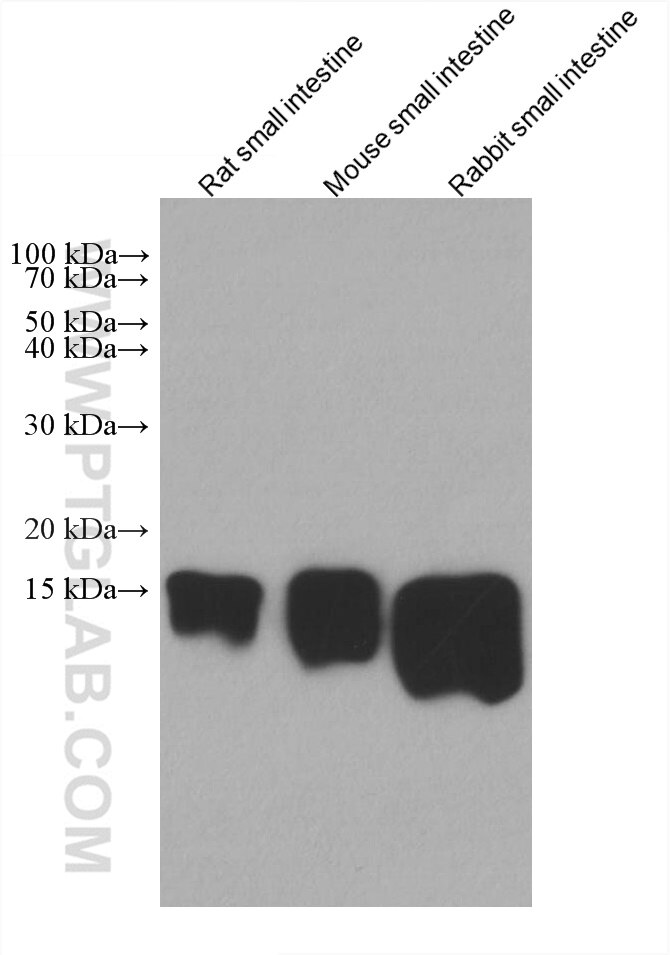
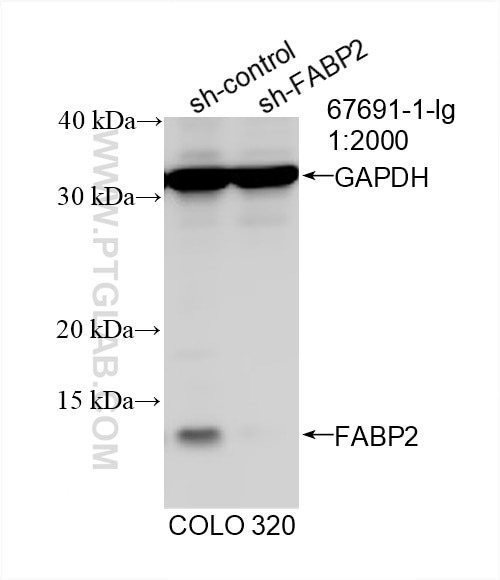
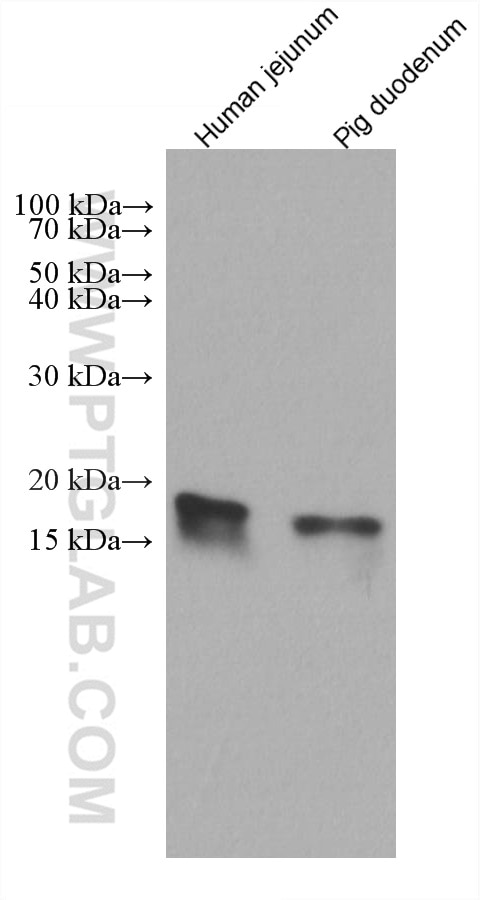
| Positive WB detected in | rat small intestine tissue, human jejunum tissue, COLO 320 cells, pig duodenum, mouse small intestine, rabbit small intestine |
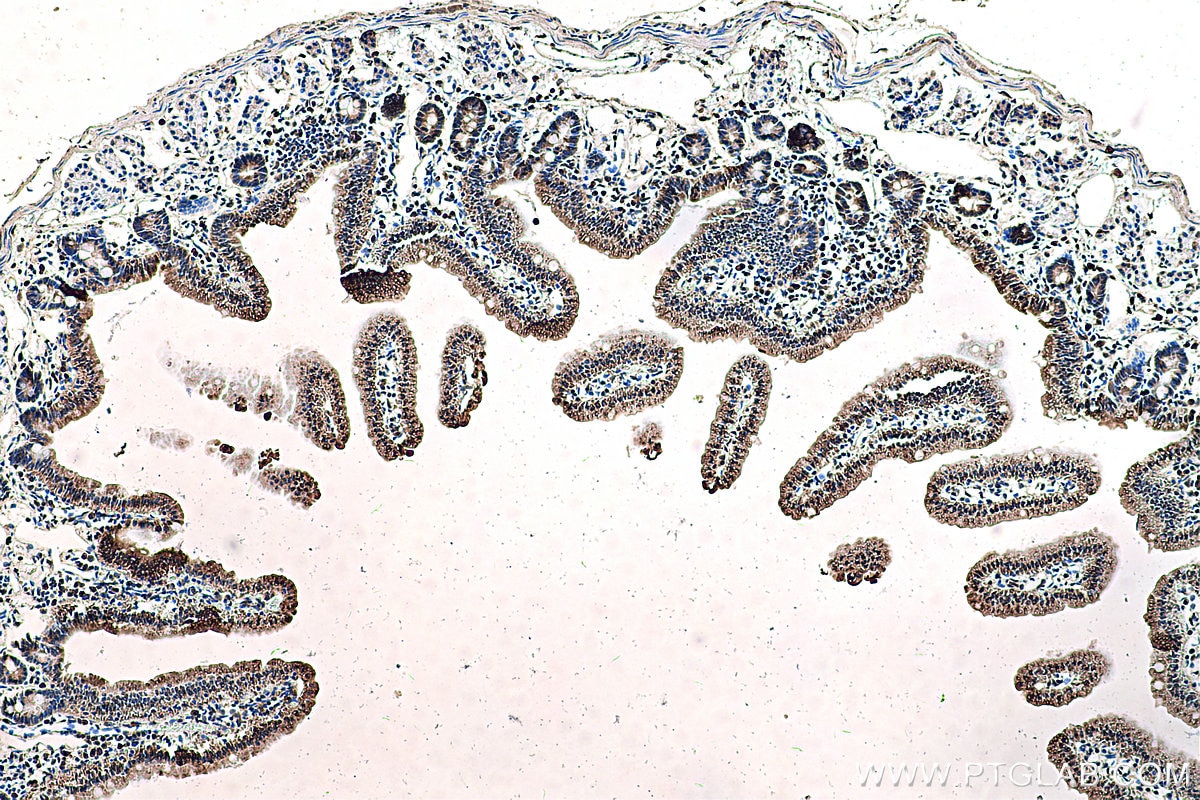
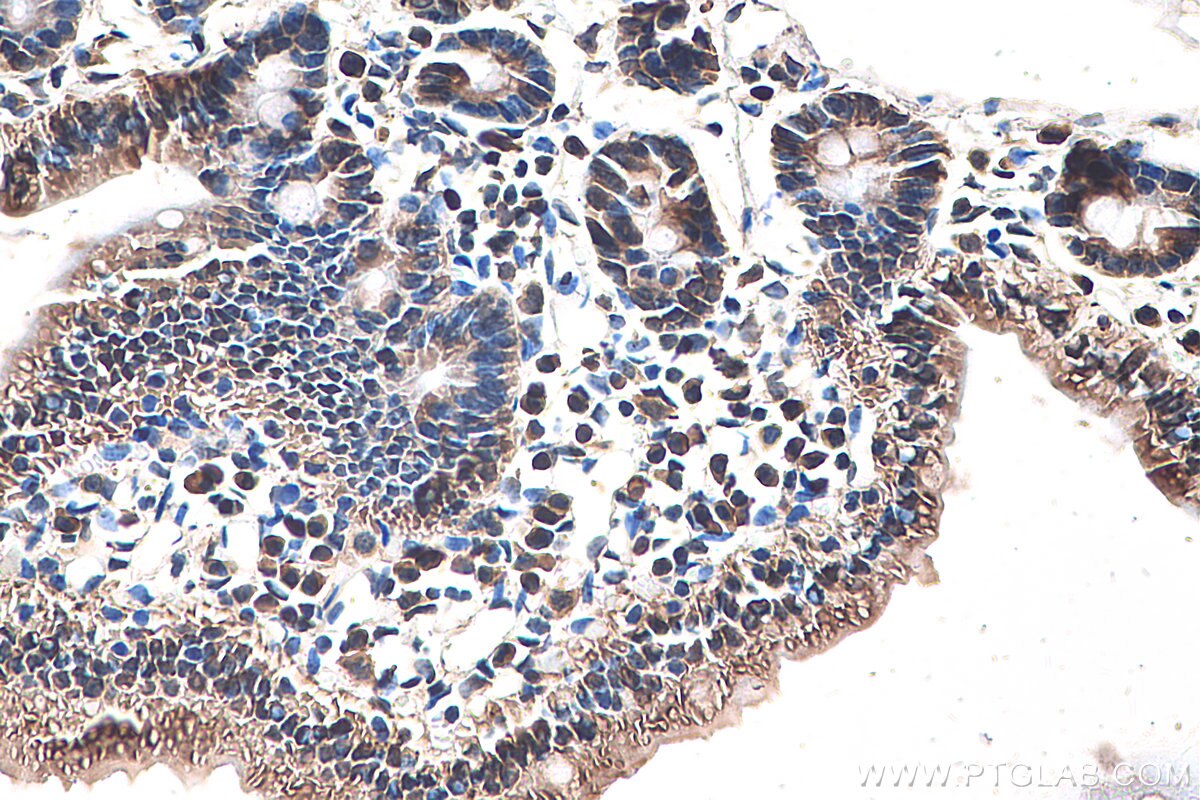
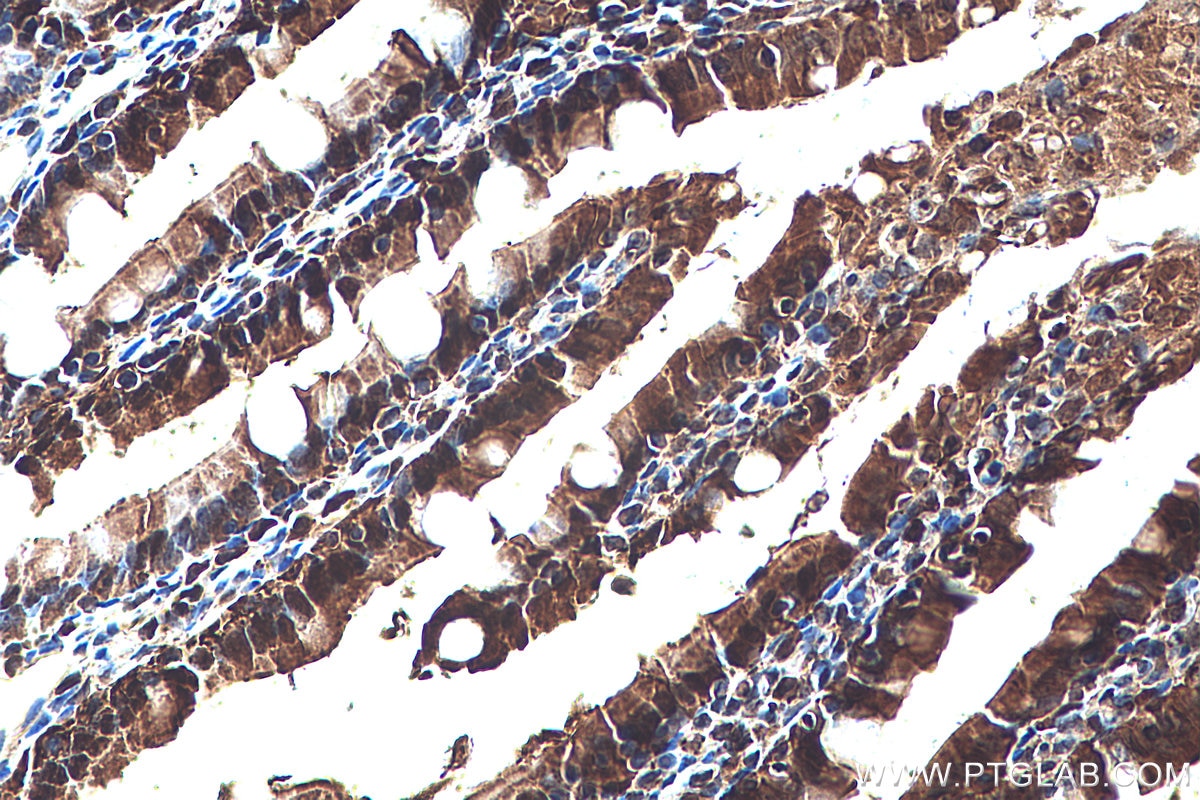
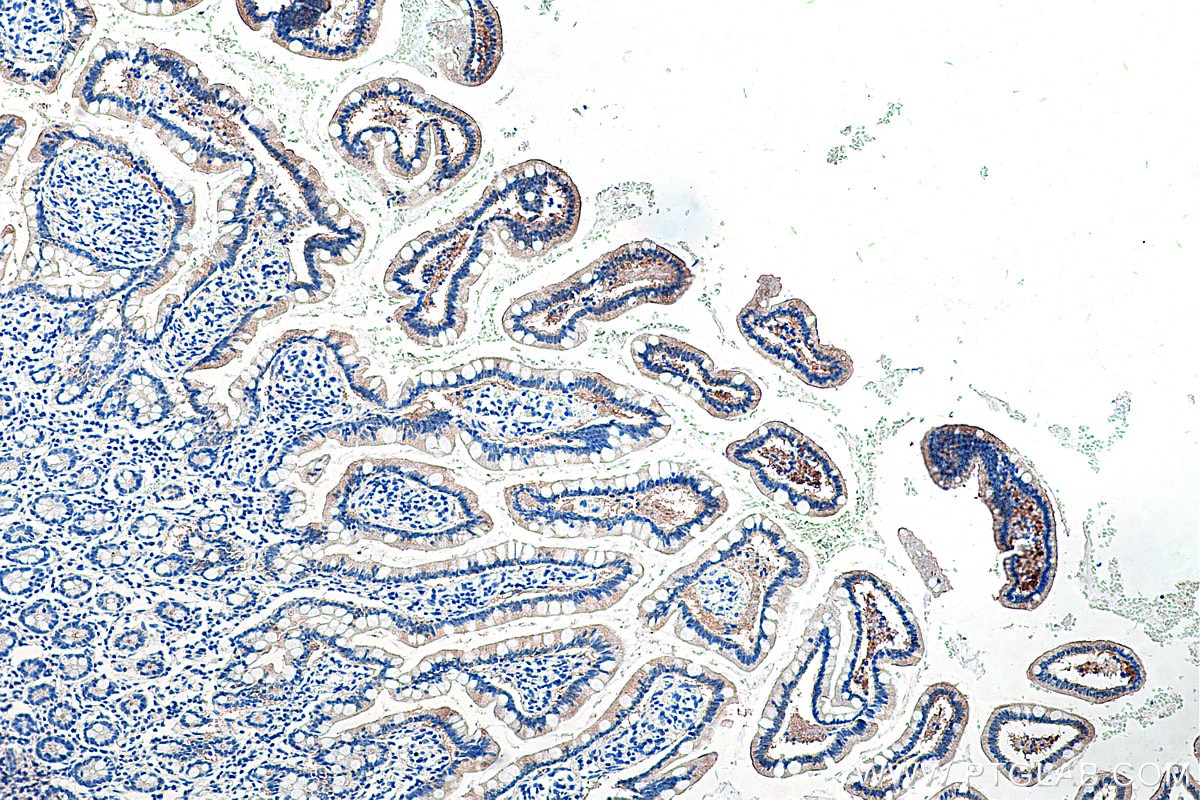
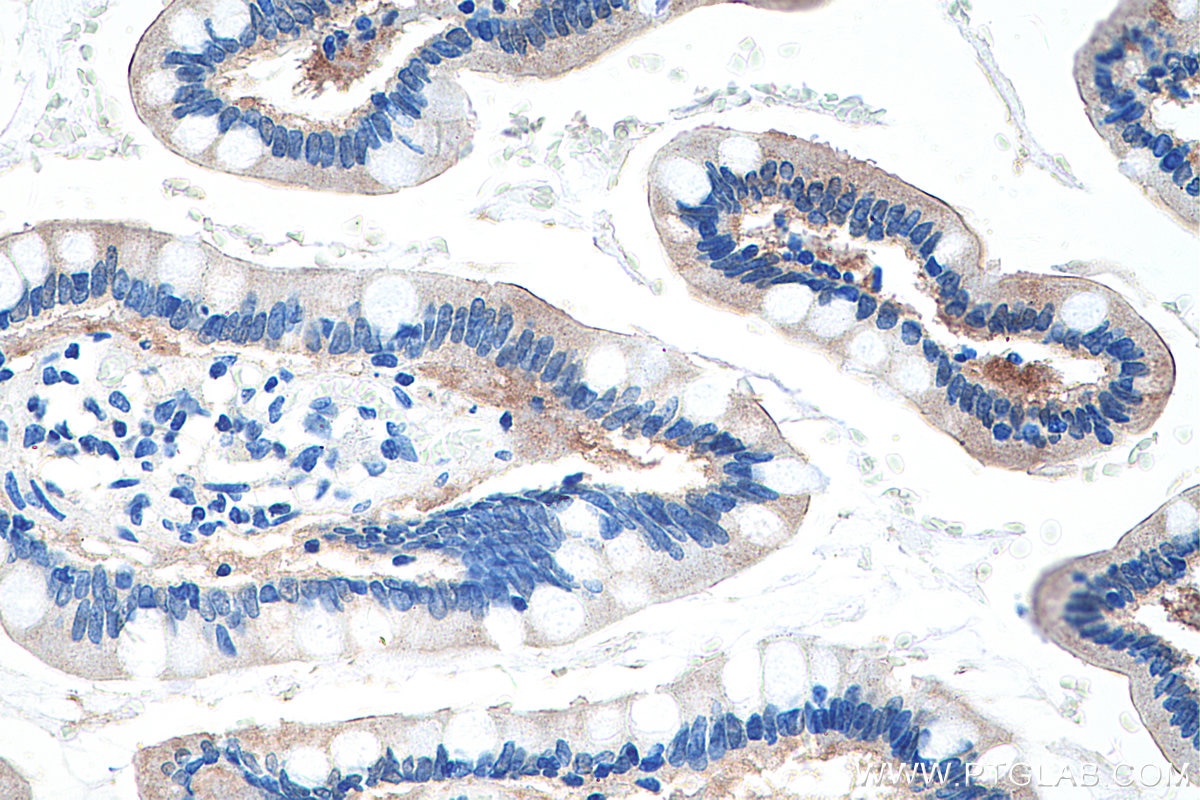
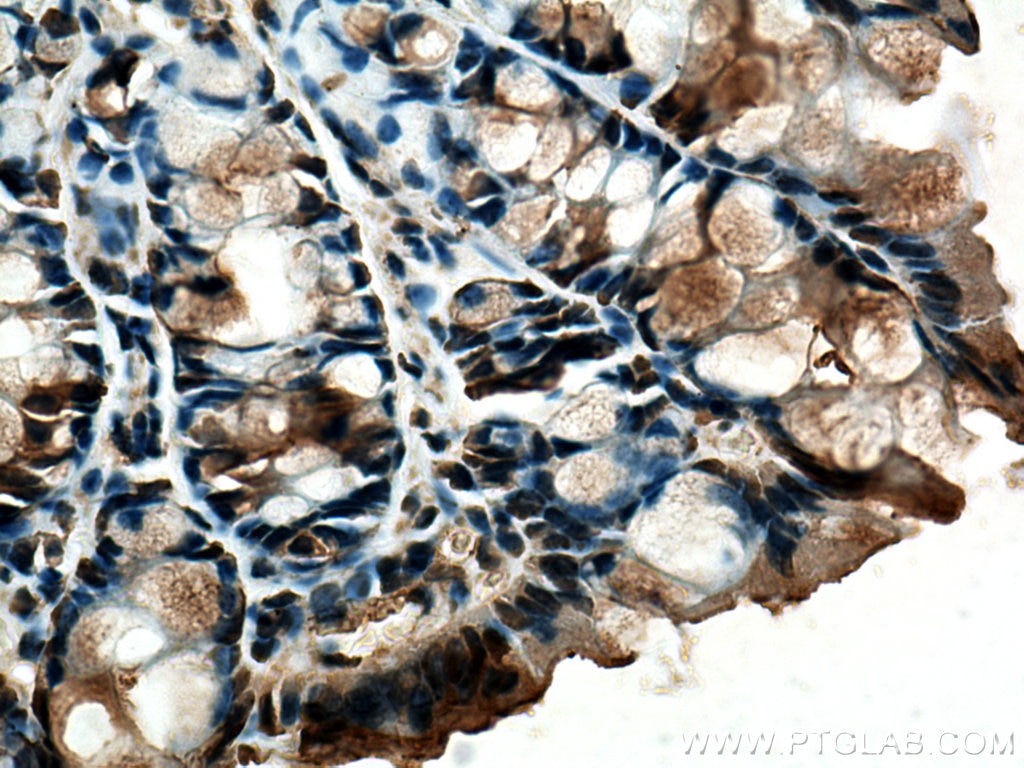
| Positive IHC detected in | mouse small intestine tissue, mouse colon tissue, rat small intestine tissue, human small intestine tissue Note: suggested antigen retrieval with TE buffer pH 9.0; (*) Alternatively, antigen retrieval may be performed with citrate buffer pH 6.0 |
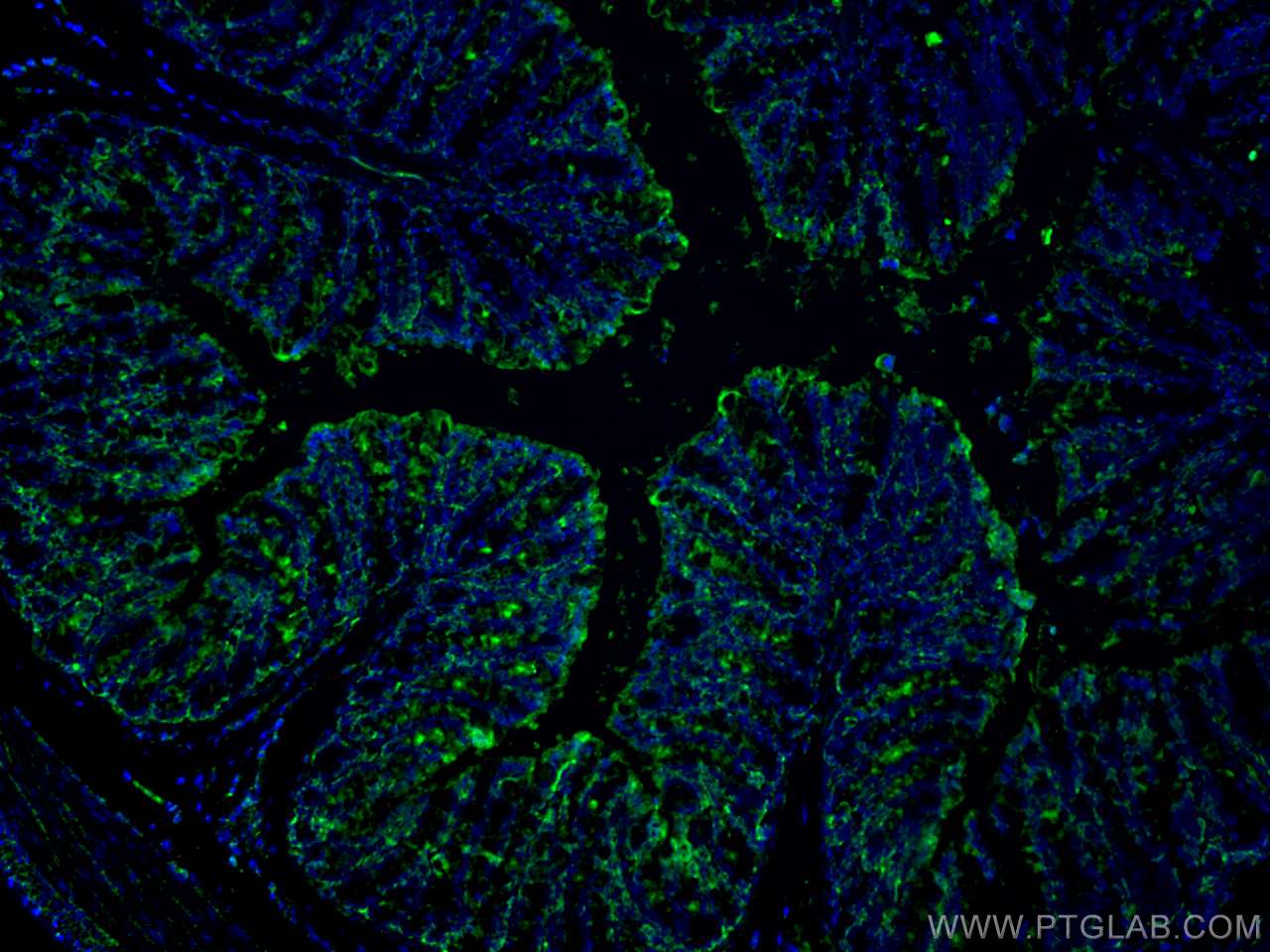
| Positive IF-P detected in | mouse colon tissue |
Recommended dilution
| Application | Dilution |
|---|---|
| Western Blot (WB) | WB : 1:2000-1:50000 |
| Immunohistochemistry (IHC) | IHC : 1:2000-1:8000 |
| Immunofluorescence (IF)-P | IF-P : 1:200-1:800 |
| It is recommended that this reagent should be titrated in each testing system to obtain optimal results. | |
| Sample-dependent, Check data in validation data gallery. | |
Product Information
67691-1-Ig targets FABP2 in WB, IHC, IF-P, ELISA applications and shows reactivity with human, mouse, rat, pig, rabbit samples.
| Tested Reactivity | human, mouse, rat, pig, rabbit |
| Cited Reactivity | mouse |
| Host / Isotype | Mouse / IgG1 |
| Class | Monoclonal |
| Type | Antibody |
| Immunogen |
CatNo: Ag17620 Product name: Recombinant human FABP2 protein Source: e coli.-derived, PET28a Tag: 6*His Domain: 1-132 aa of BC069617 Sequence: MAFDSTWKVDRSENYDKFMEKMGVNIVKRKLAAHDNLKLTITQEGNKFTVKESSAFRNIEVVFELGVTFNYNLADGTELRGTWSLEGNKLIGKFKRTDNGNELNTVREIIGDELVQTYVYEGVEAKRIFKKD Predict reactive species |
| Full Name | fatty acid binding protein 2, intestinal |
| Calculated Molecular Weight | 132 aa, 15 kDa |
| Observed Molecular Weight | 15 kDa |
| GenBank Accession Number | BC069617 |
| Gene Symbol | FABP2 |
| Gene ID (NCBI) | 2169 |
| RRID | AB_2882884 |
| Conjugate | Unconjugated |
| Form | Liquid |
| Purification Method | Protein G purification |
| UNIPROT ID | P12104 |
| Storage Buffer | PBS with 0.02% sodium azide and 50% glycerol, pH 7.3. |
| Storage Conditions | Store at -20°C. Stable for one year after shipment. Aliquoting is unnecessary for -20oC storage. 20ul sizes contain 0.1% BSA. |
Background Information
FABP2, also known as the intestinal fatty acid binding protein (I-FABP), is expressed in the absorptive intestinal villus cells. It is mainly involved in intracellular transport and intestinal absorption of lipids. FABP2 has been considered a marker of mucosal injury and ischemia and serum I-FABP level is used as a tissue damage indicator. In addition, it is a marker of differentiated intestinal epithelial cells.
Protocols
| Product Specific Protocols | |
|---|---|
| IF protocol for FABP2 antibody 67691-1-Ig | Download protocol |
| IHC protocol for FABP2 antibody 67691-1-Ig | Download protocol |
| WB protocol for FABP2 antibody 67691-1-Ig | Download protocol |
| Standard Protocols | |
|---|---|
| Click here to view our Standard Protocols |
Publications
What published studies show
The FABP2 Monoclonal antibody (2D11G6), catalog number 67691-1-Ig, has a total of 6 citations. These appear in journals including Nature Microbiology, Gut Microbes, Cell Reports Medicine, Communications Biology, International Journal of Molecular Sciences, and Cell Biochemistry and Function. The associated research fields encompass intestinal lipid absorption, gut microbiota interactions, necrotizing enterocolitis, viral infection proteomics (PEDV), intestinal barrier protection, and fatty acid metabolism.
| Species | Application | Title |
|---|---|---|
Nat Microbiol Dietary fat alters goblet cell function and microbial bile acid metabolism to promote intestinal lipid absorption in mice. | ||
Gut Microbes Infant feces-derived Lactobacillus gasseri FWJL-4 mitigates experimental necrotizing enterocolitis via acetate production | ||
Cell Rep Med Gut-microbiota-derived 3-indoleacrylic acid alleviates neonatal necrotizing enterocolitis by inhibiting epithelial necroptosis. | ||
Commun Biol Spatially and temporally comparative proteomics provide insights into dynamic response patterns to PEDV infection. | ||
Int J Mol Sci Anti-Proteolytic Peptide R7I Protects the Intestinal Barrier and Alleviates Fatty Acid Malabsorption in Salmonella typhimurium-Infected Mice | ||
Cell Biochem Funct Neutrophil Depletion Reduced the Relative Abundance of Unsaturated Long-Chain Fatty Acid Synthesis Microbiota and Intestinal Lipid Absorption |











