

Tested Applications
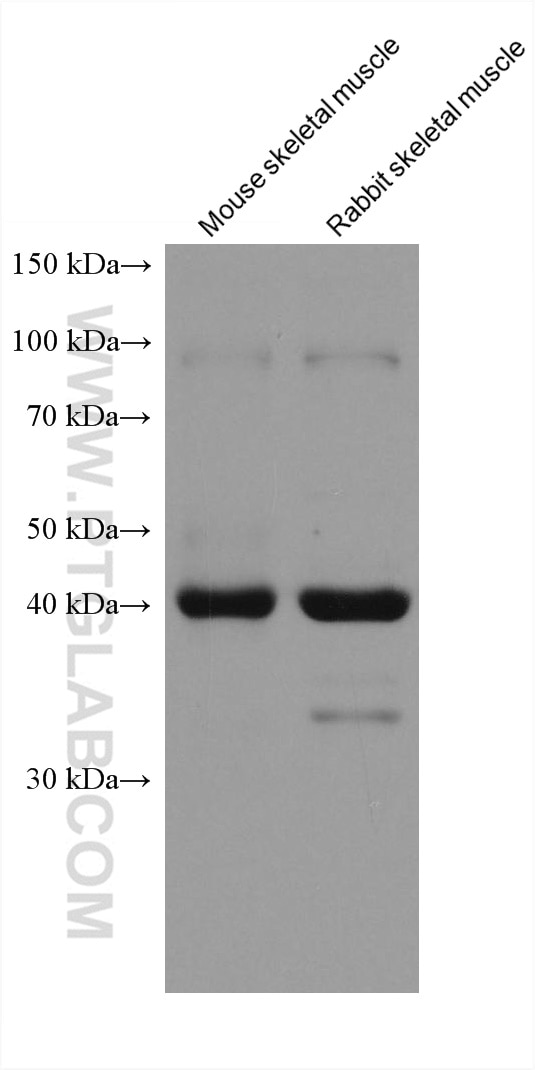
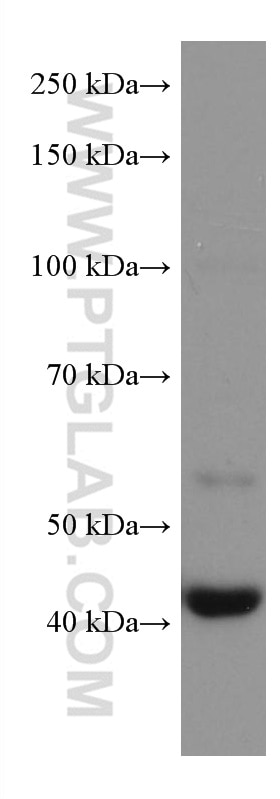
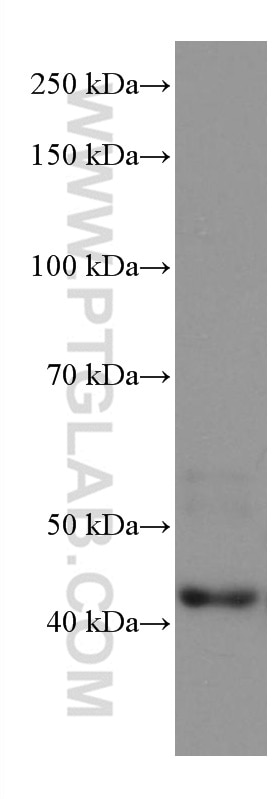
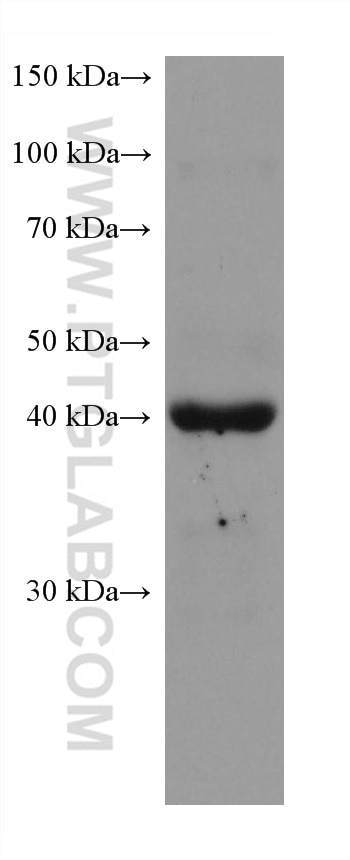
| Positive WB detected in | mouse skeletal muscle tissue, human heart tissue, pig heart tissue, pig skeletal muscle tissue, Rabbit skeletal muscle tissue |
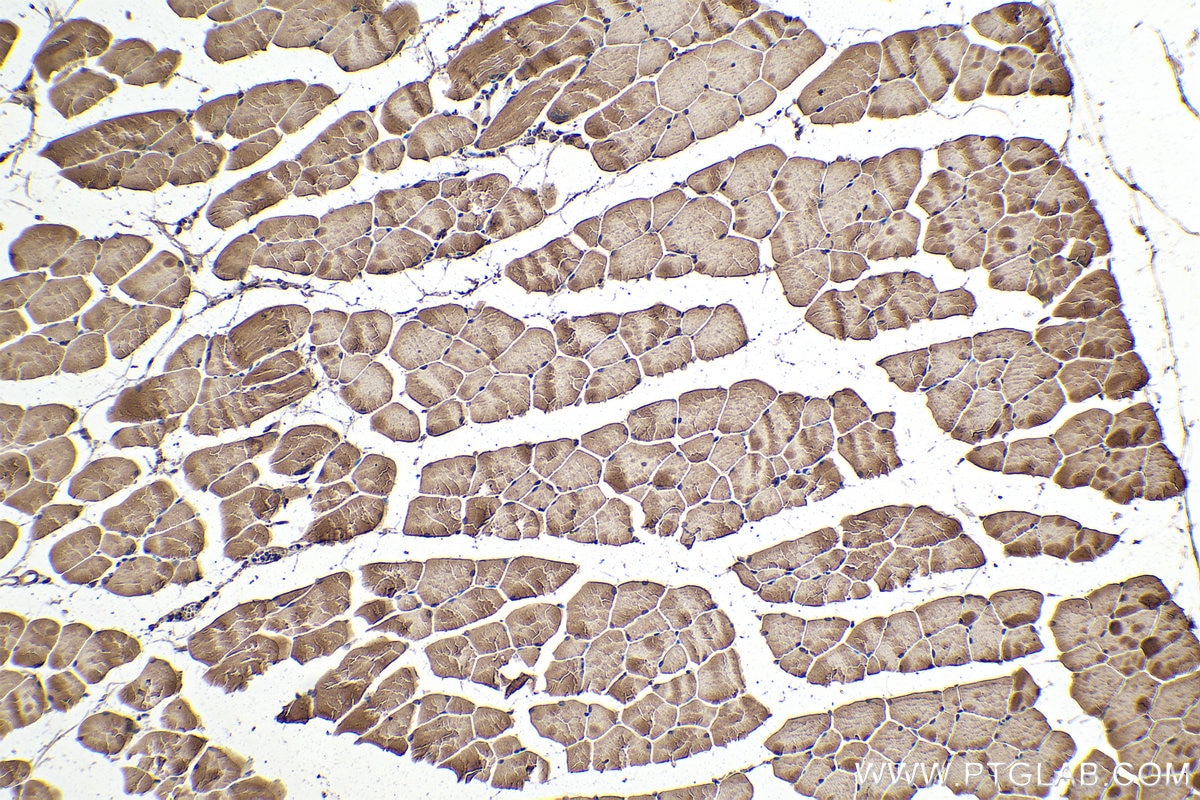
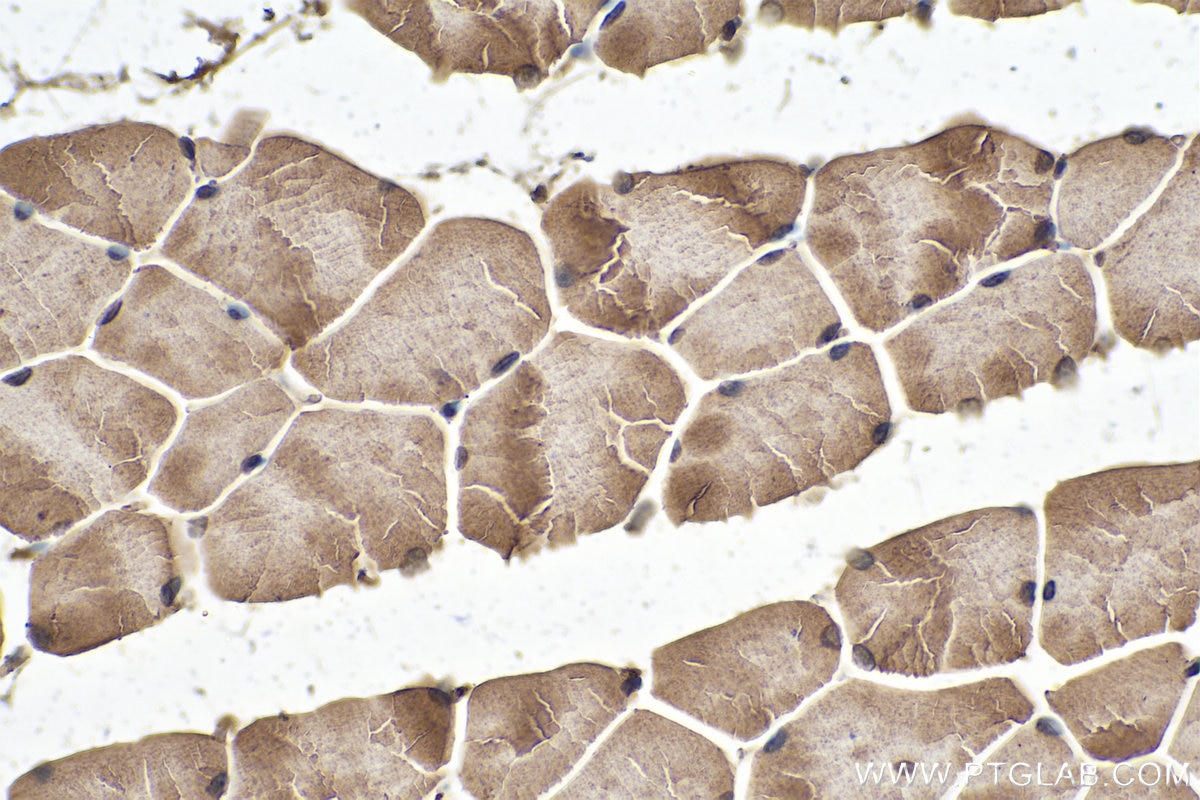
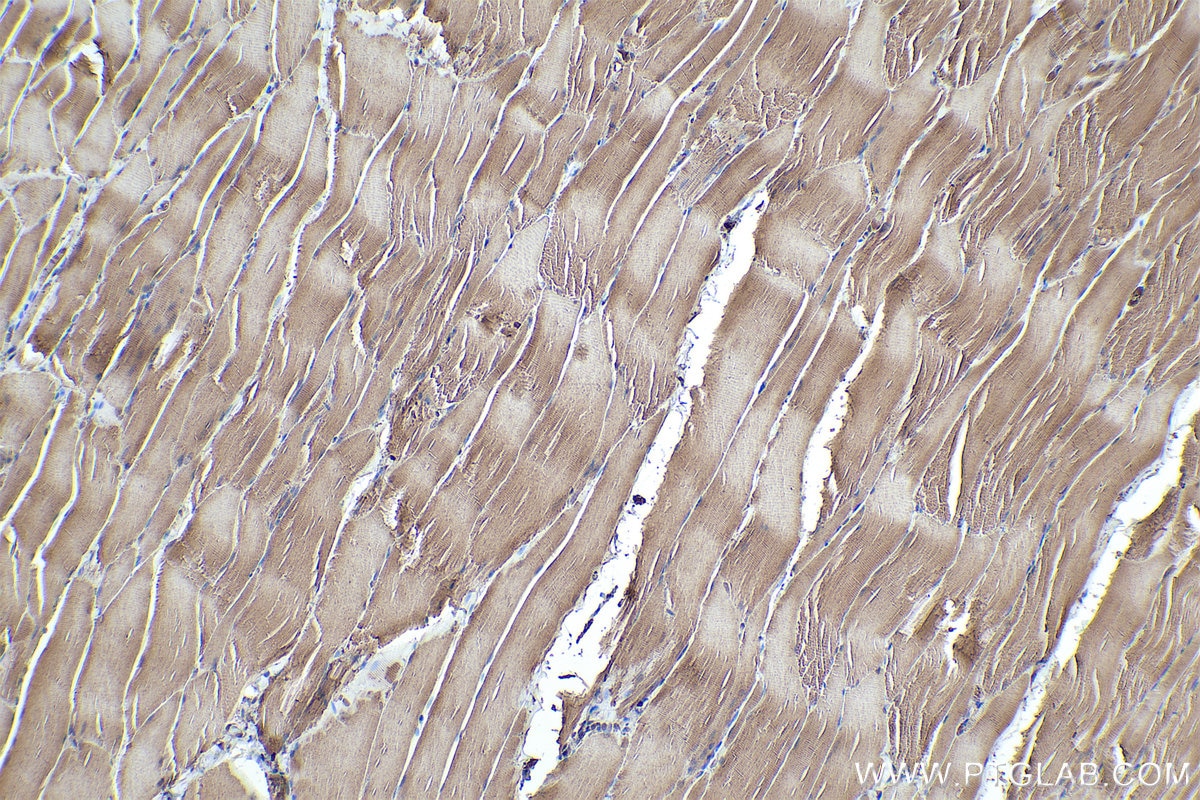
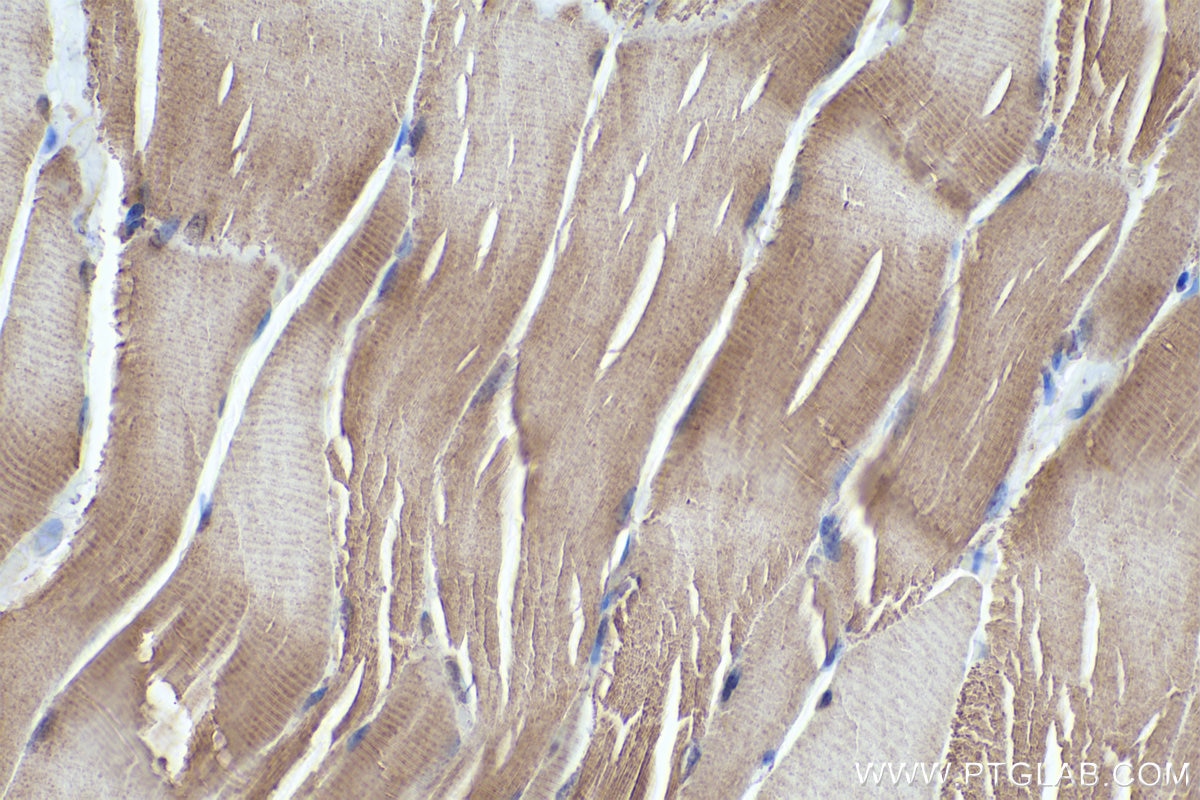
| Positive IHC detected in | mouse skeletal muscle tissue, rat skeletal muscle tissue Note: suggested antigen retrieval with TE buffer pH 9.0; (*) Alternatively, antigen retrieval may be performed with citrate buffer pH 6.0 |
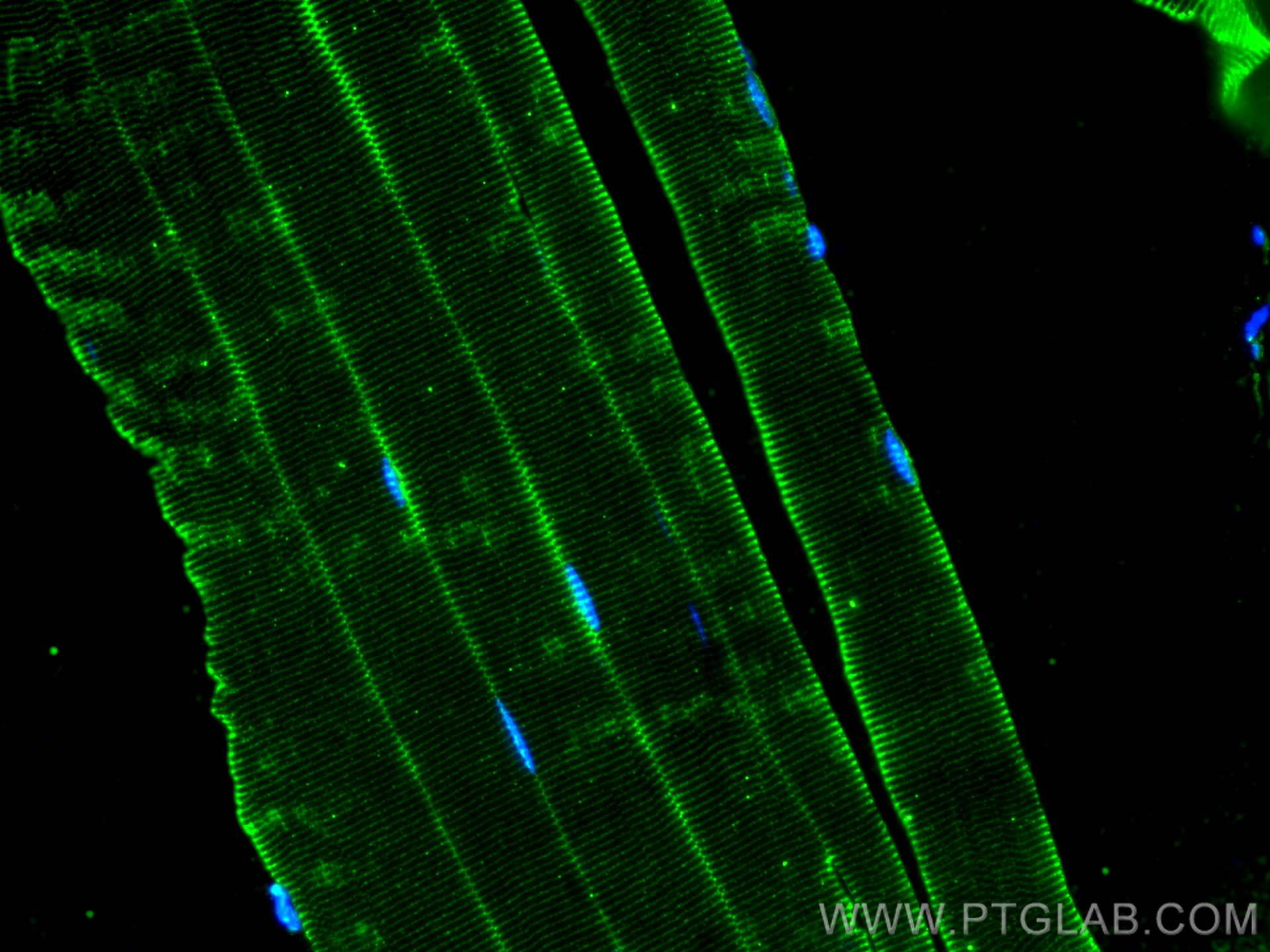
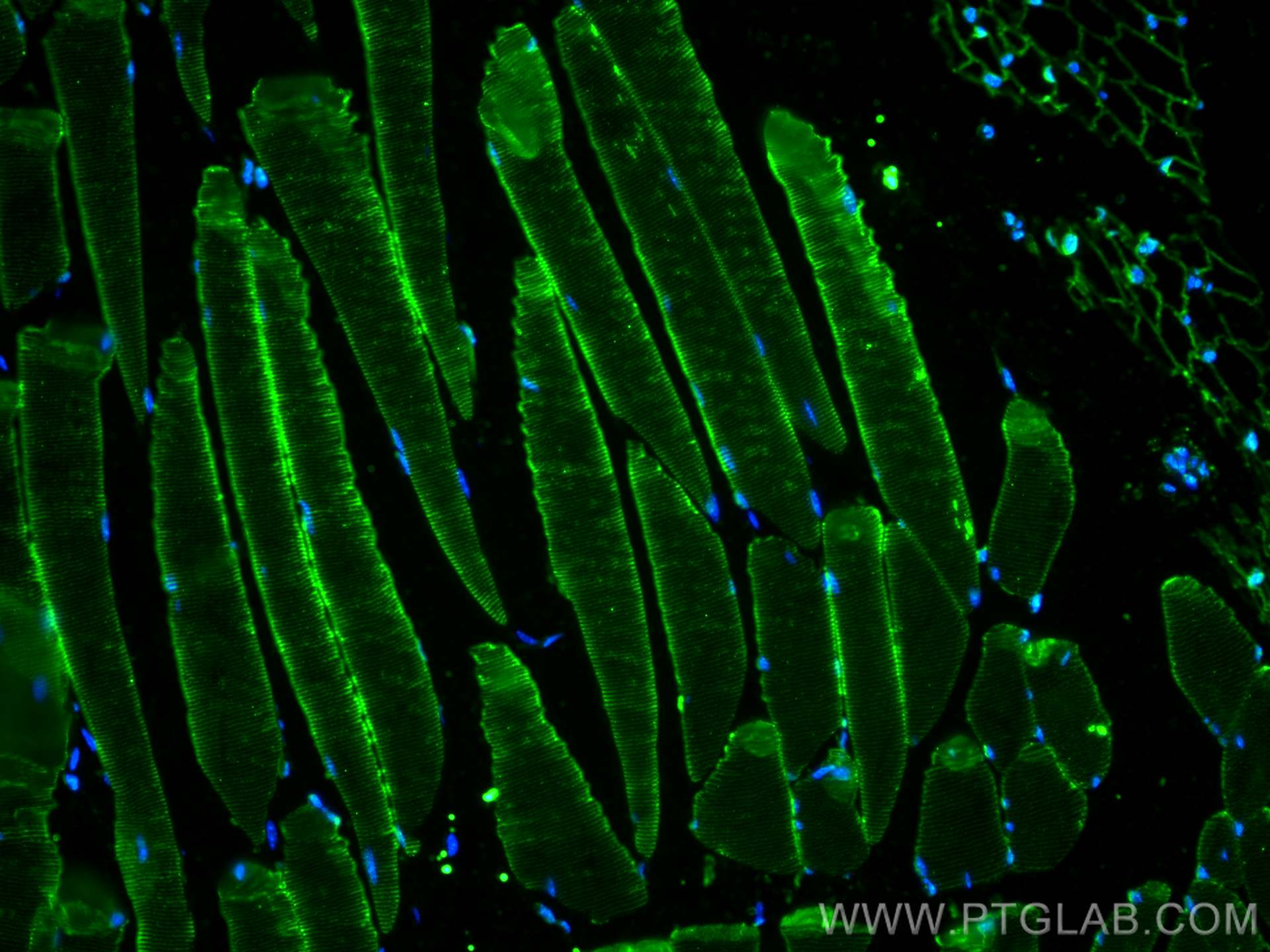
| Positive IF-P detected in | mouse skeletal muscle tissue |
Recommended dilution
| Application | Dilution |
|---|---|
| Western Blot (WB) | WB : 1:15000-1:50000 |
| Immunohistochemistry (IHC) | IHC : 1:2000-1:8000 |
| Immunofluorescence (IF)-P | IF-P : 1:50-1:500 |
| It is recommended that this reagent should be titrated in each testing system to obtain optimal results. | |
| Sample-dependent, Check data in validation data gallery. | |
Product Information
67172-1-Ig targets FBXO32 in WB, IHC, IF-P, IP, CoIP, ELISA applications and shows reactivity with human, mouse, rat, pig samples.
| Tested Reactivity | human, mouse, rat, pig |
| Cited Reactivity | human, mouse, rat, pig, canine |
| Host / Isotype | Mouse / IgG2b |
| Class | Monoclonal |
| Type | Antibody |
| Immunogen |
CatNo: Ag25247 Product name: Recombinant human FBXO32 protein Source: e coli.-derived, PET30a Tag: 6*His Domain: 1-216 aa of BC024030 Sequence: IAQKNFMNILEKVVLKVLEDQQNIRLIRELLQTLYTSLCTLVQRVGKSVLVGNINMWVYRMETILHWQQQLNNIQITRPAFKGLTFTDLPLCLQLNIMQRLSDGRDLVSLGQAAPDLHVLSEDRLLWKKLCQYHFSERQIRKRLILSDKGQLDWKKMYFKLVRCYPRKEQYGDTLQLRKHCHILSWKGTDHPCTANNPESCSVSLSPQDFINLFKF Predict reactive species |
| Full Name | F-box protein 32 |
| Calculated Molecular Weight | 355 aa, 42 kDa |
| Observed Molecular Weight | 42 kDa |
| GenBank Accession Number | BC024030 |
| Gene Symbol | FBXO32 |
| Gene ID (NCBI) | 114907 |
| RRID | AB_2882468 |
| Conjugate | Unconjugated |
| Form | Liquid |
| Purification Method | Protein A purification |
| UNIPROT ID | Q969P5 |
| Storage Buffer | PBS with 0.02% sodium azide and 50% glycerol, pH 7.3. |
| Storage Conditions | Store at -20°C. Stable for one year after shipment. Aliquoting is unnecessary for -20oC storage. 20ul sizes contain 0.1% BSA. |
Background Information
FBXO32 (F box only protein 32), also known as Atrogin 1 or MAFbx, is a member of the F-box protein family which is characterized by an approximately 40 amino acid motif F-box. This protein is an E3 ubiquitin ligase that is markedly up-regulated in muscle atrophy. FBXO32 is thus a potential drug target for the treatment of muscle atrophy. Some data support that FBXO32 may play an important role in tumorigenesis. Recent study reveal that FBXO32 targets the oncogenic protein c-Myc for ubiquitination and degradation through the proteasome pathway.
Protocols
| Product Specific Protocols | |
|---|---|
| IF protocol for FBXO32 antibody 67172-1-Ig | Download protocol |
| IHC protocol for FBXO32 antibody 67172-1-Ig | Download protocol |
| WB protocol for FBXO32 antibody 67172-1-Ig | Download protocol |
| Standard Protocols | |
|---|---|
| Click here to view our Standard Protocols |
Publications
What published studies show
The FBXO32 Monoclonal antibody (Cat# 67172-1-Ig) has 79 citations. Publications appear in journals including Nature Communications, J Cachexia Sarcopenia Muscle, Cell Death & Disease, Advanced Science, FASEB Journal, International Journal of Molecular Sciences, and Journal of Ethnopharmacology, among others. Research fields span muscle atrophy and sarcopenia, cancer cachexia, diabetes, exercise physiology, gut microbiota, aging, and cardiovascular disease.
| Species | Application | Title |
|---|---|---|
Nat Commun F-box protein FBXO32 ubiquitinates and stabilizes D-type cyclins to drive cancer progression | ||
Metabolism Anti-sarcopenic effects of active vitamin D through modulation of anabolic and catabolic signaling pathways in human skeletal muscle: A randomized controlled trial | ||
Adv Sci (Weinh) Burn-Induced Gut Microbiota Dysbiosis Aggravates Skeletal Muscle Atrophy by Tryptophan-Kynurenine Mediated AHR Pathway Activation | ||
Cell Death Dis FBXO32-mediated degradation of PTEN promotes lung adenocarcinoma progression | ||
J Cachexia Sarcopenia Muscle Mesenchymal stromal cells ameliorate diabetes-induced muscle atrophy through exosomes by enhancing AMPK/ULK1-mediated autophagy |











