

Tested Applications
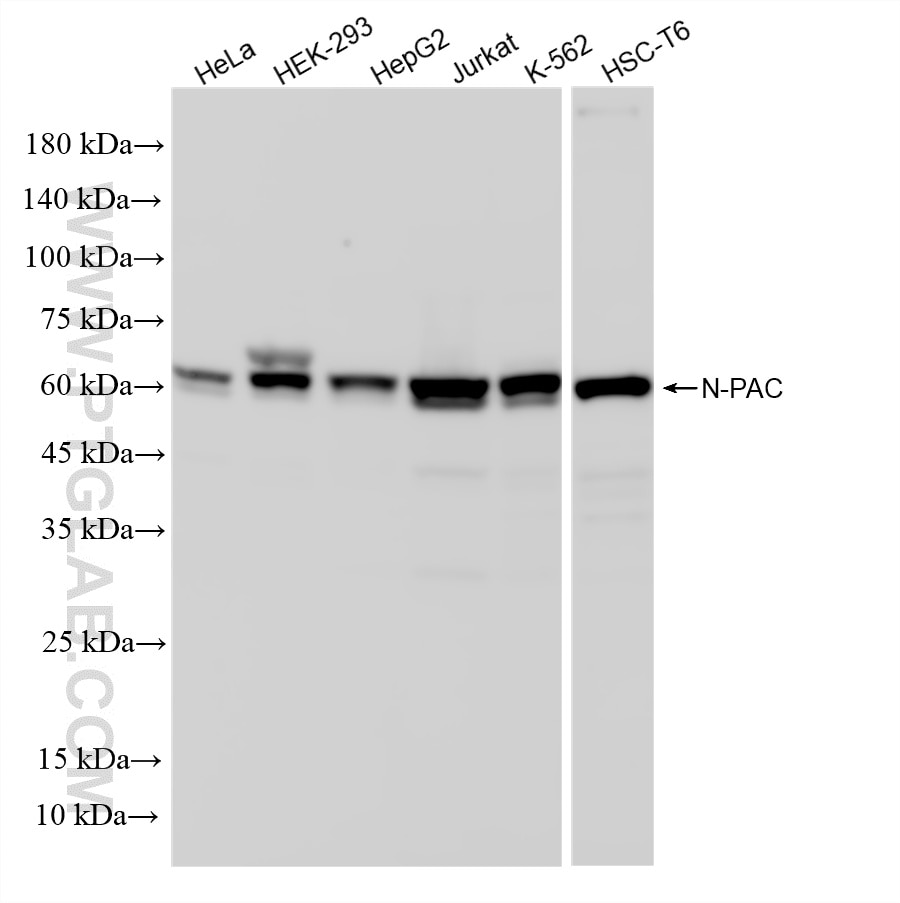
| Positive WB detected in | HeLa cells, HEK-293 cells, HepG2 cells, Jurkat cells, K-562 cells, HSC-T6 cells |
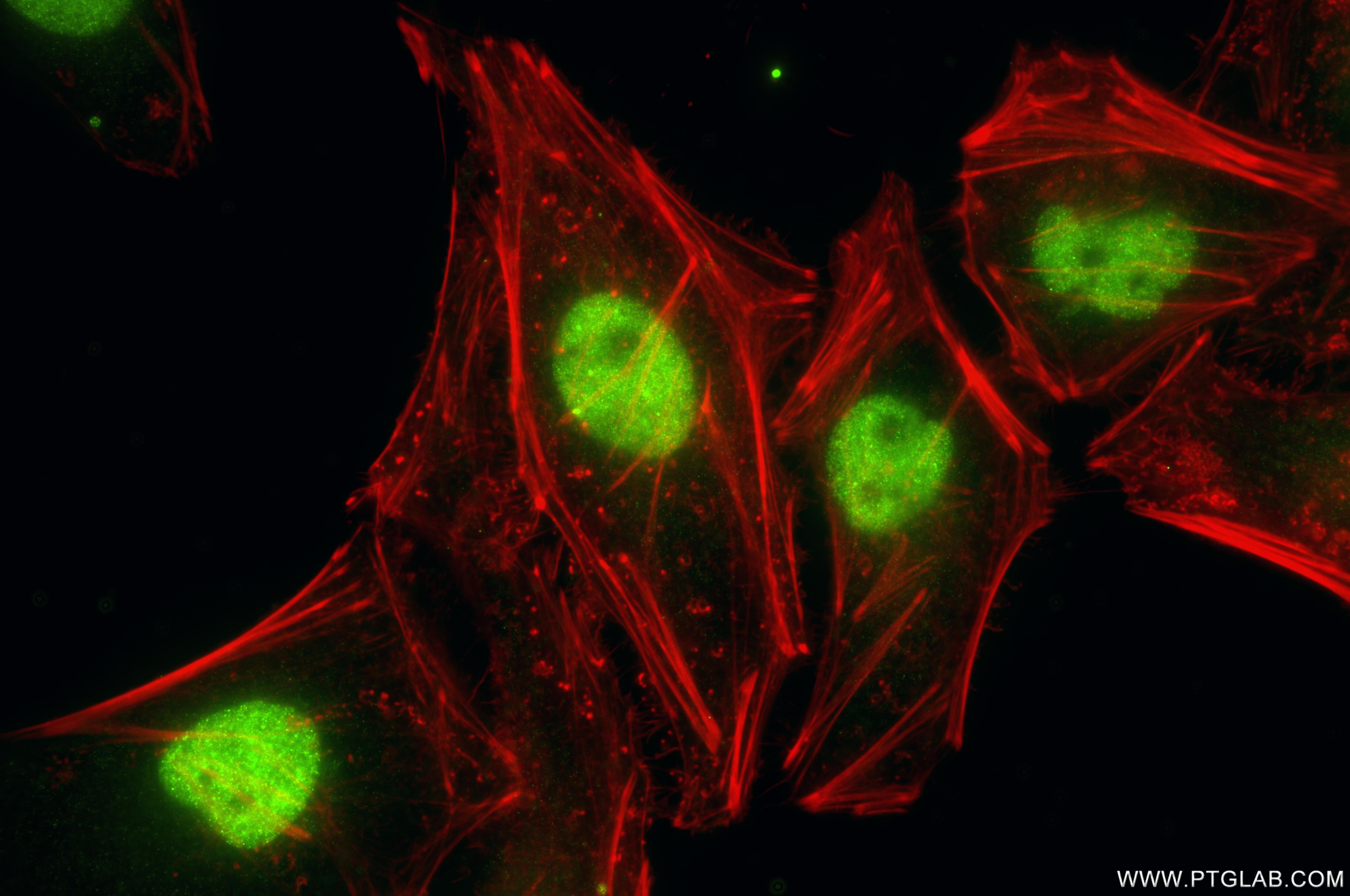
| Positive IF/ICC detected in | HeLa cells |
Recommended dilution
| Application | Dilution |
|---|---|
| Western Blot (WB) | WB : 1:5000-1:50000 |
| Immunofluorescence (IF)/ICC | IF/ICC : 1:500-1:2000 |
| It is recommended that this reagent should be titrated in each testing system to obtain optimal results. | |
| Sample-dependent, Check data in validation data gallery. | |
Product Information
86877-1-RR targets GLYR1 in WB, IF/ICC, ELISA applications and shows reactivity with human, rat samples.
| Tested Reactivity | human, rat |
| Host / Isotype | Rabbit / IgG |
| Class | Recombinant |
| Type | Antibody |
| Immunogen |
CatNo: Ag6637 Product name: Recombinant human N-PAC protein Source: e coli.-derived, PGEX-4T Tag: GST Domain: 133-484 aa of BC064940 Sequence: WQPTASEPVKDADPHFHHFLLSQTEKPAVCYQAITKKLKICEEETGSTSIQAADSTAVNGSITPTDKKIGFLGLGLMGSGIVSNLLKMGHTVTVWNRTAEKCDLFIQEGARLGRTPAEVVSTCDITFACVSDPKAAKDLVLGPSGVLQGIRPGKCYVDMSTVDADTVTELAQVIVSRGGRFLEAPVSGNQQLSNDGMLVILAAGDRGLYEDCSSCFQAMGKTSFFLGEVGNAAKMMLIVNMVQGSFMATIAEGLTLAQVTGQSQQTLLDILNQGQLASIFLDQKCQNILQGNFKPDFYLKYIQKDLRLAIALGDAVNHPTPMAAAANEVYKRAKALDQSDNDMSAVYRAYIH Predict reactive species |
| Full Name | cytokine-like nuclear factor n-pac |
| Calculated Molecular Weight | 61 kDa |
| Observed Molecular Weight | 60 kDa |
| GenBank Accession Number | BC064940 |
| Gene Symbol | N-PAC |
| Gene ID (NCBI) | 84656 |
| RRID | AB_3745179 |
| Conjugate | Unconjugated |
| Form | Liquid |
| Purification Method | Protein A purification |
| UNIPROT ID | Q49A26 |
| Storage Buffer | PBS with 0.02% sodium azide and 50% glycerol, pH 7.3. |
| Storage Conditions | Store at -20°C. Stable for one year after shipment. Aliquoting is unnecessary for -20oC storage. 20ul sizes contain 0.1% BSA. |
Background Information
GlyR1 (glyoxylate/successful semi-Aldehyde Reductase 1) is a plant-specific NADPH- dependent reductase, which mainly locates in cytoplasm. It was originally regarded as "glyoxal/succinate semialdehyde reductase", which can reduce glyoxylate, an intermediate product of photorespiration, to glycolate, and also reduce succinate semialdehyde produced by GABA metabolism to γ-hydroxybutyric acid, thus eliminating active aldehydes and alleviating oxidative damage caused by abiotic stress. In invasive breast cancer cells, GLYR1 was detected to "flip" from the nucleus to the cell membrane (ecto-GLYR1) and became a new tumor-specific antigen. Humanized antibody and CAR-NK/CAR-T systems have been established for the membrane epitope, and will soon enter the clinical safety assessment. This means that GLYR1 itself can also be used as a "membrane target antigen" for precise tumor treatment.
Protocols
| Product Specific Protocols | |
|---|---|
| IF protocol for GLYR1 antibody 86877-1-RR | Download protocol |
| WB protocol for GLYR1 antibody 86877-1-RR | Download protocol |
| Standard Protocols | |
|---|---|
| Click here to view our Standard Protocols |




