
Product Information
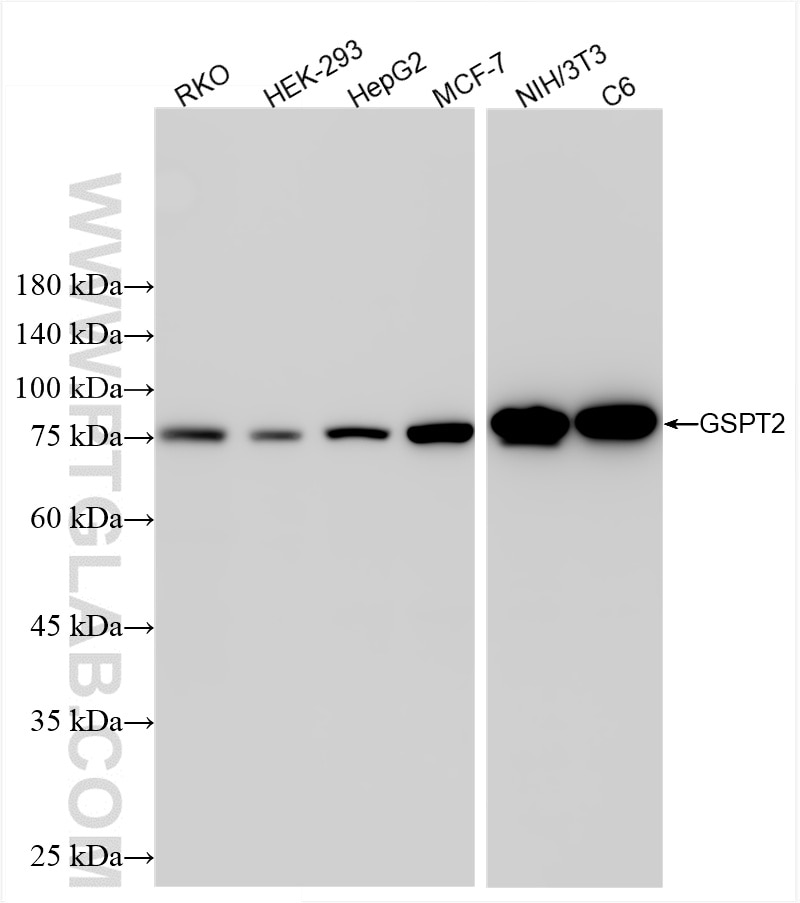
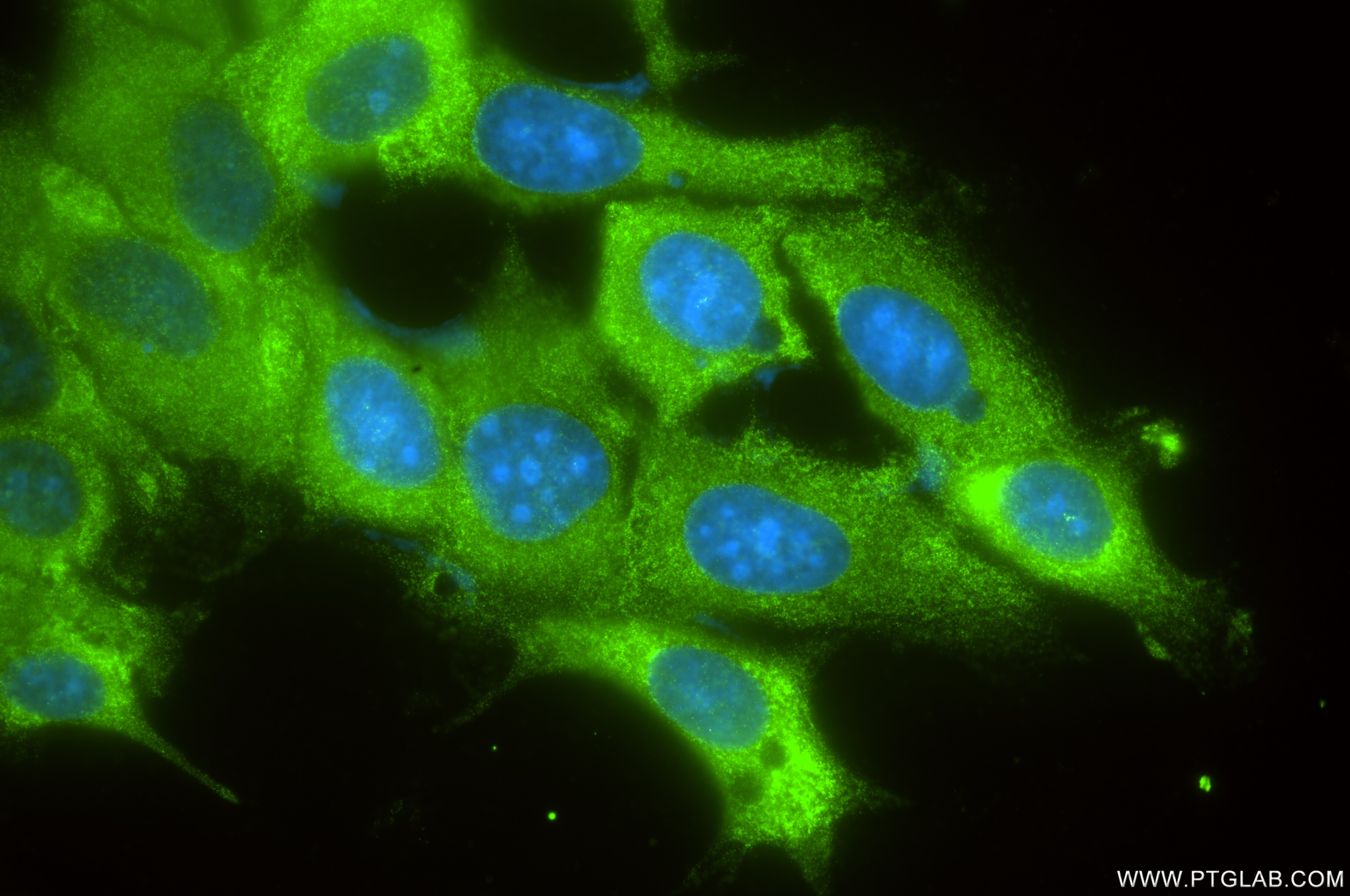
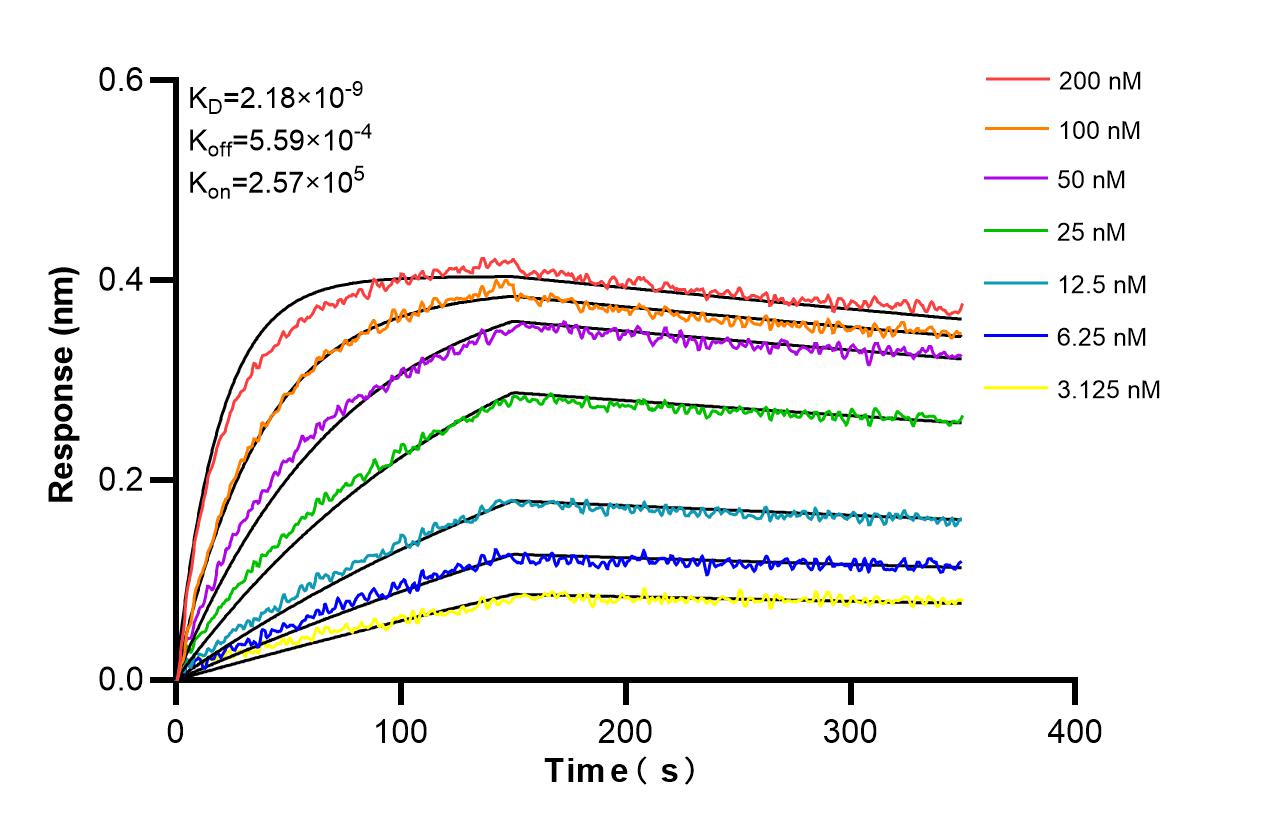
86508-3-PBS targets GSPT2 in WB, IF/ICC, Indirect ELISA applications and shows reactivity with human, mouse, rat samples.
| Tested Reactivity | human, mouse, rat |
| Host / Isotype | Rabbit / IgG |
| Class | Recombinant |
| Type | Antibody |
| Immunogen |
CatNo: Ag3641 Product name: Recombinant human GSPT2 protein Source: e coli.-derived, PGEX-4T Tag: GST Domain: 1-200 aa of BC036077 Sequence: MDSGSSSSDSAPDCWDQVDMESTGSAPSGDGVSSAVAEAQREPLSSAFSRKLNVNAKPFVPNVHAAEFVPSFLRGPTQPPTLPAGSGSNDETCTGAGYPQGKRMGRGAPVEPSREEPLVSLEGSNSAVTMELSEPVVENGEVEMALEESWEHSKEVSEAEPGGGSSGDSGPPEESGQEMMEEKEEIRKSKSVIVPSGAPK Predict reactive species |
| Full Name | G1 to S phase transition 2 |
| Calculated Molecular Weight | 628 aa, 69 kDa |
| Observed Molecular Weight | 69-75 kDa |
| GenBank Accession Number | BC036077 |
| Gene Symbol | GSPT2 |
| Gene ID (NCBI) | 23708 |
| RRID | AB_3744933 |
| Conjugate | Unconjugated |
| Form | Liquid |
| Purification Method | Protein A purification |
| UNIPROT ID | Q8IYD1 |
| Storage Buffer | PBS only, pH 7.3. |
| Storage Conditions | Store at -80°C. |
Background Information
GSPT2, also named as eukaryotic peptide chain release factor GTP-binding subunit ERF3B or G1 to S phase transition protein 2 homolog, is a 628 amino acid protein, which belongs to the GTP-binding elongation factor family ERF3 subfamily. GSPT2 localizes in the cytoplasm and is highly expressed in IUCC stage II colorectal cancer (CRC). GSPT2 is involved in translation termination in response to the termination codons UAA, UAG, and UGA and may play a role as a potent stimulator of the release factor activity of ETF1. It may play a role in cell cycle progression.




