
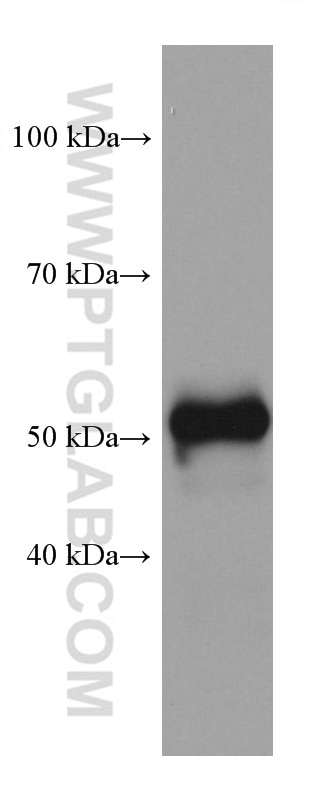
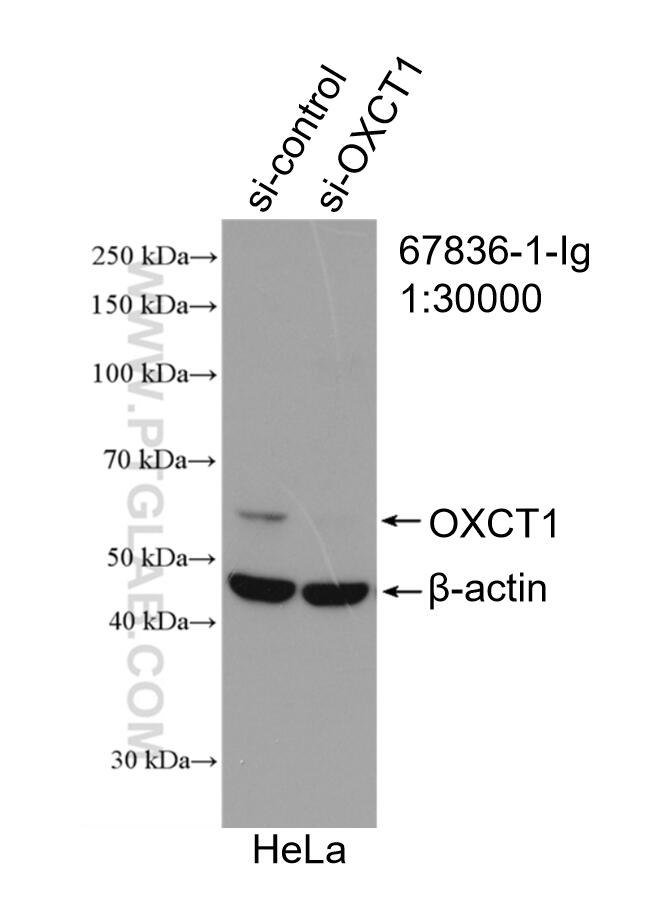
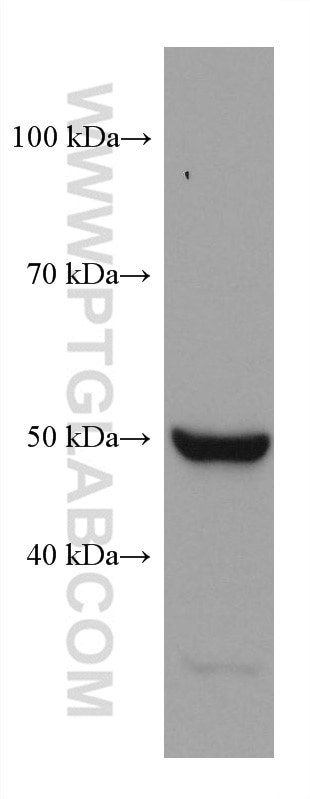
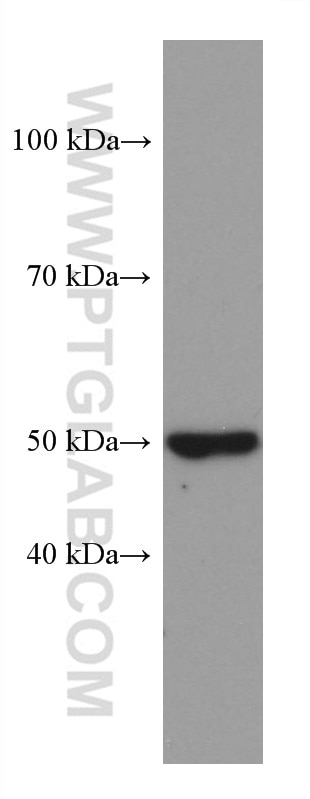
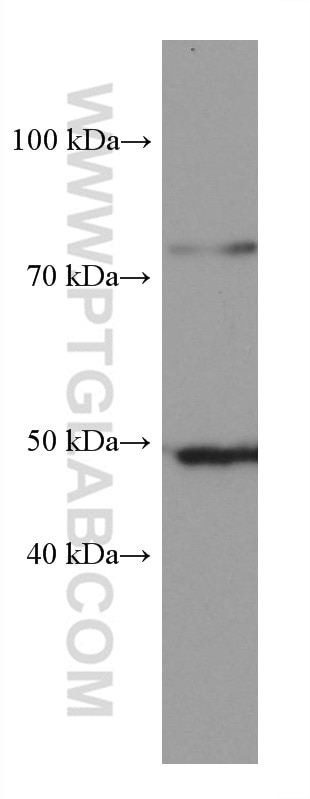
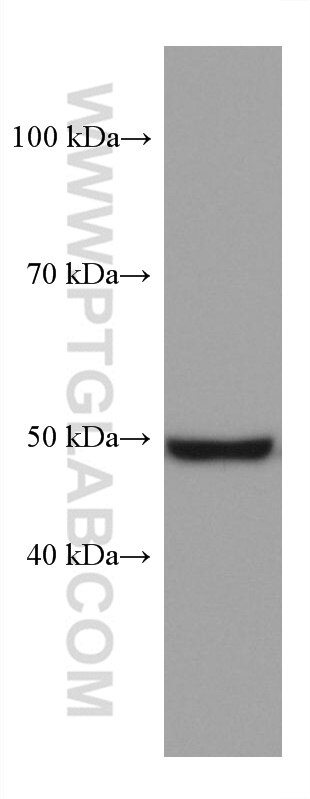
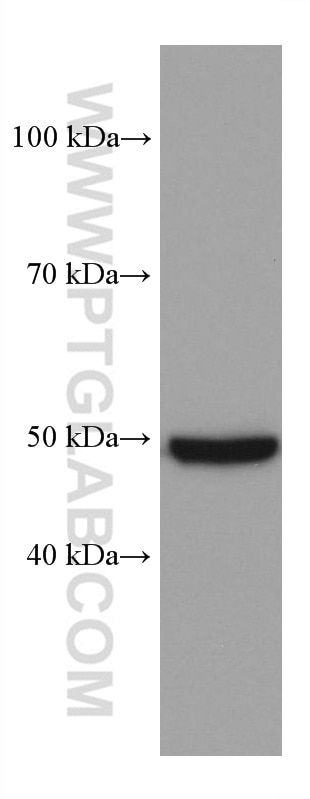
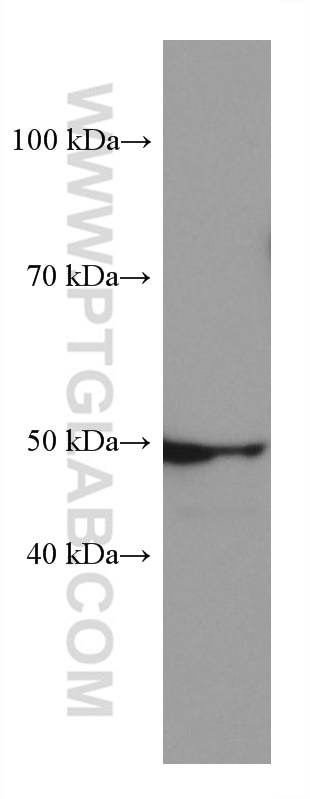

Tested Applications
| Positive WB detected in | rat heart tissue, HeLa cells, Jurkat cells, pig brain tissue, rat brain tissue, mouse brain tissue, rabbit brain tissue |
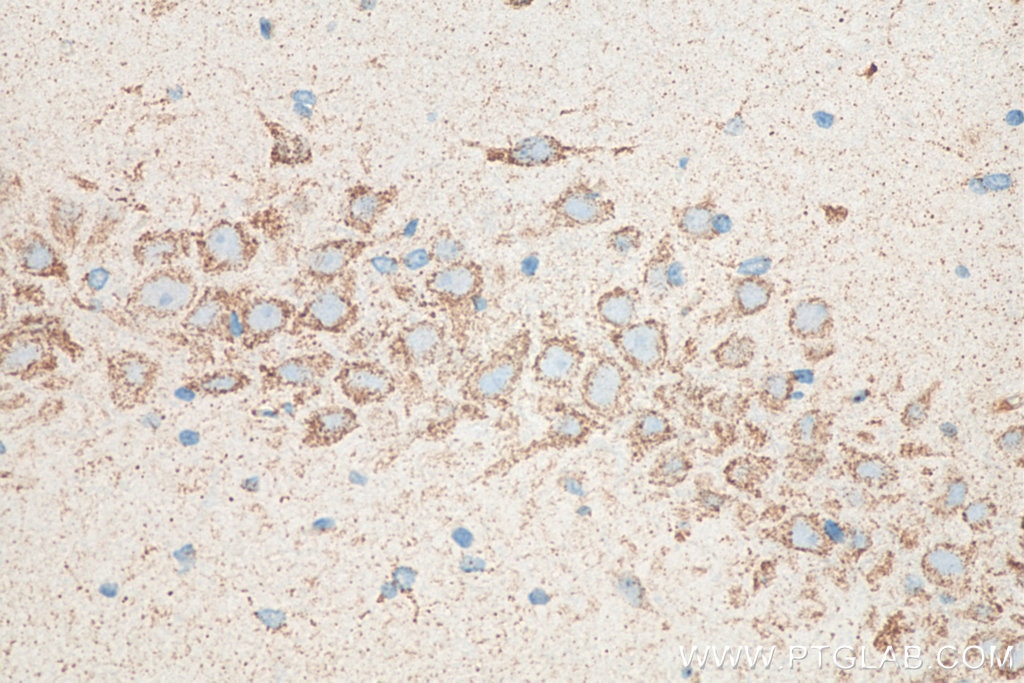
| Positive IHC detected in | rat brain tissue Note: suggested antigen retrieval with TE buffer pH 9.0; (*) Alternatively, antigen retrieval may be performed with citrate buffer pH 6.0 |
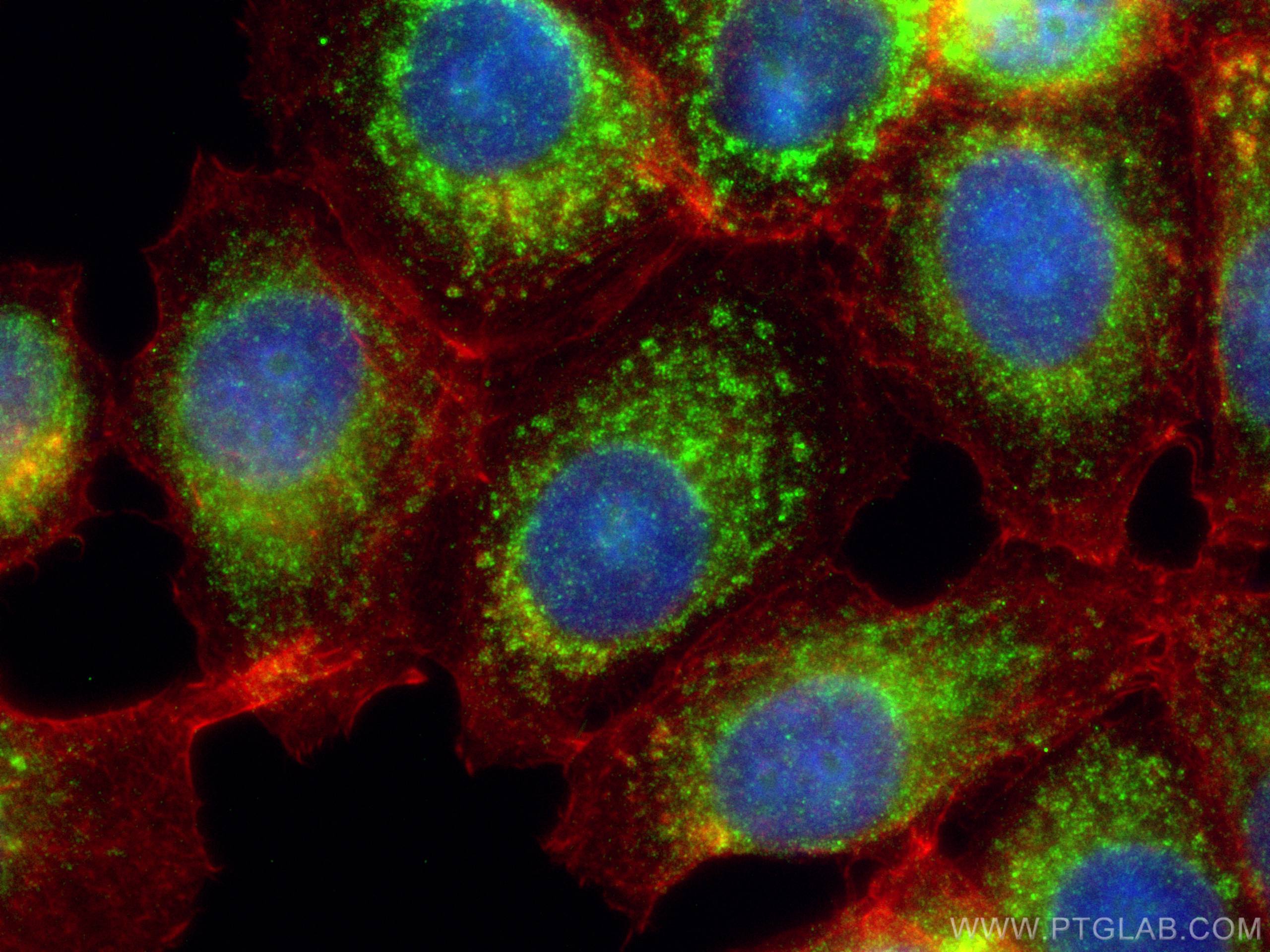
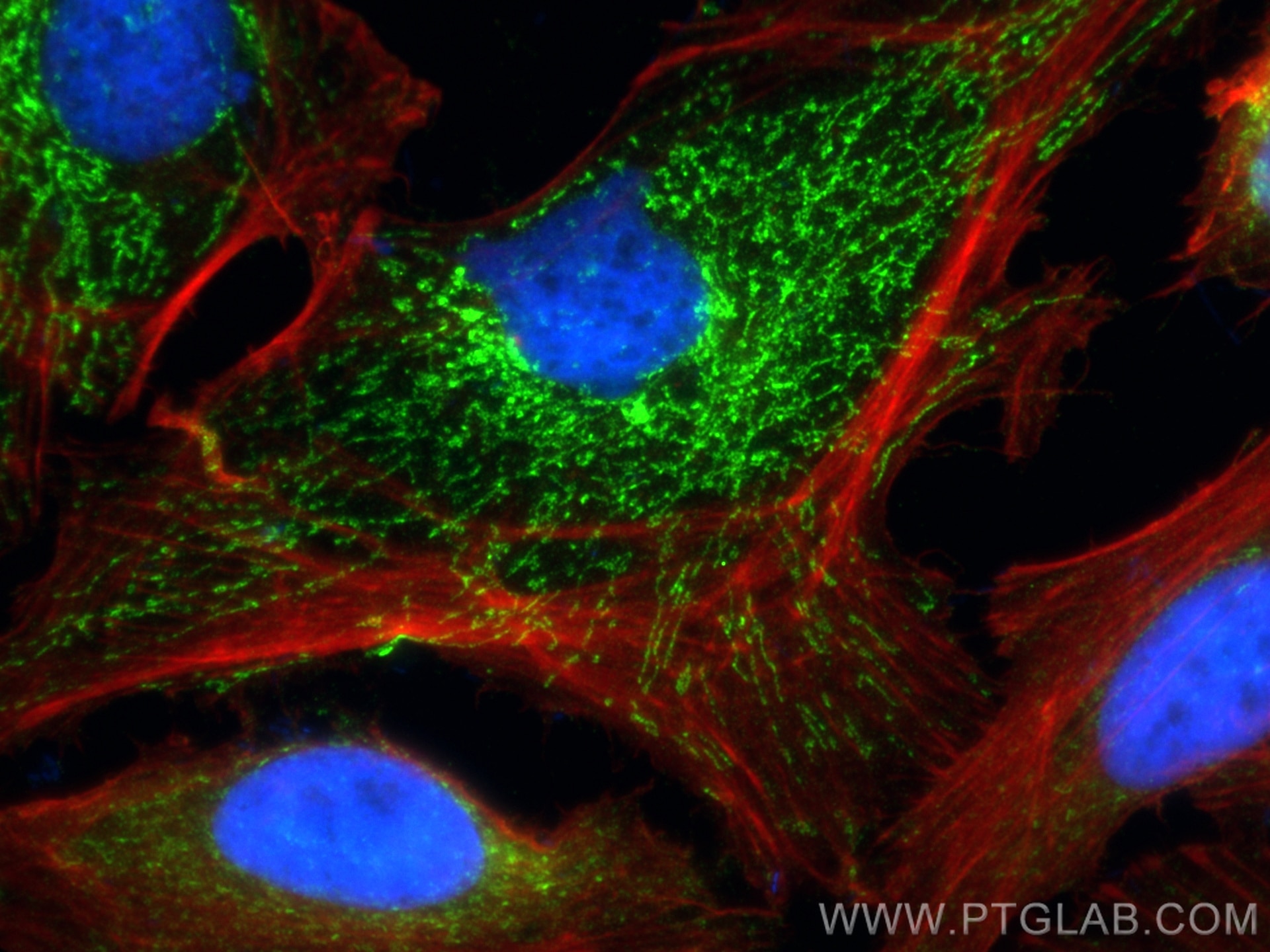
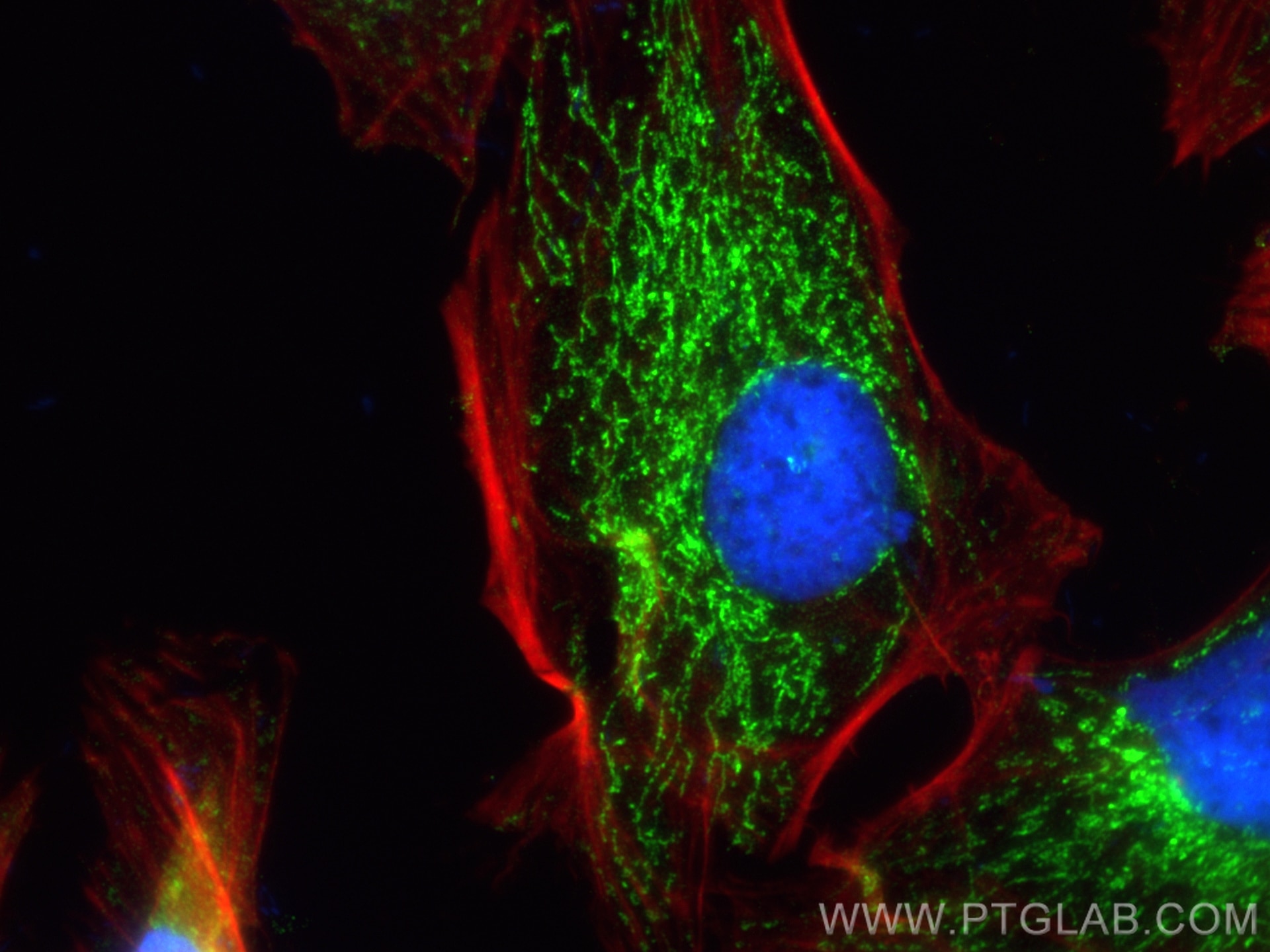
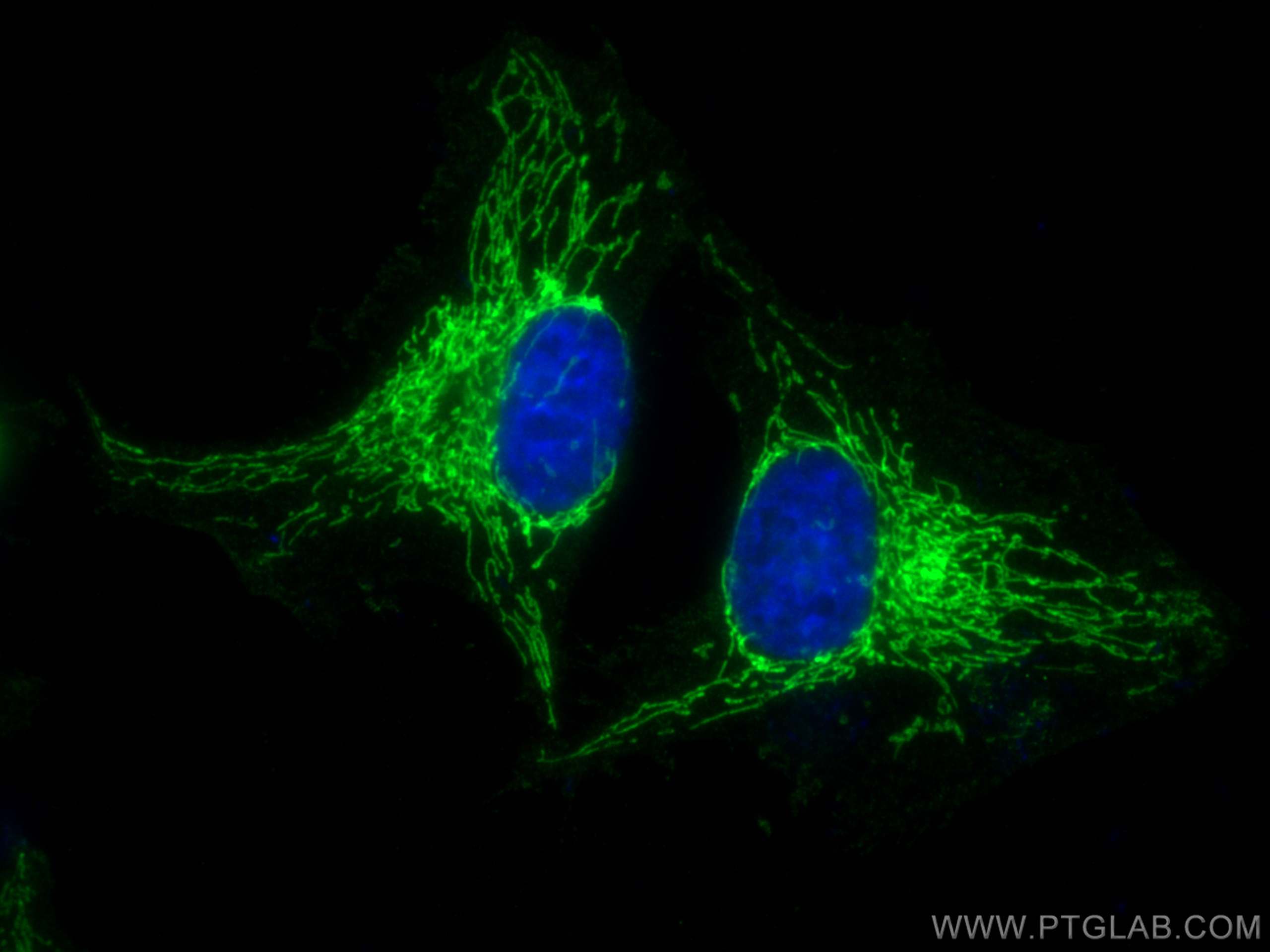
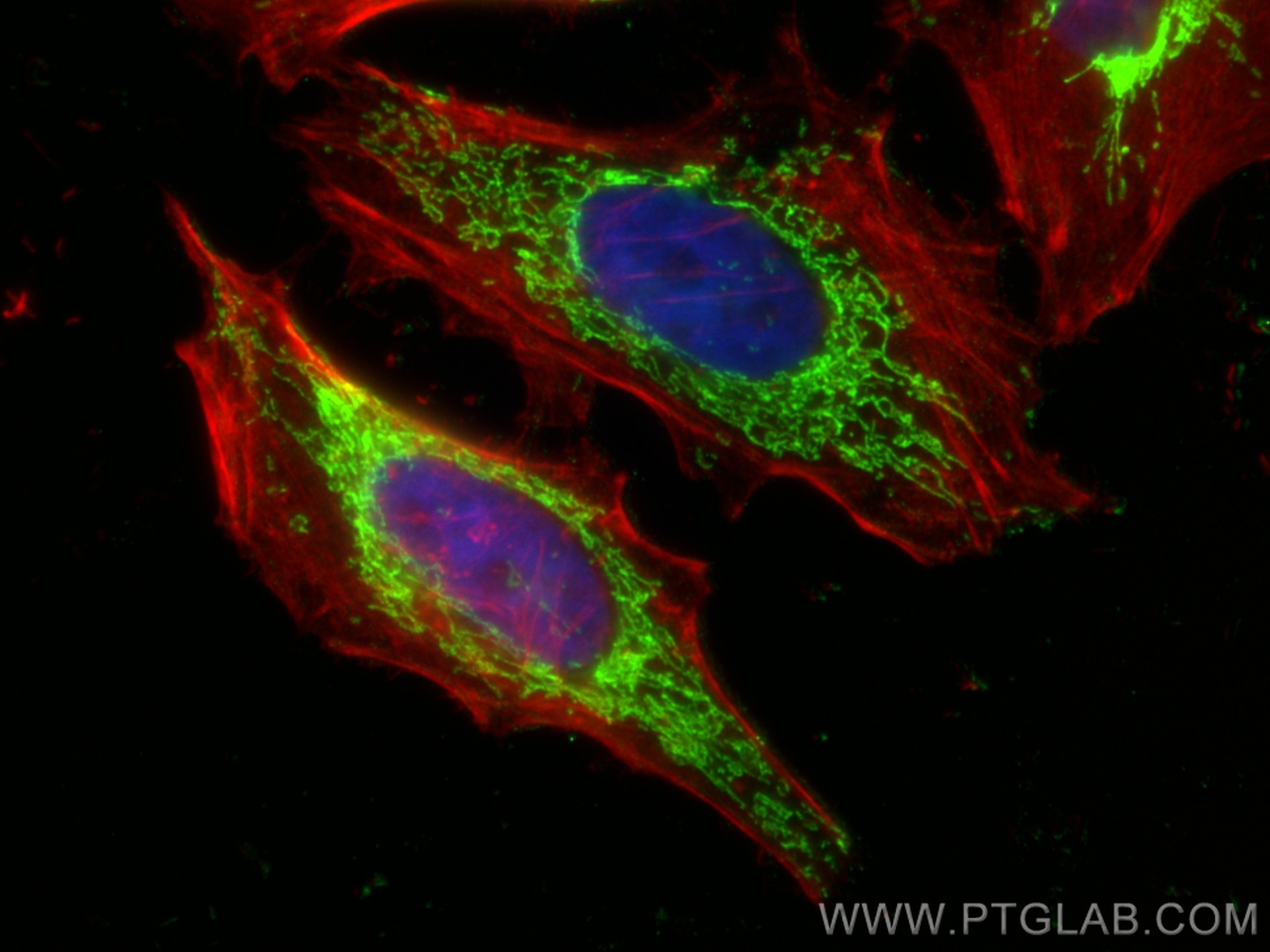
| Positive IF/ICC detected in | MCF-7 cells, HeLa cells |
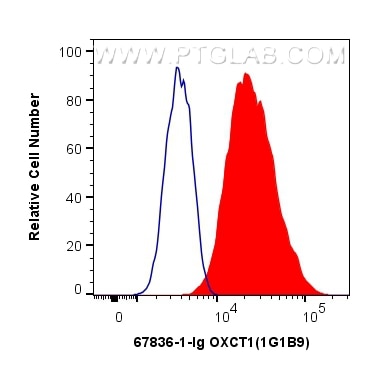
| Positive FC (Intra) detected in | HeLa cells |
Recommended dilution
| Application | Dilution |
|---|---|
| Western Blot (WB) | WB : 1:5000-1:50000 |
| Immunohistochemistry (IHC) | IHC : 1:500-1:2000 |
| Immunofluorescence (IF)/ICC | IF/ICC : 1:200-1:800 |
| Flow Cytometry (FC) (INTRA) | FC (INTRA) : 0.40 ug per 10^6 cells in a 100 µl suspension |
| It is recommended that this reagent should be titrated in each testing system to obtain optimal results. | |
| Sample-dependent, Check data in validation data gallery. | |
Product Information
67836-1-Ig targets OXCT1 in WB, IHC, IF/ICC, FC (Intra), IP, ELISA applications and shows reactivity with human, mouse, rat, pig, rabbit samples.
| Tested Reactivity | human, mouse, rat, pig, rabbit |
| Cited Reactivity | human |
| Host / Isotype | Mouse / IgG1 |
| Class | Monoclonal |
| Type | Antibody |
| Immunogen |
CatNo: Ag24792 Product name: Recombinant human SCOT protein Source: e coli.-derived, PET28a Tag: 6*His Domain: 151-520 aa of BC009001 Sequence: GVPAFYTPTGYGTLVQEGGSPIKYNKDGSVAIASKPREVREFNGQHFILEEAITGDFALVKAWKADRAGNVIFRKSARNFNLPMCKAAETTVVEVEEIVDIGAFAPEDIHIPQIYVHRLIKGEKYEKRIERLSIRKEGDGEAKSAKPGDDVRERIIKRAALEFEDGMYANLGIGIPLLASNFISPNITVHLQSENGVLGLGPYPRQHEADADLINAGKETVTILPGASFFSSDESFAMIRGGHVDLTMLGAMQVSKYGDLANWMIPGKMVKGMGGAMDLVSSAKTKVVVTMEHSAKGNAHKIMEKCTLPLTGKQCVNRIITEKAVFDVDKKKGLTLIELWEGLTVDDVQKSTGCDFAVSPKLMPMQQIAN Predict reactive species |
| Full Name | 3-oxoacid CoA transferase 1 |
| Calculated Molecular Weight | 520 aa, 56 kDa |
| Observed Molecular Weight | 52-56 kDa |
| GenBank Accession Number | BC009001 |
| Gene Symbol | OXCT1 |
| Gene ID (NCBI) | 5019 |
| RRID | AB_2918598 |
| Conjugate | Unconjugated |
| Form | Liquid |
| Purification Method | Protein G purification |
| UNIPROT ID | P55809 |
| Storage Buffer | PBS with 0.02% sodium azide and 50% glycerol, pH 7.3. |
| Storage Conditions | Store at -20°C. Stable for one year after shipment. Aliquoting is unnecessary for -20oC storage. 20ul sizes contain 0.1% BSA. |
Background Information
OXCT1 (also know as SCOT), encoded by nuclear gene, is a mitochondrial CoA transferase required for ketone body degradation. It catalyzes the transfer of CoA from succinyl-CoA to acetoacetate, generating acetoacetyl-CoA. OXCT1 is expressed in brain, heart, and skeletal muscle, but not in liver. This antibody specifically recognizes endogenous OXCT1. (21209089)
Protocols
| Product Specific Protocols | |
|---|---|
| FC protocol for OXCT1 antibody 67836-1-Ig | Download protocol |
| IF protocol for OXCT1 antibody 67836-1-Ig | Download protocol |
| IHC protocol for OXCT1 antibody 67836-1-Ig | Download protocol |
| WB protocol for OXCT1 antibody 67836-1-Ig | Download protocol |
| Standard Protocols | |
|---|---|
| Click here to view our Standard Protocols |
Publications
What published studies show
The OXCT1 Monoclonal antibody (1G1B9), catalog number 67836-1-Ig, has a total of 5 citations. These appear in Molecular Cell, International Journal of Molecular Sciences, Scientific Reports, Journal of Biological Chemistry, and Cancer Medicine. The research fields span ketone body metabolism, liver tumor growth and hepatocellular carcinoma, mitochondrial protein biology, lysine β-hydroxybutyrylation modification, and resistance to neurotrophic tropomyosin-receptor kinase inhibitors.
| Species | Application | Title |
|---|---|---|
Mol Cell OXCT1 succinylation and activation by SUCLA2 promotes ketolysis and liver tumor growth | ||
Int J Mol Sci Putative Role of Fatty Acid Metabolic Therapy Using Ketogenic Diet and HIF-1α Inhibition in Hepatocellular Carcinoma: Evidence from an In Vitro Study. | ||
Sci Rep Imaging phenotype reveals that disulfirams induce protein insolubility in the mitochondrial matrix | ||
J Biol Chem β-hydroxybutyrate serves as a regulator in ketone body metabolism through lysine β-hydroxybutyrylation | ||
Cancer Med Induction of resistance to neurotrophic tropomyosin-receptor kinase inhibitors by HMGCS2 via a mevalonate pathway |
















