

Tested Applications
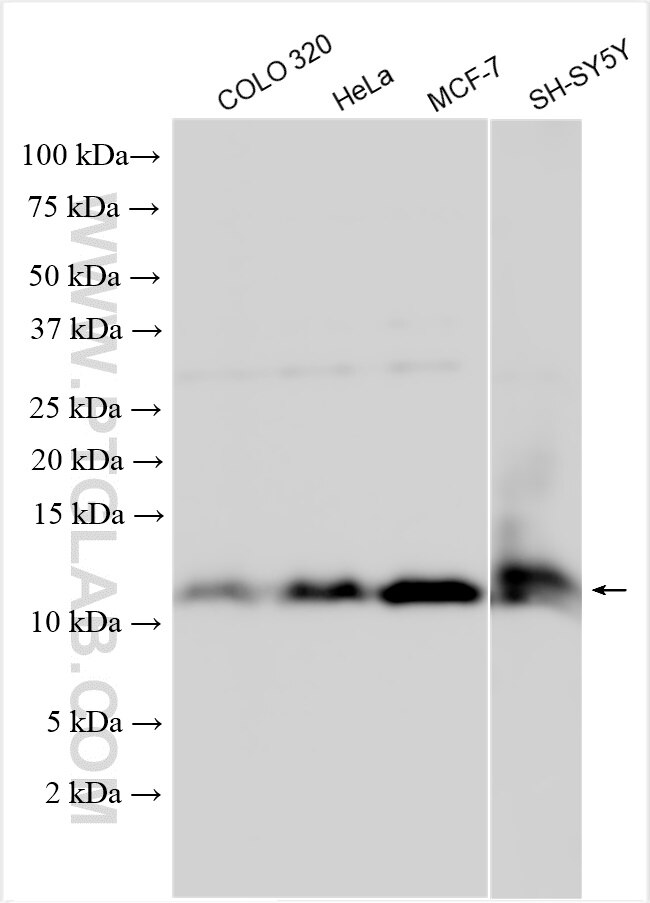
| Positive WB detected in | COLO 320 cells, HeLa cells, MCF-7 cells, SH-SY5Y cells |
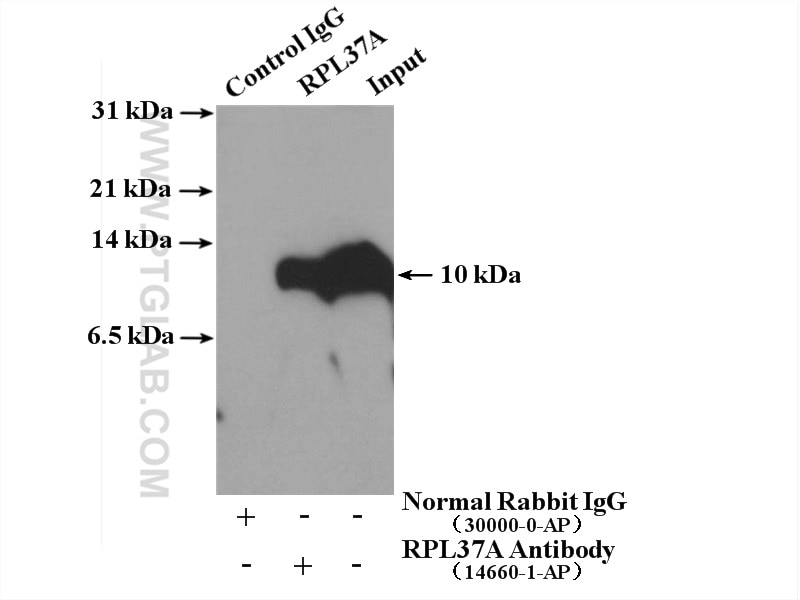
| Positive IP detected in | MCF-7 cells |
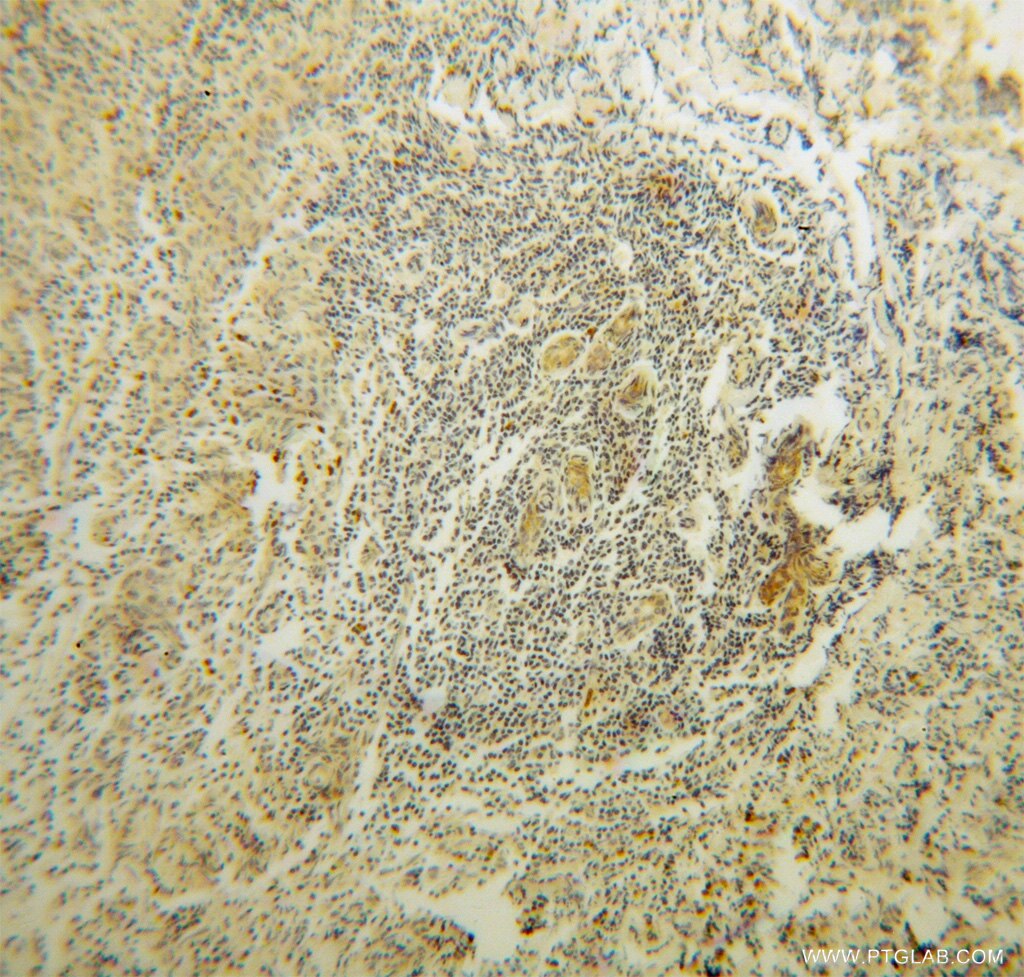
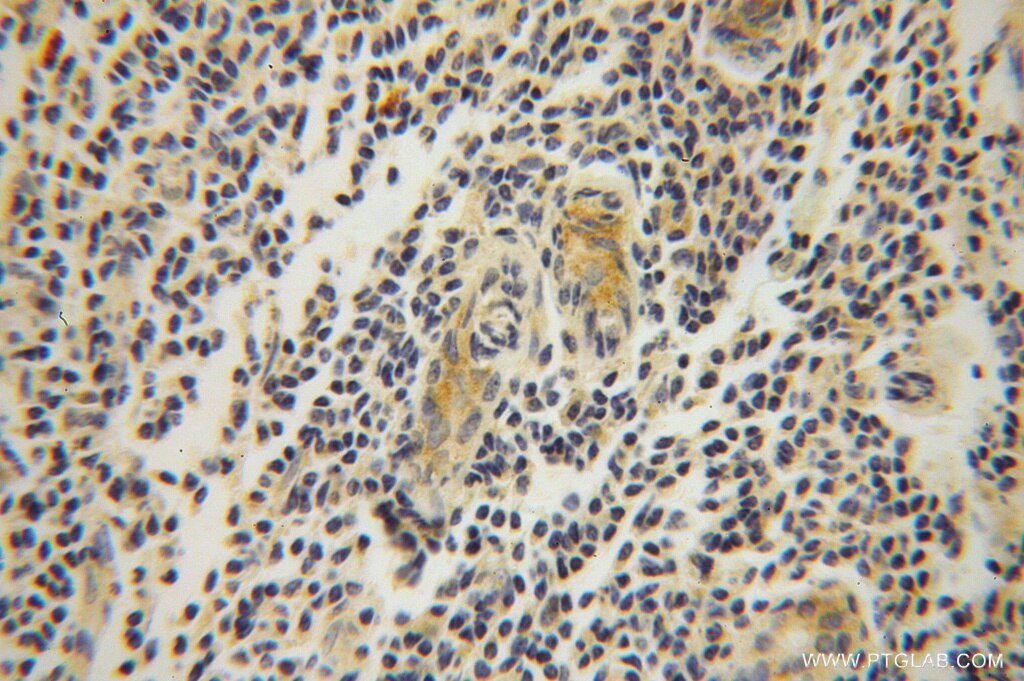
| Positive IHC detected in | human breast cancer tissue Note: suggested antigen retrieval with TE buffer pH 9.0; (*) Alternatively, antigen retrieval may be performed with citrate buffer pH 6.0 |
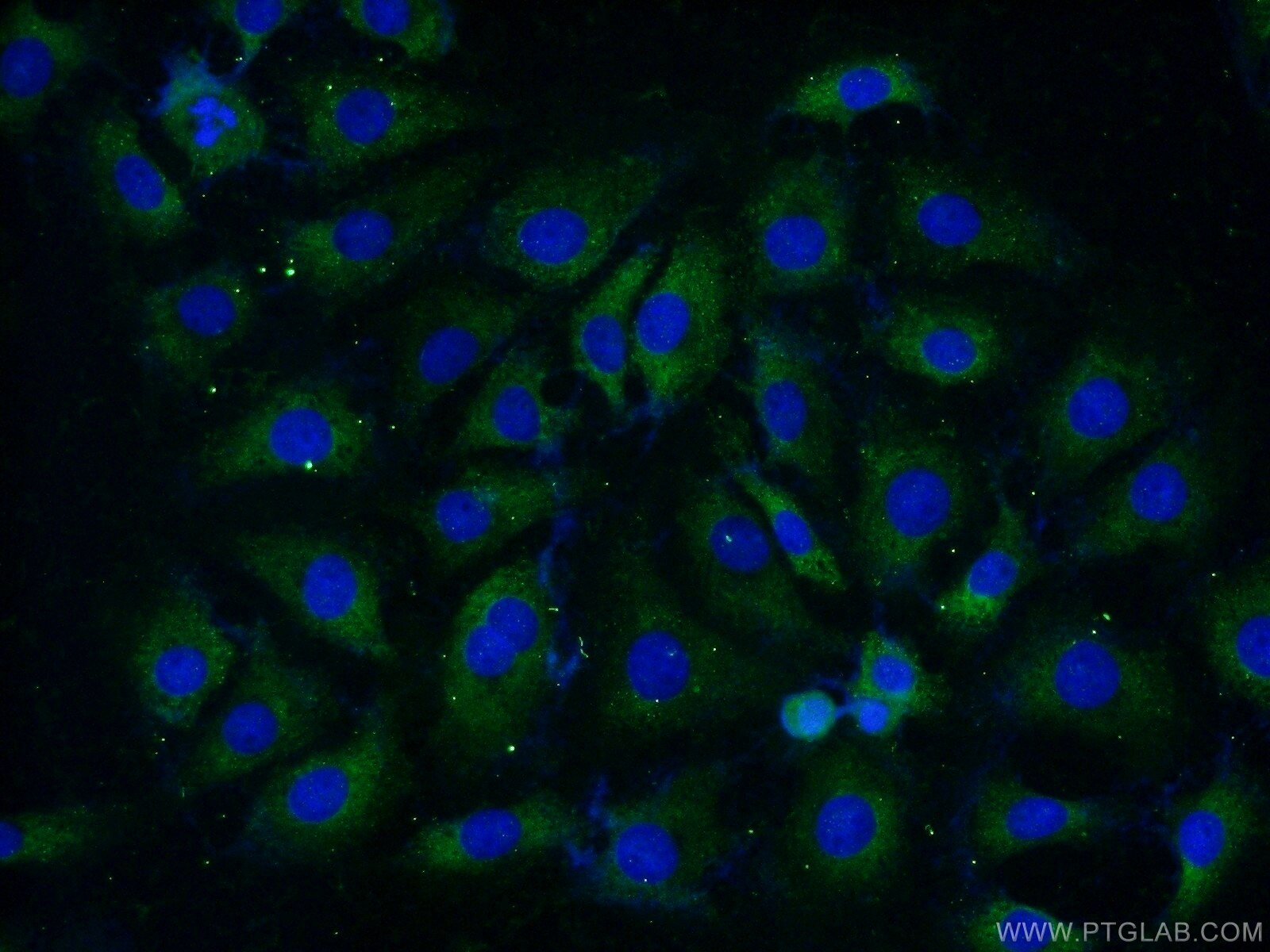
| Positive IF/ICC detected in | SH-SY5Y cells |
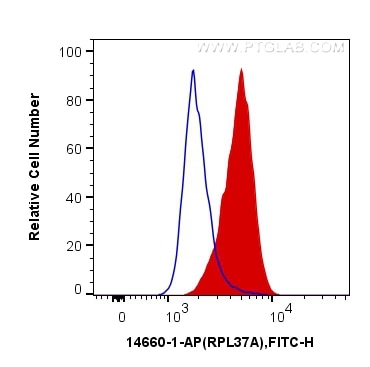
| Positive FC (Intra) detected in | MCF-7 cells |
Recommended dilution
| Application | Dilution |
|---|---|
| Western Blot (WB) | WB : 1:1000-1:4000 |
| Immunoprecipitation (IP) | IP : 0.5-4.0 ug for 1.0-3.0 mg of total protein lysate |
| Immunohistochemistry (IHC) | IHC : 1:20-1:200 |
| Immunofluorescence (IF)/ICC | IF/ICC : 1:20-1:200 |
| Flow Cytometry (FC) (INTRA) | FC (INTRA) : 0.20 ug per 10^6 cells in a 100 µl suspension |
| It is recommended that this reagent should be titrated in each testing system to obtain optimal results. | |
| Sample-dependent, Check data in validation data gallery. | |
Product Information
14660-1-AP targets RPL37A in WB, IHC, IF/ICC, FC (Intra), IP, ELISA applications and shows reactivity with human, mouse, rat samples.
| Tested Reactivity | human, mouse, rat |
| Cited Reactivity | human |
| Host / Isotype | Rabbit / IgG |
| Class | Polyclonal |
| Type | Antibody |
| Immunogen |
CatNo: Ag6330 Product name: Recombinant human RPL37A protein Source: e coli.-derived, PGEX-4T Tag: GST Domain: 1-72 aa of BC063476 Sequence: MAKRTKKVGIVGKYGTRYGASLRKMVKKIEISQHAKYTCSFCGKTKMKRRAVGIWHCGSCMKTVAGGAWTYK Predict reactive species |
| Full Name | ribosomal protein L37a |
| Calculated Molecular Weight | 10 kDa |
| Observed Molecular Weight | 10 kDa |
| GenBank Accession Number | BC063476 |
| Gene Symbol | RPL37A |
| Gene ID (NCBI) | 6168 |
| RRID | AB_2238668 |
| Conjugate | Unconjugated |
| Form | Liquid |
| Purification Method | Antigen affinity purification |
| UNIPROT ID | P61513 |
| Storage Buffer | PBS with 0.02% sodium azide and 50% glycerol, pH 7.3. |
| Storage Conditions | Store at -20°C. Stable for one year after shipment. Aliquoting is unnecessary for -20oC storage. 20ul sizes contain 0.1% BSA. |
Protocols
| Product Specific Protocols | |
|---|---|
| FC protocol for RPL37A antibody 14660-1-AP | Download protocol |
| IF protocol for RPL37A antibody 14660-1-AP | Download protocol |
| IHC protocol for RPL37A antibody 14660-1-AP | Download protocol |
| IP protocol for RPL37A antibody 14660-1-AP | Download protocol |
| WB protocol for RPL37A antibody 14660-1-AP | Download protocol |
| Standard Protocols | |
|---|---|
| Click here to view our Standard Protocols |
Publications
What published studies show
The RPL37A Polyclonal antibody (Cat# 14660-1-AP) has 6 total citations. These appear in high-impact journals including Cell, Molecular Cell, Molecular Psychiatry, Translational Research, iScience, and Journal of Cell Science. The associated research fields span ribosome biogenesis and cellular senescence, lactate metabolism and tumor progression, neurodevelopmental disorders (Phelan-McDermid syndrome), extracellular vesicle biology in myeloma, leukemia cell survival in bone marrow, and cardiac development involving ribosomal protein gene regulation.
| Species | Application | Title |
|---|---|---|
Cell A non-canonical role for a small nucleolar RNA in ribosome biogenesis and senescence | ||
Mol Cell Excess intracellular lactate represses mRNA translation and tumor progression through lactate-tRNA charging. | ||
Mol Psychiatry Shank3 modulates Rpl3 expression and protein synthesis via mGlu5: implications for Phelan McDermid syndrome | ||
Transl Res Ribosomal proteins as distinct "passengers" of microvesicles: new semantics in myeloma and mesenchymal stem cells' communication. | ||
iScience TIAR and FMRP shape pro-survival nascent proteome of leukemia cells in the bone marrow microenvironment | ||







