

Tested Applications
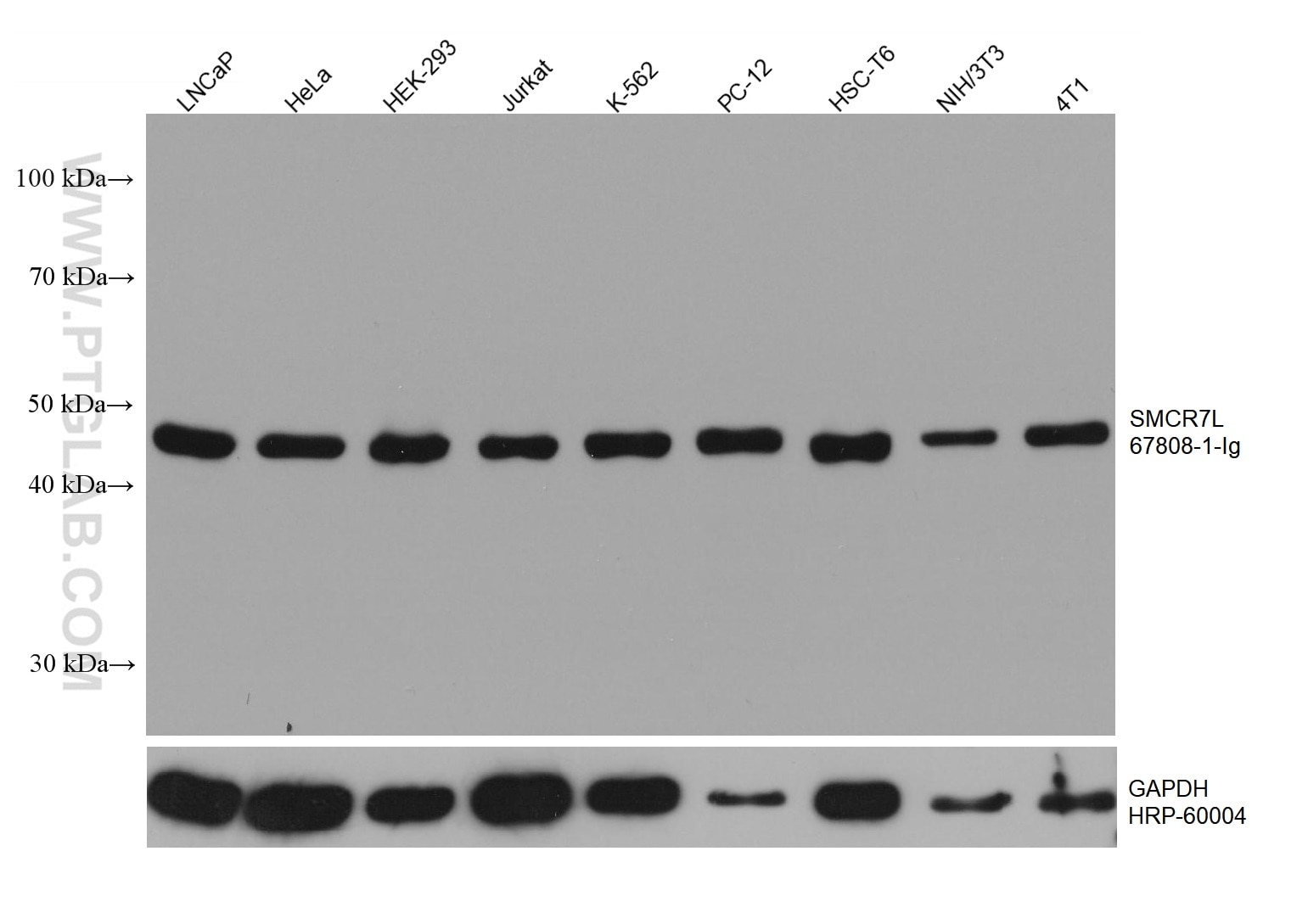
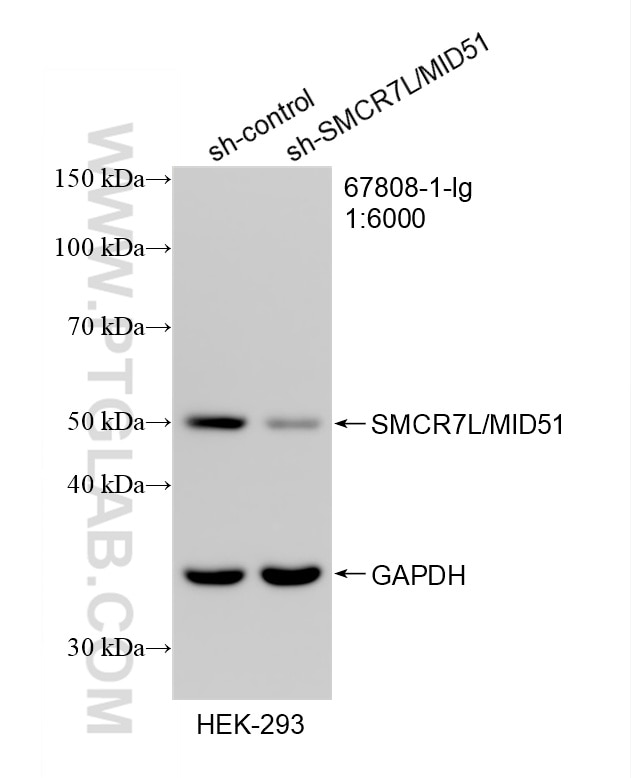
| Positive WB detected in | LNCaP cells, HEK-293 cells, HeLa cells, Jurkat cells, K-562 cells, PC-12 cells, NIH/3T3 cells, 4T1 cells, HSC-T6 cells |
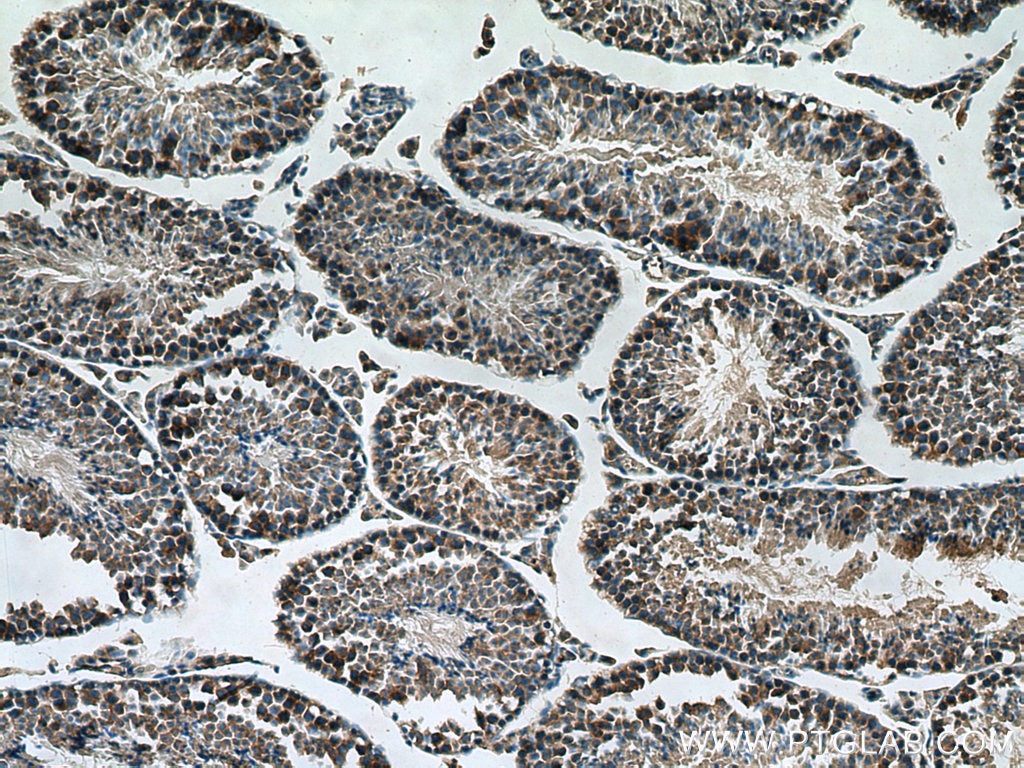
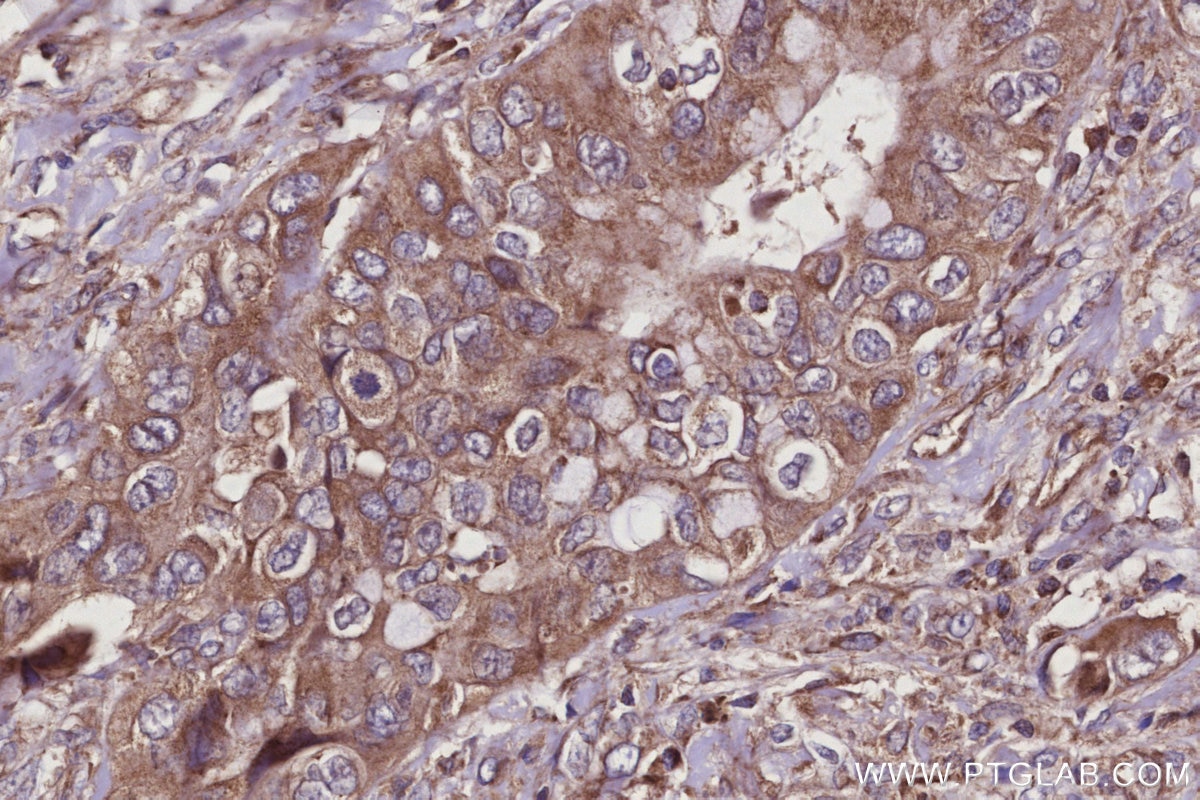
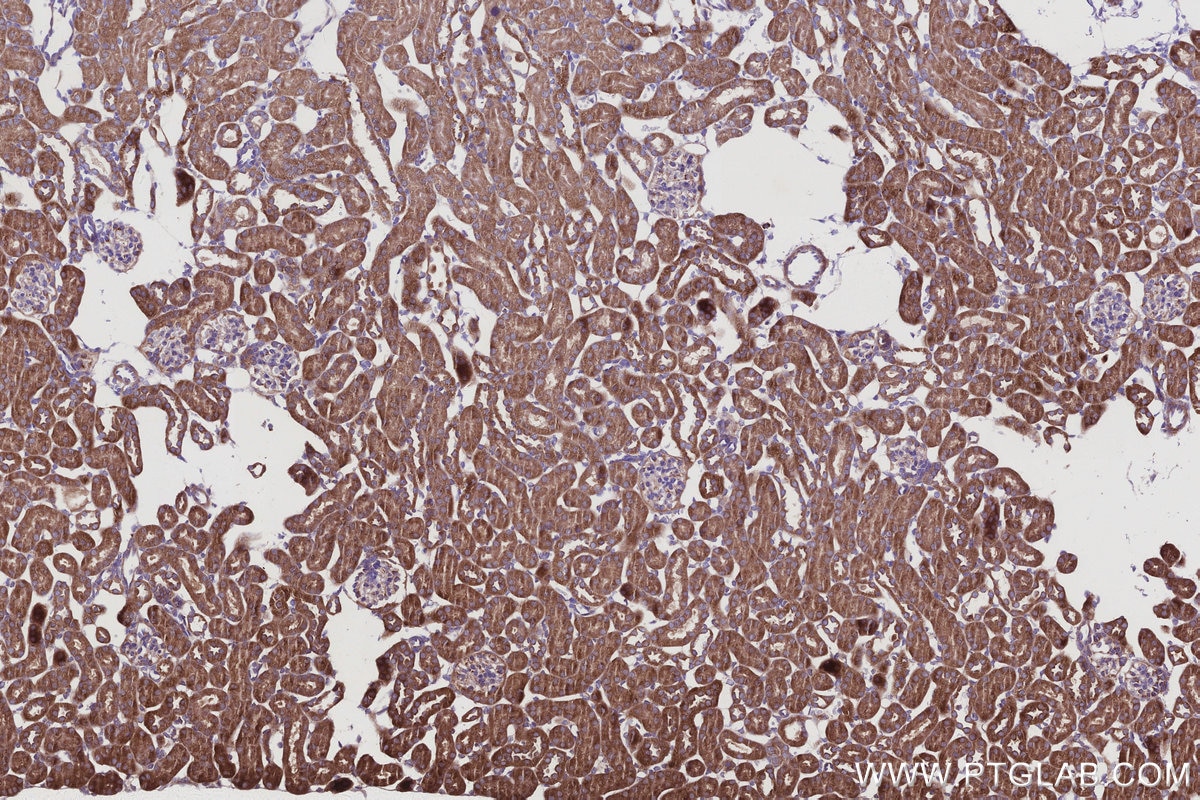
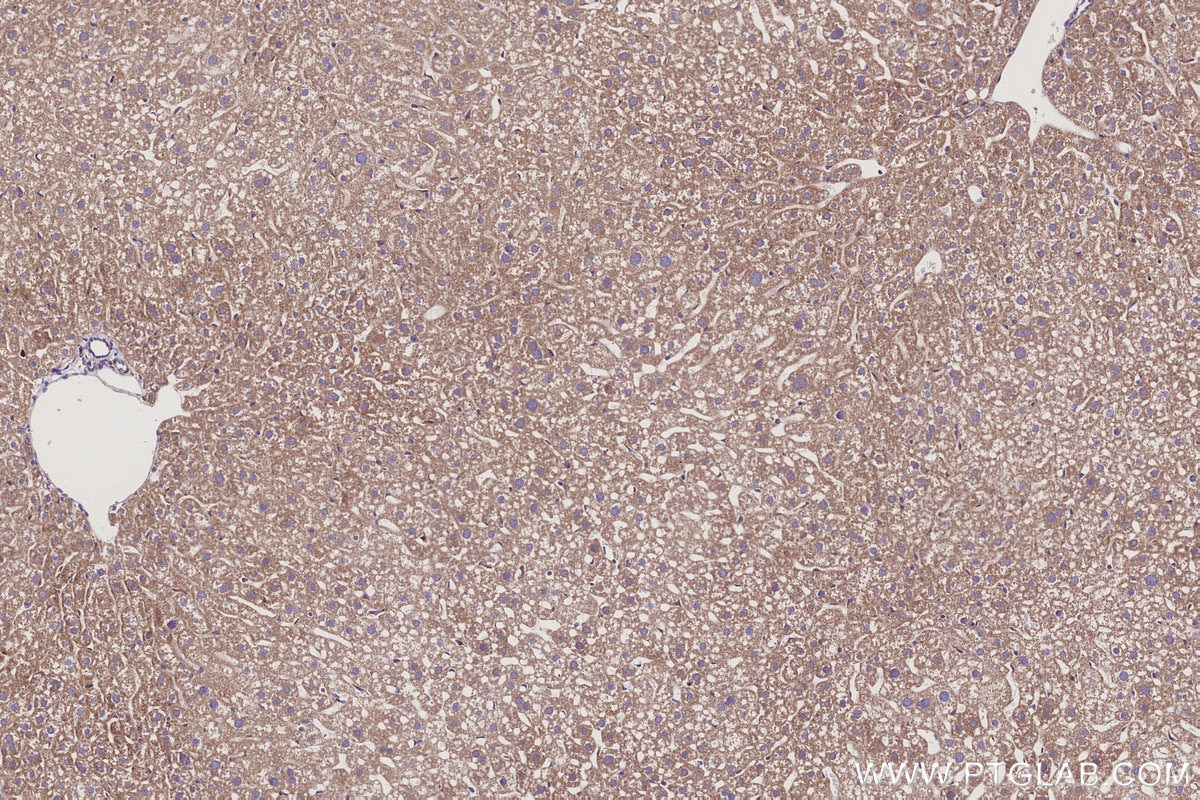
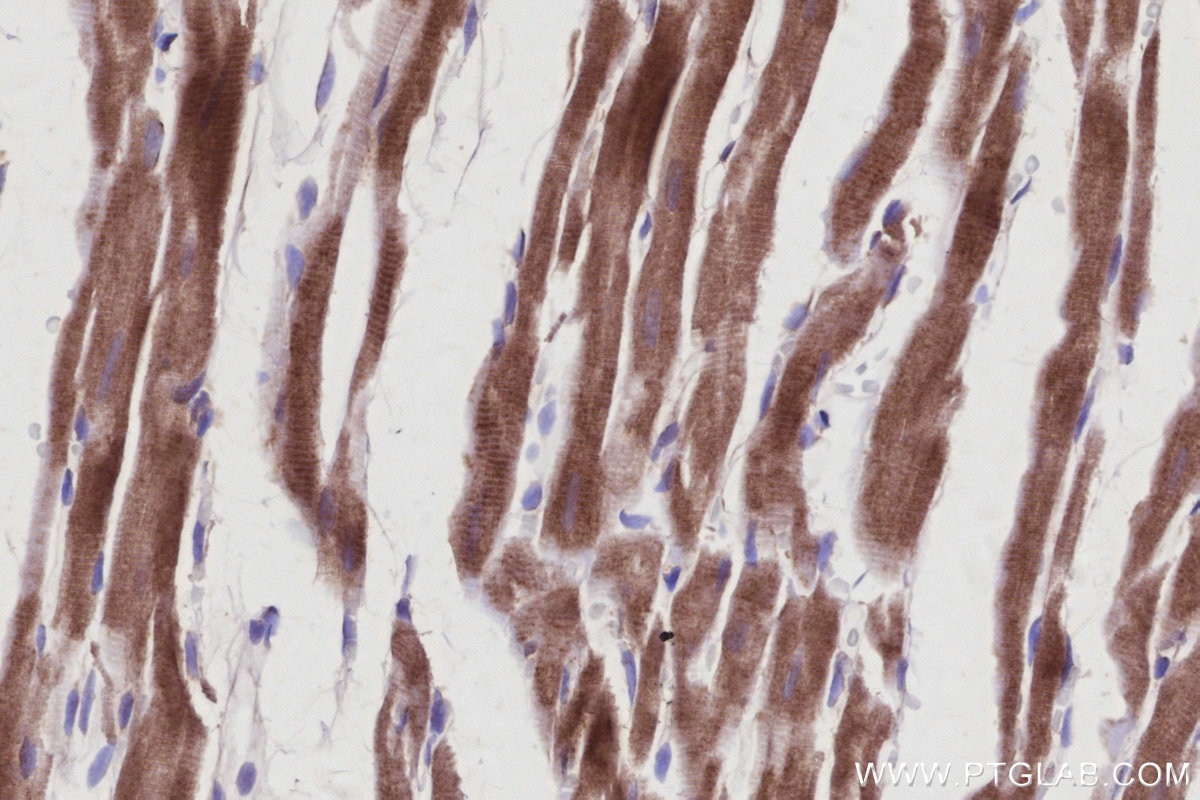
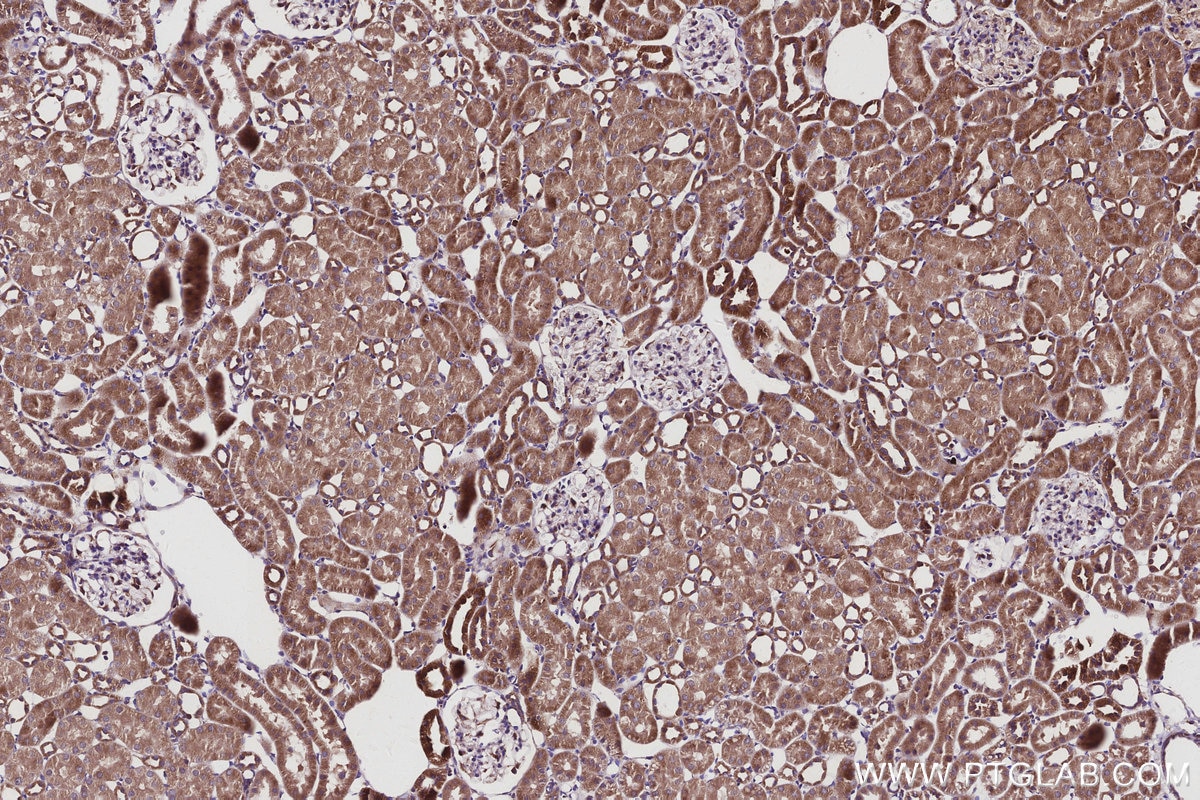
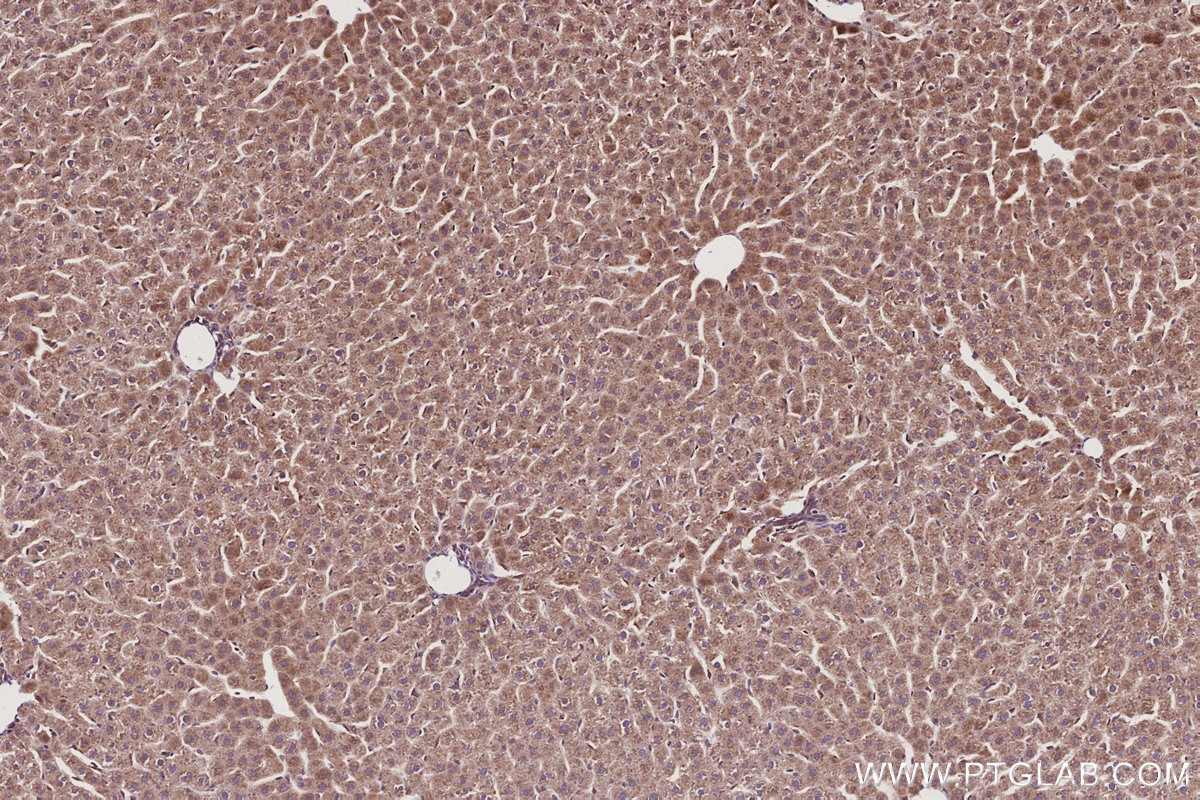
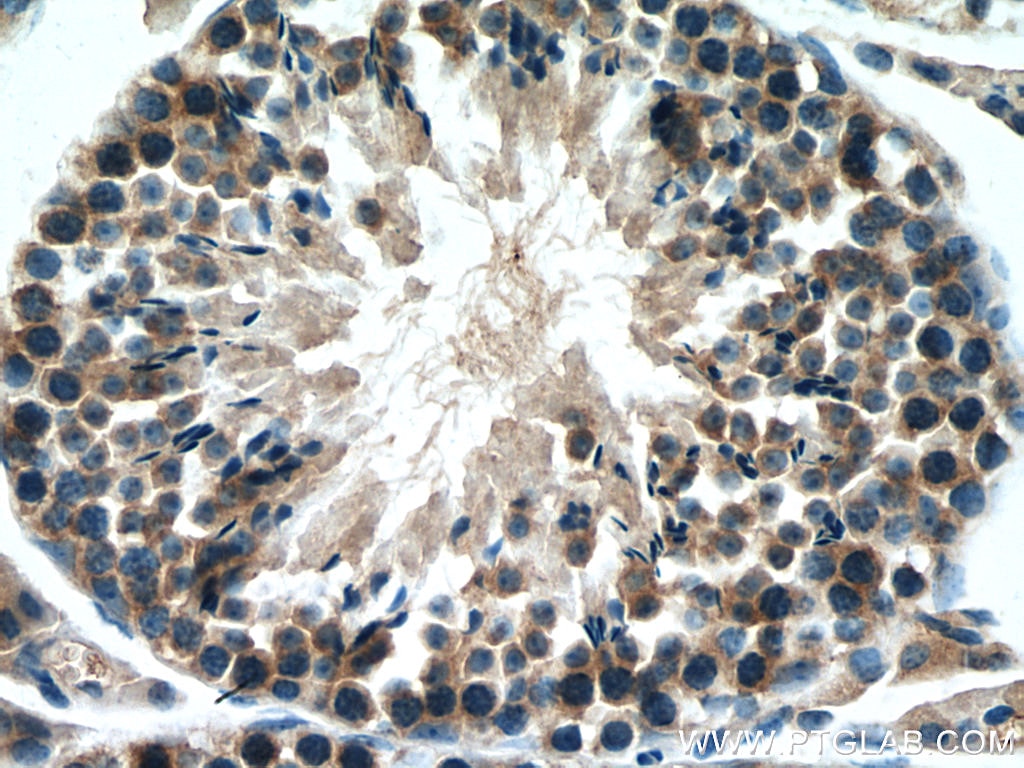
| Positive IHC detected in | mouse testis tissue, human pancreas cancer tissue, rat heart tissue, mouse liver tissue, rat liver tissue, mouse kidney tissue, rat kidney tissue Note: suggested antigen retrieval with TE buffer pH 9.0; (*) Alternatively, antigen retrieval may be performed with citrate buffer pH 6.0 |
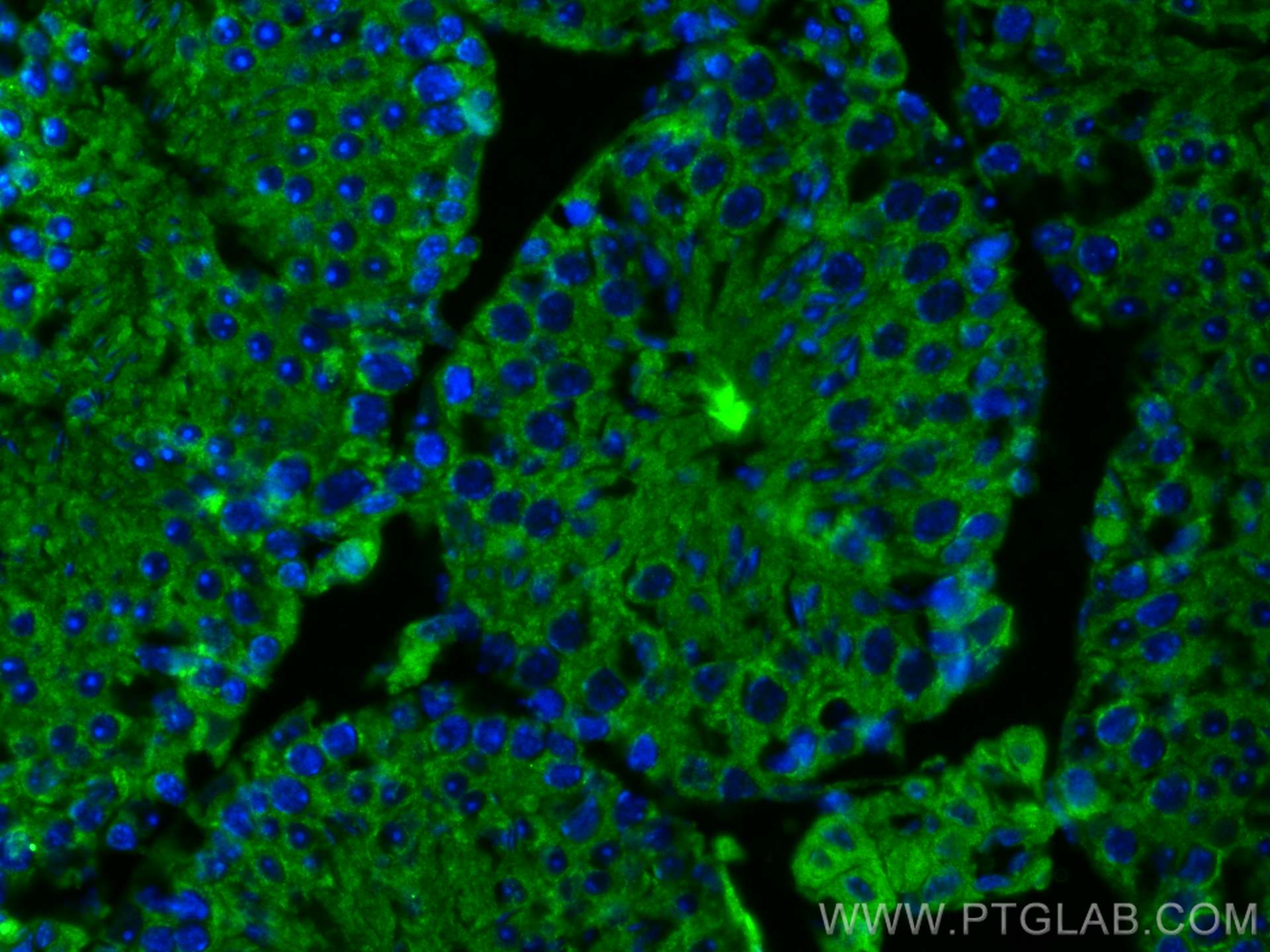
| Positive IF-P detected in | mouse testis tissue |
Recommended dilution
| Application | Dilution |
|---|---|
| Western Blot (WB) | WB : 1:5000-1:50000 |
| Immunohistochemistry (IHC) | IHC : 1:250-1:1000 |
| Immunofluorescence (IF)-P | IF-P : 1:200-1:800 |
| It is recommended that this reagent should be titrated in each testing system to obtain optimal results. | |
| Sample-dependent, Check data in validation data gallery. | |
Product Information
67808-1-Ig targets SMCR7L/MID51 in WB, IHC, IF-P, ELISA applications and shows reactivity with human, mouse, rat samples.
| Tested Reactivity | human, mouse, rat |
| Cited Reactivity | human |
| Host / Isotype | Mouse / IgG2b |
| Class | Monoclonal |
| Type | Antibody |
| Immunogen |
CatNo: Ag13775 Product name: Recombinant human SMCR7L protein Source: e coli.-derived, PET28a Tag: 6*His Domain: 1-359 aa of BC002587 Sequence: FDTDTFCPPRPKPVARKGQVDLKKSRLRMSLQEKLLTYYRNRAAIPAGEQARAKQAAVDICAELRSFLRAKLPDMPLRDMYLSGSLYDDLQVVTADHIQLIVPLVLEQNLWSCIPGEDTIMNVPGFFLVRRENPEYFPRGSSYWDRCVVGGYLSPKTVADTFEKVVAGSINWPAIGSLLDYVIRPAPPPEALTLEVQYERDKHLFIDFLPSVTLGDTVLVAKPHRLAQYDNLWRLSLRPAETARLRALDQADSGCRSLCLKILKAICKSTPALGHLTASQLTNVILHLAQEEADWSPDMLADRFLQALRGLISYLEAGVLPSALNPKVNLFAELTPEEIDELGYTLYCSLSEPEVLLQT Predict reactive species |
| Full Name | Smith-Magenis syndrome chromosome region, candidate 7-like |
| Calculated Molecular Weight | 463 aa, 51 kDa |
| Observed Molecular Weight | 48-51 kDa |
| GenBank Accession Number | BC002587 |
| Gene Symbol | SMCR7L |
| Gene ID (NCBI) | 54471 |
| RRID | AB_2918571 |
| Conjugate | Unconjugated |
| Form | Liquid |
| Purification Method | Protein A purification |
| UNIPROT ID | Q9NQG6 |
| Storage Buffer | PBS with 0.02% sodium azide and 50% glycerol, pH 7.3. |
| Storage Conditions | Store at -20°C. Stable for one year after shipment. Aliquoting is unnecessary for -20oC storage. 20ul sizes contain 0.1% BSA. |
Background Information
Human SMCR7L gene encodes, MID51, the mitochondrial dynamic protein of 51 kDa (also called mitochondrial elongation factor 1, MIEF1). MID51 is a single-pass membrane protein anchored to the mitochondrial outer membrane and regulates mitochondrial morphology. Mitochondrial morphology is controlled by two opposing processes: fusion and fission. Elevated MID51 levels induce extensive mitochondrial fusion, whereas depletion of MID51 causes mitochondrial fragmentation. MID51 interacts with and recruits Drp1 to mitochondria, suggesting a critical role of MID51 in regulation of mitochondrial fusion-fission machinery in vertebrates.
Protocols
| Product Specific Protocols | |
|---|---|
| IF protocol for SMCR7L/MID51 antibody 67808-1-Ig | Download protocol |
| IHC protocol for SMCR7L/MID51 antibody 67808-1-Ig | Download protocol |
| WB protocol for SMCR7L/MID51 antibody 67808-1-Ig | Download protocol |
| Standard Protocols | |
|---|---|
| Click here to view our Standard Protocols |
Publications
What published studies show
The SMCR7L/MID51 Monoclonal antibody (Cat# 67808-1-Ig) has 3 total citations. These appear in Free Radical Biology and Medicine, Neurobiology of Disease, and bioRxiv. The associated research fields focus on mitochondrial dynamics and fission, Parkinson's disease (human and mouse brains), and chronic stress-induced trabecular meshwork fibrosis, with applications primarily in Western blot.
| Species | Application | Title |
|---|---|---|
Free Radic Biol Med Chronic stress-induced steroids mediate mitochondrial fission and fibrosis in the trabecular meshwork via the MIEF1-MAOA complex. | ||












