

Tested Applications
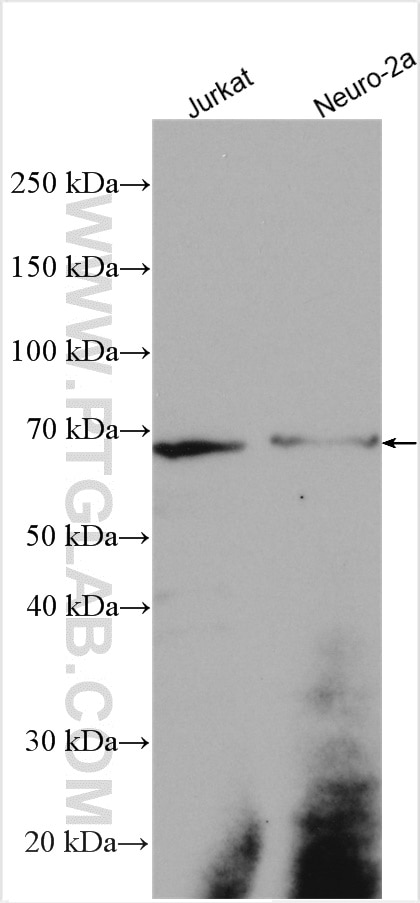
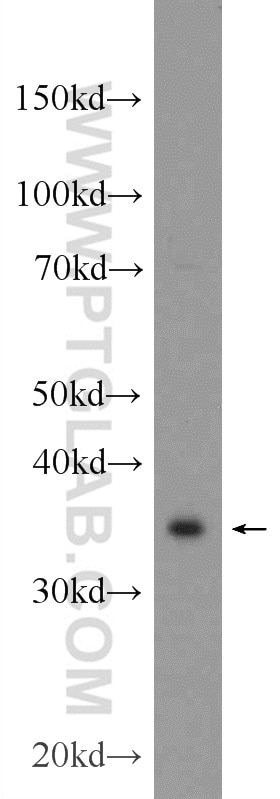
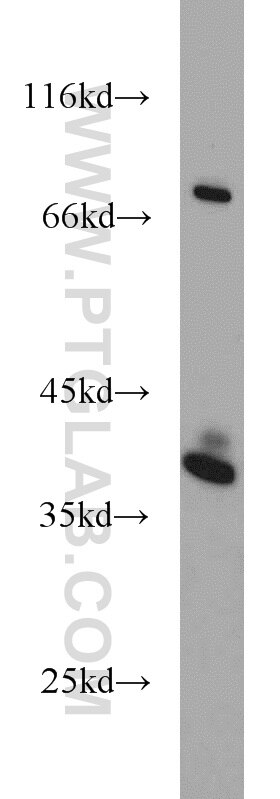
| Positive WB detected in | SW 1990 cells, Jurkat cells, A375 cells, Neuro-2a cells |
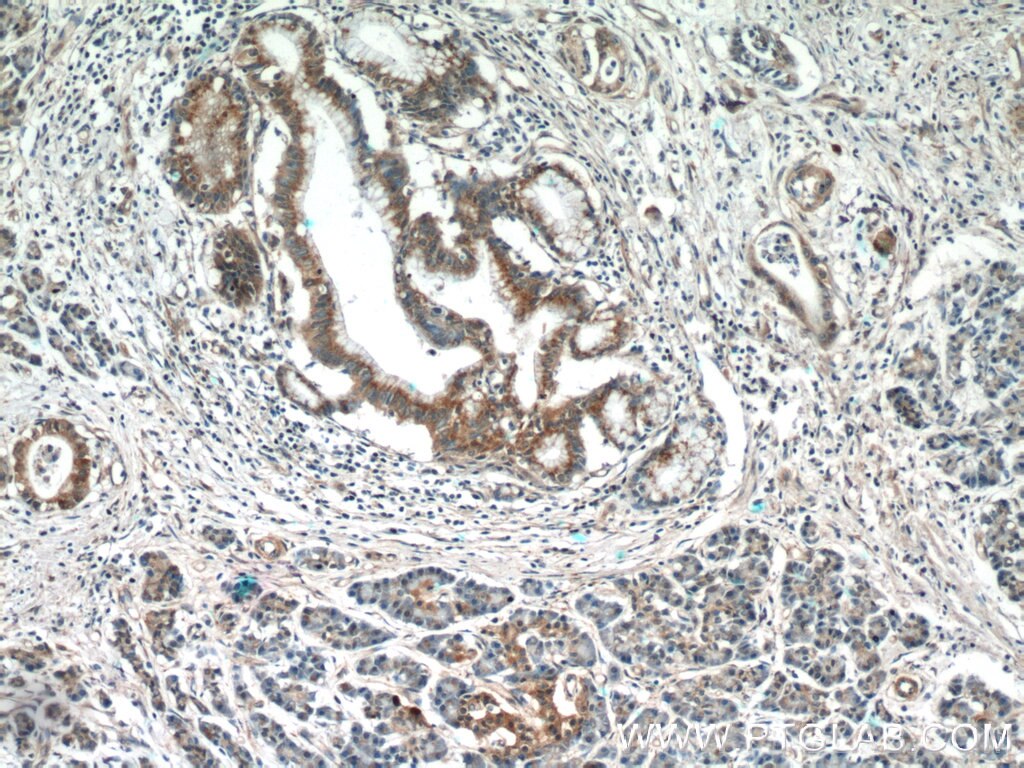
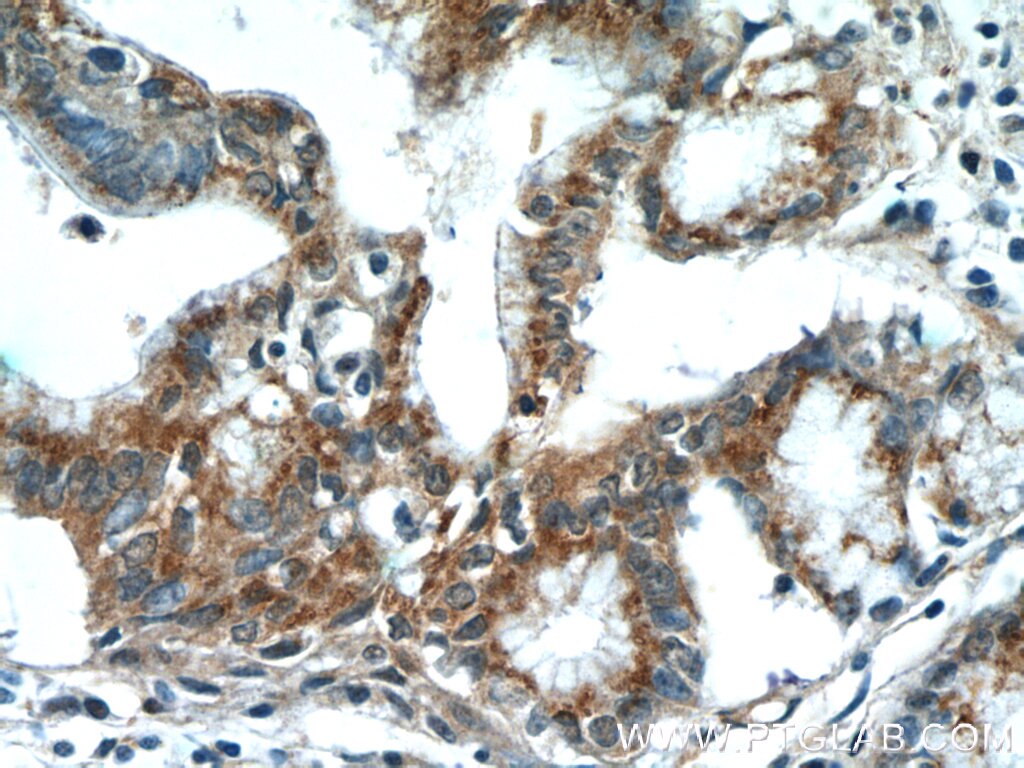
| Positive IHC detected in | human pancreas cancer tissue Note: suggested antigen retrieval with TE buffer pH 9.0; (*) Alternatively, antigen retrieval may be performed with citrate buffer pH 6.0 |
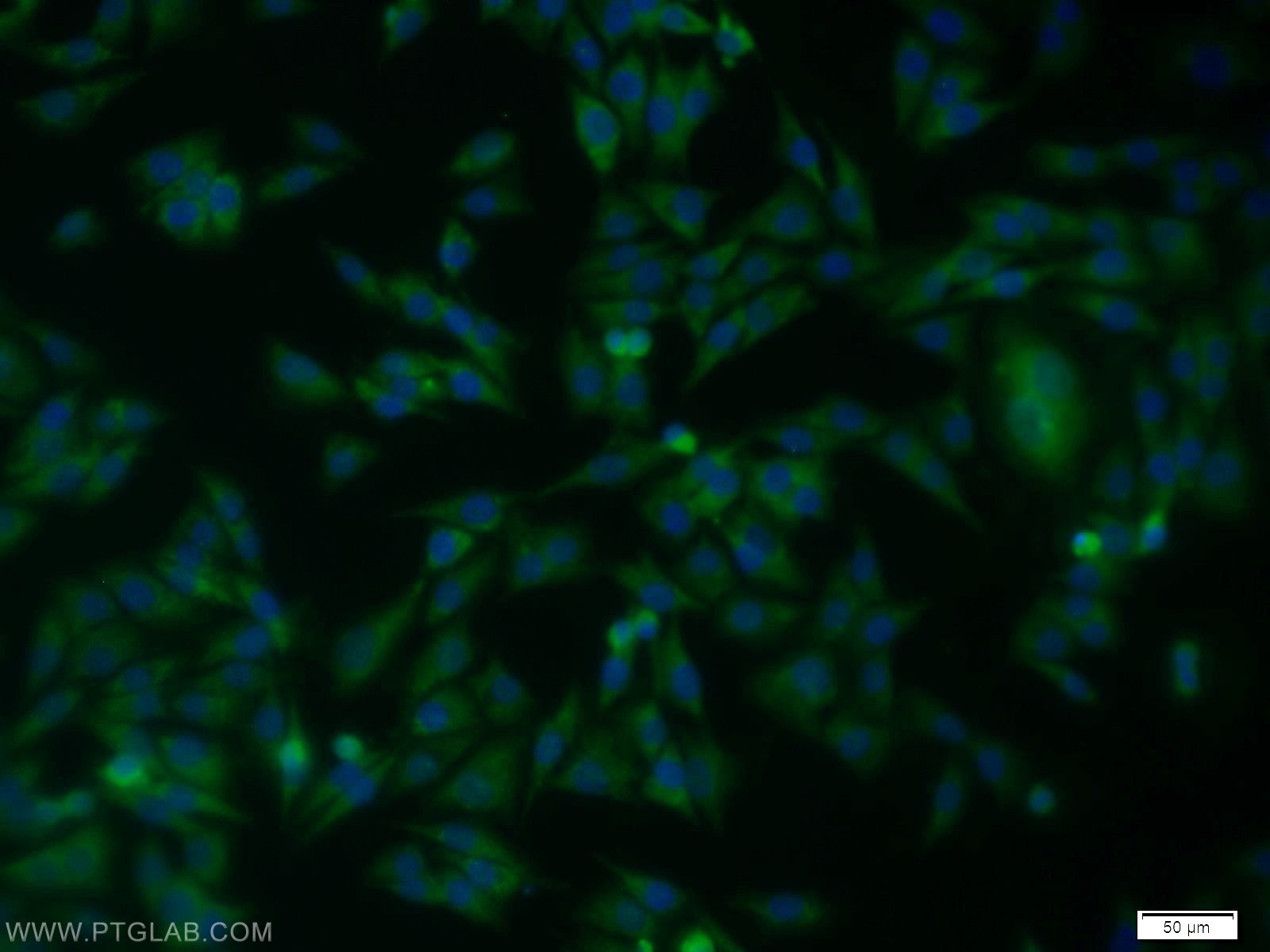
| Positive IF/ICC detected in | A375 cells |
Recommended dilution
| Application | Dilution |
|---|---|
| Western Blot (WB) | WB : 1:500-1:1000 |
| Immunohistochemistry (IHC) | IHC : 1:50-1:500 |
| Immunofluorescence (IF)/ICC | IF/ICC : 1:10-1:100 |
| It is recommended that this reagent should be titrated in each testing system to obtain optimal results. | |
| Sample-dependent, Check data in validation data gallery. | |
Product Information
11383-1-AP targets SPRY2 in WB, IHC, IF/ICC, ELISA applications and shows reactivity with human, mouse, rat samples.
| Tested Reactivity | human, mouse, rat |
| Cited Reactivity | human, mouse, rat |
| Host / Isotype | Rabbit / IgG |
| Class | Polyclonal |
| Type | Antibody |
| Immunogen |
CatNo: Ag1918 Product name: Recombinant human SPRY2 protein Source: e coli.-derived, PGEX-4T Tag: GST Domain: 1-315 aa of BC015745 Sequence: MEARAQSGNGSQPLLQTPRDGGRQRGEPDPRDALTQQVHVLSLDQIRAIRNTNEYTEGPTVVPRPGLKPAPRPSTQHKHERLHGLPEHRQPPRLQHSQVHSSARAPLSRSISTVSSGSRSSTRTSTSSSSSEQRLLGSSFSSGPVADGIIRVQPKSELKPGELKPLSKEDLGLHAYRCEDCGKCKCKECTYPRPLPSDWICDKQCLCSAQNVIDYGTCVCCVKGLFYHCSNDDEDNCADNPCSCSQSHCCTRWSAMGVMSLFLPCLWCYLPAKGCLKLCQGCYDRVNRPGCRCKNSNTVCCKVPTVPPRNFEKPT Predict reactive species |
| Full Name | sprouty homolog 2 (Drosophila) |
| Calculated Molecular Weight | 35 kDa |
| Observed Molecular Weight | 35-40 kDa, 60~65 kDa |
| GenBank Accession Number | BC015745 |
| Gene Symbol | SPRY2 |
| Gene ID (NCBI) | 10253 |
| RRID | AB_2195287 |
| Conjugate | Unconjugated |
| Form | Liquid |
| Purification Method | Antigen affinity purification |
| UNIPROT ID | O43597 |
| Storage Buffer | PBS with 0.02% sodium azide and 50% glycerol, pH 7.3. |
| Storage Conditions | Store at -20°C. Stable for one year after shipment. Aliquoting is unnecessary for -20oC storage. 20ul sizes contain 0.1% BSA. |
Background Information
Sprouty(SPRY) genes encode intracellular inhibitors of receptor tyrosine kinase (RTK) signaling pathways, including those triggered by fibroblast growth factors (Fgfs). In addition to its well-reported function as an inhibitor of the RAS/RAF/MEK signalling cascade, SPRY2 exerts its inhibitory role in the PI3K/AKT signalling pathway through PTEN, and inhibits ERK/MAPK activity via EGFR trafficking. SPRY2 was detected 60-65 kDa (PMID:29291435).
Protocols
| Product Specific Protocols | |
|---|---|
| IF protocol for SPRY2 antibody 11383-1-AP | Download protocol |
| IHC protocol for SPRY2 antibody 11383-1-AP | Download protocol |
| WB protocol for SPRY2 antibody 11383-1-AP | Download protocol |
| Standard Protocols | |
|---|---|
| Click here to view our Standard Protocols |
Publications
What published studies show
The anti-SPRY2 antibody (Cat# 11383-1-AP) has 10 citations published in journals including J Crohns Colitis, Front Immunol, Cancer Cell Int, Breast Cancer Res, Int J Mol Sci, J Cell Mol Med, FASEB J, Toxicol Appl Pharmacol, Cell Biol Int, and Cell Immunol. Research fields span macrophage M2 polarization, hepatocellular carcinoma, breast cancer, lung development, ovarian hyperstimulation syndrome, kidney injury, non-small cell lung cancer, osteoblast differentiation, and diabetic wound healing.
| Species | Application | Title |
|---|---|---|
J Crohns Colitis MSCs-exosomes can promote macrophage M2 polarization via exosomal miR-21-5p through Mesenteric injection: a promising way to attenuate murine colitis | ||
Cancer Cell Int Therapeutic effect and transcriptome-methylome characteristics of METTL3 inhibition in liver hepatocellular carcinoma | ||
Front Immunol Activated hepatic stellate cell-derived small extracellular vesicles facilitate M2 macrophage polarization and hepatoma progression via miR-27a-3p | ||
Breast Cancer Res Loss of SPRY2 contributes to cancer-associated fibroblasts activation and promotes breast cancer development
| ||
Int J Mol Sci Kub3 Deficiency Causes Aberrant Late Embryonic Lung Development in Mice by the FGF Signaling Pathway. | ||
J Cell Mol Med Exosomal miR-27 negatively regulates ROS production and promotes granulosa cells apoptosis by targeting SPRY2 in OHSS.
|
Reviews
What customers say
Both reviewers used this antibody for Western Blot with positive results. One user (4/5) tested it at 1:1,000 on HEK293T lysates and observed two bands — the main one between 36–48 kDa and a second between 48–85 kDa — consistent with the datasheet. The other (5/5) used a 1:800 dilution on human adherent cancer cells and reported a clear single band around 50 kDa. Overall, users found the antibody reliable and specific for its expected target in WB applications.
The reviews below have been submitted by verified Proteintech customers who received an incentive for providing their feedback.
Christine (Verified Customer) (01-27-2023) | Detects two bands on HEK293T lysates. main one between 36 and 48 kDa, second one between 48 and 85 kDa, in accordance with datasheet
|
Silvia (Verified Customer) (01-31-2022) | The antibody worked really well and gave me a clear band on Western Blot around 50 kDa.
|







