
Product Information
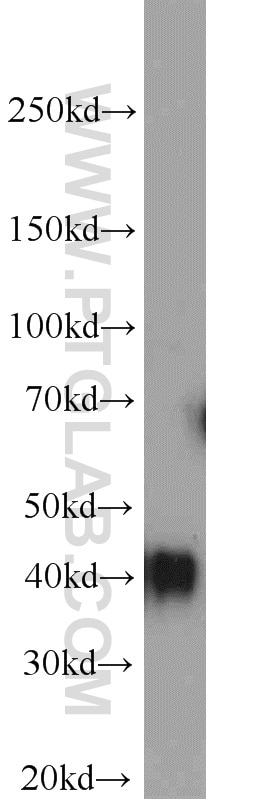
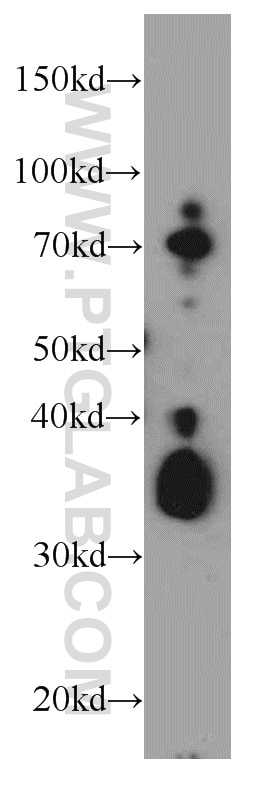
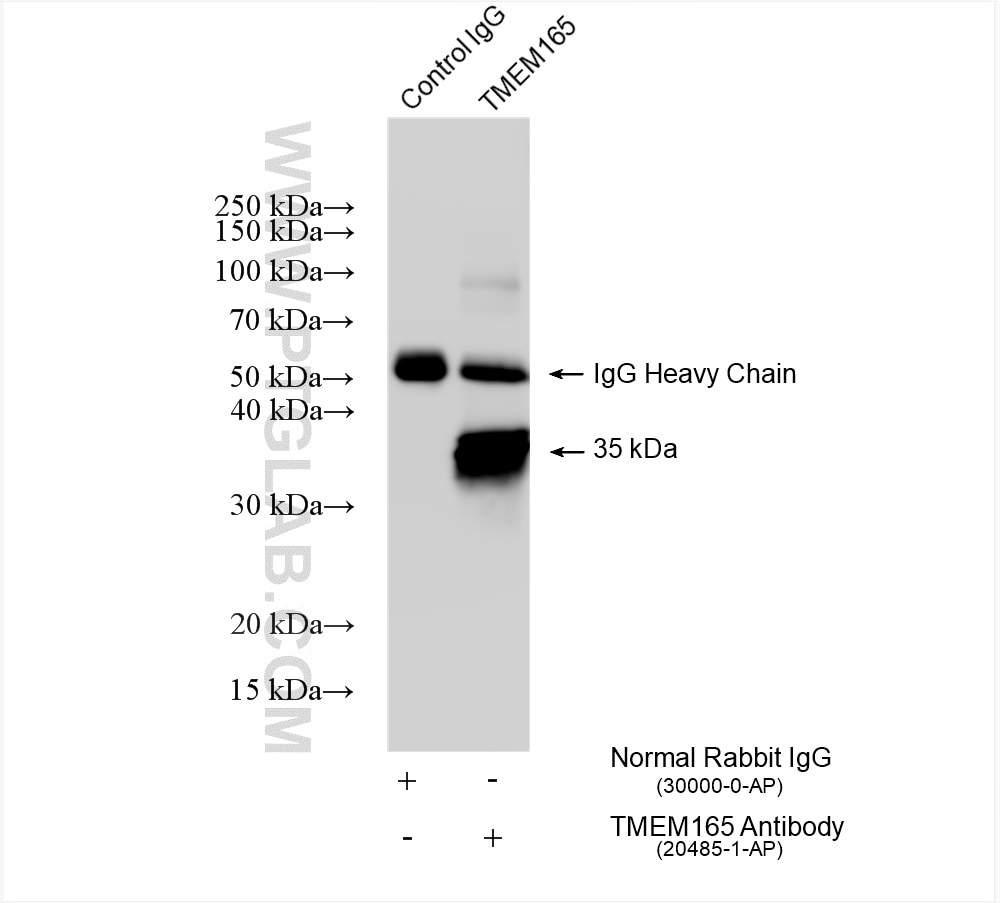
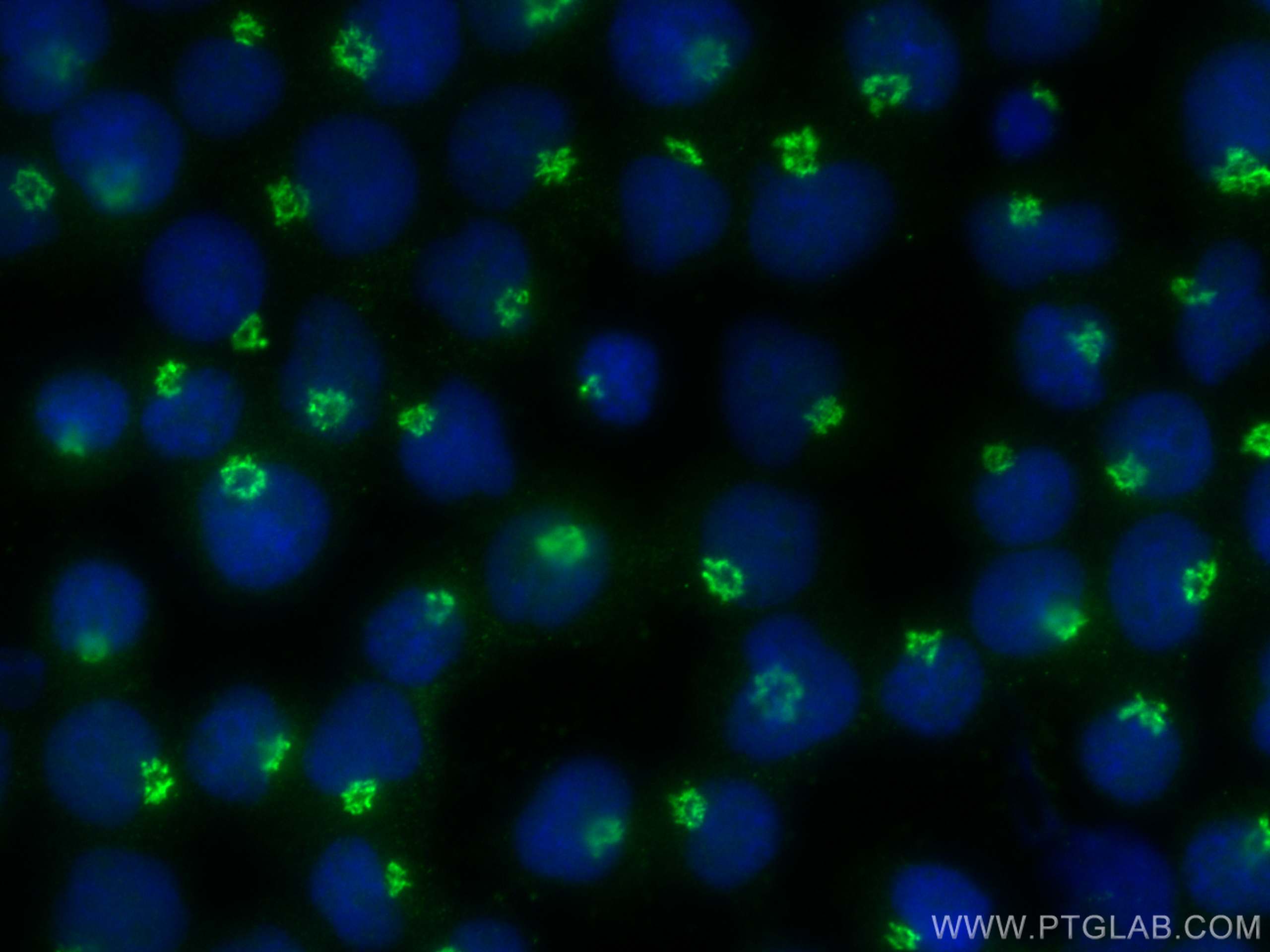
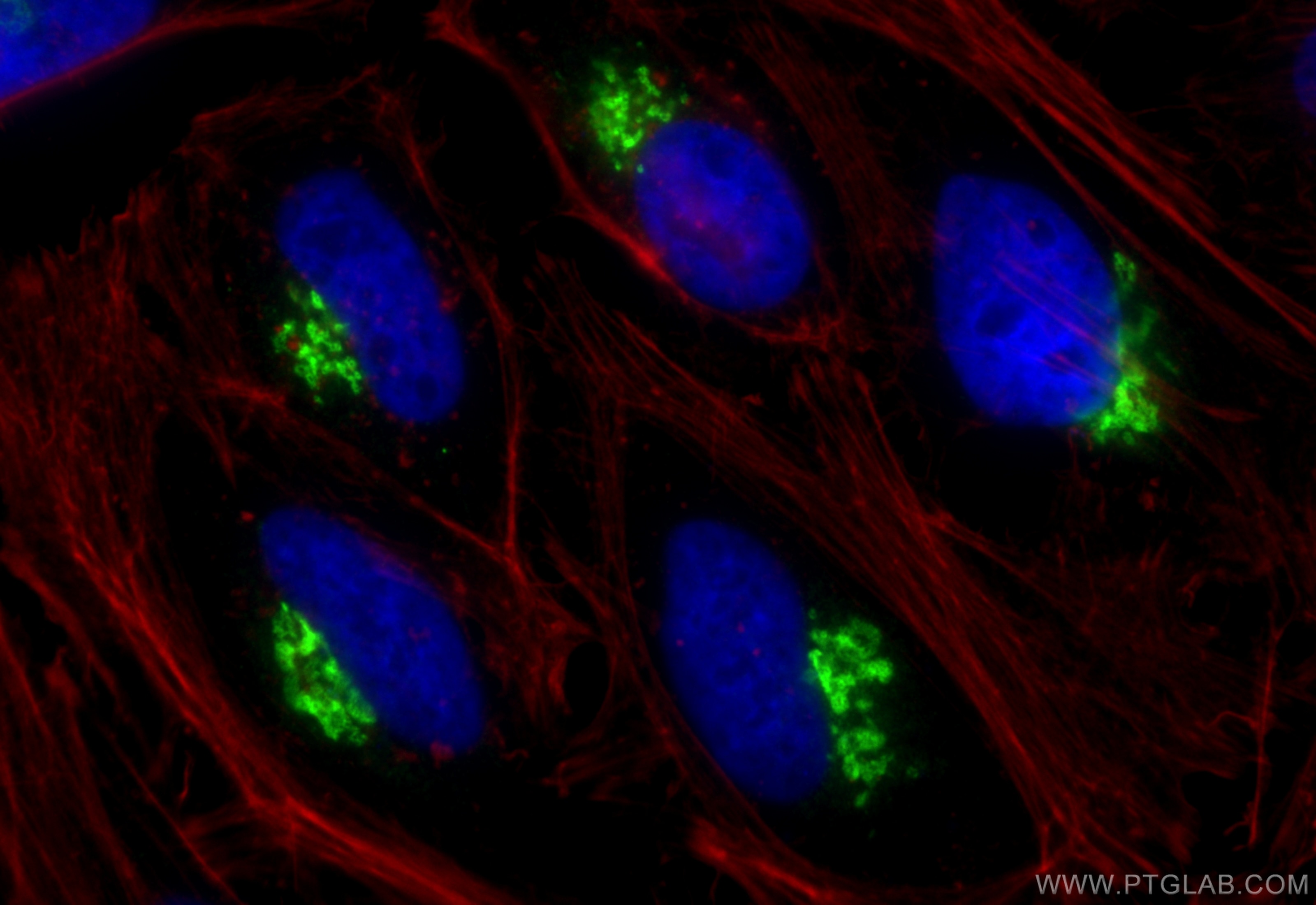
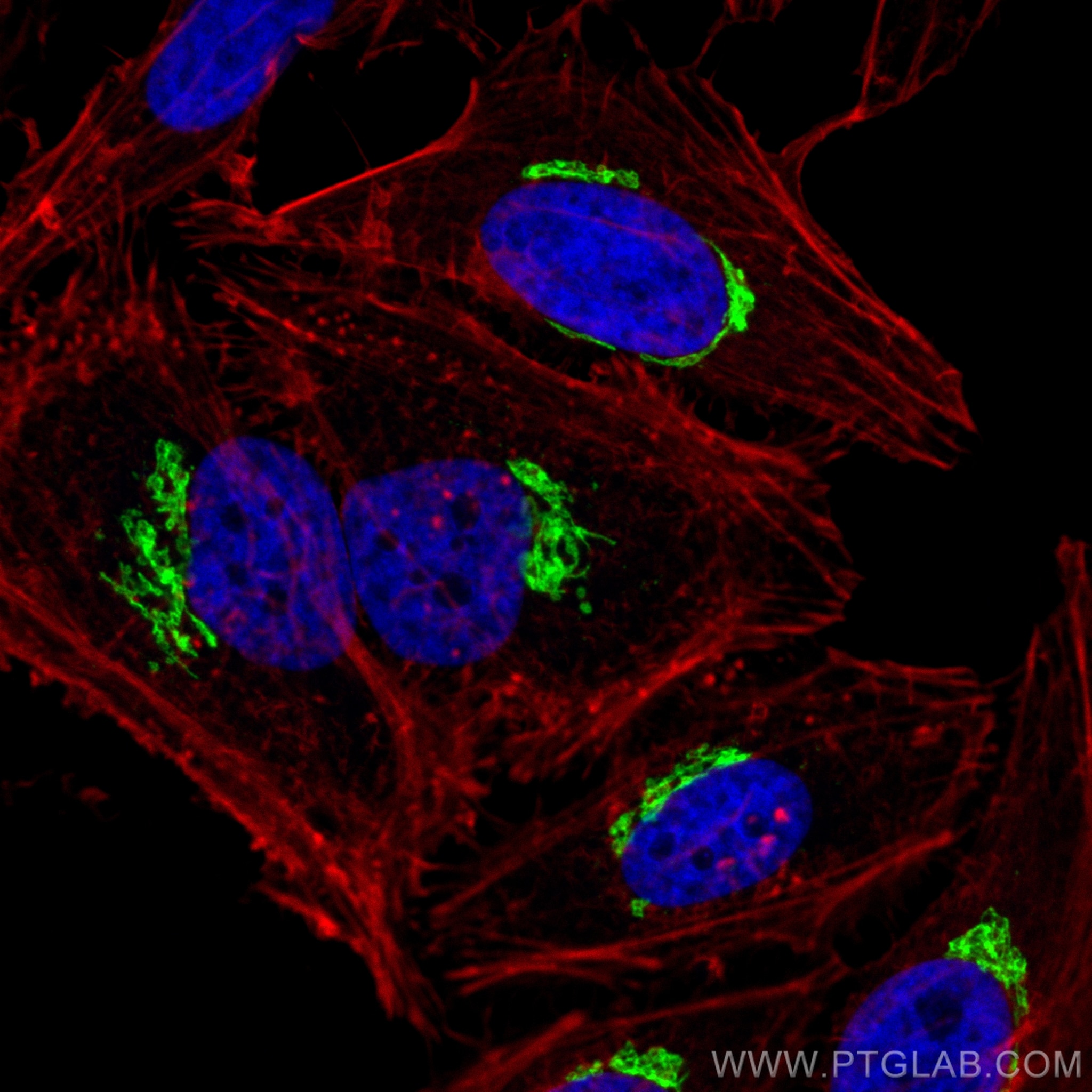
20485-1-PBS targets TMEM165 in WB, IF/ICC, IP, Indirect ELISA applications and shows reactivity with human, mouse, rat samples.
| Tested Reactivity | human, mouse, rat |
| Host / Isotype | Rabbit / IgG |
| Class | Polyclonal |
| Type | Antibody |
| Immunogen |
CatNo: Ag14362 Product name: Recombinant human TMEM165 protein Source: e coli.-derived, PGEX-4T Tag: GST Domain: 61-177 aa of BC003545 Sequence: VSTVLFAIFGIRMLREGLKMSPDEGQEELEEVQAELKKKDEEFQRTKLLNGPGDVETGTSITVPQKKWLHFISPIFVQALTLTFLAEWGDRSQLTTIVLAAREDPYGVAVGGTVGHC Predict reactive species |
| Full Name | transmembrane protein 165 |
| Calculated Molecular Weight | 324 aa, 35 kDa |
| Observed Molecular Weight | 35-40 kDa |
| GenBank Accession Number | BC003545 |
| Gene Symbol | TMEM165 |
| Gene ID (NCBI) | 55858 |
| RRID | AB_10695184 |
| Conjugate | Unconjugated |
| Form | Liquid |
| Purification Method | Antigen affinity purification |
| UNIPROT ID | Q9HC07 |
| Storage Buffer | PBS only, pH 7.3. |
| Storage Conditions | Store at -80°C. |
Background Information
TMEM165 is a putative divalent cation:proton antiporter that exchanges calcium or manganese ions for protons across the Golgi membrane. It mediates the reversible transport of calcium or manganese to the Golgi lumen driven by the proton gradient and possibly the membrane potential generated by V-ATPase, and provides calcium or manganese cofactors to resident Golgi enzymes and contributes to the maintenance of an acidic luminal Golgi pH required for proper functioning of the secretory pathway (PMID:22683087, 23569283, 27008884, 32047108). TMEM165 has two isoforms, with molecular weights of 28 kDa and 35 kDa respectively. It is also subject to ubiquitination modification, which may cause an increase in its molecular weight.







