

Tested Applications
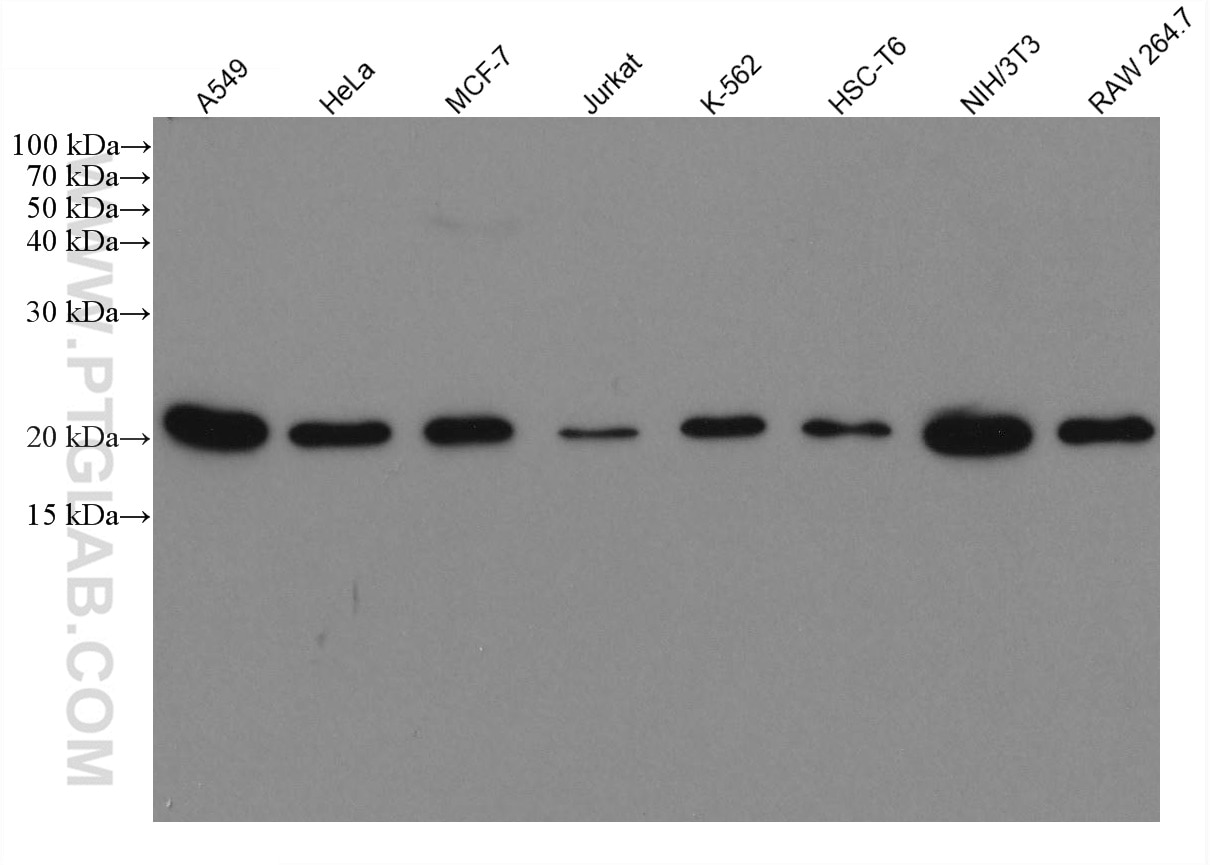
| Positive WB detected in | A549 cells, RAW 264.7 cells, HeLa cells, MCF-7 cells, Jurkat cells, K-562 cells, HSC-T6 cells, NIH/3T3 cells |
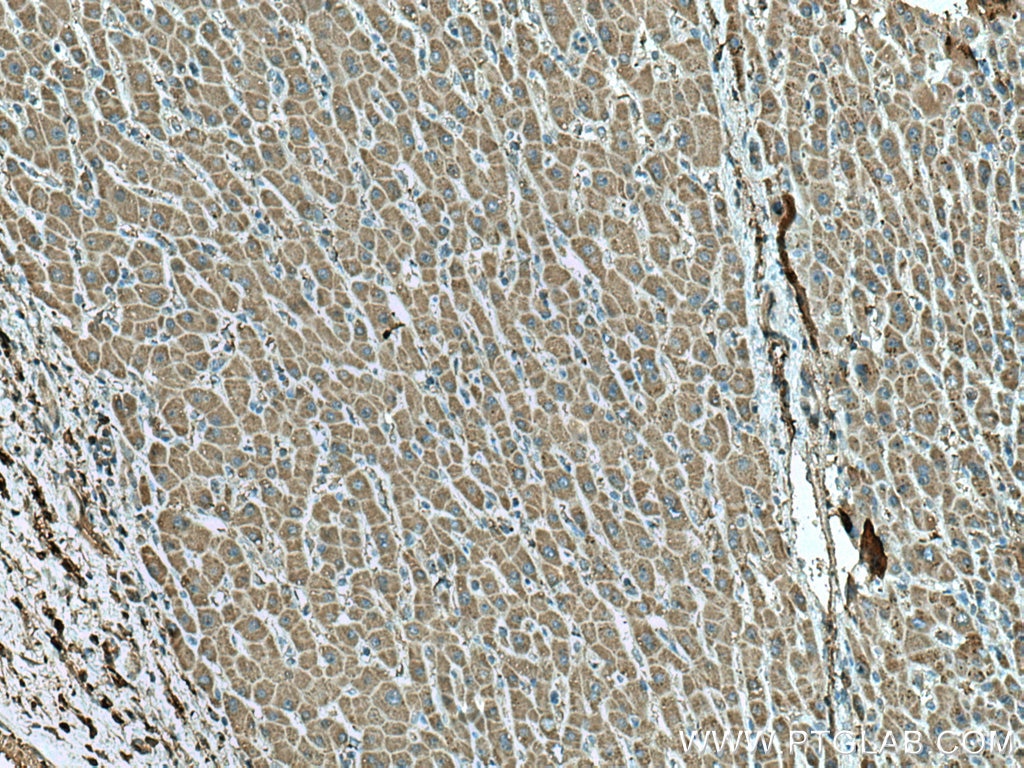
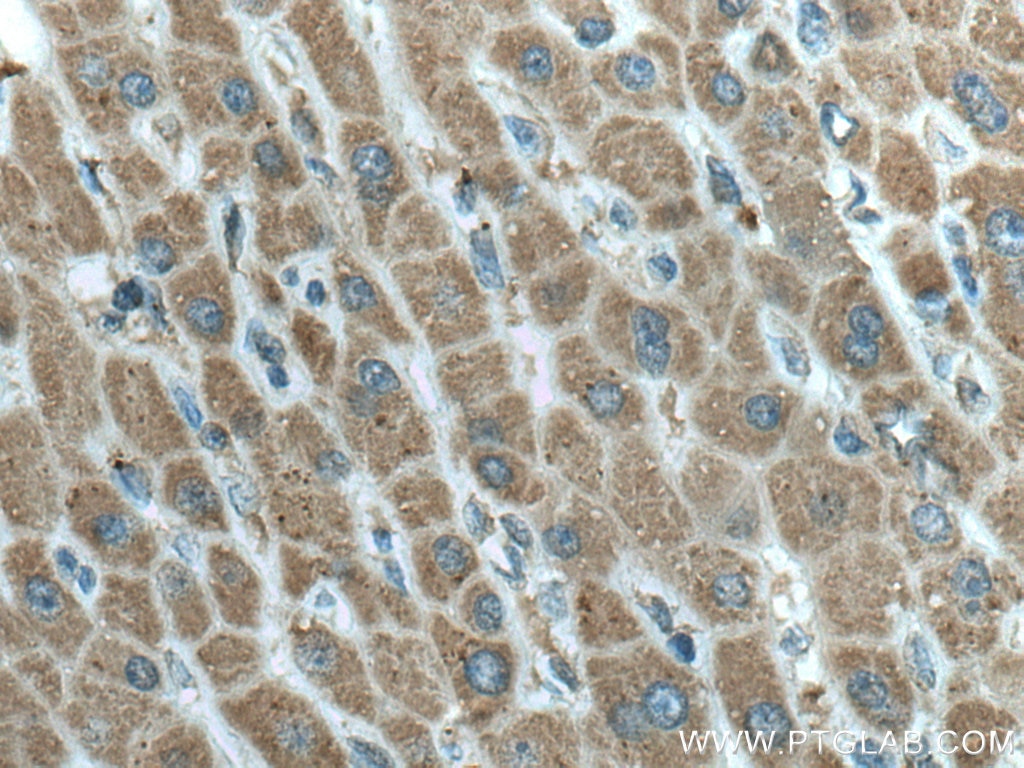
| Positive IHC detected in | human liver cancer tissue Note: suggested antigen retrieval with TE buffer pH 9.0; (*) Alternatively, antigen retrieval may be performed with citrate buffer pH 6.0 |
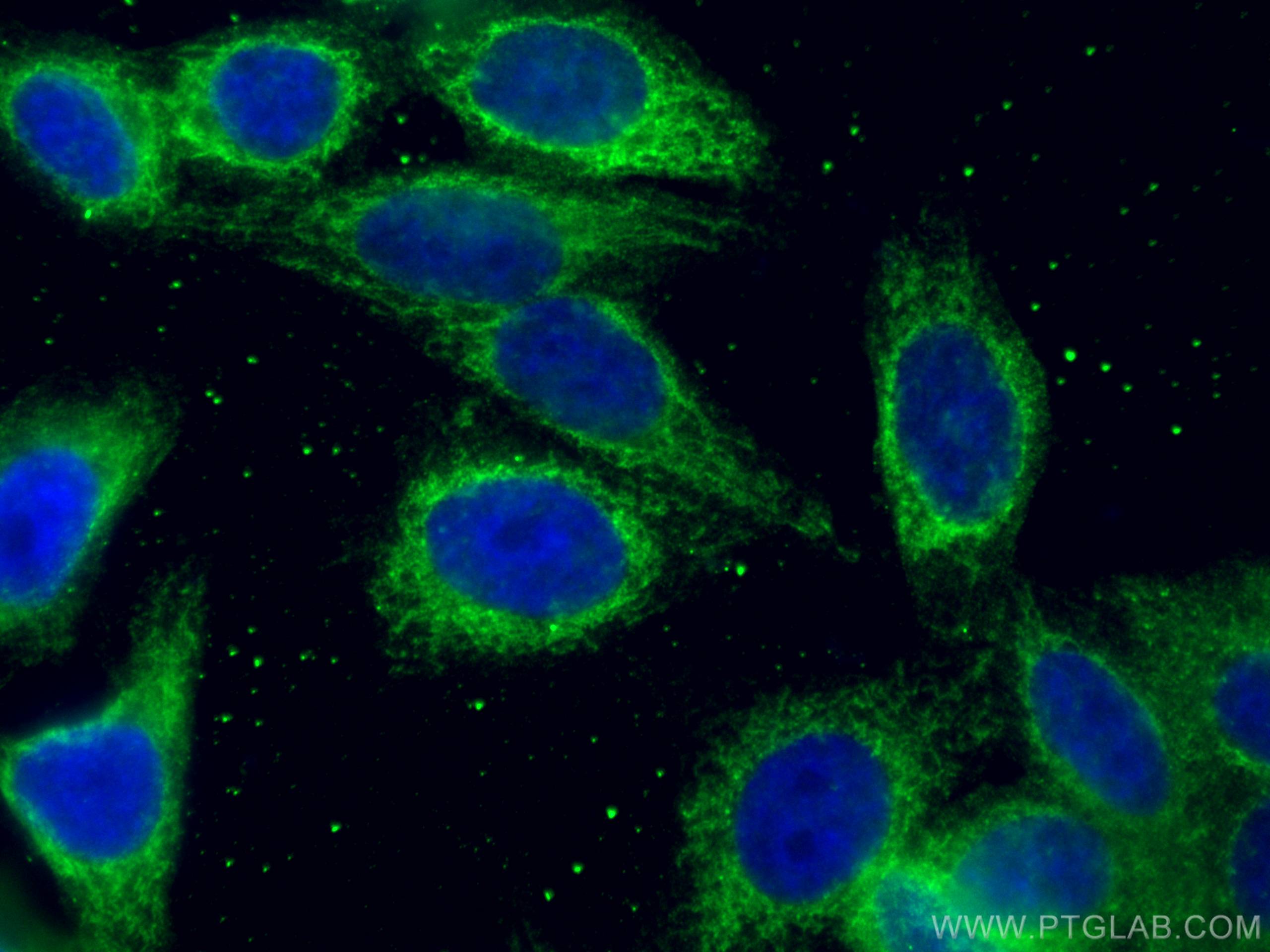
| Positive IF/ICC detected in | HepG2 cells |
Recommended dilution
| Application | Dilution |
|---|---|
| Western Blot (WB) | WB : 1:2000-1:10000 |
| Immunohistochemistry (IHC) | IHC : 1:50-1:500 |
| Immunofluorescence (IF)/ICC | IF/ICC : 1:200-1:800 |
| It is recommended that this reagent should be titrated in each testing system to obtain optimal results. | |
| Sample-dependent, Check data in validation data gallery. | |
Product Information
67535-1-Ig targets TIM23 in WB, IHC, IF/ICC, ELISA applications and shows reactivity with human, mouse, rat samples.
| Tested Reactivity | human, mouse, rat |
| Cited Reactivity | human, mouse |
| Host / Isotype | Mouse / IgG1 |
| Class | Monoclonal |
| Type | Antibody |
| Immunogen |
CatNo: Ag27069 Product name: Recombinant human Tim23 protein Source: e coli.-derived, PET28a Tag: 6*His Domain: 1-208 aa of BC062707 Sequence: MEGGGGSGNKTTGGLAGFFGAGGAGYSHADLAGVPLTGMNPLSPYLNVDPRYLVQDTDEFIPTGANKTRGRFELAFFTIGGCCMTGAAFGAMNGLRLGLKETQNMAWSKPRNVQILNMVTRQGALWANTLGSLALLYSAFGVIIEKTRGAEDDLNTVAAGTMTGMLYKCTGGLRGIARGGLTGLTLTSLYALYNNWEHMKGSLLQQSL Predict reactive species |
| Full Name | translocase of inner mitochondrial membrane 23 |
| Calculated Molecular Weight | 22 kDa |
| Observed Molecular Weight | 22 kDa |
| GenBank Accession Number | BC062707 |
| Gene Symbol | TIMM23 |
| Gene ID (NCBI) | 100287932 |
| RRID | AB_2882754 |
| Conjugate | Unconjugated |
| Form | Liquid |
| Purification Method | Protein G purification |
| UNIPROT ID | O14925 |
| Storage Buffer | PBS with 0.02% sodium azide and 50% glycerol, pH 7.3. |
| Storage Conditions | Store at -20°C. Stable for one year after shipment. Aliquoting is unnecessary for -20oC storage. 20ul sizes contain 0.1% BSA. |
Background Information
Tim23 is a mitochondrial inner membrane protein essential for import of preproteins into the matrix. Tim23 together with Tim17 and Tim44 form the Tim23 complex which mediates the import of nuclear encoded preproteins into the mitochondria. Tim23 is commonly used as loading control for mitochondrial inner membrane protein.
Protocols
| Product Specific Protocols | |
|---|---|
| IF protocol for TIM23 antibody 67535-1-Ig | Download protocol |
| IHC protocol for TIM23 antibody 67535-1-Ig | Download protocol |
| WB protocol for TIM23 antibody 67535-1-Ig | Download protocol |
| Standard Protocols | |
|---|---|
| Click here to view our Standard Protocols |
Publications
What published studies show
The TIM23 Monoclonal antibody (3H10F5), catalog number 67535-1-Ig, has 16 citations. These appear in journals including Autophagy, Nature Communications, Advanced Science, Developmental Cell, Molecular Medicine, Communications Biology, Journal of Biological Chemistry, Scientific Reports, and others. Research fields span mitophagy, mitochondrial protein import, ferroptosis, hepatocellular carcinoma, muscle adaptation to exercise, vascular injury, acute kidney injury, liver ischemia-reperfusion injury, and pulmonary edema.
| Species | Application | Title |
|---|---|---|
Autophagy KDM4A-induced tumor senescence enhances the efficacy of immunotherapy by inhibiting AGT-PHB1 axis-mediated mitophagy in colorectal cancer | ||
Autophagy The nucleoprotein of influenza A virus inhibits the innate immune response by inducing mitophagy | ||
Autophagy Mycobacterium bovis induces mitophagy to suppress host xenophagy for its intracellular survival. | ||
Autophagy Mitophagy-mediated S1P facilitates muscle adaptive responses to endurance exercise through SPHK1-S1PR1/S1PR2 in slow-twitch myofibers | ||
Nat Commun The integrated stress response suppresses PINK1-dependent mitophagy by preserving mitochondrial import efficiency. | ||
Adv Sci (Weinh) Syntaxin 17 Translocation Mediated Mitophagy Switching Drives Hyperglycemia-Induced Vascular Injury |





