


"VDAC1/Porin Antibodies" Comparison
View side-by-side comparison of VDAC1/Porin antibodies from other vendors to find the one that best suits your research needs.

Tested Applications
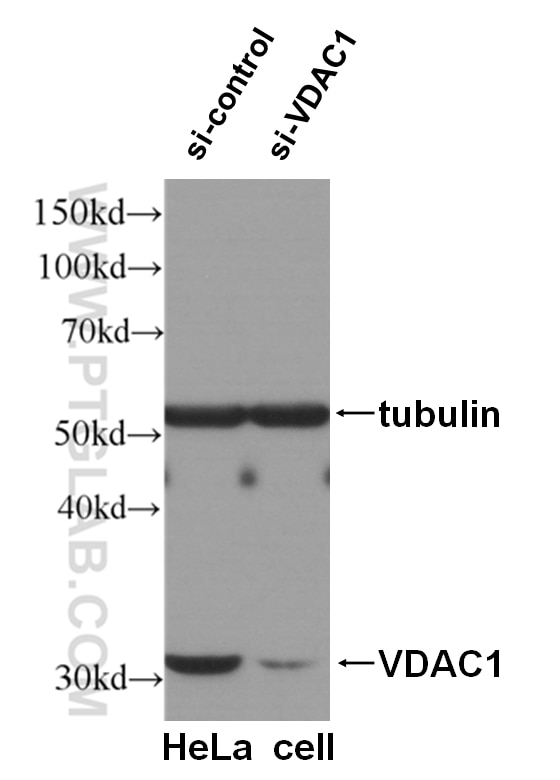
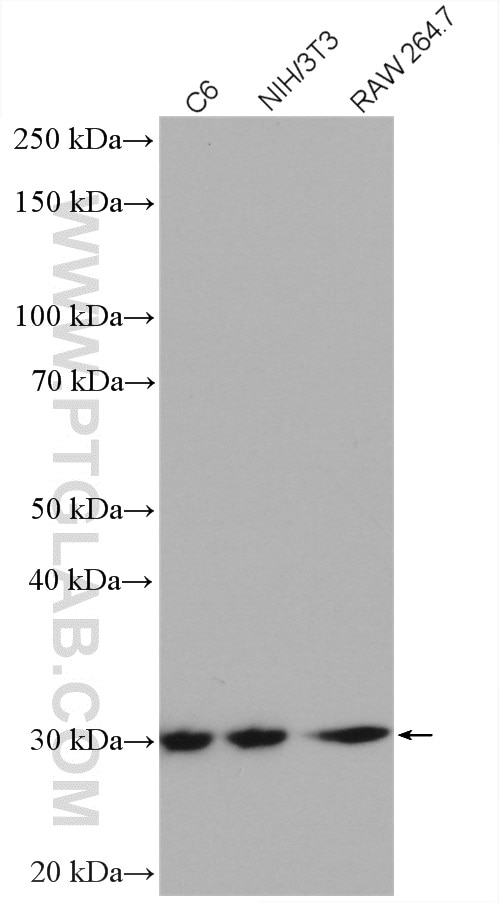
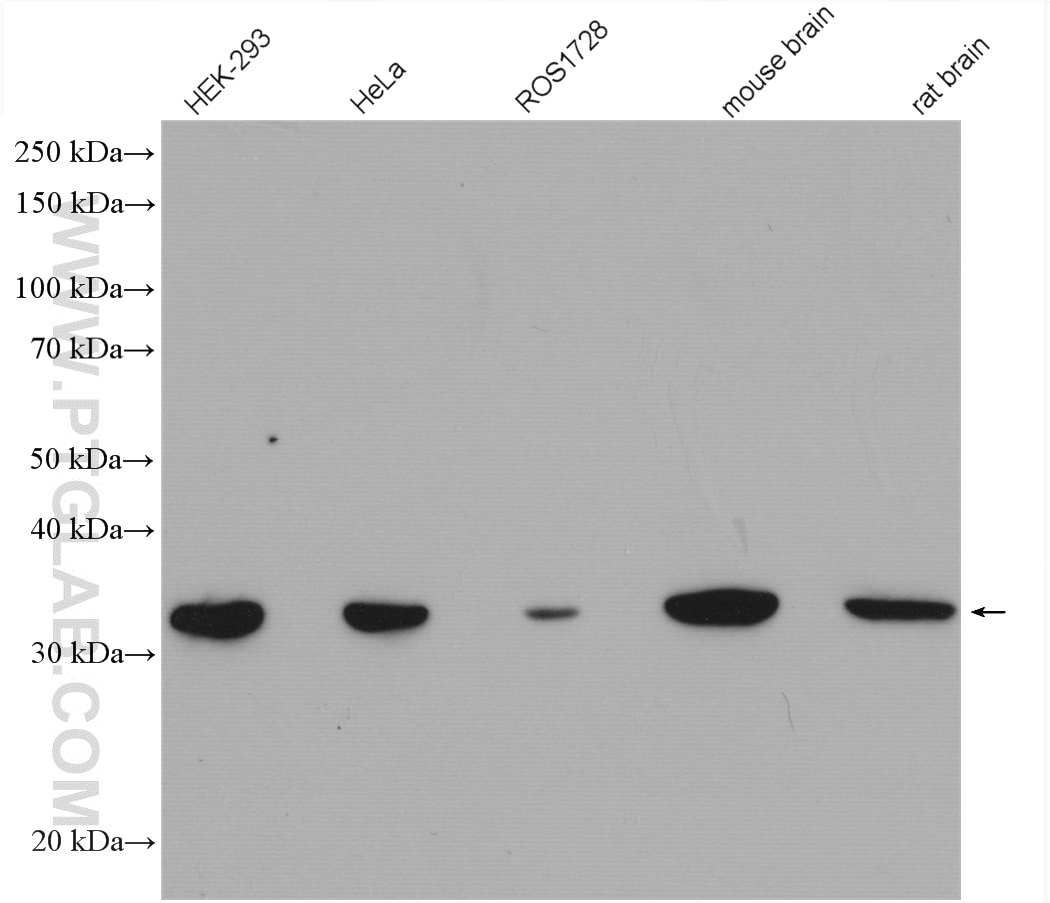
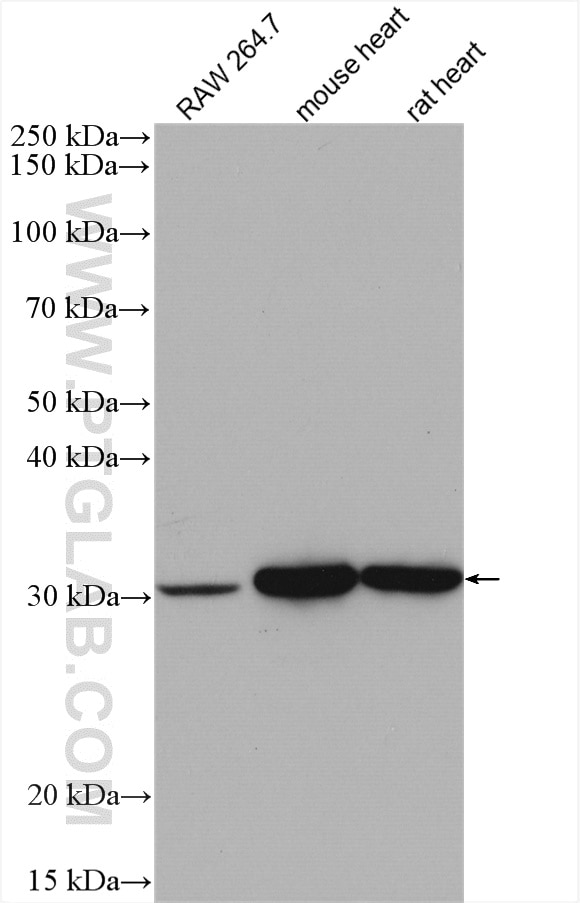
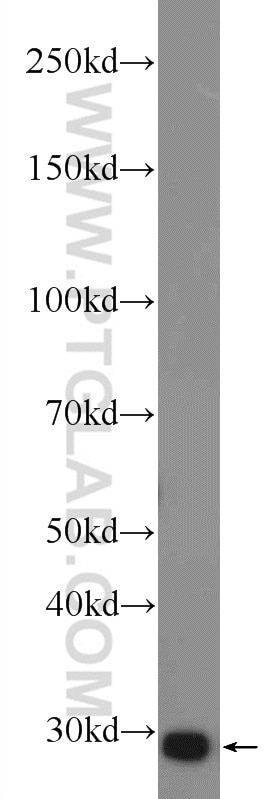
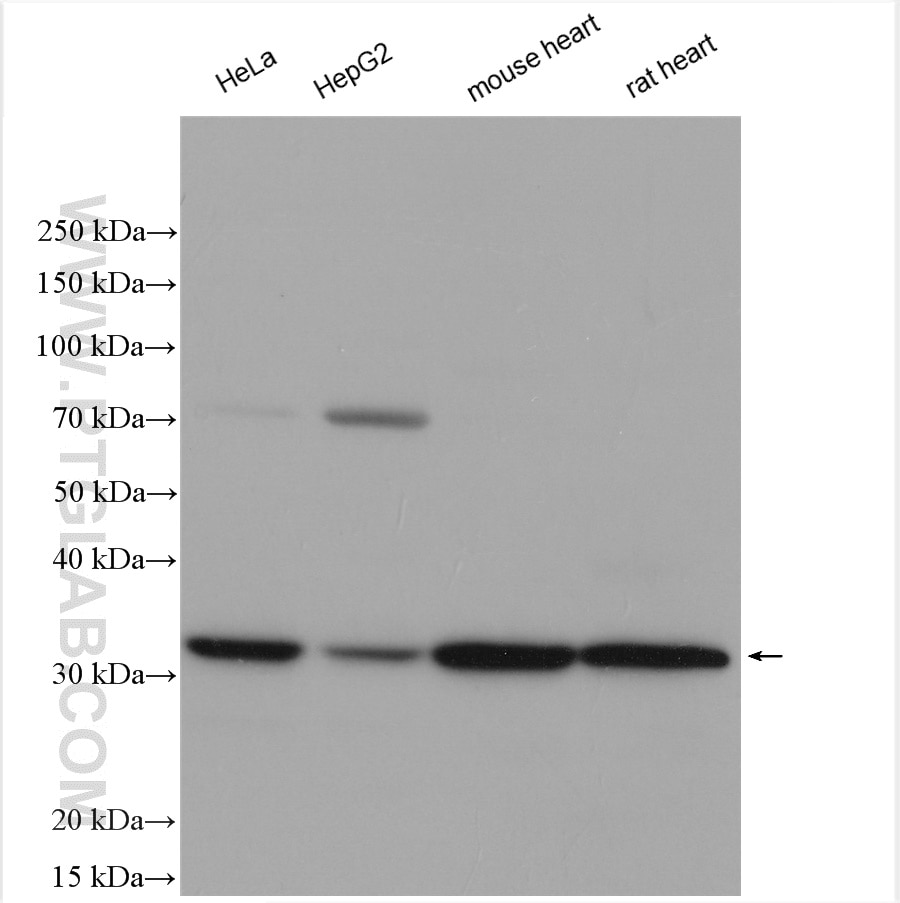
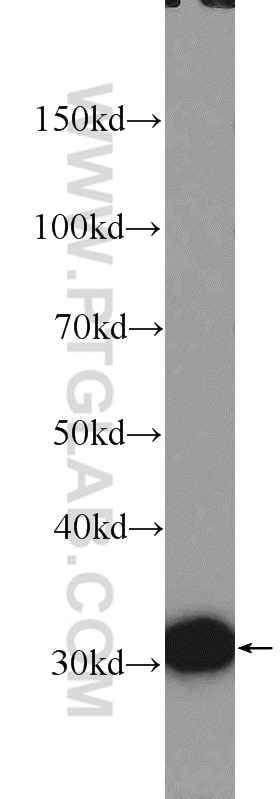
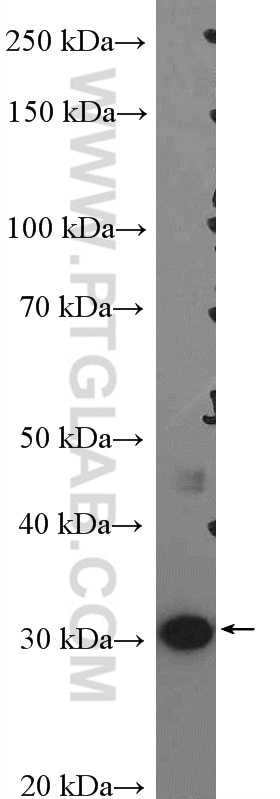
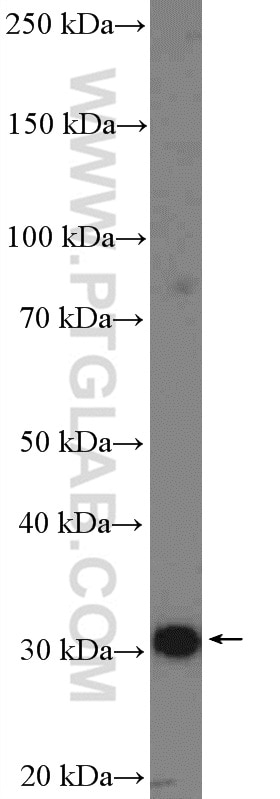
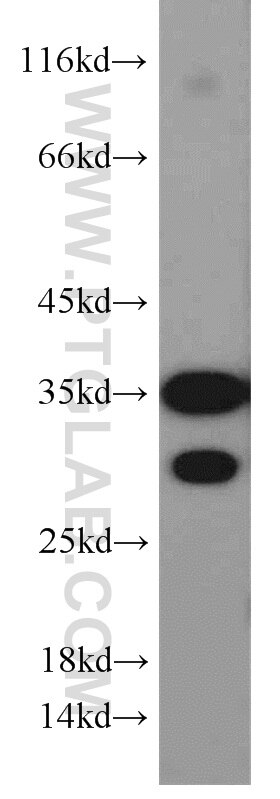
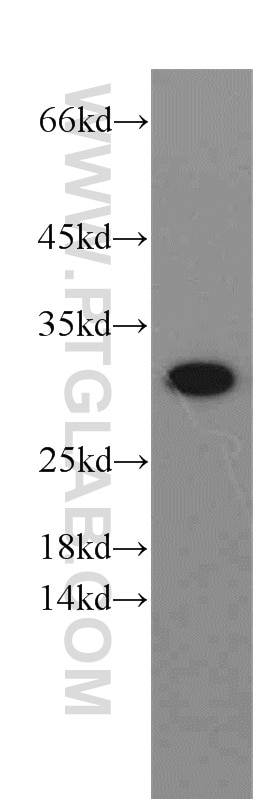
| Positive WB detected in | RAW 264.7 cells, rat liver tissue, HepG2 cells, human skeletal muscle tissue, HEK-293 cells, HeLa cells, mouse liver tissue, A431 cells, mouse heart tissue, ROS1728 cells, mouse brain tissue, rat brain tissue, rat heart tissue, NIH/3T3 cells |
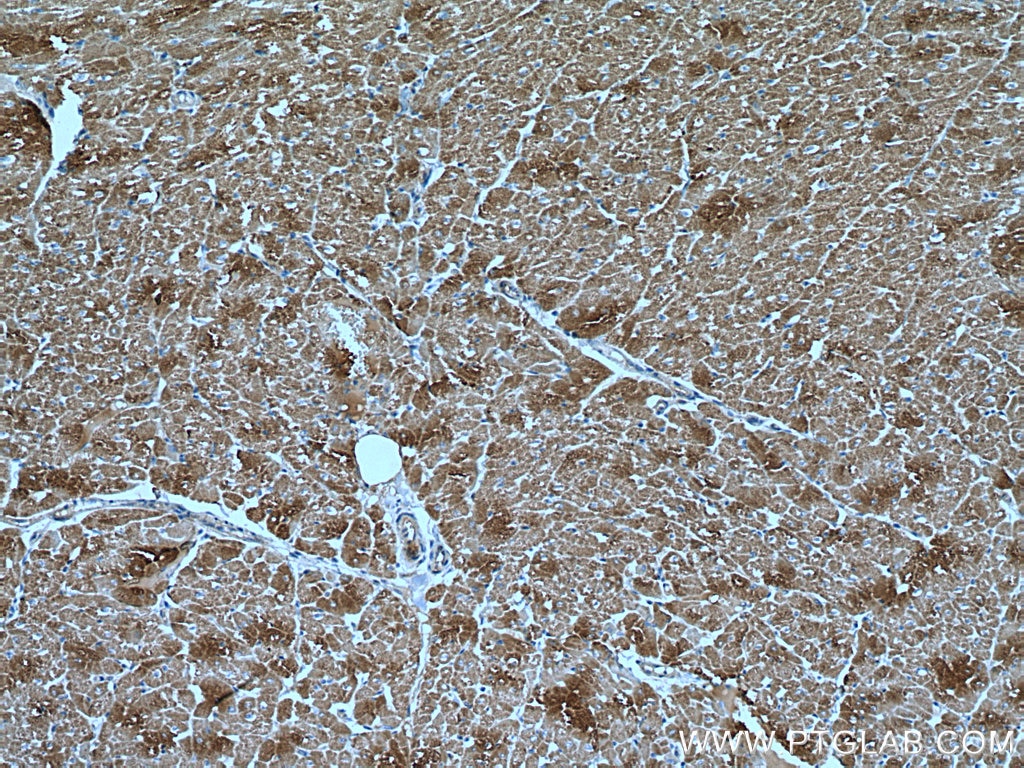
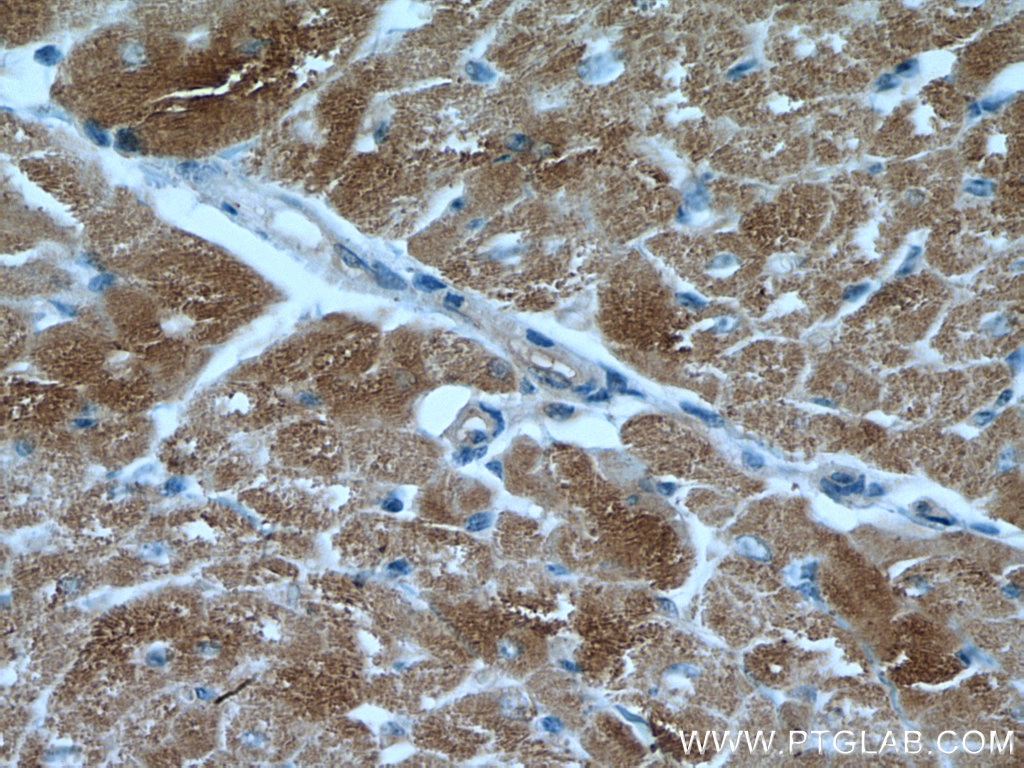
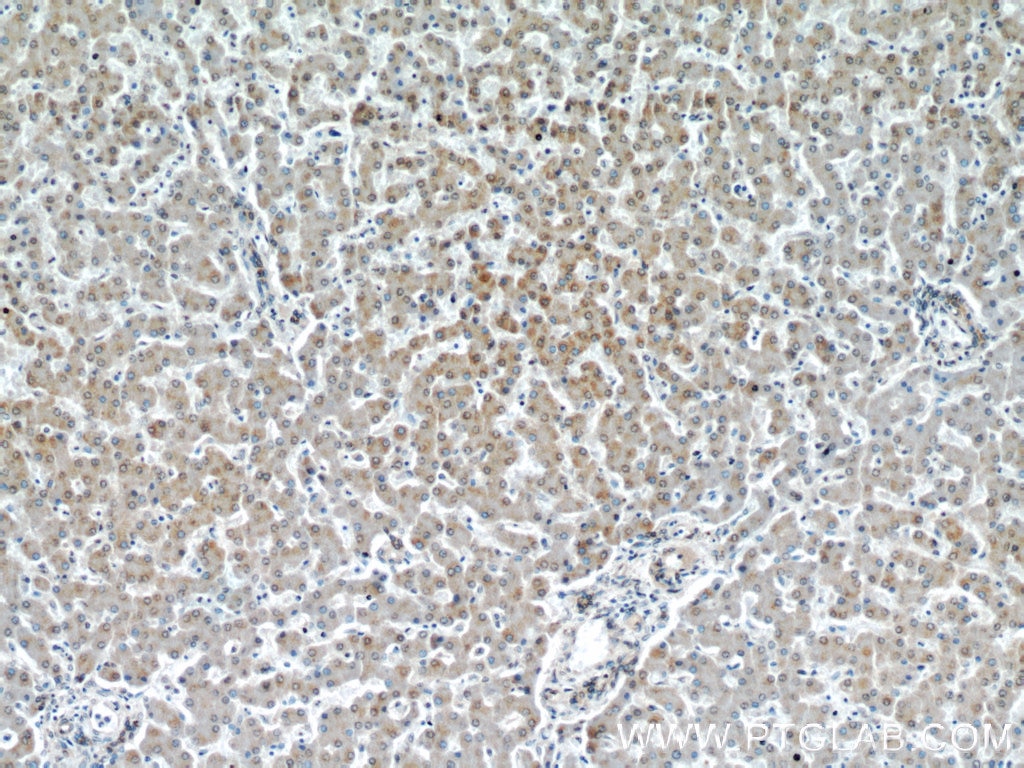
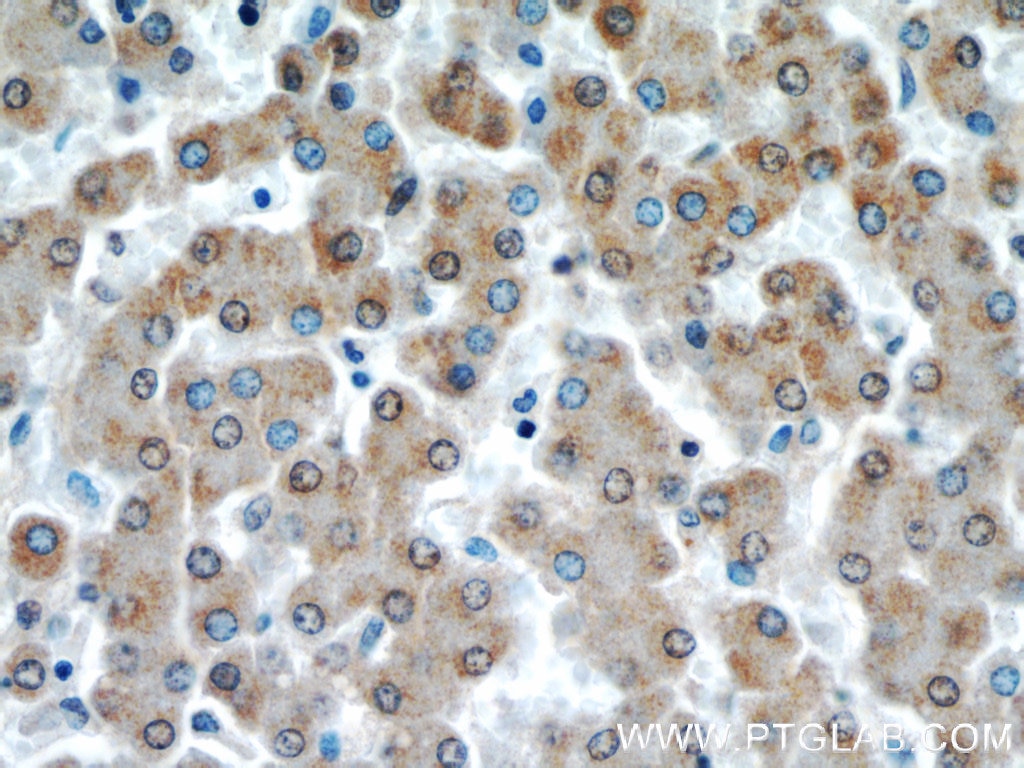
| Positive IHC detected in | human heart tissue, human liver tissue Note: suggested antigen retrieval with TE buffer pH 9.0; (*) Alternatively, antigen retrieval may be performed with citrate buffer pH 6.0 |
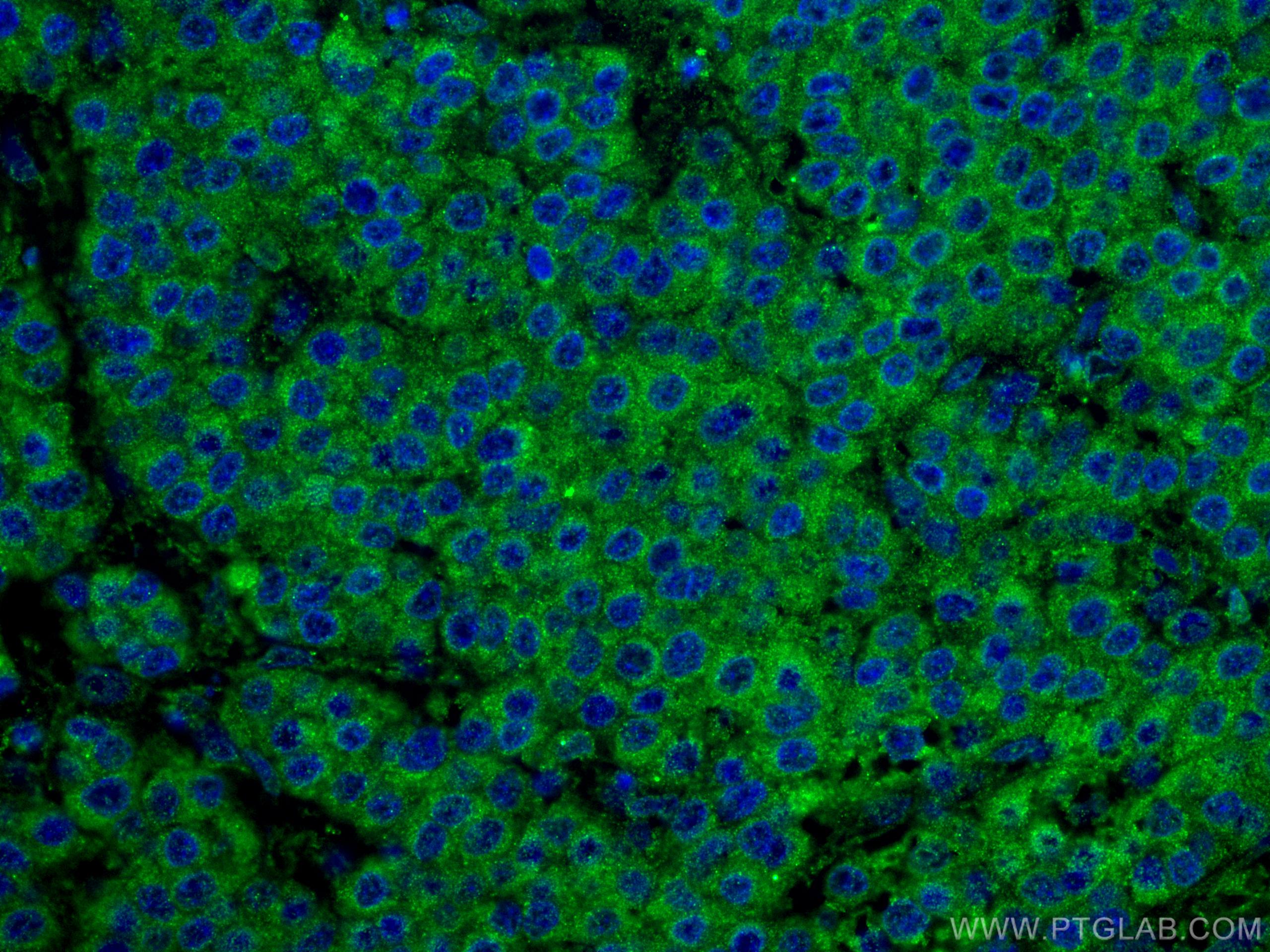
| Positive IF-P detected in | human liver cancer tissue |
| Positive IF-Fro detected in | mouse liver tissue |
| Positive FC (Intra) detected in | HepG2 cells |
This antibody is not recommended for immunocytofluorescent assays.
Recommended dilution
| Application | Dilution |
|---|---|
| Western Blot (WB) | WB : 1:1000-1:6000 |
| Immunohistochemistry (IHC) | IHC : 1:50-1:500 |
| Immunofluorescence (IF)-P | IF-P : 1:50-1:500 |
| Immunofluorescence (IF)-FRO | IF-FRO : 1:50-1:500 |
| Flow Cytometry (FC) (INTRA) | FC (INTRA) : 0.40 ug per 10^6 cells in a 100 ul suspension |
| It is recommended that this reagent should be titrated in each testing system to obtain optimal results. | |
| Sample-dependent, Check data in validation data gallery. | |
Product Information
55259-1-AP targets VDAC1/Porin in WB, IHC, IF-P, IF-Fro, FC (Intra), CoIP, ELISA, PLA applications and shows reactivity with human, mouse, rat samples.
| Tested Reactivity | human, mouse, rat |
| Cited Reactivity | human, mouse, rat, pig, canine, monkey, chicken, hamster, duck |
| Host / Isotype | Rabbit / IgG |
| Class | Polyclonal |
| Type | Antibody |
| Immunogen |
Peptide Predict reactive species |
| Full Name | voltage-dependent anion channel 1 |
| Calculated Molecular Weight | 31 kDa |
| Observed Molecular Weight | 31 kDa |
| GenBank Accession Number | NM_003374 |
| Gene Symbol | Porin |
| Gene ID (NCBI) | 7416 |
| RRID | AB_10837225 |
| Conjugate | Unconjugated |
| Form | Liquid |
| Purification Method | Antigen affinity purification |
| UNIPROT ID | P21796 |
| Storage Buffer | PBS with 0.02% sodium azide and 50% glycerol, pH 7.3. |
| Storage Conditions | Store at -20°C. Stable for one year after shipment. Aliquoting is unnecessary for -20oC storage. 20ul sizes contain 0.1% BSA. |
Background Information
VDAC1, also named as VDAC, porin 31HM, porin 31HL and plasmalemmal porin, belongs to the eukaryotic mitochondrial porin family. It adopts an open conformation at low or zero membrane potential and a closed conformation at potentials above 30-40 mV, to form a channel through the mitochondrial outer membrane and also the plasma membrane. Unlike other membrane transport proteins, porins are large enough to allow passive diffusion. Studies have shown that VDAC1 is subject to both phosphorylation and acetylation (PMID: 23233904). The apparent molecular weight of VDAC1 is 30-37 kDa (PMID: 14573604; 23754752; 25681439). Hypoxic conditions were found to trigger cleavage of the VDAC1 C-terminal to yield a 26-kDa truncated but active form (PMID: 22389449; 23233904). This antibody is specific to VDAC1.
Protocols
| Product Specific Protocols | |
|---|---|
| FC protocol for VDAC1/Porin antibody 55259-1-AP | Download protocol |
| IF protocol for VDAC1/Porin antibody 55259-1-AP | Download protocol |
| IHC protocol for VDAC1/Porin antibody 55259-1-AP | Download protocol |
| WB protocol for VDAC1/Porin antibody 55259-1-AP | Download protocol |
| Standard Protocols | |
|---|---|
| Click here to view our Standard Protocols |
Publications
What published studies show
The VDAC1/Porin Polyclonal antibody (Cat# 55259-1-AP) has accumulated 293 citations across high-impact journals including Nature, Cell, Nature Communications, Nature Cell Biology, Neuron, Autophagy, Redox Biology, Molecular Cell, and PNAS, among others. Research fields span mitochondrial biology, mitophagy, apoptosis, ferroptosis, ER-mitochondria contacts, cancer, neurodegeneration, cardiovascular disease, liver and kidney injury, inflammation, oxidative stress, and lipid metabolism, reflecting its broad utility in mitochondrial research.
| Species | Application | Title |
|---|---|---|
Cell Mitochondrial ROS promotes susceptibility to infection via gasdermin D-mediated necroptosis | ||
Cell IRGQ-mediated autophagy in MHC class I quality control promotes tumor immune evasion | ||
Nat Nanotechnol An orally administered gene editing nanoparticle boosts chemo-immunotherapy in colorectal cancer | ||
Blood Mitochondrial DNA via recipient TLR9 acts as a potent first hit in murine transfusion-related acute lung injury. |
Reviews
What customers say
Able is busy answering your previous question. Please try again later.
The reviews below have been submitted by verified Proteintech customers who received an incentive for providing their feedback.
Ying (Verified Customer) (04-22-2021) | good antibody. works very well with mouse cell lines.
 |


















