
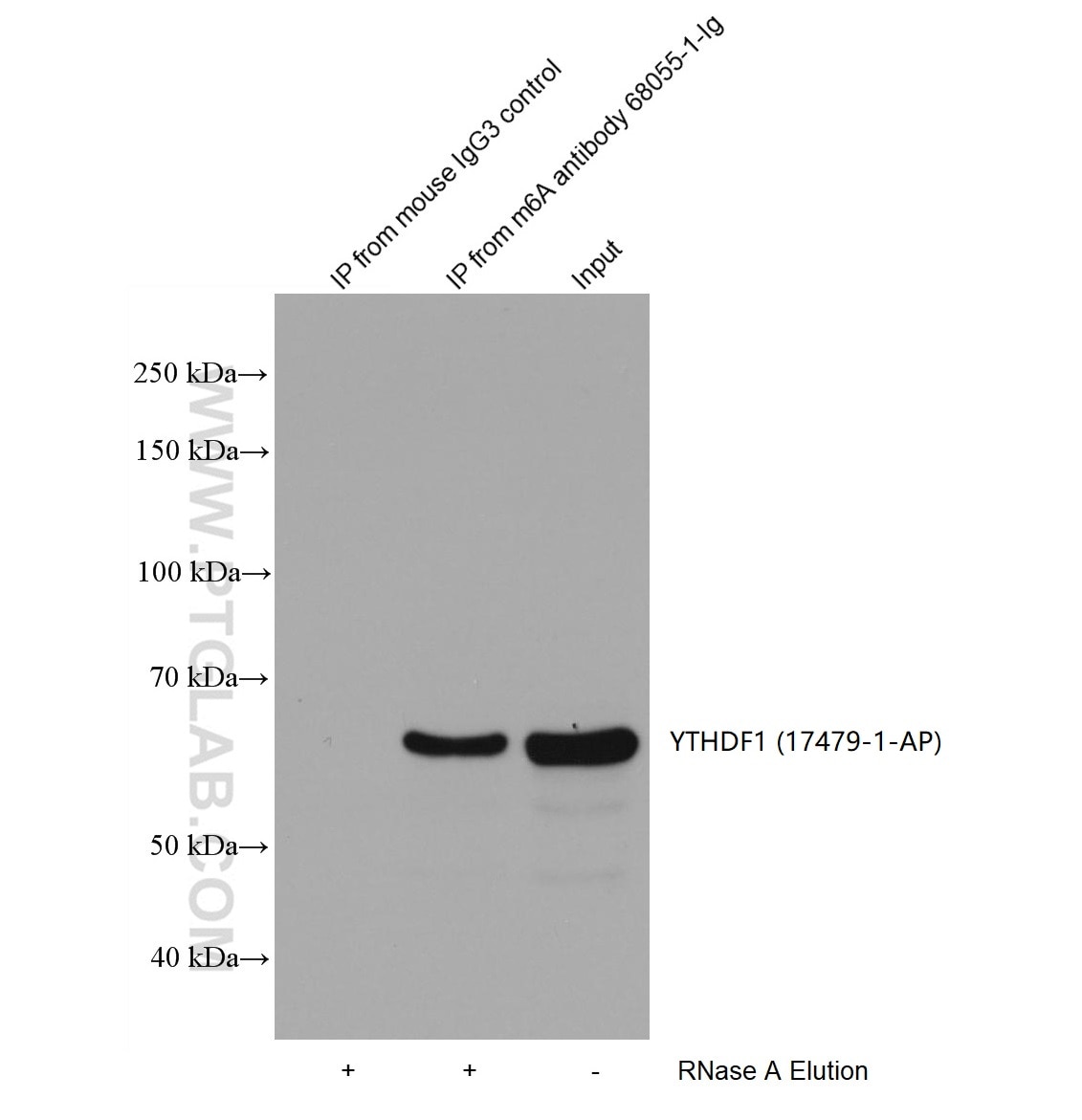
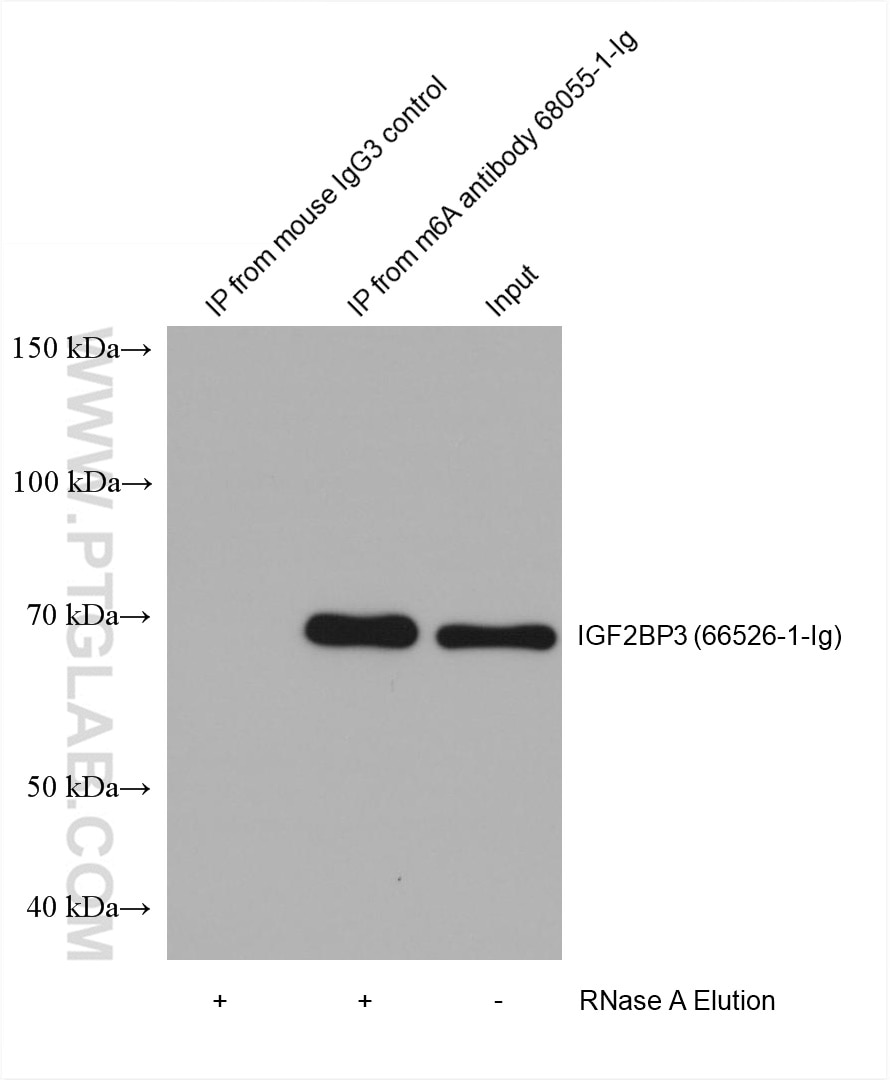
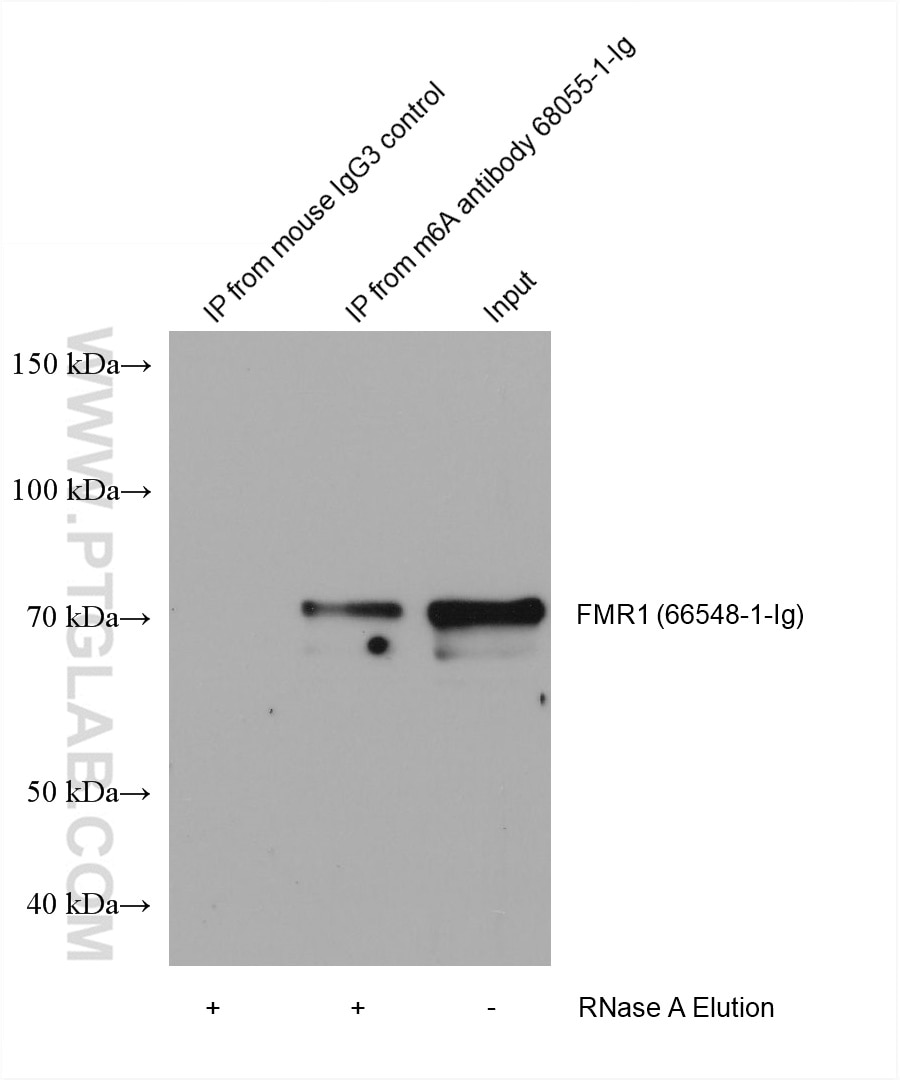
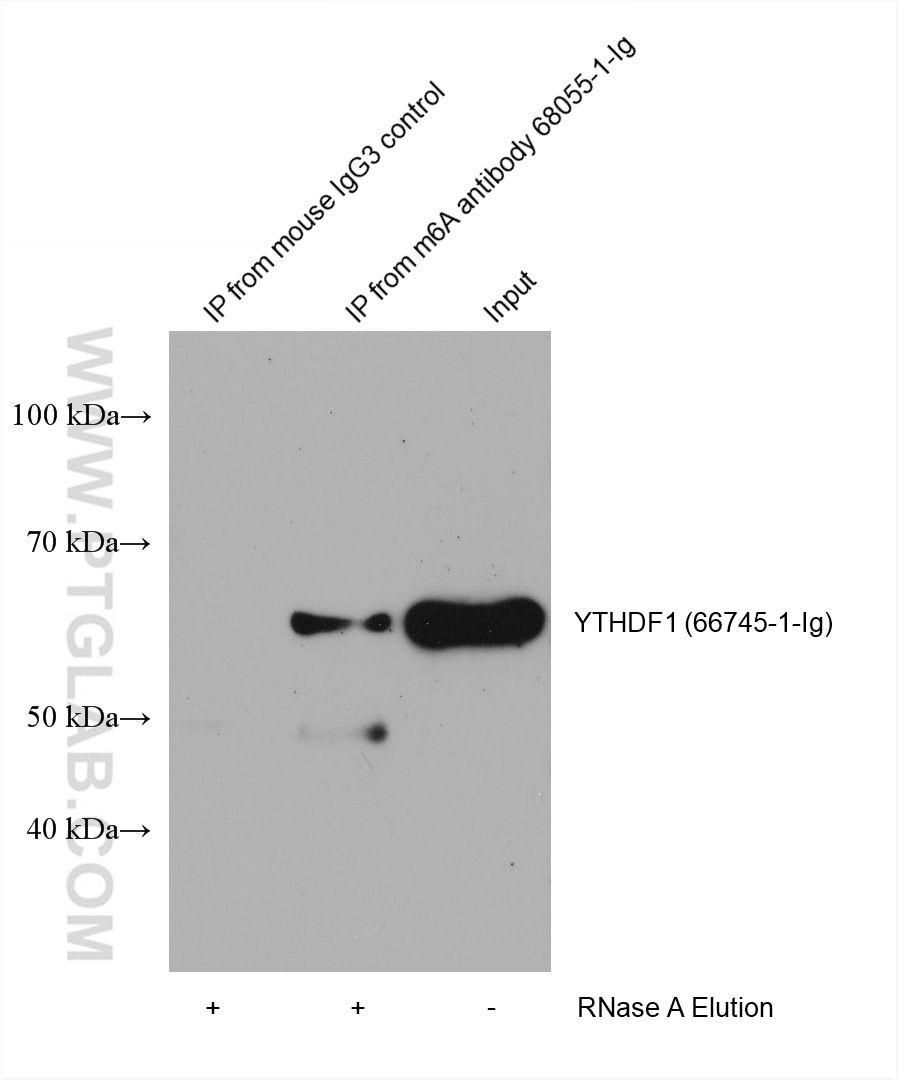
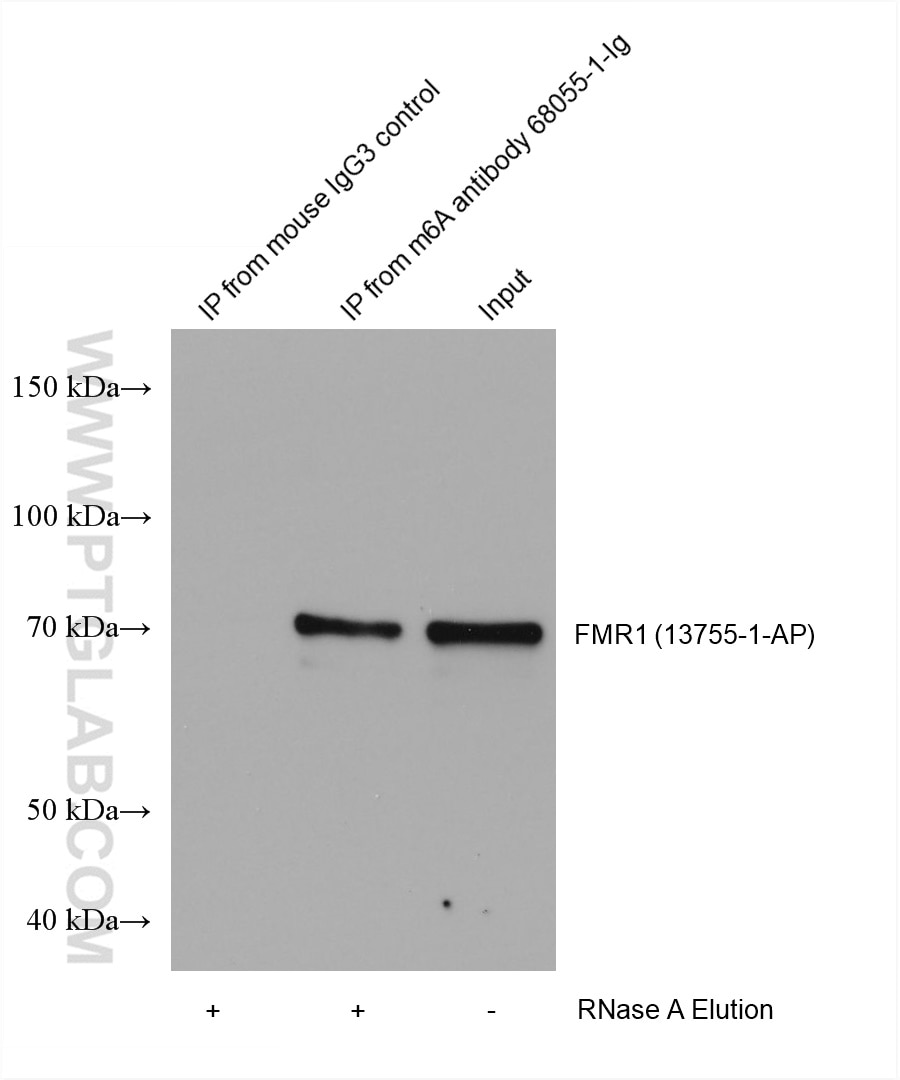
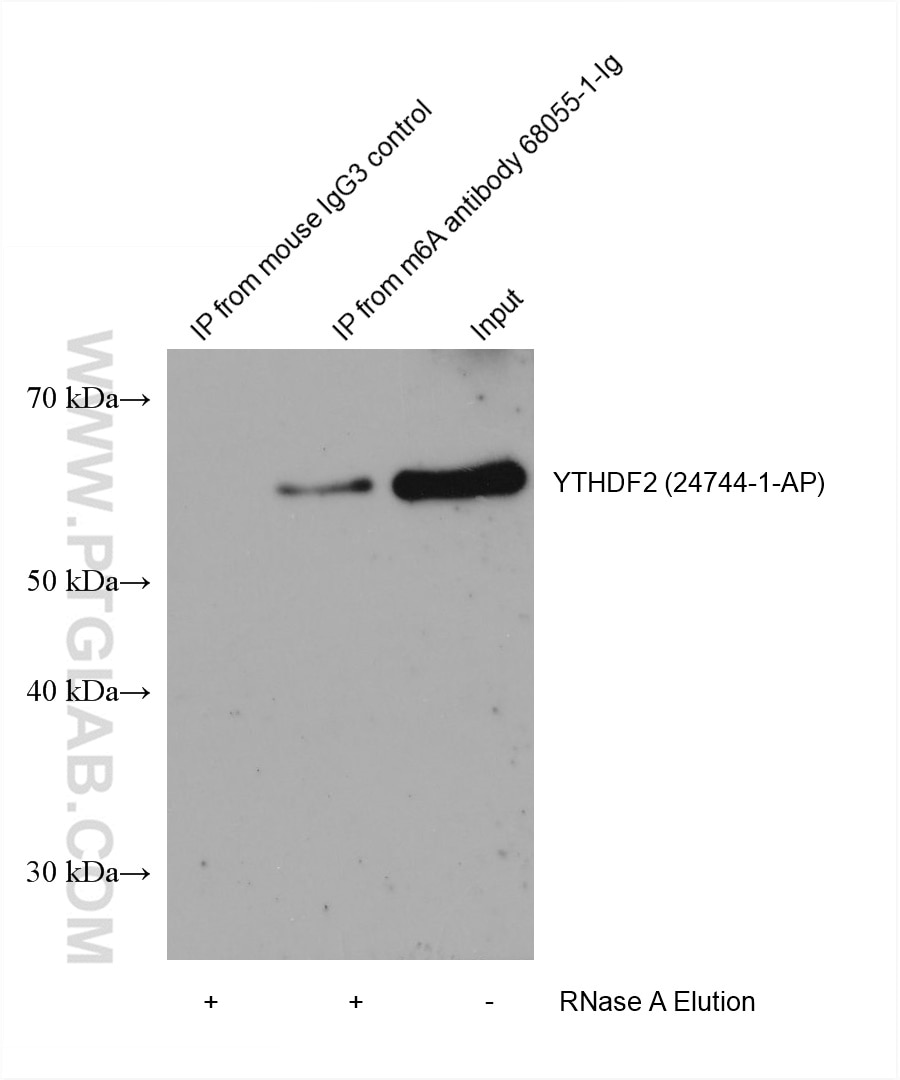
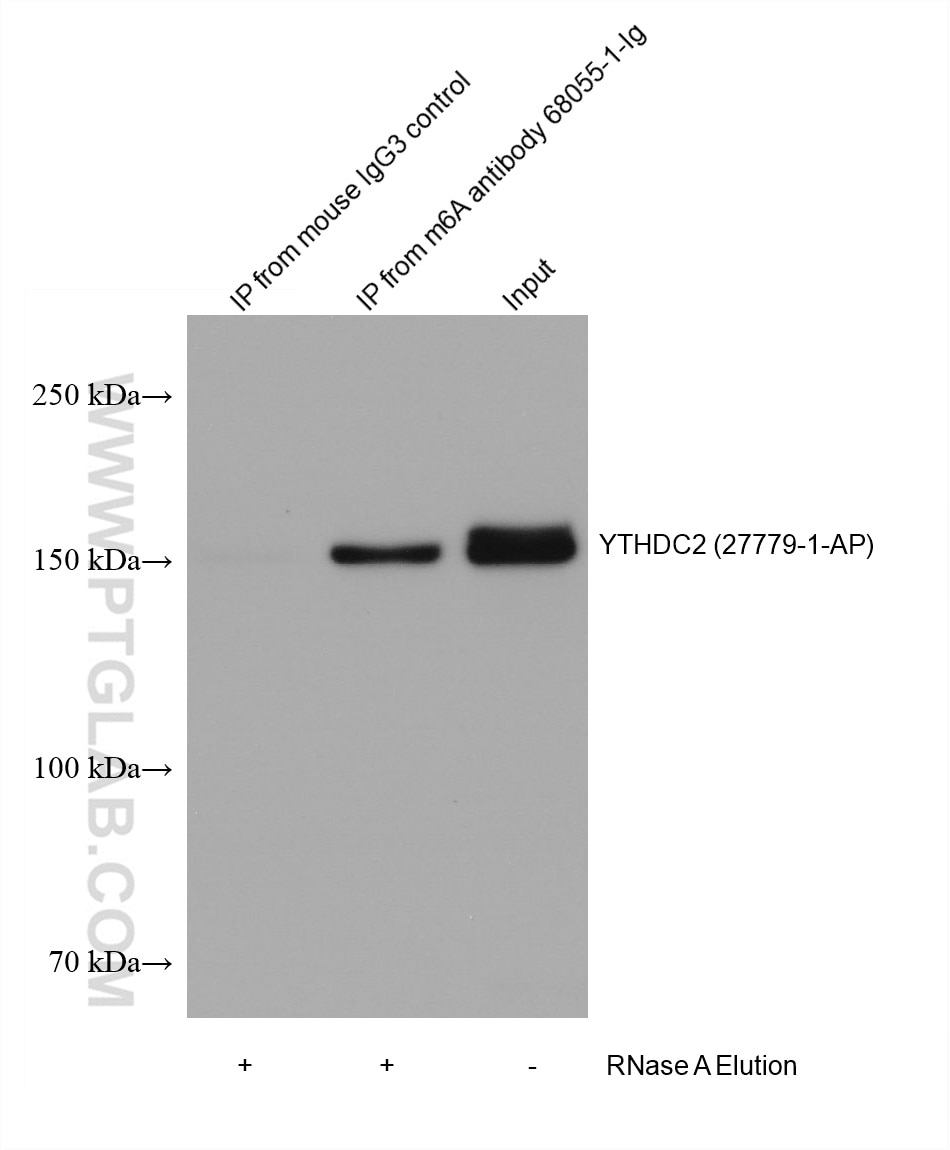
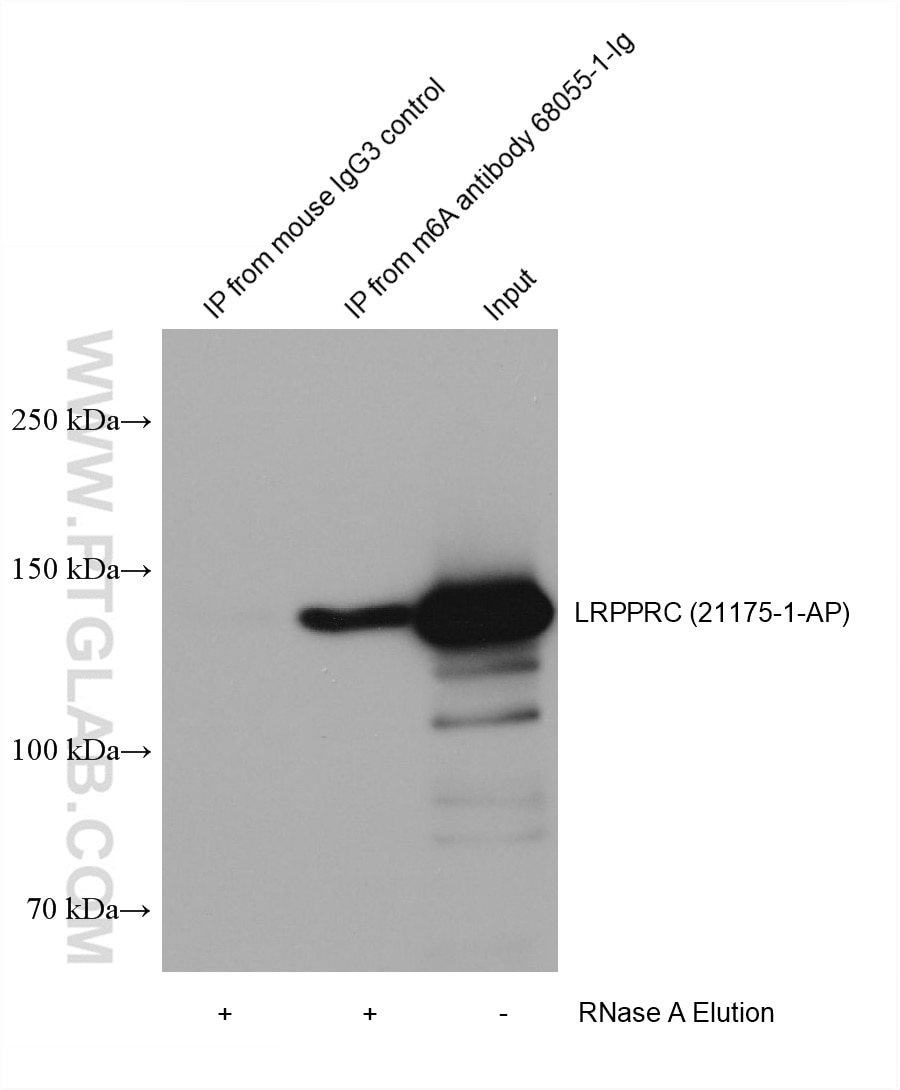
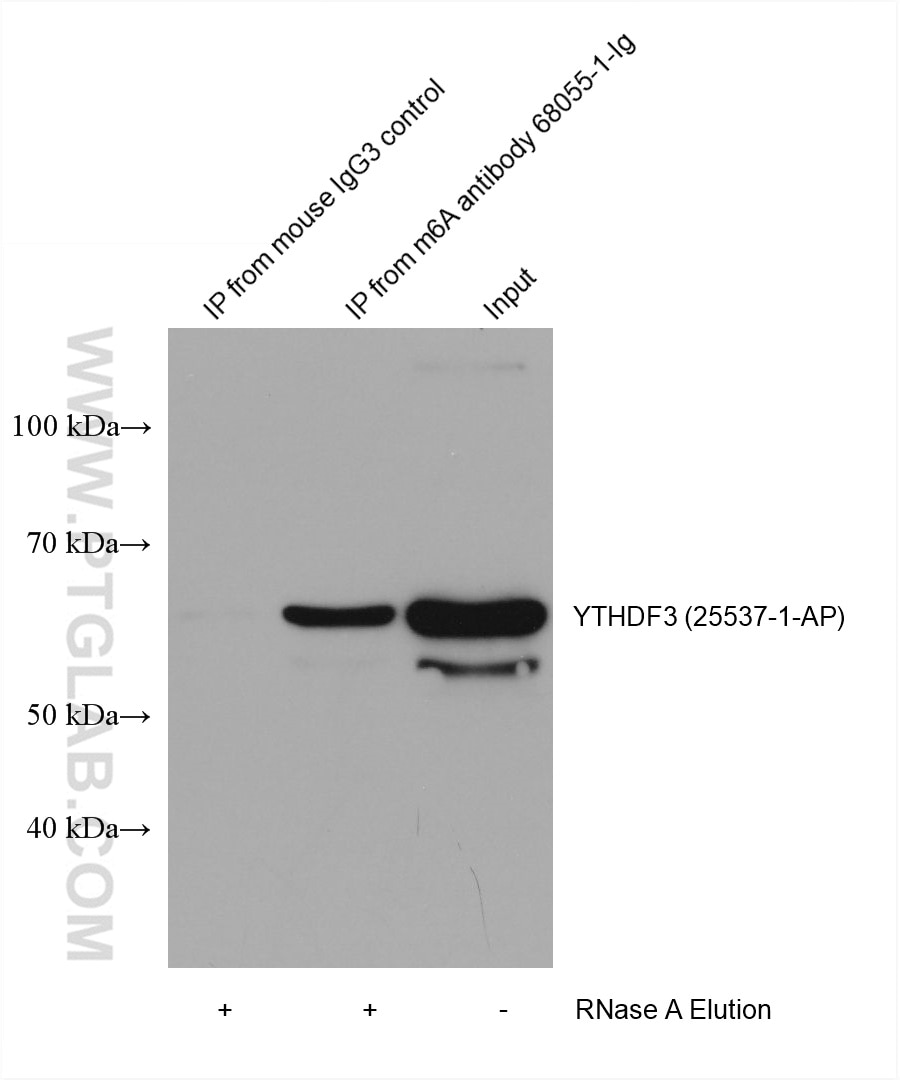
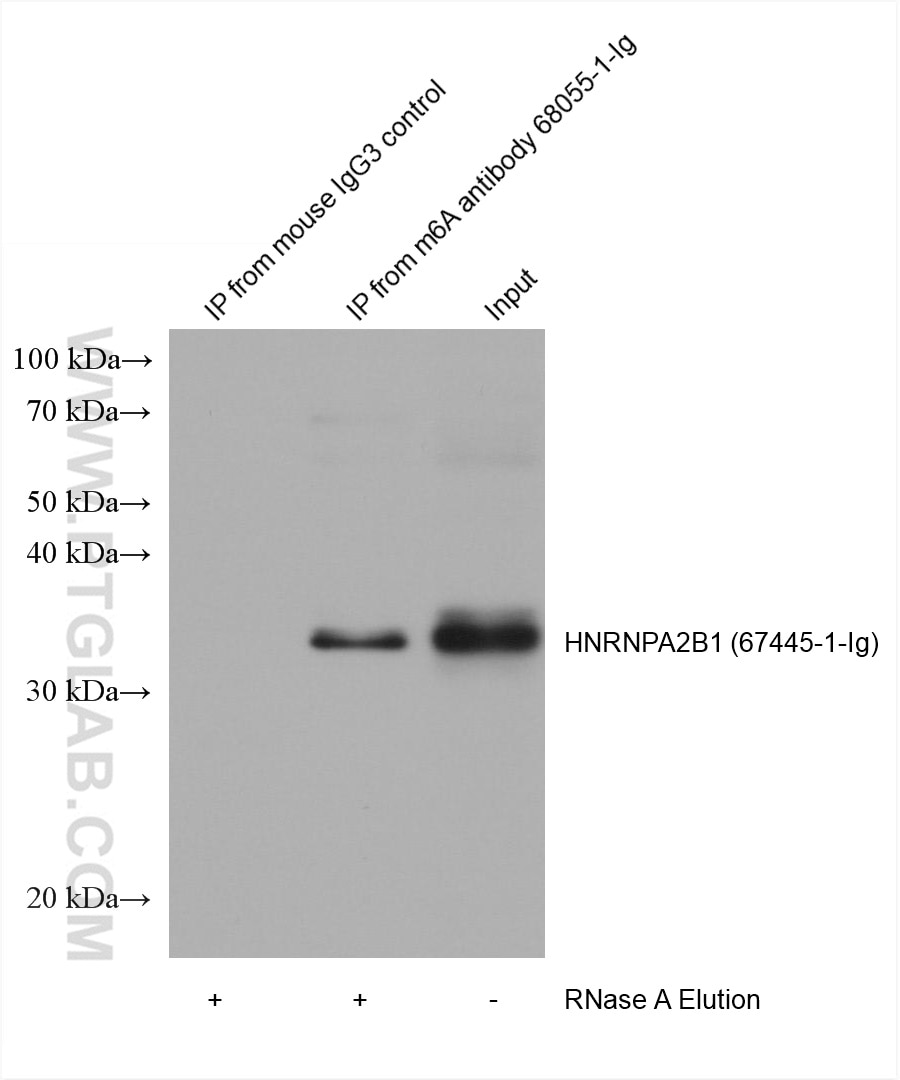
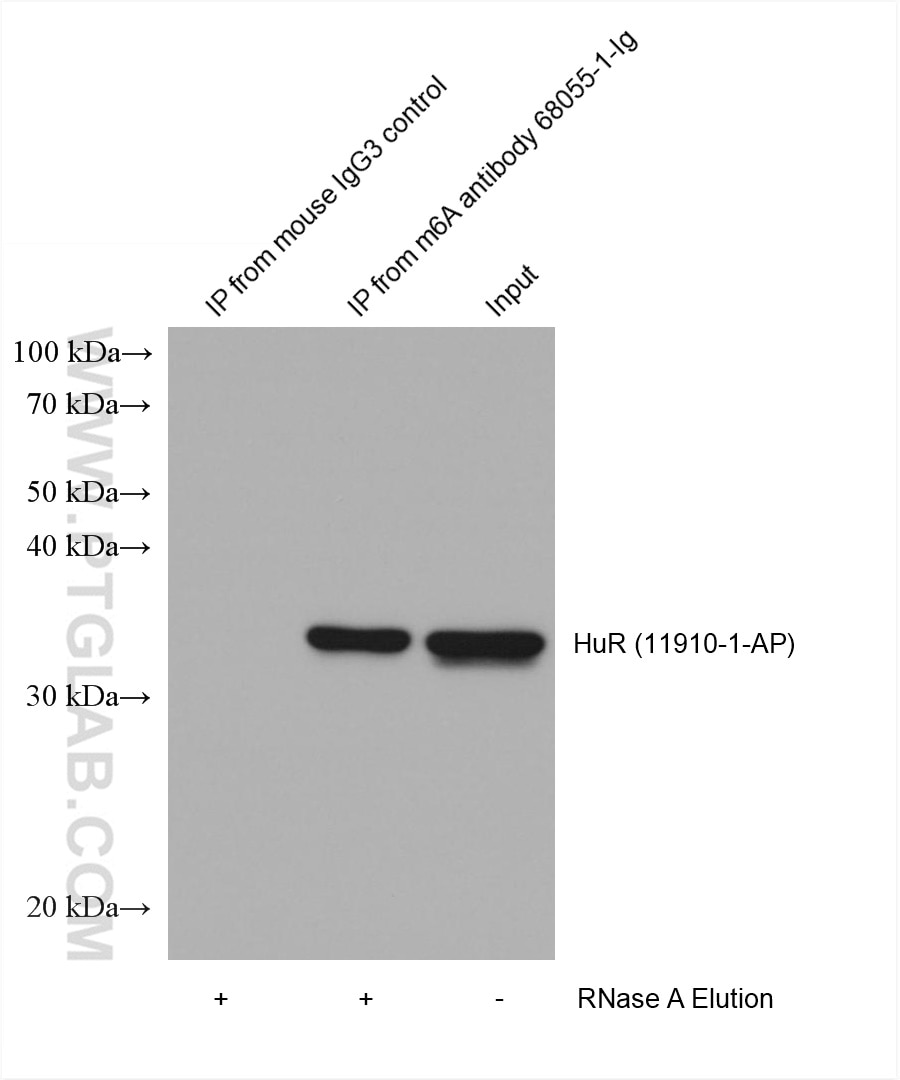
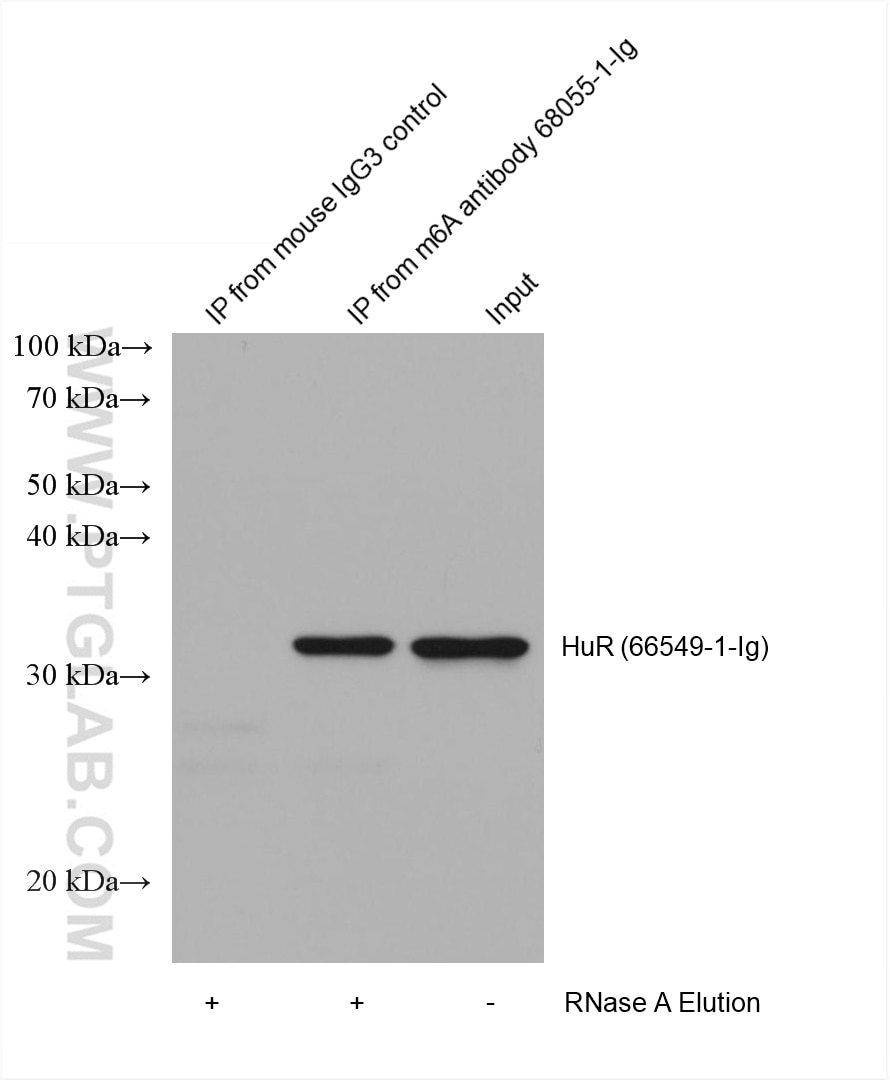
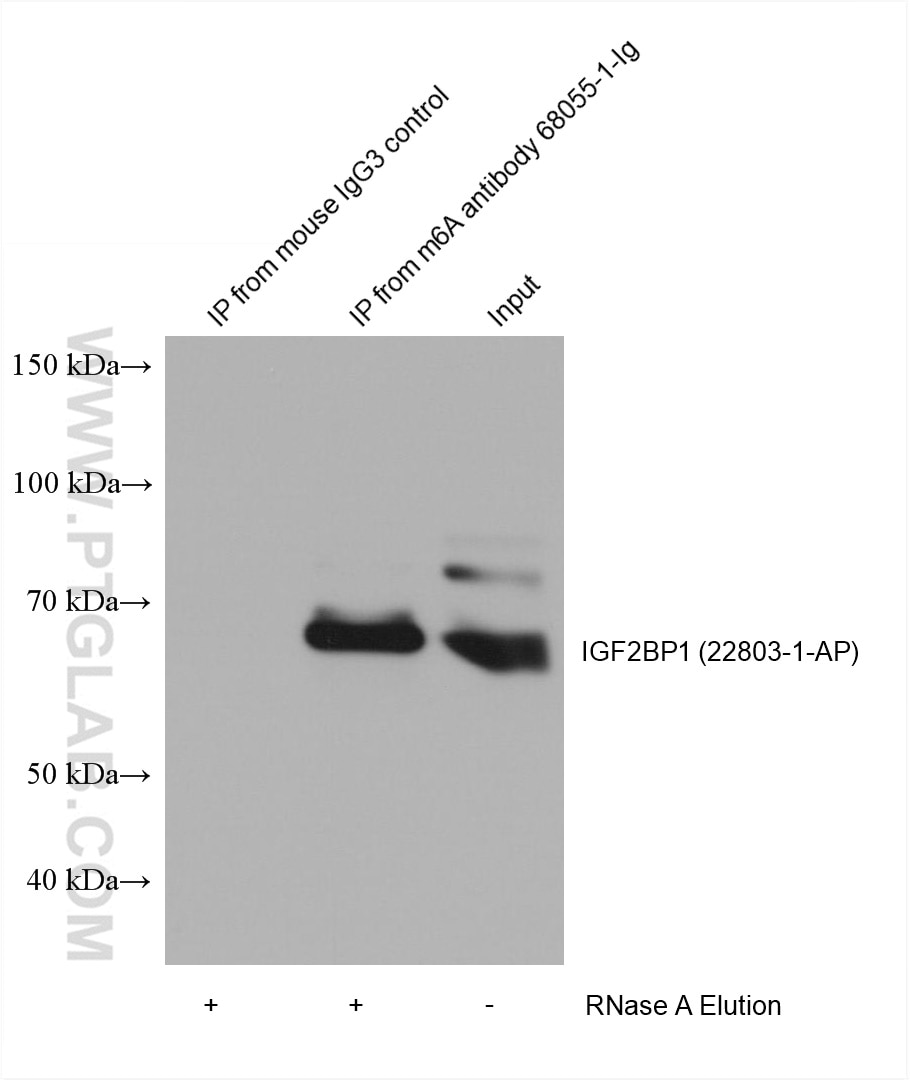
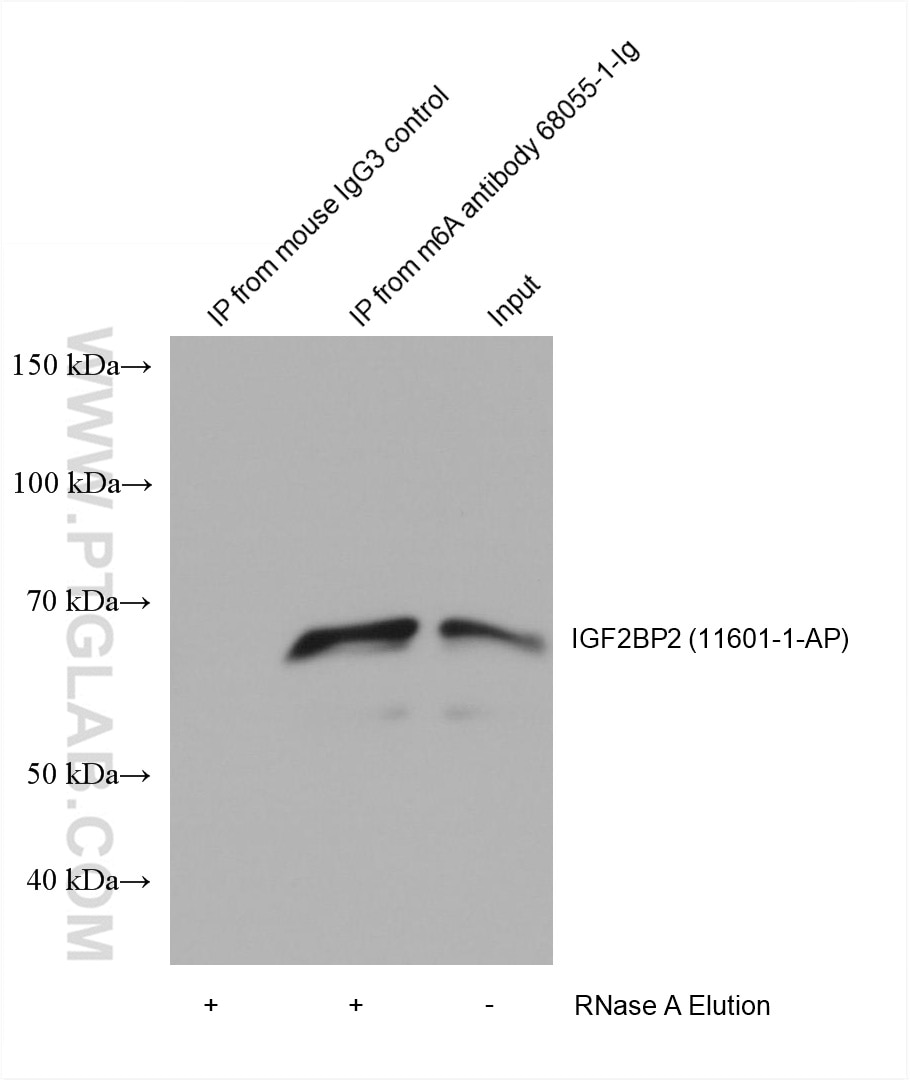
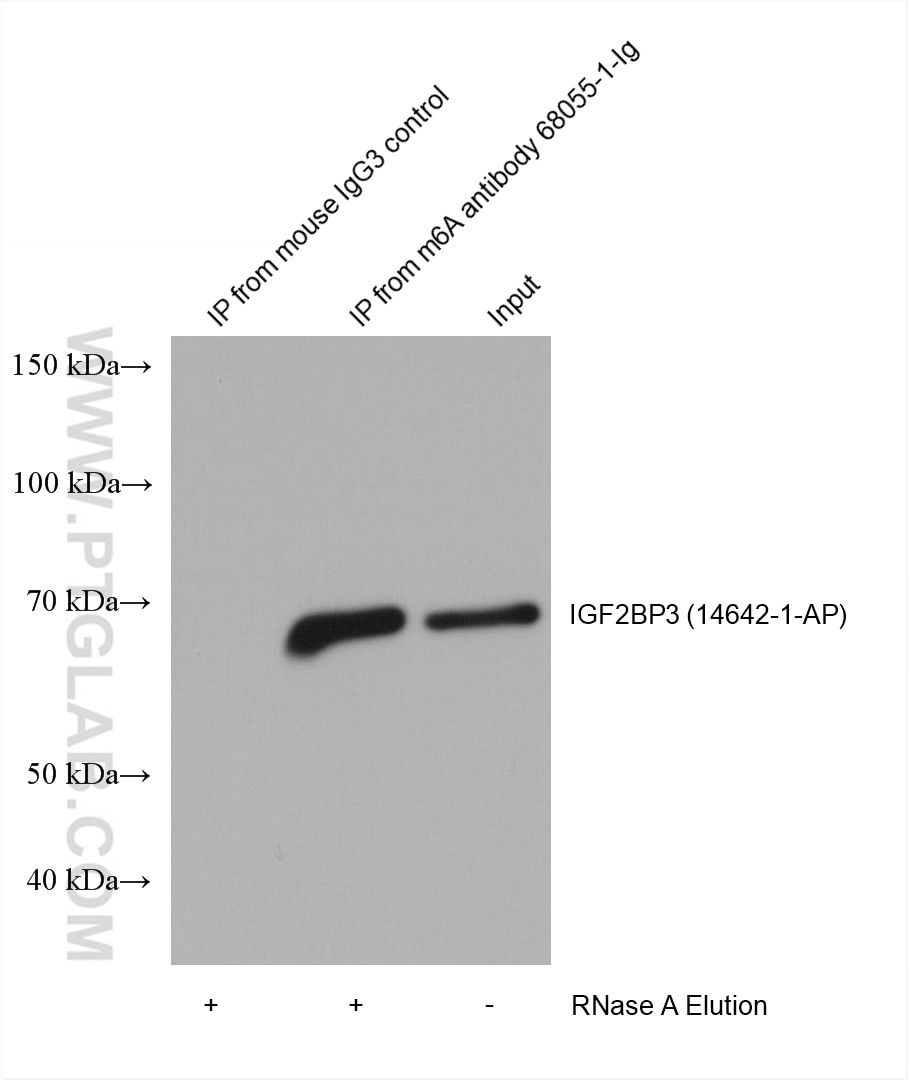
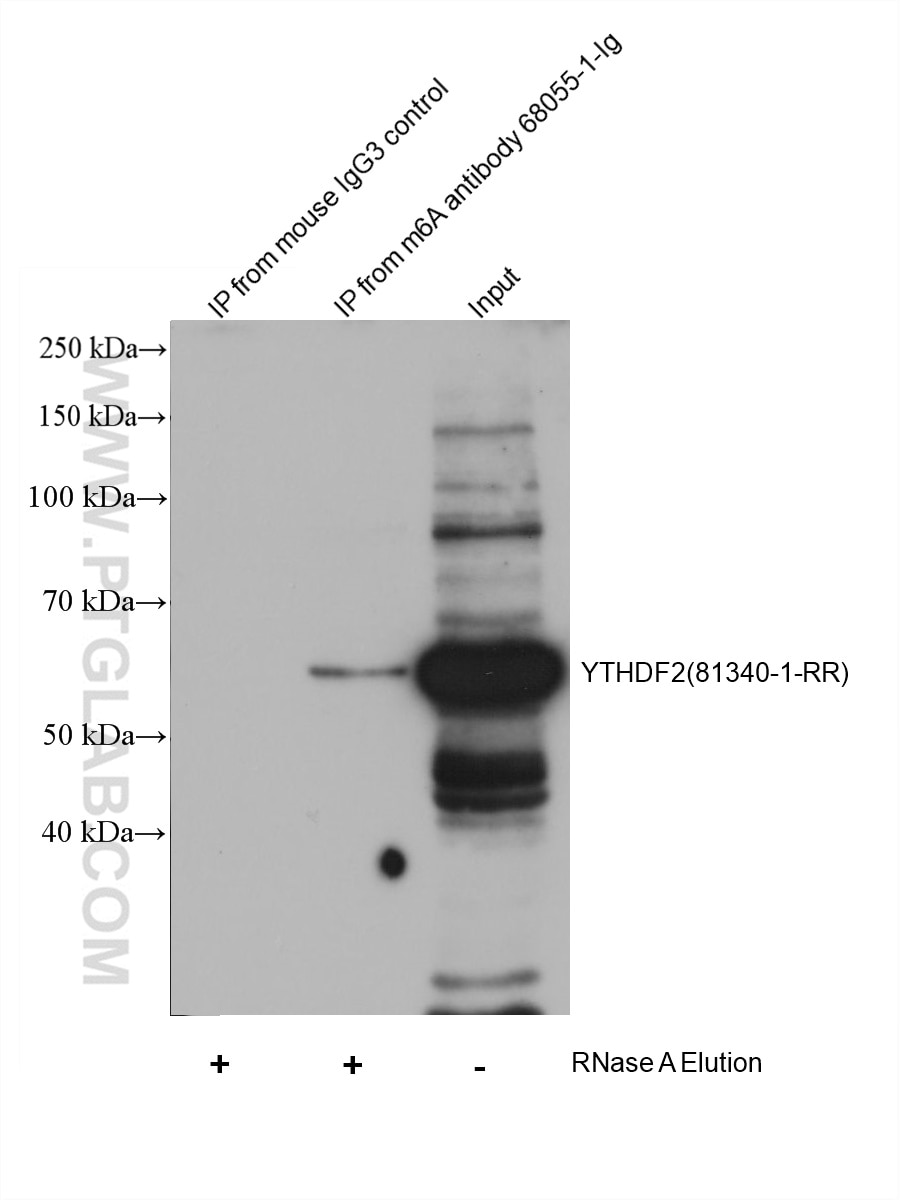

Tested Applications
| Positive RIP detected in | RNA |
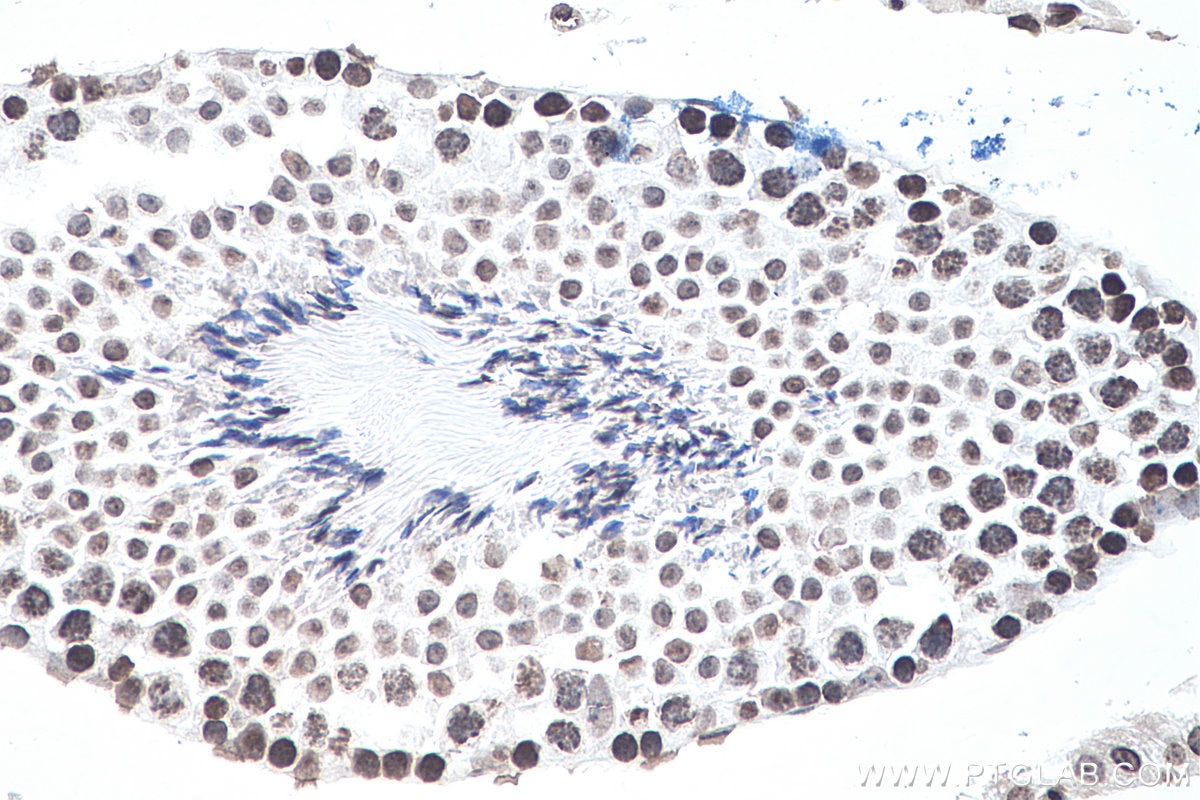
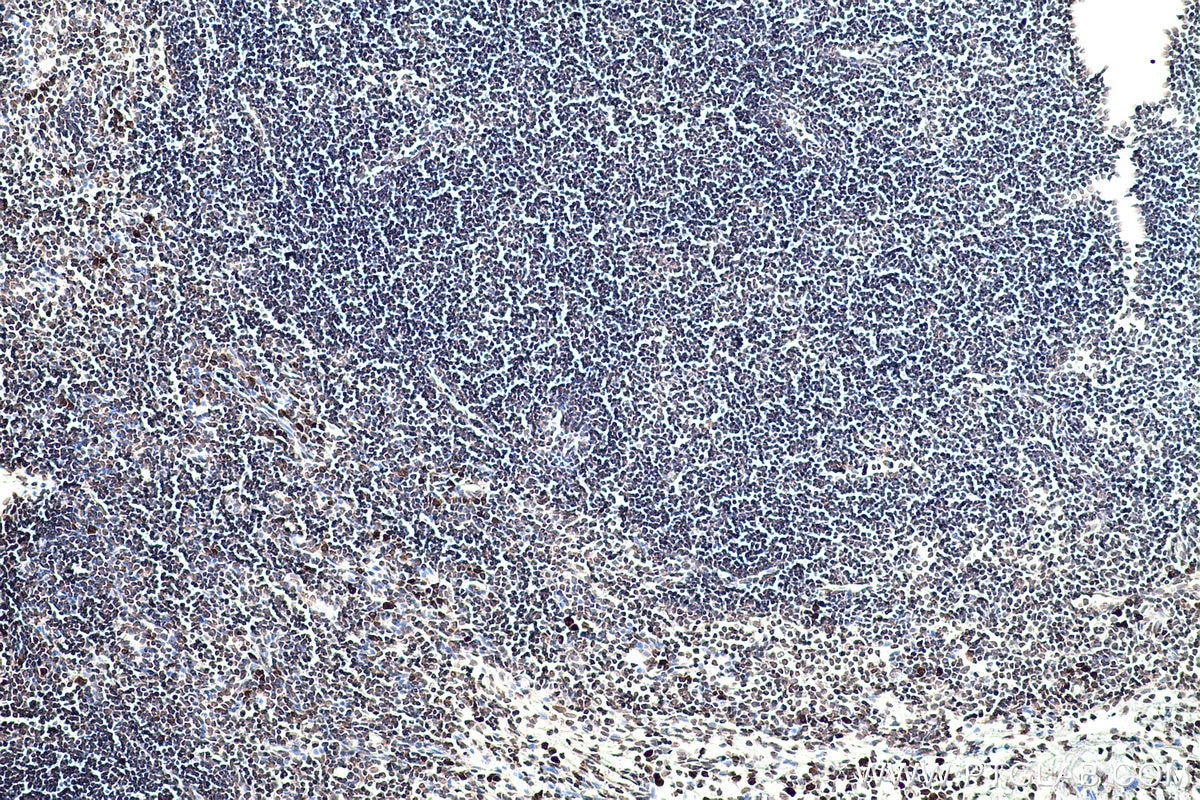
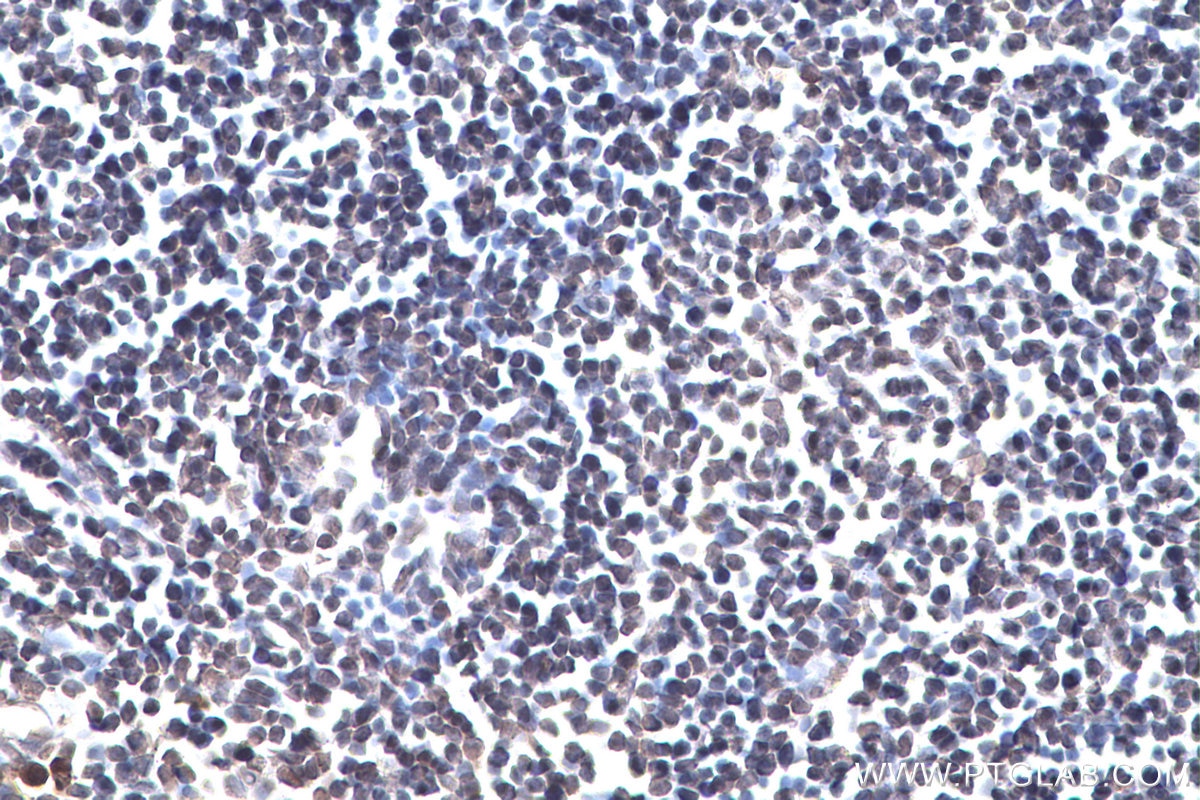
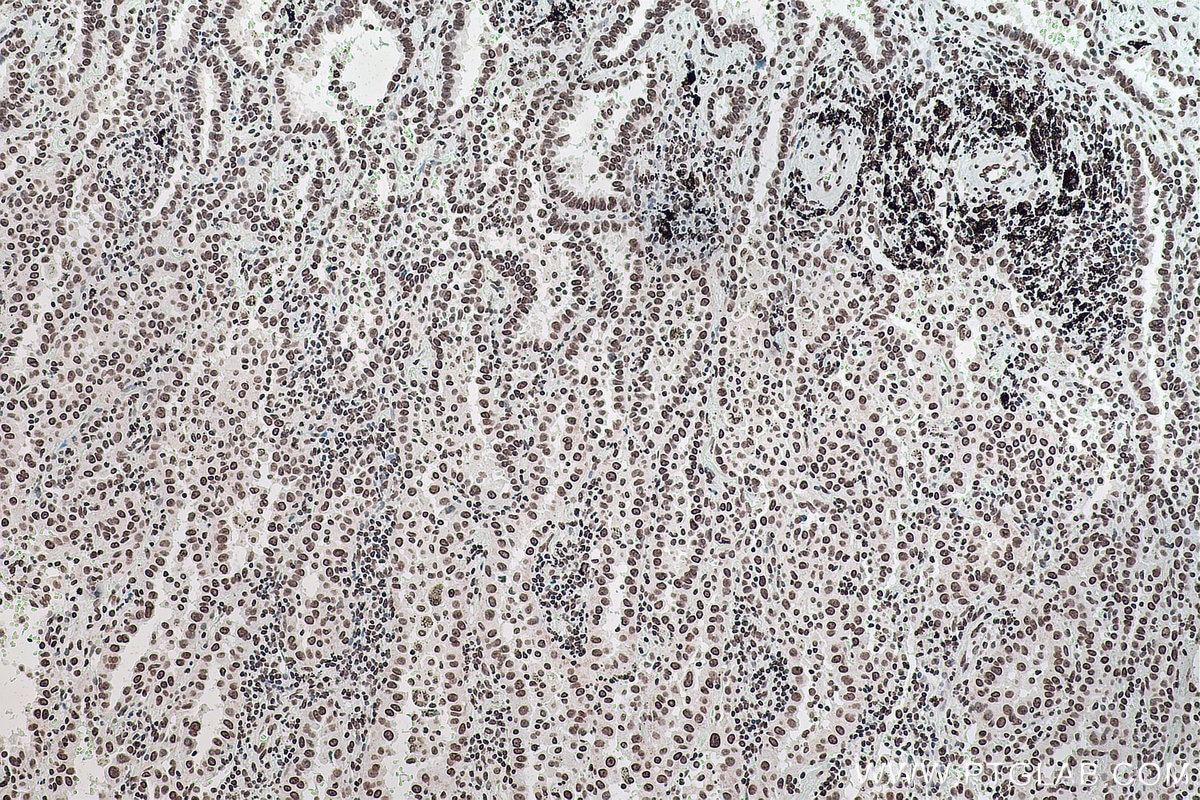
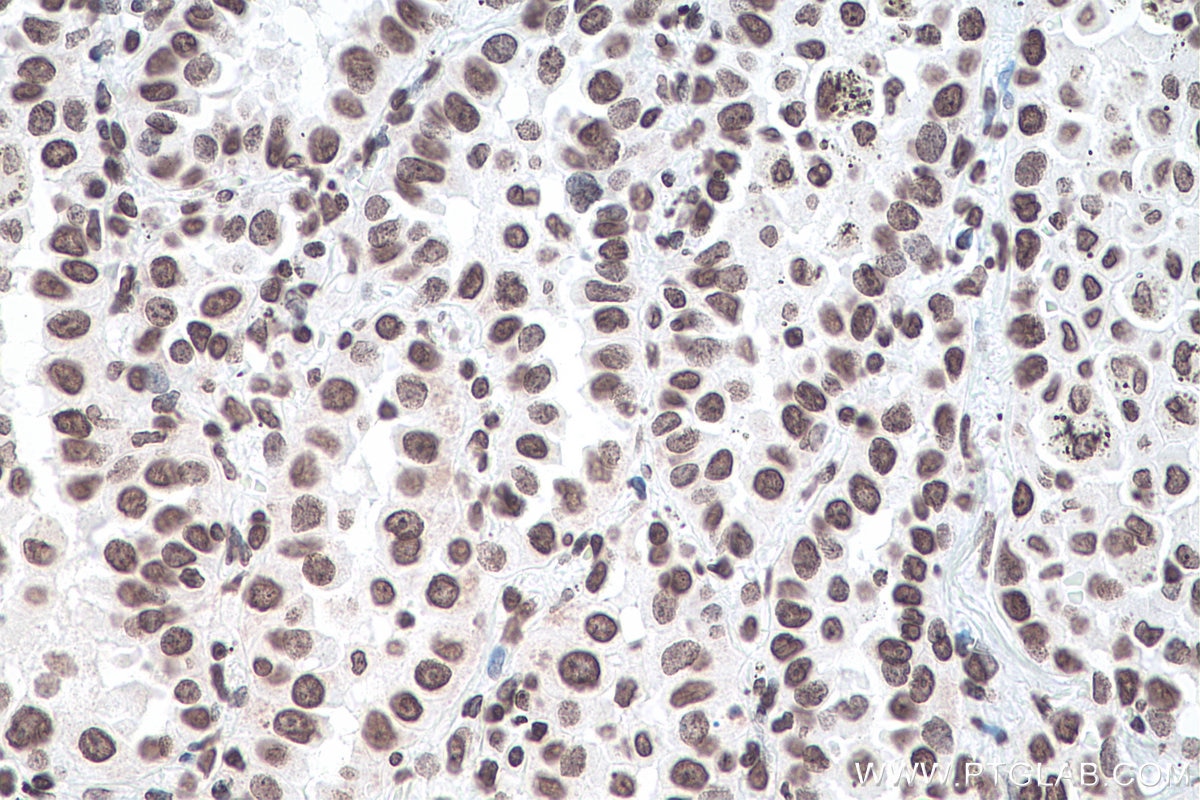
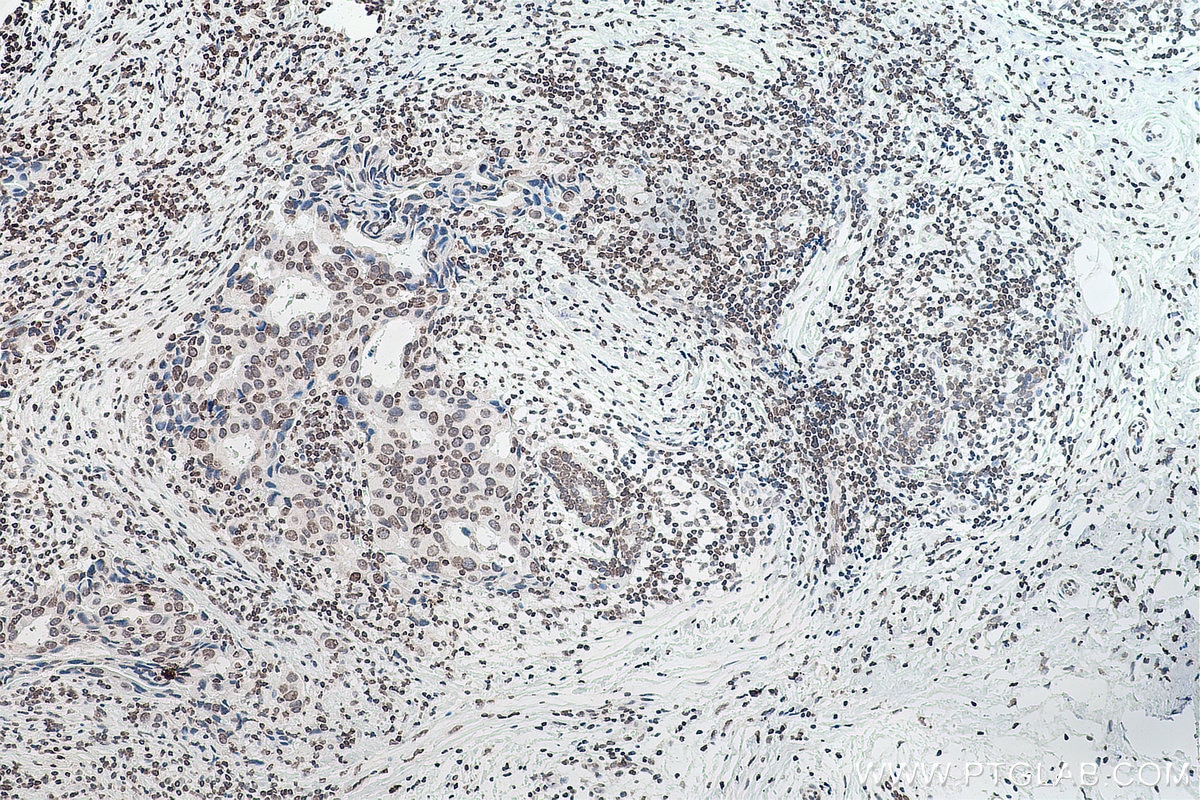
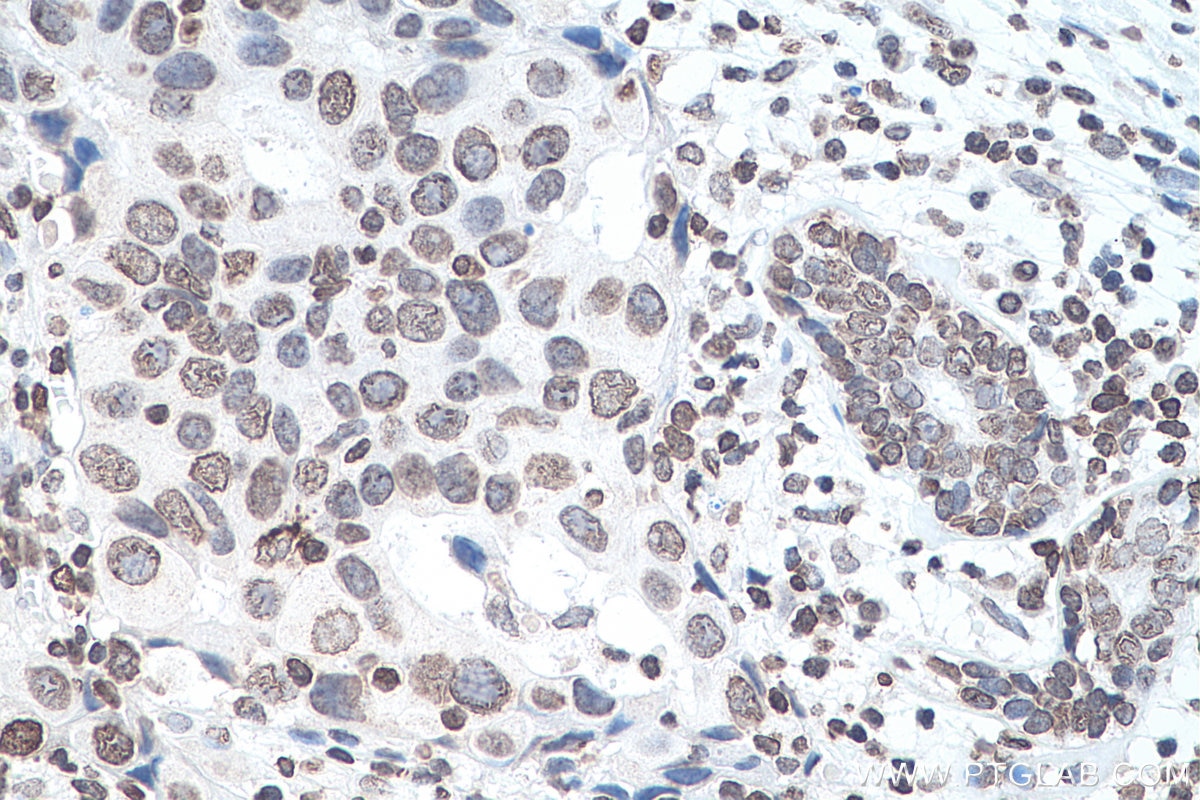
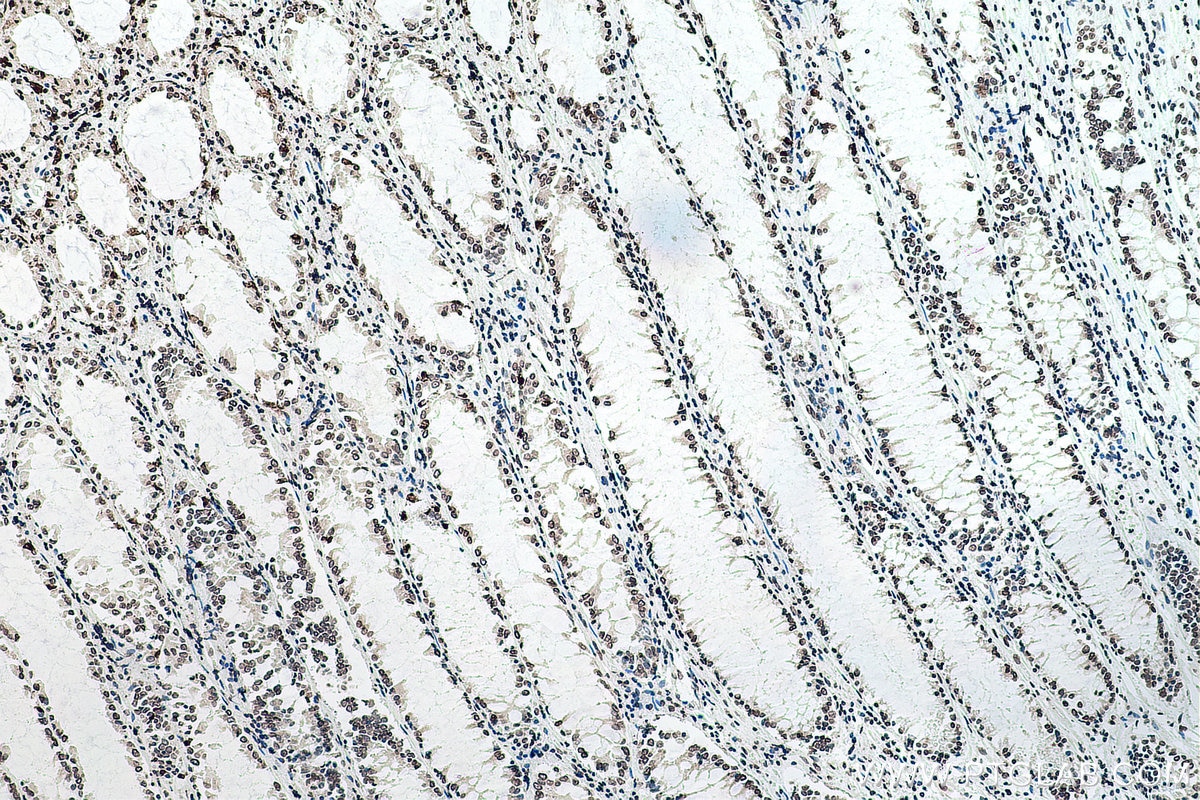
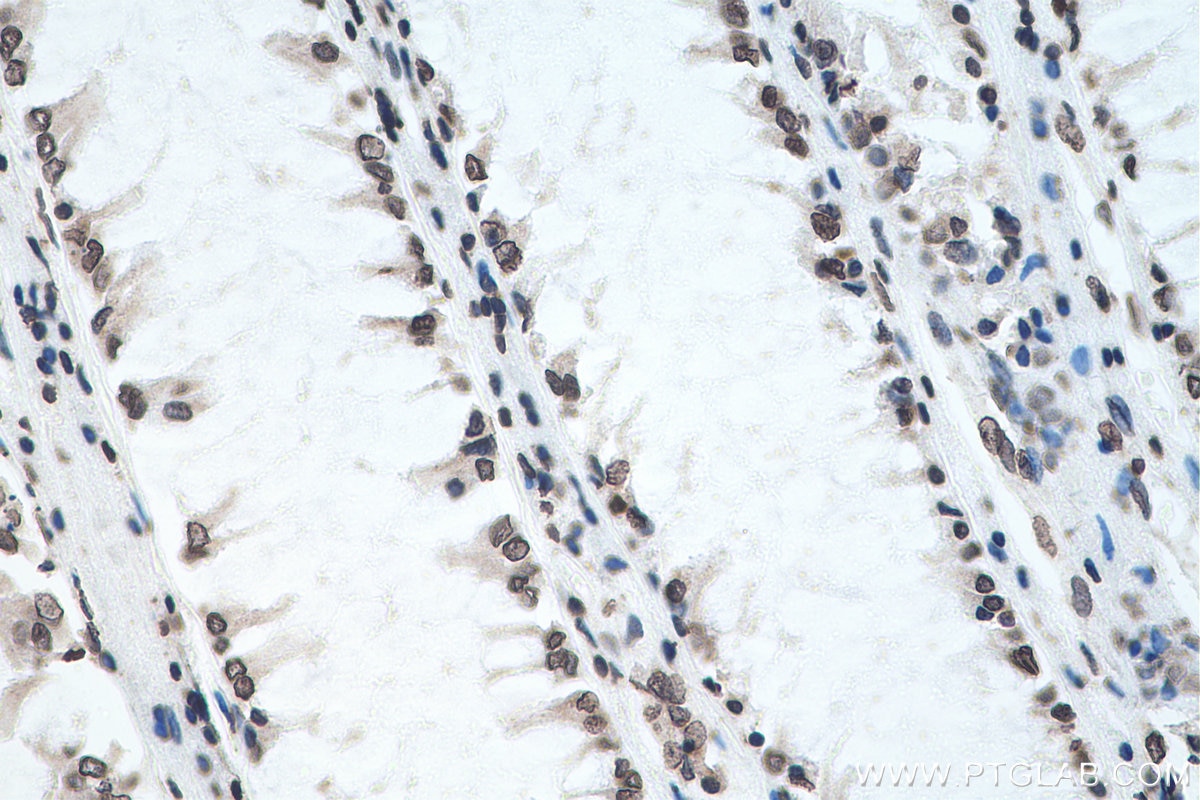
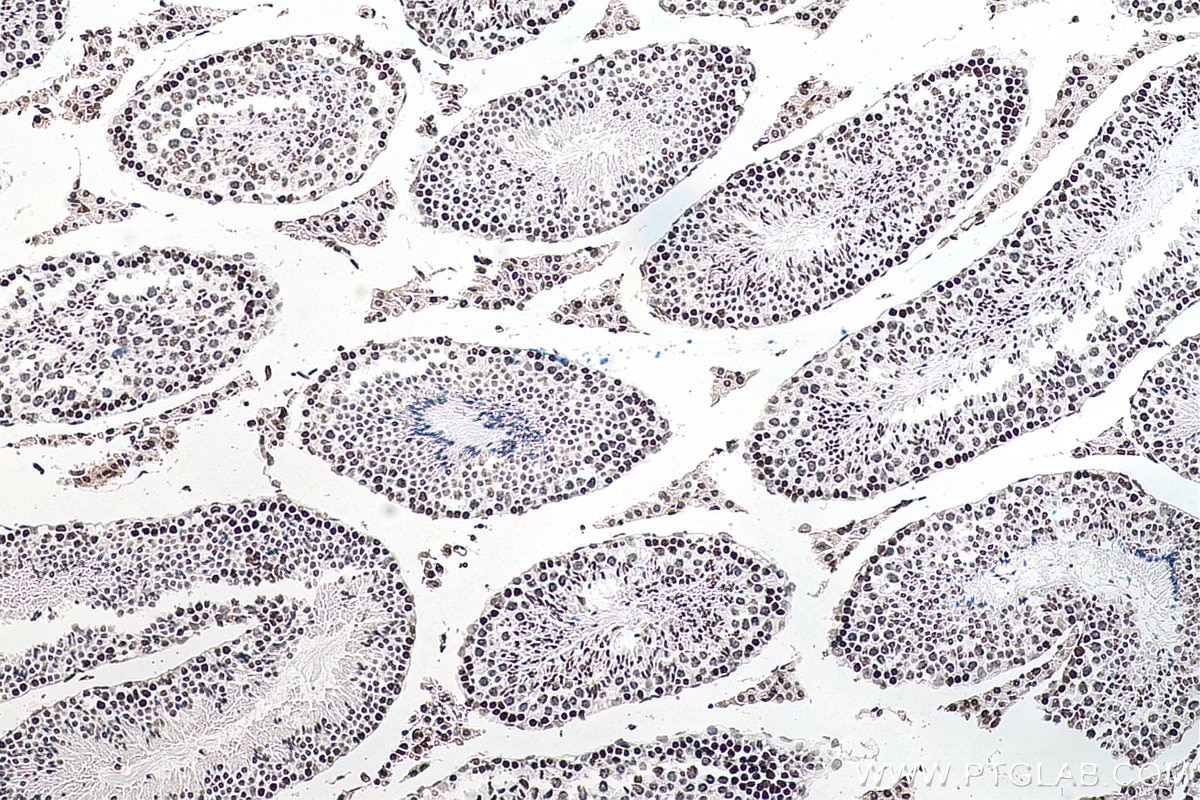
| Positive IHC detected in | mouse testis tissue, human lung cancer tissue, human breast cancer tissue, human colon cancer tissue, rat lymph node Note: suggested antigen retrieval with TE buffer pH 9.0; (*) Alternatively, antigen retrieval may be performed with citrate buffer pH 6.0 |
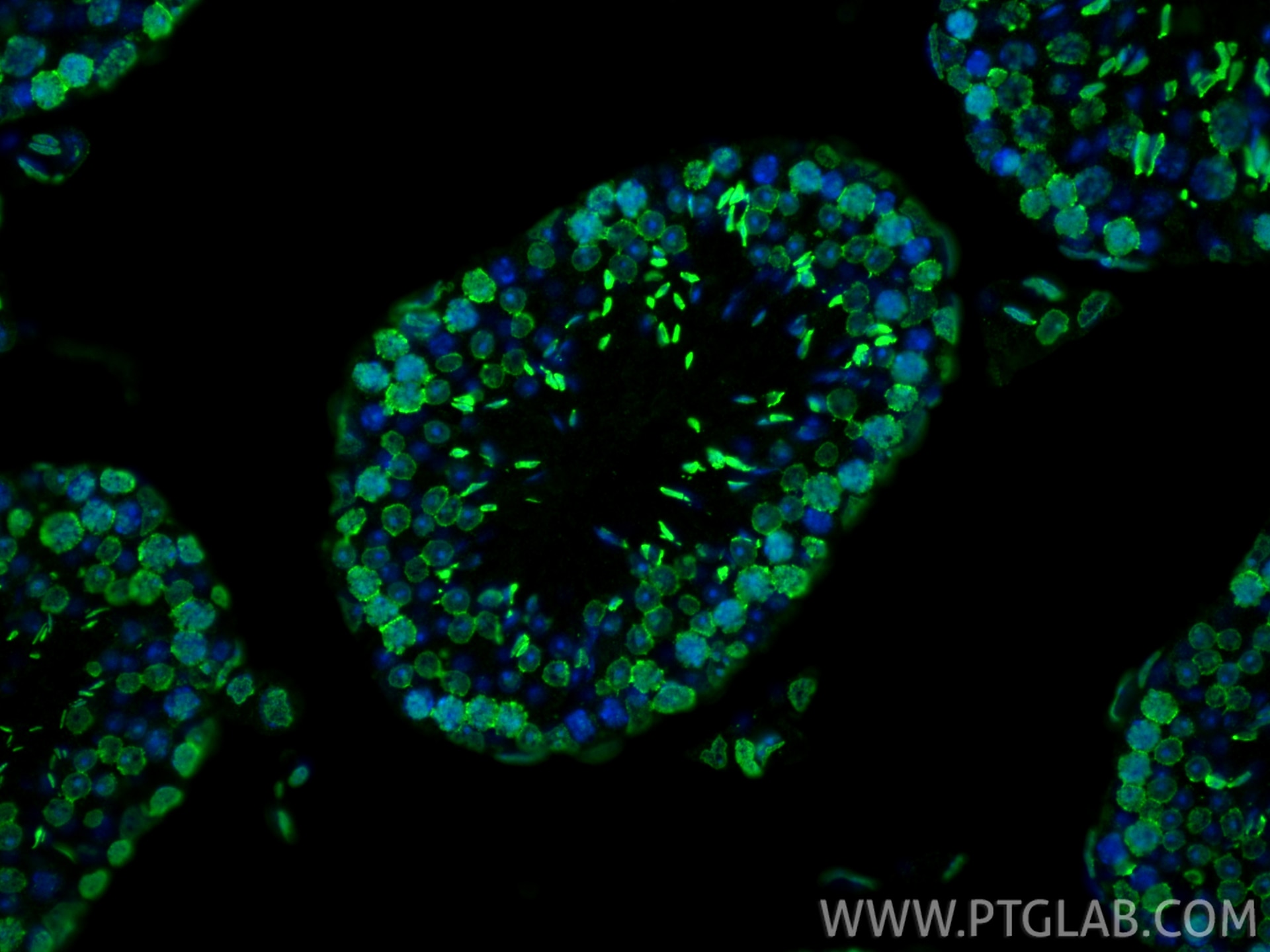
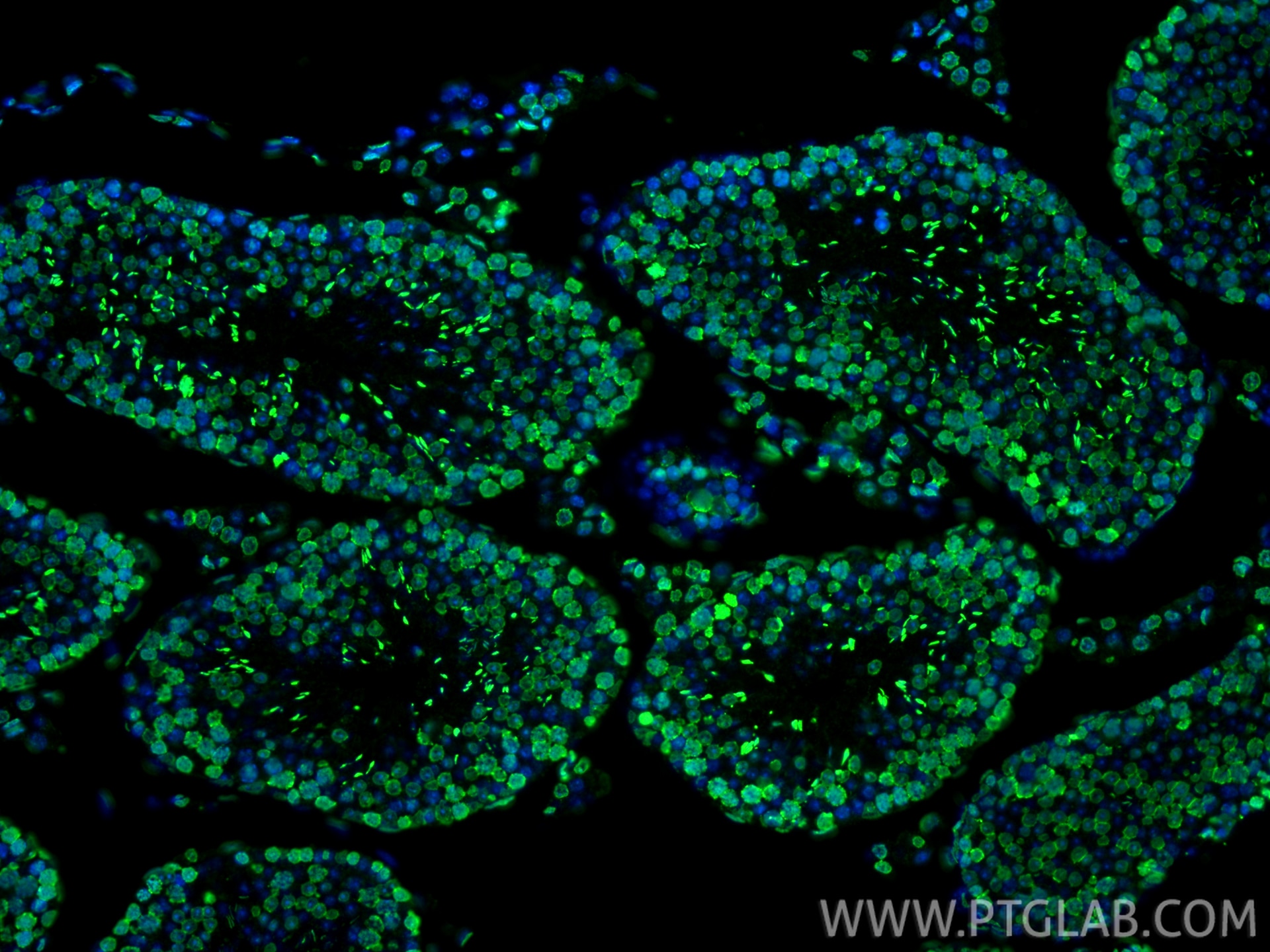
| Positive IF-P detected in | mouse testis tissue |
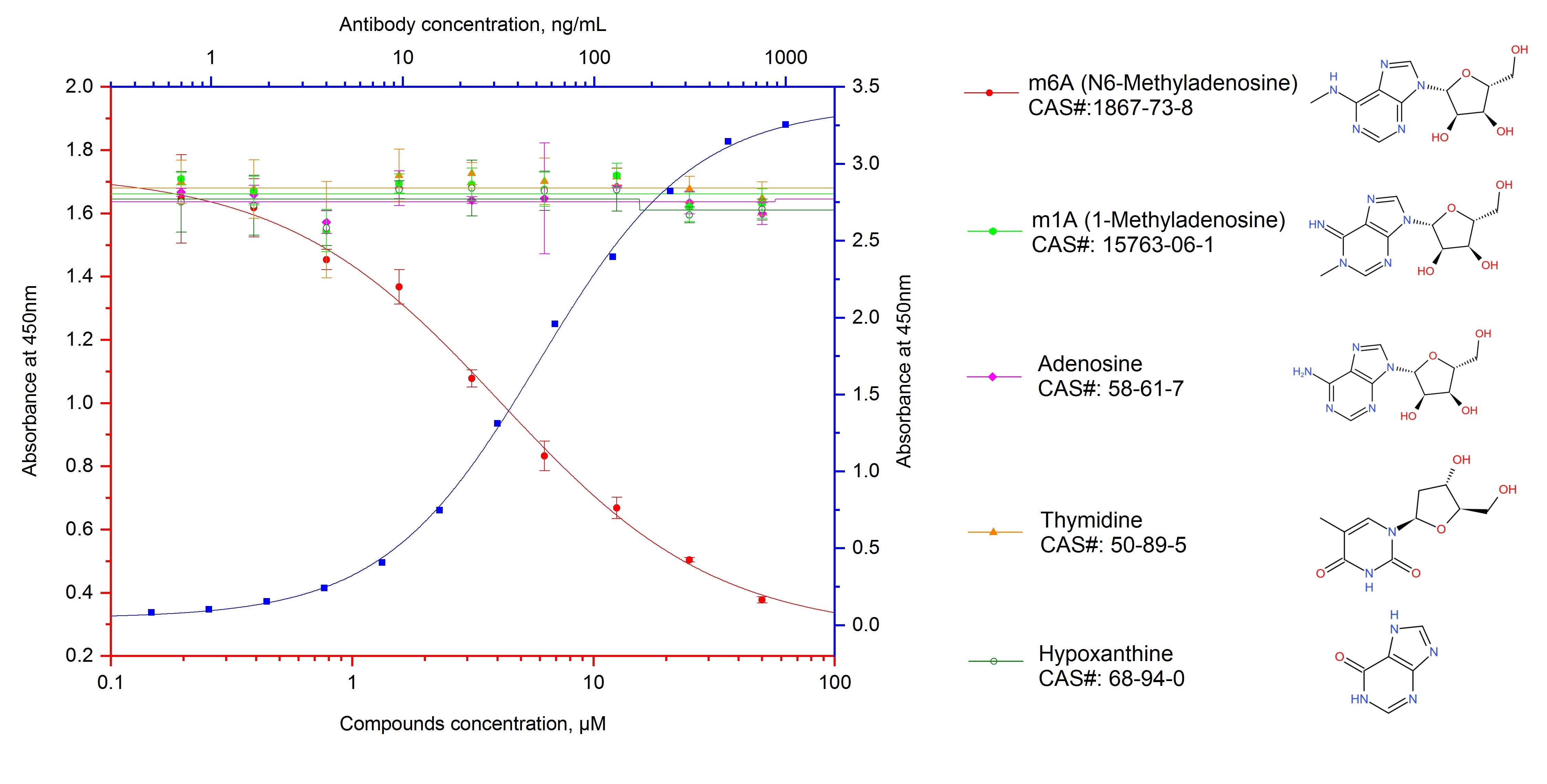
| Positive ELISA detected in | m6A |
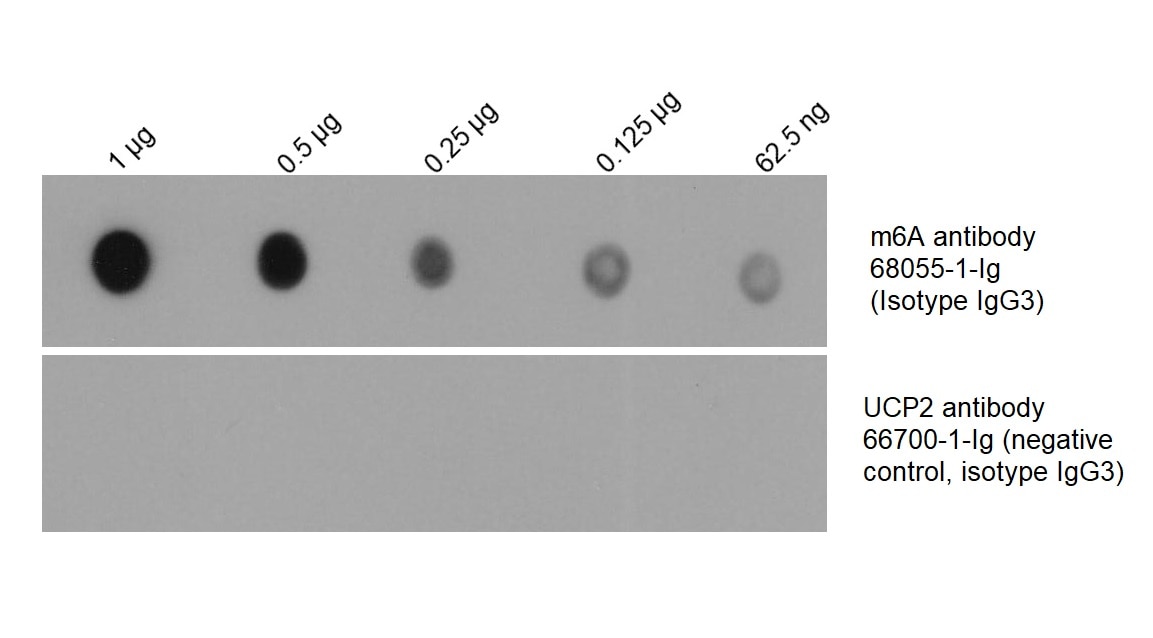
| Positive Dot Blot detected in | RNA |
Recommended dilution
| Application | Dilution |
|---|---|
| RIP | RIP : 5-10μg antibody/mg lysate |
| Immunohistochemistry (IHC) | IHC : 1:2000-1:8000 |
| Immunofluorescence (IF)-P | IF-P : 1:400-1:1600 |
| Enzyme-linked Immunosorbent Assay (ELISA) | ELISA : 1:2000-1:20000 |
| DOT BLOT | DOT BLOT : 1:1000-1:4000 |
| It is recommended that this reagent should be titrated in each testing system to obtain optimal results. | |
| Sample-dependent, Check data in validation data gallery. | |
Product Information
68055-1-Ig targets m6A in WB, IHC, IF-P, IP, ChIP, RIP, Dot Blot, ELISA applications and shows reactivity with chemical compound, m6a samples.
| Tested Reactivity | chemical compound, m6a |
| Cited Reactivity | human, mouse, rat, pig, monkey, chemical compound |
| Host / Isotype | Mouse / IgG3 |
| Class | Monoclonal |
| Type | Antibody |
| Immunogen |
Peptide Predict reactive species |
| Full Name | m6A |
| GenBank Accession Number | m6A |
| Gene Symbol | |
| Gene ID (NCBI) | |
| RRID | AB_2918796 |
| Conjugate | Unconjugated |
| Form | Liquid |
| Purification Method | Protein A purification |
| Storage Buffer | PBS with 0.02% sodium azide and 50% glycerol, pH 7.3. |
| Storage Conditions | Store at -20°C. Stable for one year after shipment. Aliquoting is unnecessary for -20oC storage. 20ul sizes contain 0.1% BSA. |
Background Information
m6A (N6-methyladenosine) is the most abundant internal modification in mammalian mRNA. This modification is installed by the m6A methyltransferases or termed "writers"such as METTL3 and METTL14, and can be reversed by demethylases that serve as "erasers" such as FTO and ALKBH5. The stability of m6A-modified mRNA is regulated by m6A reader protein YTHDFs, which recognizes m6A and reduces the stability of target transcripts. m6A modification and its regulatory proteins play critical roles in cancer pathogenesis and progression. m6A modification is also invovled in viruses life cycles, suggesting that drugs targets to m6A pathway could be used for antiviral thereapy.
Protocol for Dot Blot:
https://www.ptglab.com/protocol/68055-1-IgDotBlot.pdf
Protocols
| Product Specific Protocols | |
|---|---|
| IF protocol for m6A antibody 68055-1-Ig | Download protocol |
| IHC protocol for m6A antibody 68055-1-Ig | Download protocol |
| IP protocol for m6A antibody 68055-1-Ig | Download protocol |
| Standard Protocols | |
|---|---|
| Click here to view our Standard Protocols |
Publications
What published studies show
The m6A Monoclonal antibody (1D5E10), catalog number 68055-1-Ig, has accumulated 226 citations published across numerous journals, including Nature Cell Biology, Nature Communications, Cell Reports, Advanced Science, Oncogene, Autophagy, Cell Death & Differentiation, Science Advances, and FASEB Journal. Associated research fields encompass m6A epitranscriptomics, oncology, ferroptosis, neurodegeneration, cardiovascular disease, immunology, metabolic disorders, fibrosis, and reproductive biology.
| Species | Application | Title |
|---|---|---|
Bioact Mater Vascular wall microenvironment: Endothelial cells original exosomes mediated melatonin-suppressed vascular calcification and vascular ageing in a m6A methylation dependent manner | ||
Nat Cell Biol O-GlcNAcylation determines the translational regulation and phase separation of YTHDF proteins | ||
Nat Cell Biol The lncRNA DAMER selectively guides m6A-dependent regulation of ATF4 and asparagine metabolism under nutrient stress in cancer | ||
Cancer Res Heterogeneous Driving Effects Guide Personalized Tumor Treatments Targeting N6-methyladenosine | ||
Autophagy METTL3-dependent m6A modification of SNAP29 induces "autophagy-mitochondrial crisis" in the ischemic microenvironment after soft tissue transplantation |
Reviews
What customers say
All three reviewers rated this antibody 5 stars. Users report excellent sensitivity and specificity for detecting m⁶A-modified RNA in human cancer cell lines (A549, H1299, BEAS-2B) at a 1:1000 dilution. One user confirmed strong signal in dot blot applications on total RNA from SH-SY5Y cells, while another reported reliable performance in immunoprecipitation with HCT15 cells. Overall, customers consistently highlight its strong performance across multiple applications in human cell lines.
The reviews below have been submitted by verified Proteintech customers who received an incentive for providing their feedback.
Kimaya (Verified Customer) (10-09-2025) | The m⁶A antibody showed excellent sensitivity and specificity in detecting m⁶A-modified RNA isolated from A549 and H1299 human cancer cell lines, as well as from the BEAS-2B wild-type (WT) cell line.
|
Tatyana (Verified Customer) (12-04-2023) | Used for dot blot on total RNA, strong signal
 |
H (Verified Customer) (08-02-2022) | This antibody works great in Human cells lines
|































