


Tested Applications
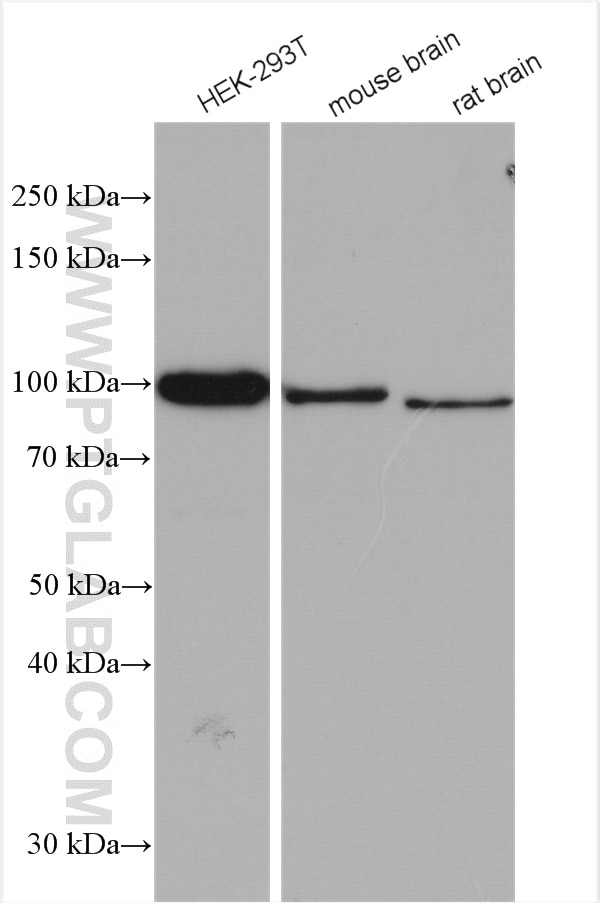
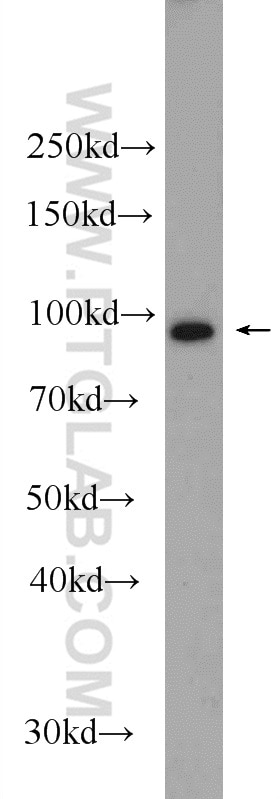
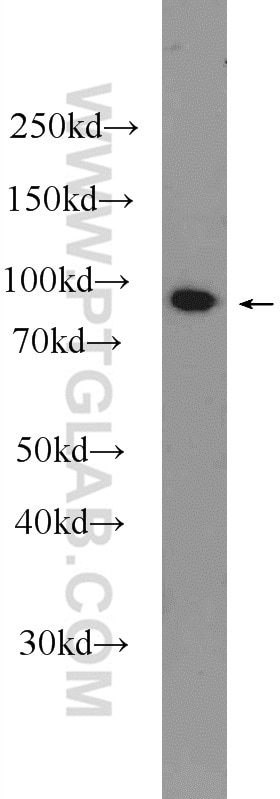
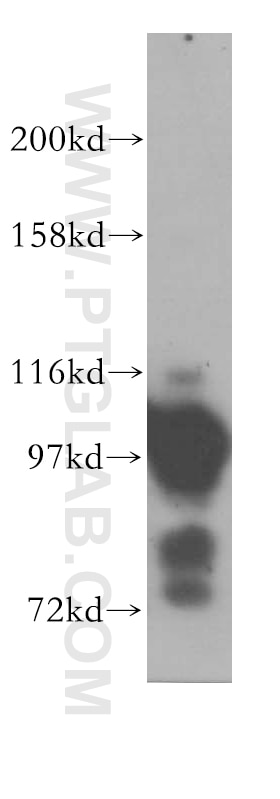
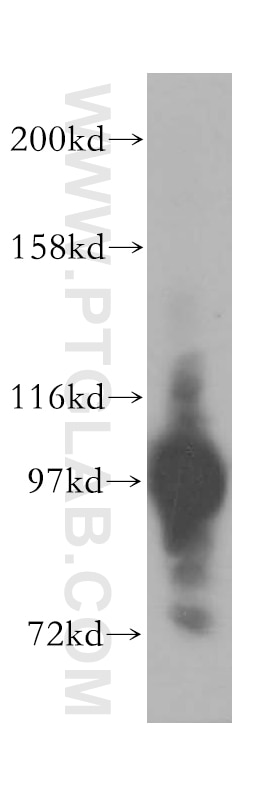
| Positive WB detected in | HEK-293T cells, human colon tissue, human brain tissue, HeLa cells, mouse colon tissue, mouse brain tissue, rat brain tissue |
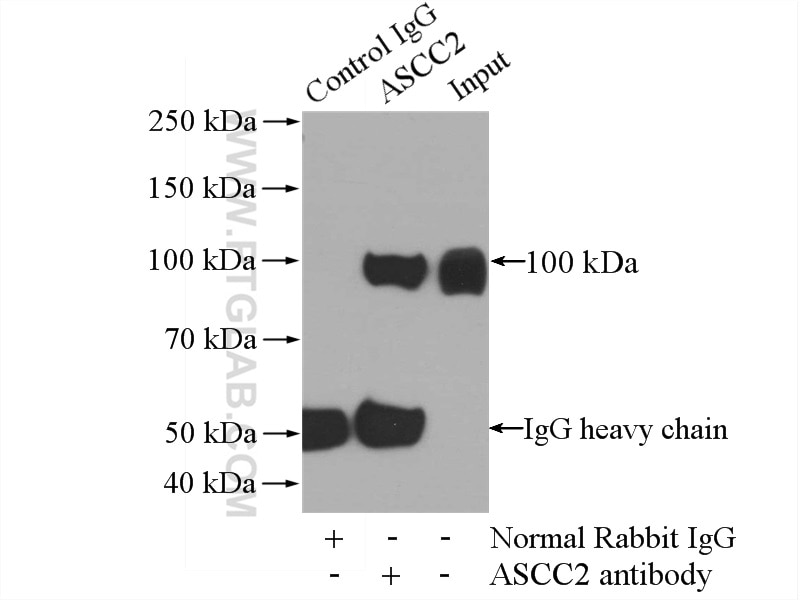
| Positive IP detected in | HeLa cells |
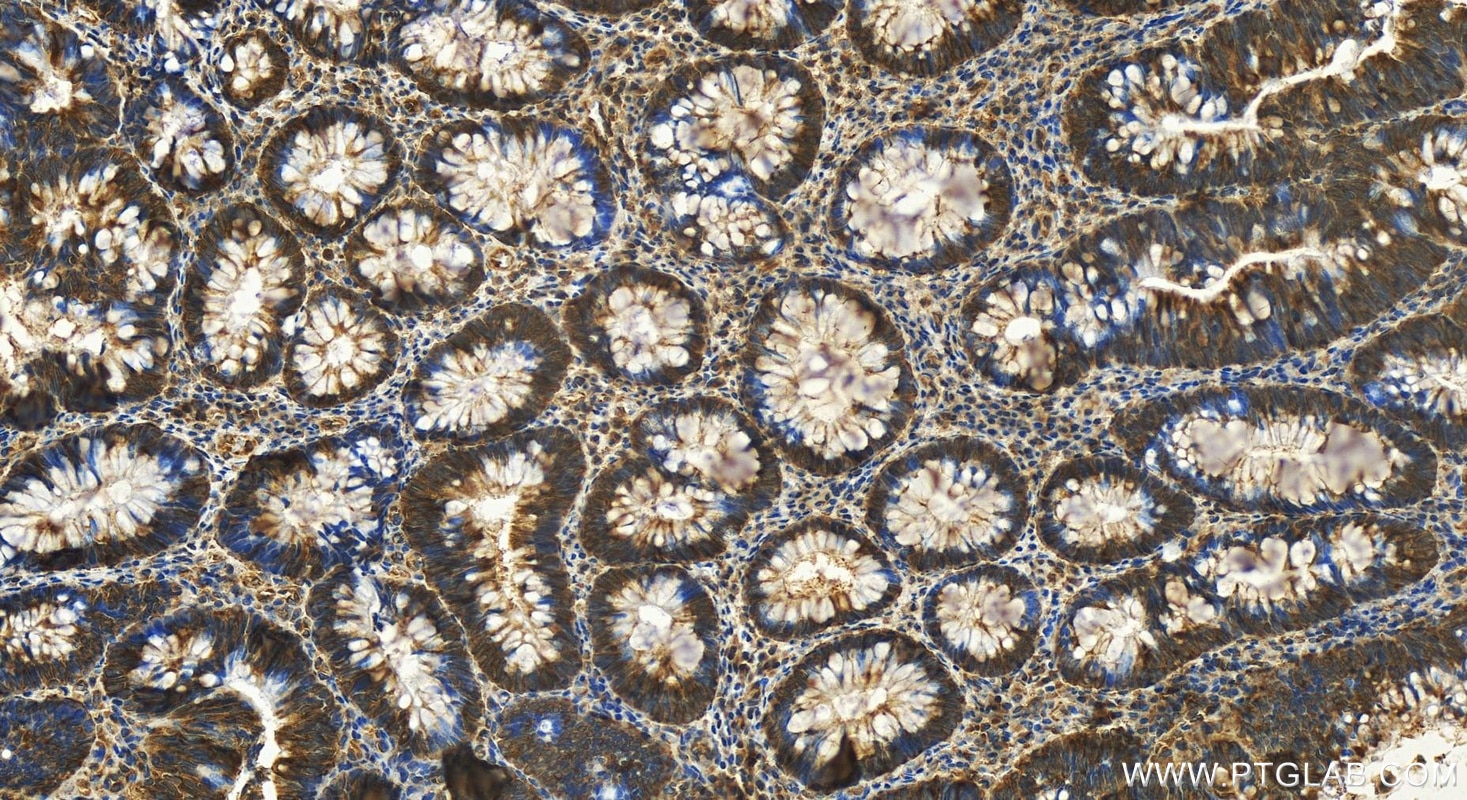
| Positive IHC detected in | human colon cancer tissue Note: suggested antigen retrieval with TE buffer pH 9.0; (*) Alternatively, antigen retrieval may be performed with citrate buffer pH 6.0 |
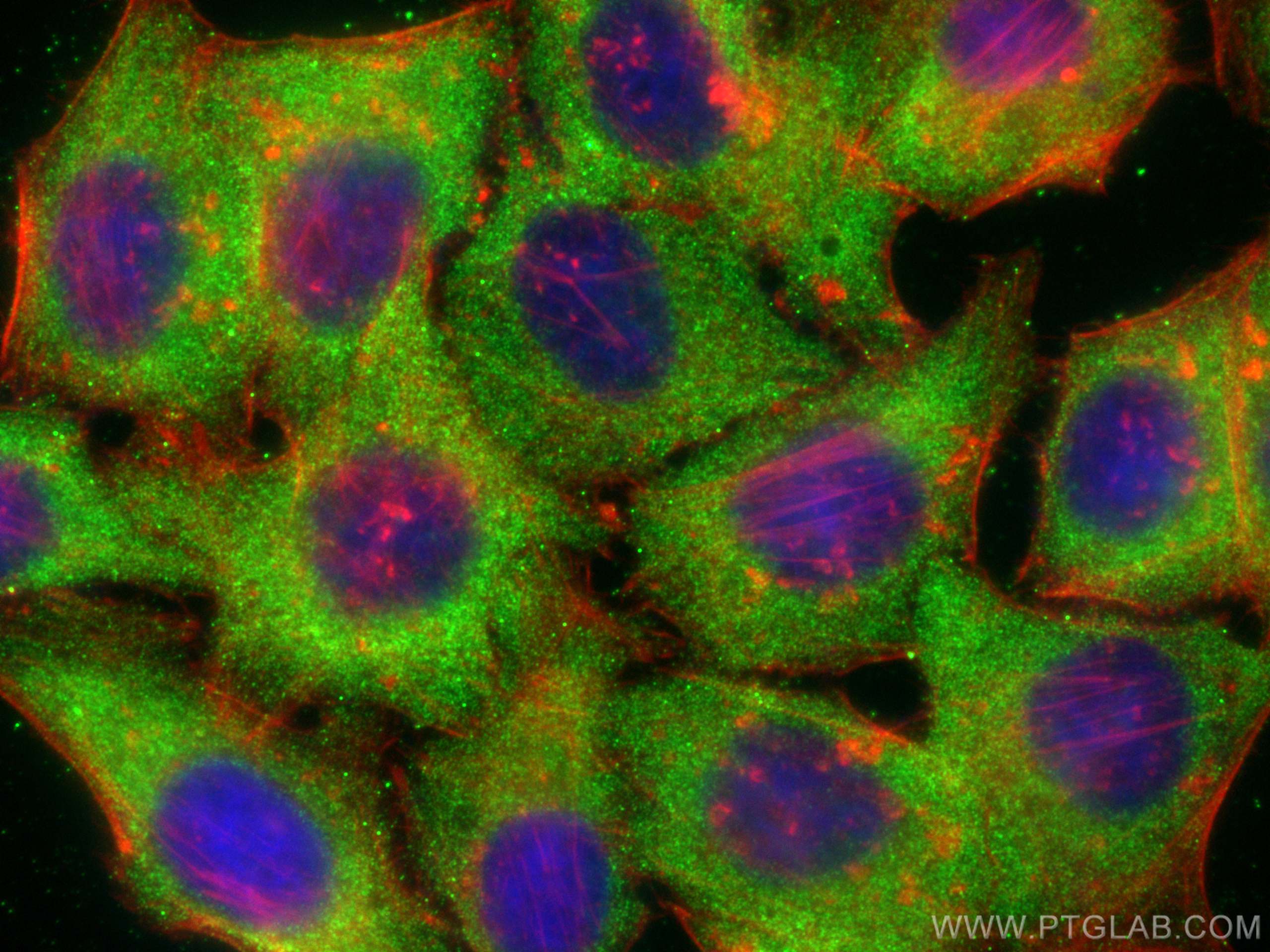
| Positive IF/ICC detected in | HepG2 cells |
| Positive FC (Intra) detected in | HepG2 cells |
Recommended dilution
| Application | Dilution |
|---|---|
| Western Blot (WB) | WB : 1:500-1:3000 |
| Immunoprecipitation (IP) | IP : 0.5-4.0 ug for 1.0-3.0 mg of total protein lysate |
| Immunohistochemistry (IHC) | IHC : 1:50-1:500 |
| Immunofluorescence (IF)/ICC | IF/ICC : 1:50-1:500 |
| Flow Cytometry (FC) (INTRA) | FC (INTRA) : 0.40 ug per 10^6 cells in a 100 µl suspension |
| It is recommended that this reagent should be titrated in each testing system to obtain optimal results. | |
| Sample-dependent, Check data in validation data gallery. | |
Product Information
11529-1-AP targets ASCC2 in WB, IHC, IF/ICC, FC (Intra), IP, ELISA applications and shows reactivity with human, mouse, rat samples.
| Tested Reactivity | human, mouse, rat |
| Cited Reactivity | human, mouse |
| Host / Isotype | Rabbit / IgG |
| Class | Polyclonal |
| Type | Antibody |
| Immunogen |
CatNo: Ag2100 Product name: Recombinant human ASCC2 protein Source: e coli.-derived, PGEX-4T Tag: GST Domain: 408-757 aa of BC025368 Sequence: RRKATDAKDPSVIEEPNGEPNGVTVTAEAVSQASSHPENSEEEECMGAAAAVGPAMCGVELDSLISQVKDLLPDLGEGFILACLEYYHYDPEQVINNILEERLAPTLSQLDRNLDREMKPDPTPLLTSRHNVFQNDEFDVFSRDSVDLSRVHKGKSTRKEENTRSLLNDKRAVAAQRQRYEQYSVVVEEVPLQPGESLPYHSVYYEDEYDDTYDGNQVGANDADSDDELISRRPFTIPQVLRTKVPREGQEEDDDDEEDDADEEAPKPDHFVQDPAVLREKAEARRMAFLAKKGYRHDSSTAVAGSPRGHGQSRETTQERRKKEANKATRANHNRRTMADRKRSKGMIPS Predict reactive species |
| Full Name | activating signal cointegrator 1 complex subunit 2 |
| Calculated Molecular Weight | 757 aa, 86 kDa |
| Observed Molecular Weight | 90-100 kDa |
| GenBank Accession Number | BC025368 |
| Gene Symbol | ASCC2 |
| Gene ID (NCBI) | 84164 |
| RRID | AB_2059358 |
| Conjugate | Unconjugated |
| Form | Liquid |
| Purification Method | Antigen affinity purification |
| UNIPROT ID | Q9H1I8 |
| Storage Buffer | PBS with 0.02% sodium azide and 50% glycerol, pH 7.3. |
| Storage Conditions | Store at -20°C. Stable for one year after shipment. Aliquoting is unnecessary for -20oC storage. 20ul sizes contain 0.1% BSA. |
Background Information
ASCC2, also known as ASC1p100, is a subunit of the activating signal cointegrator 1 complex. ASCC2 plays a role in DNA damage repair as a component of the ASCC complex, recruiting ASCC3 and ALKBH3 to sites of DNA damage by binding to polyubiquitinated proteins that have 'Lys-63'-linked polyubiquitin chains. Additionally, it is part of the ASC-1 complex that enhances NF-kappa-B, SRF, and AP1 transactivation(PMID: 29144457, 12077347).
Protocols
| Product Specific Protocols | |
|---|---|
| FC protocol for ASCC2 antibody 11529-1-AP | Download protocol |
| IF protocol for ASCC2 antibody 11529-1-AP | Download protocol |
| IHC protocol for ASCC2 antibody 11529-1-AP | Download protocol |
| IP protocol for ASCC2 antibody 11529-1-AP | Download protocol |
| WB protocol for ASCC2 antibody 11529-1-AP | Download protocol |
| Standard Protocols | |
|---|---|
| Click here to view our Standard Protocols |
Publications
What published studies show
The anti-ASCC2 antibody (Cat# 11529-1-AP) has 7 total citations across journals including Nature Communications, Cell Reports, Biomarkers Research, Scientific Reports, Chinese Medicine, and bioRxiv. Research fields span DNA repair, replication stress response, gastric cancer, lung adenocarcinoma progression, histone modification–regulated LncRNA biology, and Notch signaling in cartilage degradation. Applications include WB, IP, IF, and IHC in human and mouse samples.
| Species | Application | Title |
|---|---|---|
Nat Commun Extended DNA threading through a dual-engine motor module of the activating signal co-integrator 1 complex | ||
Nat Commun The interaction of DNA repair factors ASCC2 and ASCC3 is affected by somatic cancer mutations. | ||
Biomark Res Histone modification-regulated LncRNA DLEU1 interacts with ASCC2/ALKBH3 complex to drive DNA repair, antioxidant homeostasis and glucose metabolism in gastric cancer. | ||
Cell Rep Ski2-like helicase ASCC3 unwinds DNA upon fork stalling to control replication stress responses. | ||
Chin Med Du Huo Ji Sheng Tang inhibits Notch1 signaling and subsequent NLRP3 activation to alleviate cartilage degradation in KOA mice | ||
Sci Rep Pan-cancer analysis reveals ASCC family promotes the cancer progression of lung adenocarcinoma.
|










