

Tested Applications
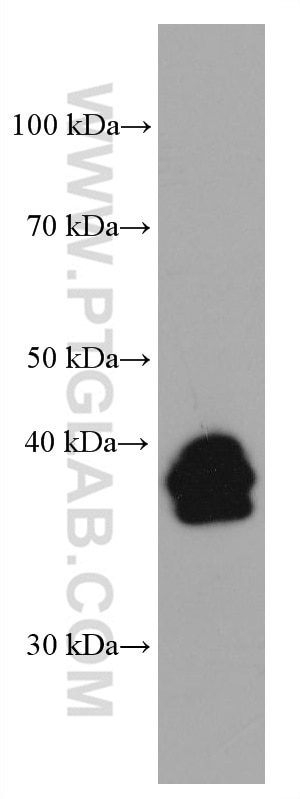
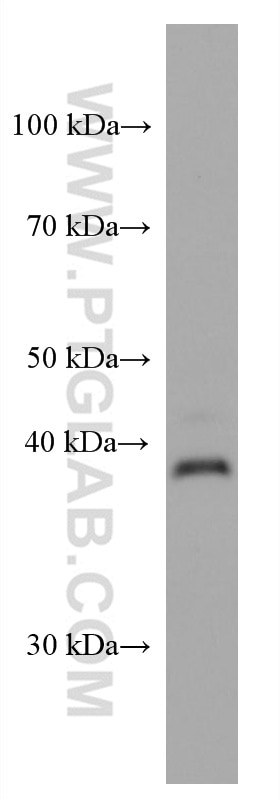
| Positive WB detected in | U2OS cells, human placenta tissue |
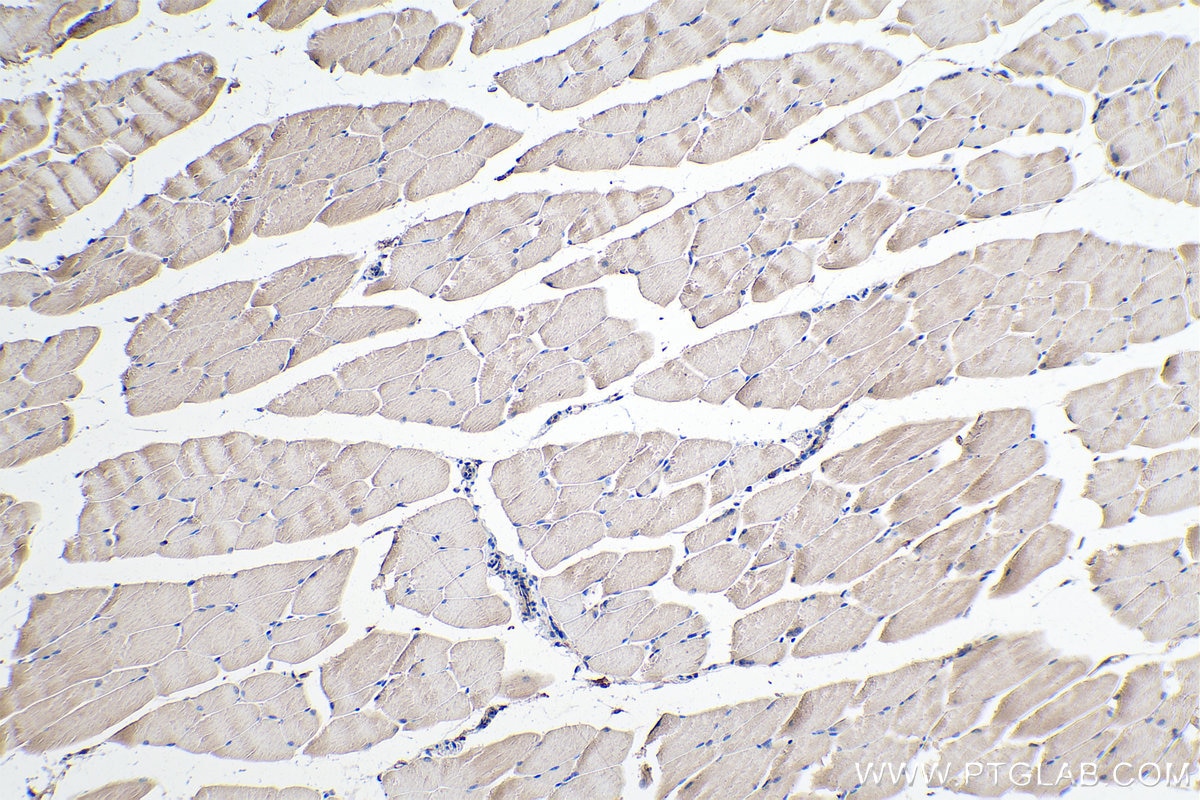
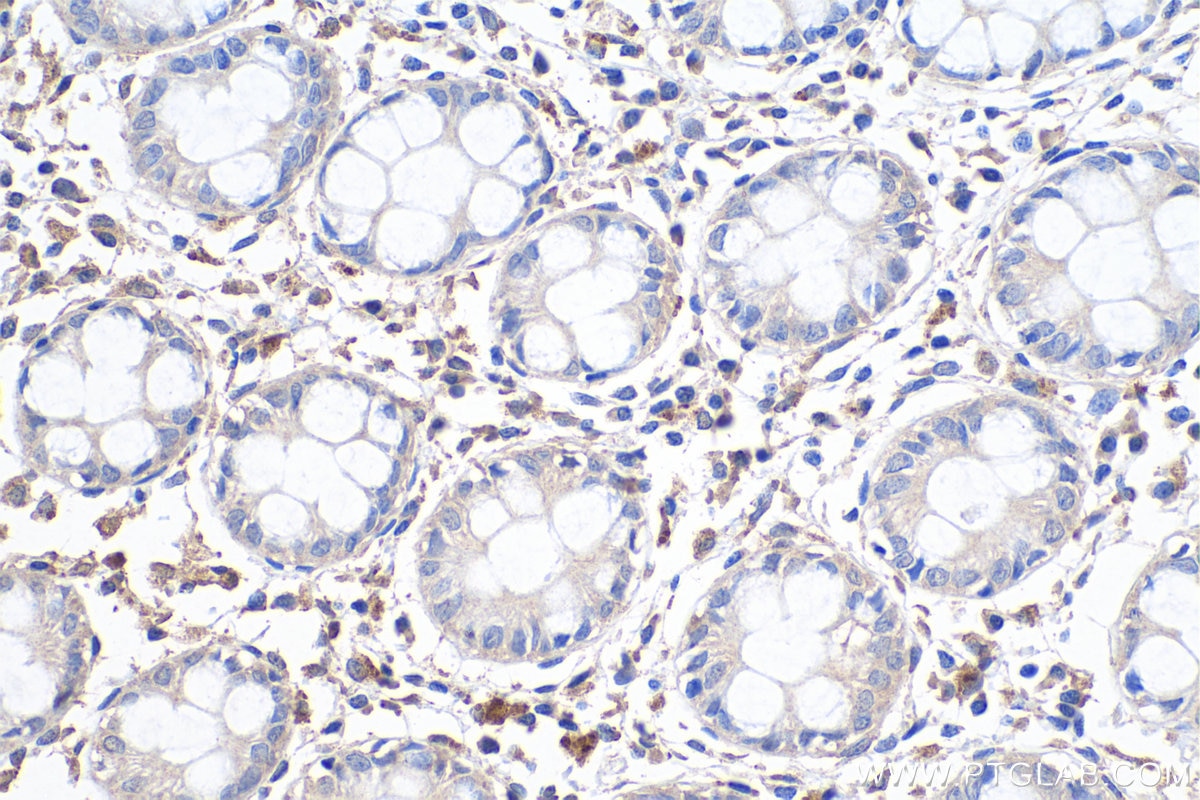
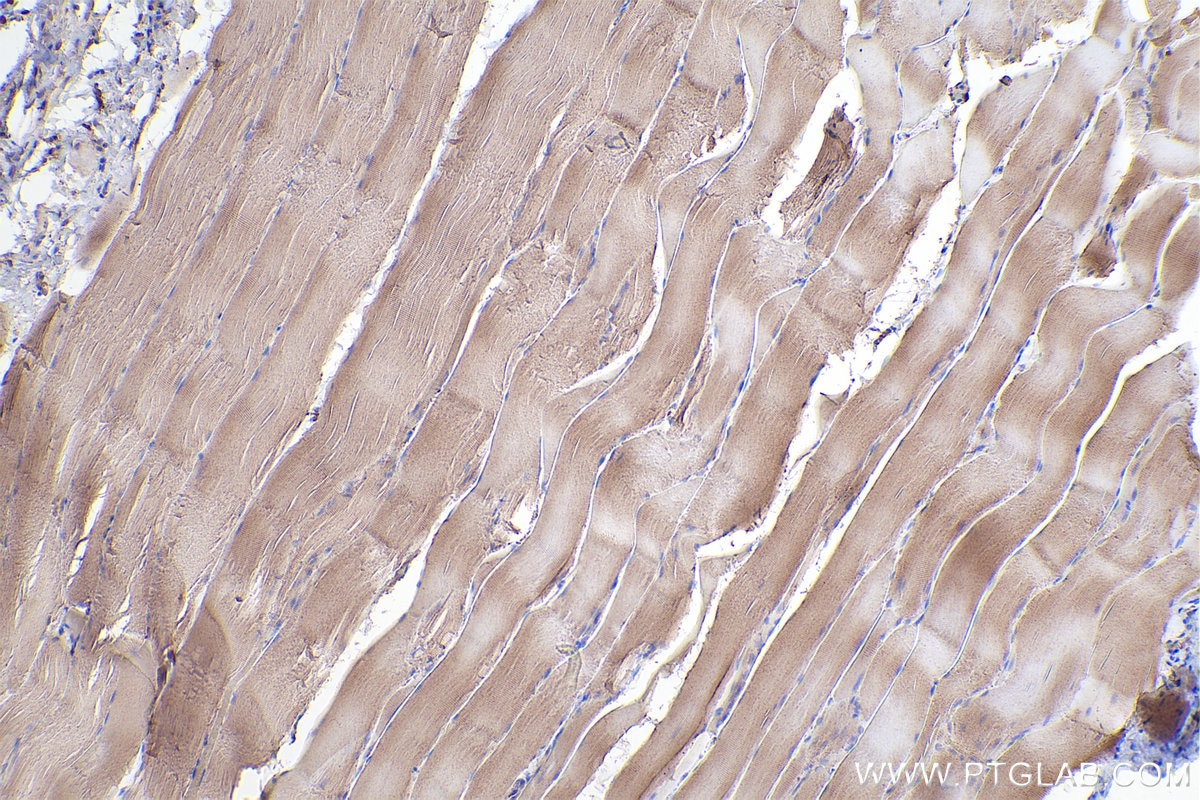
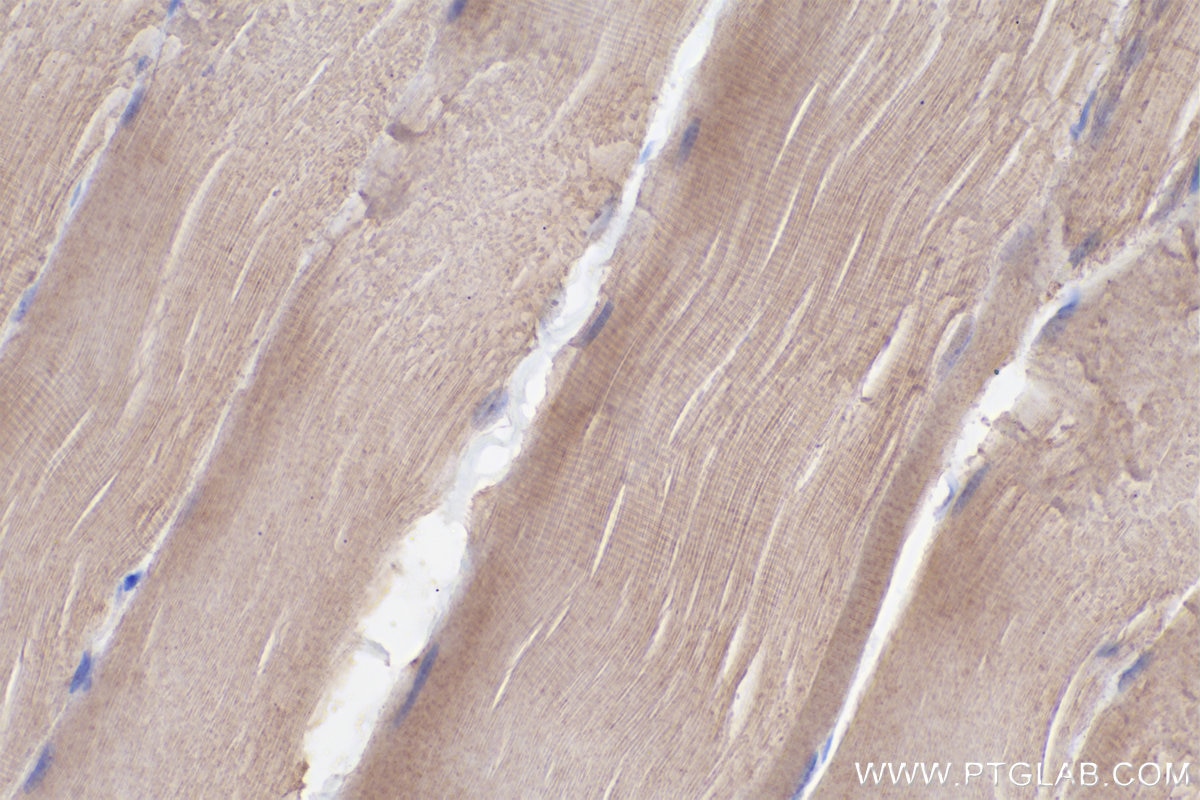
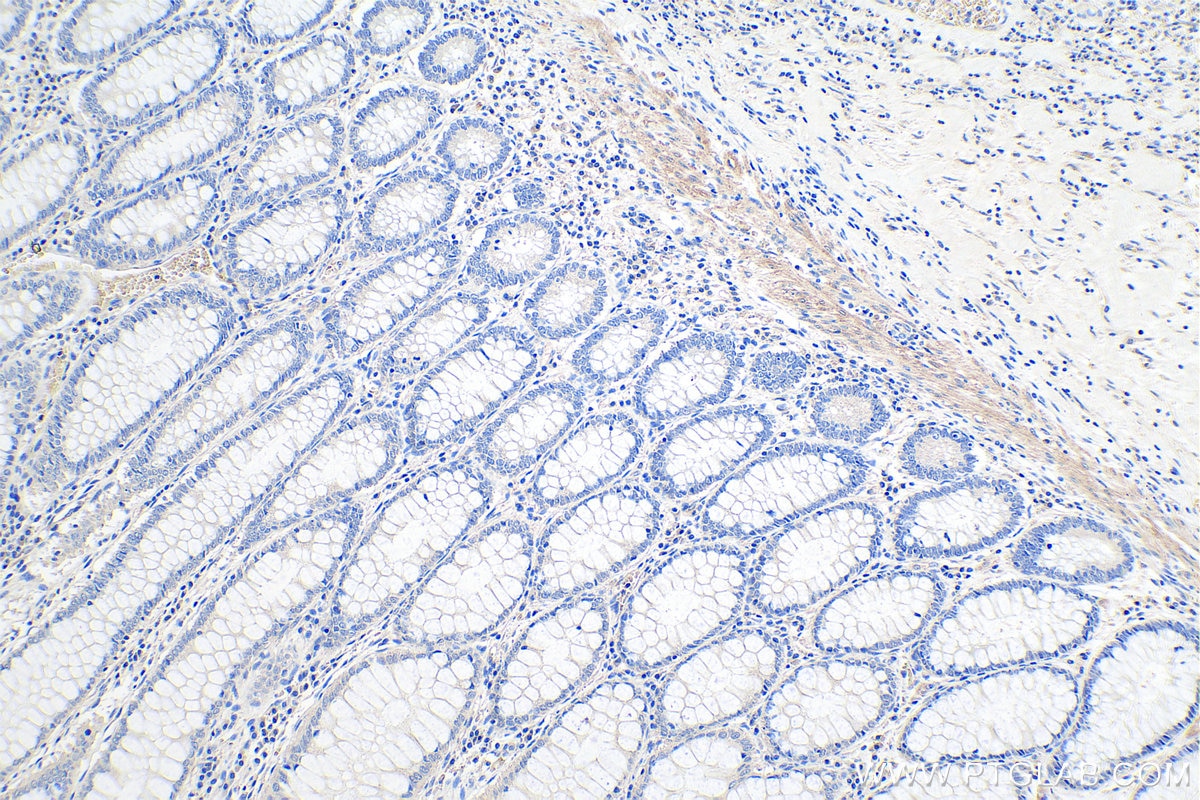
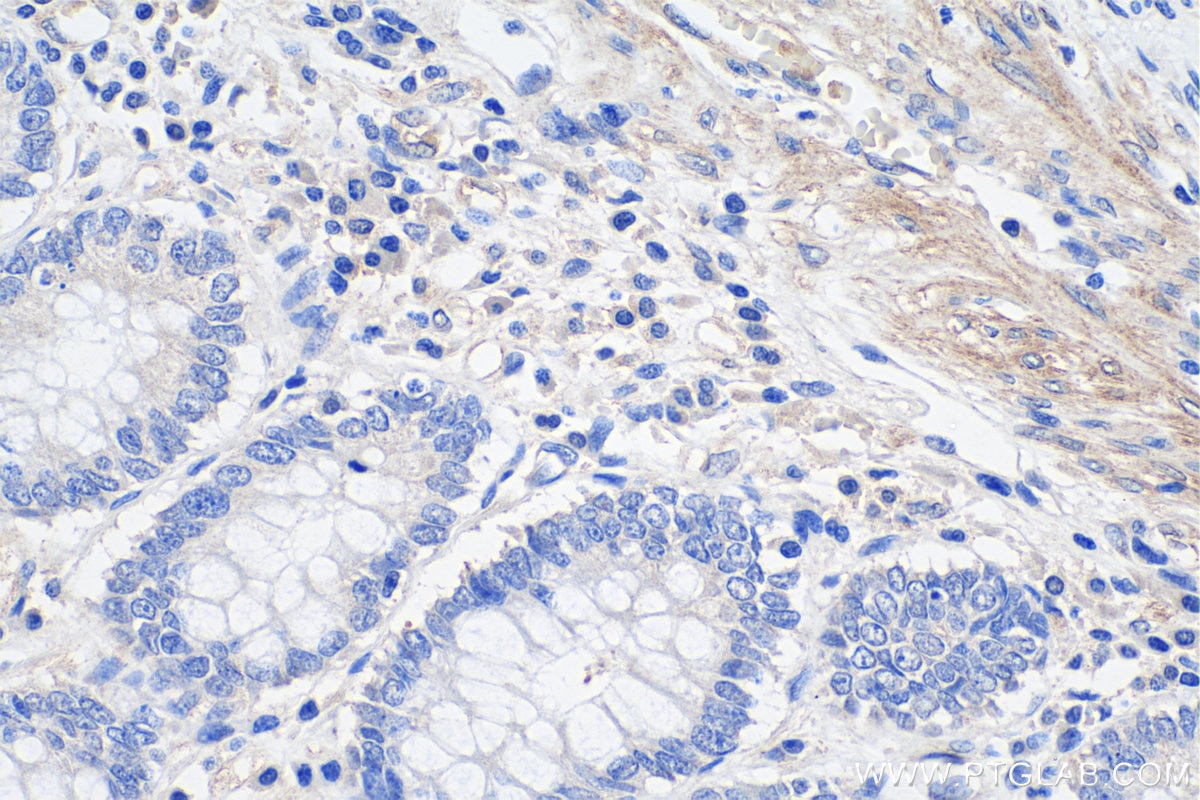
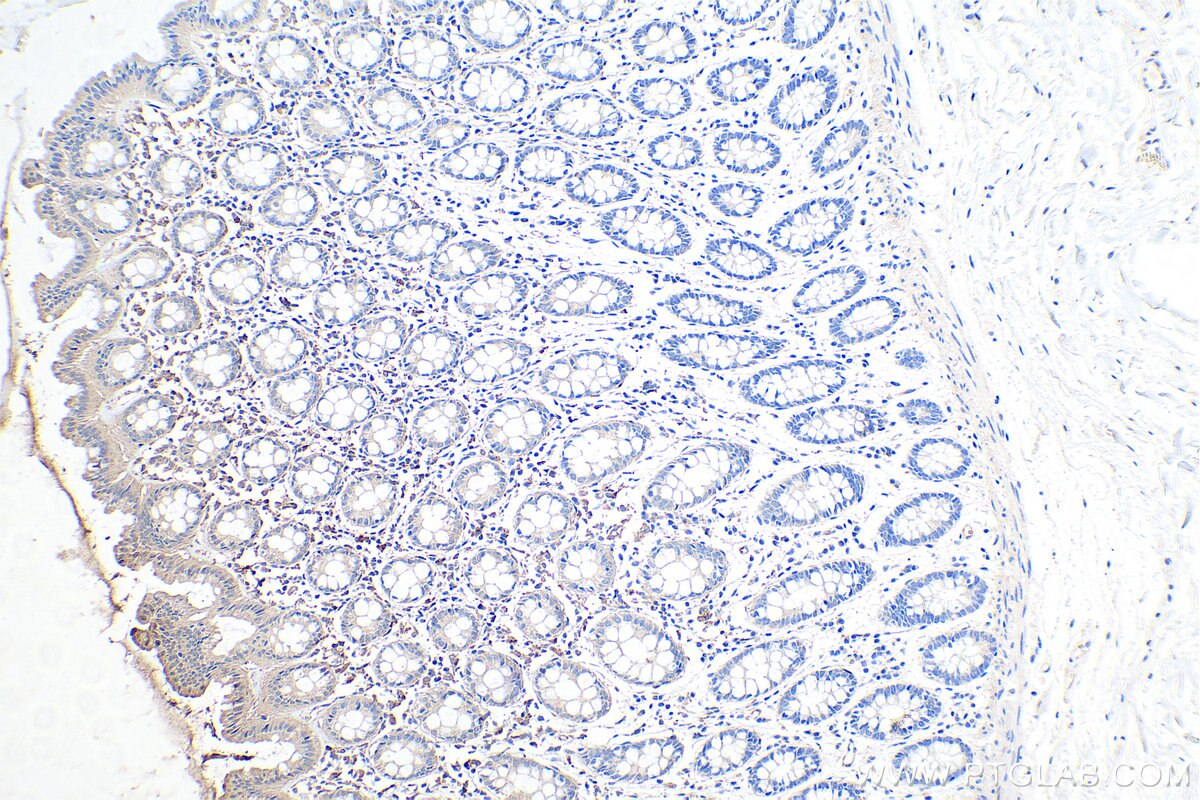
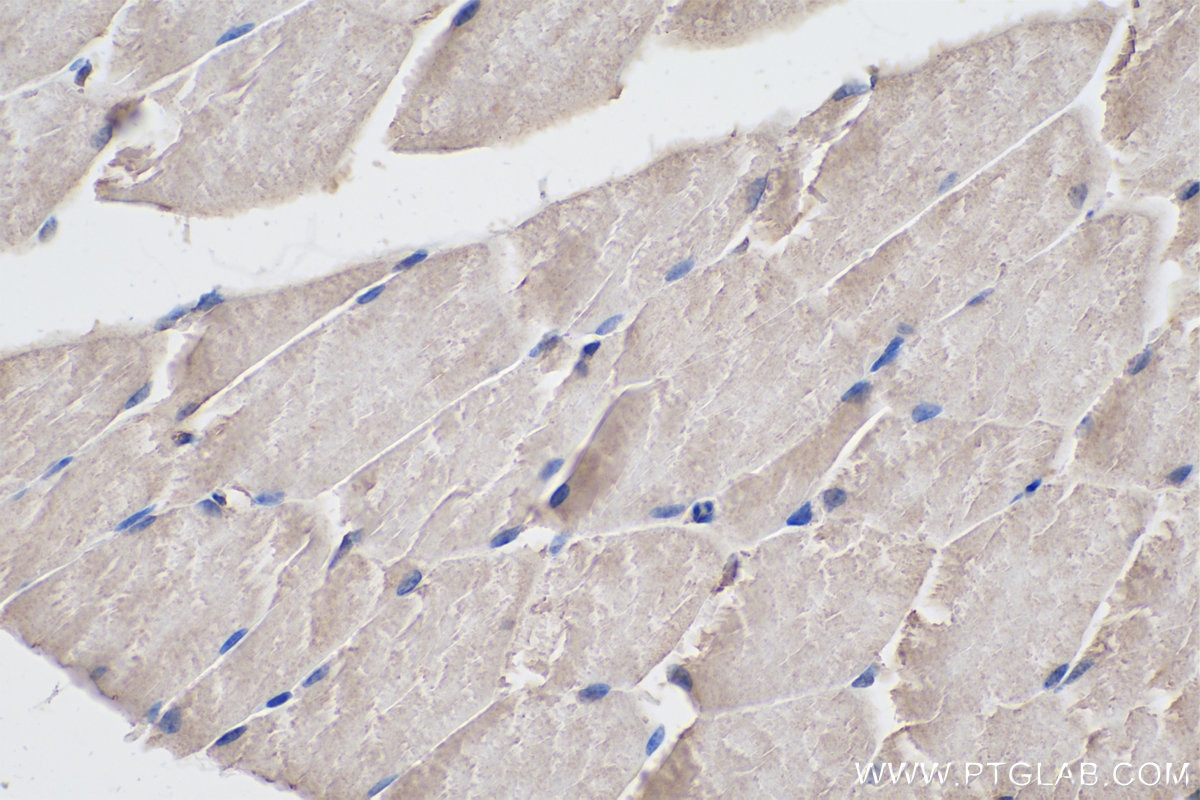
| Positive IHC detected in | human colon tissue, mouse skeletal muscle tissue, rat skeletal muscle tissue, human colon cancer tissue Note: suggested antigen retrieval with TE buffer pH 9.0; (*) Alternatively, antigen retrieval may be performed with citrate buffer pH 6.0 |
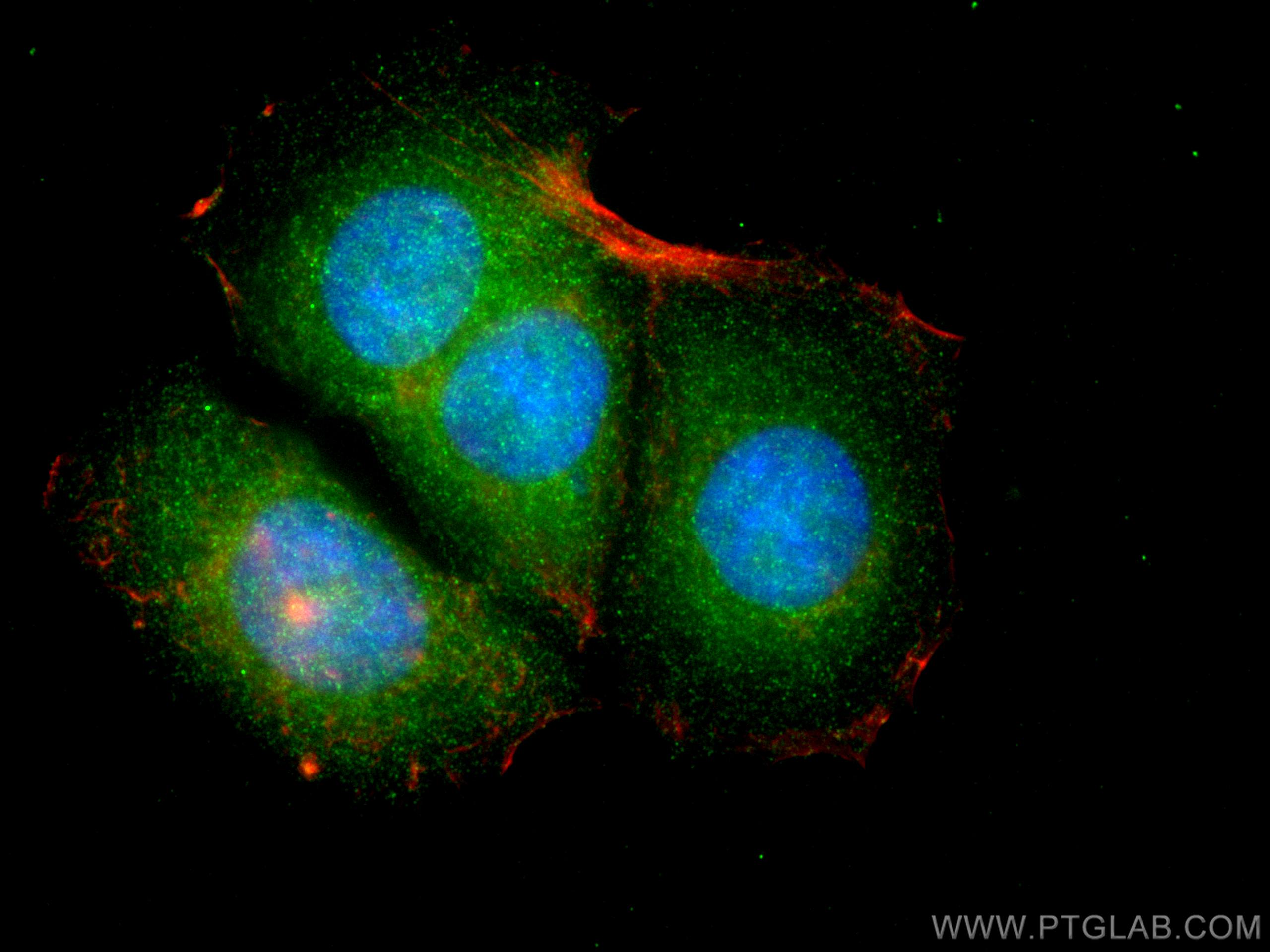
| Positive IF/ICC detected in | MCF-7 cells |
Recommended dilution
| Application | Dilution |
|---|---|
| Western Blot (WB) | WB : 1:5000-1:50000 |
| Immunohistochemistry (IHC) | IHC : 1:250-1:1000 |
| Immunofluorescence (IF)/ICC | IF/ICC : 1:200-1:800 |
| It is recommended that this reagent should be titrated in each testing system to obtain optimal results. | |
| Sample-dependent, Check data in validation data gallery. | |
Product Information
67834-1-Ig targets LMCD1 in WB, IHC, IF/ICC, ELISA applications and shows reactivity with human, mouse, rat samples.
| Tested Reactivity | human, mouse, rat |
| Cited Reactivity | human, mouse |
| Host / Isotype | Mouse / IgG1 |
| Class | Monoclonal |
| Type | Antibody |
| Immunogen |
CatNo: Ag28331 Product name: Recombinant human LMCD1 protein Source: e coli.-derived, PET28a Tag: 6*His Domain: 1-365 aa of BC000646 Sequence: MAKVAKDLNPGVKKMSLGQLQSARGVACLGCKGTCSGFEPHSWRKICKSCKCSQEDHCLTSDLEDDRKIGRLLMDSKYSTLTARVKGGDGIRIYKRNRMIMTNPIATGKDPTFDTITYEWAPPGVTQKLGLQYMELIPKEKQPVTGTEGAFYRRRQLMHQLPIYDQDPSRCRGLLENELKLMEEFVKQYKSEALGVGEVALPGQGGLPKEEGKQQEKPEGAETTAATTNGSLSDPSKEVEYVCELCKGAAPPDSPVVYSDRAGYNKQWHPTCFVCAKCSEPLVDLIYFWKDGAPWCGRHYCESLRPRCSGCDEIIFAEDYQRVEDLAWHRKHFVCEGCEQLLSGRAYIVTKGQLLCPTCSKSKRS Predict reactive species |
| Full Name | LIM and cysteine-rich domains 1 |
| Calculated Molecular Weight | 41 kDa |
| Observed Molecular Weight | ~40 kDa |
| GenBank Accession Number | BC000646 |
| Gene Symbol | LMCD1 |
| Gene ID (NCBI) | 29995 |
| RRID | AB_2918596 |
| Conjugate | Unconjugated |
| Form | Liquid |
| Purification Method | Protein G purification |
| UNIPROT ID | Q9NZU5 |
| Storage Buffer | PBS with 0.02% sodium azide and 50% glycerol, pH 7.3. |
| Storage Conditions | Store at -20°C. Stable for one year after shipment. Aliquoting is unnecessary for -20oC storage. 20ul sizes contain 0.1% BSA. |
Background Information
LIM and cysteine-rich domains-1 (LMCD1) is a member of the LIM protein family, which contains an N-terminal cysteine-rich region, two C-terminal LIM domains and a central PET (Prickle, Espinas, and Testin) domain. LMCD1 has been reported in cardiac tissues and lung acting as a transcriptional repressor for GATA6. The mutations of LMCD1 promote cell migration and tumor metastasis in hepatocellular carcinoma. (PMID: 31501411) It has calculated molecular weight around 41kDa.
Protocols
| Product Specific Protocols | |
|---|---|
| IF protocol for LMCD1 antibody 67834-1-Ig | Download protocol |
| IHC protocol for LMCD1 antibody 67834-1-Ig | Download protocol |
| WB protocol for LMCD1 antibody 67834-1-Ig | Download protocol |
| Standard Protocols | |
|---|---|
| Click here to view our Standard Protocols |
Publications
What published studies show
The LMCD1 Monoclonal antibody (cat. no. 67834-1-Ig) has a total of 1 citation in the journal Experimental Eye Research (Impact Factor 3.1, published 2024-10-17). The associated research field is ophthalmology—specifically corneal biology, covering the role of LMCD1 in myofibroblast differentiation and corneal fibrosis. The study used mouse and human samples and applied Western blot (WB) analysis.
| Species | Application | Title |
|---|---|---|
Exp Eye Res TGF-β1-mediated upregulation of LMCD1 drives corneal myofibroblast differentiation and corneal fibrosis |












