
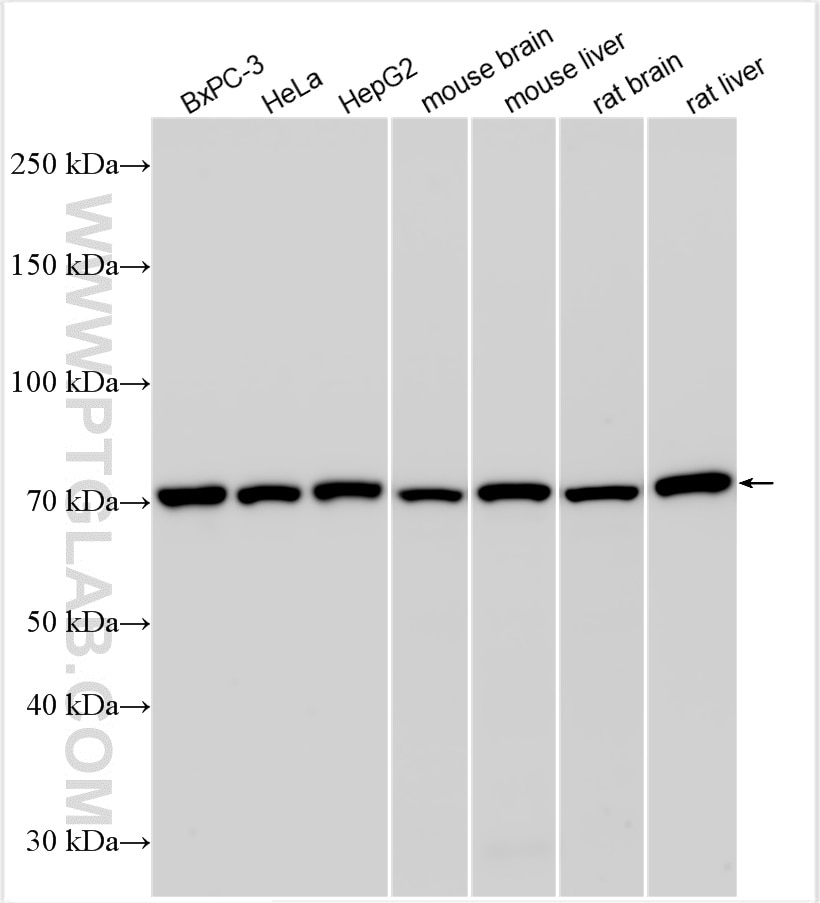
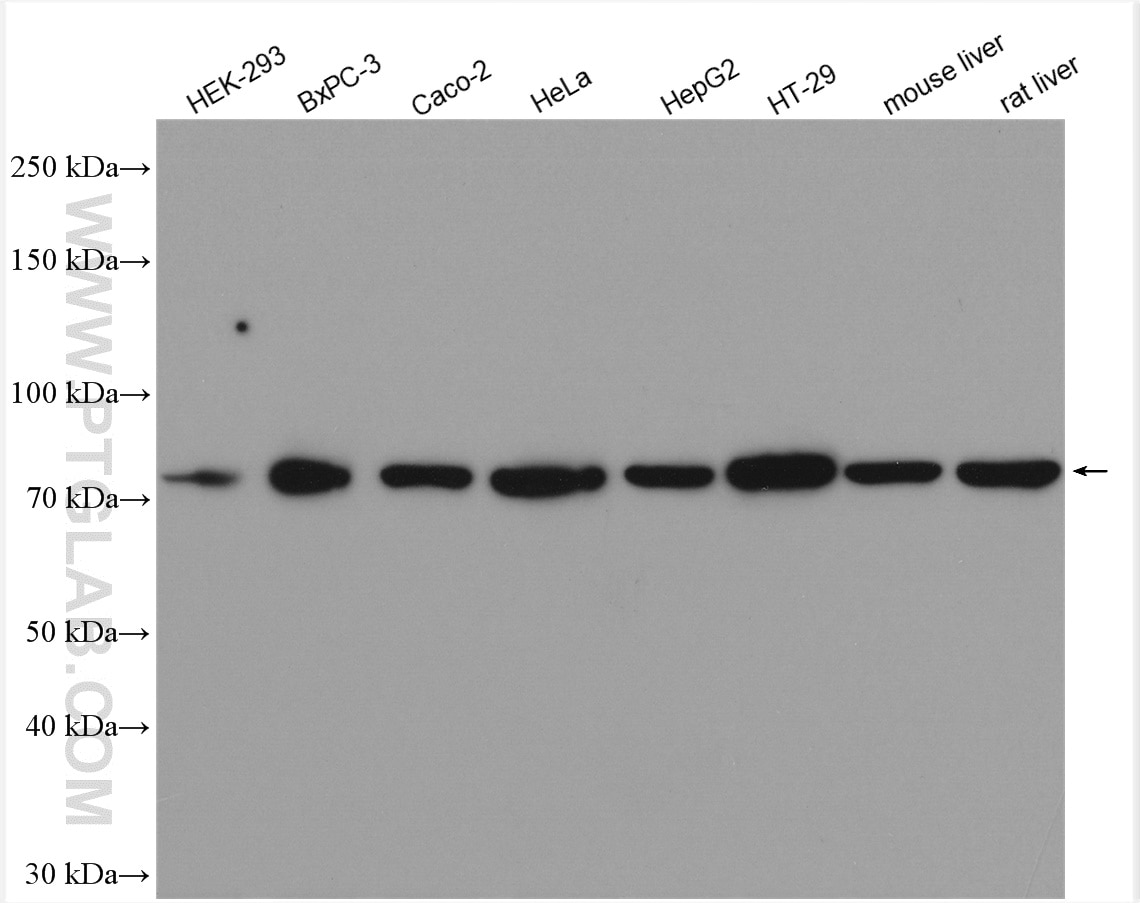
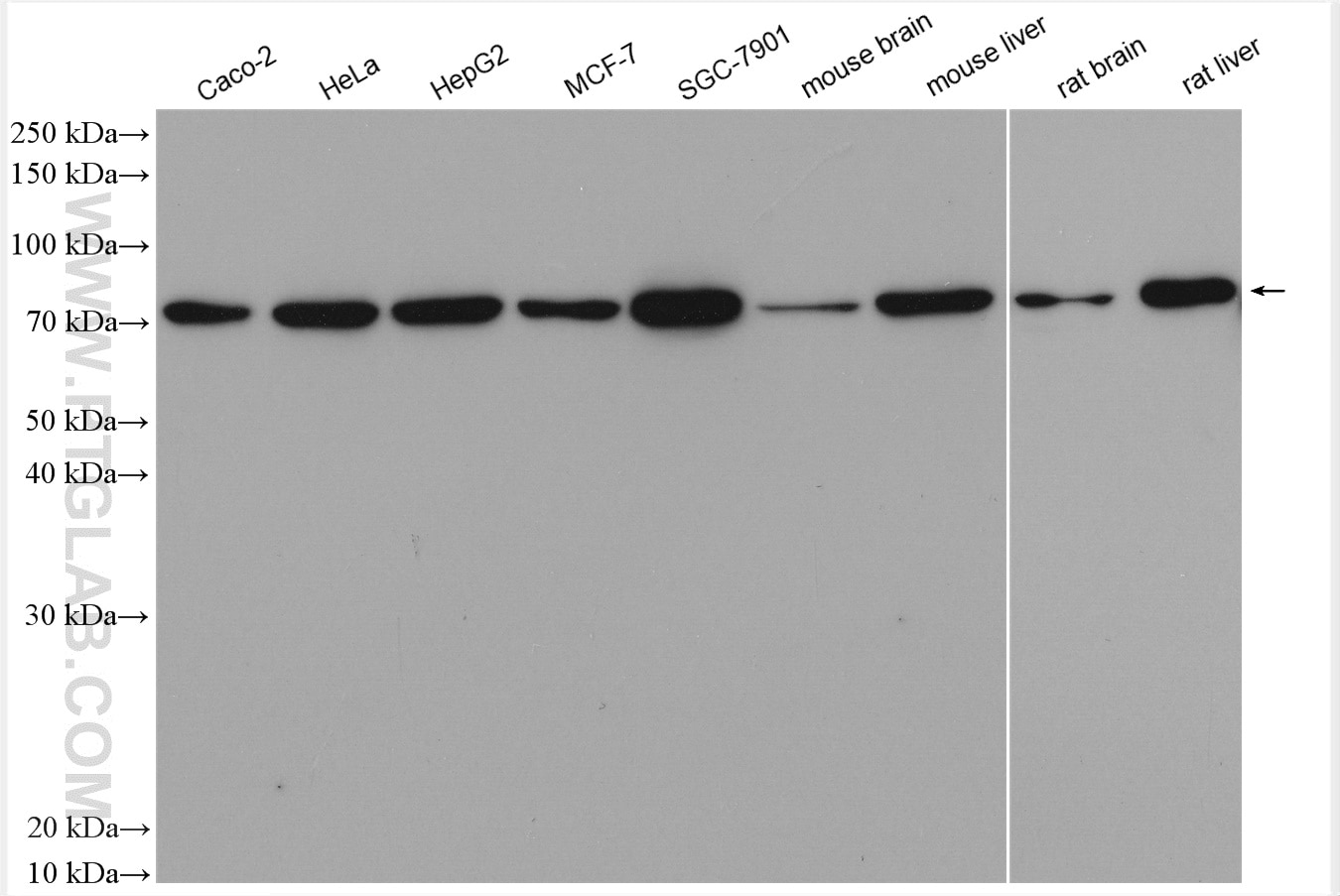
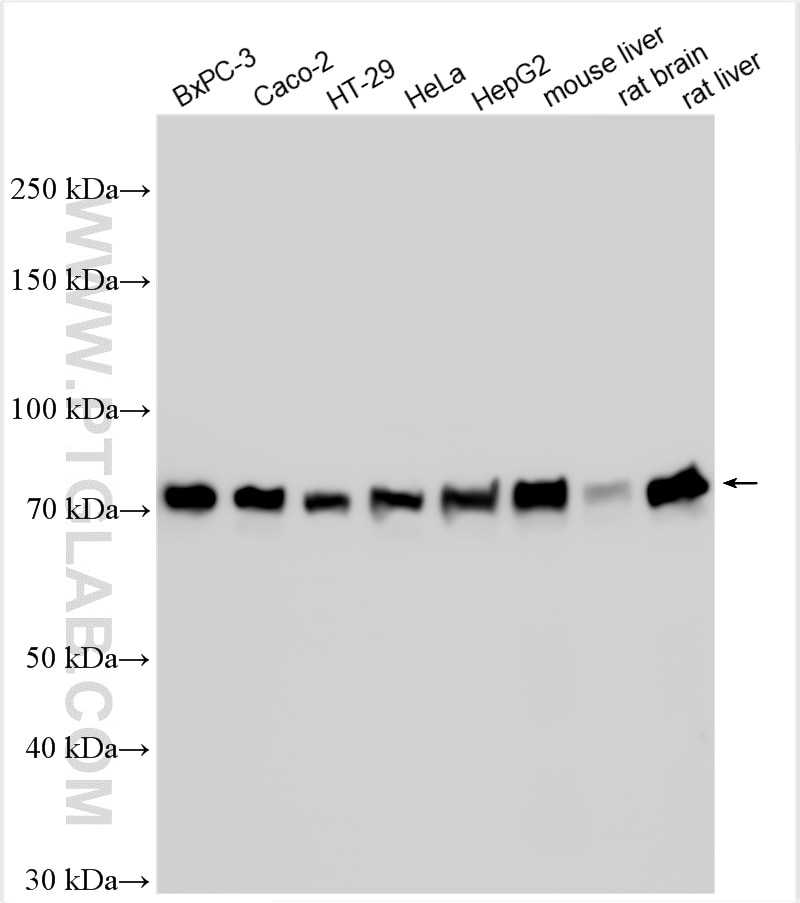
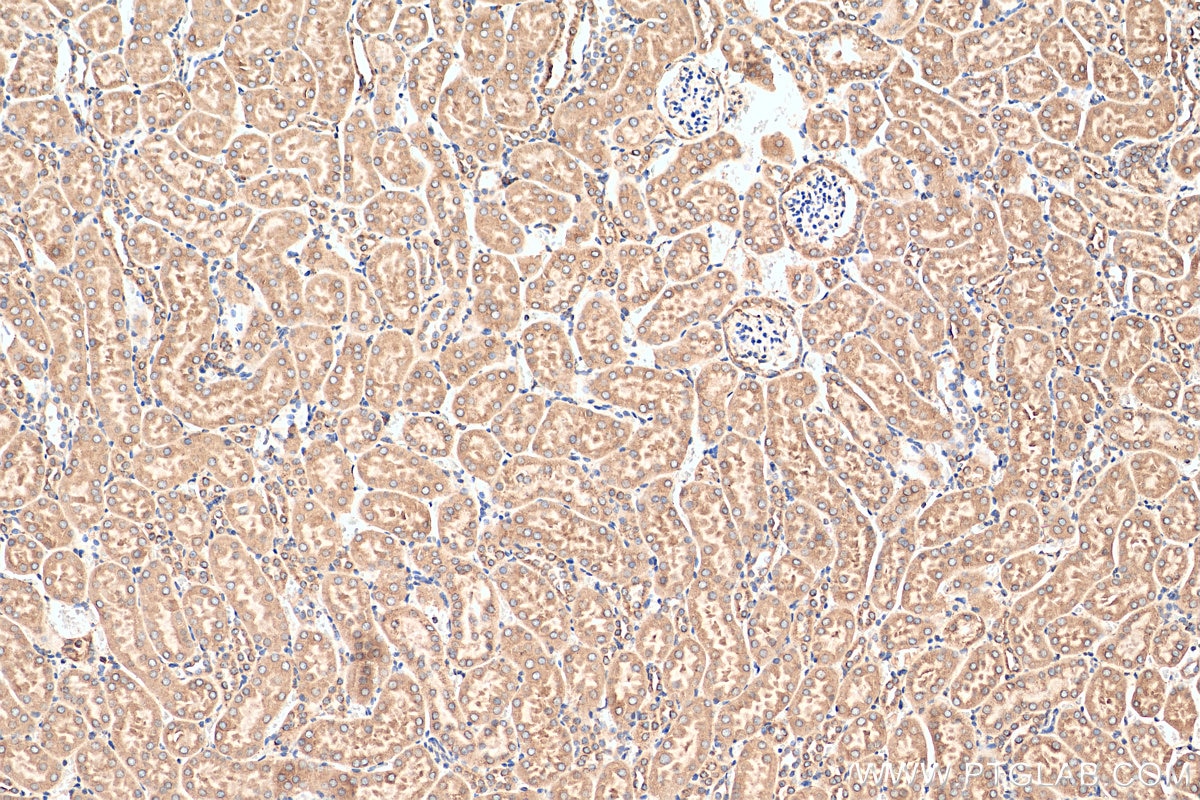
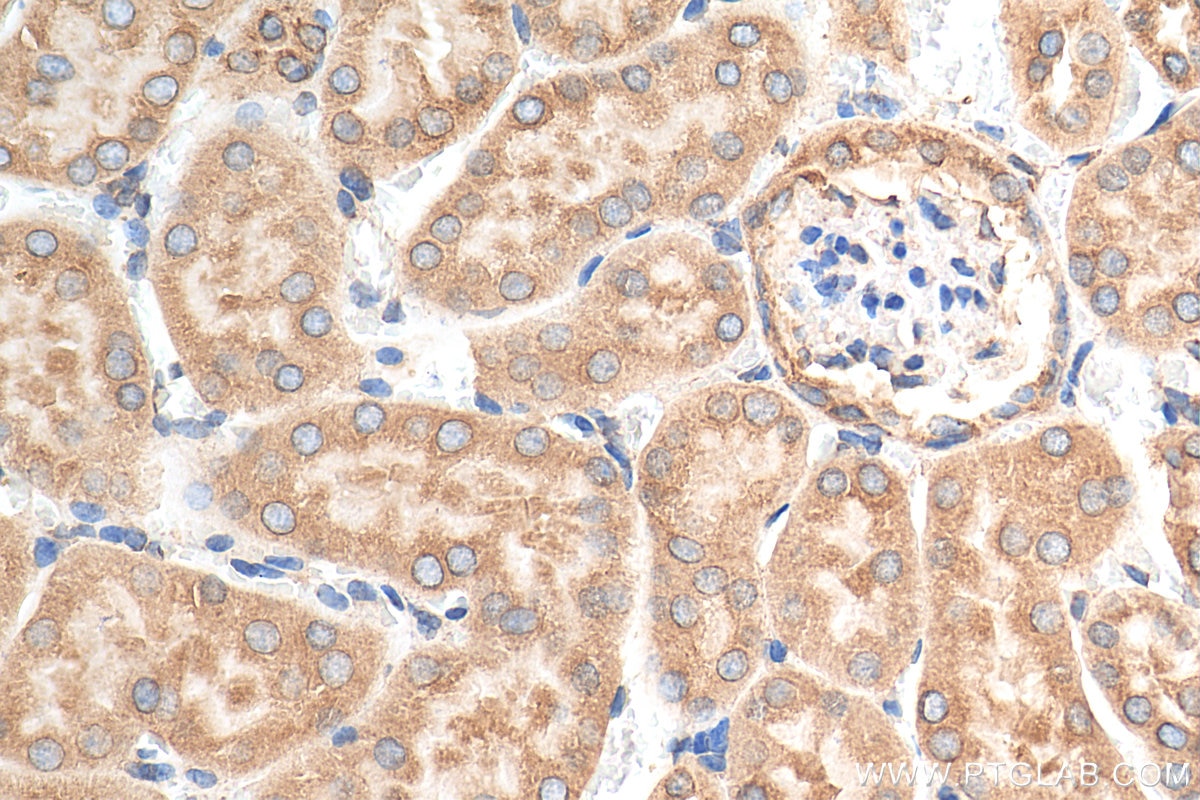
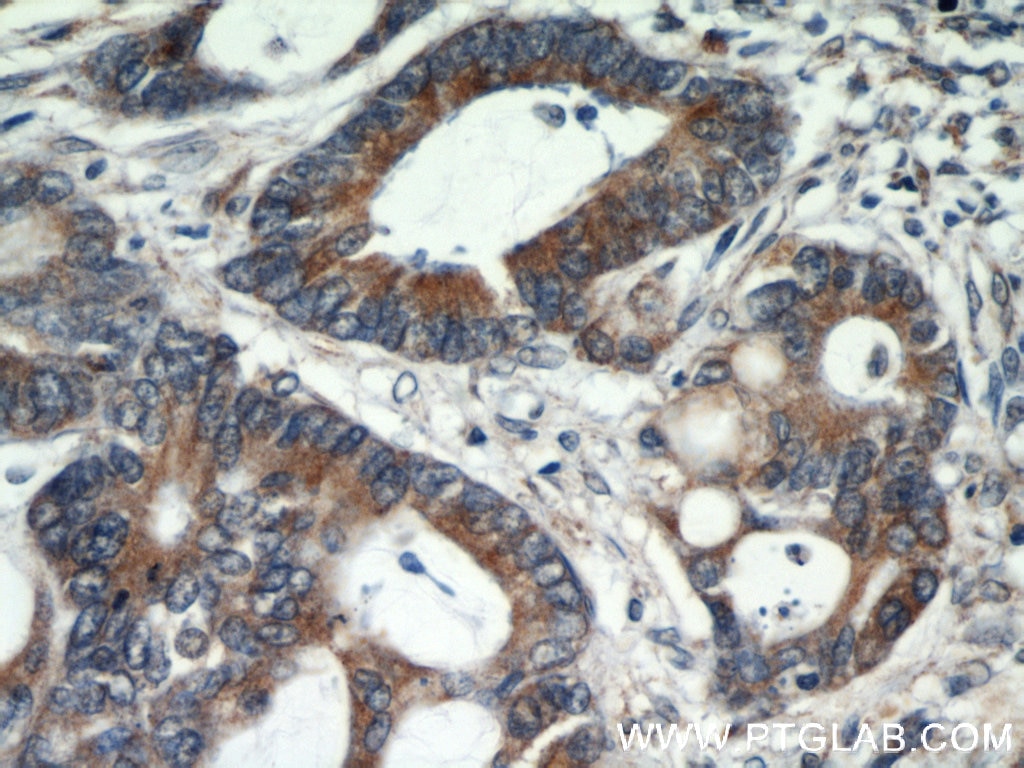
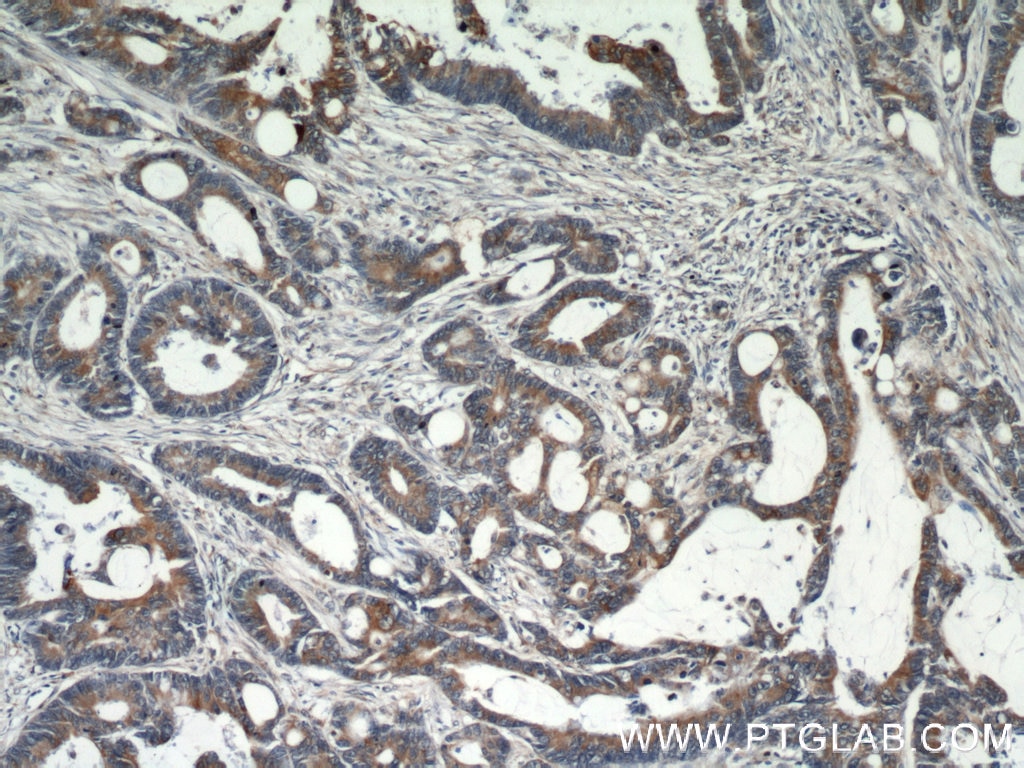

Tested Applications
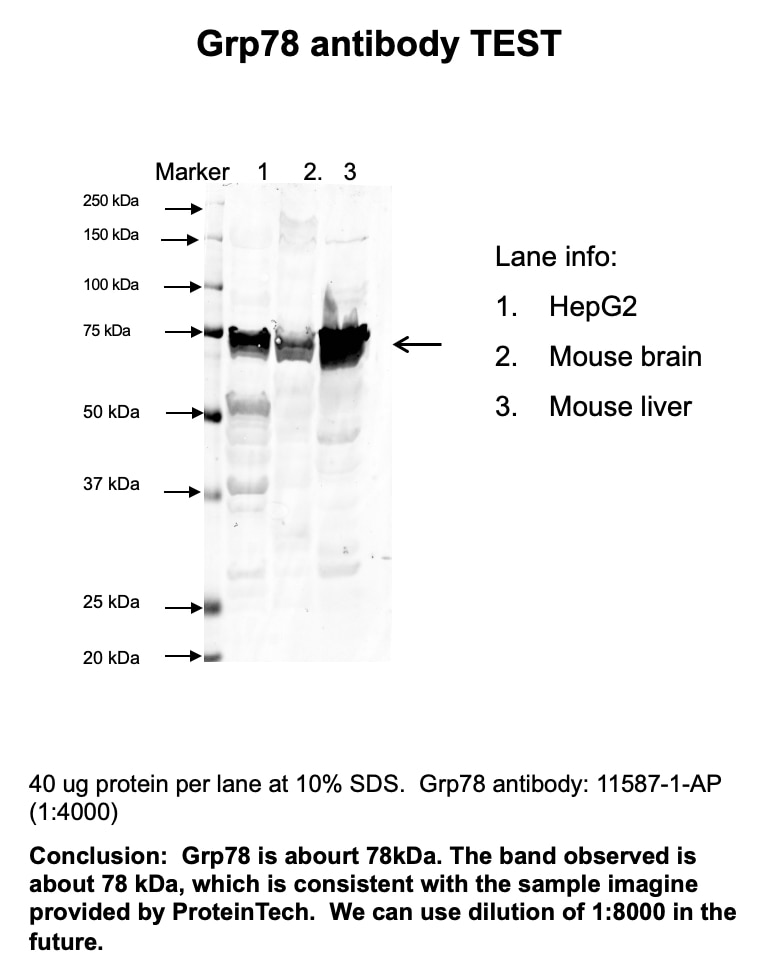
| Positive WB detected in | BxPC-3 cells, Caco-2 cells, HEK-293 cells, HeLa cells, HepG2 cells, mouse brain tissue, mouse liver tissue, rat brain tissue, rat liver tissue, HT-29 cells |
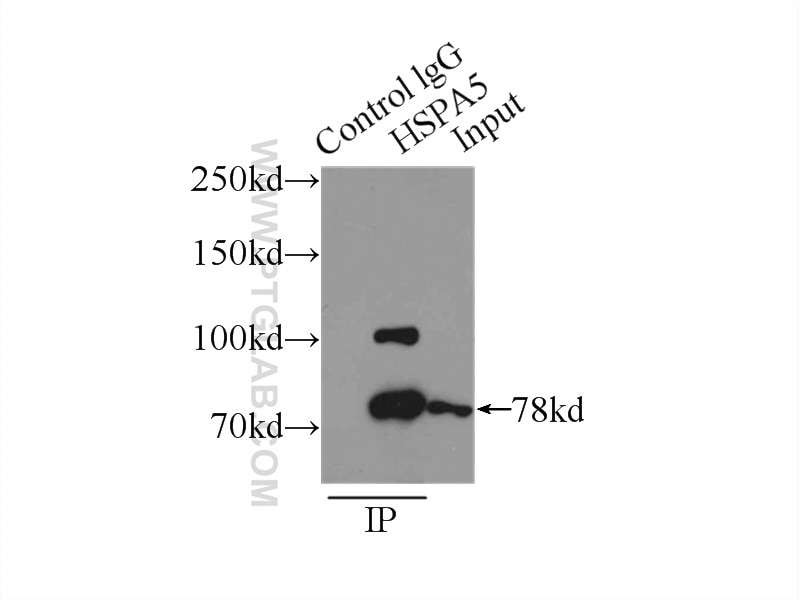
| Positive IP detected in | MCF-7 cells |
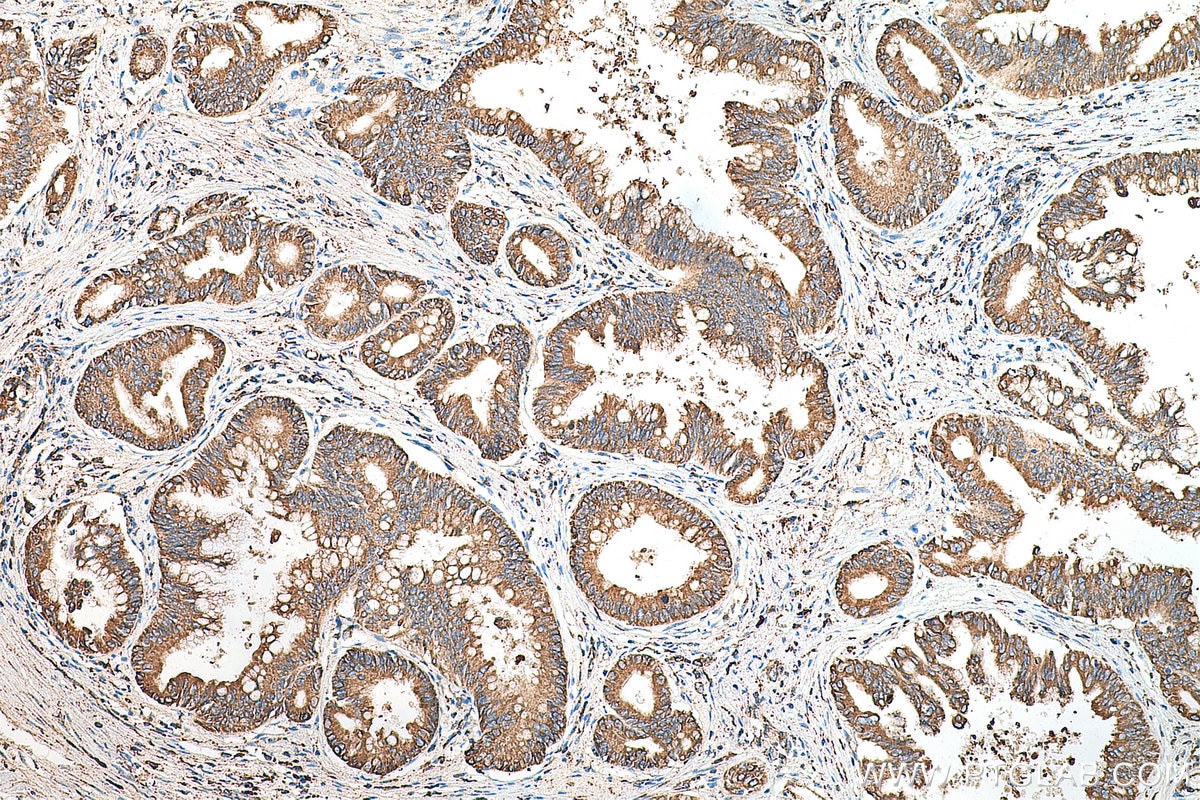
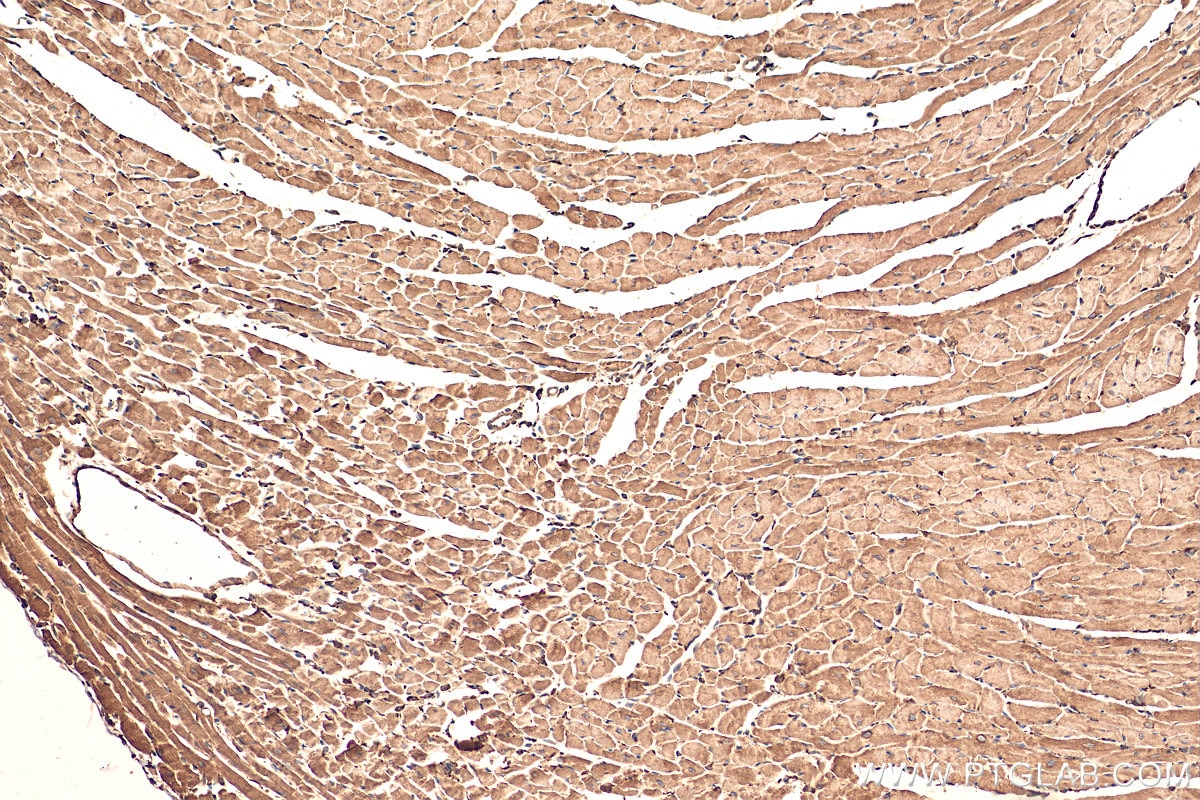
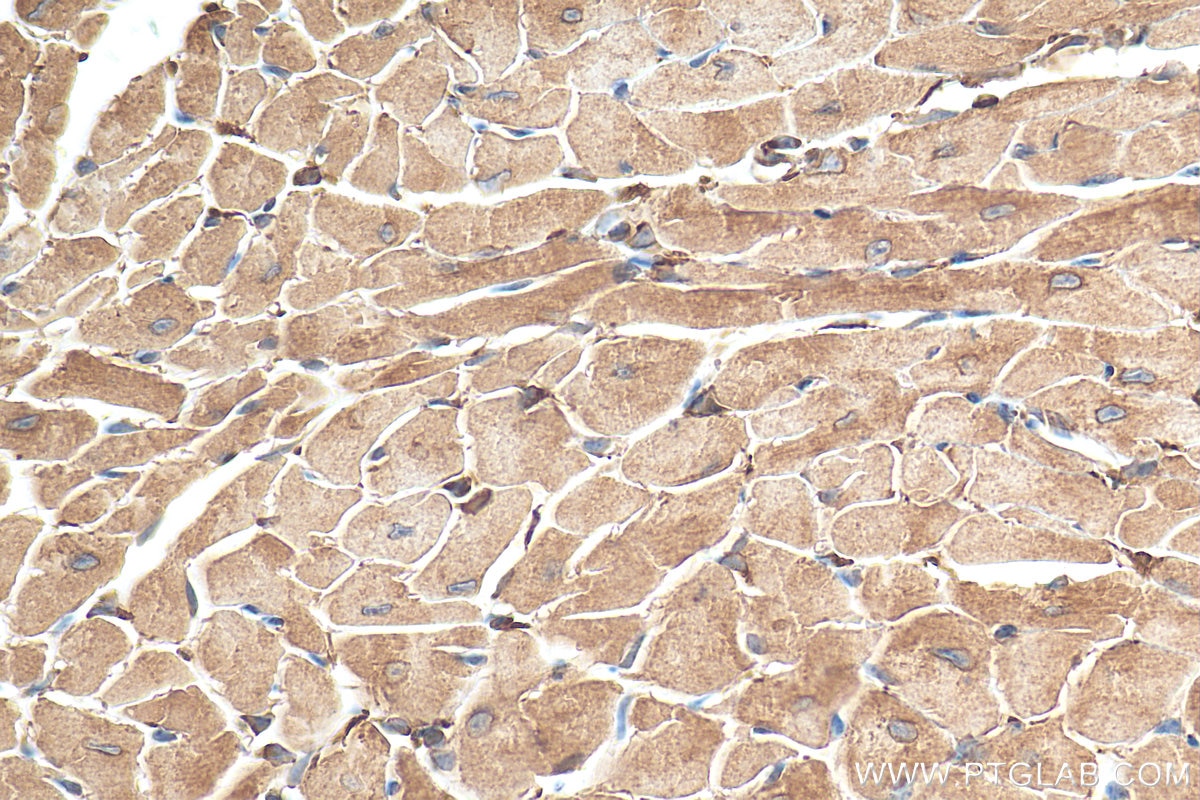
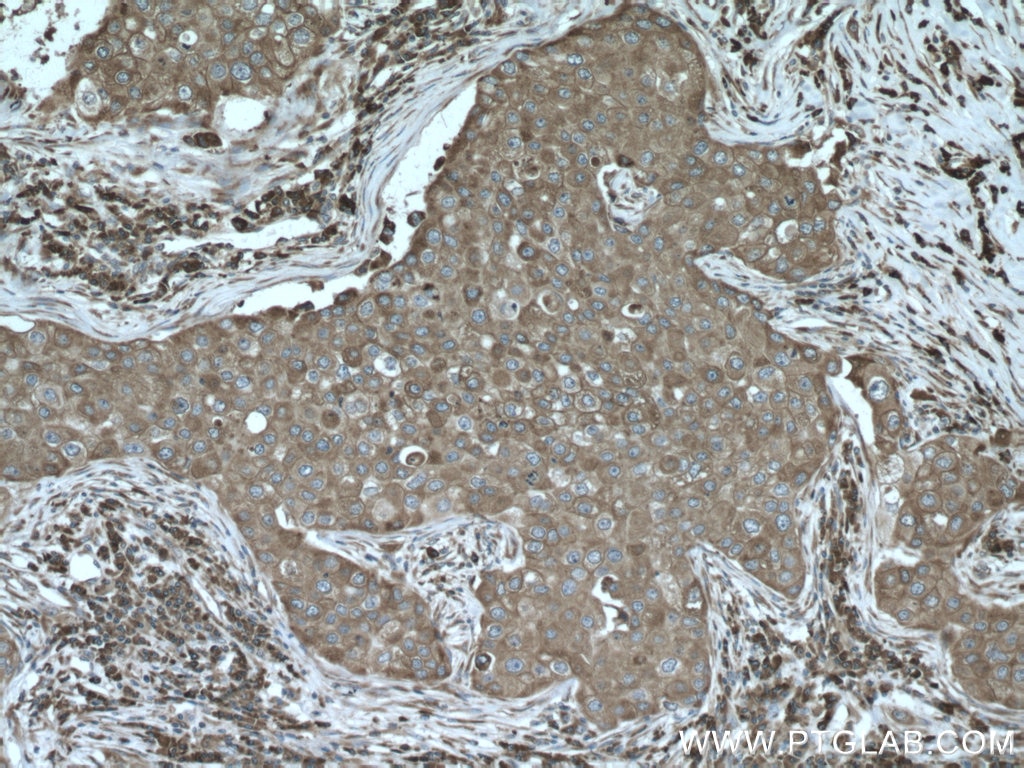
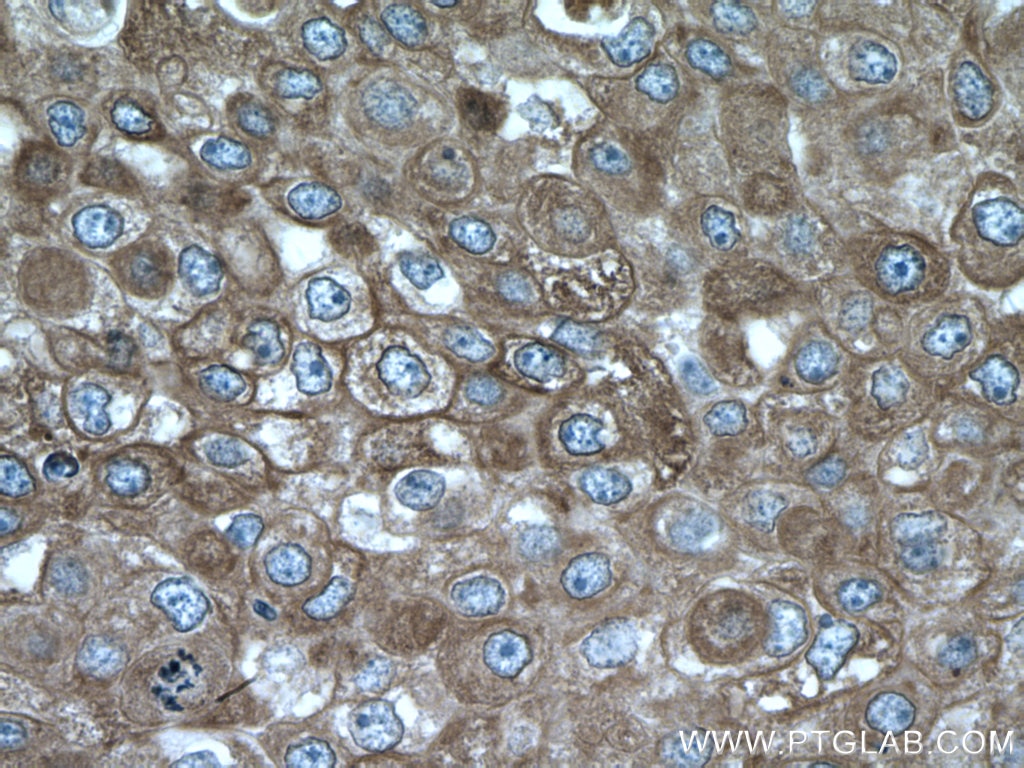
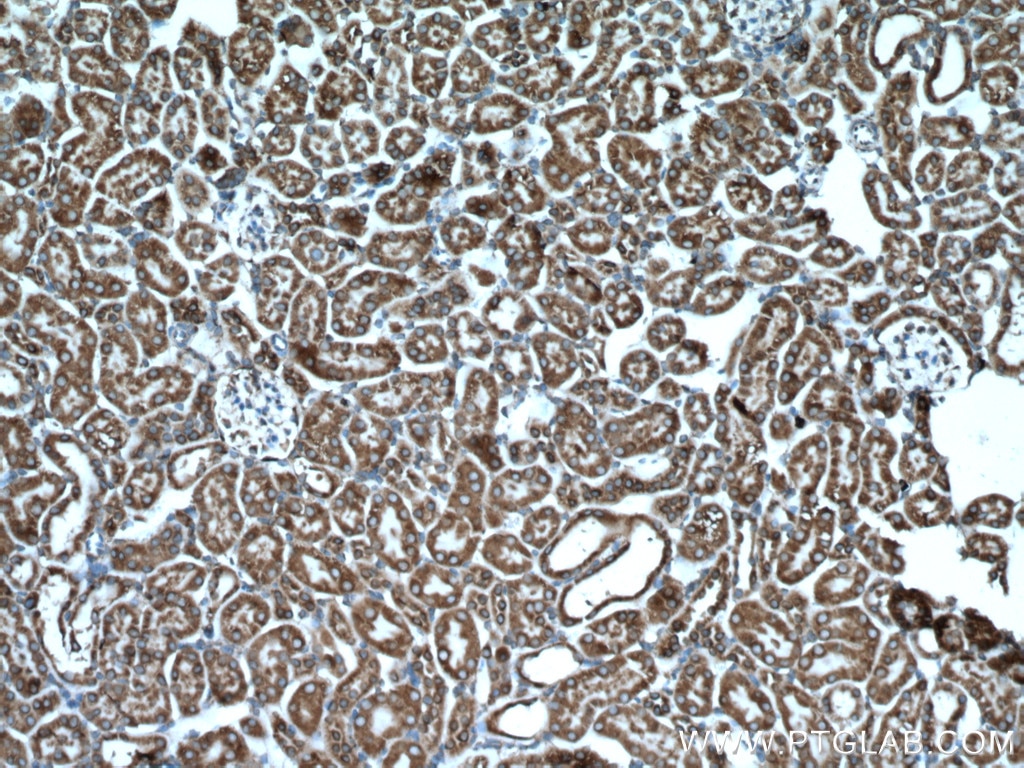
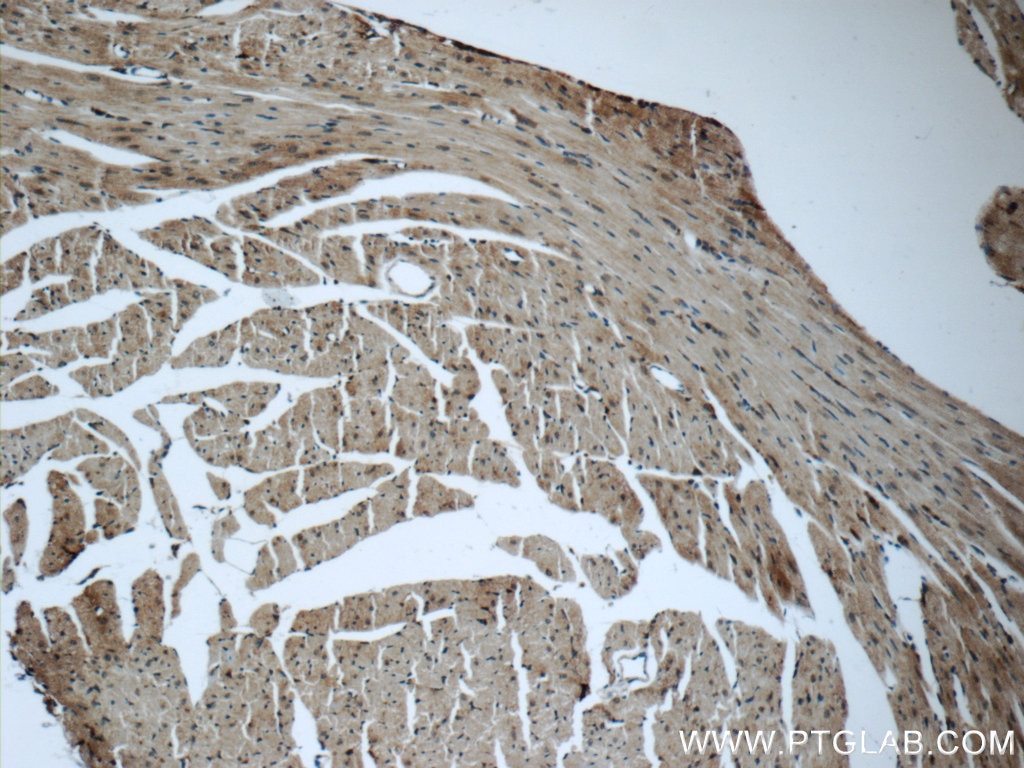
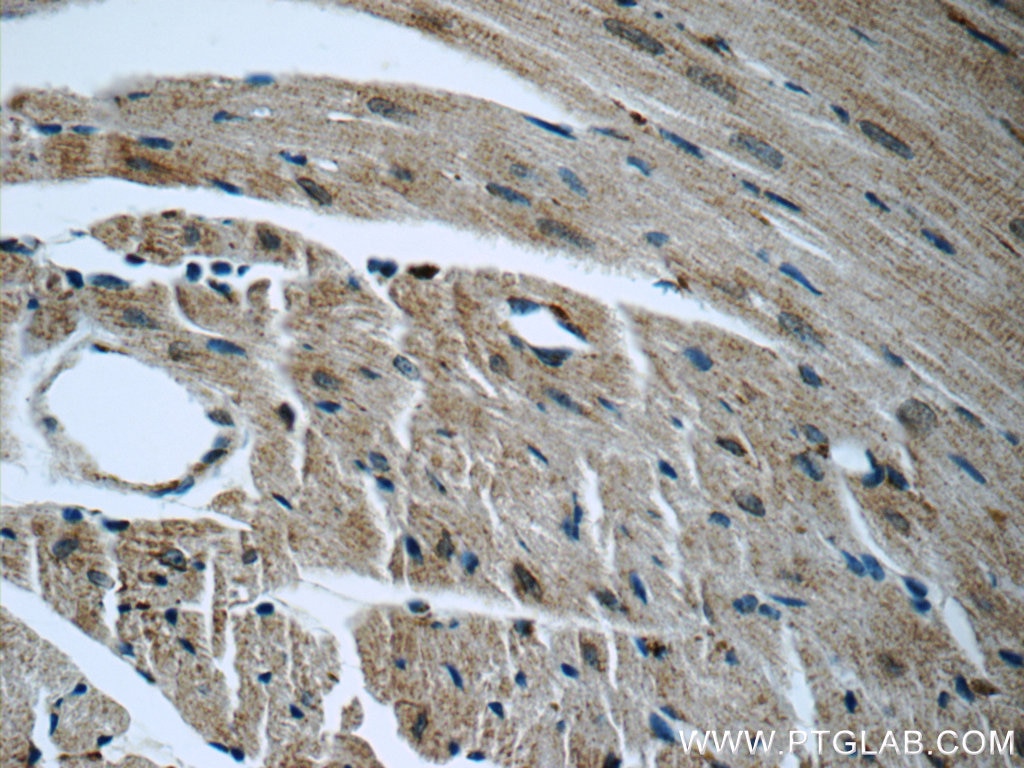
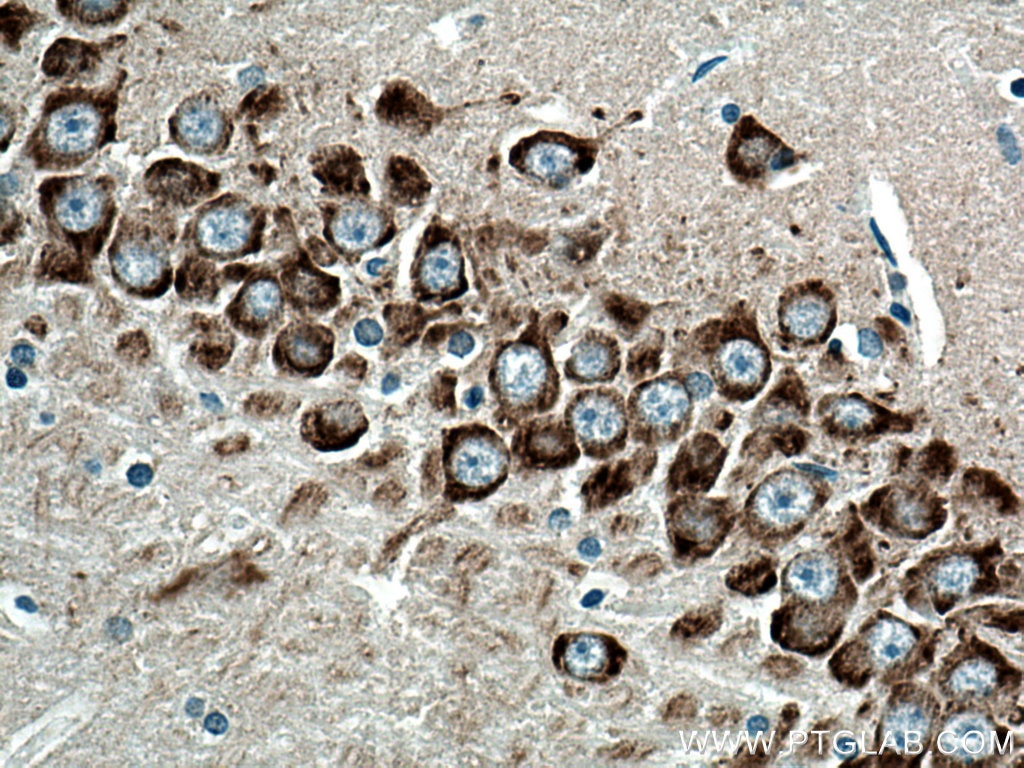
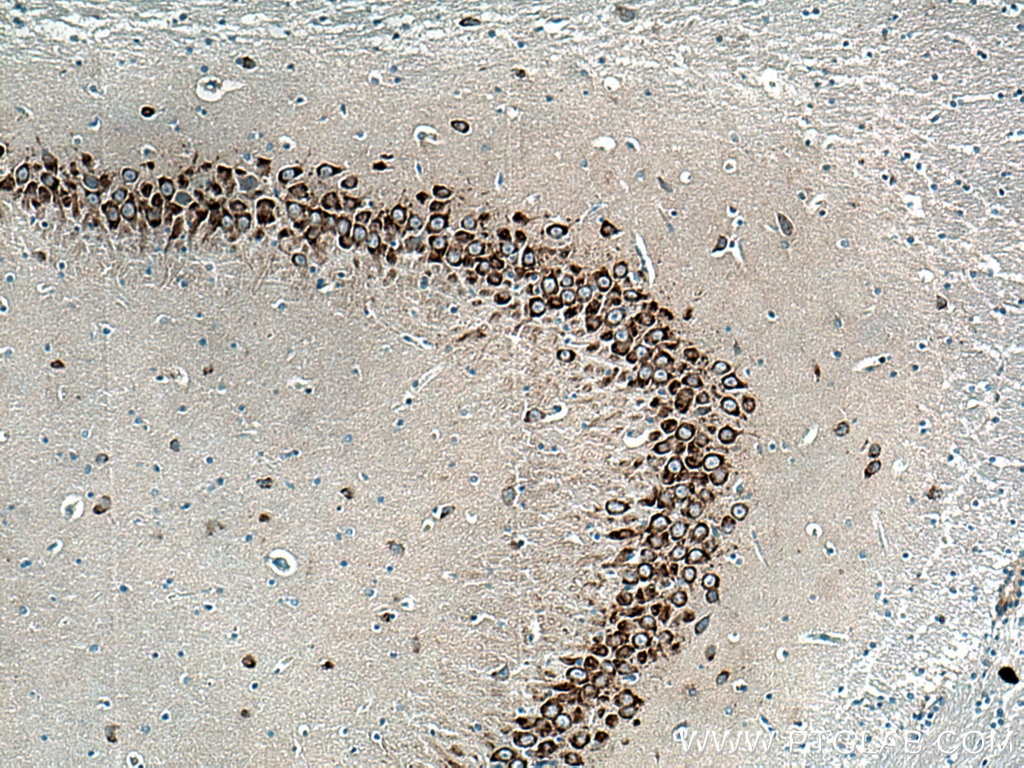
| Positive IHC detected in | human pancreas cancer tissue, human breast cancer tissue, mouse kidney tissue, rat brain tissue, mouse heart tissue, human colon cancer tissue Note: suggested antigen retrieval with TE buffer pH 9.0; (*) Alternatively, antigen retrieval may be performed with citrate buffer pH 6.0 |
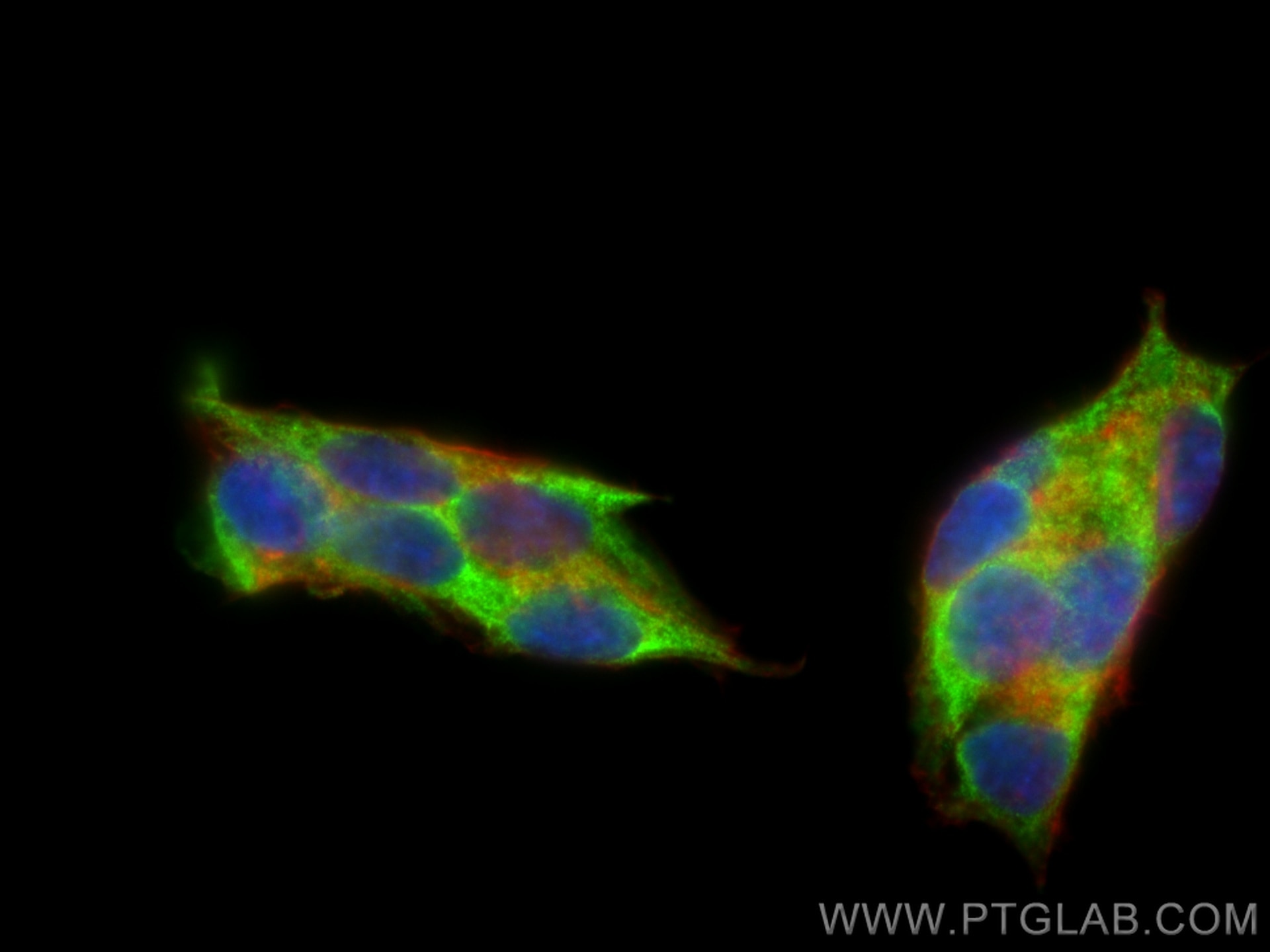
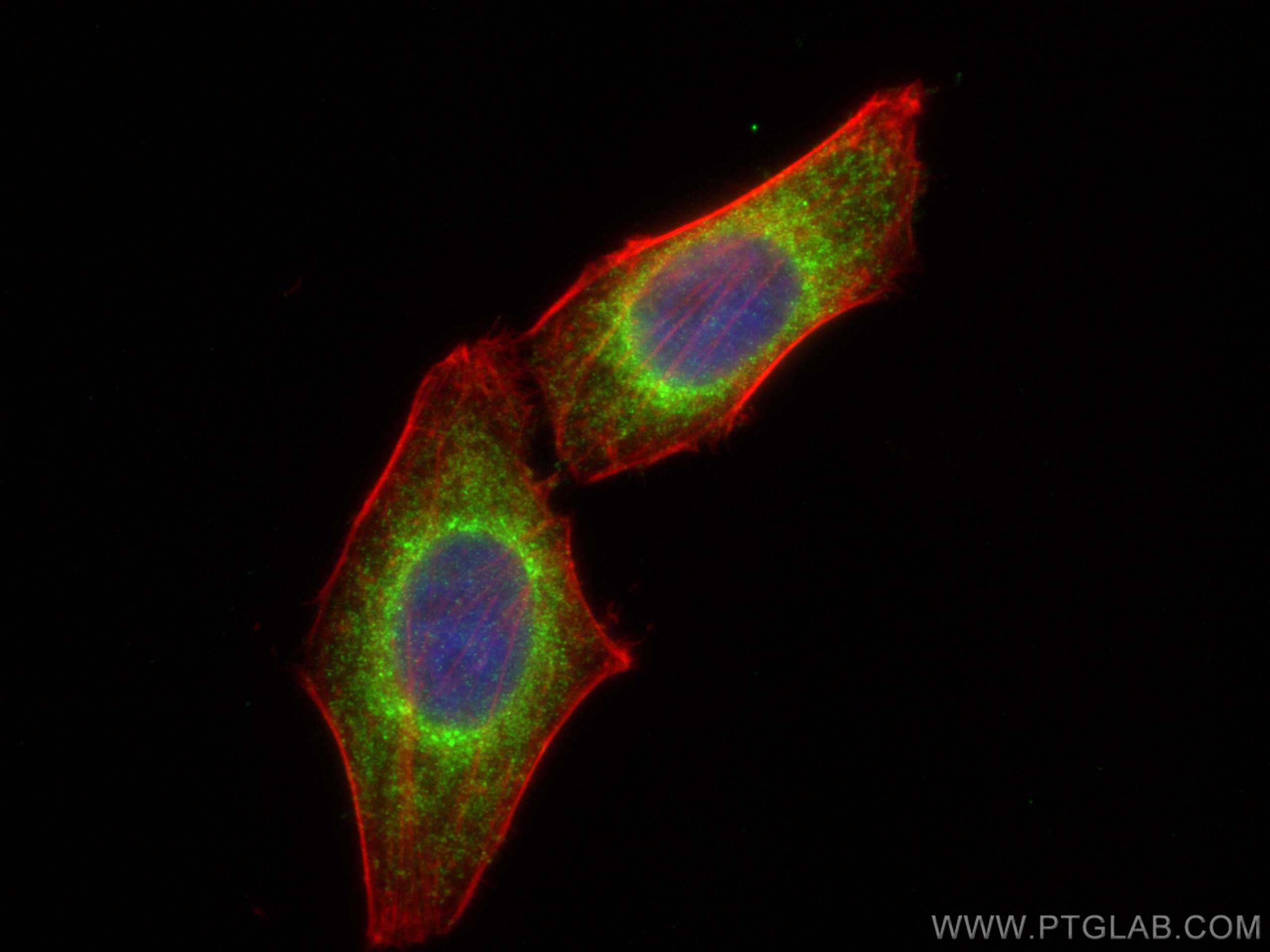
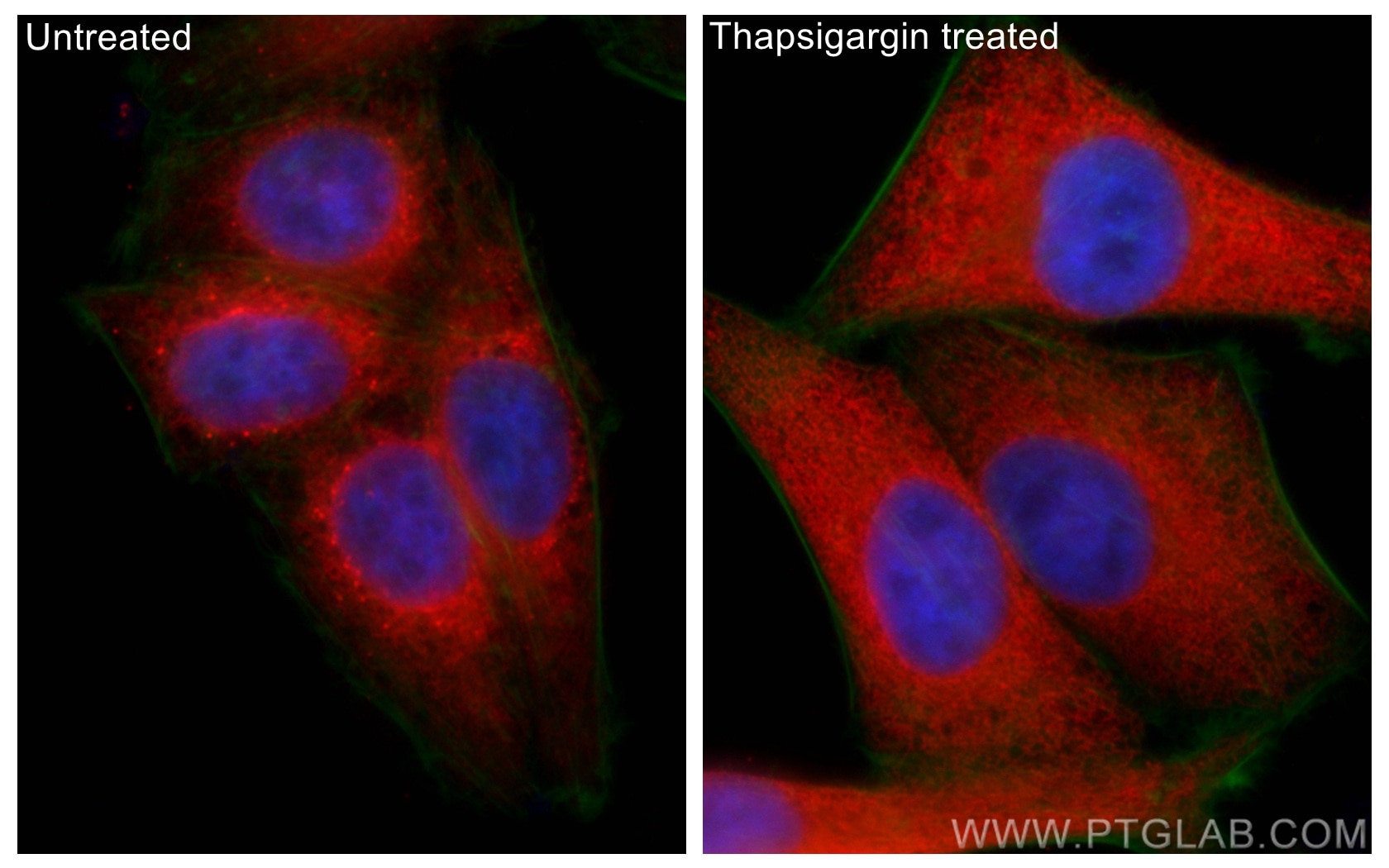
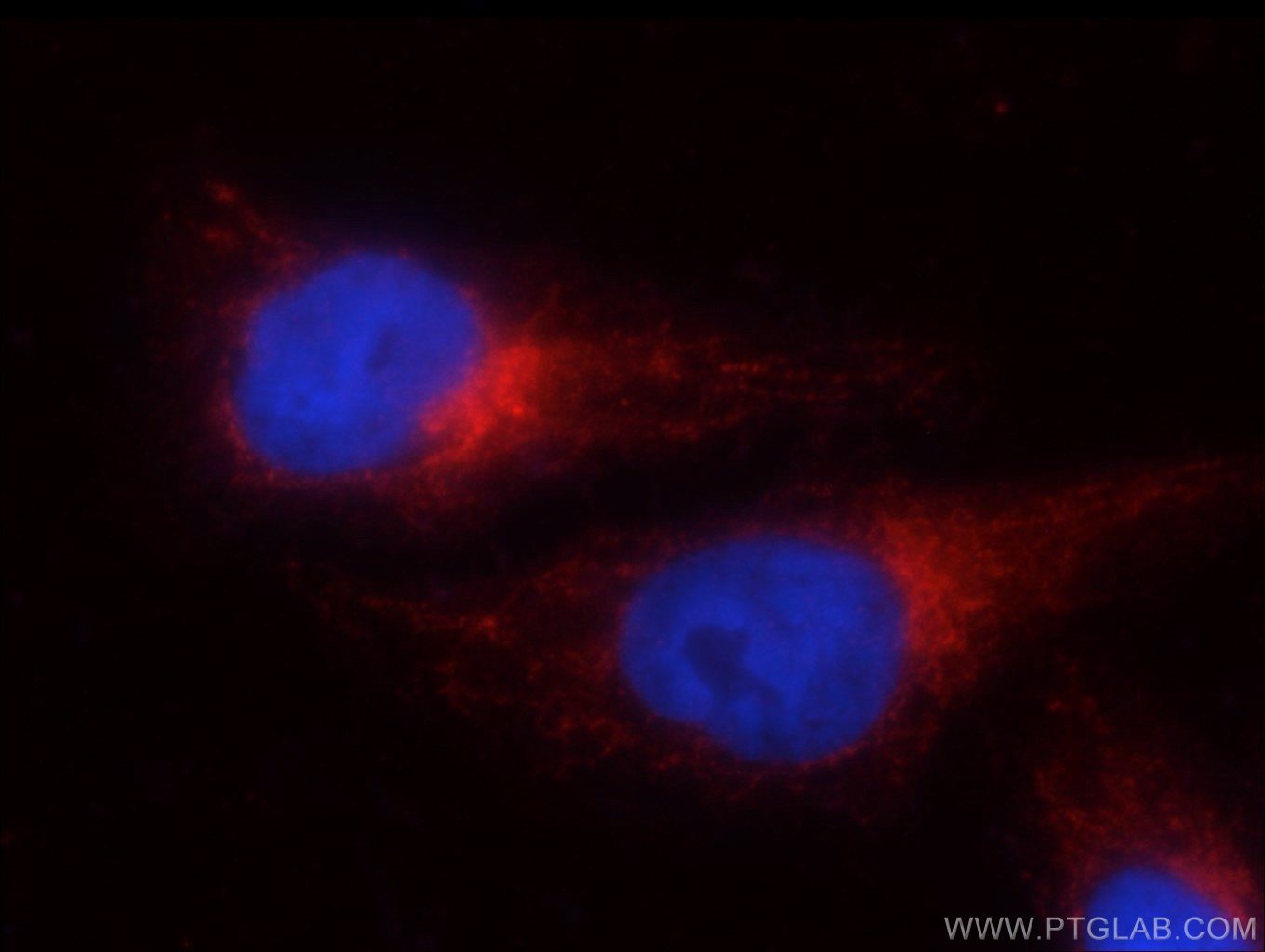
| Positive IF/ICC detected in | HepG2 cells, Thapsigargin treated HepG2 cells |
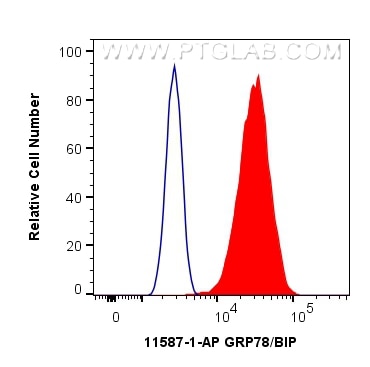
| Positive FC (Intra) detected in | HeLa cells |
Recommended dilution
| Application | Dilution |
|---|---|
| Western Blot (WB) | WB : 1:2000-1:12000 |
| Immunoprecipitation (IP) | IP : 0.5-4.0 ug for 1.0-3.0 mg of total protein lysate |
| Immunohistochemistry (IHC) | IHC : 1:50-1:500 |
| Immunofluorescence (IF)/ICC | IF/ICC : 1:50-1:500 |
| Flow Cytometry (FC) (INTRA) | FC (INTRA) : 0.40 ug per 10^6 cells in a 100 µl suspension |
| It is recommended that this reagent should be titrated in each testing system to obtain optimal results. | |
| Sample-dependent, Check data in validation data gallery. | |
Product Information
11587-1-AP targets GRP78/BIP in WB, IHC, IF/ICC, FC (Intra), IP, CoIP, ELISA applications and shows reactivity with human, mouse, rat samples.
| Tested Reactivity | human, mouse, rat |
| Cited Reactivity | human, mouse, rat, chicken, goat, sheep, c.elegans, deer, carp, medaka embryos |
| Host / Isotype | Rabbit / IgG |
| Class | Polyclonal |
| Type | Antibody |
| Immunogen |
CatNo: Ag2188 Product name: Recombinant human GRP78,BIP protein Source: e coli.-derived, PGEX-4T Tag: GST Domain: 351-654 aa of BC020235 Sequence: LKKSDIDEIVLVGGSTRIPKIQQLVKEFFNGKEPSRGINPDEAVAYGAAVQAGVLSGDQDTGDLVLLDVCPLTLGIETVGGVMTKLIPRNTVVPTKKSQIFSTASDNQPTVTIKVYEGERPLTKDNHLLGTFDLTGIPPAPRGVPQIEVTFEIDVNGILRVTAEDKGTGNKNKITITNDQNRLTPEEIERMVNDAEKFAEEDKKLKERIDTRNELESYAYSLKNQIGDKEKLGGKLSSEDKETMEKAVEEKIEWLESHQDADIEDFKAKKKELEEIVQPIISKLYGSAGPPPTGEEDTAEKDEL Predict reactive species |
| Full Name | heat shock 70kDa protein 5 (glucose-regulated protein, 78kDa) |
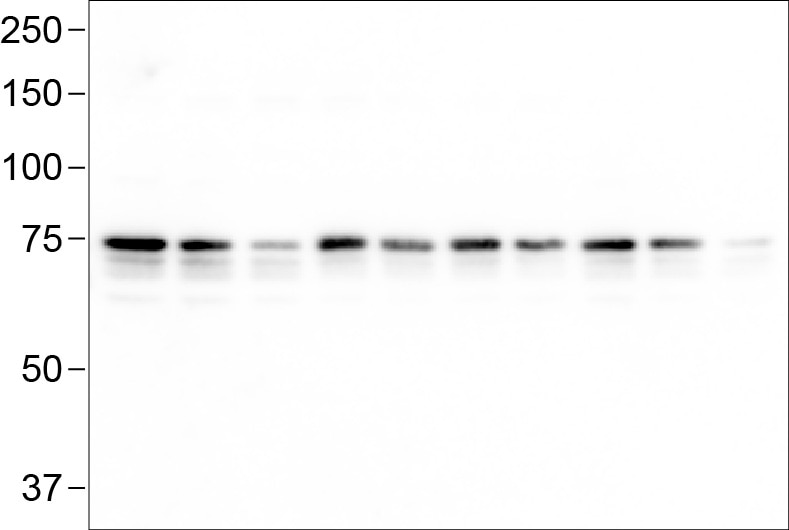
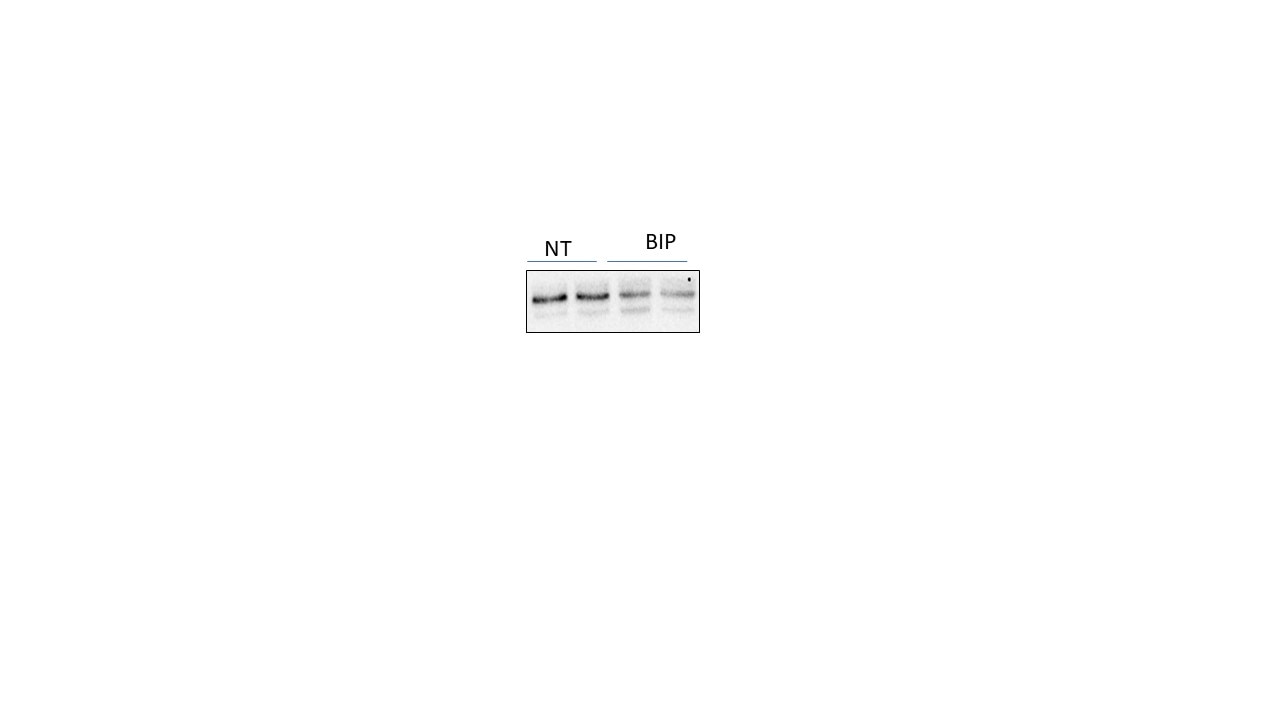
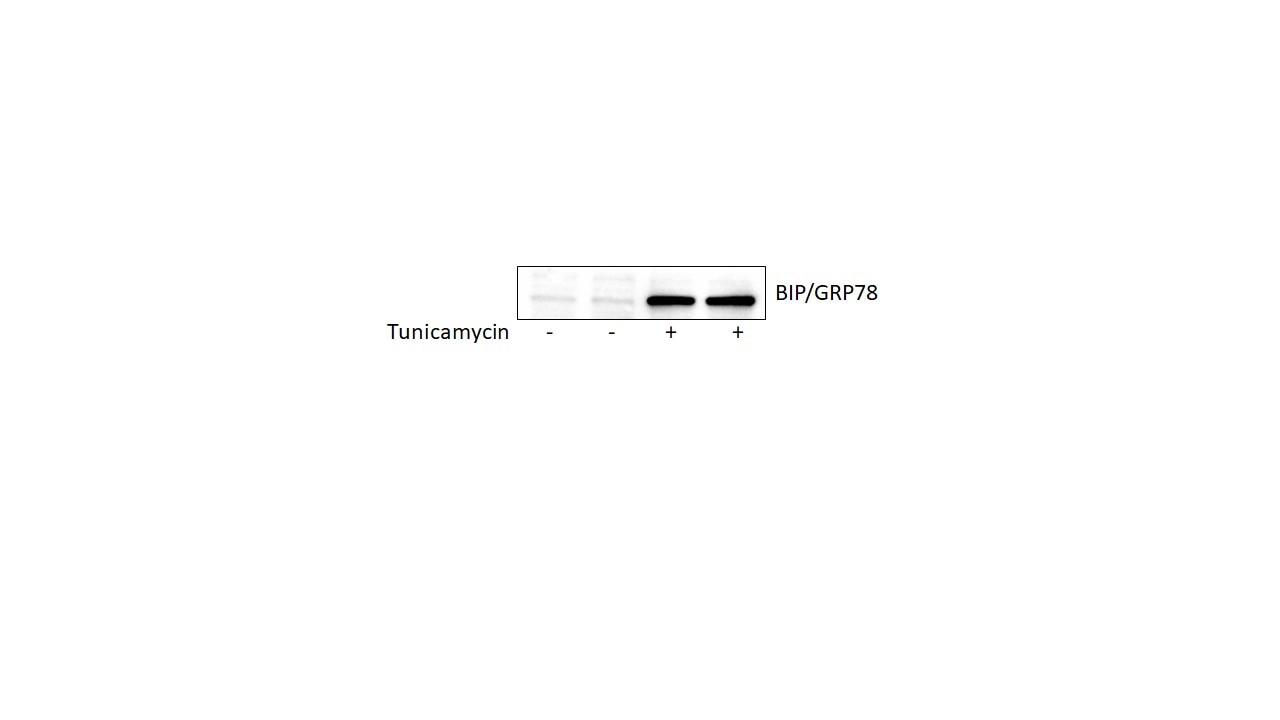
| Calculated Molecular Weight | 78 kDa |
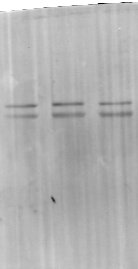
| Observed Molecular Weight | 70-78 kDa |
| GenBank Accession Number | BC020235 |
| Gene Symbol | GRP78/BIP |
| Gene ID (NCBI) | 3309 |
| RRID | AB_2119855 |
| Conjugate | Unconjugated |
| Form | Liquid |
| Purification Method | Antigen affinity purification |
| UNIPROT ID | P11021 |
| Storage Buffer | PBS with 0.02% sodium azide and 50% glycerol, pH 7.3. |
| Storage Conditions | Store at -20°C. Stable for one year after shipment. Aliquoting is unnecessary for -20oC storage. 20ul sizes contain 0.1% BSA. |
Background Information
GRP78 (HSPA5), also referred to as 'immunoglobulin heavy chain-binding protein' (BiP), is a member of the heat-shock protein-70 (HSP70) family and is involved in the folding and assembly of proteins in the endoplasmic reticulum (ER). It is a constitutively expressed resident protein of the ER in all eukaryotic cells. Recently it has been reported that GRP78 is associated with apoptosis or inhibition of cancer cell growth. 11587-1-AP antibody recognizes one or two bands with MW 70-78 kDa for the signal peptide of GRP78 protein can be finally cleaved.
Protocols
| Product Specific Protocols | |
|---|---|
| FC protocol for GRP78/BIP antibody 11587-1-AP | Download protocol |
| IF protocol for GRP78/BIP antibody 11587-1-AP | Download protocol |
| IHC protocol for GRP78/BIP antibody 11587-1-AP | Download protocol |
| IP protocol for GRP78/BIP antibody 11587-1-AP | Download protocol |
| WB protocol for GRP78/BIP antibody 11587-1-AP | Download protocol |
| Standard Protocols | |
|---|---|
| Click here to view our Standard Protocols |
Publications
What published studies show
The anti-GRP78 antibody (Cat# 11587-1-AP) has accumulated 958 total citations across high-impact journals including Nature, Science, Cell Metabolism, Cancer Cell, Nature Communications, Journal of Advanced Research, Autophagy, Cell Death & Differentiation, and Advanced Science. Research fields span endoplasmic reticulum stress and the unfolded protein response, oncology (breast, liver, lung, colorectal cancers), neurodegeneration (Alzheimer's, Parkinson's), diabetic cardiomyopathy, lipid metabolism, autophagy, inflammation, and infectious disease.
| Species | Application | Title |
|---|---|---|
Signal Transduct Target Ther Elaiophylin triggers paraptosis and preferentially kills ovarian cancer drug-resistant cells by inducing MAPK hyperactivation | ||
Cancer Cell Tumor-resident probiotic Clostridium butyricum improves aPD-1 efficacy in colorectal cancer models by inhibiting IL-6-mediated immunosuppression. | ||
Science Endosomal lipid signaling reshapes the endoplasmic reticulum to control mitochondrial function | ||
Science Translation from the 5' untranslated region shapes the integrated stress response. |
Reviews
What customers say
All 9 reviews rate this antibody highly (8×5★, 1×4★). Users report consistent performance primarily in Western Blot across diverse samples including HepG2, HEK293T, H9C2, prostate cancer cell lines, mouse kidney/liver/brain, fibroblasts, and rat DRG. Several reviewers note a single clean band at dilutions ranging from 1:1000 to 1:5000. Two users also confirmed successful use in immunofluorescence. Overall feedback is positive with no reported issues.
The reviews below have been submitted by verified Proteintech customers who received an incentive for providing their feedback.
Hua (Verified Customer) (07-08-2026) | Great antibody for WB.
 |
Melina (Verified Customer) (04-03-2026) | Worked well for western of HEK293T cell lysates
 |
PK (Verified Customer) (03-22-2022) |
 |
Yeawon (Verified Customer) (03-17-2022) | Works very good in mouse kidney tissue.
|
Emma (Verified Customer) (03-15-2022) | Works well by WB in LNCaP and CWR22Rv1 cells @ 1:1000. A single band observed.
|
P (Verified Customer) (05-27-2021) | Excellent.
 |
Kevin (Verified Customer) (01-24-2019) | Works pretty good in HepG2 cells. One single band was observed.
|
Sylvain (Verified Customer) (12-03-2018) |
|
Natalie (Verified Customer) (11-20-2018) |
 |

























