
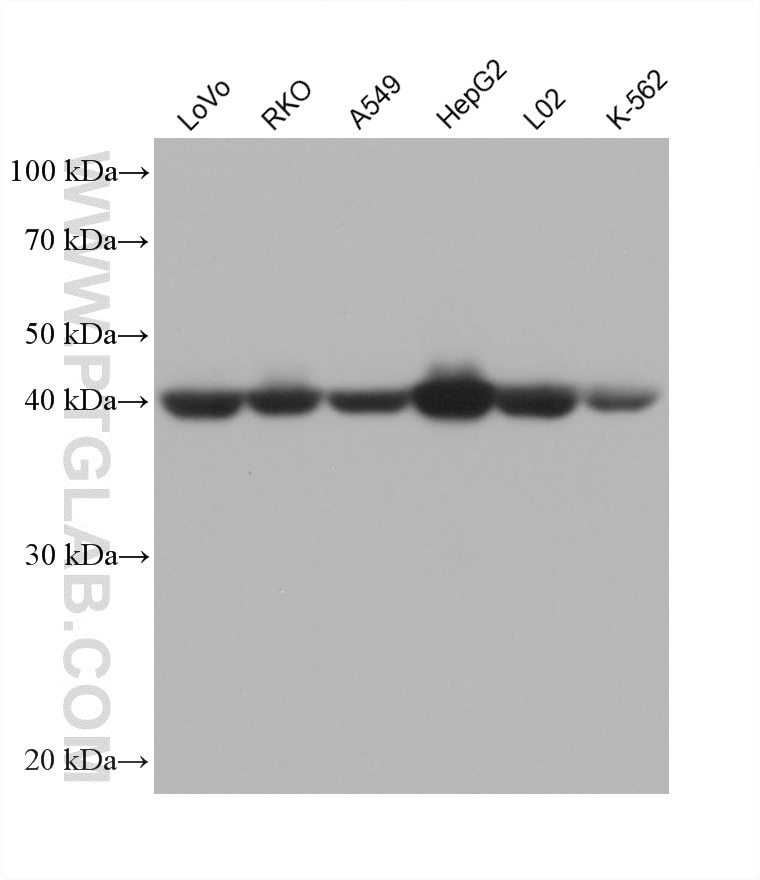
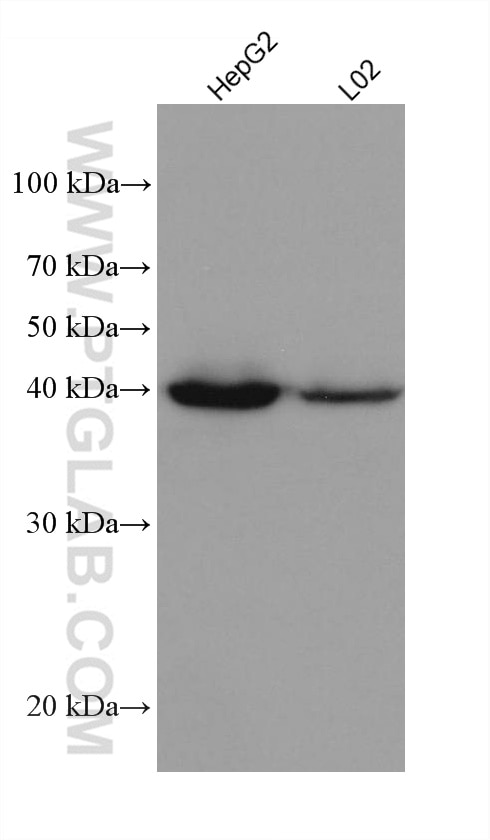
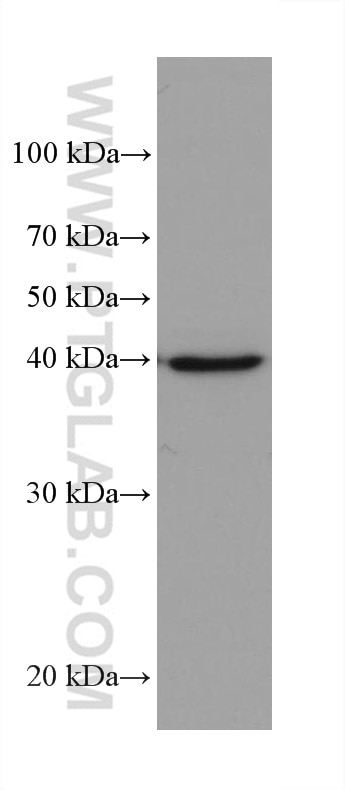
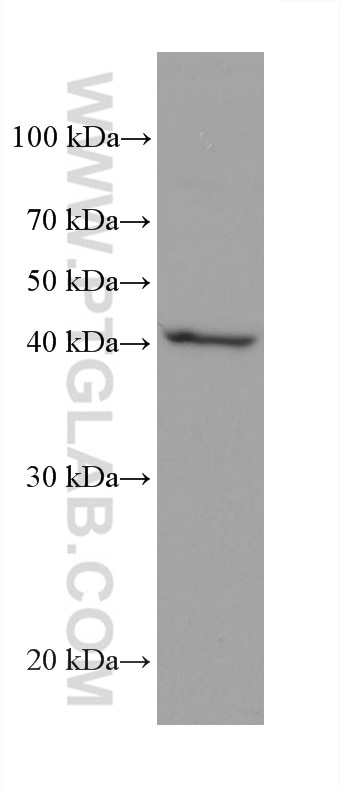
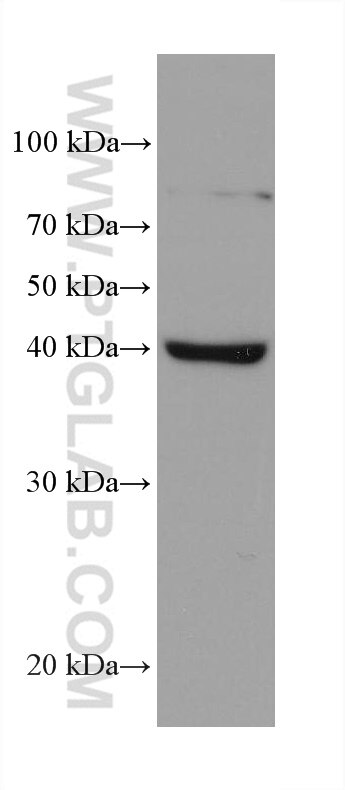
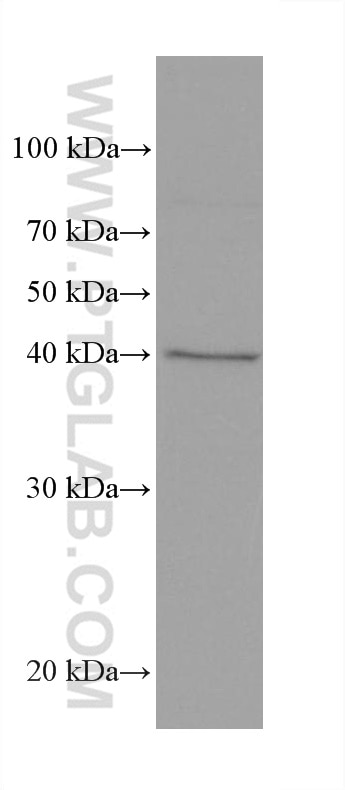
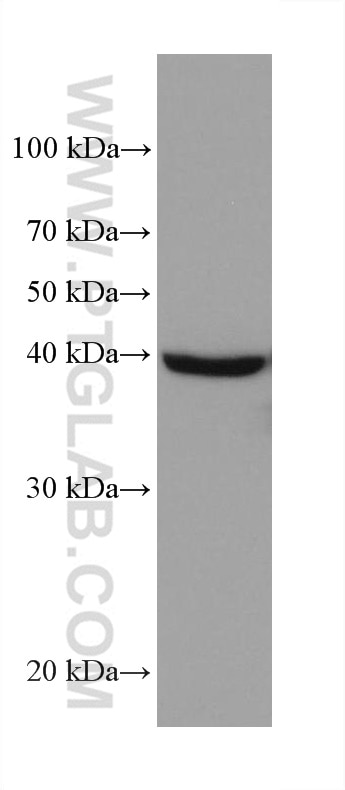
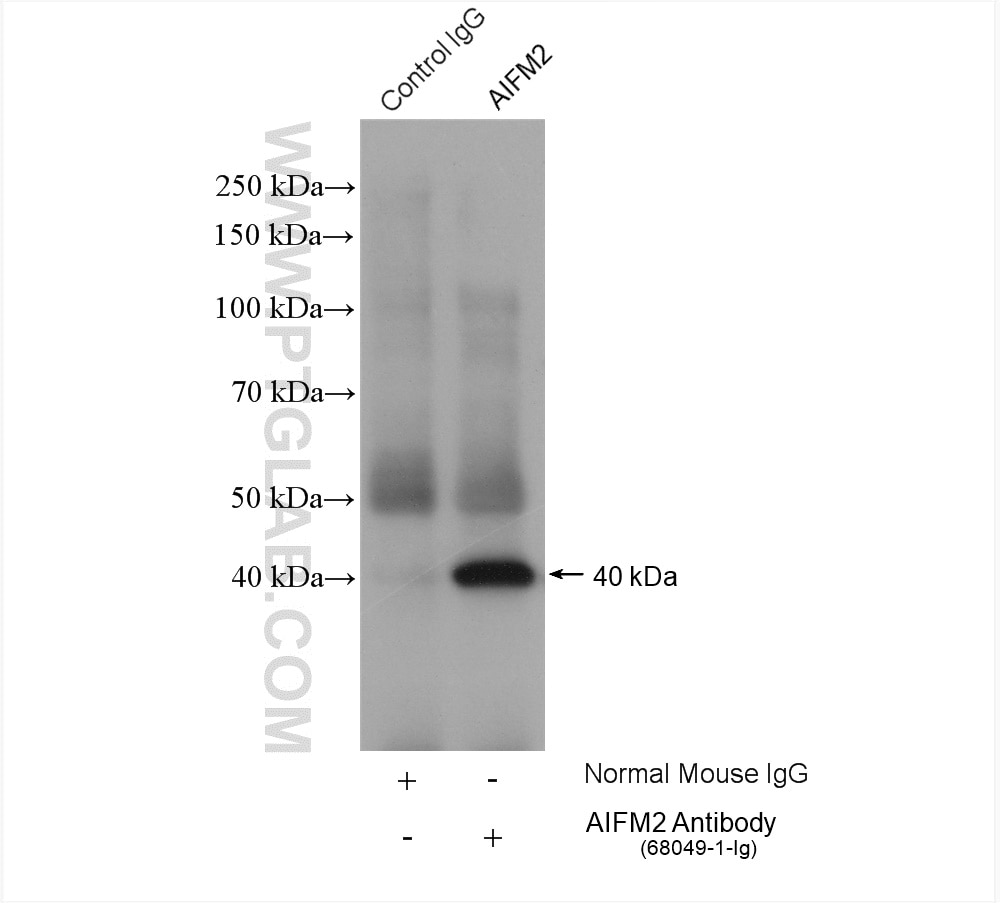

Tested Applications
| Positive WB detected in | LoVo cells, A549 cells, HEK-293 cells, HepG2 cells, K-562 cells, MCF-7 cells, NCI-H1299 cells, L02 cells, RKO cells |
| Positive IP detected in | K-562 cells |
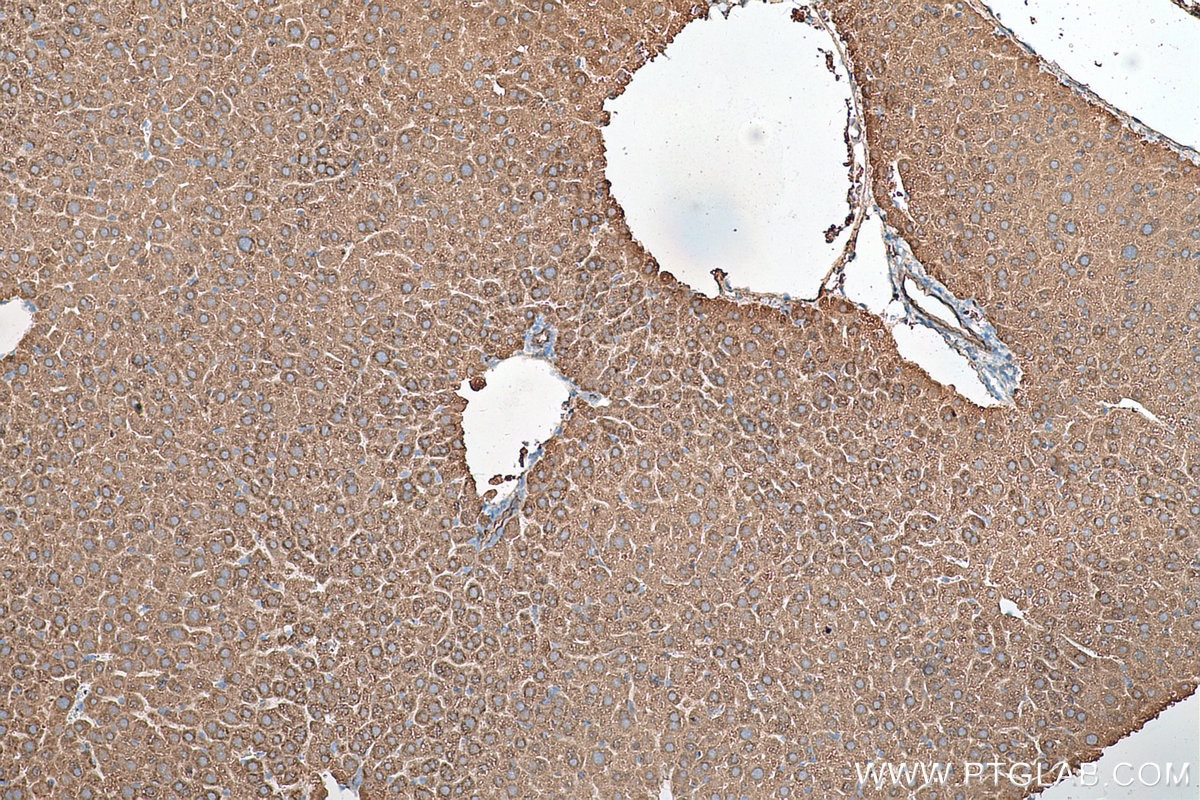
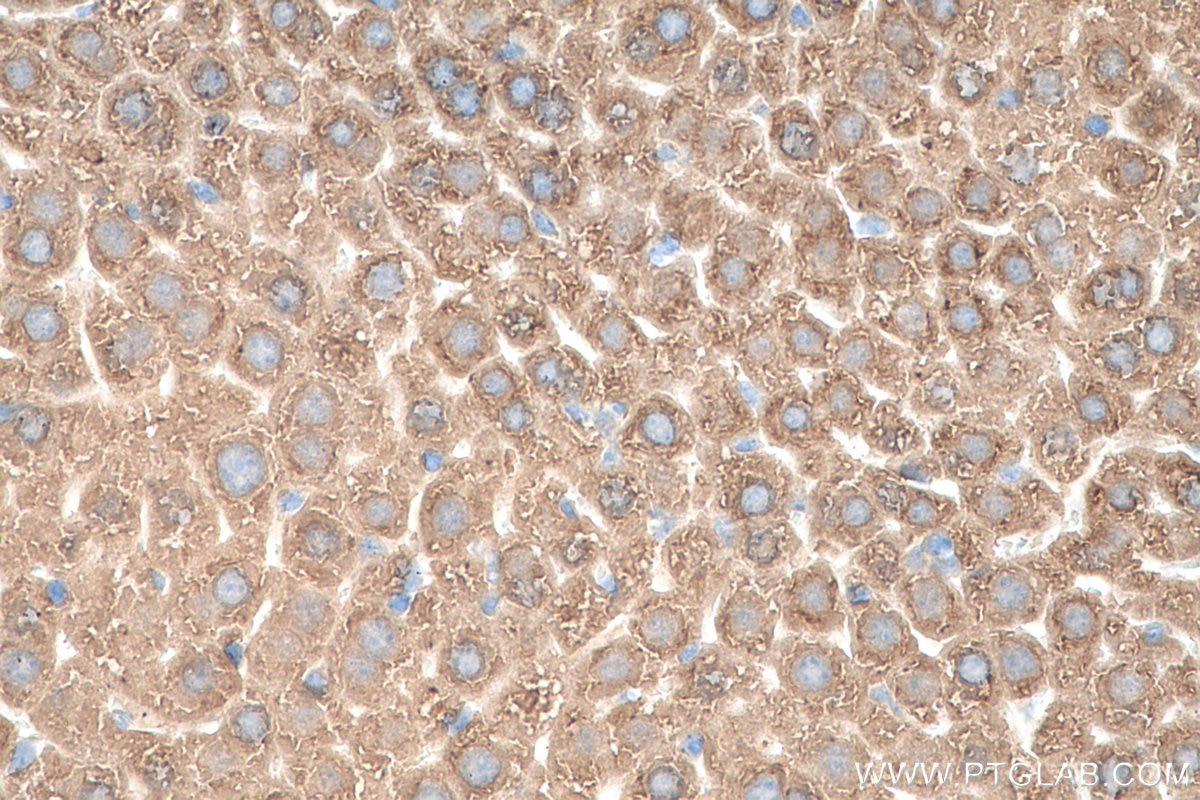
| Positive IHC detected in | mouse liver tissue Note: suggested antigen retrieval with TE buffer pH 9.0; (*) Alternatively, antigen retrieval may be performed with citrate buffer pH 6.0 |
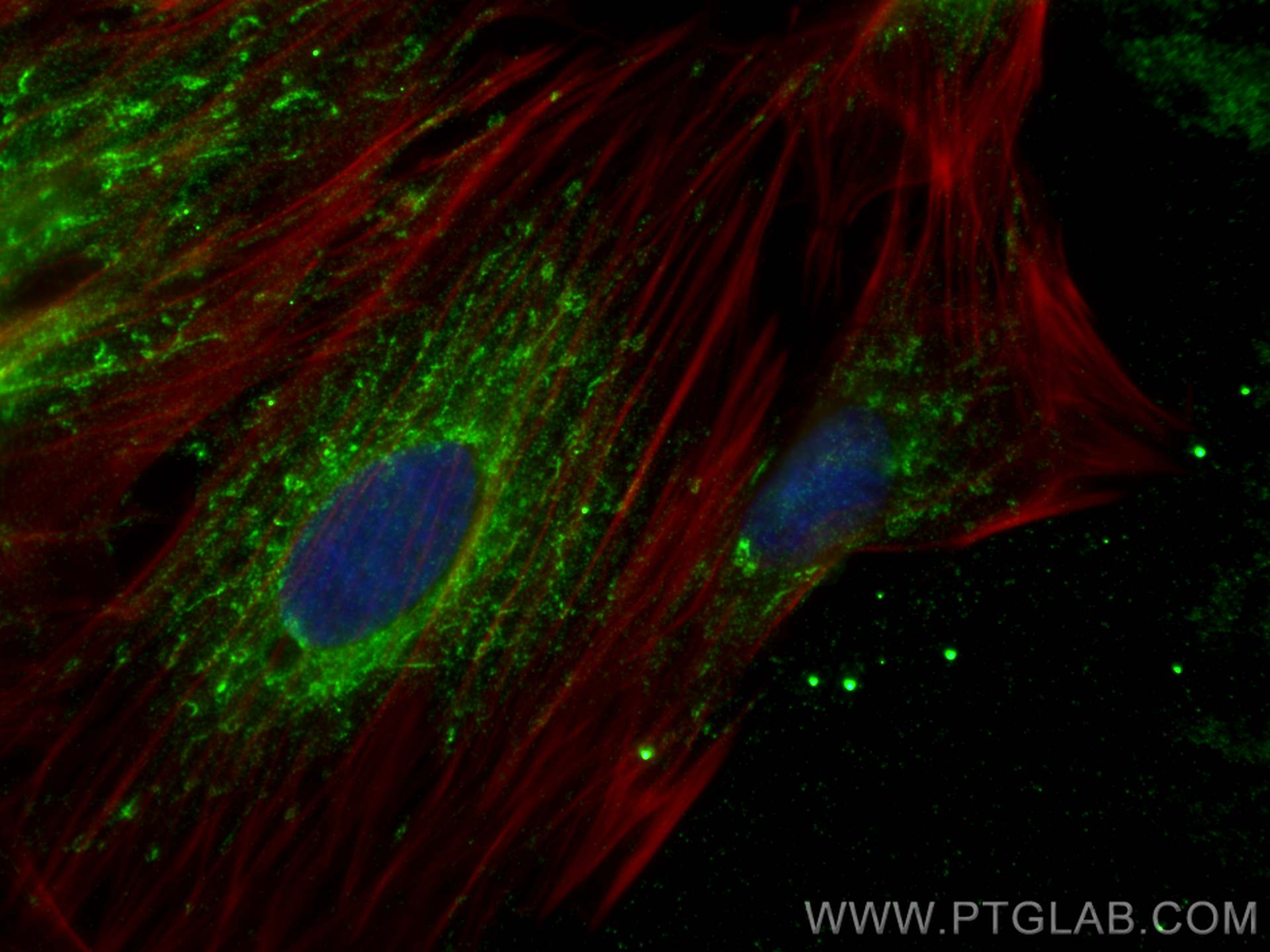
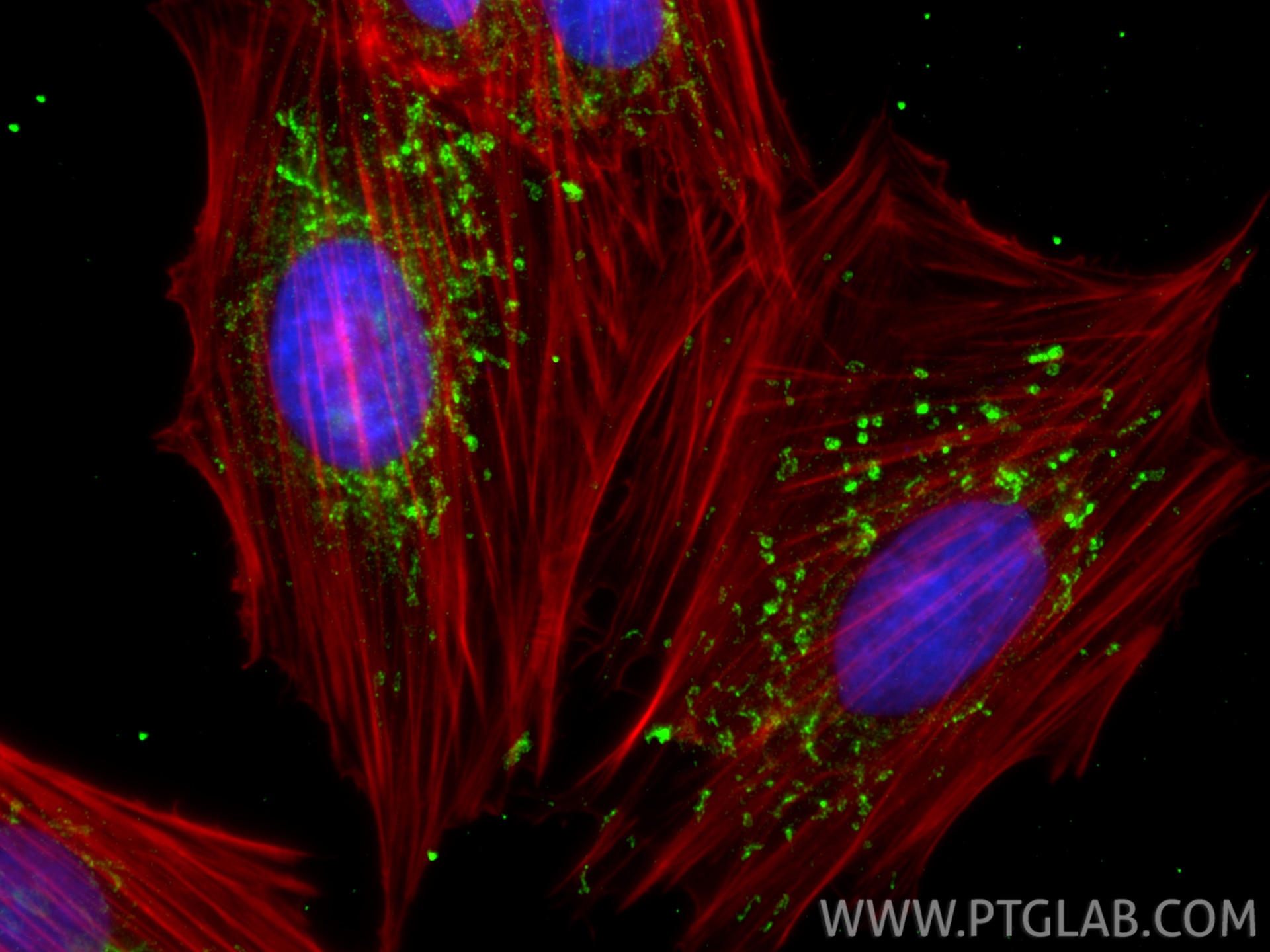
| Positive IF/ICC detected in | H9C2 cells |
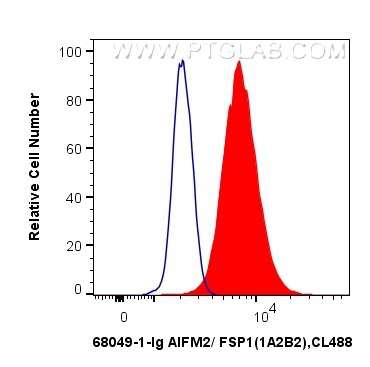
| Positive FC (Intra) detected in | K-562 cells |
Recommended dilution
| Application | Dilution |
|---|---|
| Western Blot (WB) | WB : 1:2000-1:10000 |
| Immunoprecipitation (IP) | IP : 0.5-4.0 ug for 1.0-3.0 mg of total protein lysate |
| Immunohistochemistry (IHC) | IHC : 1:250-1:1000 |
| Immunofluorescence (IF)/ICC | IF/ICC : 1:400-1:1600 |
| Flow Cytometry (FC) (INTRA) | FC (INTRA) : 0.50 ug per 10^6 cells in a 100 µl suspension |
| It is recommended that this reagent should be titrated in each testing system to obtain optimal results. | |
| Sample-dependent, Check data in validation data gallery. | |
Product Information
68049-1-Ig targets AIFM2/ FSP1 in WB, IHC, IF/ICC, FC (Intra), IP, ELISA applications and shows reactivity with human, mouse samples.
| Tested Reactivity | human, mouse |
| Cited Reactivity | human, mouse, rat |
| Host / Isotype | Mouse / IgG1 |
| Class | Monoclonal |
| Type | Antibody |
| Immunogen |
CatNo: Ag30516 Product name: Recombinant human AIFM2 protein Source: e coli.-derived, PET28a Tag: 6*His Domain: 1-373 aa of BC023601 Sequence: MGSQVSVESGALHVVIVGGGFGGIAAASQLQALNVPFMLVDMKDSFHHNVAALRASVETGFAKKTFISYSVTFKDNFRQGLVVGIDLKNQMVLLQGGEALPFSHLILATGSTGPFPGKFNEVSSQQAAIQAYEDMVRQVQRSRFIVVVGGGSAGVEMAAEIKTEYPEKEVTLIHSQVALADKELLPSVRQEVKEILLRKGVQLLLSERVSNLEELPLNEYREYIKVQTDKGTEVATNLVILCTGIKINSSAYRKAFESRLASSGALRVNEHLQVEGHSNVYAIGDCADVRTPKMAYLAGLHANIAVANIVNSVKQRPLQAYKPGALTFLLSMGRNDGVGQISGFYVGRLMVRLTKSRDLFVSTSWKTMRQSPP Predict reactive species |
| Full Name | apoptosis-inducing factor, mitochondrion-associated, 2 |
| Calculated Molecular Weight | 41 kDa |
| Observed Molecular Weight | 41 kDa |
| GenBank Accession Number | BC023601 |
| Gene Symbol | AIFM2/ FSP1 |
| Gene ID (NCBI) | 84883 |
| RRID | AB_2918791 |
| Conjugate | Unconjugated |
| Form | Liquid |
| Purification Method | Protein G purification |
| UNIPROT ID | Q9BRQ8 |
| Storage Buffer | PBS with 0.02% sodium azide and 50% glycerol, pH 7.3. |
| Storage Conditions | Store at -20°C. Stable for one year after shipment. Aliquoting is unnecessary for -20oC storage. 20ul sizes contain 0.1% BSA. |
Background Information
The human AIFM2 protein (also known as FSP1 or AMID) is an apoptosis associated flavoprotein with a 6-hydroxy FAD cofactor. AIFM2 is a NAD(P)H-binding oxidoreductase with some sequence similarities to A1FM1 (formerly known as AIF, Apoptosis Inducing Factor), a mitochondrion-associated enzyme which relocates to the cell nucleus during apoptosis and is considered to be a key player in the progression of cell death.
Protocols
| Product Specific Protocols | |
|---|---|
| FC protocol for AIFM2/ FSP1 antibody 68049-1-Ig | Download protocol |
| IF protocol for AIFM2/ FSP1 antibody 68049-1-Ig | Download protocol |
| IHC protocol for AIFM2/ FSP1 antibody 68049-1-Ig | Download protocol |
| IP protocol for AIFM2/ FSP1 antibody 68049-1-Ig | Download protocol |
| WB protocol for AIFM2/ FSP1 antibody 68049-1-Ig | Download protocol |
| Standard Protocols | |
|---|---|
| Click here to view our Standard Protocols |
Publications
What published studies show
The AIFM2/FSP1 Monoclonal antibody (Cat# 68049-1-Ig) has 20 citations. Publications appear in Nature, Science, Nat Commun, Sci Adv, Redox Biol, Adv Sci, Cell Death Discov, J Adv Res, Free Radic Biol Med, Phytomedicine, Antioxidants, Front Pharmacol, Cell Signal, Exp Cell Res, Research, and Transl Androl Urol. Research fields center on ferroptosis mechanisms, cancer biology (melanoma, breast, gastric, renal, liver, bladder, lymphoma, medulloblastoma), oxidative stress, acute kidney injury, osteoporosis, obesity, and cardiac dysfunction.
| Species | Application | Title |
|---|---|---|
Nat Commun Iron overload in the tumor microenvironment induces CD8(+) T cell ferroptosis and dysfunction. | ||
J Adv Res Asperosaponin VI inhibition of DNMT alleviates GPX4 suppression-mediated osteoblast ferroptosis and diabetic osteoporosis | ||
Redox Biol The role and mechanism of the cGAS-STING pathway-mediated ROS in apoptosis and ferroptosis induced by manganese exposure. | ||
Adv Sci (Weinh) Inhibition of Calcium-Dependent Lipid Droplets Relocation of ACSL4-PKCβ-ALOX15 Complex Alleviates Ferroptosis and Acute Pancreatitis. |














