

Product Information
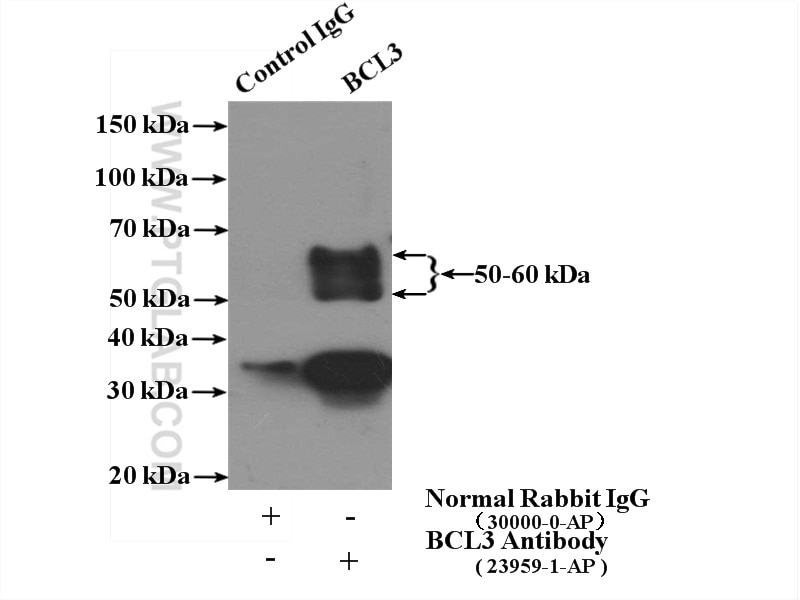
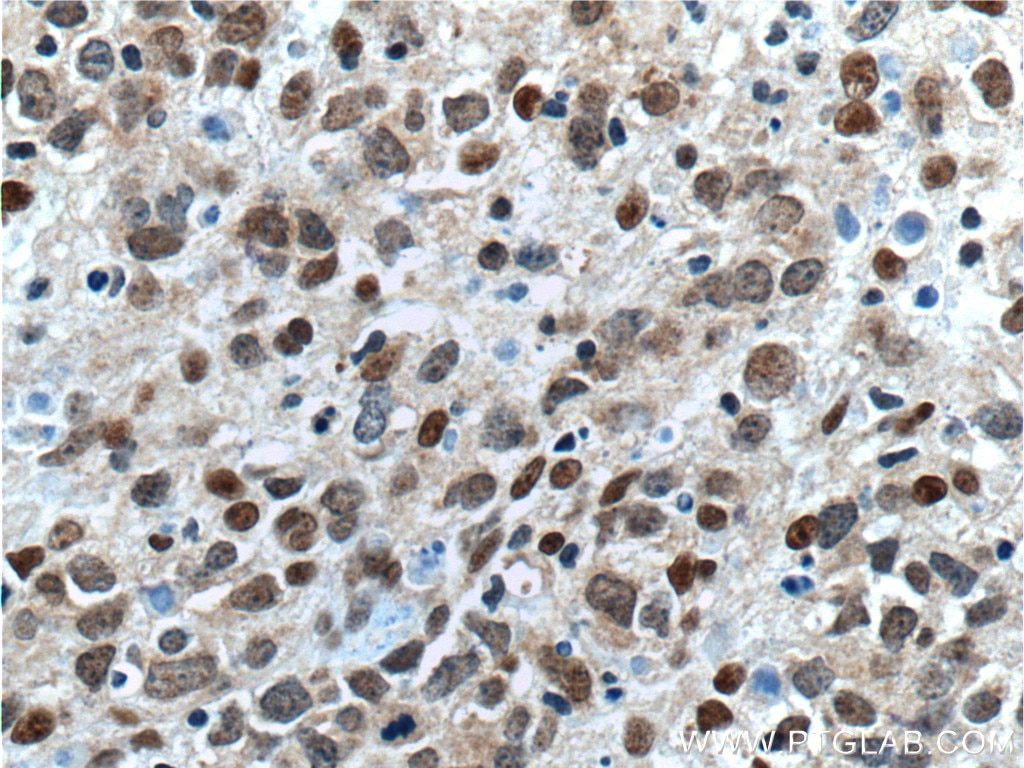
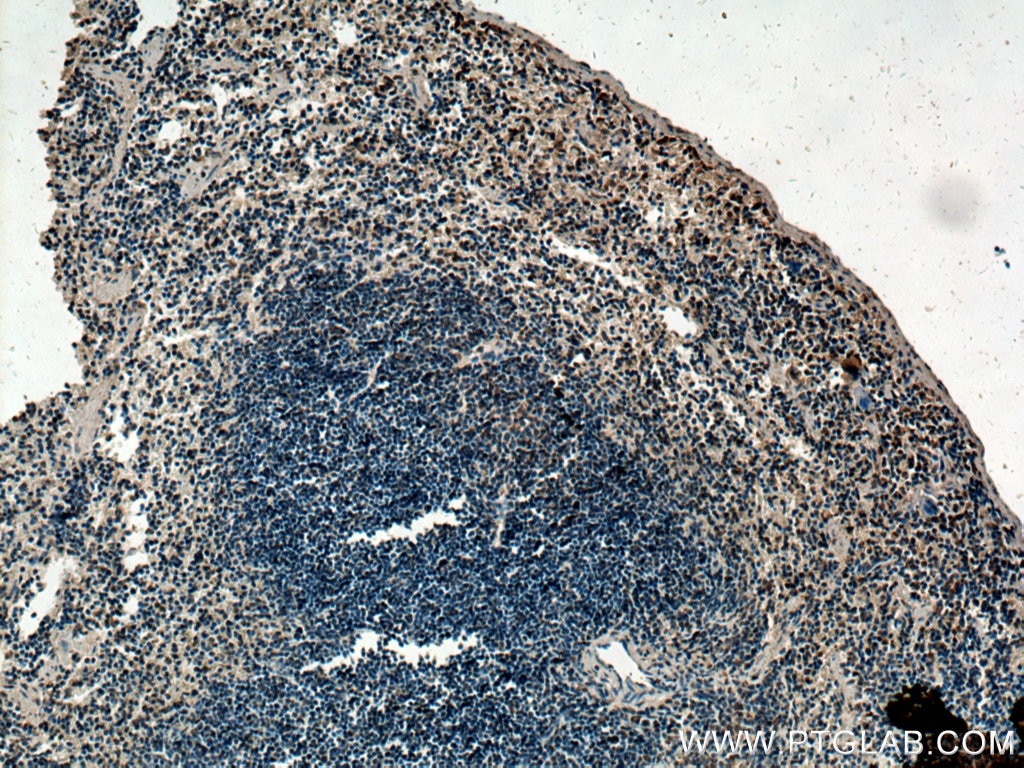
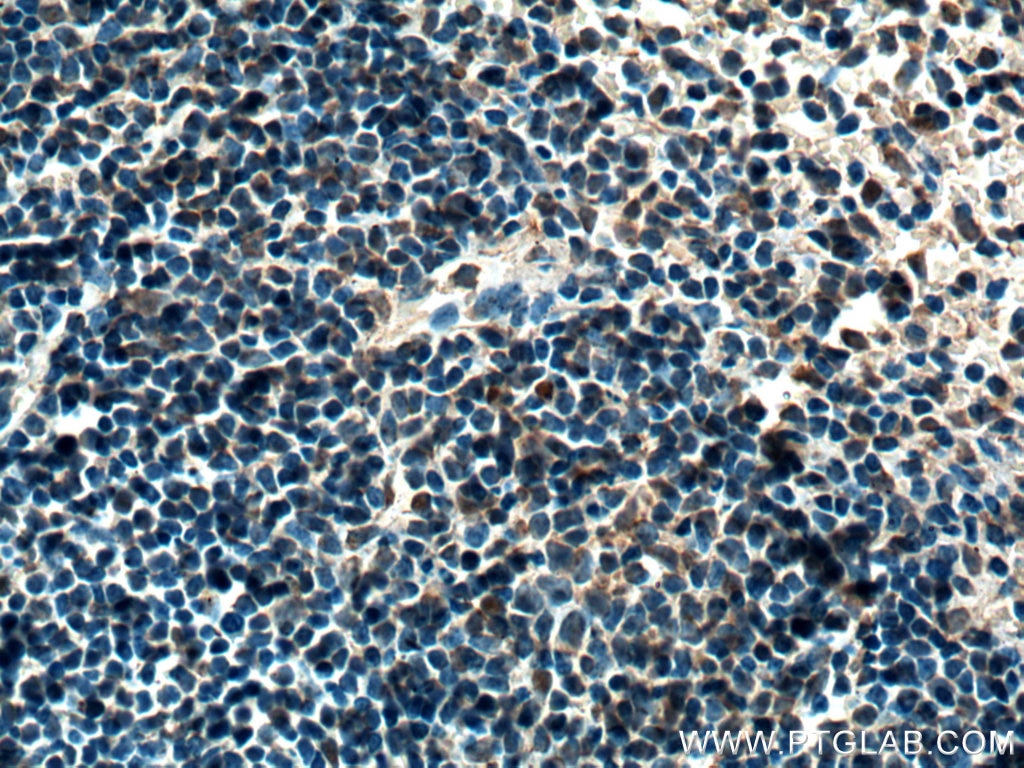
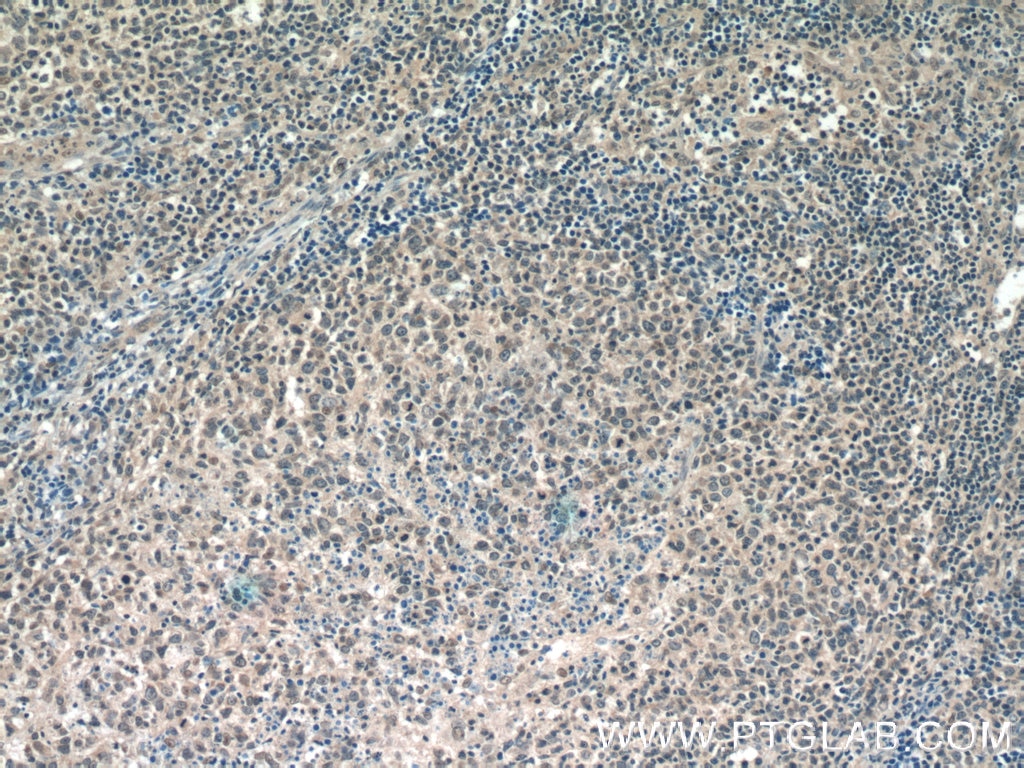
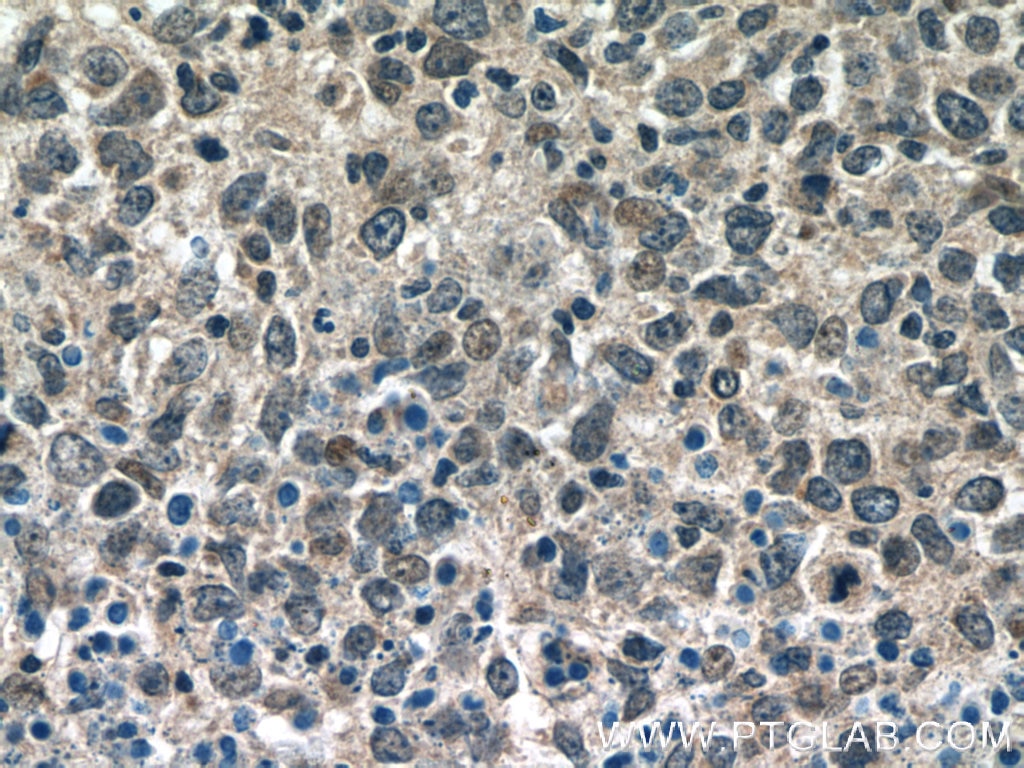
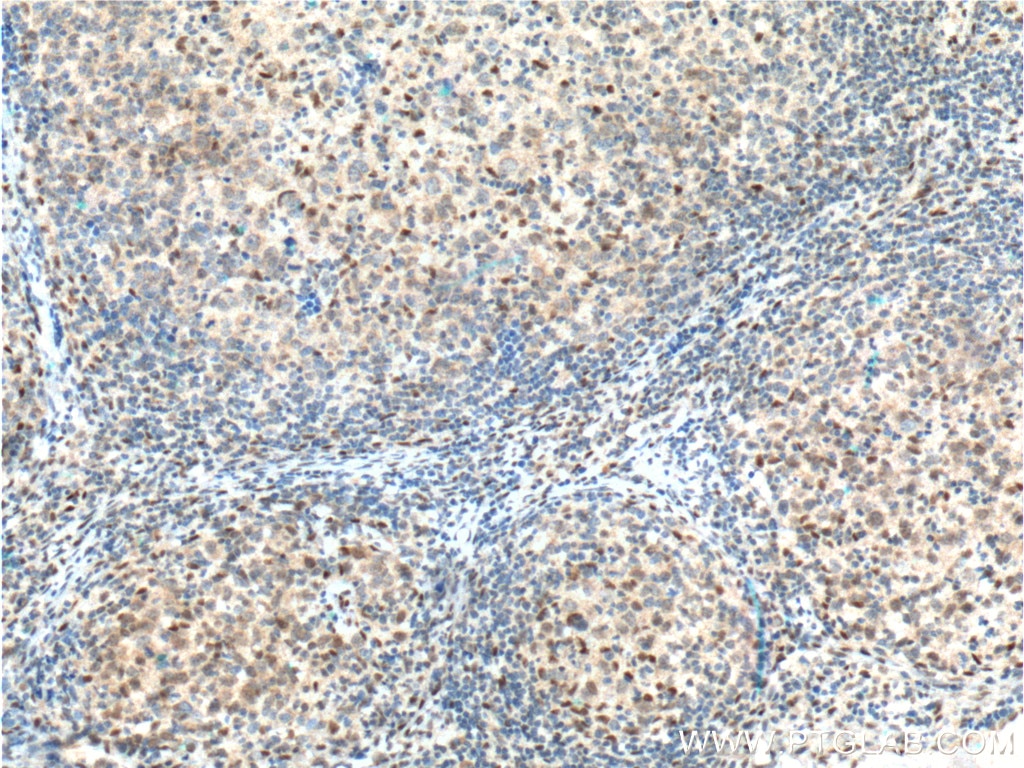
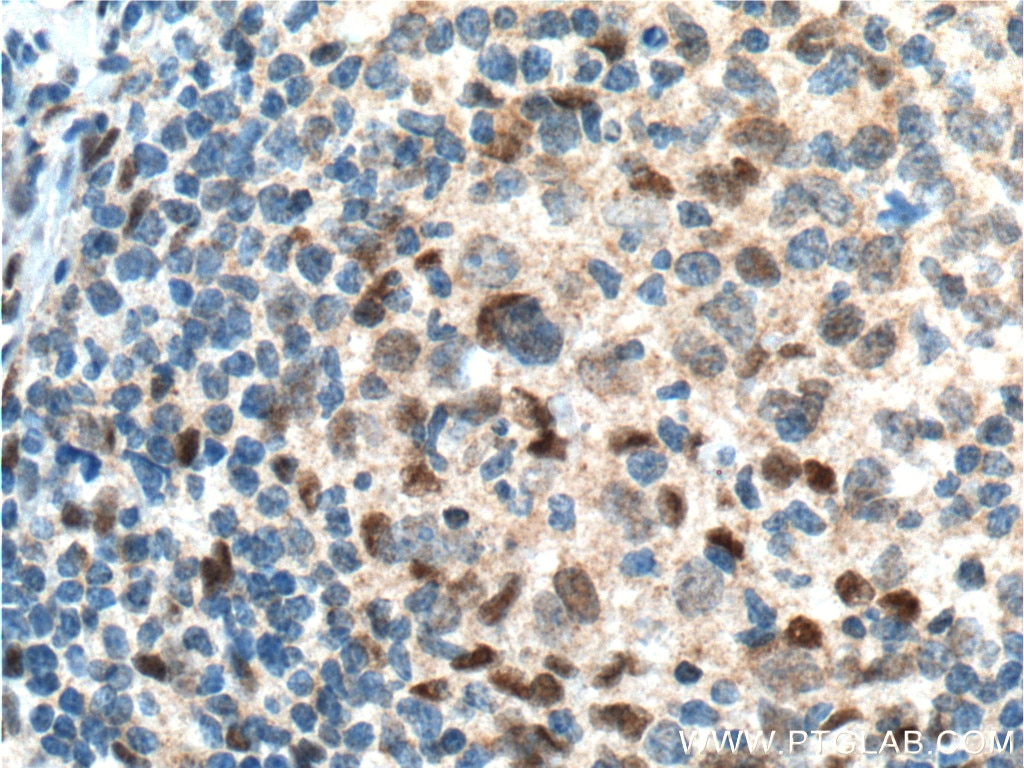
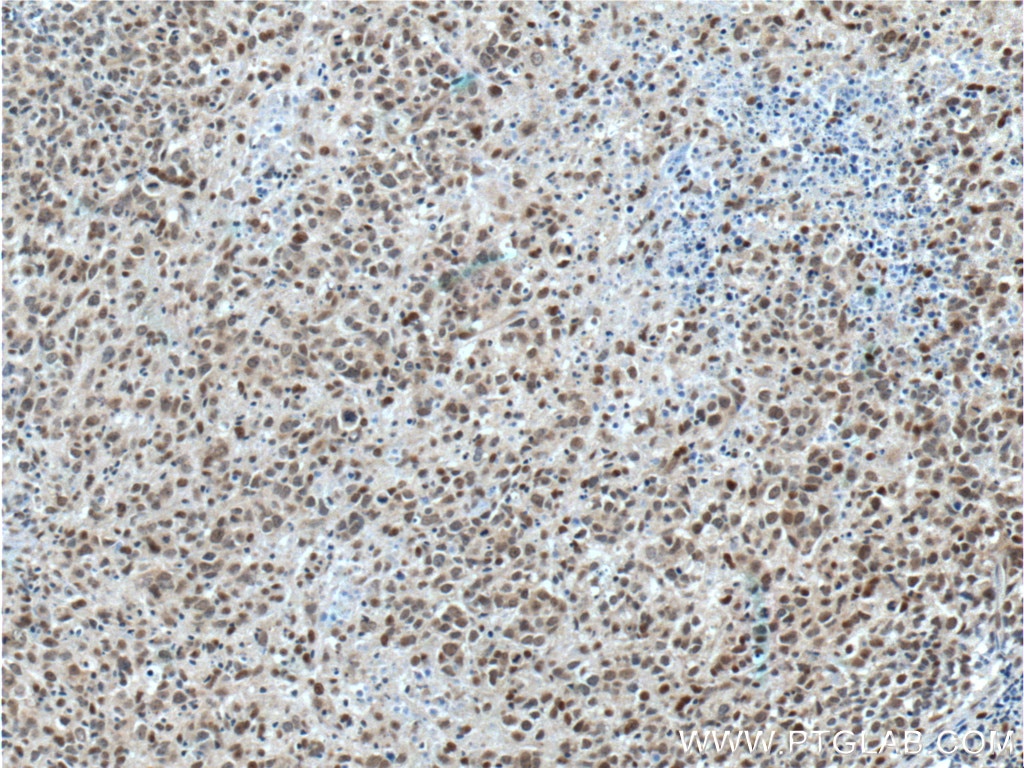
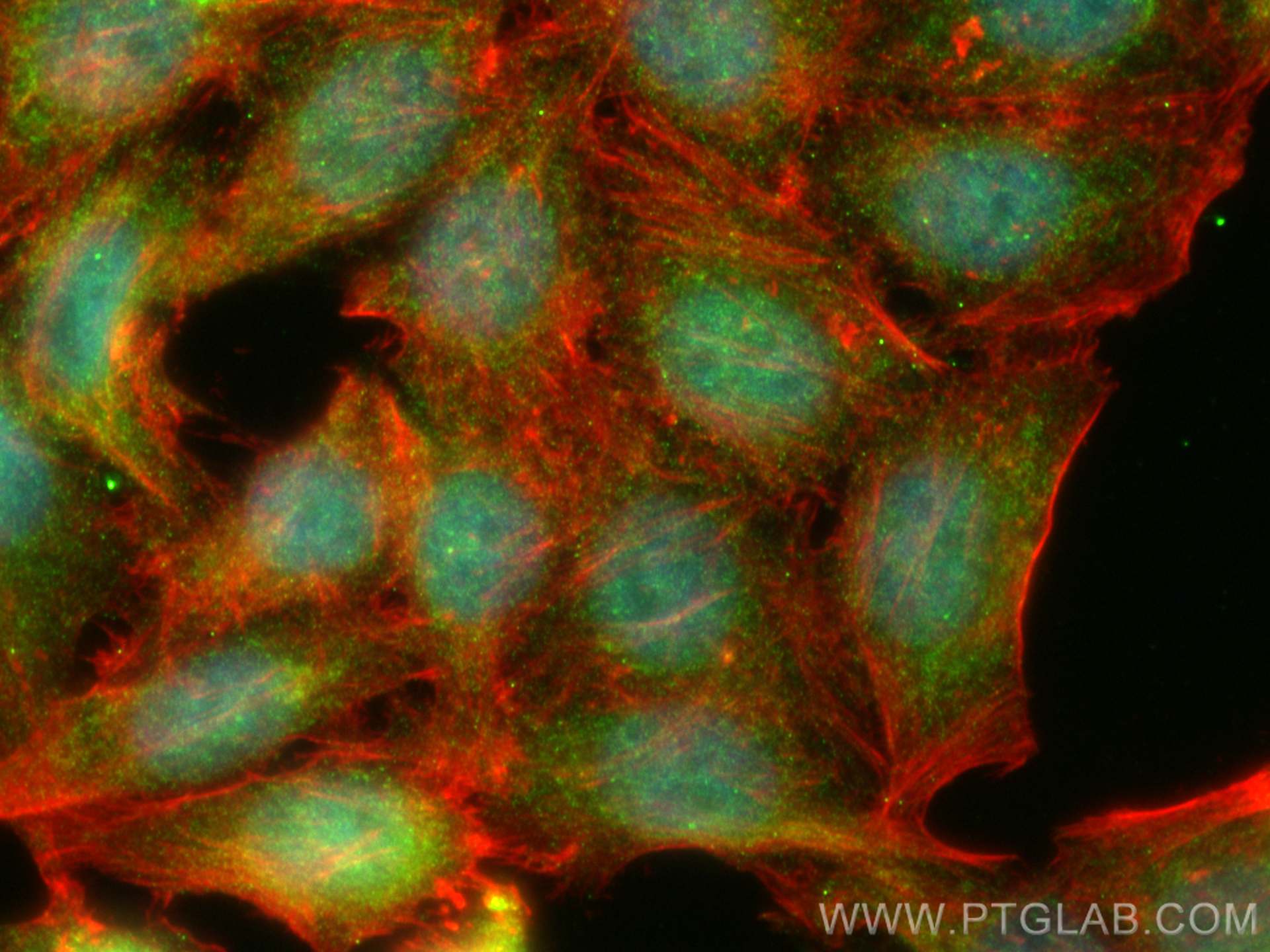
23959-1-PBS targets BCL3 in WB, IHC, IF/ICC, IP, Indirect ELISA applications and shows reactivity with human, mouse samples.
| Tested Reactivity | human, mouse |
| Host / Isotype | Rabbit / IgG |
| Class | Polyclonal |
| Type | Antibody |
| Immunogen |
CatNo: Ag21040 Product name: Recombinant human BCL3 protein Source: e coli.-derived, PET30a Tag: 6*His Domain: 97-446 aa of BC064993 Sequence: NLPTPLYPMMCPMEHPLSADIAMATRADEDGDTPLHIAVVQGNLPAVHRLVNLFQQGGRELDIYNNLRQTPLHLAVITTLPSVVRLLVTAGASPMALDRHGQTAAHLACEHRSPTCLRALLDSAAPGTLDLEARNYDGLTALHVAVNTECQETVQLLLERGADIDAVDIKSGRSPLIHAVENNSLSMVQLLLQHGANVNAQMYSGSSALHSASGRGLLPLVRTLVRSGADSSLKNCHNDTPLMVARSRRVIDILRGKATRPASTSQPDPSPDRSANTSPESSSRLSSNGLLSASPSSSPSQSPPRDPPGFPMAPPNFFLPSPSPPAFLPFAGVLRGPGRPVPPSPAPGGS Predict reactive species |
| Full Name | B-cell CLL/lymphoma 3 |
| Calculated Molecular Weight | 446 aa, 47 kDa |
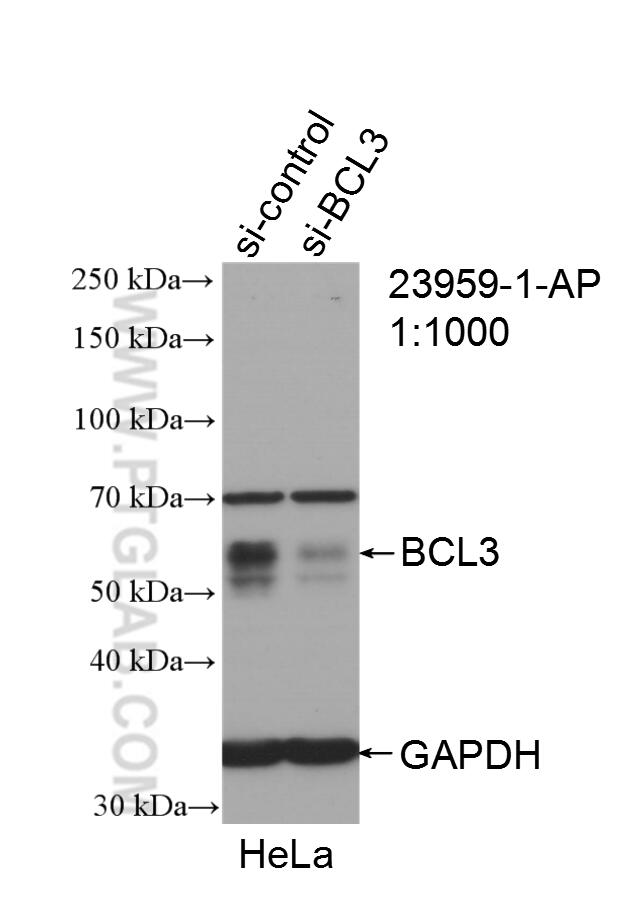
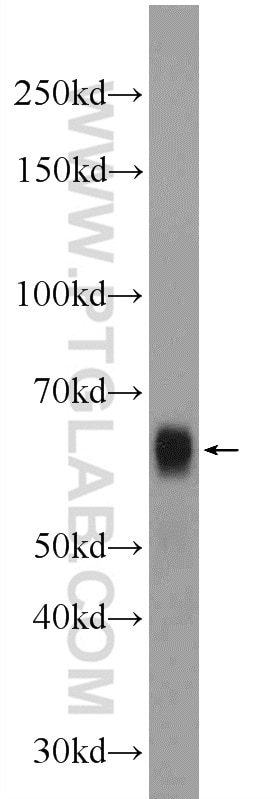
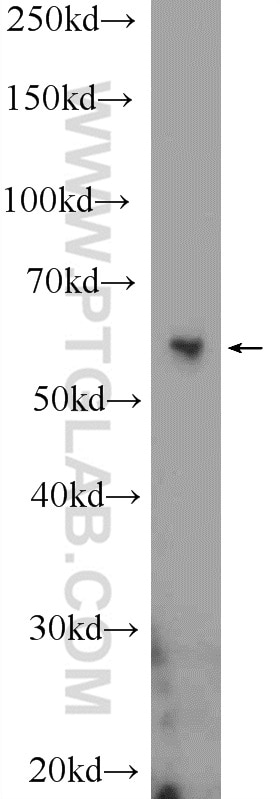
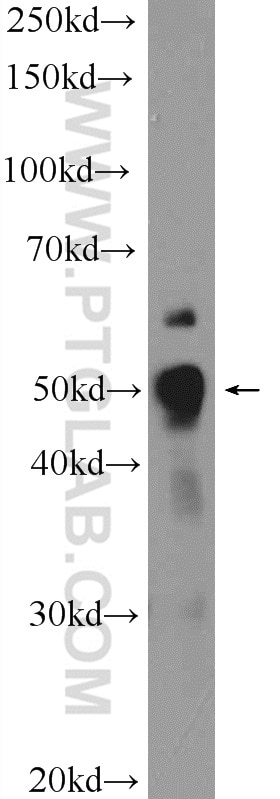
| Observed Molecular Weight | 48-60 kDa |
| GenBank Accession Number | BC064993 |
| Gene Symbol | BCL3 |
| Gene ID (NCBI) | 602 |
| RRID | AB_2879375 |
| Conjugate | Unconjugated |
| Form | Liquid |
| Purification Method | Antigen affinity purification |
| UNIPROT ID | P20749 |
| Storage Buffer | PBS only, pH 7.3. |
| Storage Conditions | Store at -80°C. |
Background Information
BCL3 (B-cell lymphoma 3 protein) has seven ankyrin repeat domains, a proline-rich N terminal domain and a serine- and proline-rich C-terminal domain(PMID: 31930327). BCL3 is an important contributor to chronic inflammatory disease states, such as osteoarthritis and rheumatoid arthritis (PMID: 12483727). BCL3 is a predominantly nuclear protein containing a trans-activation domain, and it can be recruited to NF-κB-responsive promoters, resulting in transcriptional activation or repression depending on the subunit composition of NF-κB complexes (PMID: 25089799, PMID: 30135206). BCL3 is known to be overexpressed in human breast cancers and is associated with reduced metastasis-free survival (PMID: 38255248). The predicted molecular weight of the BCL3 protein is 48 kDa. However, due to post-translational modifications (e.g., phosphorylation), its apparent molecular weight often ranges between 55 and 65 kDa (PMID: 9407099, PMID: 12847243).















