

Tested Applications
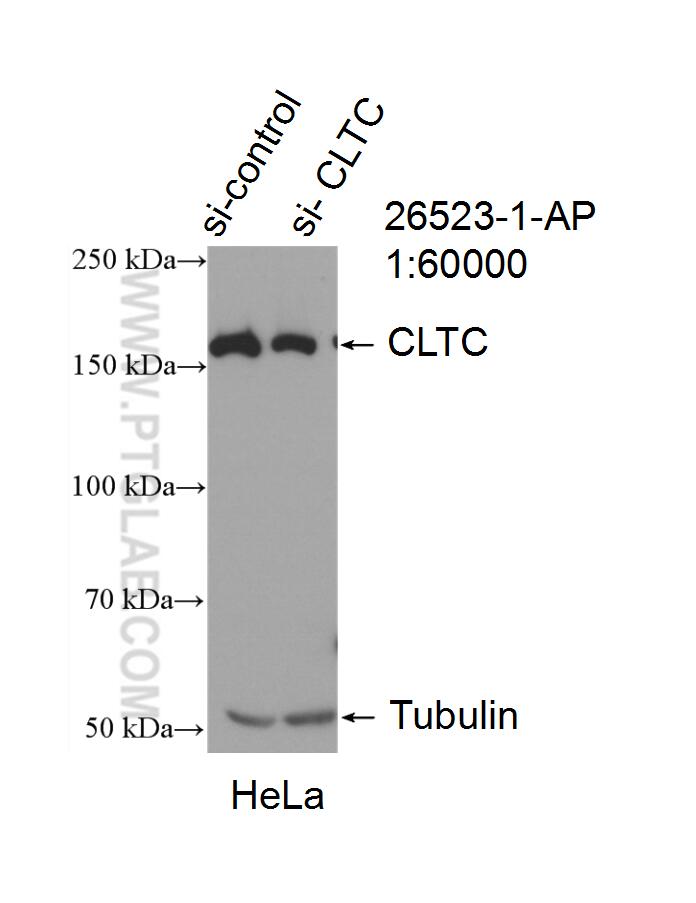
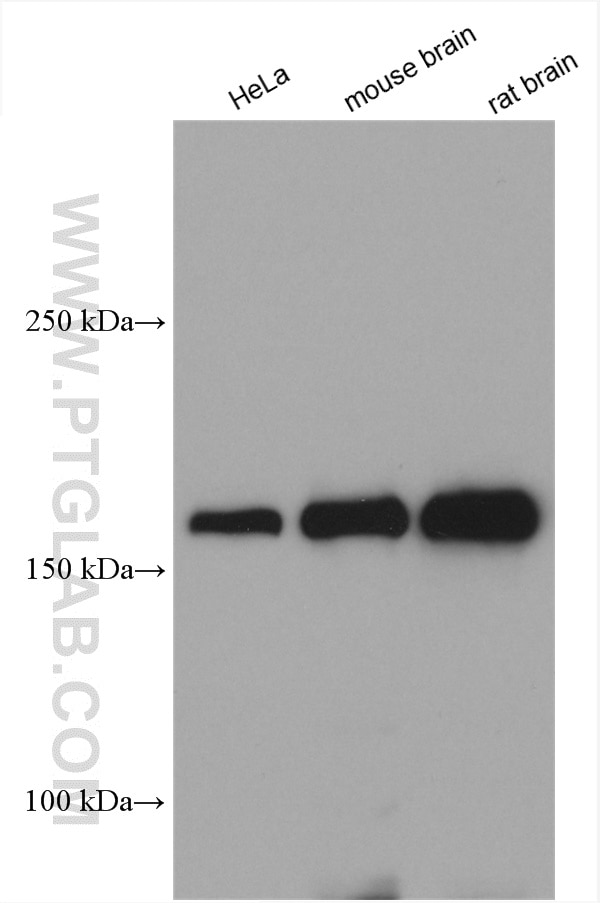
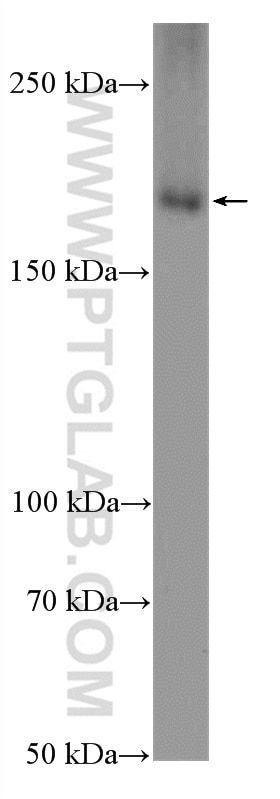
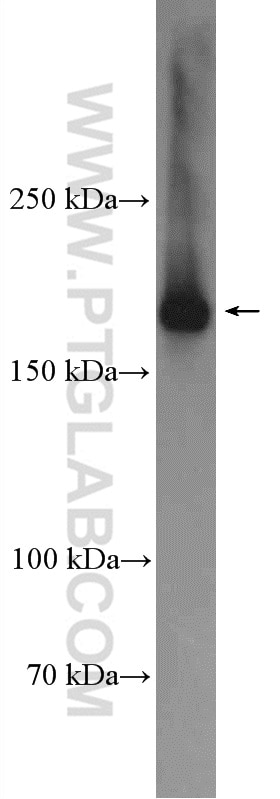
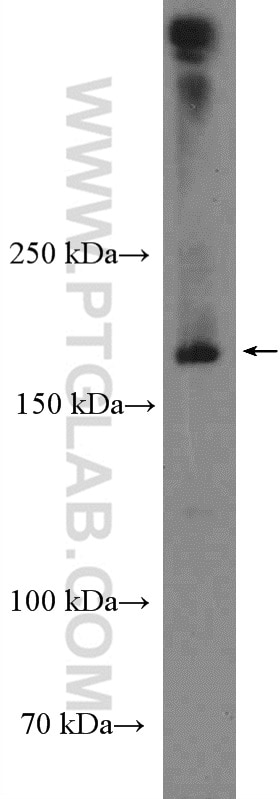
| Positive WB detected in | HeLa cells, HL-60 cells, pig brain tissue, Raji cells, mouse brain tissue, rat brain tissue |
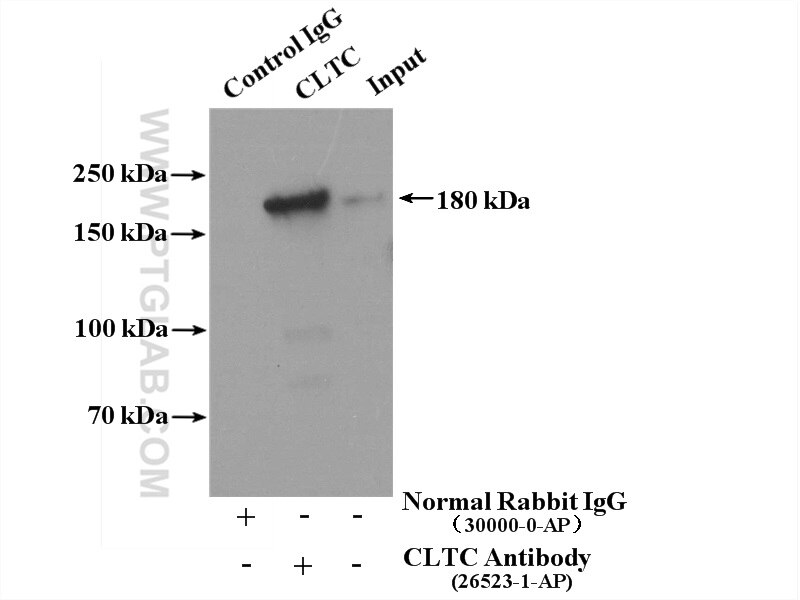
| Positive IP detected in | HeLa cells |
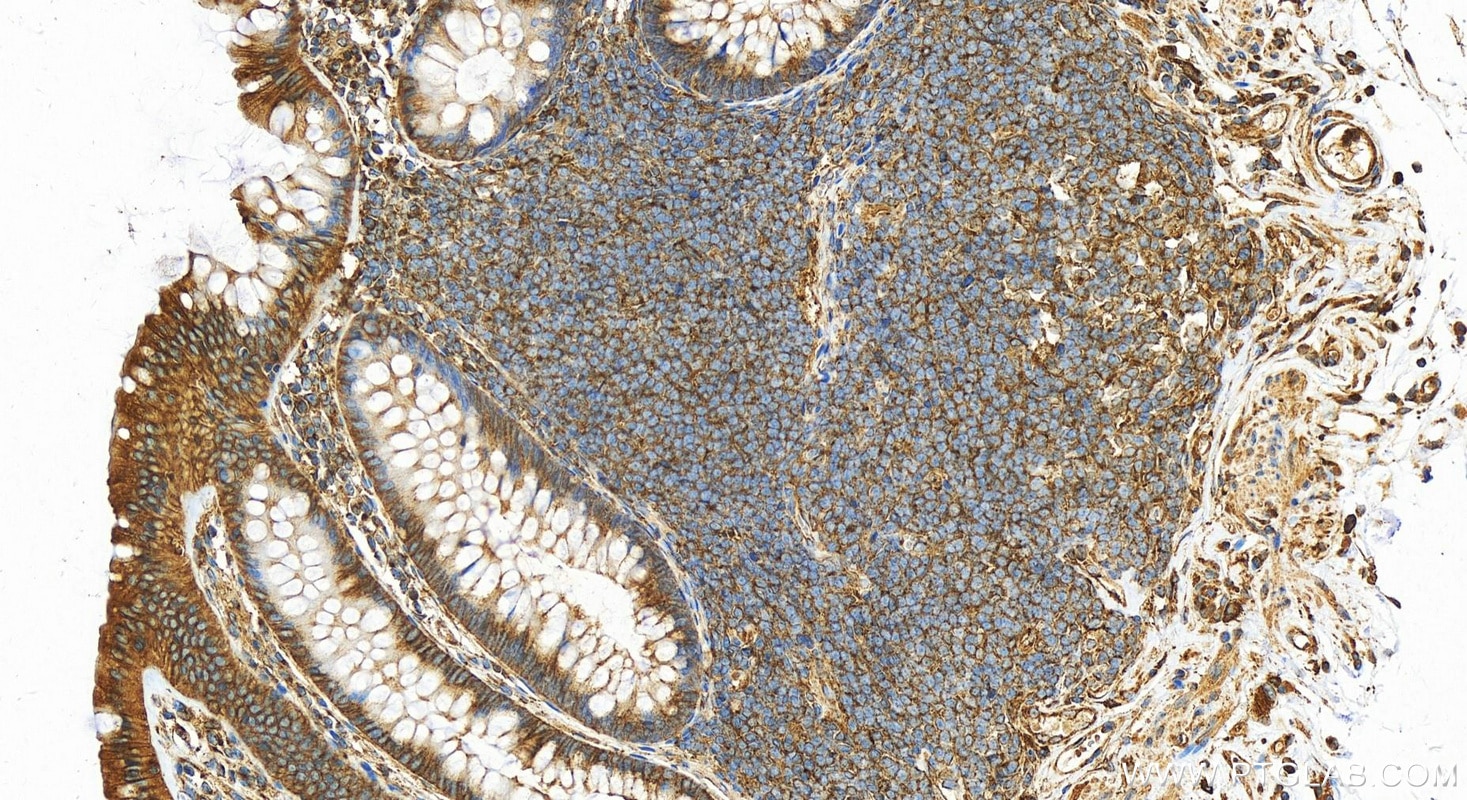
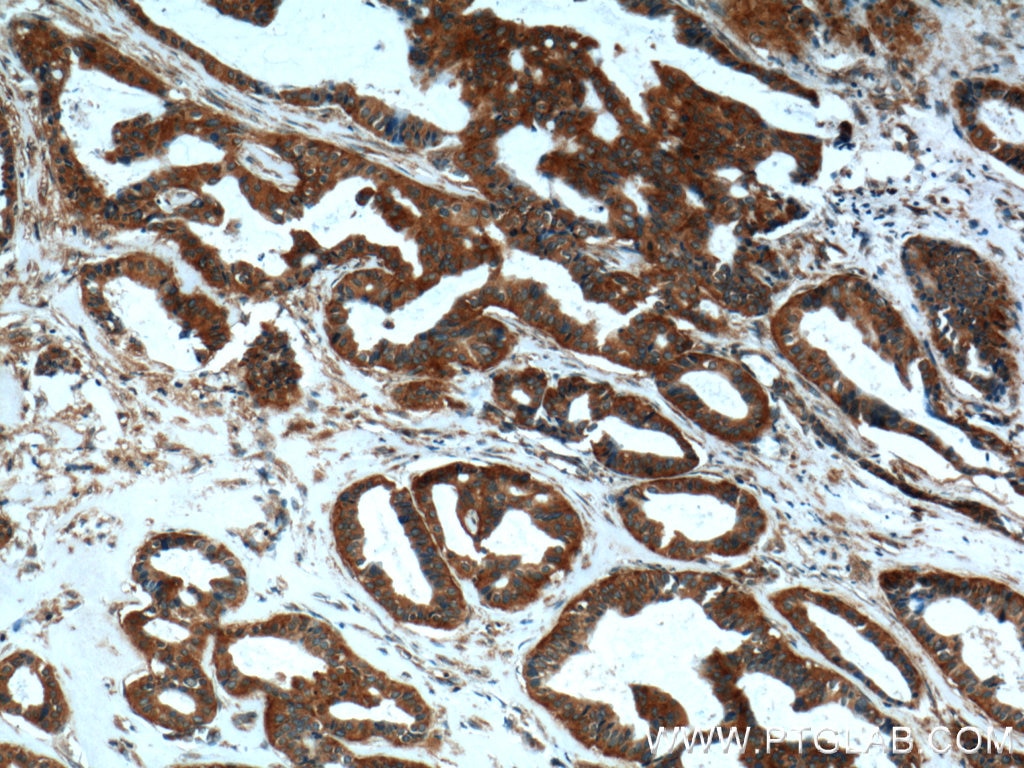
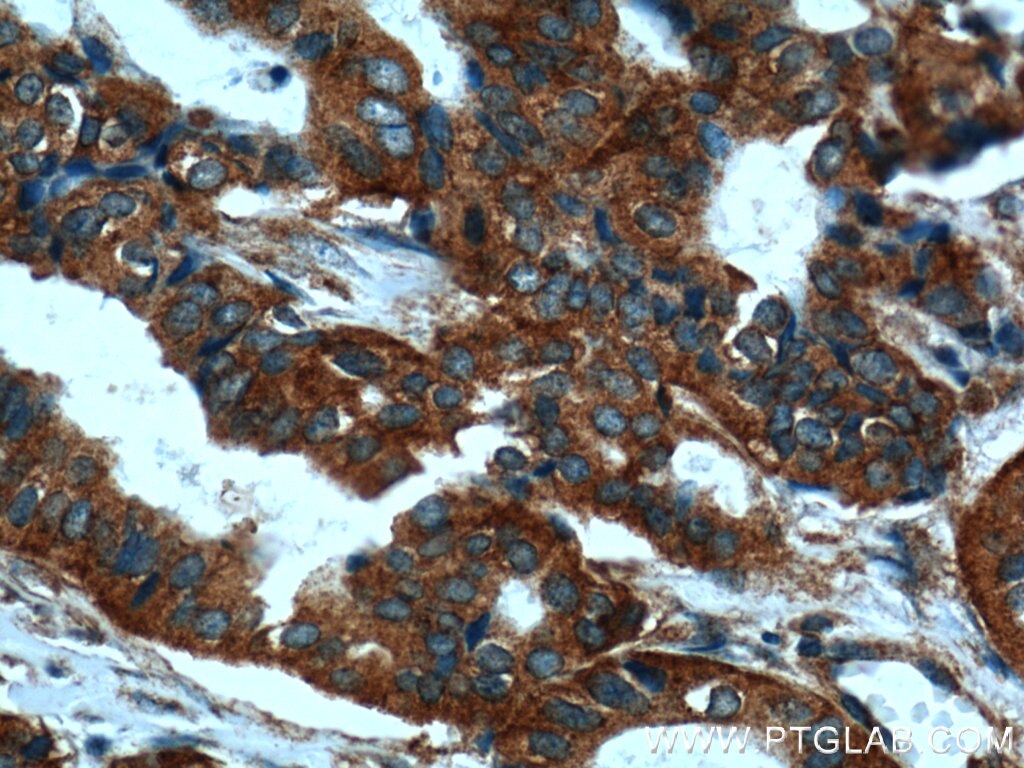
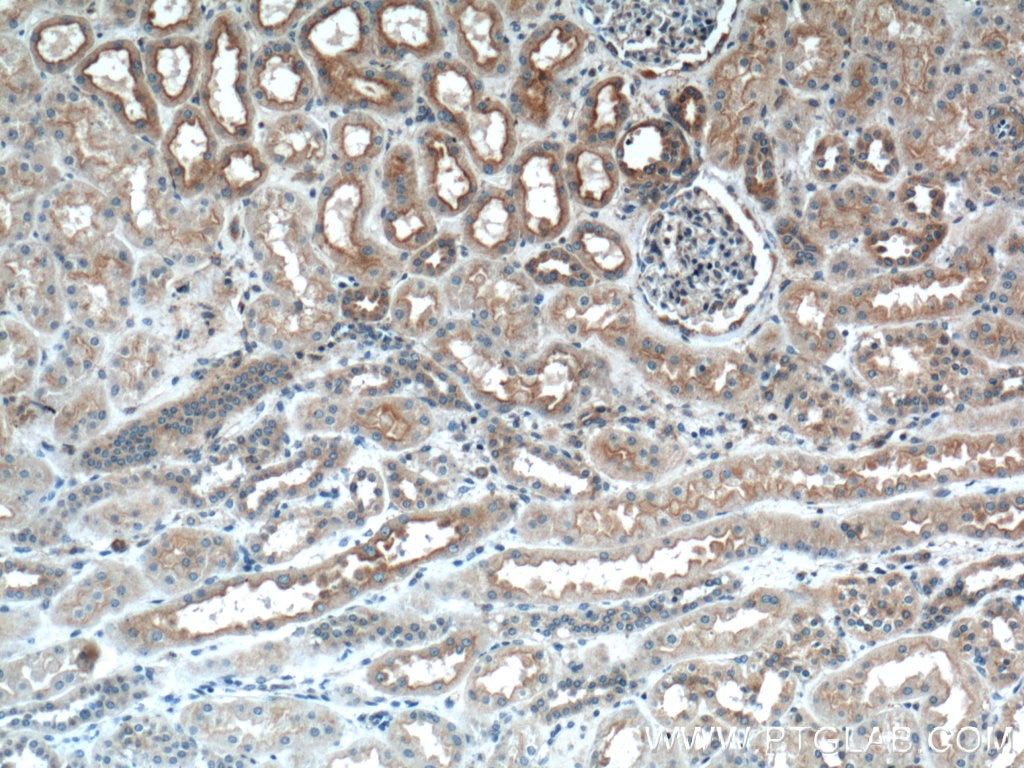
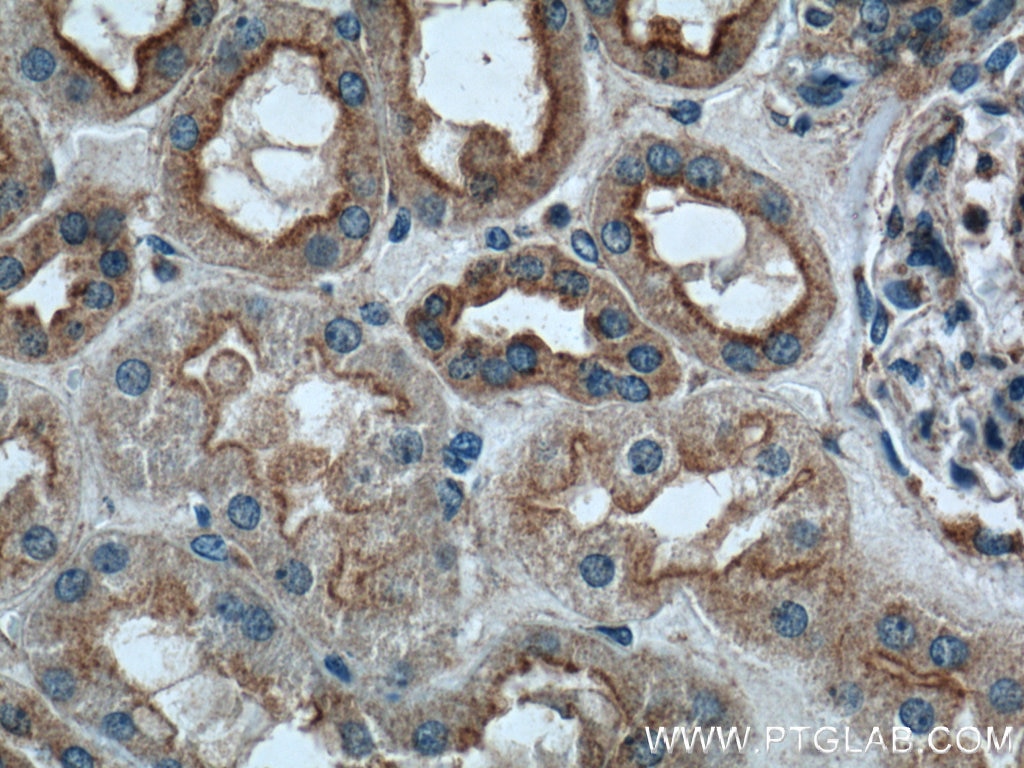
| Positive IHC detected in | human colon tissue, human breast cancer tissue, human kidney tissue Note: suggested antigen retrieval with TE buffer pH 9.0; (*) Alternatively, antigen retrieval may be performed with citrate buffer pH 6.0 |
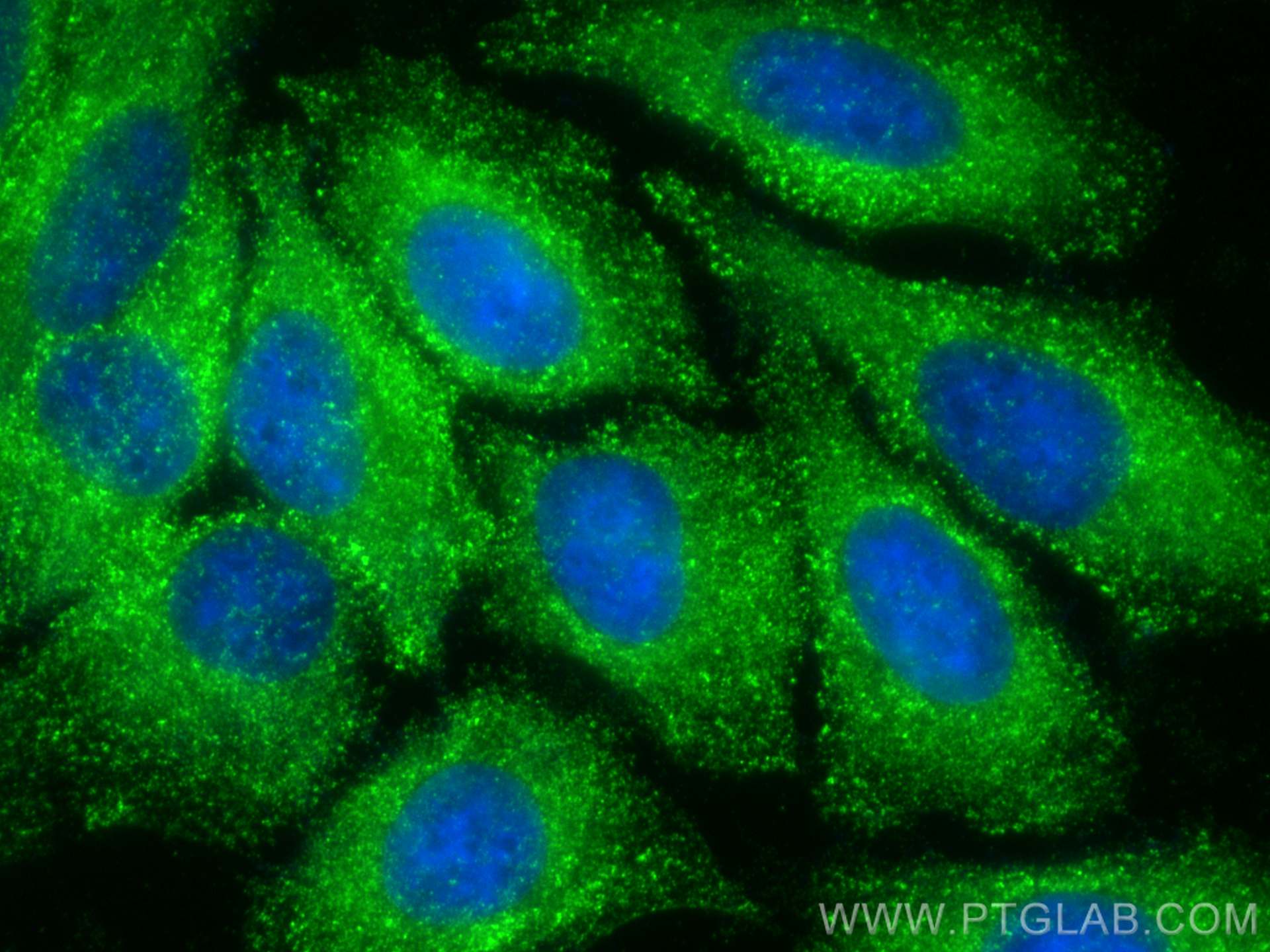
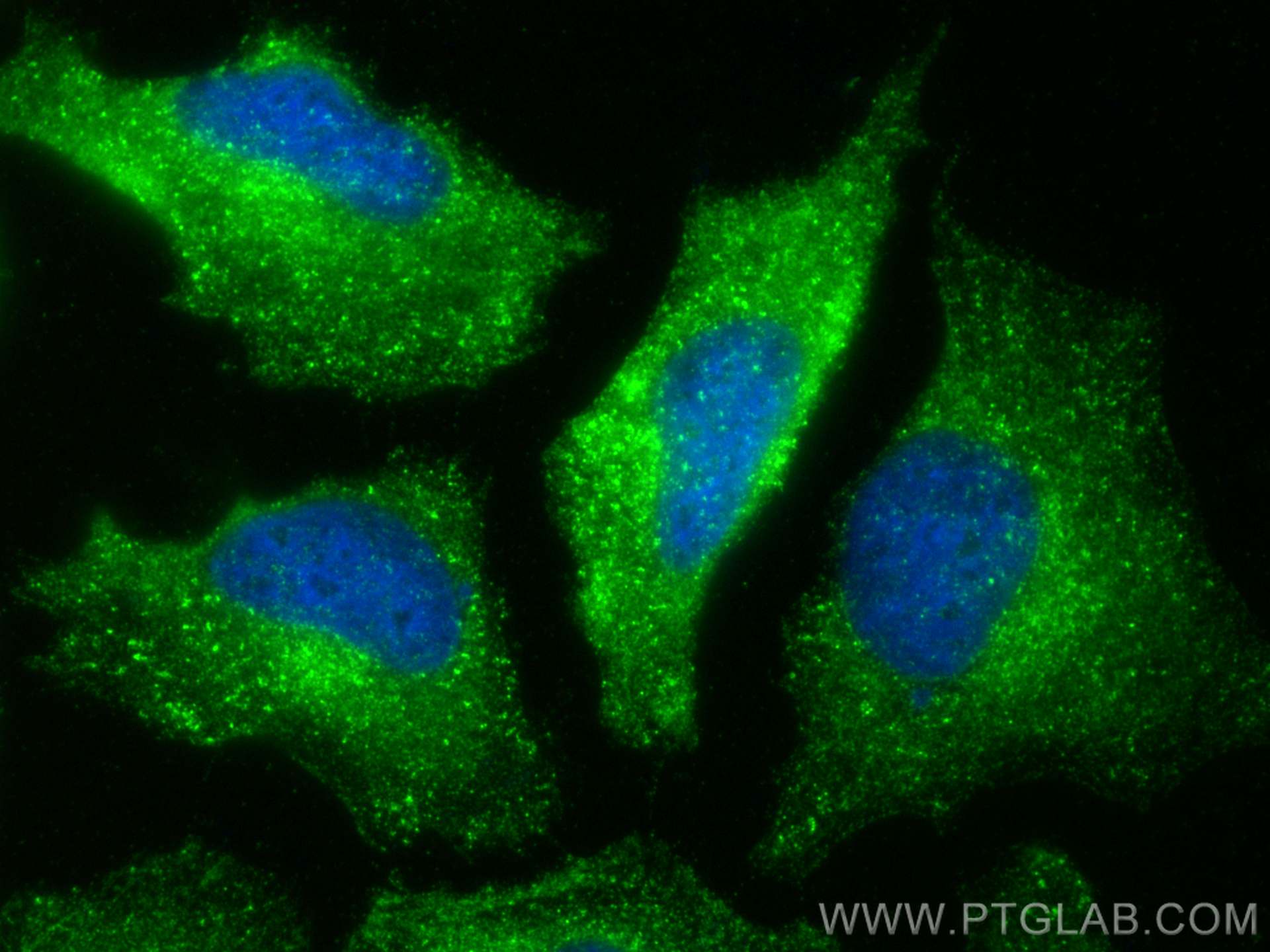
| Positive IF/ICC detected in | HepG2 cells, HeLa cells |
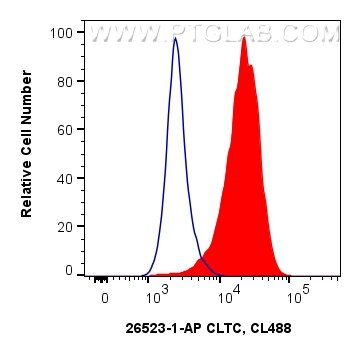
| Positive FC (Intra) detected in | HeLa cells |
Recommended dilution
| Application | Dilution |
|---|---|
| Western Blot (WB) | WB : 1:2000-1:10000 |
| Immunoprecipitation (IP) | IP : 0.5-4.0 ug for 1.0-3.0 mg of total protein lysate |
| Immunohistochemistry (IHC) | IHC : 1:500-1:2000 |
| Immunofluorescence (IF)/ICC | IF/ICC : 1:250-1:1000 |
| Flow Cytometry (FC) (INTRA) | FC (INTRA) : 0.40 ug per 10^6 cells in a 100 µl suspension |
| It is recommended that this reagent should be titrated in each testing system to obtain optimal results. | |
| Sample-dependent, Check data in validation data gallery. | |
Product Information
26523-1-AP targets CLTC in WB, IHC, IF/ICC, FC (Intra), IP, CoIP, ELISA applications and shows reactivity with human, mouse, rat, pig samples.
| Tested Reactivity | human, mouse, rat, pig |
| Cited Reactivity | human, mouse, pig, bovine |
| Host / Isotype | Rabbit / IgG |
| Class | Polyclonal |
| Type | Antibody |
| Immunogen |
CatNo: Ag25041 Product name: Recombinant human CLTC protein Source: e coli.-derived, PGEX-4T Tag: GST Domain: 1-351 aa of BC054489 Sequence: MAQILPIRFQEHLQLQNLGINPANIGFSTLTMESDKFICIREKVGEQAQVVIIDMNDPSNPIRRPISADSAIMNPASKVIALKAGKTLQIFNIEMKSKMKAHTMTDDVTFWKWISLNTVALVTDNAVYHWSMEGESQPVKMFDRHSSLAGCQIINYRTDAKQKWLLLTGISAQQNRVVGAMQLYSVDRKVSQPIEGHAASFAQFKMEGNAEESTLFCFAVRGQAGGKLHIIEVGTPPTGNQPFPKKAVDVFFPPEAQNDFPVAMQISEKHDVVFLITKYGYIHLYDLETGTCIYMNRISGETIFVTAPHEATAGIIGVNRKGQVLSVCVEEENIIPYITNVLQNPDLALRM Predict reactive species |
| Full Name | clathrin, heavy chain (Hc) |
| Calculated Molecular Weight | 192 kDa |
| Observed Molecular Weight | 180 kDa |
| GenBank Accession Number | BC054489 |
| Gene Symbol | CLTC |
| Gene ID (NCBI) | 1213 |
| RRID | AB_2880542 |
| Conjugate | Unconjugated |
| Form | Liquid |
| Purification Method | Antigen affinity purification |
| UNIPROT ID | Q00610 |
| Storage Buffer | PBS with 0.02% sodium azide and 50% glycerol, pH 7.3. |
| Storage Conditions | Store at -20°C. Stable for one year after shipment. Aliquoting is unnecessary for -20oC storage. 20ul sizes contain 0.1% BSA. |
Background Information
Clathrin is the major protein of the polyhedral coat of coated pits and vesicles which entrap specific macromolecules during receptor-mediated endocytosis. The clathrin molecule has a triskelion shape. Each clathrin triskelion is composed of three identical heavy chains (CLTC) (160-190 kDa) and three light chains of two types, LCA (CLTA) and LCB (CLTB) (30-40 kDa). The heavy chain provides the structural backbone of the clathrin lattice. (PMID: 9133677)
Protocols
| Product Specific Protocols | |
|---|---|
| FC protocol for CLTC antibody 26523-1-AP | Download protocol |
| IF protocol for CLTC antibody 26523-1-AP | Download protocol |
| IHC protocol for CLTC antibody 26523-1-AP | Download protocol |
| IP protocol for CLTC antibody 26523-1-AP | Download protocol |
| WB protocol for CLTC antibody 26523-1-AP | Download protocol |
| Standard Protocols | |
|---|---|
| Click here to view our Standard Protocols |
Publications
What published studies show
CLTC Polyclonal antibody (Cat# 26523-1-AP) has accumulated 20 citations across journals including Cell Metabolism, Nature Communications, Autophagy, Advanced Science, Oncogene, Journal of Biological Chemistry, and FASEB Journal. The research fields encompass clathrin-mediated endocytosis, membrane trafficking, neurodegeneration, cancer immunology, viral pathogenesis, autophagy, wound repair, and cardiovascular disease.
| Species | Application | Title |
|---|---|---|
Cell Metab Oral GLP-1 receptor agonist promotes astrocyte-neuron lactate and lipid transfer with neuroprotective effects. | ||
Autophagy AP2M1 mediates autophagy-induced CLDN2 (claudin 2) degradation through endocytosis and interaction with LC3 and reduces intestinal epithelial tight junction permeability. | ||
Nat Commun CD276-dependent efferocytosis by tumor-associated macrophages promotes immune evasion in bladder cancer | ||
Adv Sci (Weinh) Tumor Extracellular Vesicles Aggravate Mitochondrial Damage in Myocardial Ischemia/Reperfusion Injury | ||
Adv Sci (Weinh) Intermediate Filament Protein BFSP2 Controls Spindle Formation via HSC70-Mediated Stabilization of CLTC During Oocyte meiosis | ||















