


Tested Applications
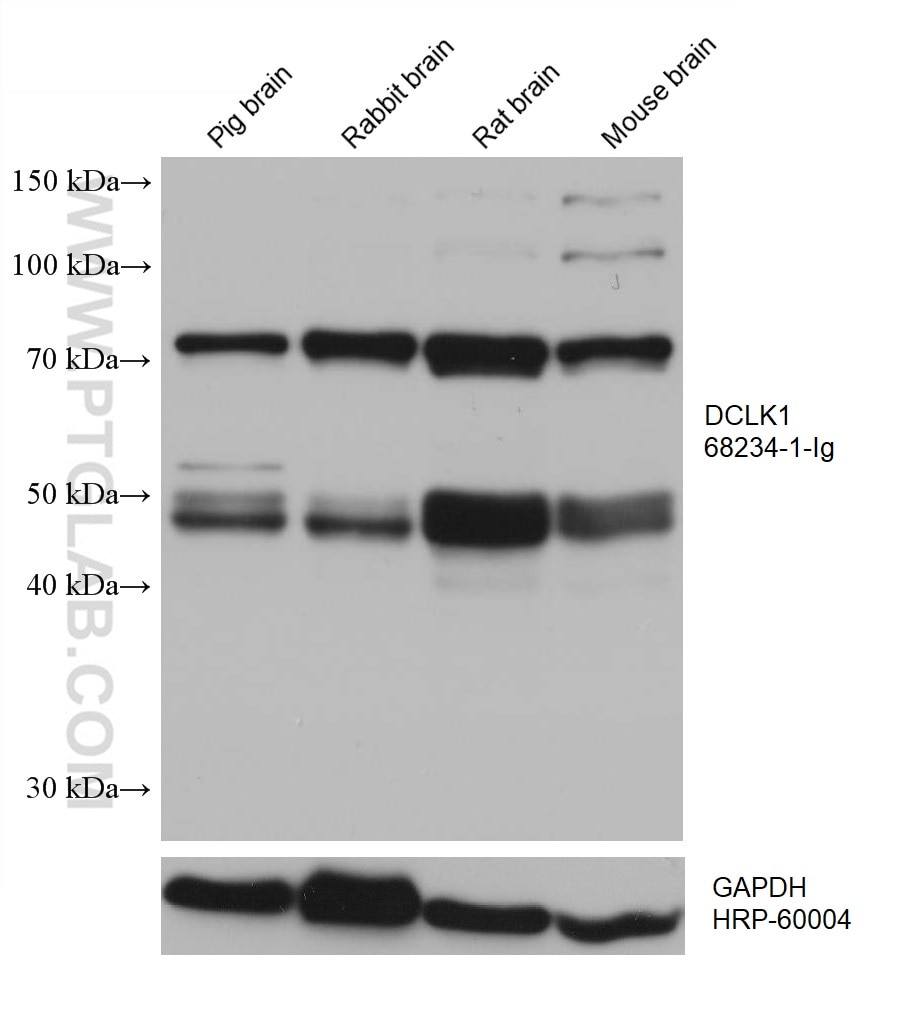
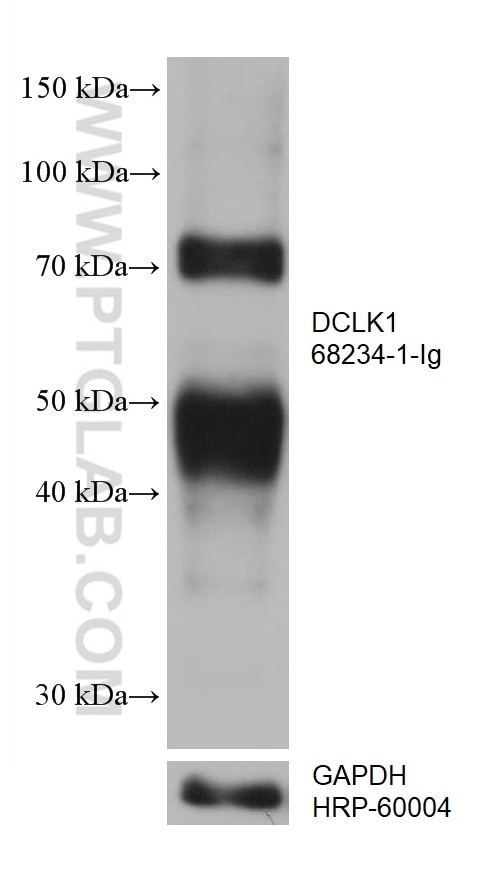
| Positive WB detected in | pig brain tissue, fetal human brain tissue, rabbit brain tissue, rat brain tissue, mouse brain tissue |
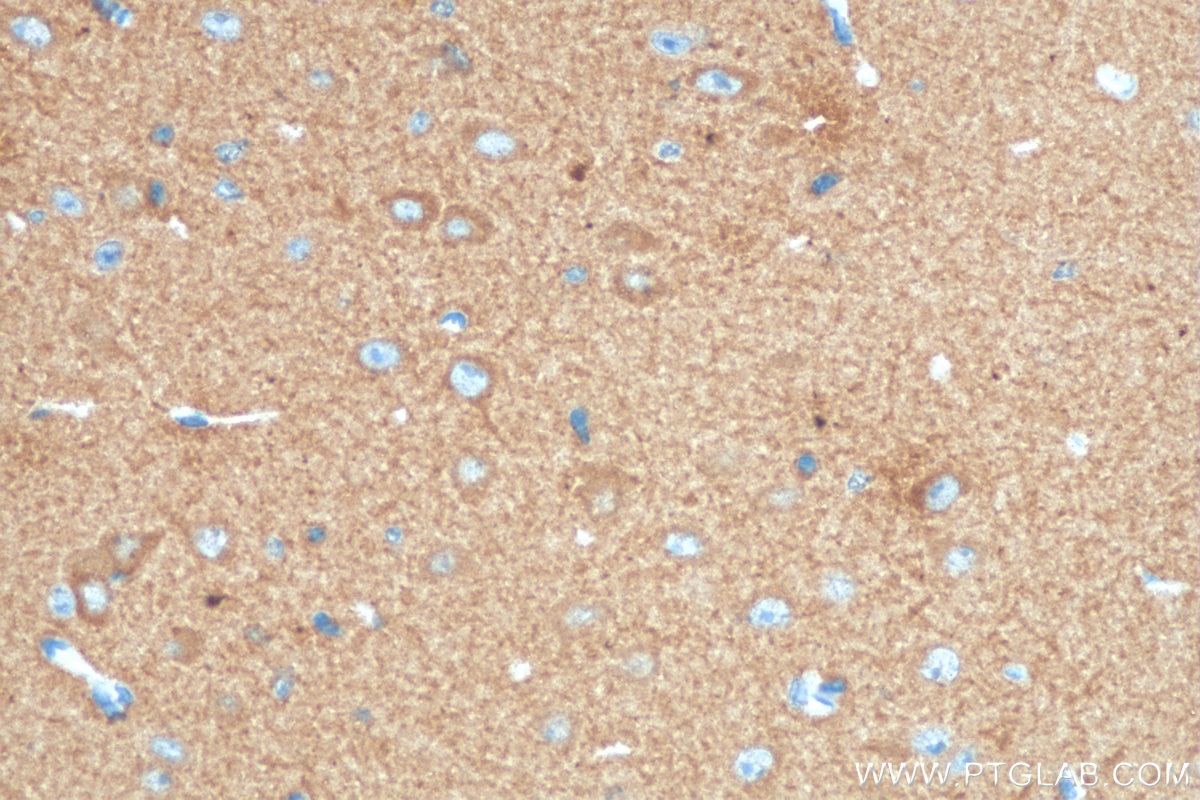
| Positive IHC detected in | mouse brain tissue Note: suggested antigen retrieval with TE buffer pH 9.0; (*) Alternatively, antigen retrieval may be performed with citrate buffer pH 6.0 |
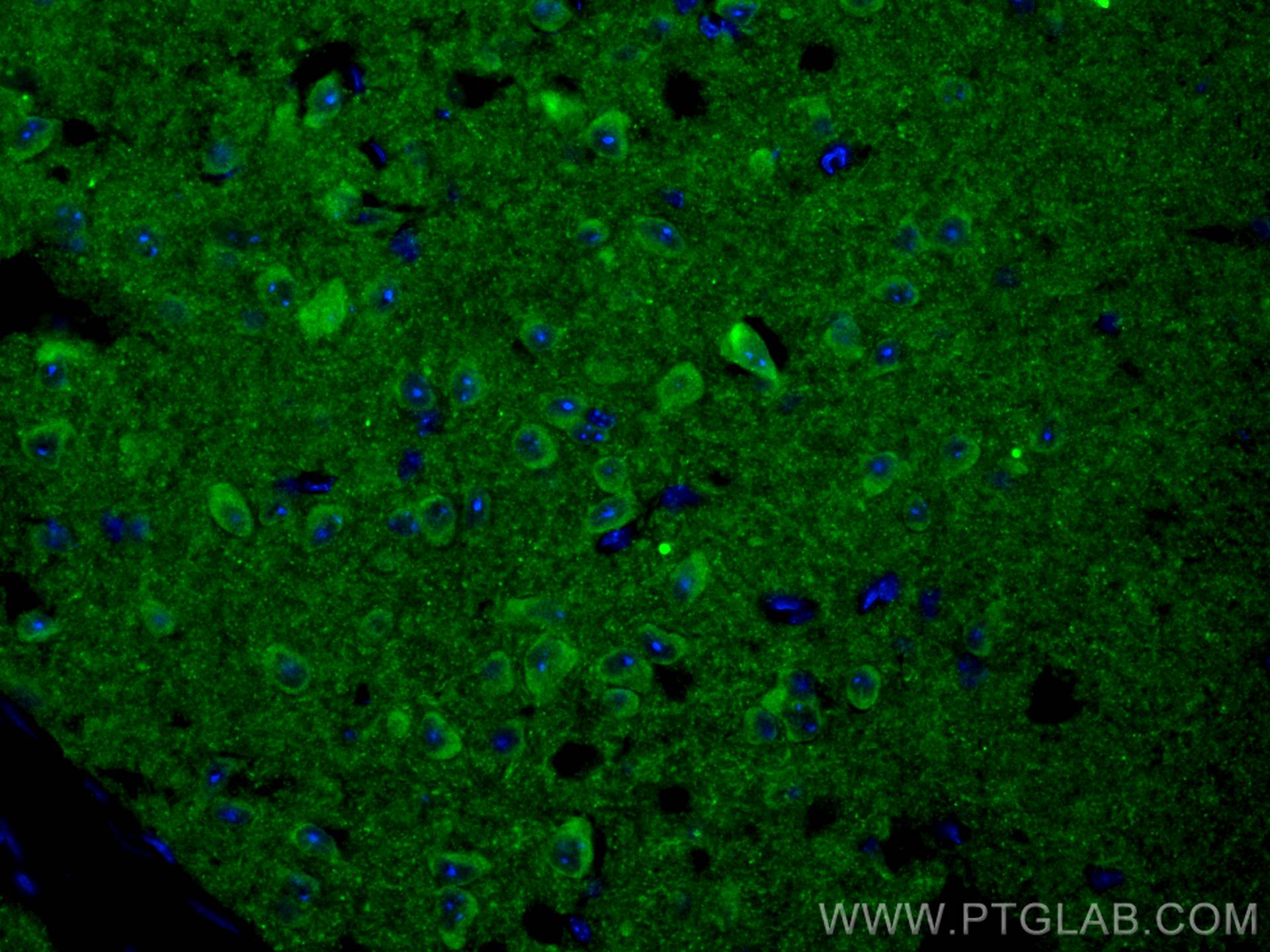
| Positive IF-P detected in | mouse brain tissue |
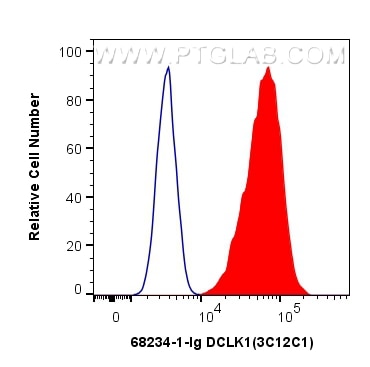
| Positive FC (Intra) detected in | Neuro-2a cells |
Recommended dilution
| Application | Dilution |
|---|---|
| Western Blot (WB) | WB : 1:5000-1:50000 |
| Immunohistochemistry (IHC) | IHC : 1:500-1:2000 |
| Immunofluorescence (IF)-P | IF-P : 1:200-1:800 |
| Flow Cytometry (FC) (INTRA) | FC (INTRA) : 0.40 ug per 10^6 cells in a 100 µl suspension |
| It is recommended that this reagent should be titrated in each testing system to obtain optimal results. | |
| Sample-dependent, Check data in validation data gallery. | |
Product Information
68234-1-Ig targets DCLK1 in WB, IHC, IF-P, FC (Intra), ELISA applications and shows reactivity with human, mouse, rat, pig, rabbit samples.
| Tested Reactivity | human, mouse, rat, pig, rabbit |
| Cited Reactivity | mouse |
| Host / Isotype | Mouse / IgG1 |
| Class | Monoclonal |
| Type | Antibody |
| Immunogen |
CatNo: Ag17110 Product name: Recombinant human DCLK1 protein Source: e coli.-derived, PET28a Tag: 6*His Domain: 623-729 aa of BC152456 Sequence: LITMMLLVDVDQRFSAVQVLEHPWVNDDGLPENEHQLSVAGKIKKHFNTGPKPNSTAAGVSVIALDHGFTIKRSGSLDYYQQPGMYWIRPPLLIRRGRFSDEDATRM Predict reactive species |
| Full Name | doublecortin-like kinase 1 |
| Calculated Molecular Weight | 729 aa, 81 kDa |
| Observed Molecular Weight | 46 kDa, 82 kDa |
| GenBank Accession Number | BC152456 |
| Gene Symbol | DCLK1 |
| Gene ID (NCBI) | 9201 |
| RRID | AB_2935321 |
| Conjugate | Unconjugated |
| Form | Liquid |
| Purification Method | Protein G purification |
| UNIPROT ID | O15075 |
| Storage Buffer | PBS with 0.02% sodium azide and 50% glycerol, pH 7.3. |
| Storage Conditions | Store at -20°C. Stable for one year after shipment. Aliquoting is unnecessary for -20oC storage. 20ul sizes contain 0.1% BSA. |
Background Information
DCLK1 (Serine/threonine-protein kinase DCLK1) is also named as DCAMKL1, DCDC3A, KIAA0369 and belongs to the CAMK Ser/Thr protein kinase family. It is a microtubule-associated kinase that can undergo autophosphorylation and it also has microtubule-polymerizing activity that is independent of its protein kinase activity (PMID: 11124993). It plays a unique role in mitotic spindle integrity during early neurogenesis in radial glial cell proliferation and their radial process stability. DCLK1 is a unique marker for distinguishing tumor stem cells from intestinal normal stem cells (PMID: 23202126). This protein has 4 isoforms produced by alternative splicing with the molecular weight of 82 kDa, 81 kDa, 47 kDa and 48 kDa.
Protocols
| Product Specific Protocols | |
|---|---|
| FC protocol for DCLK1 antibody 68234-1-Ig | Download protocol |
| IF protocol for DCLK1 antibody 68234-1-Ig | Download protocol |
| IHC protocol for DCLK1 antibody 68234-1-Ig | Download protocol |
| WB protocol for DCLK1 antibody 68234-1-Ig | Download protocol |
| Standard Protocols | |
|---|---|
| Click here to view our Standard Protocols |
Publications
What published studies show
The DCLK1 Monoclonal antibody (3C12C1), catalog number 68234-1-Ig, has 1 citation. It appears in BMC Biology (2024), in a study investigating how berberine ameliorates dextran sulfate sodium-induced colitis through tuft cells and bitter taste signaling. The research field encompasses inflammatory bowel disease, intestinal tuft cell biology, and taste receptor signaling in the gut. The antibody was applied in IHC and IF on mouse samples.
| Species | Application | Title |
|---|---|---|
BMC Biol Berberine ameliorates dextran sulfate sodium -induced colitis through tuft cells and bitter taste signalling |
Reviews
What customers say
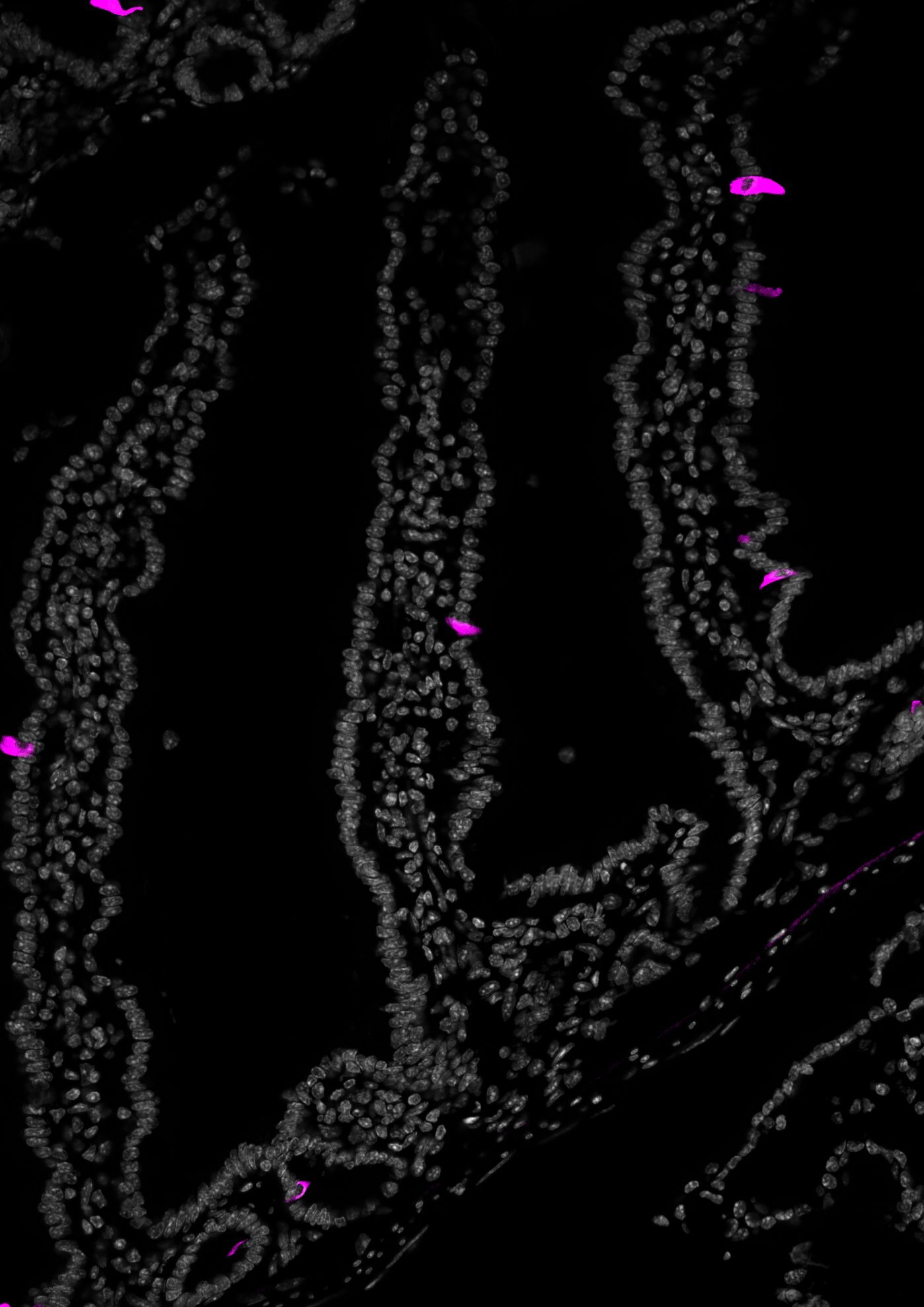
The single review for this product is highly positive, rated 5 out of 5. The reviewer used it at a 1:500 dilution for immunohistochemistry on murine small intestine (1% PFA, OCT) and found it very easy to use, producing a clear signal. Overall, the feedback highlights strong performance and straightforward usability in IHC applications.
The reviews below have been submitted by verified Proteintech customers who received an incentive for providing their feedback.
Cerys (Verified Customer) (08-14-2024) | Very easy to use and gives a clear signal.
 |







