

Tested Applications
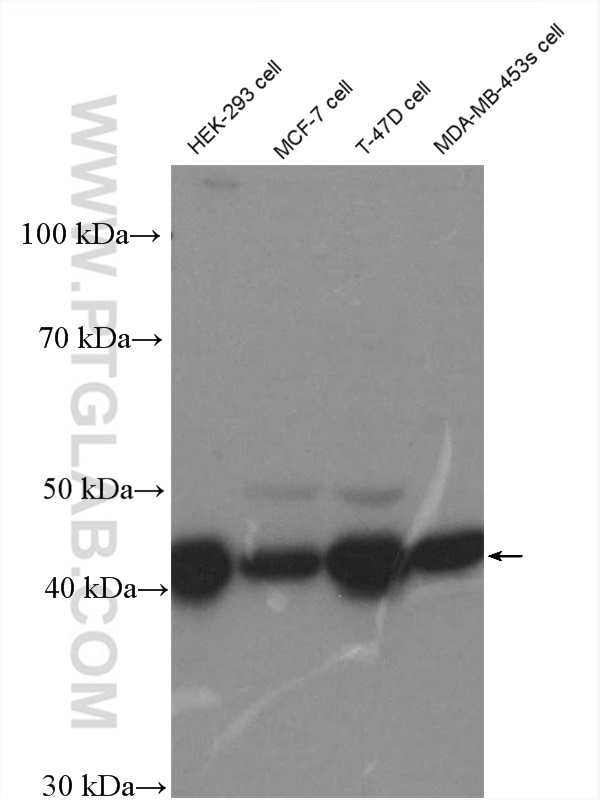
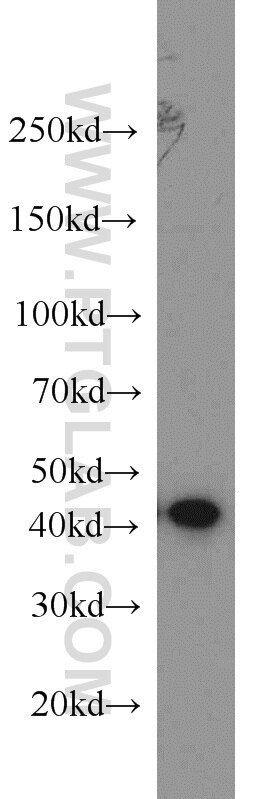
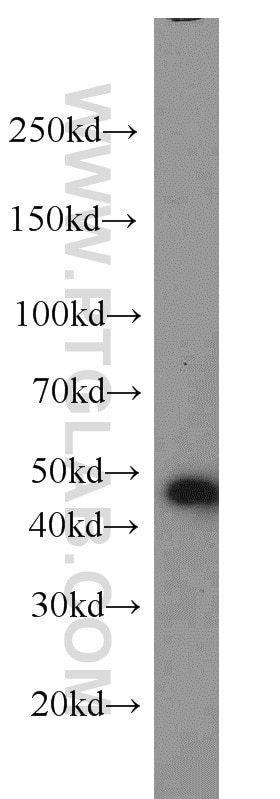
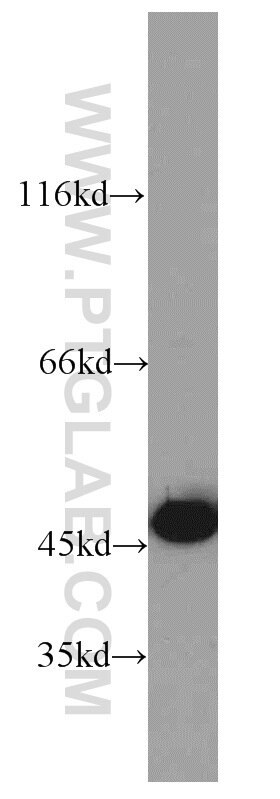
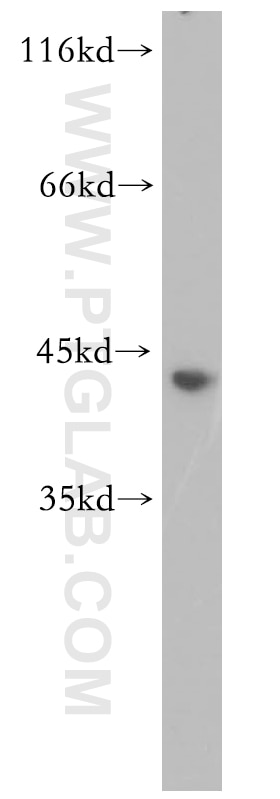
| Positive WB detected in | HEK-293 cells, HeLa cells, human brain tissue, human testis tissue, Jurkat cells, MCF-7 cells, T-47D cells, MDA-MB-453s cells |
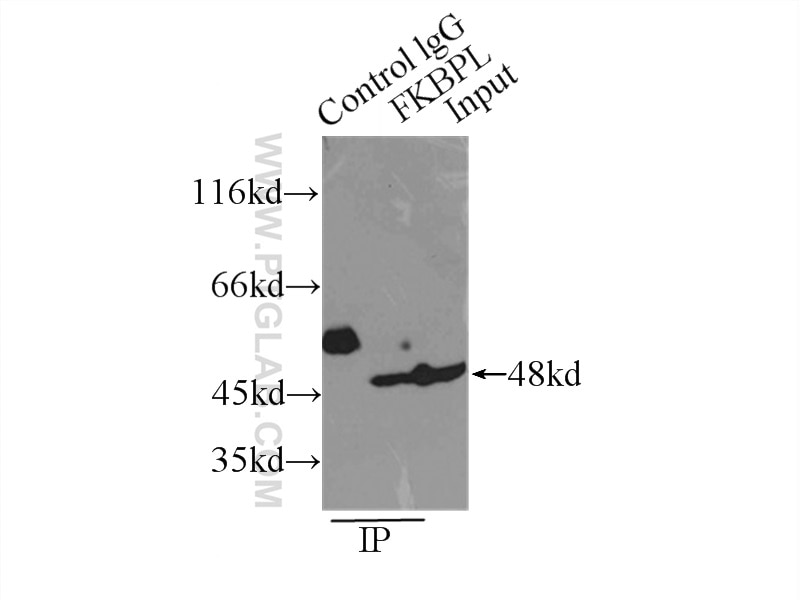
| Positive IP detected in | MCF-7 cells |
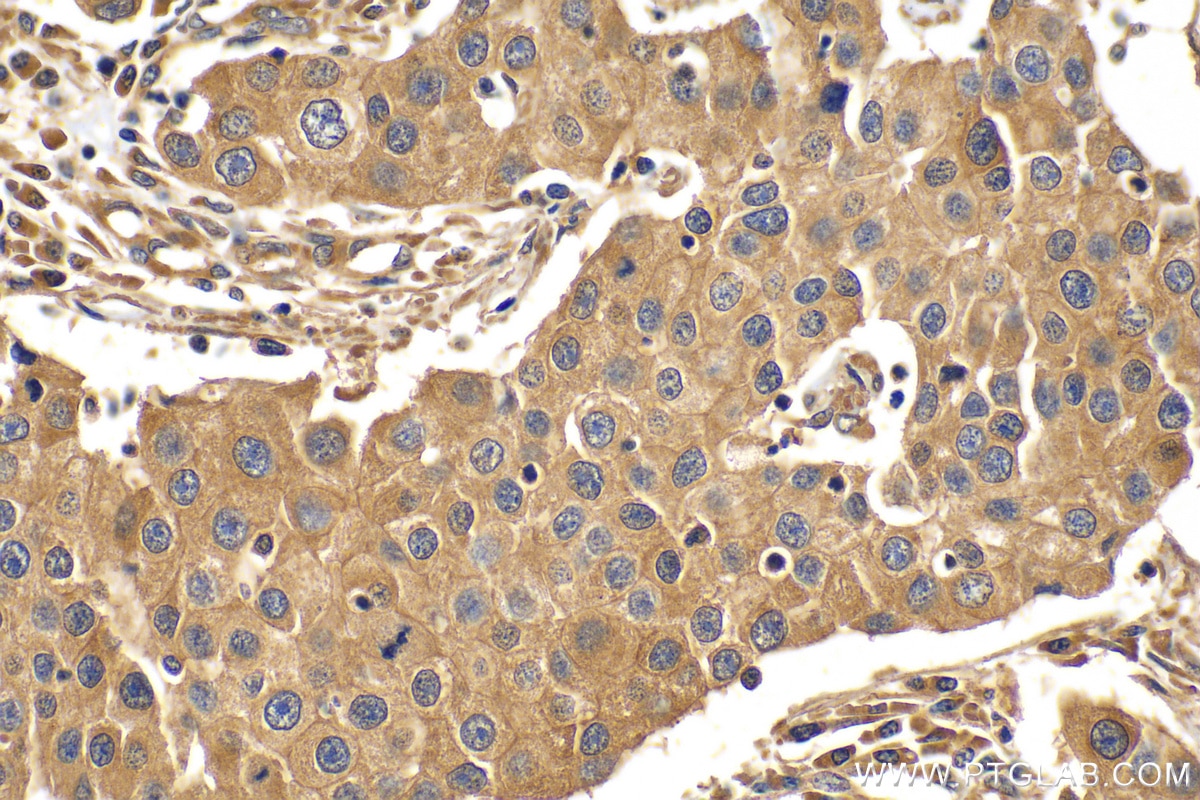
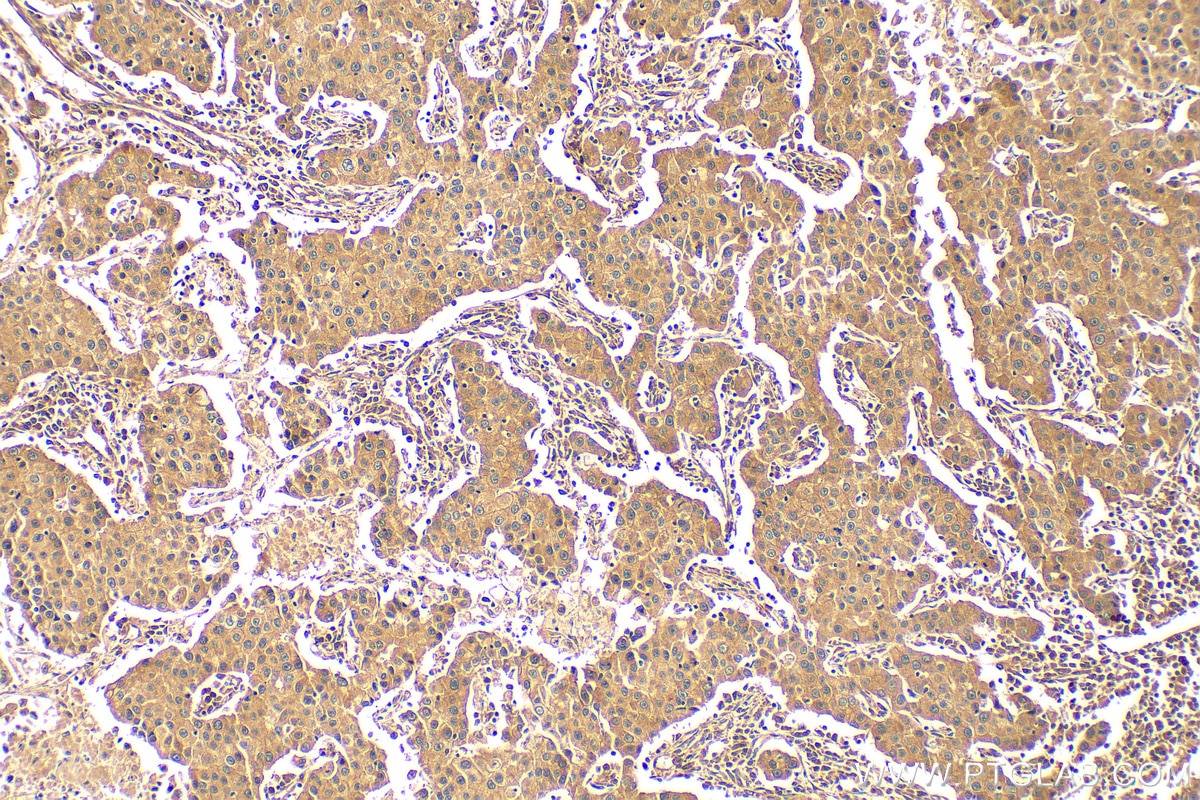
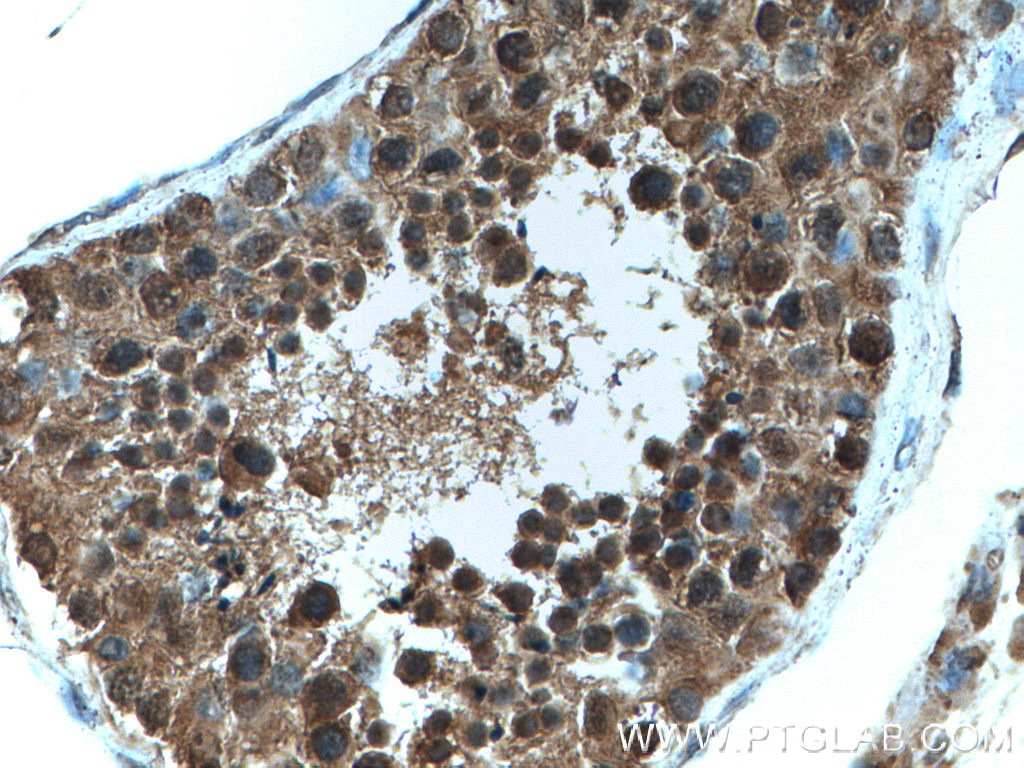
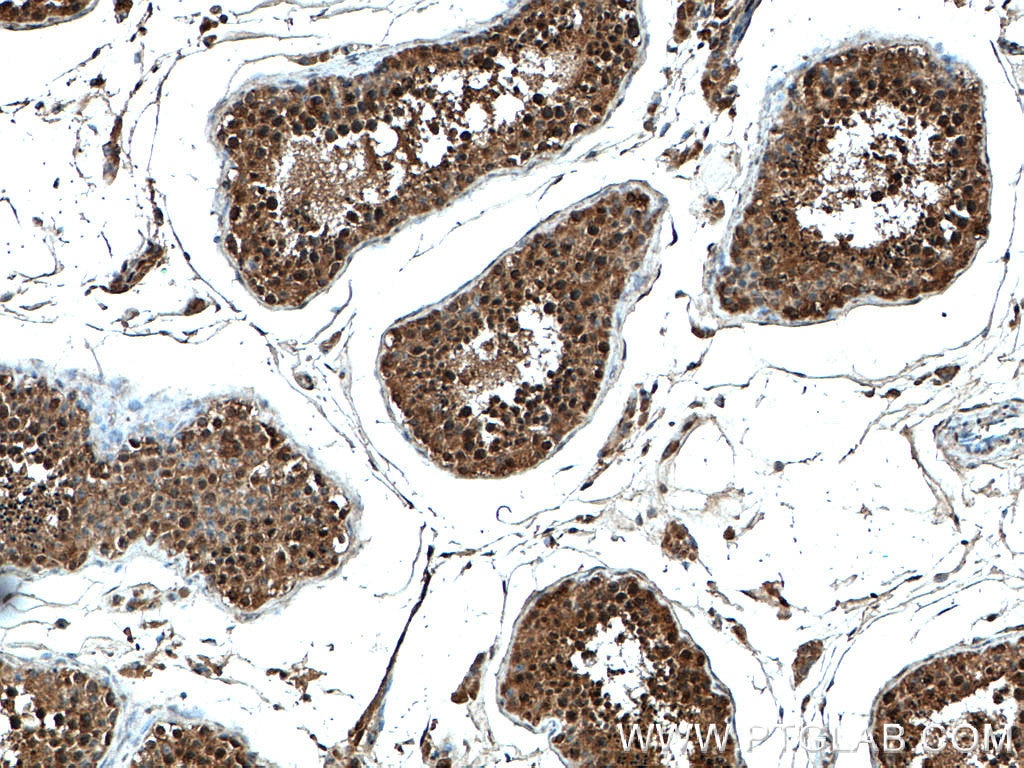
| Positive IHC detected in | human breast cancer tissue, human testis tissue Note: suggested antigen retrieval with TE buffer pH 9.0; (*) Alternatively, antigen retrieval may be performed with citrate buffer pH 6.0 |
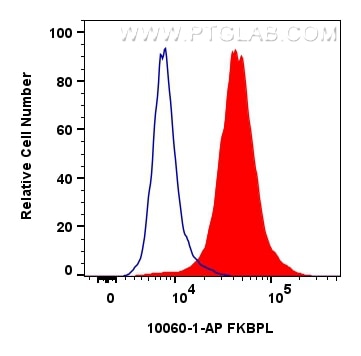
| Positive FC (Intra) detected in | HeLa cells |
Recommended dilution
| Application | Dilution |
|---|---|
| Western Blot (WB) | WB : 1:1000-1:4000 |
| Immunoprecipitation (IP) | IP : 0.5-4.0 ug for 1.0-3.0 mg of total protein lysate |
| Immunohistochemistry (IHC) | IHC : 1:300-1:1200 |
| Flow Cytometry (FC) (INTRA) | FC (INTRA) : 0.40 ug per 10^6 cells in a 100 µl suspension |
| It is recommended that this reagent should be titrated in each testing system to obtain optimal results. | |
| Sample-dependent, Check data in validation data gallery. | |
Product Information
10060-1-AP targets FKBPL in WB, IHC, IF, FC (Intra), IP, ChIP, ELISA applications and shows reactivity with human samples.
| Tested Reactivity | human |
| Cited Reactivity | human, mouse, rat |
| Host / Isotype | Rabbit / IgG |
| Class | Polyclonal |
| Type | Antibody |
| Immunogen |
CatNo: Ag0112 Product name: Recombinant human FKBPL protein Source: e coli.-derived, PGEX-4T Tag: GST Domain: 2-237 aa of BC004168 Sequence: ETPPVNTIGEKDTSQPQQEWEKNLRENLDSVIQIRQQPRDPPTETLELEVSPDPASQILEHTQGAEKLVAELEGDSHKSHGSTSQMPEALQASDLWYCPDGSFVKKIVIRGHGLDKPKLGSCCRVLALGFPFGSGPPEGWTELTMGVGPWREETWGELIEKCLESMCQGEEAELQLPGHSGPPVRLTLASFTQGRDSWELETSEKEALAREERARGTELFRAGNPEGAARCYGRAL Predict reactive species |
| Full Name | FK506 binding protein like |
| Calculated Molecular Weight | 349 aa, 38 kDa |
| Observed Molecular Weight | 42-48 kDa |
| GenBank Accession Number | BC004168 |
| Gene Symbol | FKBPL |
| Gene ID (NCBI) | 63943 |
| RRID | AB_2262677 |
| Conjugate | Unconjugated |
| Form | Liquid |
| Purification Method | Antigen affinity purification |
| UNIPROT ID | Q9UIM3 |
| Storage Buffer | PBS with 0.02% sodium azide and 50% glycerol, pH 7.3. |
| Storage Conditions | Store at -20°C. Stable for one year after shipment. Aliquoting is unnecessary for -20oC storage. 20ul sizes contain 0.1% BSA. |
Background Information
FKBPL, also named as DIR1, NG7 and WISp39, has similarity to the immunophilin protein family, which plays a role in immunoregulation and basic cellular processes involving protein folding and trafficking. FKBPL levels may be a prognostic indicator and determinant of response to endocrine therapy(PMID:20103631, 15664193). It can be detected the band between 38 kDa and 48 kDa by western blot.
Protocols
| Product Specific Protocols | |
|---|---|
| FC protocol for FKBPL antibody 10060-1-AP | Download protocol |
| IHC protocol for FKBPL antibody 10060-1-AP | Download protocol |
| IP protocol for FKBPL antibody 10060-1-AP | Download protocol |
| WB protocol for FKBPL antibody 10060-1-AP | Download protocol |
| Standard Protocols | |
|---|---|
| Click here to view our Standard Protocols |
Publications
What published studies show
The Anti-FKBPL antibody (Cat# 10060-1-AP) has 25 citations published in journals including Nature Communications, Cancer Research, Oncogene, Clinical Cancer Research, Journal of Controlled Release, Oncotarget, and PLoS ONE. Associated research fields span breast cancer, angiogenesis, preeclampsia, cardiovascular disease, wound healing, endocrinology, diabetes, heart failure, lung adenocarcinoma, and endometrial carcinoma.
| Species | Application | Title |
|---|---|---|
Cancer Res FKBPL regulates estrogen receptor signaling and determines response to endocrine therapy. | ||
Nat Commun Cytosolic FKBPL and ER-resident CKAP4 co-regulates ER-phagy and protein secretion | ||
J Adv Res Hsa_circ_0001402 alleviates vascular neointimal hyperplasia through a miR-183-5p-dependent regulation of vascular smooth muscle cell proliferation, migration, and autophagy | ||
J Control Release Delivery of RALA/siFKBPL nanoparticles via electrospun bilayer nanofibres: An innovative angiogenic therapy for wound repair.
| ||
Clin Cancer Res FKBPL and peptide derivatives: novel biological agents that inhibit angiogenesis by a CD44-dependent mechanism. | ||
J Transl Med The FKBPL-based therapeutic peptide, AD-01, protects the endothelium from hypoxia-induced damage by stabilising hypoxia inducible factor-α and inflammation |












