
Tested Applications
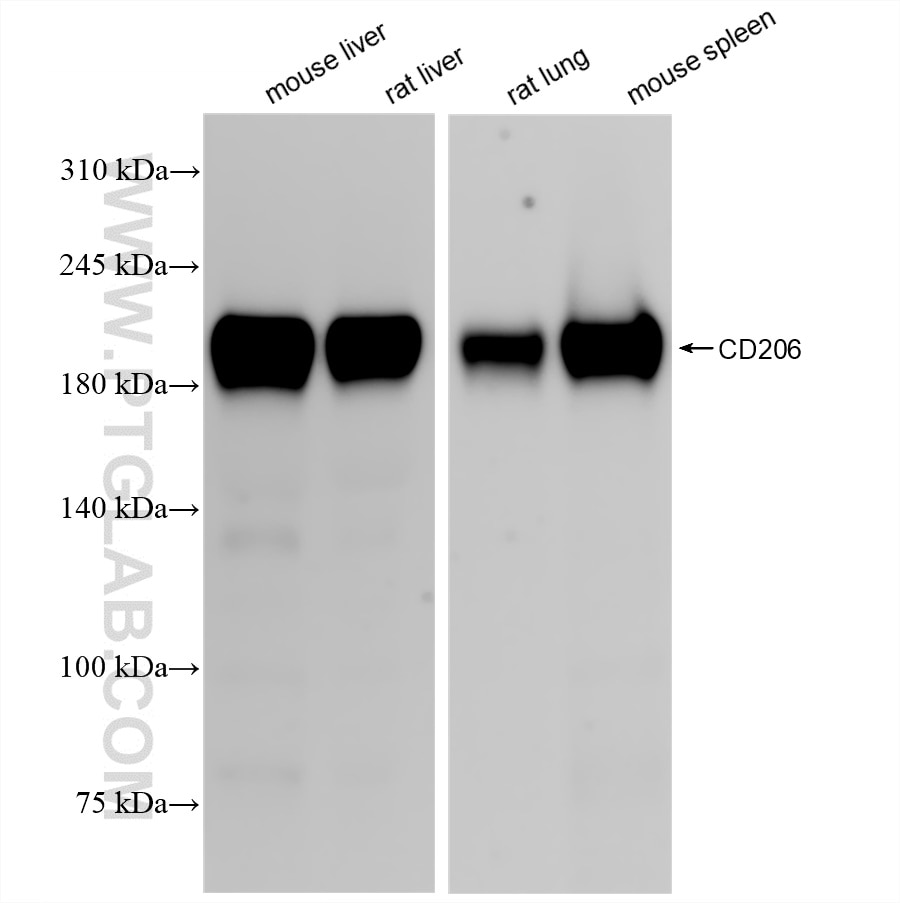
| Positive WB detected in | mouse liver tissue, rat liver tissue, rat lung tissue, mouse spleen tissue |
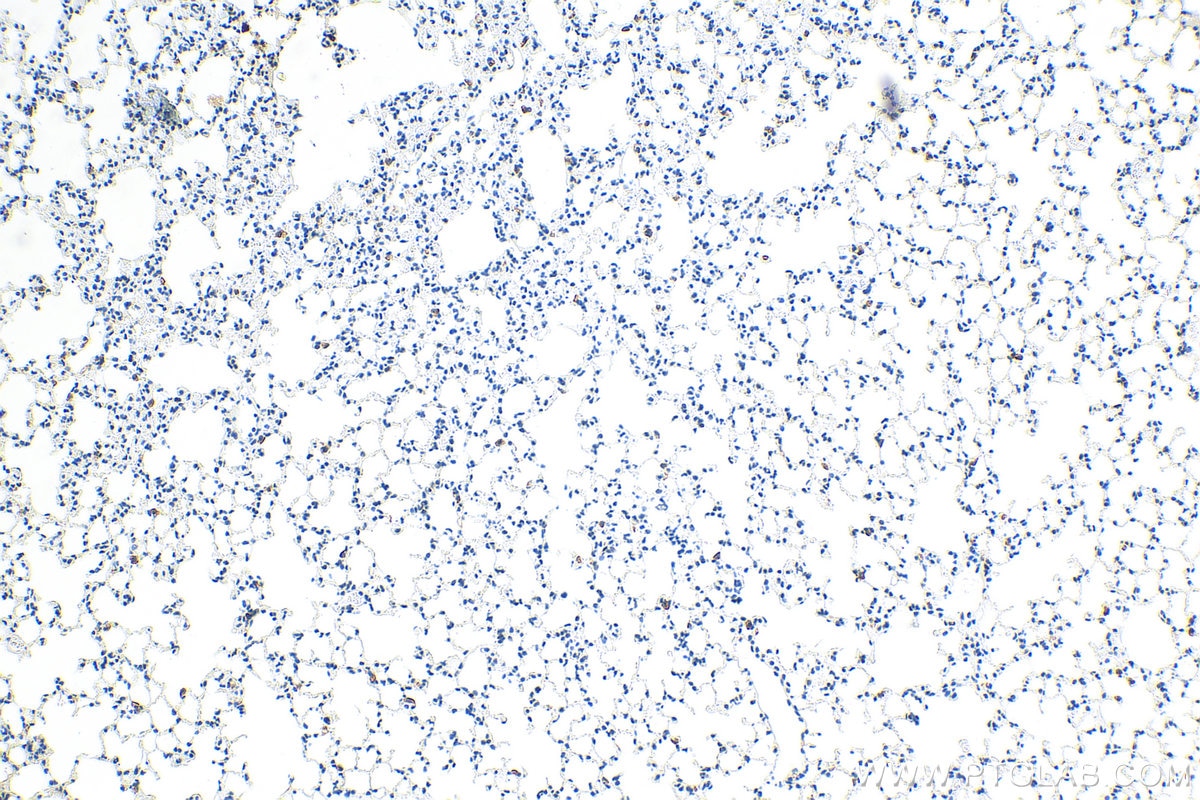
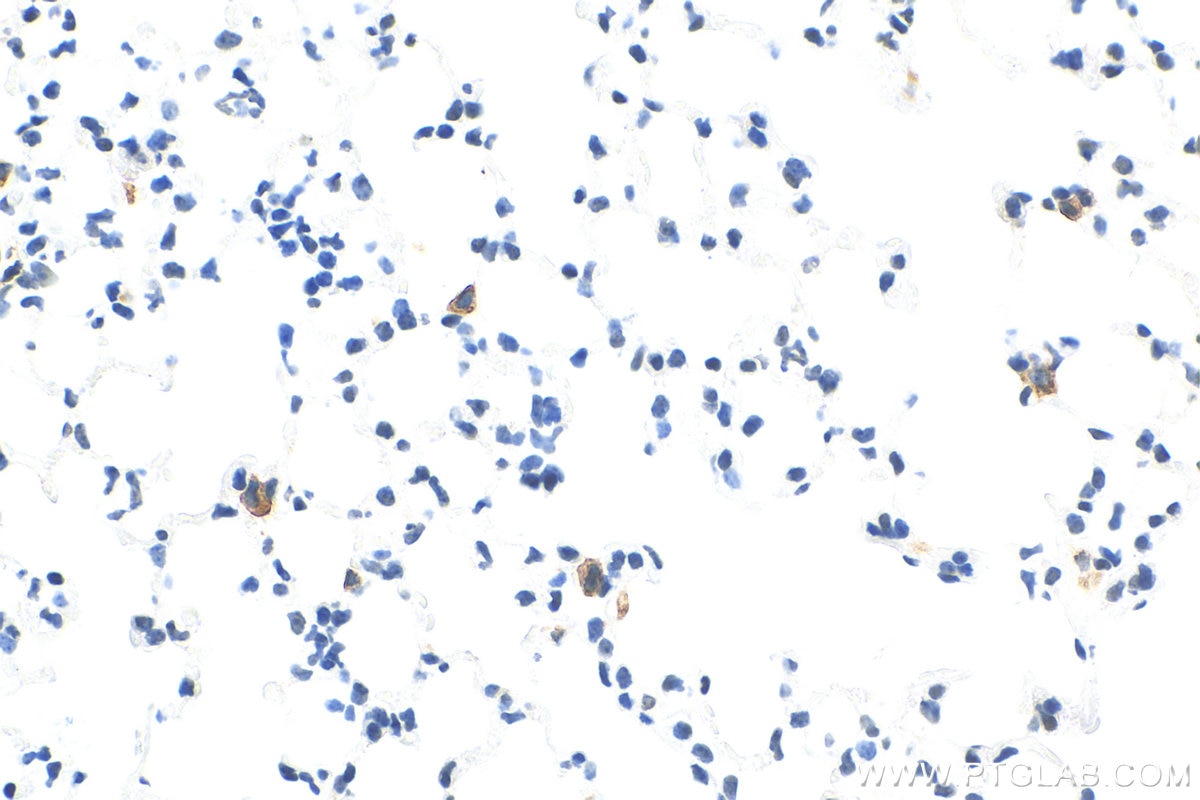
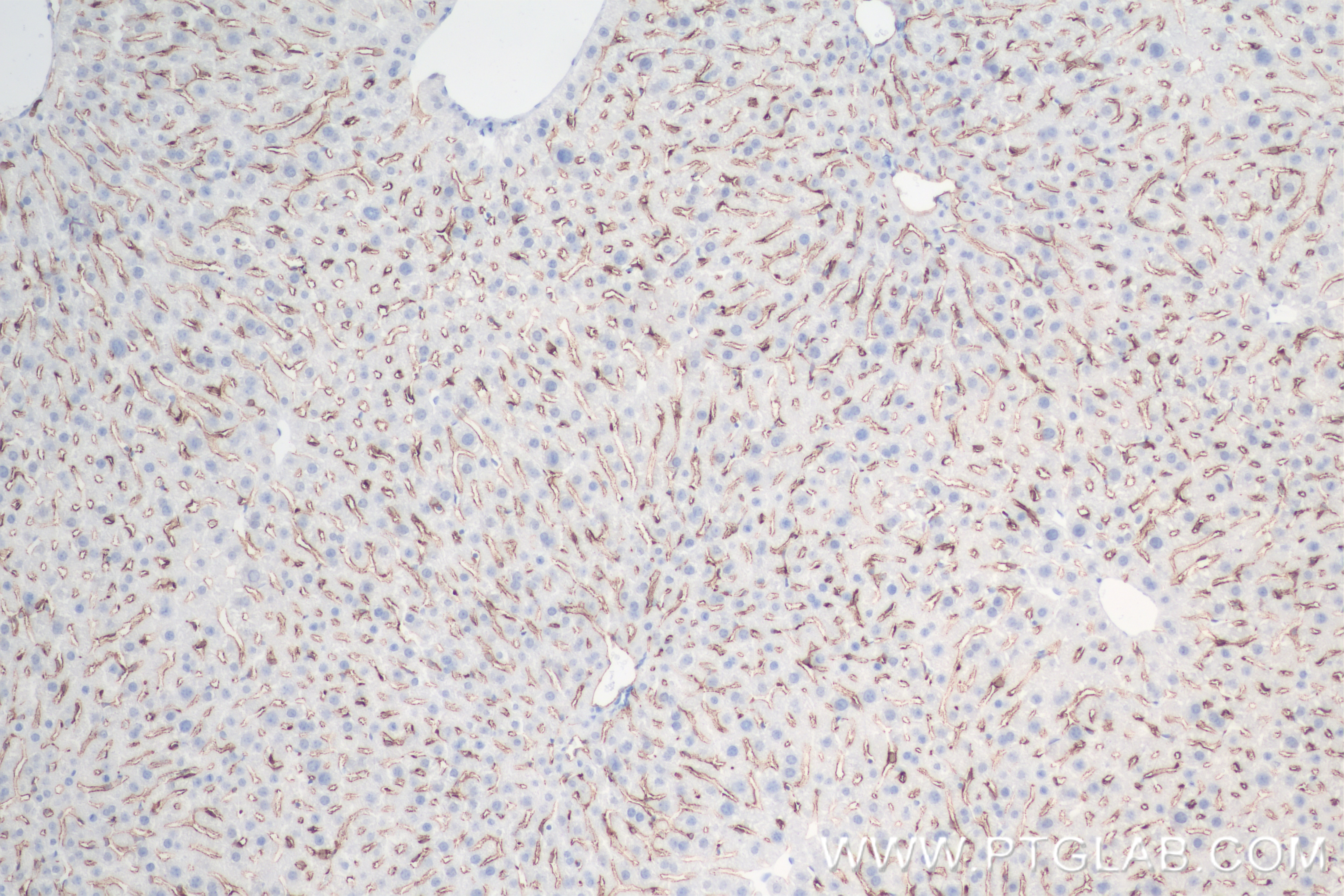
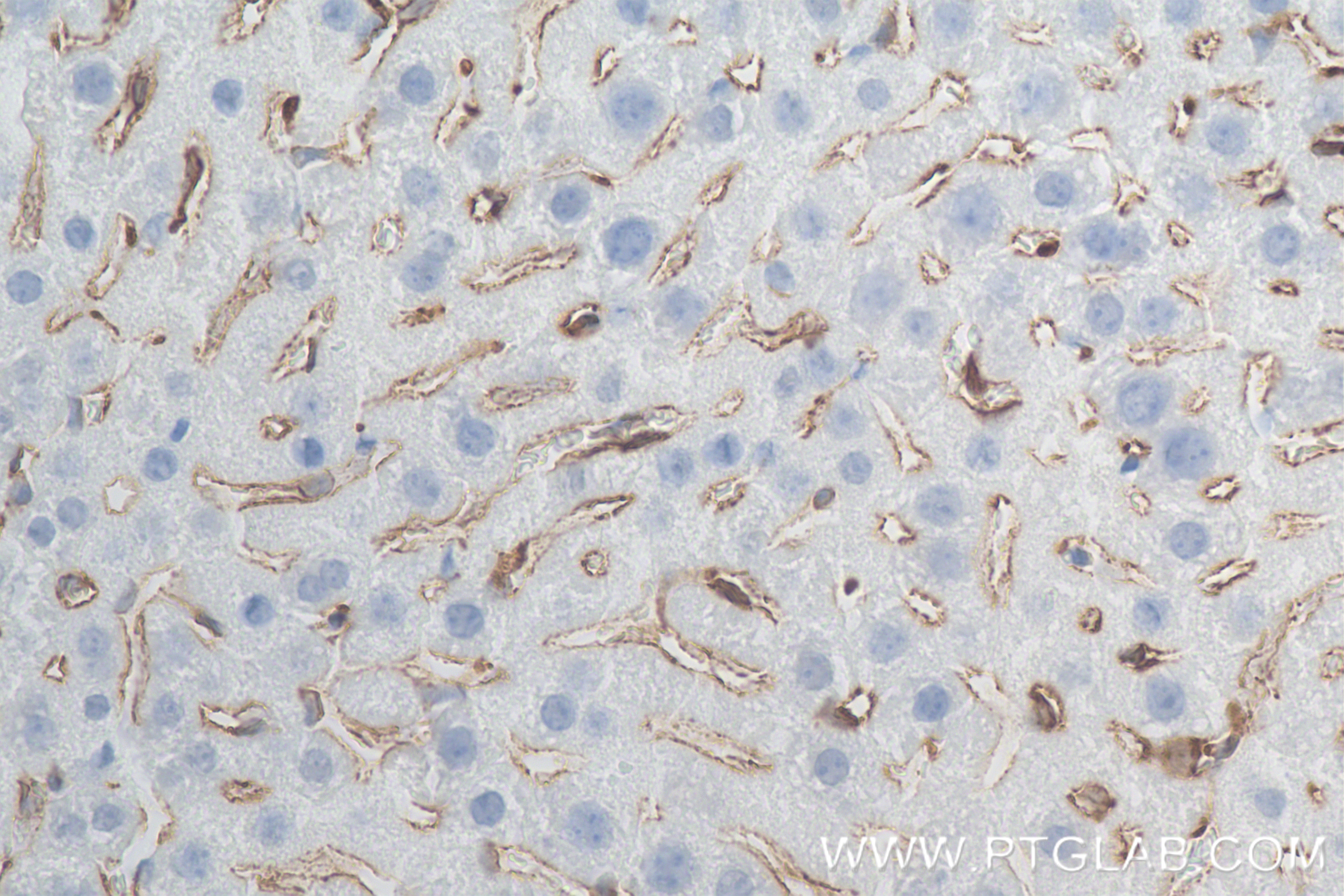
| Positive IHC detected in | mouse lung tissue, mouse liver tissue Note: suggested antigen retrieval with TE buffer pH 9.0; (*) Alternatively, antigen retrieval may be performed with citrate buffer pH 6.0 |
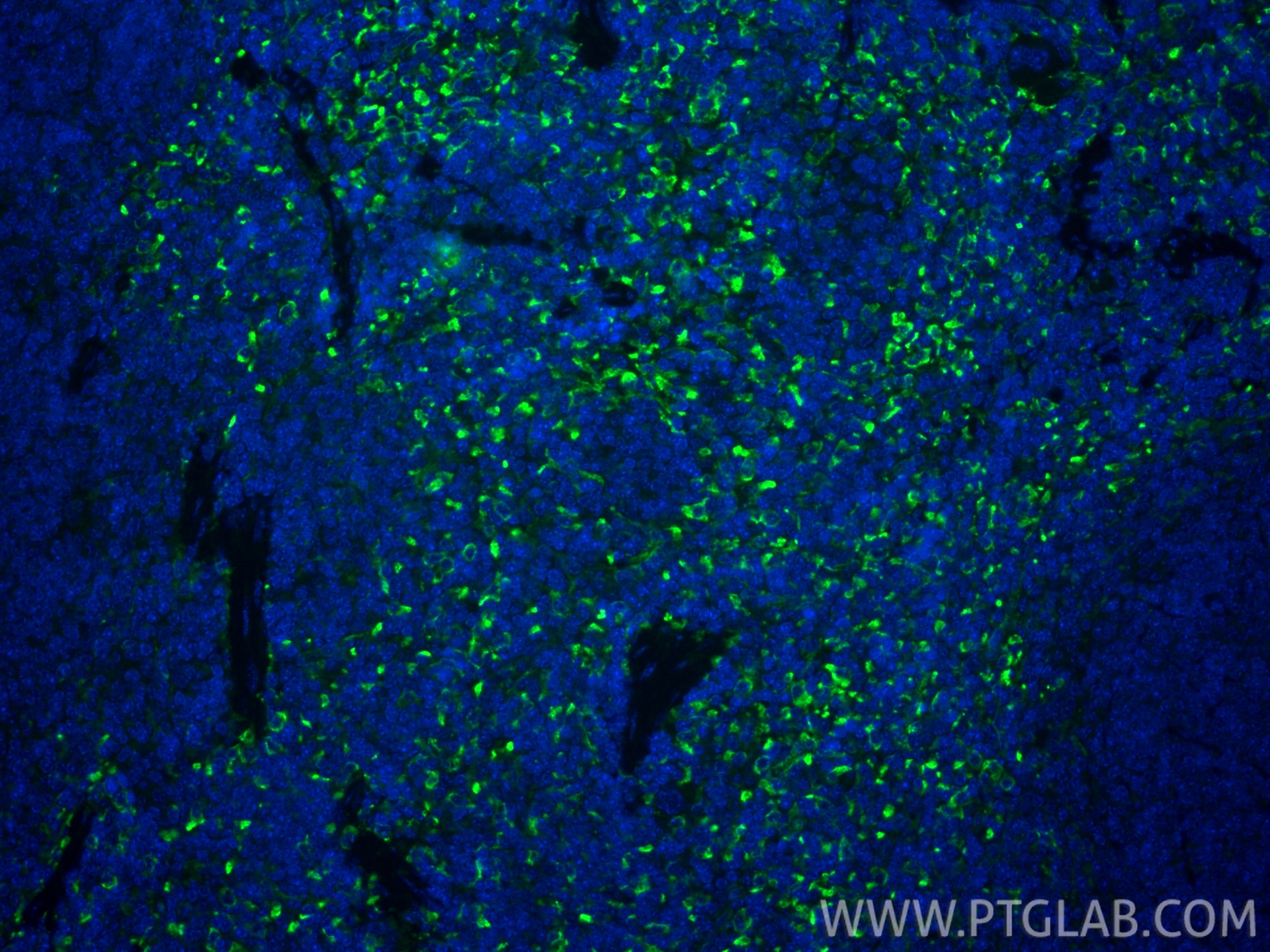
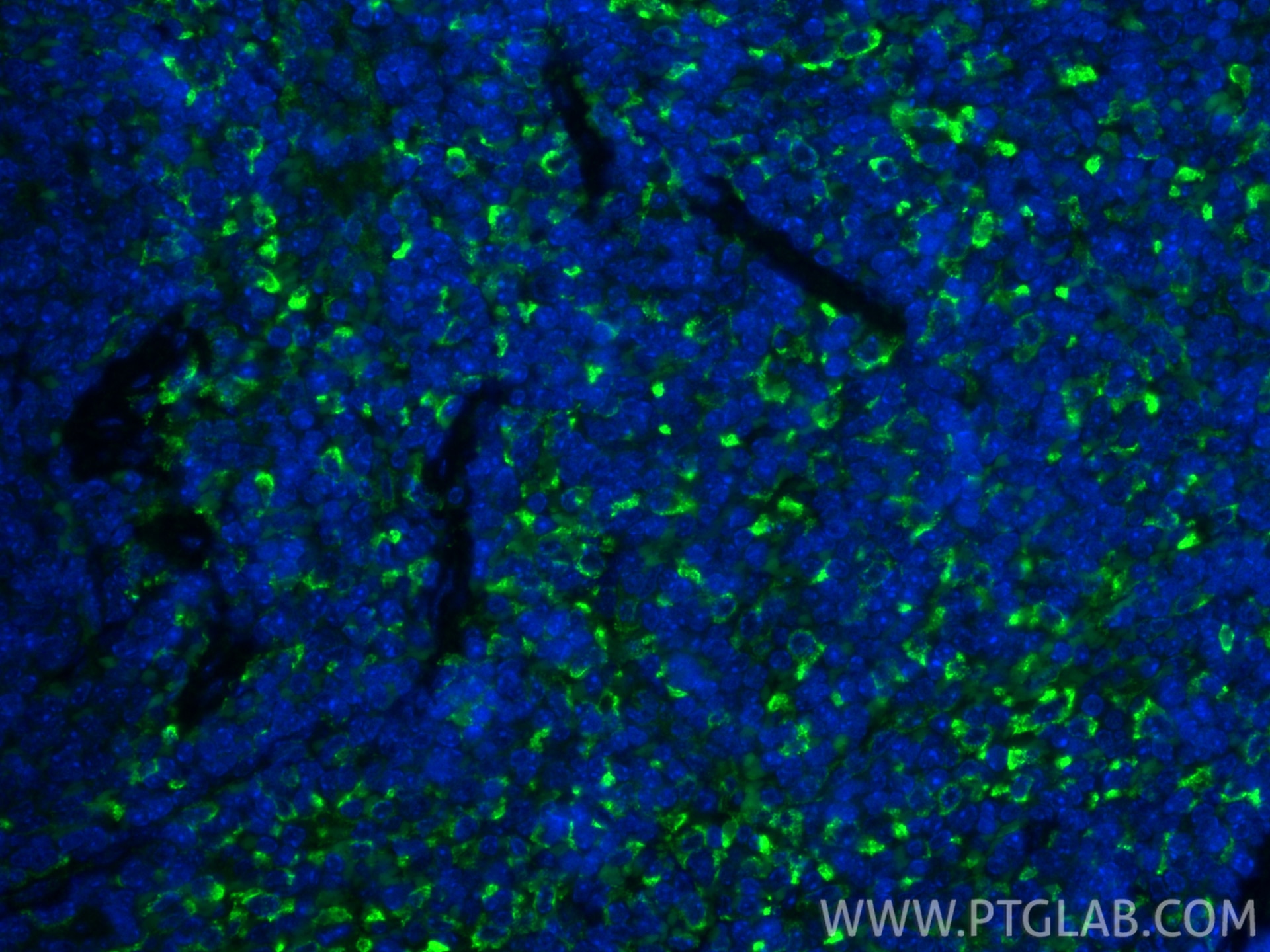
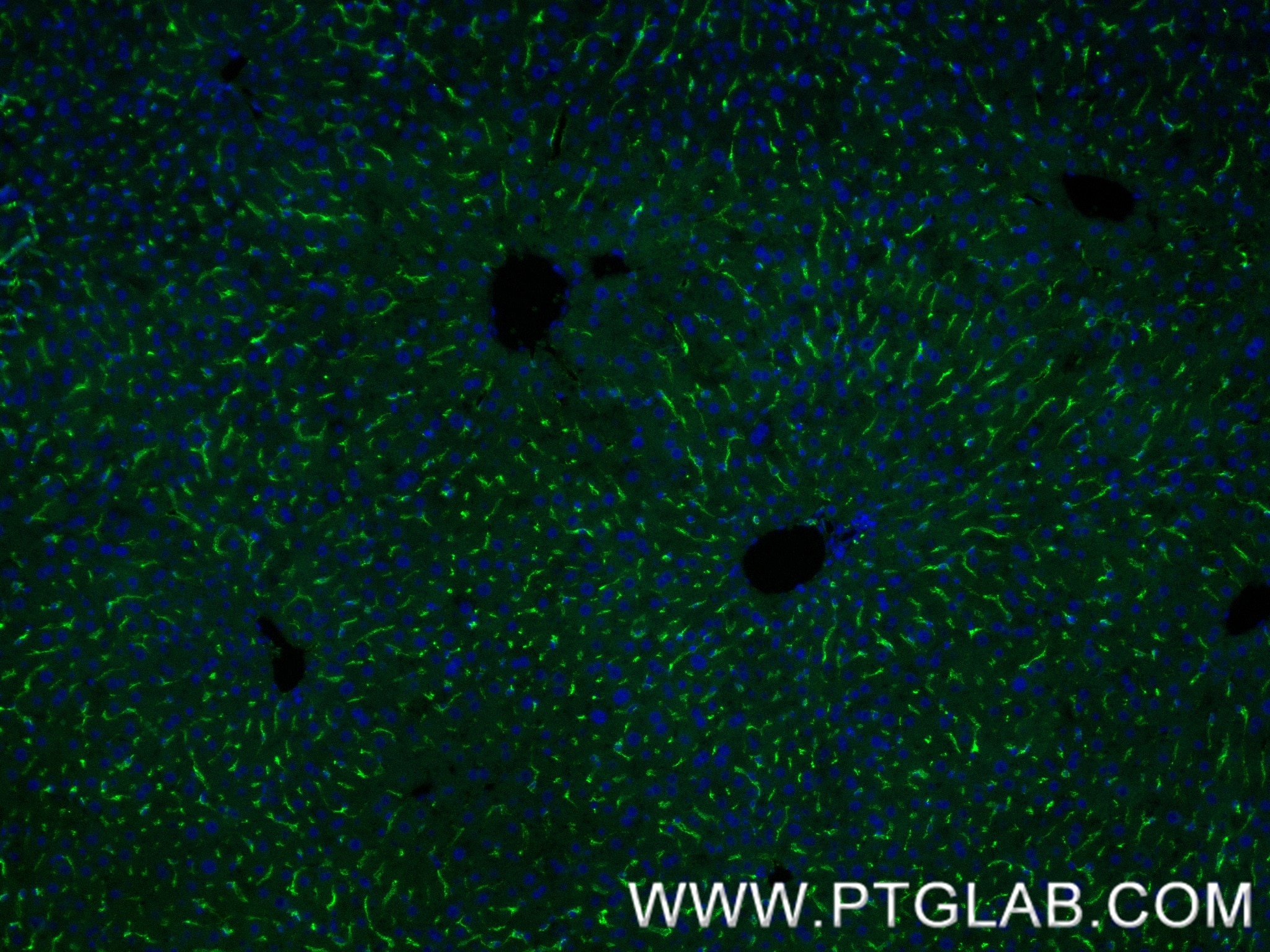
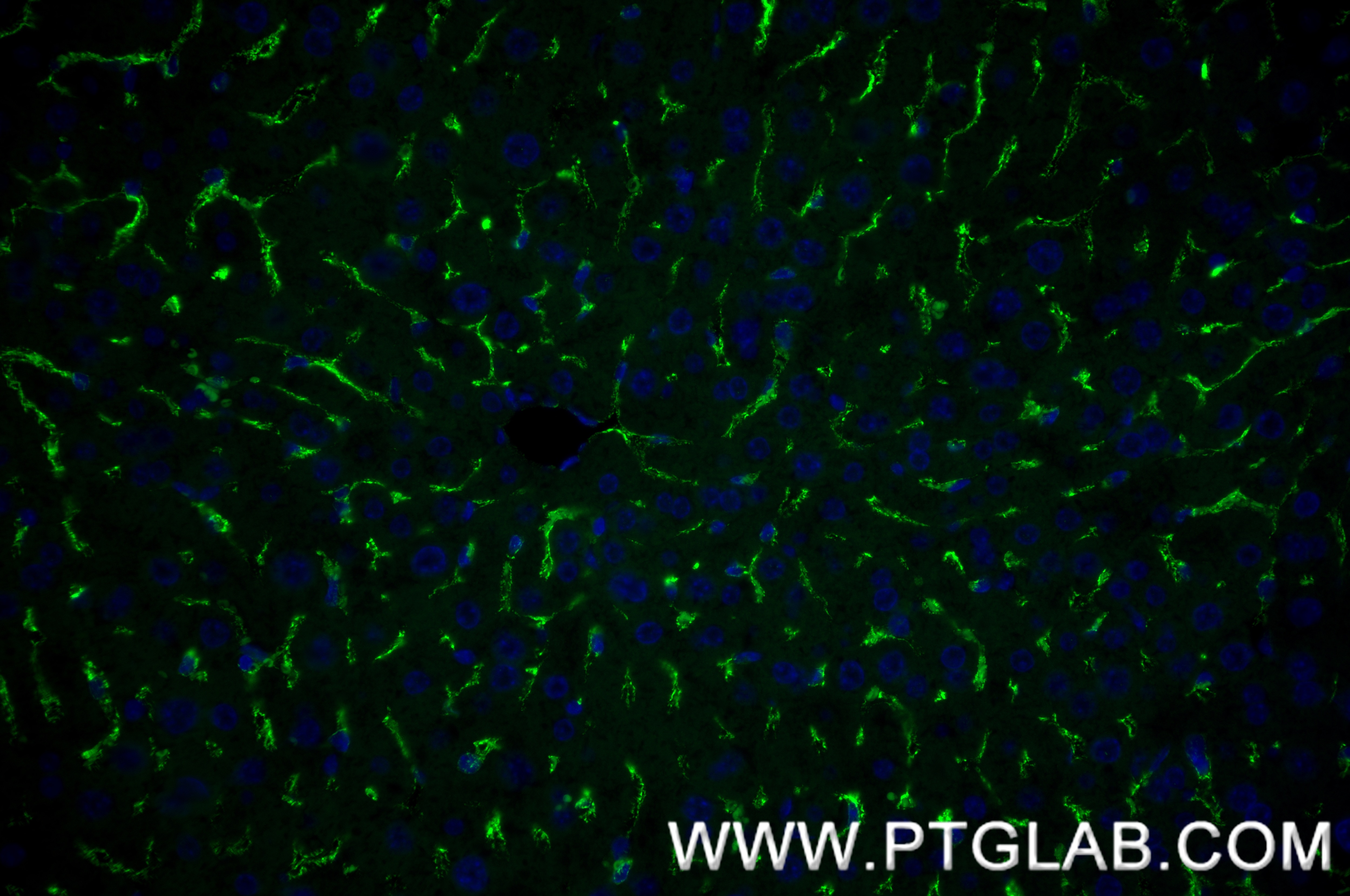
| Positive IF-P detected in | mouse liver tissue, mouse spleen tissue |
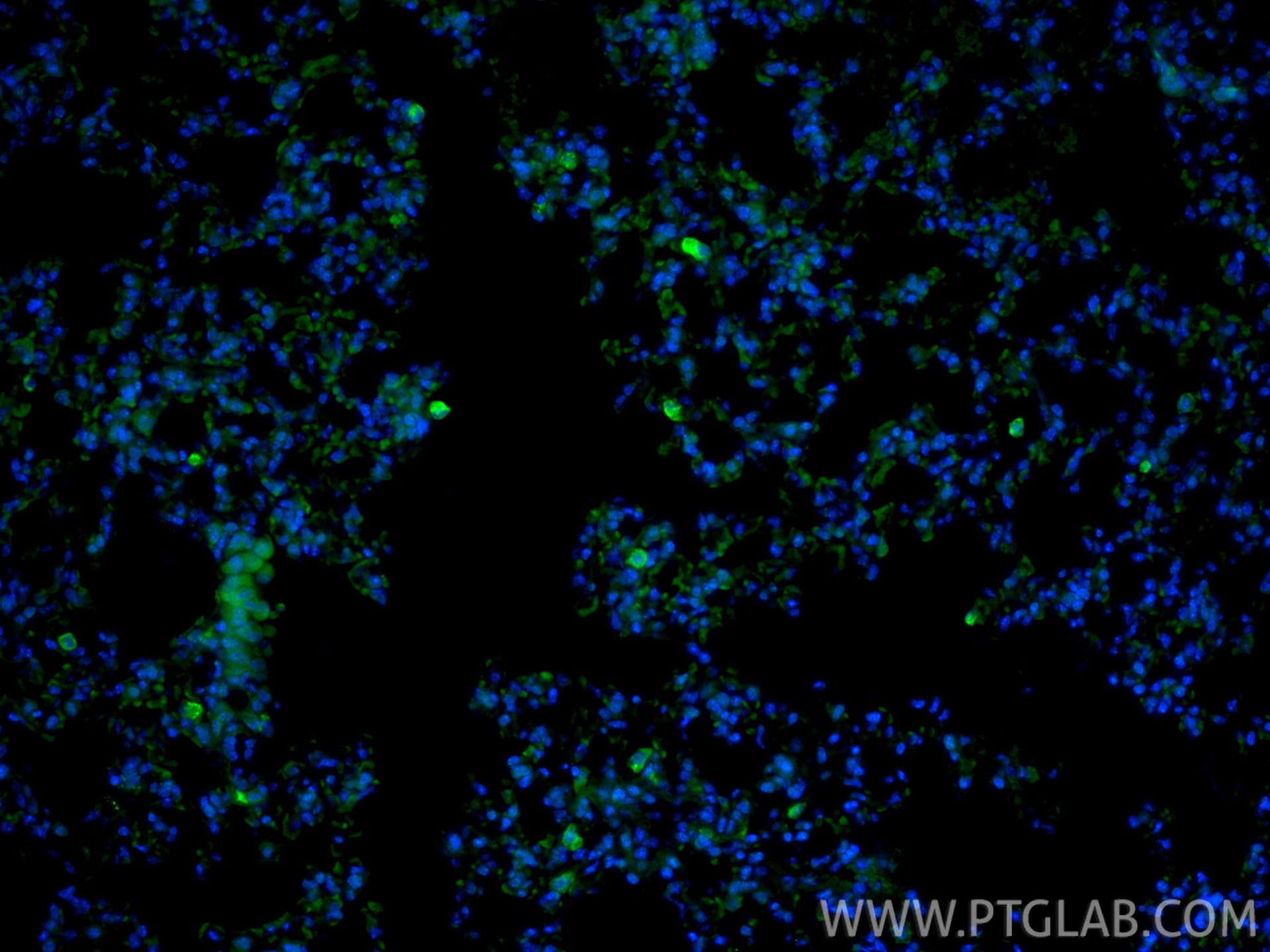
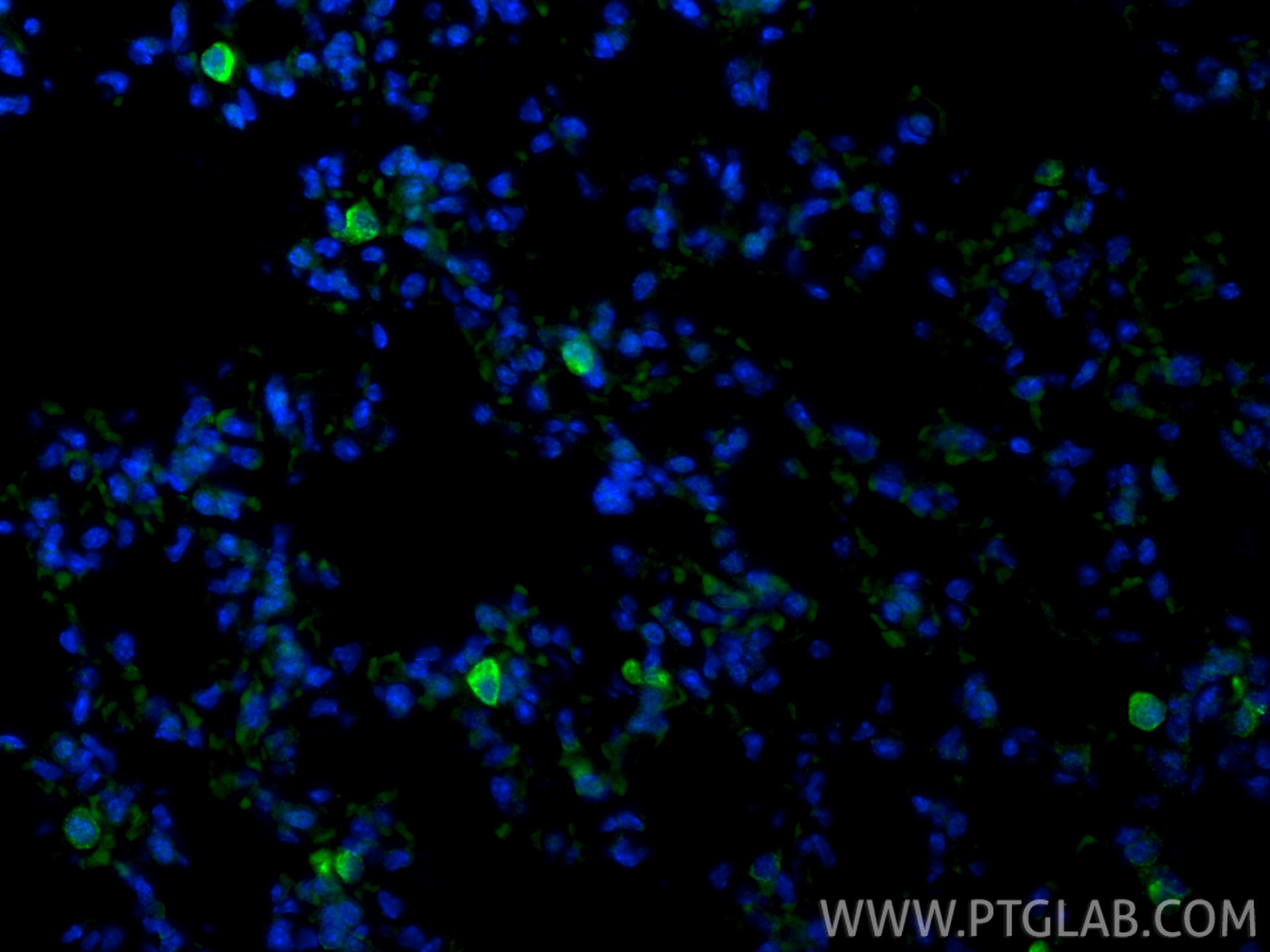
| Positive IF-Fro detected in | mouse lung tissue |
Recommended dilution
| Application | Dilution |
|---|---|
| Western Blot (WB) | WB : 1:2000-1:10000 |
| Immunohistochemistry (IHC) | IHC : 1:500-1:2000 |
| Immunofluorescence (IF)-P | IF-P : 1:500-1:2000 |
| Immunofluorescence (IF)-FRO | IF-FRO : 1:50-1:500 |
| It is recommended that this reagent should be titrated in each testing system to obtain optimal results. | |
| Sample-dependent, Check data in validation data gallery. | |
Product Information
83485-1-RR targets CD206 in WB, IHC, IF-P, IF-Fro, ELISA applications and shows reactivity with mouse, rat samples.
| Tested Reactivity | mouse, rat |
| Cited Reactivity | mouse, rat |
| Host / Isotype | Rabbit / IgG |
| Class | Recombinant |
| Type | Antibody |
| Immunogen |
CatNo: Eg0790 Product name: Recombinant mouse MMR/CD206 protein Source: mammalian cells-derived, pHZ-KIsec-C-6*HIS Tag: C-6*HIS Domain: 23-1388 aa of NM_008625.2 Sequence: RQFLIYNEDHKRCVDALSAISVQTATCNPEAESQKFRWVSDSQIMSVAFKLCLGVPSKTDWASVTLYACDSKSEYQKWECKNDTLFGIKGTELYFNYGNRQEKNIKLYKGSGLWSRWKVYGTTDDLCSRGYEAMYSLLGNANGAVCAFPFKFENKWYADCTSAGRSDGWLWCGTTTDYDKDKLFGFCPLHFEGSERLWNKDPLTGILYQINSKSALTWHQARASCKQQNADLLSVTEIHEQMYLTGLTSSLSSGLWIGLNSLSVRSGWQWAGGSPFRYLNWLPGSPSSEPGKSCVSLNPGKNAKWENLECVQKLGYICKKGNNTLNPFIIPSASDVPTGCPNQWWPYAGHCYRIHREEKKIQKYALQACRKEGGDLASIHSIEEFDFIFSQLGYEPNDELWIGLNDIKIQMYFEWSDGTPVTFTKWLPGEPSHENNRQEDCVVMKGKDGYWADRACEQPLGYICKMVSQSHAVVPEGADKGCRKGWKRHGFYCYLIGSTLSTFTDANHTCTNEKAYLTTVEDRYEQAFLTSLVGLRPEKYFWTGLSDVQNKGTFRWTVDEQVQFTHWNADMPGRKAGCVAMKTGVAGGLWDVLSCEEKAKFVCKHWAEGVTRPPEPTTTPEPKCPENWGTTSKTSMCFKLYAKGKHEKKTWFESRDFCKAIGGELASIKSKDEQQVIWRLITSSGSYHELFWLGLTYGSPSEGFTWSDGSPVSYENWAYGEPNNYQNVEYCGELKGDPGMSWNDINCEHLNNWICQIQKGKTLLPEPTPAPQDNPPVTADGWVIYKDYQYYFSKEKETMDNARAFCKKNFGDLATIKSESEKKFLWKYINKNGGQSPYFIGMLISMDKKFIWMDGSKVDFVAWATGEPNFANDDENCVTMYTNSGFWNDINCGYPNNFICQRHNSSINATAMPTTPTTPGGCKEGWHLYKNKCFKIFGFANEEKKSWQDARQACKGLKGNLVSIENAQEQAFVTYHMRDSTFNAWTGLNDINAEHMFLWTAGQGVHYTNWGKGYPGGRRSSLSYEDADCVVVIGGNSREAGTWMDDTCDSKQGYICQTQTDPSLPVSPTTTPKDGFVTYGKSSYSLMKLKLPWHEAETYCKDHTSLLASILDPYSNAFAWMKMHPFNVPIWIALNSNLTNNEYTWTDRWRVRYTNWGADEPKLKSACVYMDVDGYWRTSYCNESFYFLCKKSDEIPATEPPQLPGKCPESEQTAWIPFYGHCYYFESSFTRSWGQASLECLRMGASLVSIETAAESSFLSYRVEPLKSKTNFWIGMFRNVEGKWLWLNDNPVSFVNWKTGDPSGERNDCVVLASSSGLWNNIHCSSYKGFICKMPKIIDPVTTHSSITTKADQRKMDPQPKGSSKA Predict reactive species |
| Full Name | mannose receptor, C type 1 |
| Calculated Molecular Weight | 165 kDa |
| Observed Molecular Weight | 200 kDa |
| GenBank Accession Number | NM_008625.2 |
| Gene Symbol | CD206 |
| Gene ID (NCBI) | 17533 |
| RRID | AB_3671113 |
| Conjugate | Unconjugated |
| Form | Liquid |
| Purification Method | Protein A purfication |
| UNIPROT ID | Q2HZ94 |
| Storage Buffer | PBS with 0.02% sodium azide and 50% glycerol, pH 7.3. |
| Storage Conditions | Store at -20°C. Stable for one year after shipment. Aliquoting is unnecessary for -20oC storage. 20ul sizes contain 0.1% BSA. |
Background Information
Background
CD206 (macrophage mannose receptor 1) is a lectin-type endocytic receptor expressed on selected macrophages, dendritic cells, and non-vascular endothelium and plays a role in antigen processing and presentation, phagocytosis, and intracellular signaling.
1. What is the molecular weight of CD206?
The molecular size of full-length CD206 is 170-180 kDa, depending on the exact tissue-specific glycosylation pattern (PMID: 19427834). Additionally, CD206 can be cleaved off and a soluble form (sMR) lacking the tail, with a slightly lower molecular weight, can be released to the cell medium (PMID: 9722572).
2. What is the subcellular localization of CD206?
CD206 is a type I membrane protein composed of a large extracellular multidomain, a transmembrane domain, and a short cytoplasmic tail. It is present at the plasma membrane and in endosomes, as CD206 undergoes constant recycling between the plasma membrane and endosomal compartment.
3. Is CD206 post-translationally modified?
CD206 undergoes quite extensive post-translational modifications, predominantly N-linked glycosylation that affects ligand binding recognition and affinity (PMID: 22966131).
4. Can CD206 marker be used as a marker of M2 macrophages?
The activation of macrophages with various stimuli leads to their polarization into classical (M1) or alternatively activated (M2) subtypes spectrums and both subtypes differ in their regulatory and effector functions (PMID: 24669294). Pathogens and IFN-γ promote M1 polarization, while IL-4 released during parasite infections and allergen response promotes M2 polarization. Classically, the markers of M2 macrophages include CD206, as well as arginase-1 (ARG1; https://www.ptglab.com/products/ARG1-Antibody-16001-1-AP.htm), CD163 (https://www.ptglab.com/products/CD163-Antibody-16646-1-AP.htm), and thrombospondin 1 (TSP1/ THBS1; https://www.ptglab.com/products/TSP1-Antibody-18304-1-AP.htm).
5. How can you polarize macrophages into M2 direction?
One of the most commonly used methods is stimulation by the addition of IL-4 cytokine. We recommend using our animal-free human IL-4 (https://www.ptglab.com/products/recombinant-human-il-4.htm).
Protocols
| Product Specific Protocols | |
|---|---|
| IF protocol for CD206 antibody 83485-1-RR | Download protocol |
| IHC protocol for CD206 antibody 83485-1-RR | Download protocol |
| WB protocol for CD206 antibody 83485-1-RR | Download protocol |
| Standard Protocols | |
|---|---|
| Click here to view our Standard Protocols |
Publications
What published studies show
| Species | Application | Title |
|---|---|---|
Bioact Mater Multifunctional DNA hydrogels with light-triggered gas-therapy and controlled G-Exos release for infected wound healing. | ||
Bioact Mater Reconstructing protein conformations to activate follicular enzyme-nutrient reservoirs for reversing follicle aging. | ||
Bioact Mater Immunomodulatory copper-based polyphenol nanozyme for diabetic infectious wound healing via NIR amplified cuproptosis bacteriostat in synergy with ferroptosis inhibition anti-inflammation. | ||
Bioact Mater Chiral Fe(3)O(4)/GelMA hydrogels regulate the osteoimmune microenvironment via Itgb3-mediated macrophage polarization to combat peri-implantitis. | ||
Bioact Mater Shikonin-loaded porous graphdiyne nanofilm on titanium surface for enhanced antibacterial activity and osseointegration. | ||
Bioact Mater Nano MgO loaded thermosensitive HPCH@HA hydrogel accelerates in situ bone repair through osteoimmunomodulation while enhancing angiogenesis and osteogenesis. |












