

Tested Applications
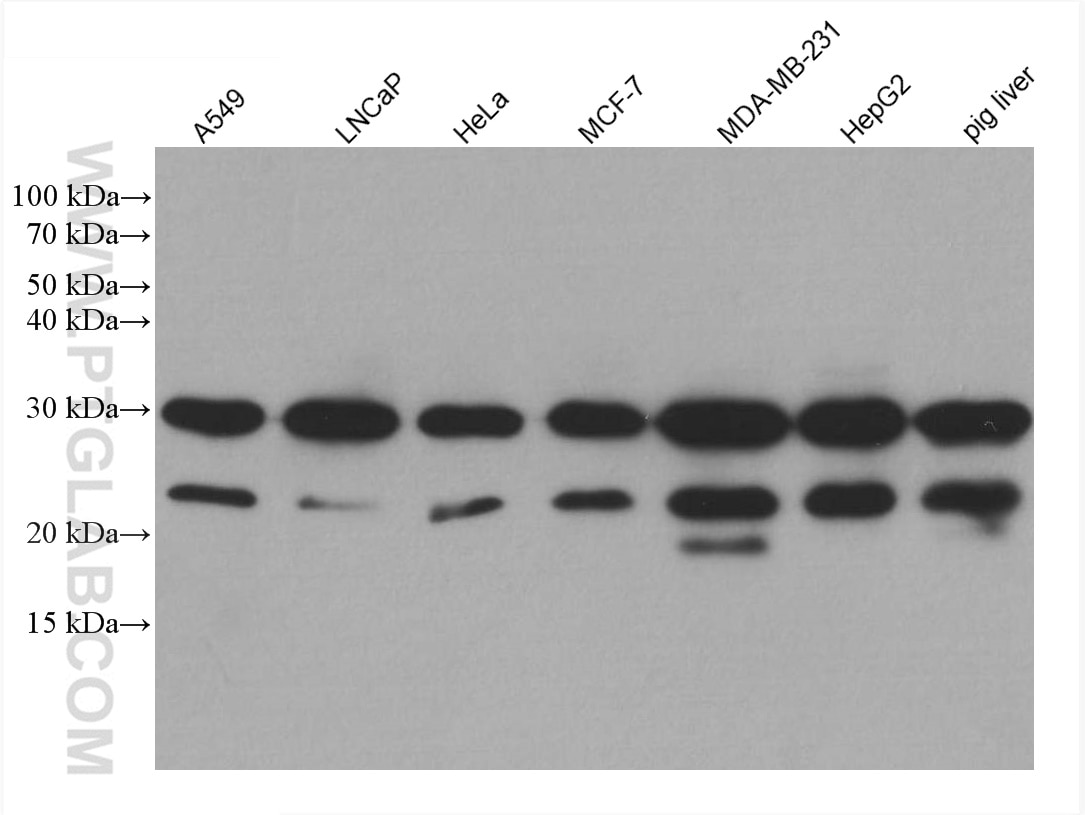
| Positive WB detected in | A549 cells, LNCaP cells, HeLa cells, MCF-7 cells, MDA-MB-231 cells, HepG2 cells, pig liver tissue |
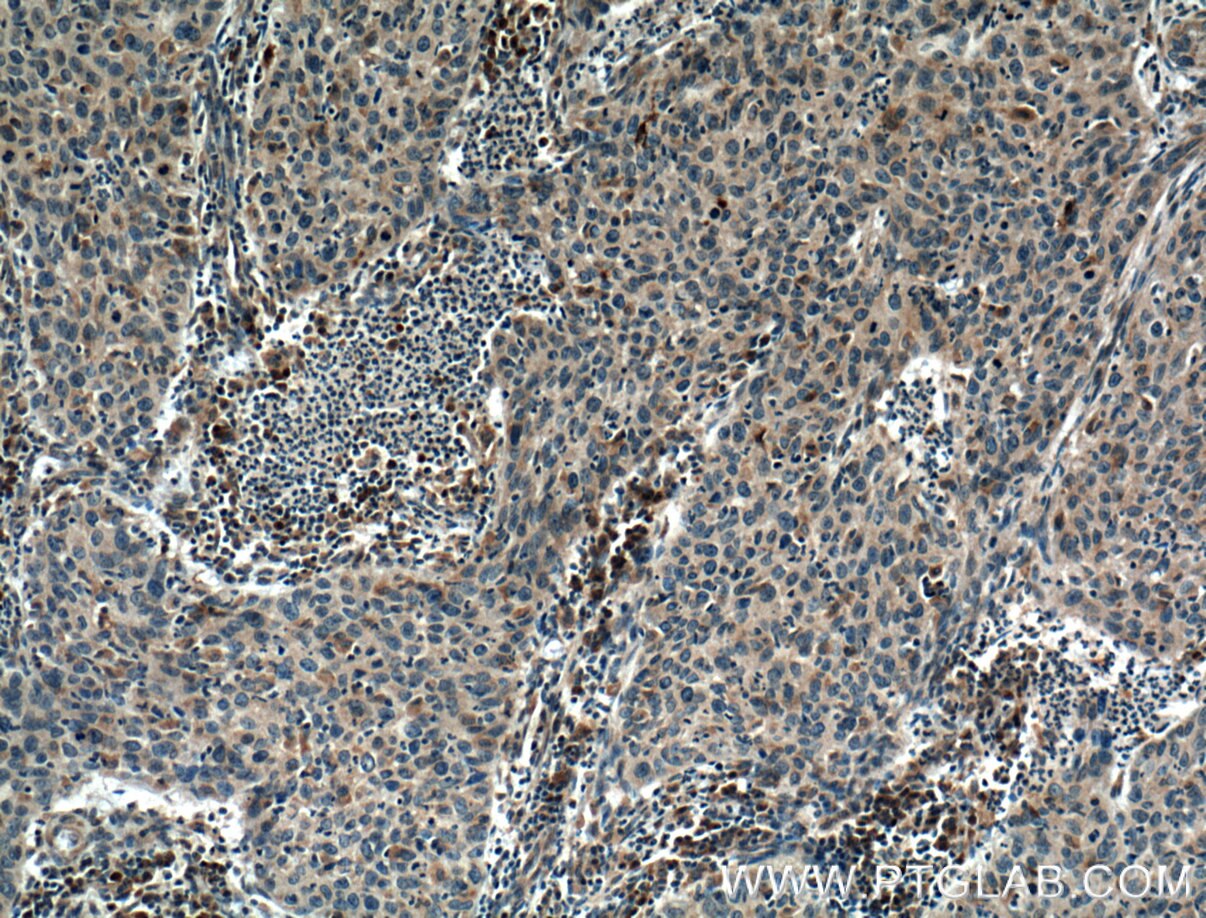
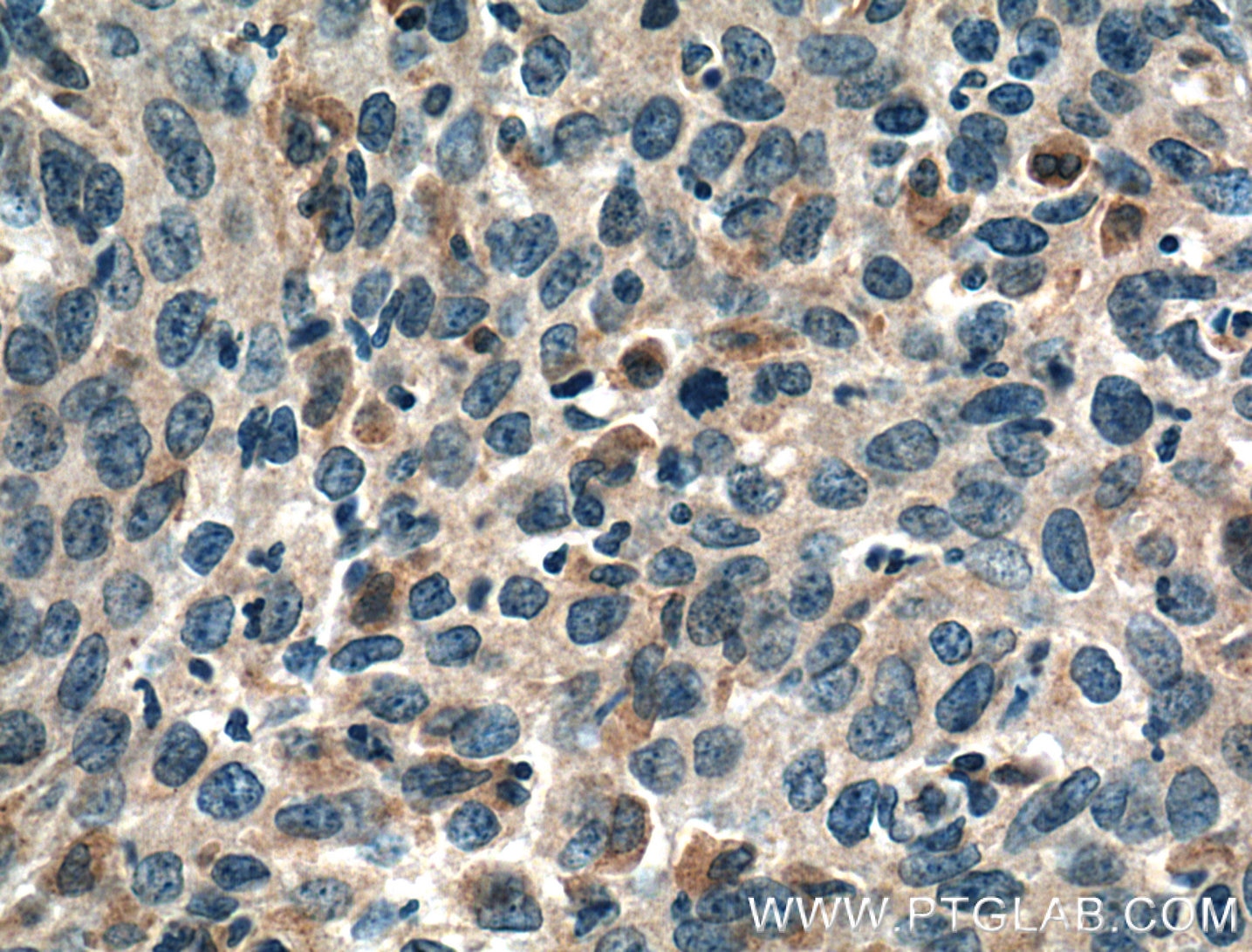
| Positive IHC detected in | human cervical cancer tissue Note: suggested antigen retrieval with TE buffer pH 9.0; (*) Alternatively, antigen retrieval may be performed with citrate buffer pH 6.0 |
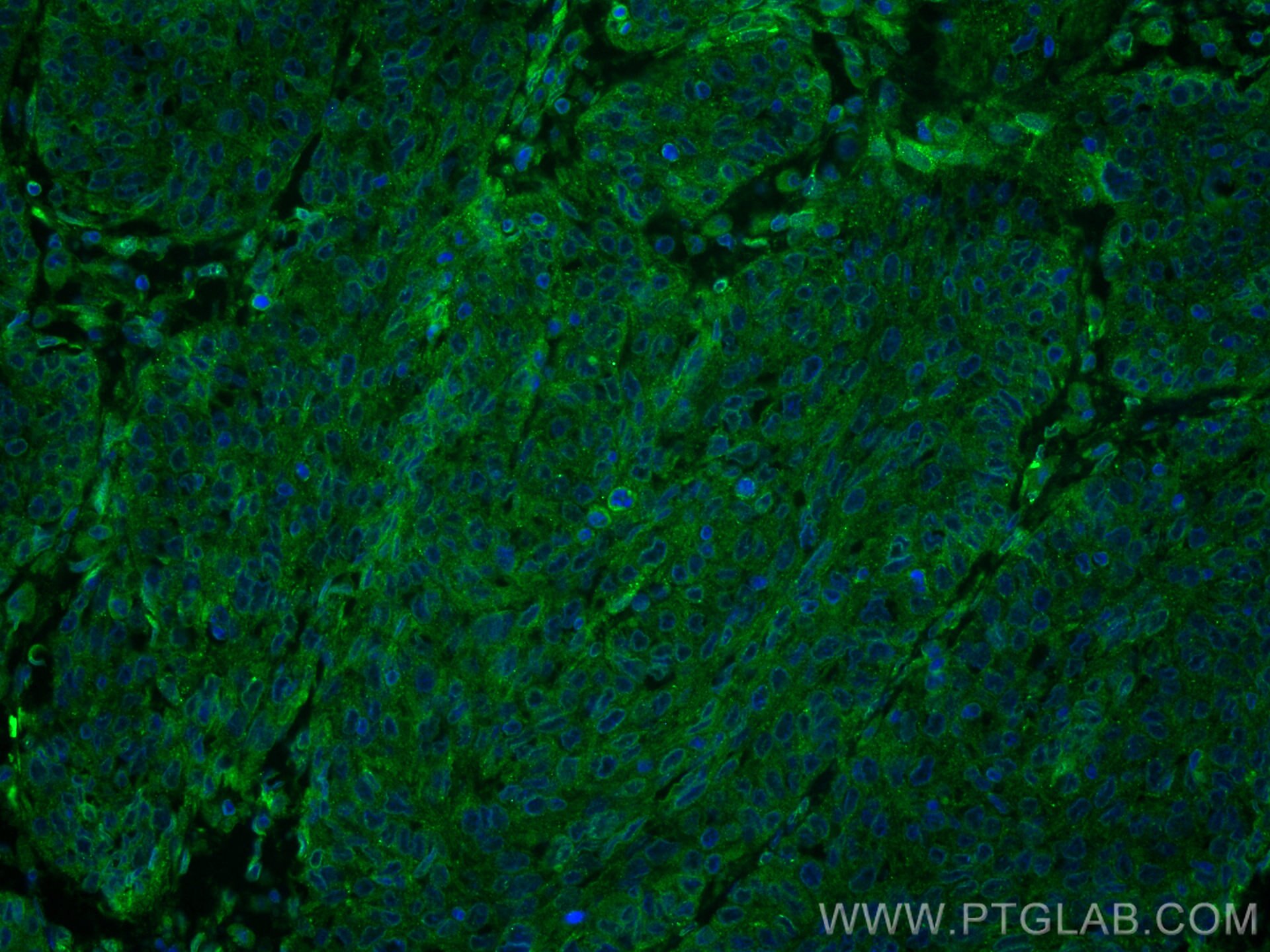
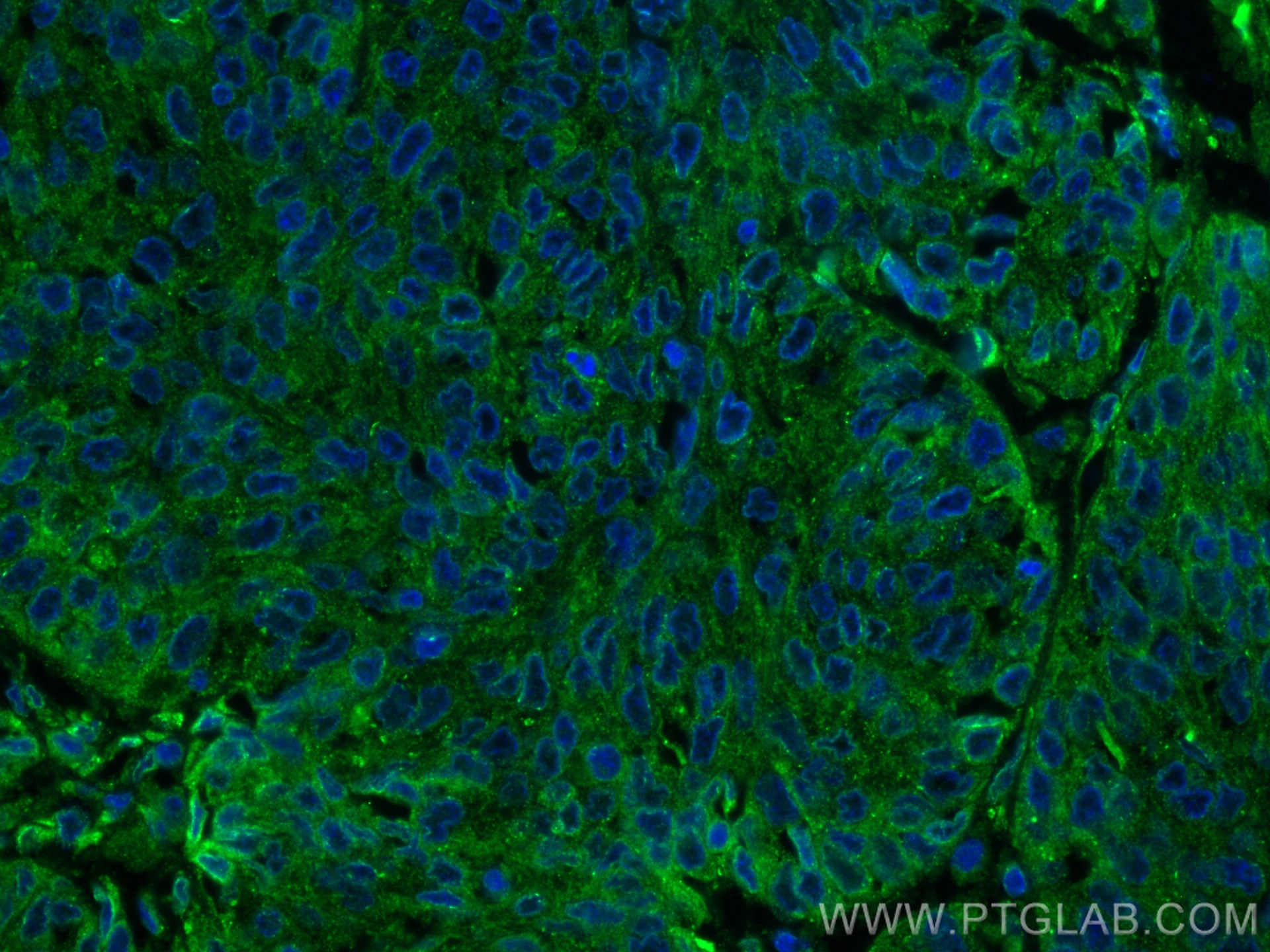
| Positive IF-P detected in | human cervical cancer tissue |
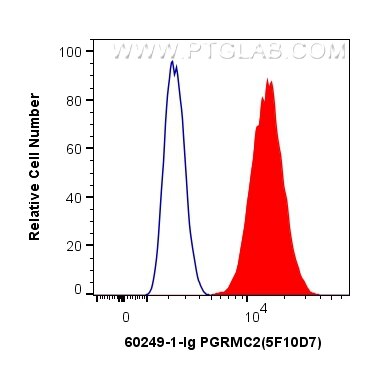
| Positive FC (Intra) detected in | HepG2 cells |
Recommended dilution
| Application | Dilution |
|---|---|
| Western Blot (WB) | WB : 1:2000-1:10000 |
| Immunohistochemistry (IHC) | IHC : 1:50-1:500 |
| Immunofluorescence (IF)-P | IF-P : 1:200-1:800 |
| Flow Cytometry (FC) (INTRA) | FC (INTRA) : 0.40 ug per 10^6 cells in a 100 µl suspension |
| It is recommended that this reagent should be titrated in each testing system to obtain optimal results. | |
| Sample-dependent, Check data in validation data gallery. | |
Product Information
60249-1-Ig targets PGRMC2 in WB, IHC, IF-P, FC (Intra), ELISA applications and shows reactivity with human, pig samples.
| Tested Reactivity | human, pig |
| Cited Reactivity | human, mouse |
| Host / Isotype | Mouse / IgG2a |
| Class | Monoclonal |
| Type | Antibody |
| Immunogen |
CatNo: Ag20077 Product name: Recombinant human PGRMC2 protein Source: e coli.-derived, PET28a Tag: 6*His Domain: 55-145 aa of BC016692 Sequence: LLNVALVALVLLGAYRLWVRWGRRGLGAGAGAGEESPATSLPRMKKRDFSLEQLRQYDGSRNPRILLAVNGKVFDVTKGSKFYGPAGPYGI Predict reactive species |
| Full Name | progesterone receptor membrane component 2 |
| Calculated Molecular Weight | 223 aa, 24 kDa |
| Observed Molecular Weight | 24 kDa, 28 kDa |
| GenBank Accession Number | BC016692 |
| Gene Symbol | PGRMC2 |
| Gene ID (NCBI) | 10424 |
| RRID | AB_2881370 |
| Conjugate | Unconjugated |
| Form | Liquid |
| Purification Method | Protein A purification |
| UNIPROT ID | O15173 |
| Storage Buffer | PBS with 0.02% sodium azide and 50% glycerol, pH 7.3. |
| Storage Conditions | Store at -20°C. Stable for one year after shipment. Aliquoting is unnecessary for -20oC storage. 20ul sizes contain 0.1% BSA. |
Background Information
Membrane-associated progesterone receptor component 2 (PGRMC2), also known as DG6 or PMBP, belongs to the cytochrome b5 family. This protein might play a role in cancer. The gene of PGRMC2 maps to chromosome 4q26, and encodes a 223-amino acid single-pass membrane protein with a cytochrome b5 heme-binding domain in its cytoplasmic domain. PGRMC2 has a calculated molecular weight of 24 kDa. The band of about 28 kDa detected by this monoclonal antibody is unknown but may represent phosphorylated form of PGRMC2 (PMID: 28104494).
Protocols
| Product Specific Protocols | |
|---|---|
| FC protocol for PGRMC2 antibody 60249-1-Ig | Download protocol |
| IF protocol for PGRMC2 antibody 60249-1-Ig | Download protocol |
| IHC protocol for PGRMC2 antibody 60249-1-Ig | Download protocol |
| WB protocol for PGRMC2 antibody 60249-1-Ig | Download protocol |
| Standard Protocols | |
|---|---|
| Click here to view our Standard Protocols |
Publications
What published studies show
The PGRMC2 Monoclonal antibody (5F10D7), catalog number 60249-1-Ig, has 4 total citations. These appear in the journals Journal of Cell Science, Biological Chemistry, International Journal of Clinical and Experimental Pathology, and iBrain. The associated research fields include cell biology (lanosterol demethylase surveillance), biochemistry (progesterone receptor membrane components), breast cancer cell migration, and neuroscience (neuronal activity and epileptic seizures).
| Species | Application | Title |
|---|---|---|
J Cell Sci Topology surveillance of the lanosterol demethylase CYP51A1 by Signal Peptide Peptidase | ||
Biol Chem A progesterone receptor membrane component 1 antagonist induces large vesicles independent of progesterone receptor membrane component 1 expression. | ||
Int J Clin Exp Pathol Quantitative proteomic analysis identifies new effectors of FOXM1 involved in breast cancer cell migration.
| ||
Ibrain Progesterone receptor membrane component 2 regulates the neuronal activity and participates in epileptic seizures in experimental mice |







