


Tested Applications
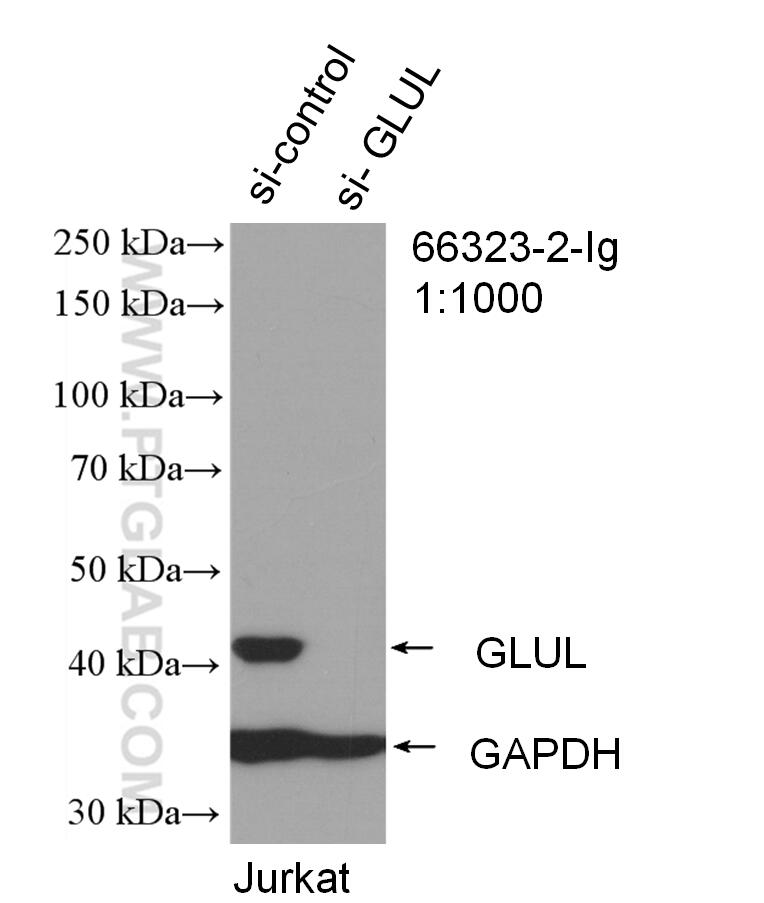
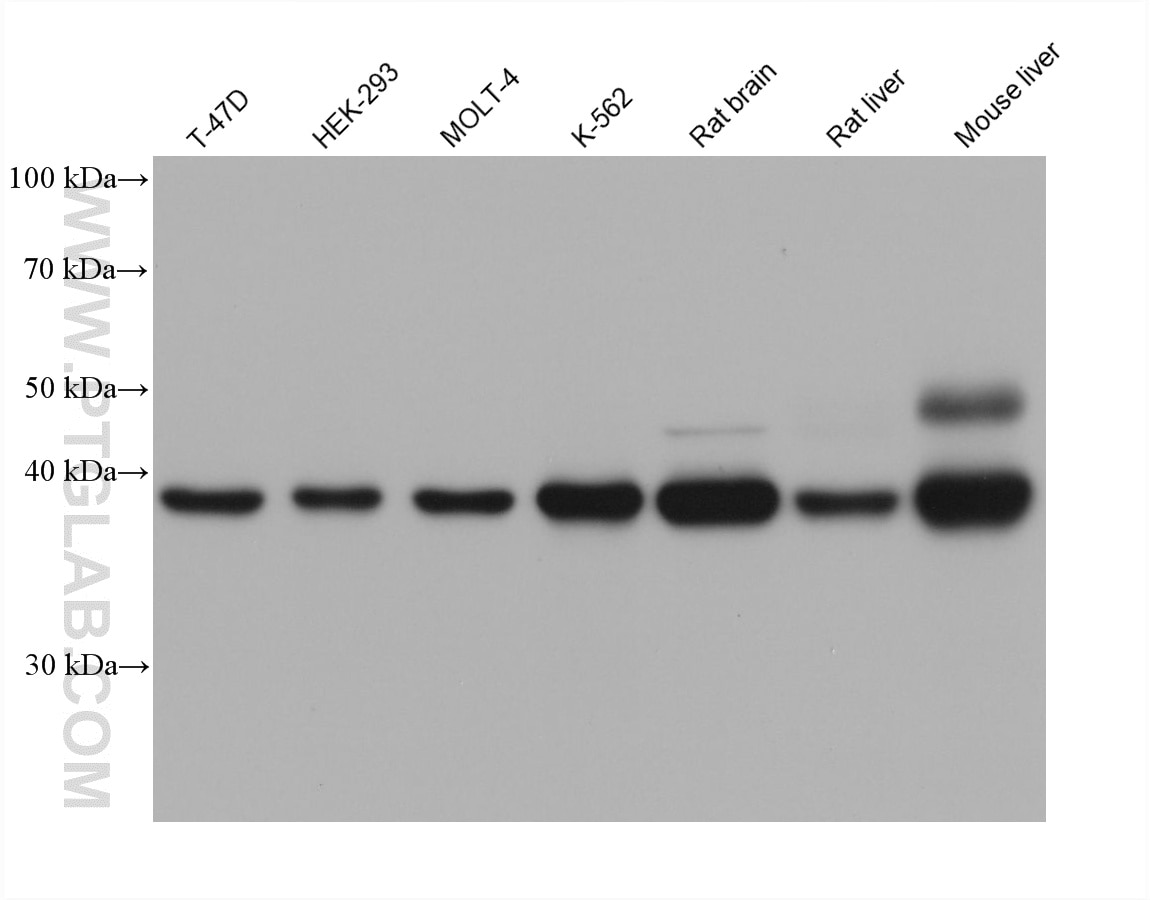
| Positive WB detected in | Jurkat cells, T-47D cells, HEK-293 cells, MOLT-4 cells, K-562 cells, rat brain tissue, rat liver tissue, mouse liver tissue |
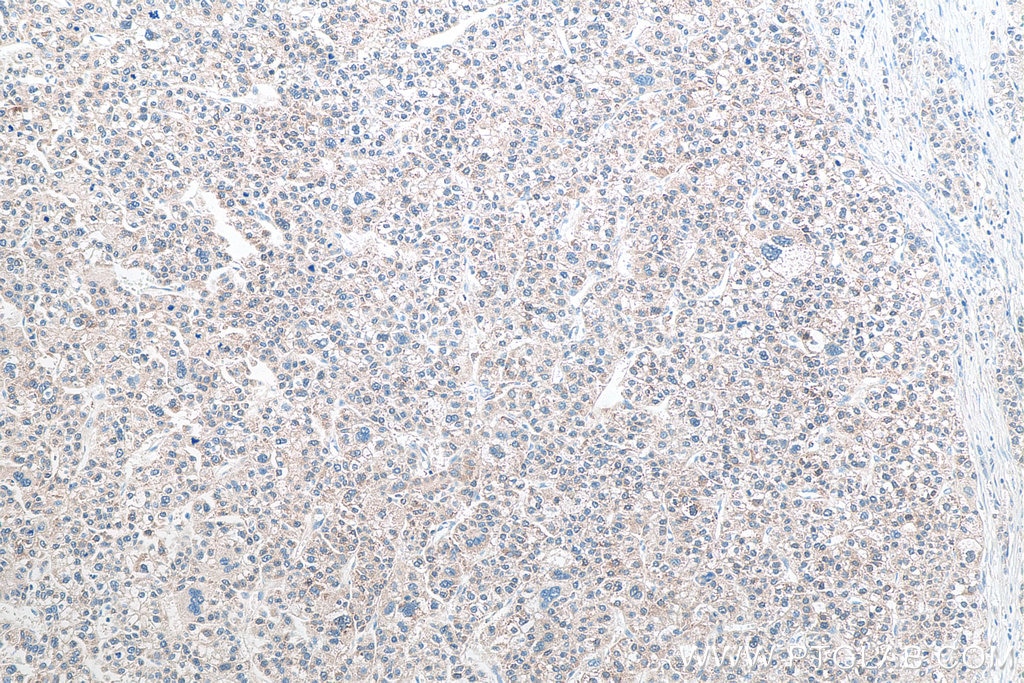
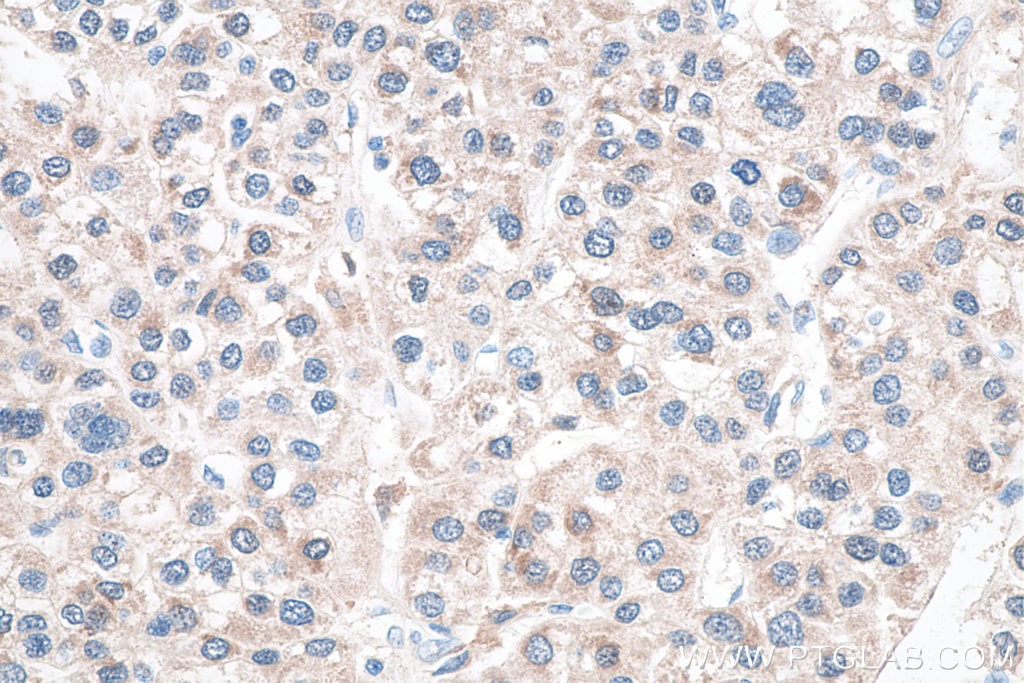
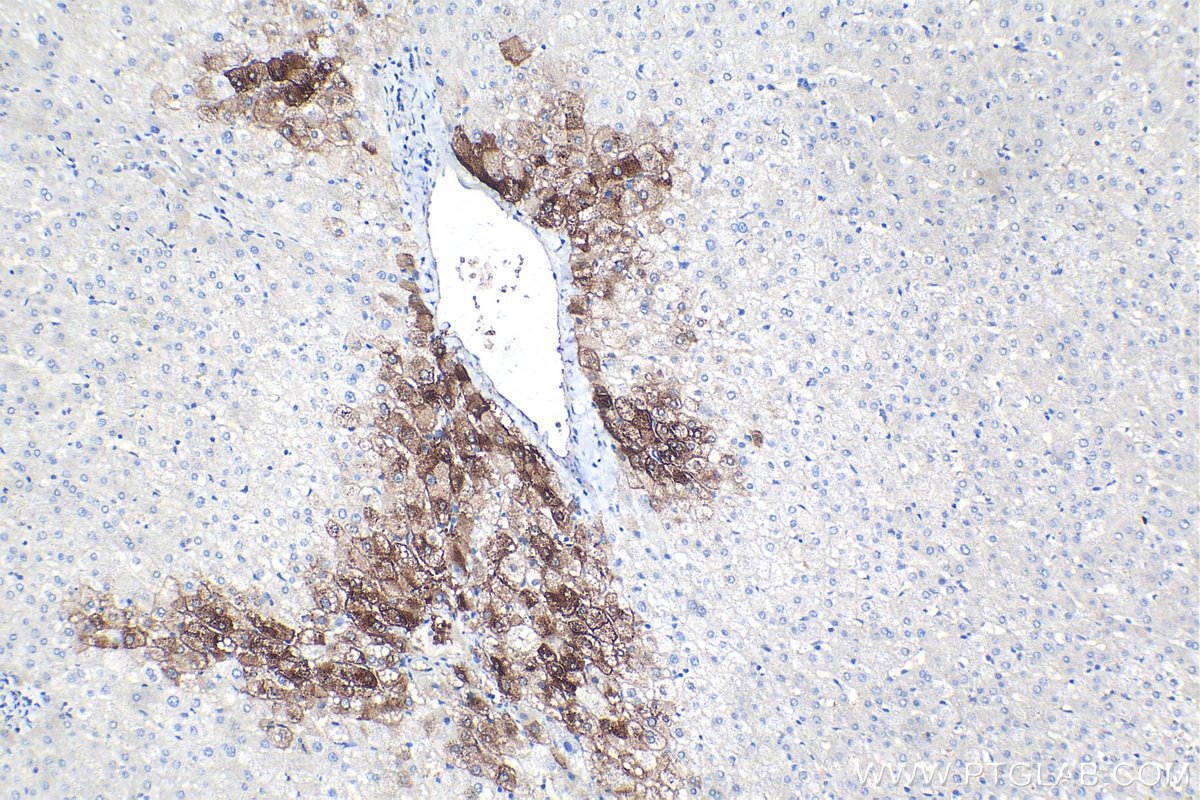
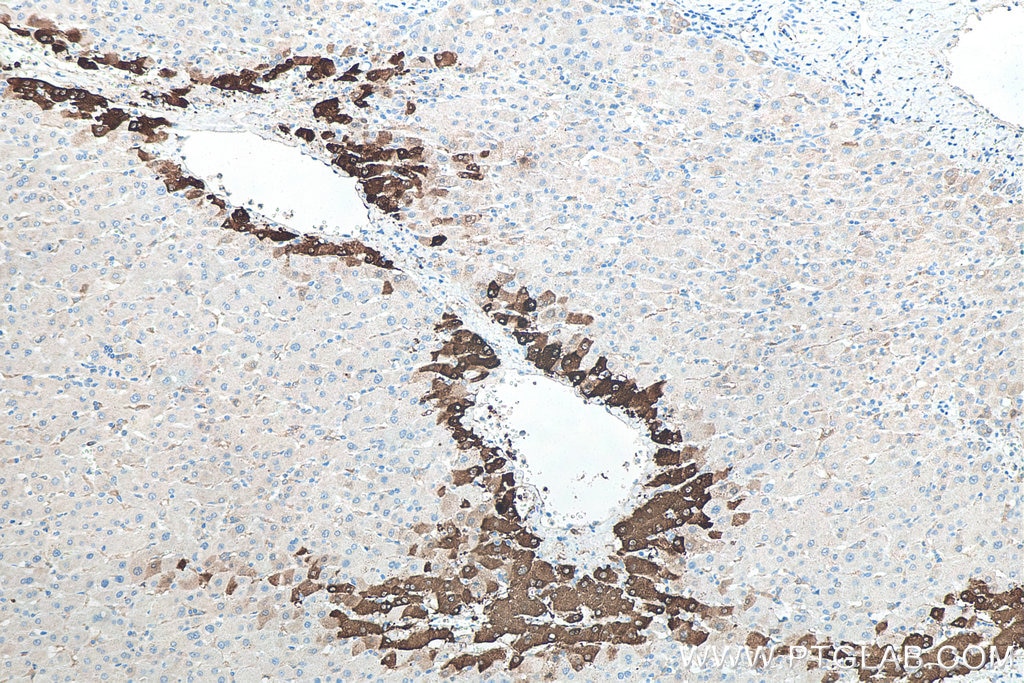
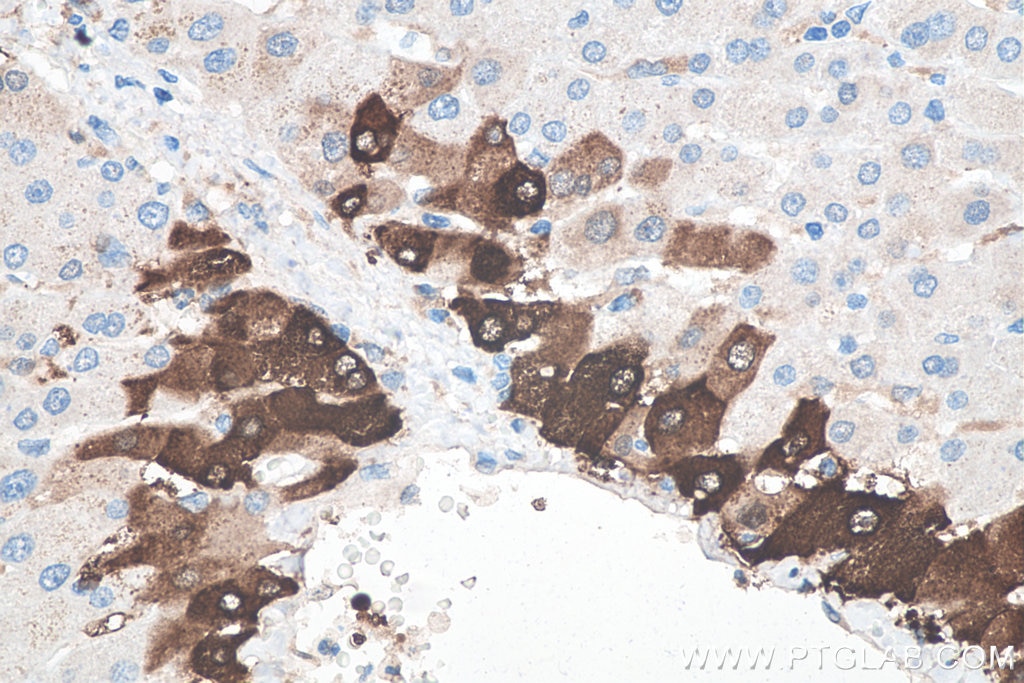
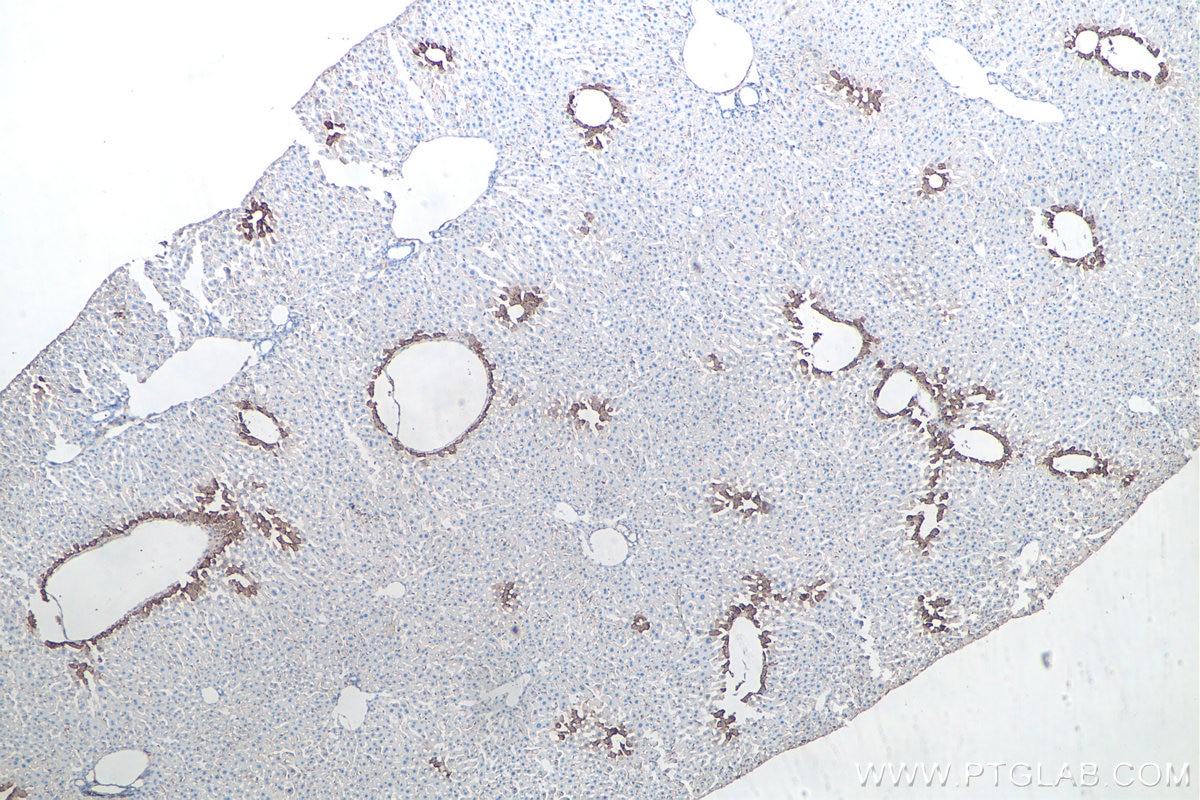
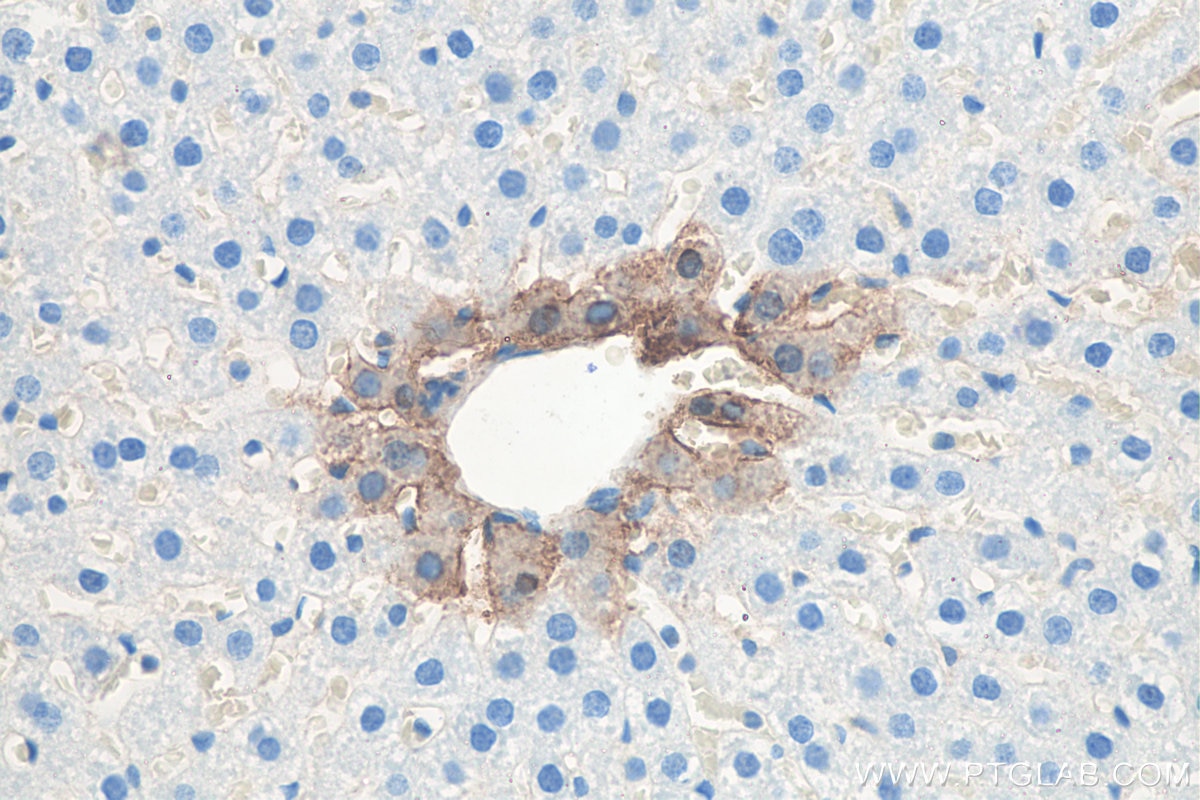
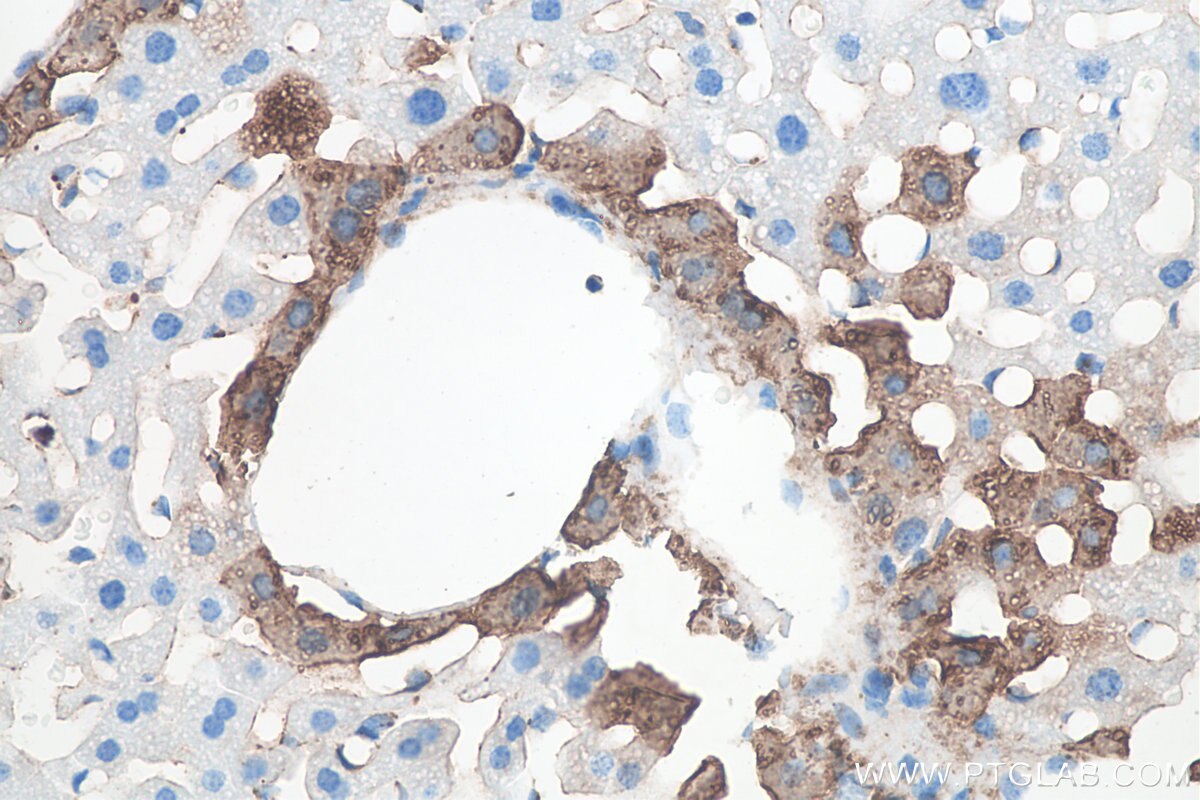
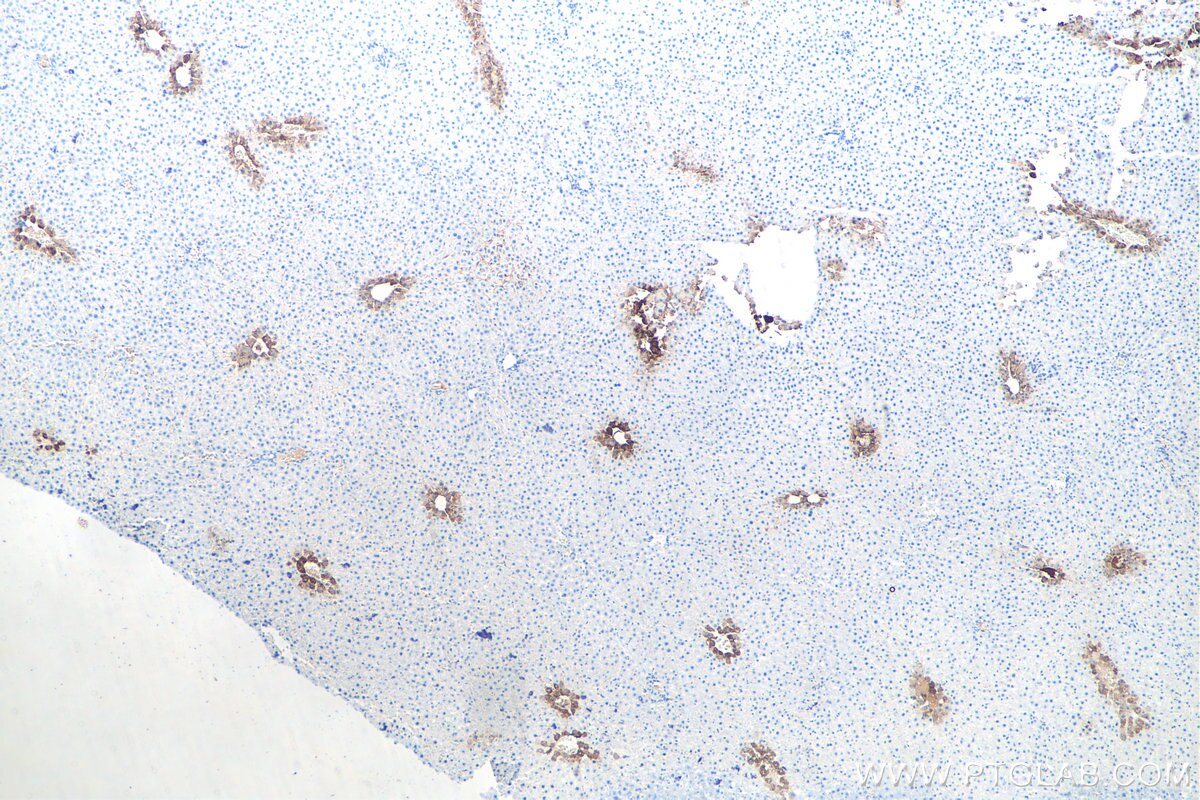
| Positive IHC detected in | human liver cancer tissue, human liver tissue, rat liver tissue Note: suggested antigen retrieval with TE buffer pH 9.0; (*) Alternatively, antigen retrieval may be performed with citrate buffer pH 6.0 |
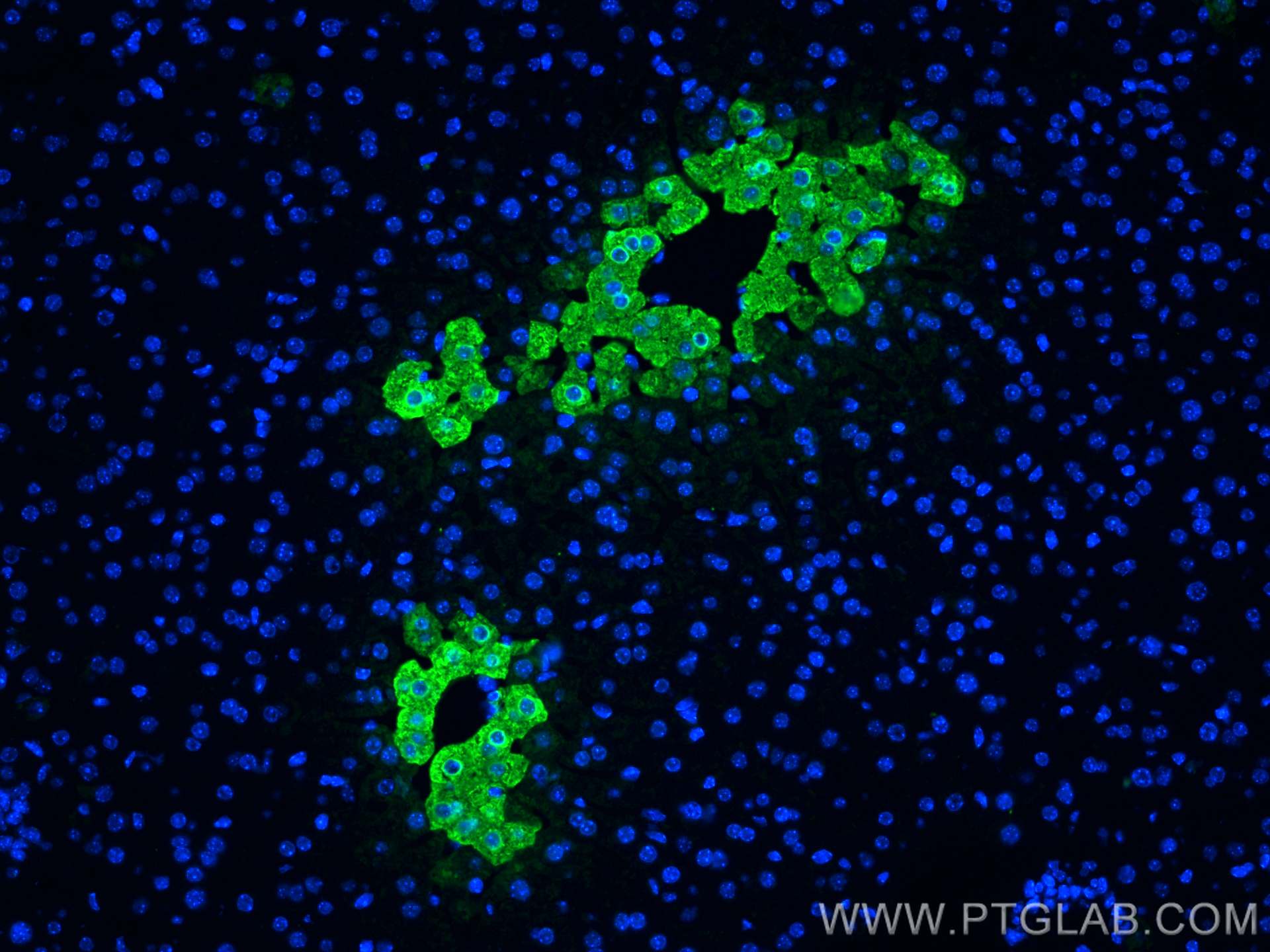
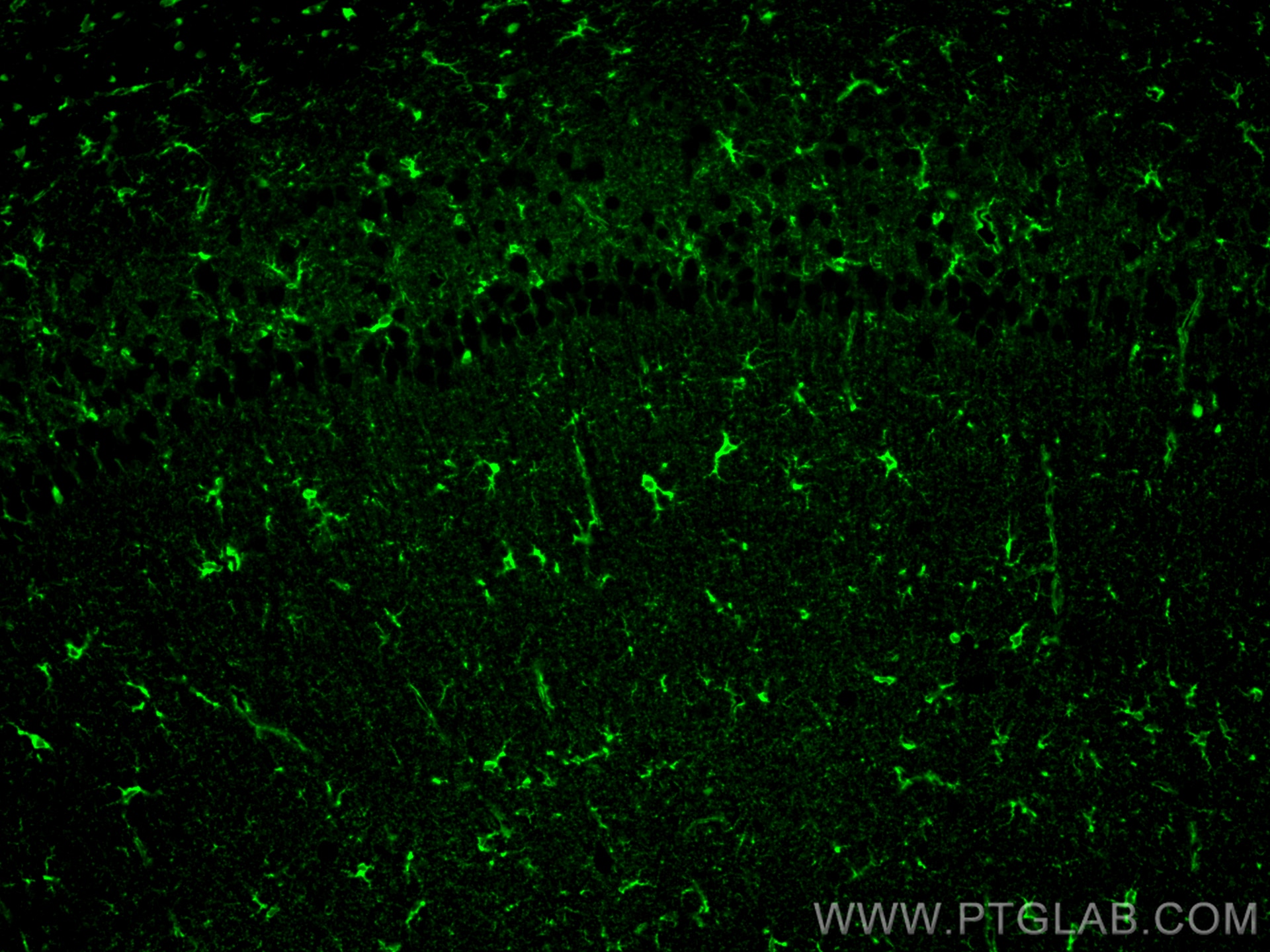
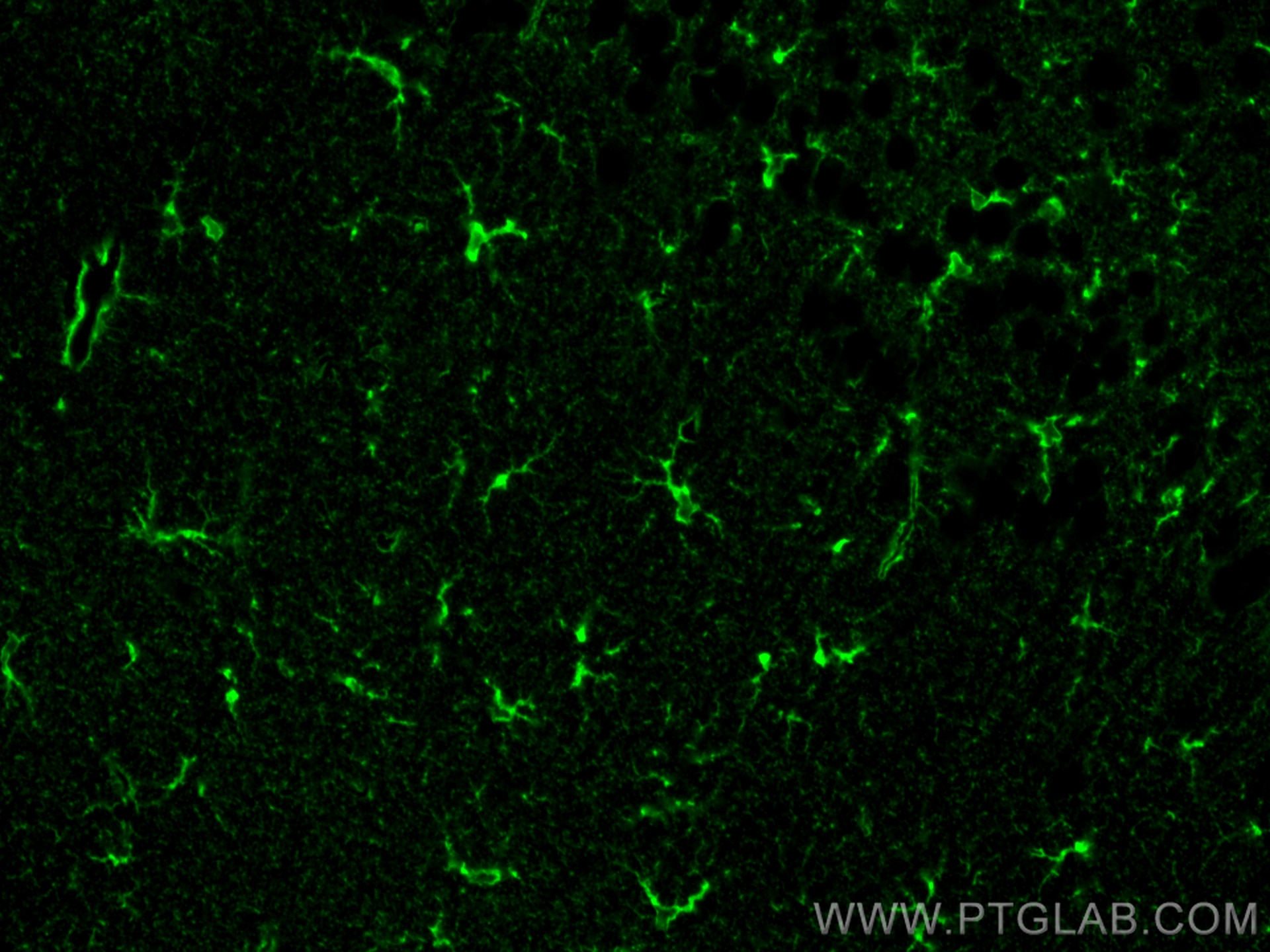
| Positive IF-P detected in | mouse liver tissue, mouse brain tissue |
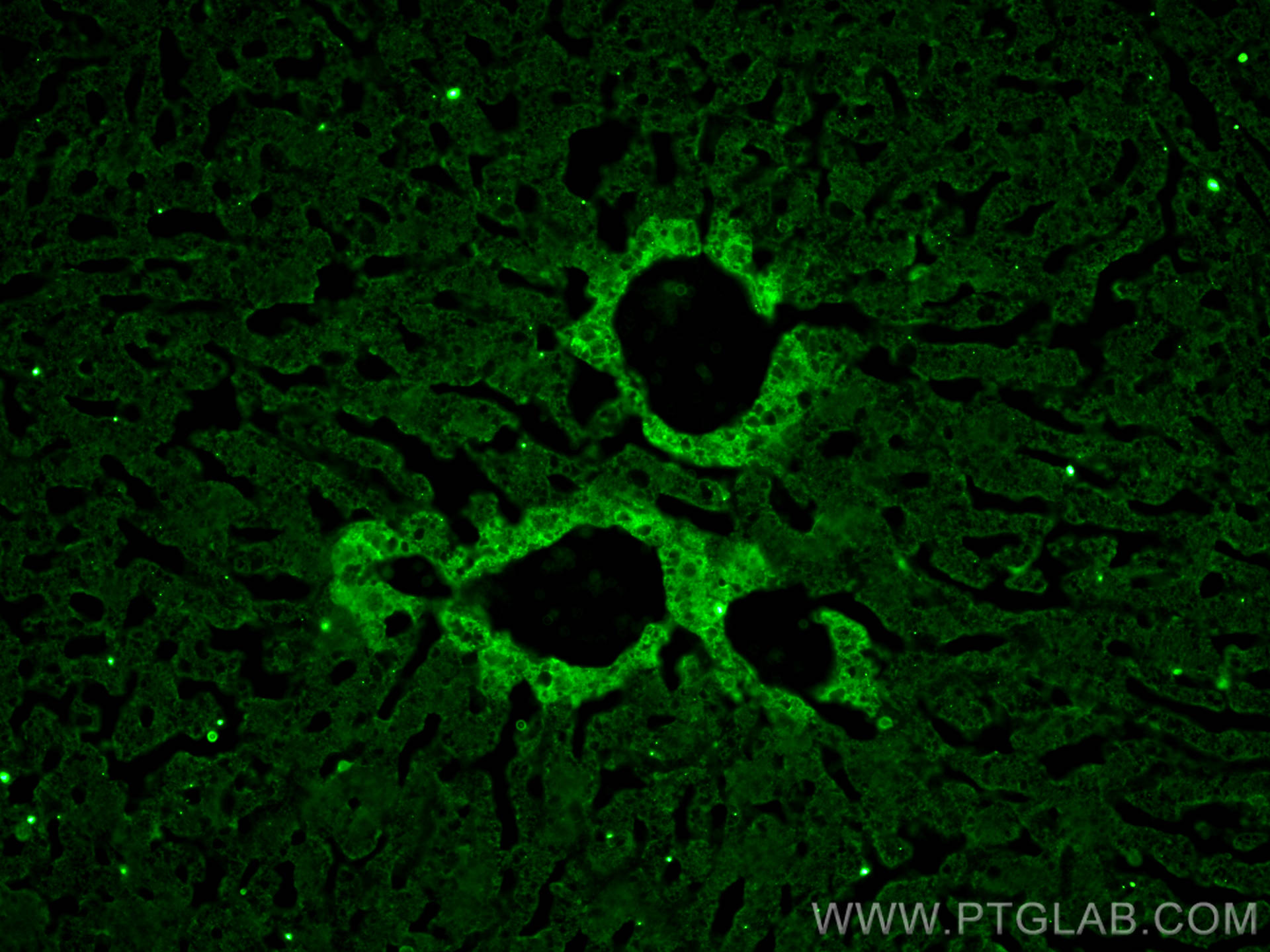
| Positive IF-Fro detected in | mouse liver tissue |
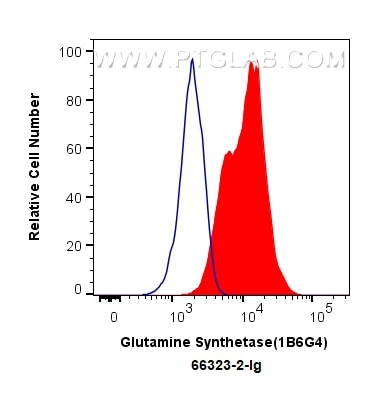
| Positive FC (Intra) detected in | HepG2 cells |
Recommended dilution
| Application | Dilution |
|---|---|
| Western Blot (WB) | WB : 1:500-1:2000 |
| Immunohistochemistry (IHC) | IHC : 1:2500-1:10000 |
| Immunofluorescence (IF)-P | IF-P : 1:200-1:800 |
| Immunofluorescence (IF)-FRO | IF-FRO : 1:200-1:800 |
| Flow Cytometry (FC) (INTRA) | FC (INTRA) : 0.40 ug per 10^6 cells in a 100 ul suspension |
| It is recommended that this reagent should be titrated in each testing system to obtain optimal results. | |
| Sample-dependent, Check data in validation data gallery. | |
Product Information
66323-2-Ig targets Glutamine Synthetase in WB, IHC, IF-P, IF-Fro, FC (Intra), ELISA applications and shows reactivity with human, mouse, rat samples.
| Tested Reactivity | human, mouse, rat |
| Cited Reactivity | human, rat, canine |
| Host / Isotype | Mouse / IgG1 |
| Class | Monoclonal |
| Type | Antibody |
| Immunogen |
CatNo: Ag6309 Product name: Recombinant human Glutamine synthetase protein Source: e coli.-derived, PET28a Tag: 6*His Domain: 1-373 aa of BC011700 Sequence: MTTSASSHLNKGIKQVYMSLPQGEKVQAMYIWIDGTGEGLRCKTRTLDSEPKCVEELPEWNFDGSSTLQSEGSNSDMYLVPAAMFRDPFRKDPNKLVLCEVFKYNRRPAETNLRHTCKRIMDMVSNQHPWFGMEQEYTLMGTDGHPFGWPSNGFPGPQGPYYCGVGADRAYGRDIVEAHYRACLYAGVKIAGTNAEVMPAQWEFQIGPCEGISMGDHLWVARFILHRVCEDFGVIATFDPKPIPGNWNGAGCHTNFSTKAMREENGLKYIEEAIEKLSKRHQYHIRAYDPKGGLDNARRLTGFHETSNINDFSAGVANRSASIRIPRTVGQEKKGYFEDRRPSANCDPFSVTEALIRTCLLNETGDEPFQYKN Predict reactive species |
| Full Name | glutamate-ammonia ligase (glutamine synthetase) |
| Calculated Molecular Weight | 374 aa, 42 kDa |
| Observed Molecular Weight | 42 kDa |
| GenBank Accession Number | BC011700 |
| Gene Symbol | Glutamine Synthetase |
| Gene ID (NCBI) | 2752 |
| RRID | AB_2881704 |
| Conjugate | Unconjugated |
| Form | Liquid |
| Purification Method | Protein G purification |
| UNIPROT ID | P15104 |
| Storage Buffer | PBS with 0.02% sodium azide and 50% glycerol, pH 7.3. |
| Storage Conditions | Store at -20°C. Stable for one year after shipment. Aliquoting is unnecessary for -20oC storage. 20ul sizes contain 0.1% BSA. |
Protocols
| Product Specific Protocols | |
|---|---|
| FC protocol for Glutamine Synthetase antibody 66323-2-Ig | Download protocol |
| IF protocol for Glutamine Synthetase antibody 66323-2-Ig | Download protocol |
| IHC protocol for Glutamine Synthetase antibody 66323-2-Ig | Download protocol |
| WB protocol for Glutamine Synthetase antibody 66323-2-Ig | Download protocol |
| Standard Protocols | |
|---|---|
| Click here to view our Standard Protocols |
Publications
What published studies show
The Glutamine Synthetase Monoclonal antibody (Cat# 66323-2-Ig) has 8 total citations. These appear in journals including Bone Research, Advanced Science, Neural Regeneration Research, Cancer Medicine, Disease Markers, Journal of Hazardous Materials, and Journal of Advanced Research. Research fields span intervertebral disc degeneration and autophagy, glioma progression and angiogenesis, retinal injury and Müller cell degeneration, hepatocellular carcinoma immunotherapy, diabetic cardiac autonomic neuropathy, zebrafish visual toxicity, and depression-related microglial signaling. Applications include WB, IF, and IHC across human, canine, and rat species.
| Species | Application | Title |
|---|---|---|
Bone Res Chaperone-mediated autophagy directs a dual mechanism to balance premature senescence and senolysis to prevent intervertebral disc degeneration | ||
Adv Sci (Weinh) GLUL Confers Perivascular Cancer-Associated Fibroblasts With Pro-Angiogenic Capacity to Promote Glioma Progression.
| ||
Neural Regen Res Müller cells are activated in response to retinal outer nuclear layer degeneration in rats subjected to simulated weightlessness conditions | ||
Neural Regen Res Necroptosis plays a crucial role in the exacerbation of retinal injury after blunt ocular trauma | ||
Cancer Med Differences in Tumor-Infiltrating Lymphocyte Counts in the Peritumoral Area in Patients Undergoing Hepatic Resection After Lenvatinib and Atezolizumab Plus Bevacizumab Therapy for Hepatocellular Carcinoma | ||
Dis Markers Schisandrin B Alleviates Diabetic Cardiac Autonomic neuropathy Induced by P2X7 Receptor in Superior Cervical Ganglion via NLRP3. |


















