




Tested Applications
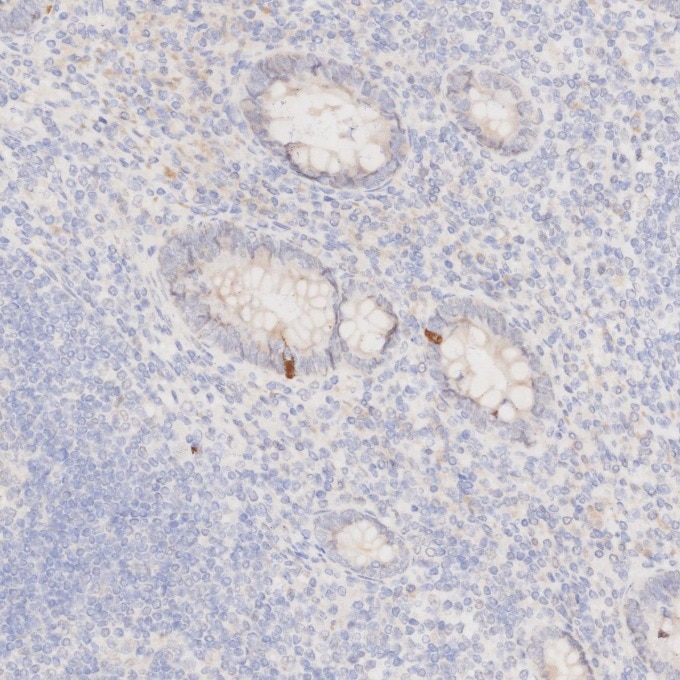
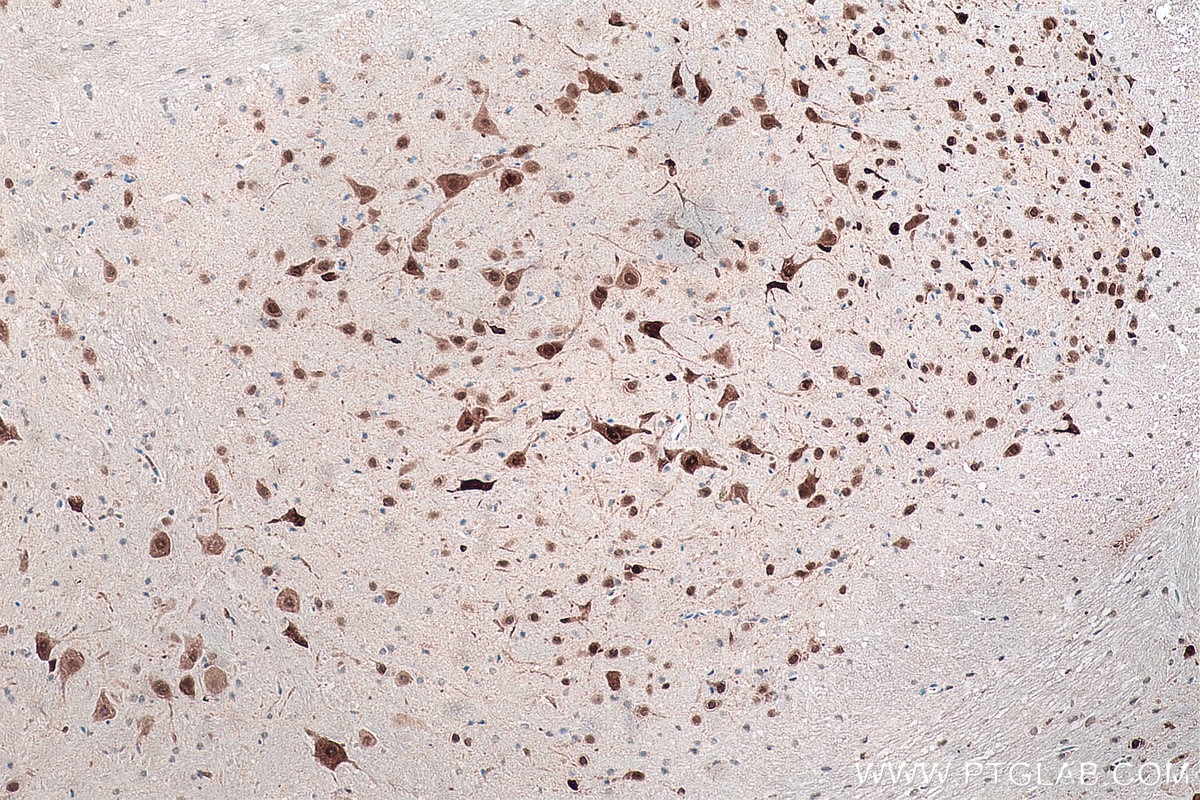
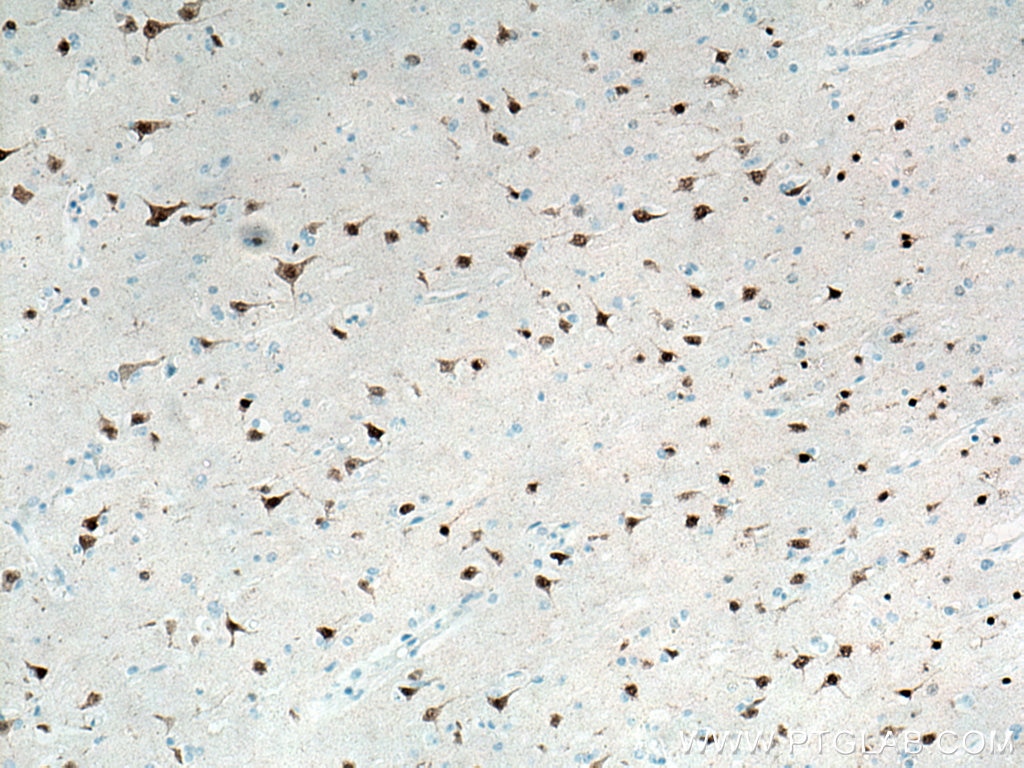
| Positive IHC-Autostainer detected in | human appendicitis tissue, human gliomas tissue |
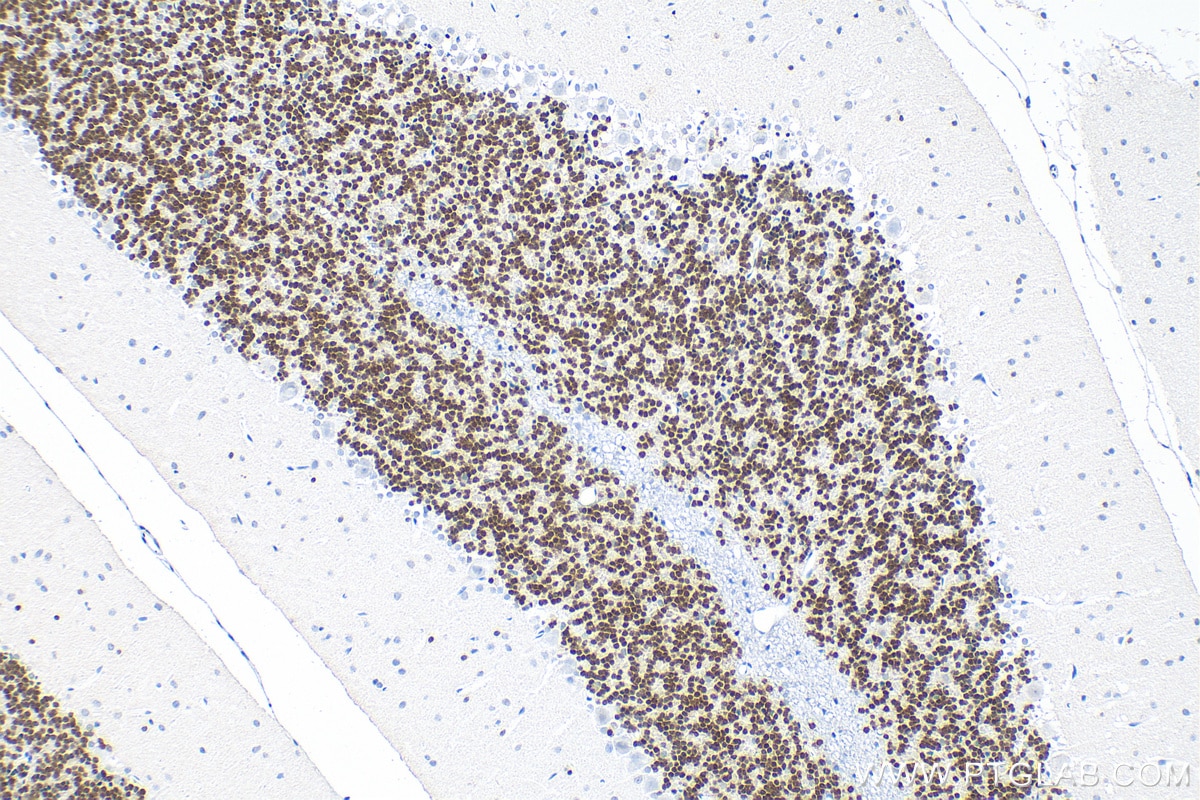
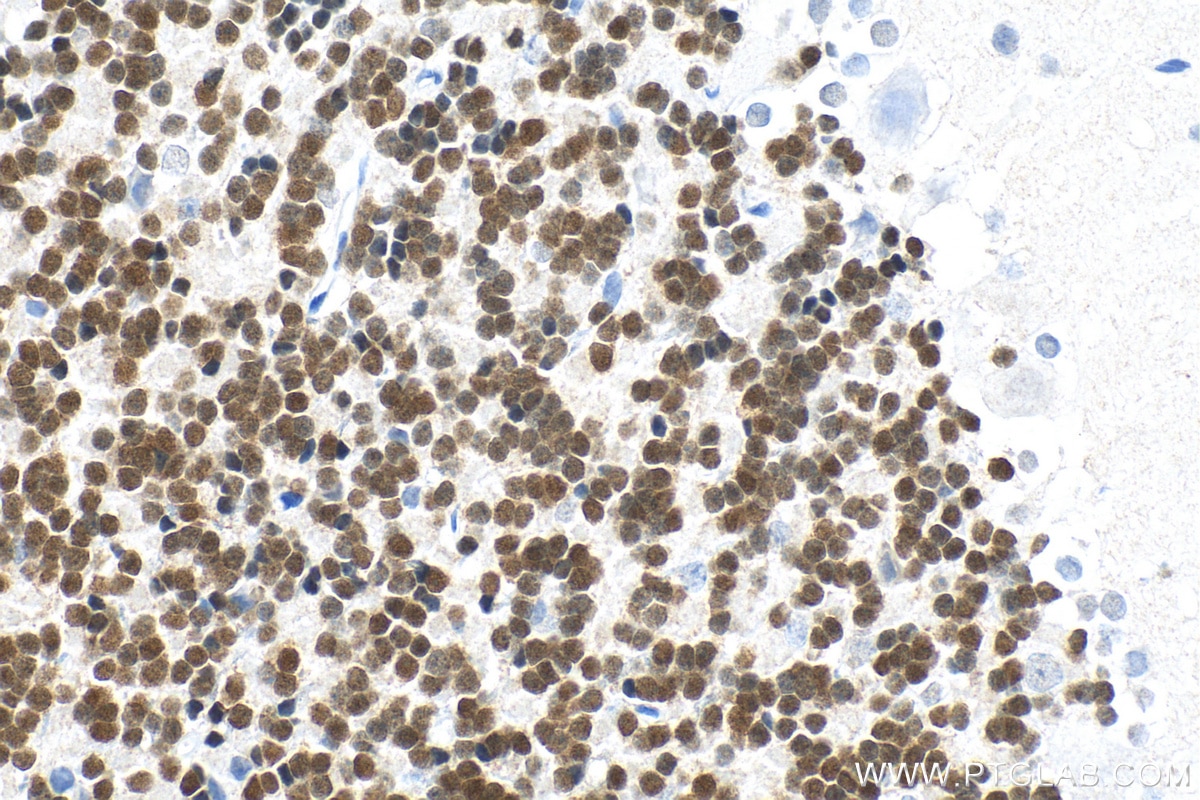
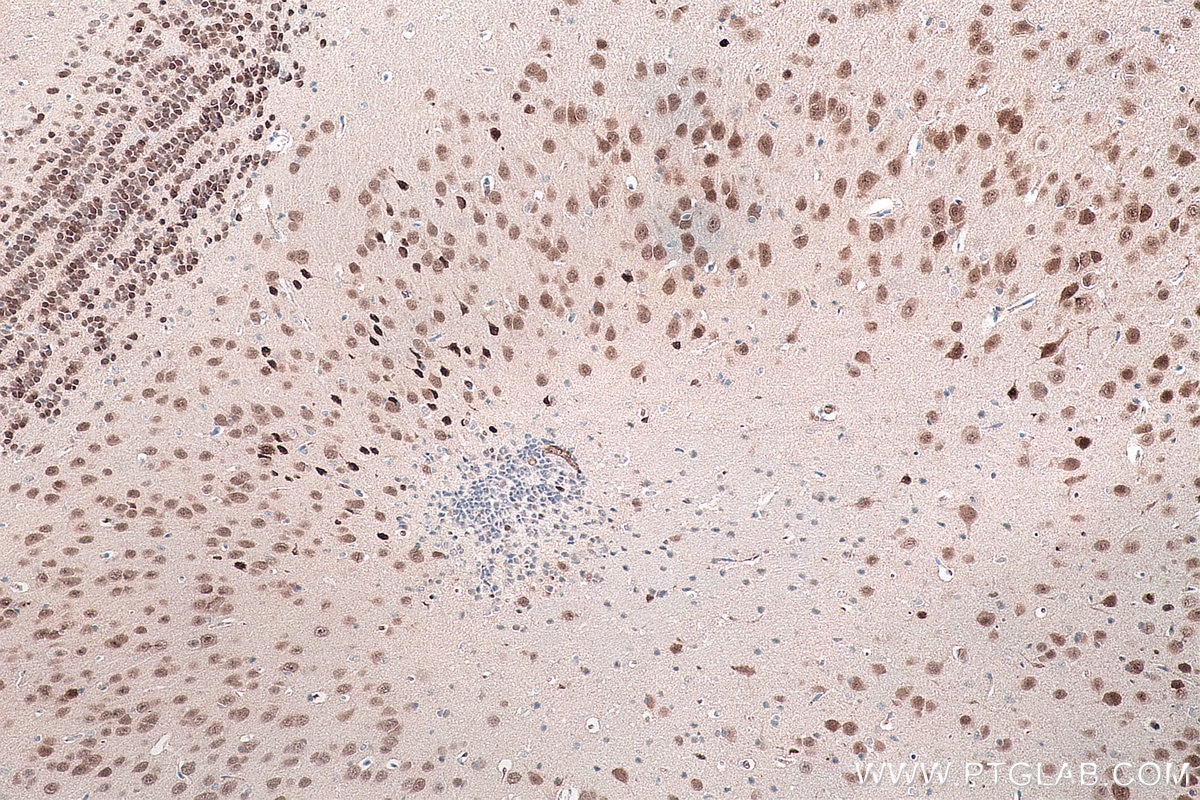
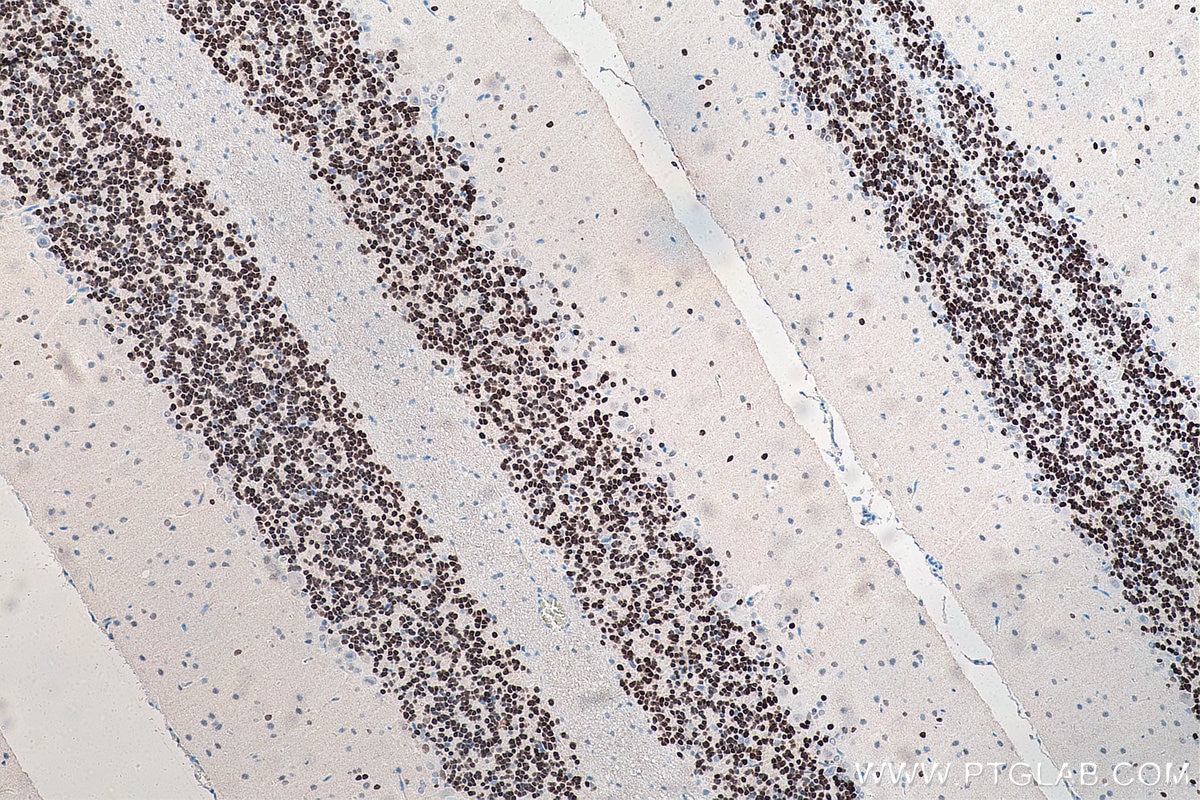
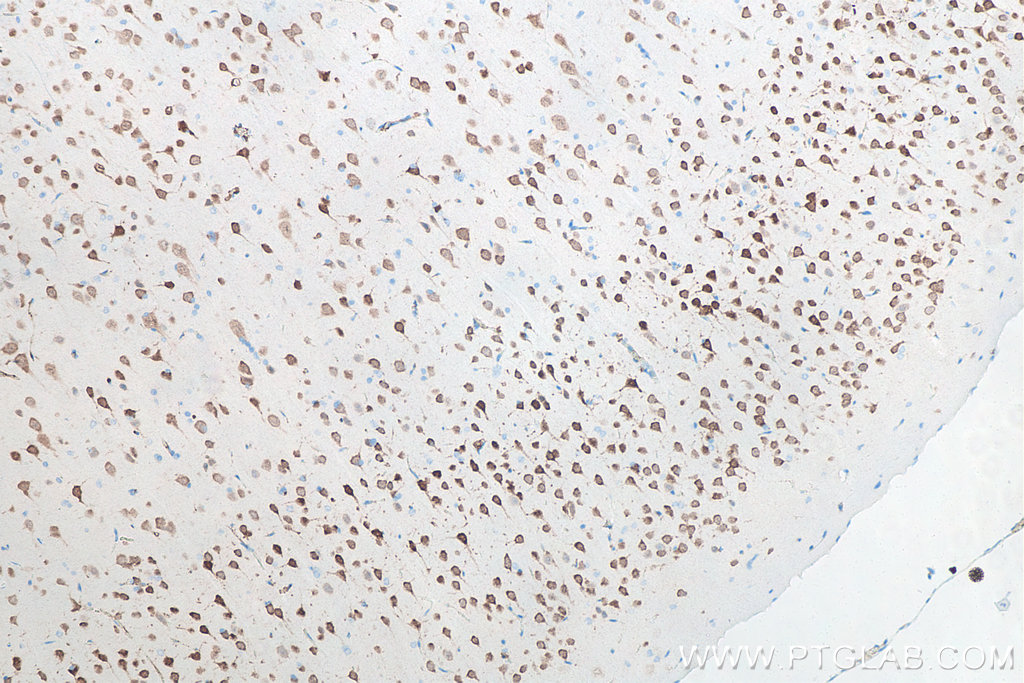
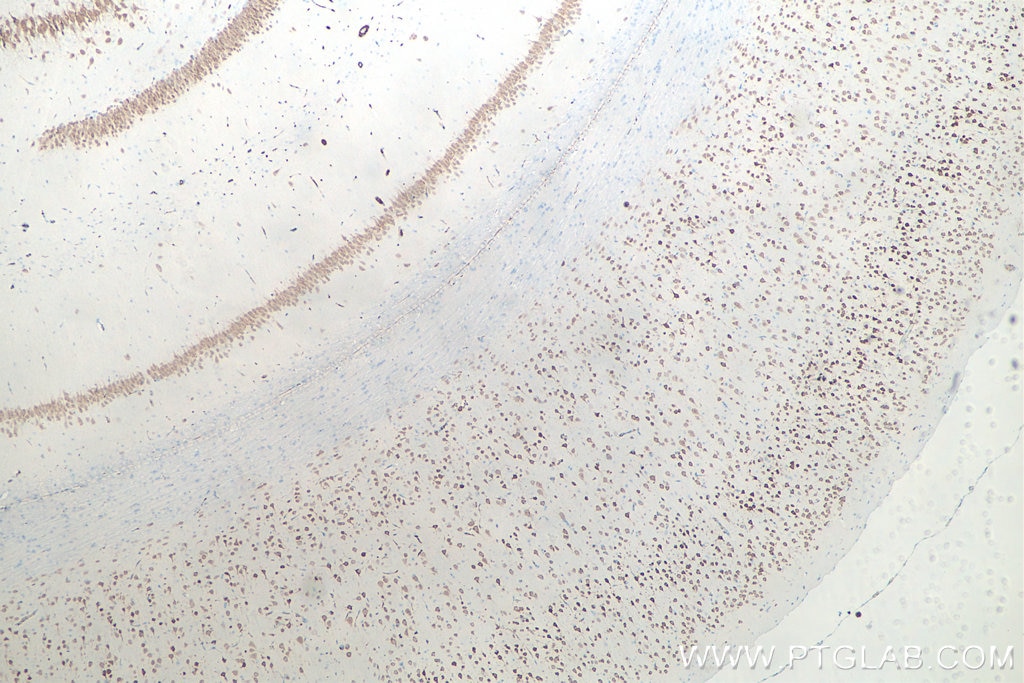
| Positive IHC detected in | rat cerebellum tissue, mouse cerebellum tissue, human gliomas tissue, mouse brain tissue, human brain tissue, rat cerebellum tissue, rat brain tissue Note: suggested antigen retrieval with TE buffer pH 9.0; (*) Alternatively, antigen retrieval may be performed with citrate buffer pH 6.0 |
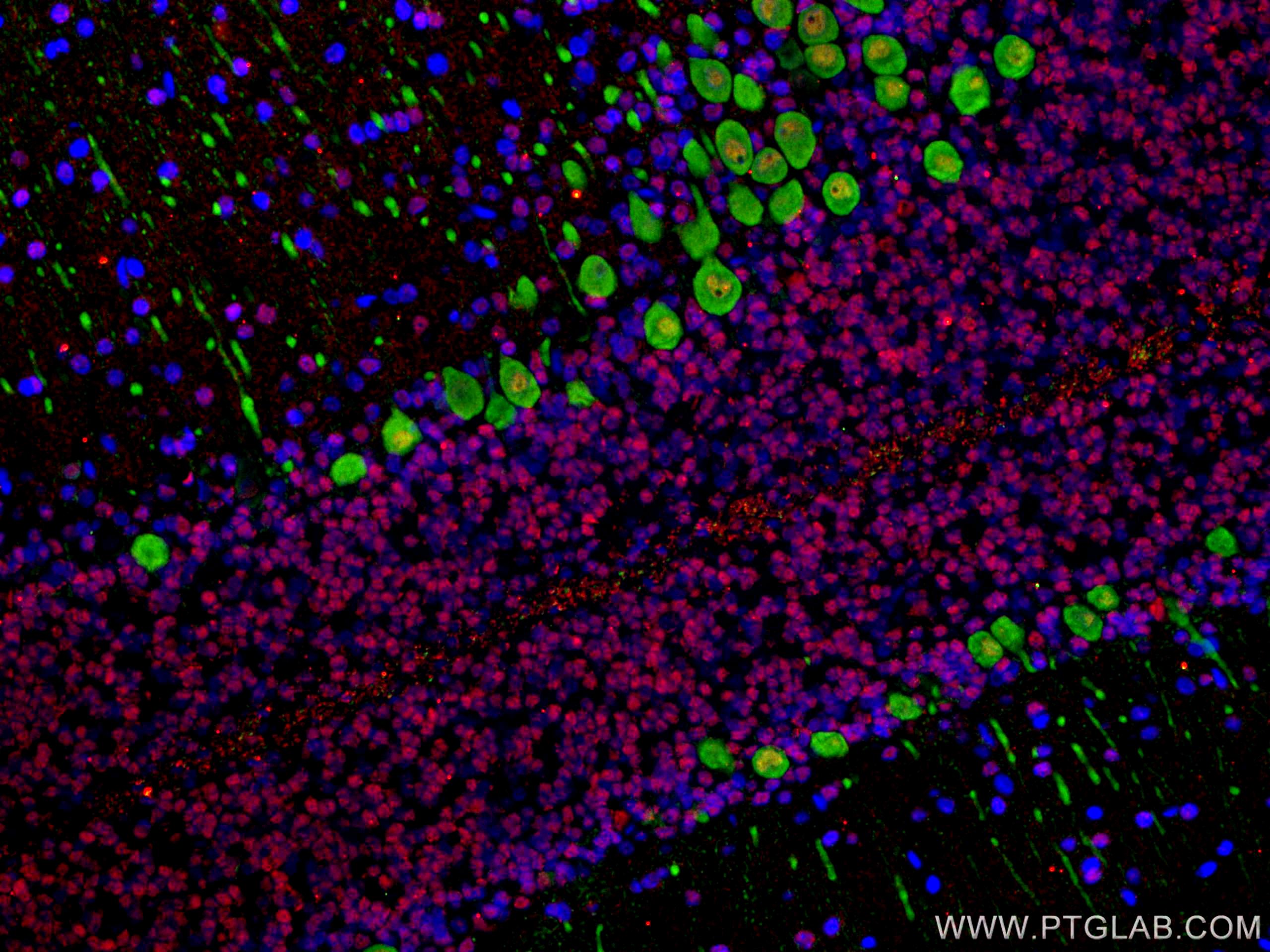
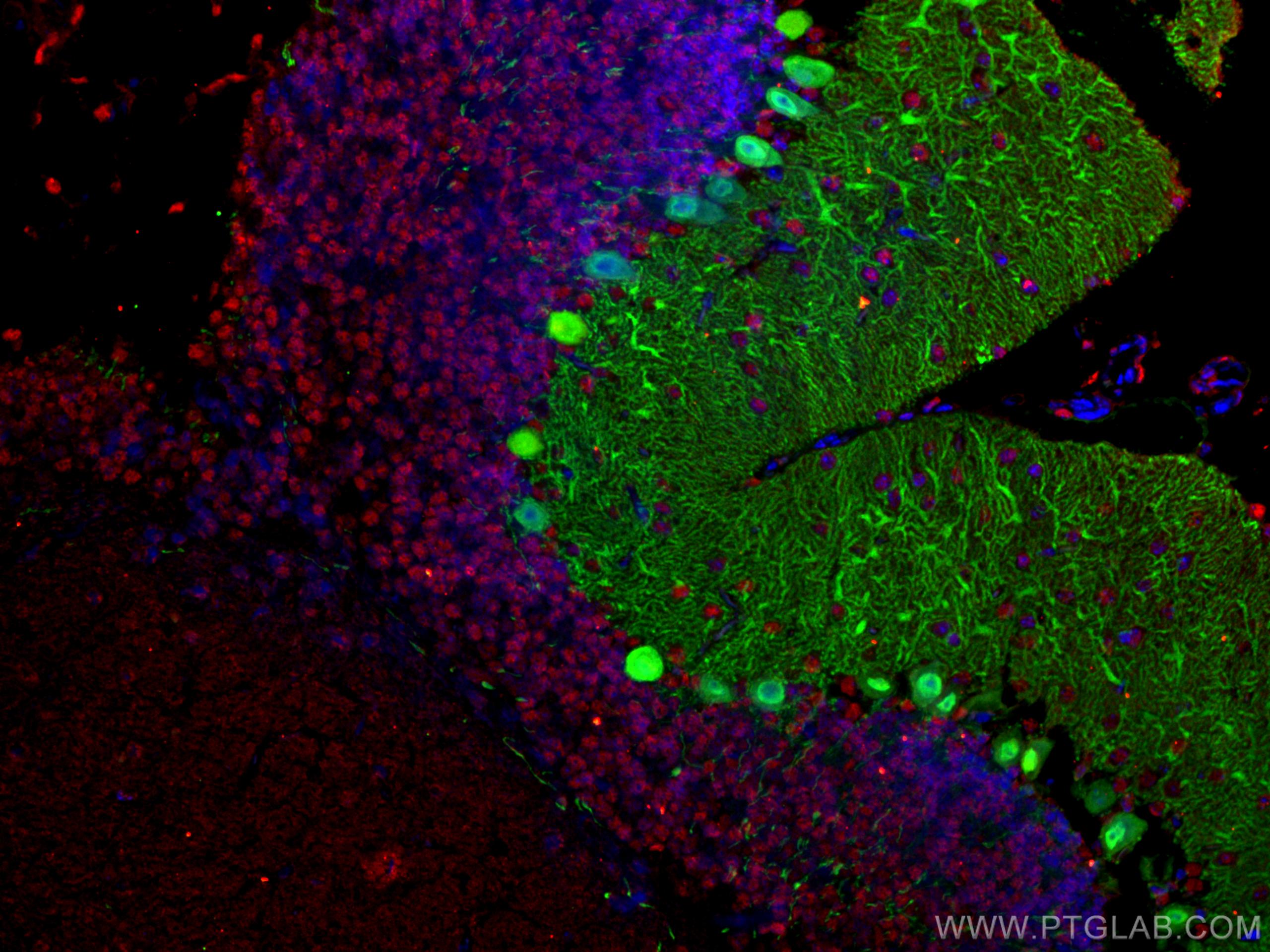
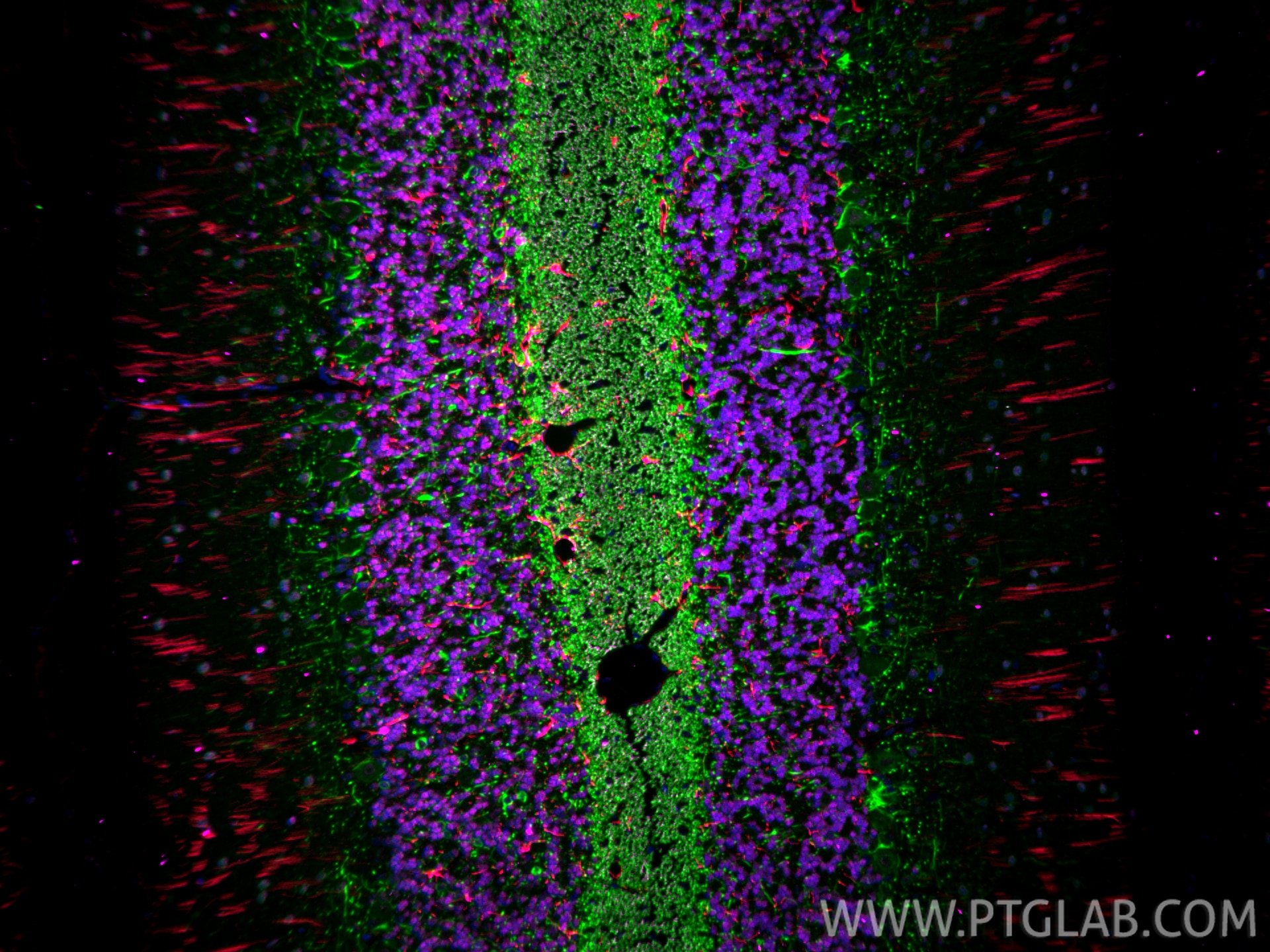
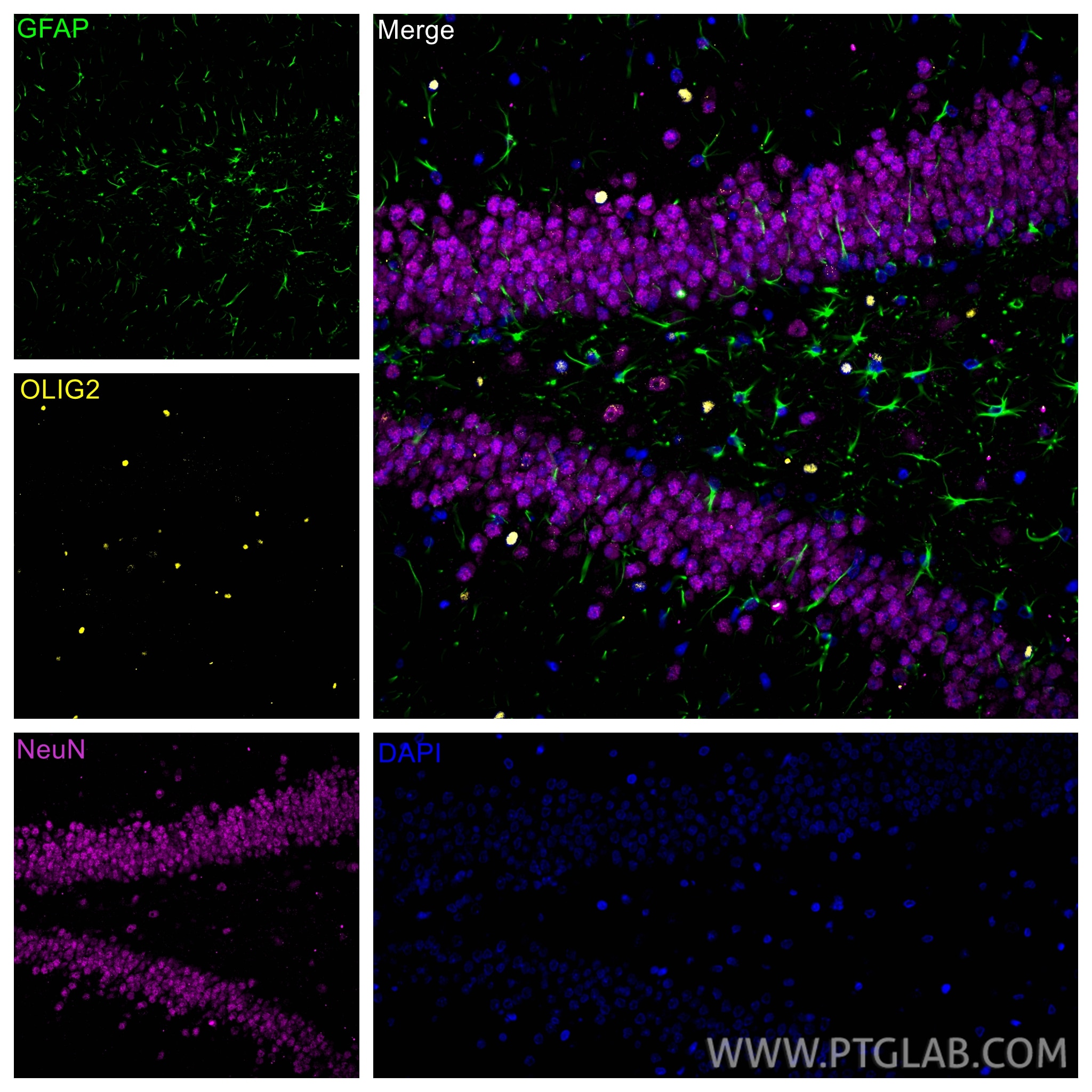
| Positive IF-P detected in | rat cerebellum tissue, mouse cerebellum tissue, rat brain tissue |
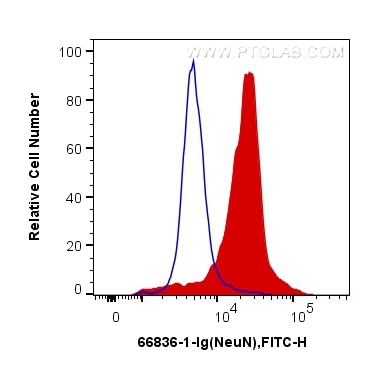
| Positive FC (Intra) detected in | SH-SY5Y cells |
This antibody is not suitable for staining in frozen section.
Recommended dilution
| Application | Dilution |
|---|---|
| Immunohistochemistry (IHC)-AUTOSTAINER | IHC-AUTOSTAINER : 1:5000-1:20000 |
| Immunohistochemistry (IHC) | IHC : 1:2500-1:10000 |
| Immunofluorescence (IF)-P | IF-P : 1:50-1:500 |
| Flow Cytometry (FC) (INTRA) | FC (INTRA) : 0.20 ug per 10^6 cells in a 100 µl suspension |
| It is recommended that this reagent should be titrated in each testing system to obtain optimal results. | |
| Sample-dependent, Check data in validation data gallery. | |
Product Information
66836-1-Ig targets NeuN in IHC, IHC-Autostainer, IF-P, FC (Intra), ELISA, Immunofluorescence applications and shows reactivity with human, mouse, rat samples.
| Tested Reactivity | human, mouse, rat |
| Cited Reactivity | human, mouse, rat, goat |
| Host / Isotype | Mouse / IgG1 |
| Class | Monoclonal |
| Type | Antibody |
| Immunogen |
CatNo: Ag28016 Product name: Recombinant human NeuN protein Source: e coli.-derived, PET28a Tag: 6*His Domain: 1-100 aa of NM_001082575 Sequence: MAQPYPPAQYPPPPQNGIPAEYAPPPPHPTQDYSGQTPVPTEHGMTLYTPAQTHPEQPGSEASTQPIAGTQTVPQTDEAAQTDSQPLHPSDPTEKQQPKR Predict reactive species |
| Full Name | hexaribonucleotide binding protein 3 |
| GenBank Accession Number | NM_001082575 |
| Gene Symbol | NeuN |
| Gene ID (NCBI) | 146713 |
| RRID | AB_2882179 |
| Conjugate | Unconjugated |
| Form | Liquid |
| Purification Method | Protein G purification |
| UNIPROT ID | A6NFN3 |
| Storage Buffer | PBS with 0.02% sodium azide and 50% glycerol, pH 7.3. |
| Storage Conditions | Store at -20°C. Stable for one year after shipment. Aliquoting is unnecessary for -20oC storage. 20ul sizes contain 0.1% BSA. |
Background Information
NeuN, encoded by FOX3, is a neuron-specific nuclear protein. Anti-NeuN stains exclusively neuronal cells in the central and peripheral nervous systems, especially postmitotic and differentiating neurons, as well as terminally differentiated neurons. Anti-NeuN has been used widely as a reliable tool to detect most postmitotic neuronal cell types. The immunohistochemical staining is primarily localized in the nucleus of the neurons with lighter staining in the cytoplasm.
Protocols
| Product Specific Protocols | |
|---|---|
| FC protocol for NeuN antibody 66836-1-Ig | Download protocol |
| IF protocol for NeuN antibody 66836-1-Ig | Download protocol |
| IHC protocol for NeuN antibody 66836-1-Ig | Download protocol |
| Standard Protocols | |
|---|---|
| Click here to view our Standard Protocols |
Publications
What published studies show
The NeuN Monoclonal antibody (3A4C1), catalog number 66836-1-Ig, has accumulated 295 citations. Publications appear in high-impact journals including Nature, Cell Metabolism, Nature Neuroscience, Nature Communications, Neuron, ACS Nano, Redox Biology, Journal of Neuroinflammation, and Brain, Behavior, and Immunity. Research fields predominantly encompass neuroscience and neurology, covering neuroinflammation, neurodegenerative diseases (Alzheimer's, Parkinson's, ALS), cerebral ischemia/reperfusion injury, spinal cord injury, ferroptosis, pyroptosis, neuroprotection, and the gut-brain axis, with immunofluorescence and IHC as primary applications.
| Species | Application | Title |
|---|---|---|
Nat Nanotechnol A disease-severity-responsive nanoparticle enables potent ghrelin messenger RNA therapy in osteoarthritis. | ||
Cell Metab The S100A8/A9 complex promotes food intake and prevents adipose tissue loss during cancer cachexia in mice. | ||
Cell Metab Acetate enables metabolic fitness and cognitive performance during sleep disruption | ||
Cyborg Bionic Syst Frequency-Specific Transcranial Photobiomodulation Elicits Complementary Glial Mechanisms for Neurovascular Protection and Amyloid Clearance in Alzheimer Disease. | ||
Nat Neurosci Mitochondrial accumulation and lysosomal dysfunction result in mitochondrial plaques in Alzheimer's disease |
Reviews
What customers say
Across six reviews, this NeuN antibody performs well for immunofluorescence on mouse tissues (retina, brain) and hiPSC-derived neurons, with users reporting clear labeling at 1:200–1:300 dilutions. However, several reviewers noted background issues: one observed background in mouse PVN region, another reported heavy background noise in IHC on frozen spinal cord, and a WB user saw non-specific bands above the expected molecular weight. One user had no successful results on organoid/brain tissue. Overall, the antibody is generally effective for IF applications but may require optimization to reduce background in some tissues and protocols.
The reviews below have been submitted by verified Proteintech customers who received an incentive for providing their feedback.
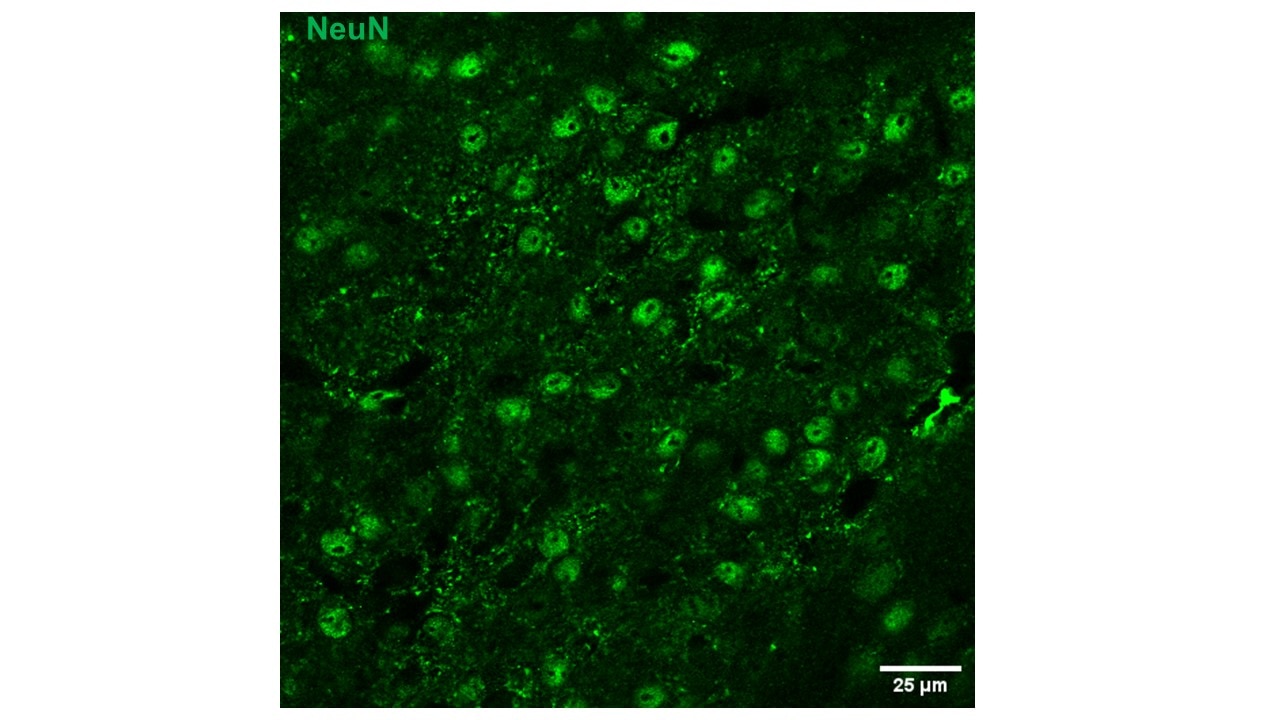
Deng (Verified Customer) (08-14-2025) | it works, but has some background (see image in mouse PVN region)
 |
Carla (Verified Customer) (02-03-2025) | We didn't have any good results
|
Kenzo (Verified Customer) (01-05-2024) | This monoclonal NeuN worked well for mouse tissues.
|
Silvia (Verified Customer) (08-11-2022) | it works well for Immunofluorescence on mature neurons
|
Delphine (Verified Customer) (07-25-2022) | Immunohistochemistry with the NeuN antibody on frozen spinal cord worked but the labeling must be optimized because there is a lot of background noise.
|
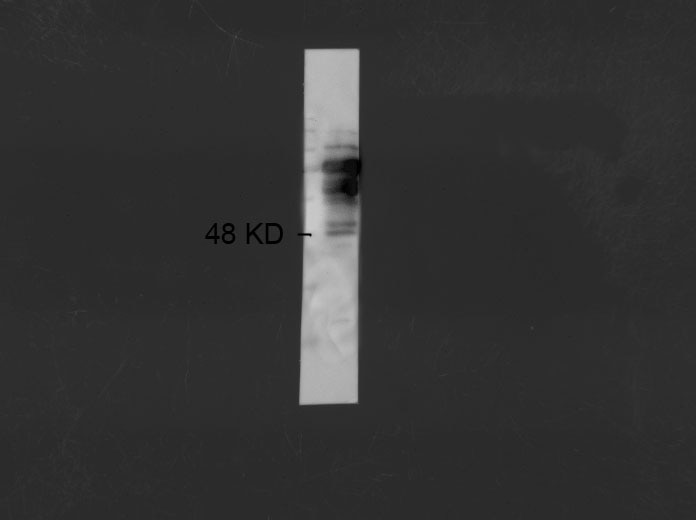
q (Verified Customer) (01-05-2022) | It is OK to use it in WB, but several non-specific bands above the expected MW.
 |


















